

Which art books, prints and posters are available by and about this artist? Here is a sample of items of interest to a typical collector:

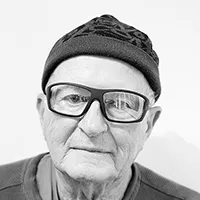
Arthur Tress b. 1940, Brooklyn
Tress began photographing as a boy at Coney Island, drawn to the faded wonder and odd corners of the amusement parks. After Bard, he travelled through Europe, Asia, and Mexico, where myth, ritual, and everyday theatre sharpened his sense of what a picture could hold.He returned to New York in 1968 with a clear intent to make work. Rather than simply observe, he built scenes from dreams and memory, working with children, friends, and the city itself to bring inner life into the real world. Series such as The Dream Collector and Theater of the Mind helped shift American photography toward something staged, psychological, and quietly uncanny.His photographs have been shown internationally and sit in the collections of MoMA, the Met, the Pompidou, LACMA, SFMOMA, and the Whitney. Tress remains a singular figure: an artist who treats imagination not as escape, but as another layer of reality, made solid in the photograph.

see book page for more details
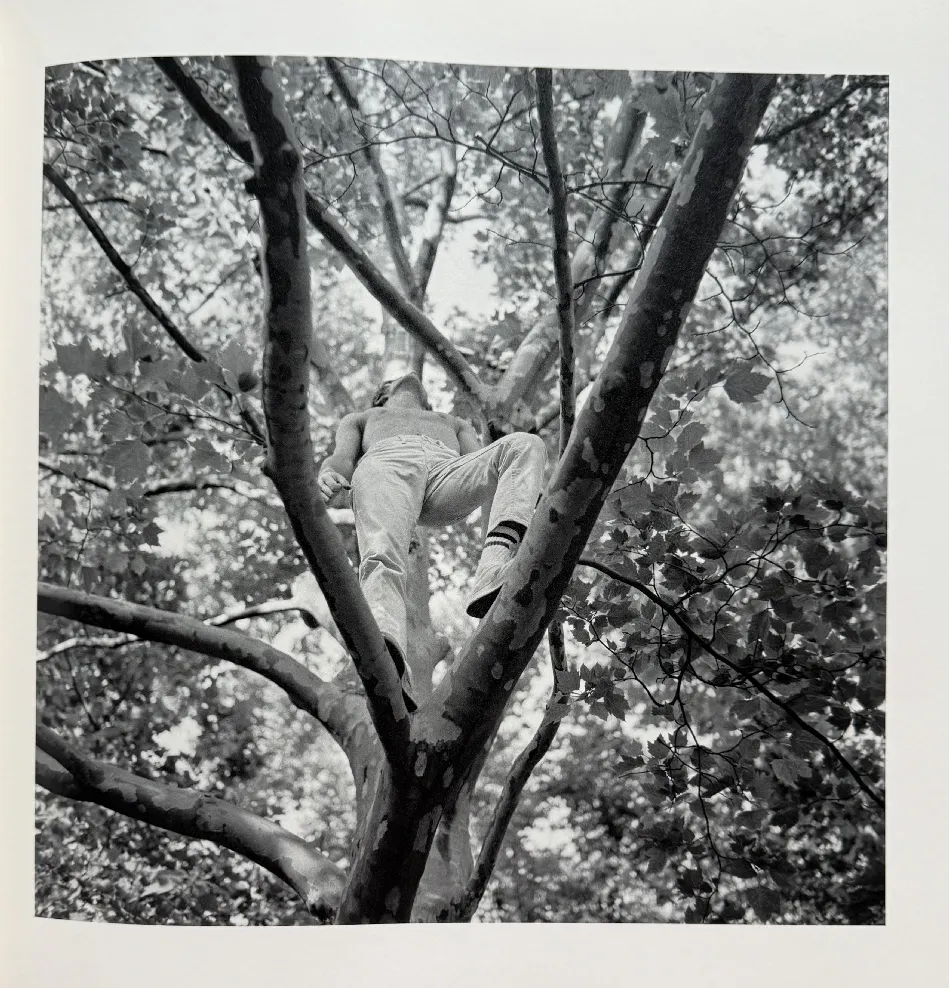
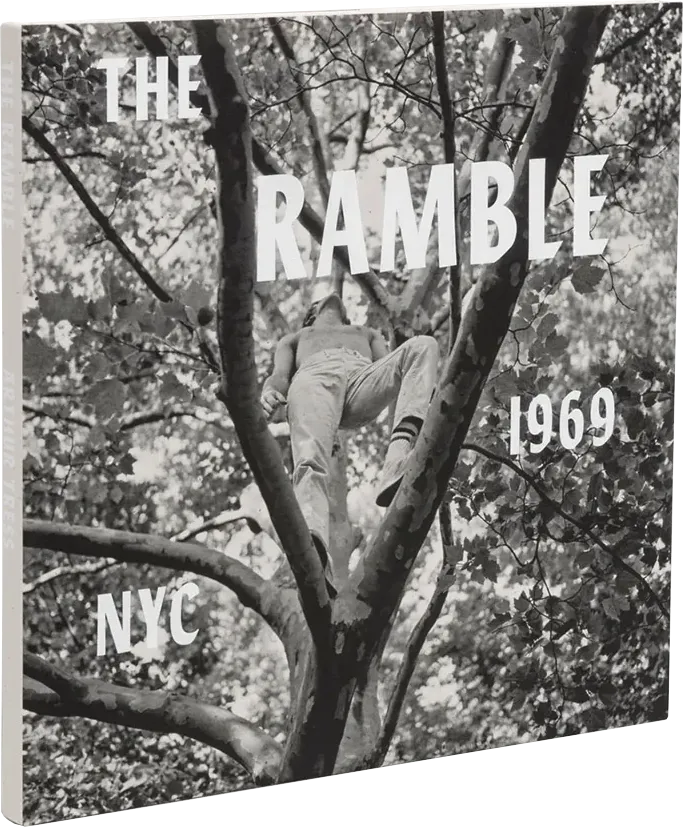
In 1969, Arthur Tress began taking his camera with him on walks through the Ramble, an overgrown corner of Central Park that had become New York's best-known outdoor meeting place for queer men. Designed as a picturesque woodland in the nineteenth century, by the late 1960s it had grown wild, a hidden, half-forgotten place of chance encounters in the middle of the city.
For a little over a year, Tress returned again and again, recording the everyday choreography of cruising and creating what is now recognized as the earliest known photographic record of outdoor cruising in a natural setting.
His images show the flow of men through the Ramble, some caught from a distance, others posed or gently staged in small scenes. He saw these photographs not just as documentation but as a kind of queer still life, part allegory, part dream.
Long unseen, The Ramble is now considered a vital piece of New York's queer history, part ethnography, part fantasy. More than fifty years later, it stands alongside a new generation of queer landscape projects that share its quiet focus on how bodies, longing, and hidden places shape each other.
Containing an essay by art historian Jackson Davidow, The Ramble is the first publication of this remarkable archive: an early portrait of a hidden world, a city's wild corner, and an artist searching for himself among the trees.