Welcome! This site is optimized for viewing on a desktop or a tablet.
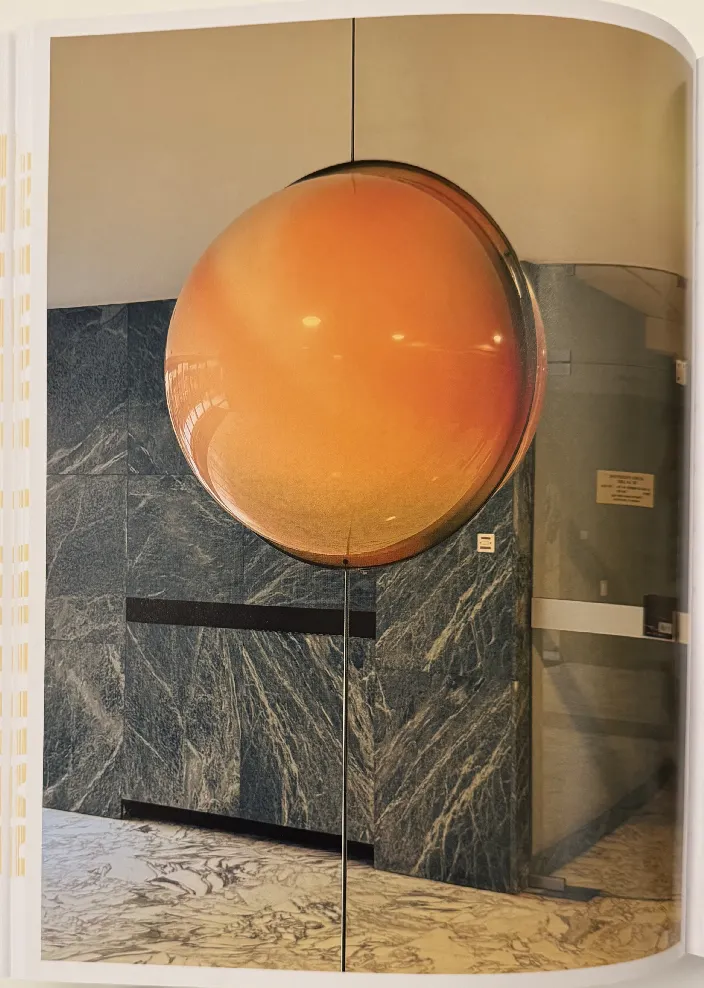
Romain Laprade’s Hallways operates as a compelling investigation into the apartment building lobbies of Paris constructed throughout the 1970s. Long treated as transitional non-places or dated relics of mid-century urbanism, these domestic entryways embody a distinct era’s projected vision of modern luxury and material optimism.
Laprade approaches these interior environments with archival precision, cataloging their signature geometries, integrated planter beds, textured masonry, polished marble, and warm synthetic lighting. Rather than viewing these spaces through a lens of nostalgia, his compositions accentuate their enduring structural coherence and spatial tension, suggesting that these lobbies have persisted unchanged precisely because their original aesthetic ambition remains functionally and visually unmatched.
%20christo%20Resized.webp)
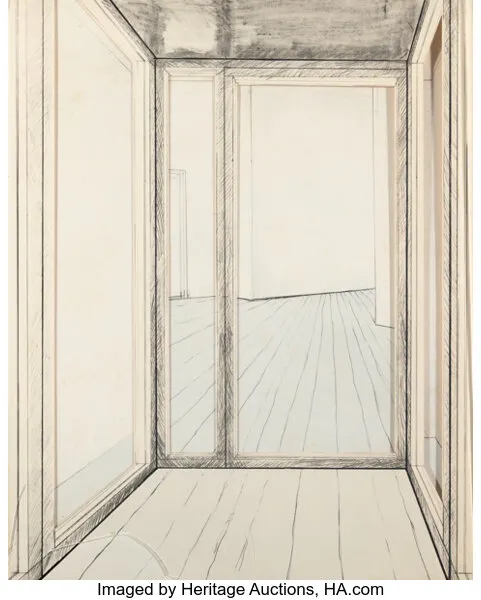
This work by Christo and Jeanne-Claude, which I've recently rehung, has always captivated me.
Completed in 1983, it is based off an interior designed by Mies van der Rohe in the Museum Haus Lange in Krefeld, which was the subject of the artists' transformative installation. By concealing the precise, austere interiors originally designed by the famous architect, the artists fundamentally altered the spatial experience of the building. This project highlights their enduring conceptual practice of temporary concealment, where the act of wrapping domestic and institutional spaces paradoxically reveals the underlying architectural volumes that are typically taken for granted.
I've always been fascinated by the collage elements on the actual print, most notably the hand-painted cloth that has been deliberately folded and wrinkled to mimic the draped floor area of the original site. Secured with staples and juxtaposed against brown wrapping paper that obscures the windows, the heavy, organic folds of the fabric create a textural contrast against the geometric discipline of the room.
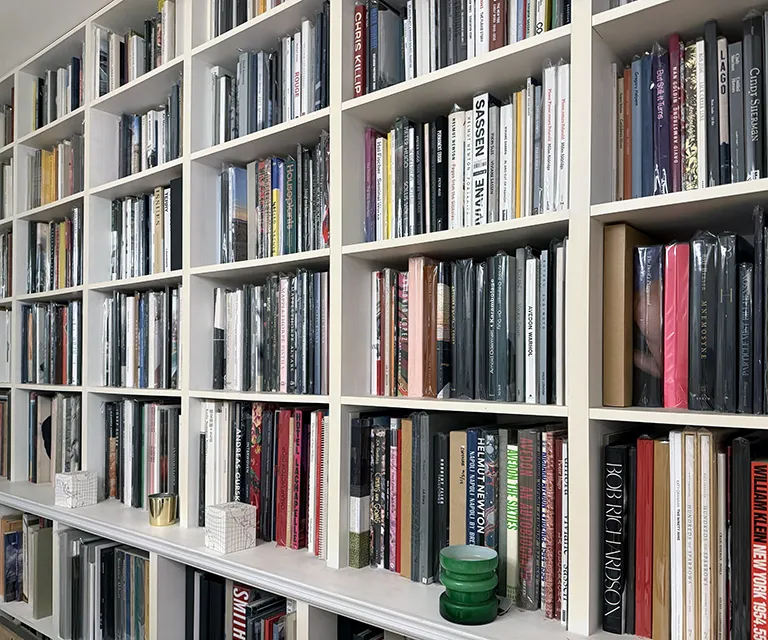
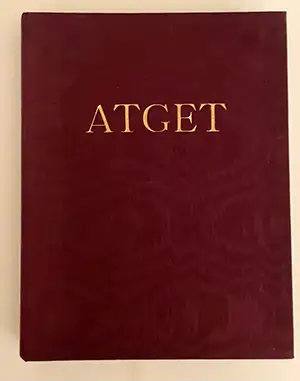
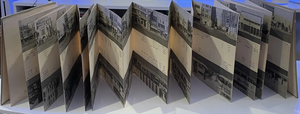
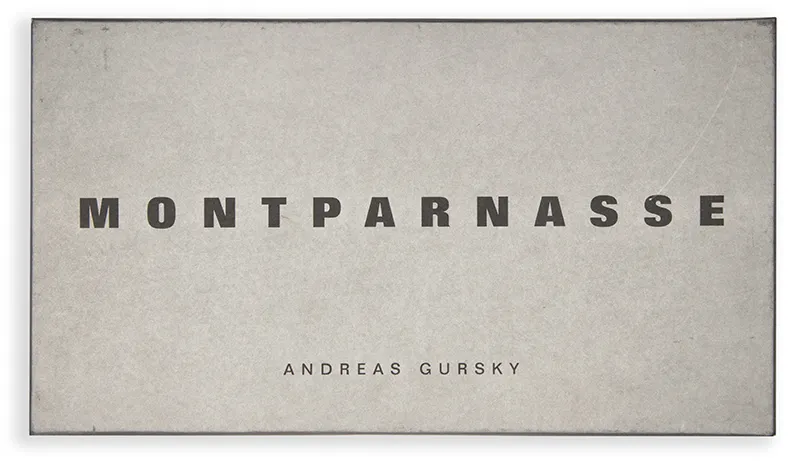
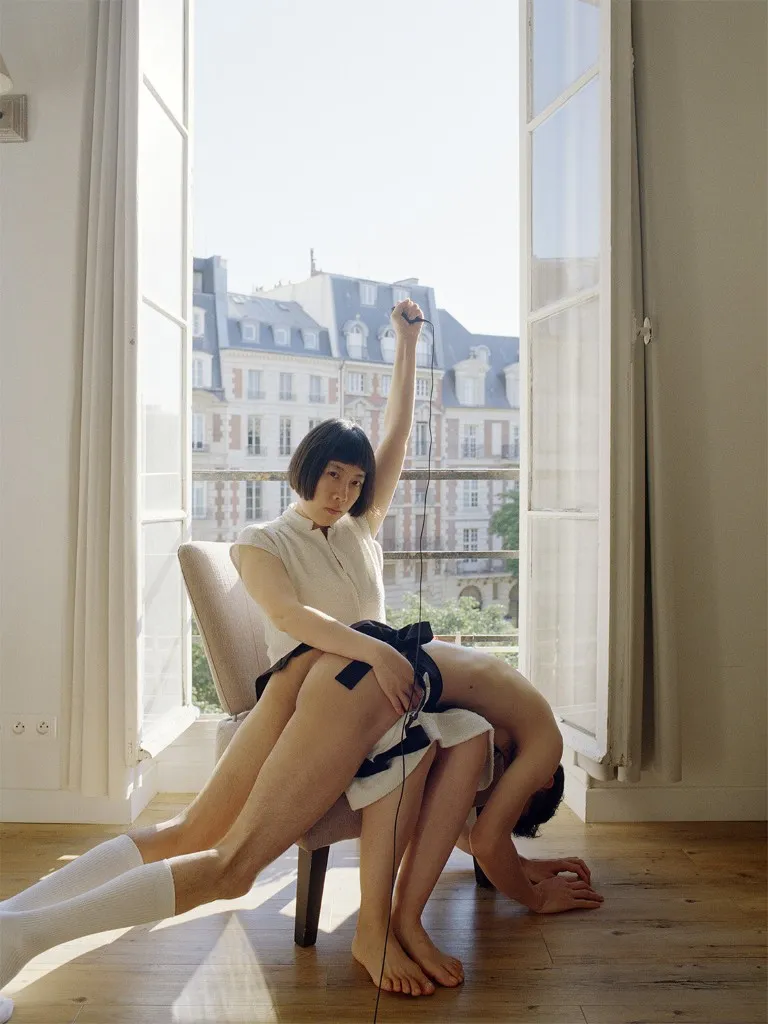
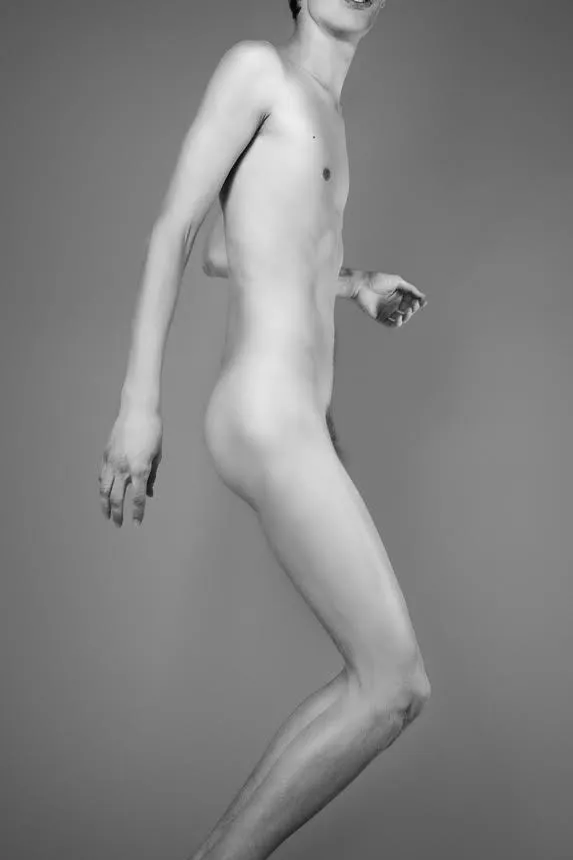
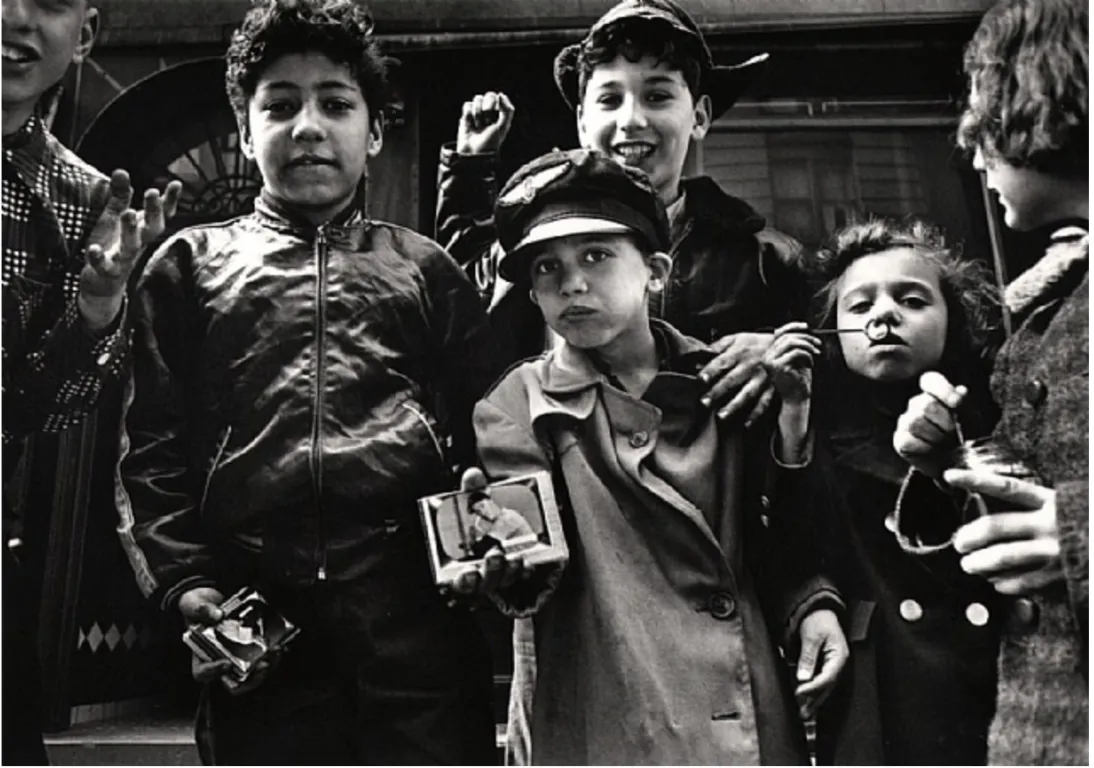
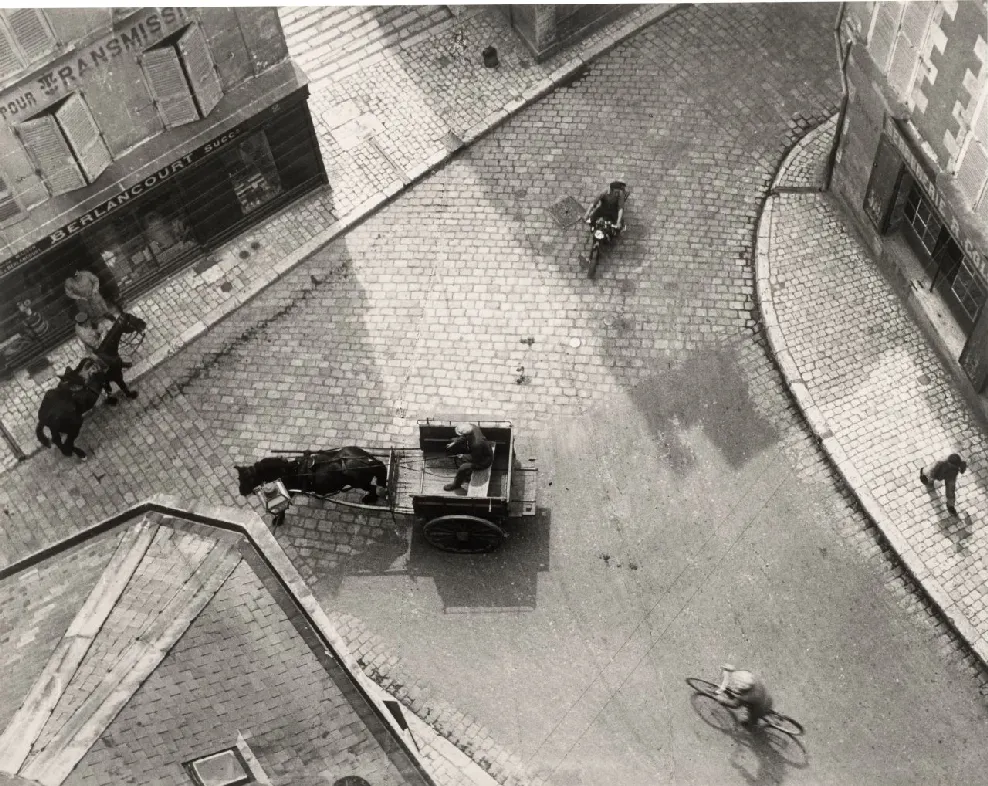
Bushwick Sur Seine is a private archive based in Brooklyn, dedicated to fine art photography, rare photobooks, and printed matter. Grounded in a rigorous formalist approach, the collection explores the intersection of visual art and physical publishing, treating the printed image as a definitive sculptural object.
As a constantly evolving archive, we always have books and prints for sale. Feel free to visit our Private Sales Section to explore currently available works.
If you are an artist or a publisher, please contact us for inquiries or collaborations.

Follow our latest additions on Instagram

%2520Gisela%2520Capitain%252C%25201992.webp)


%25202019%2520Printed%2520Matter.webp)




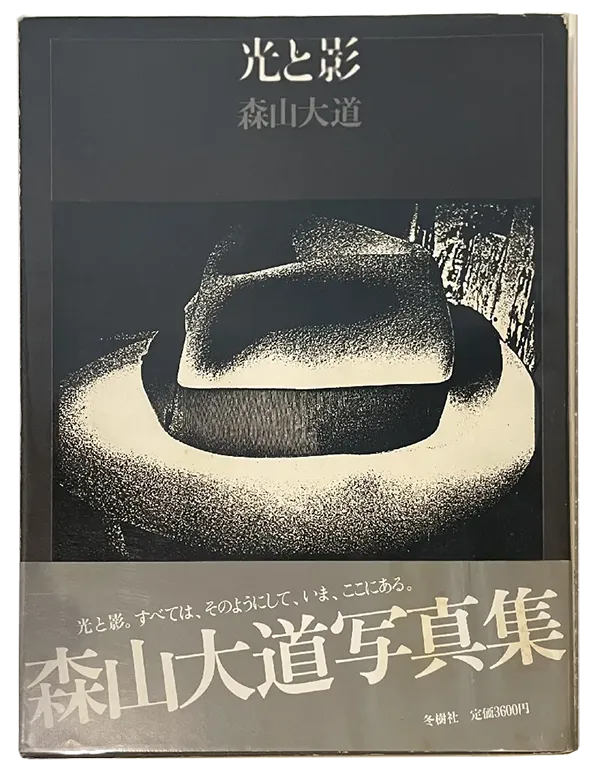
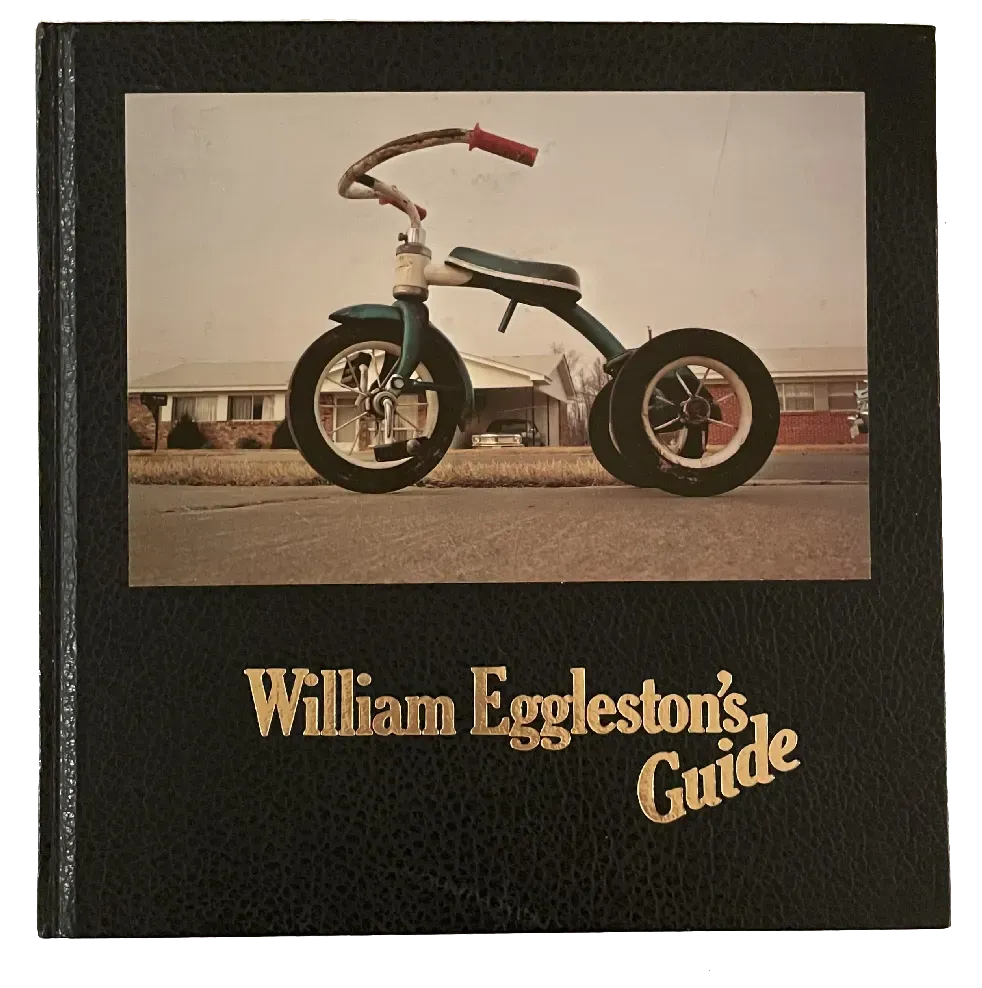
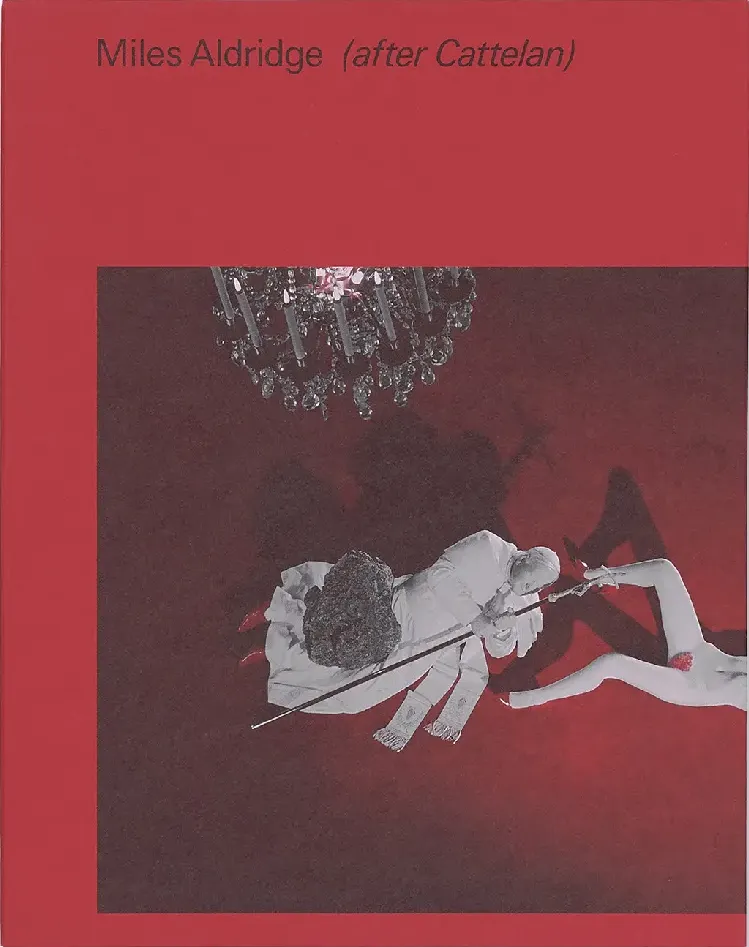
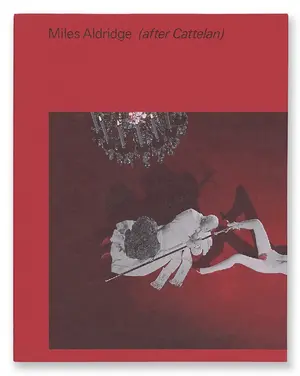
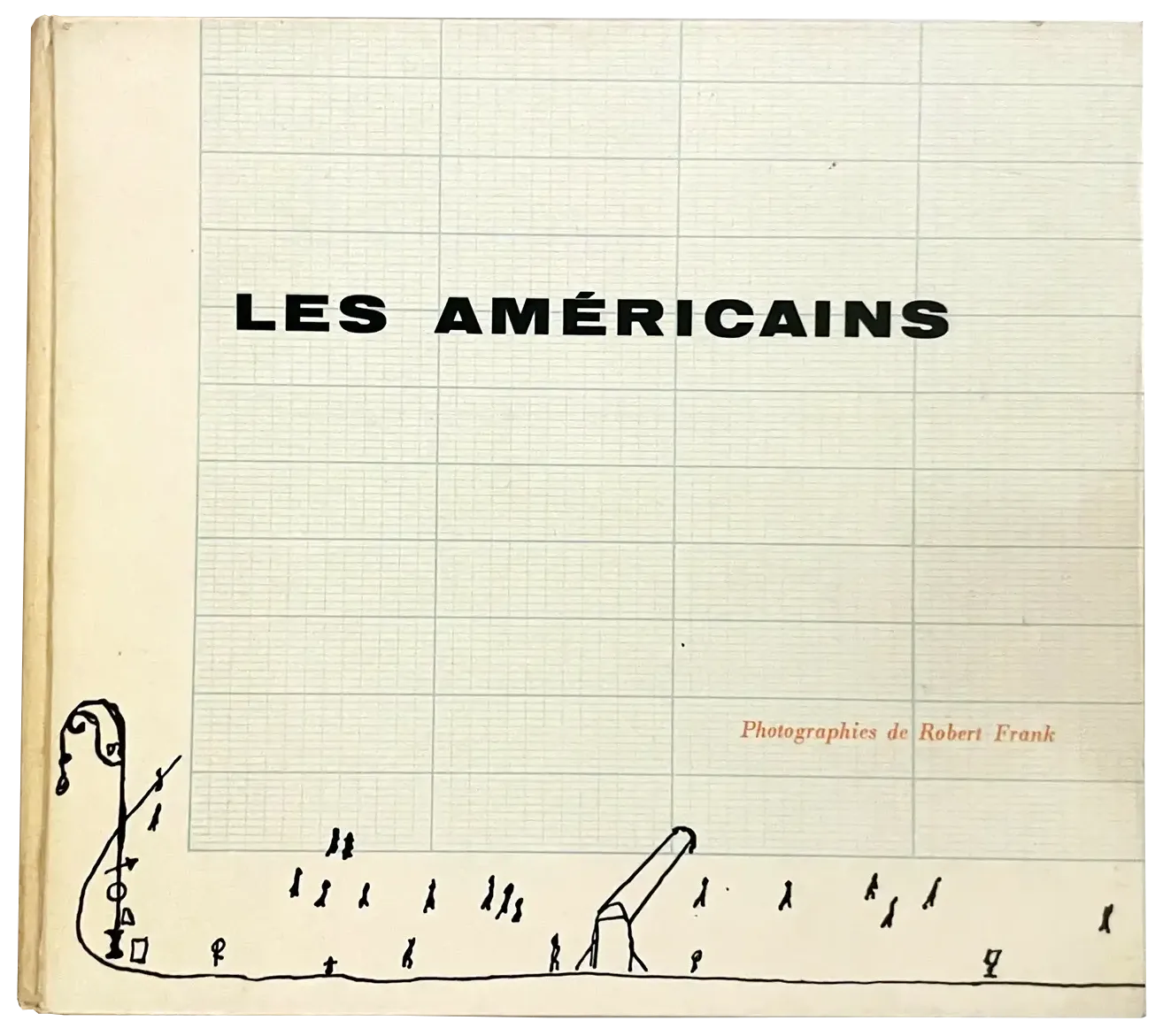
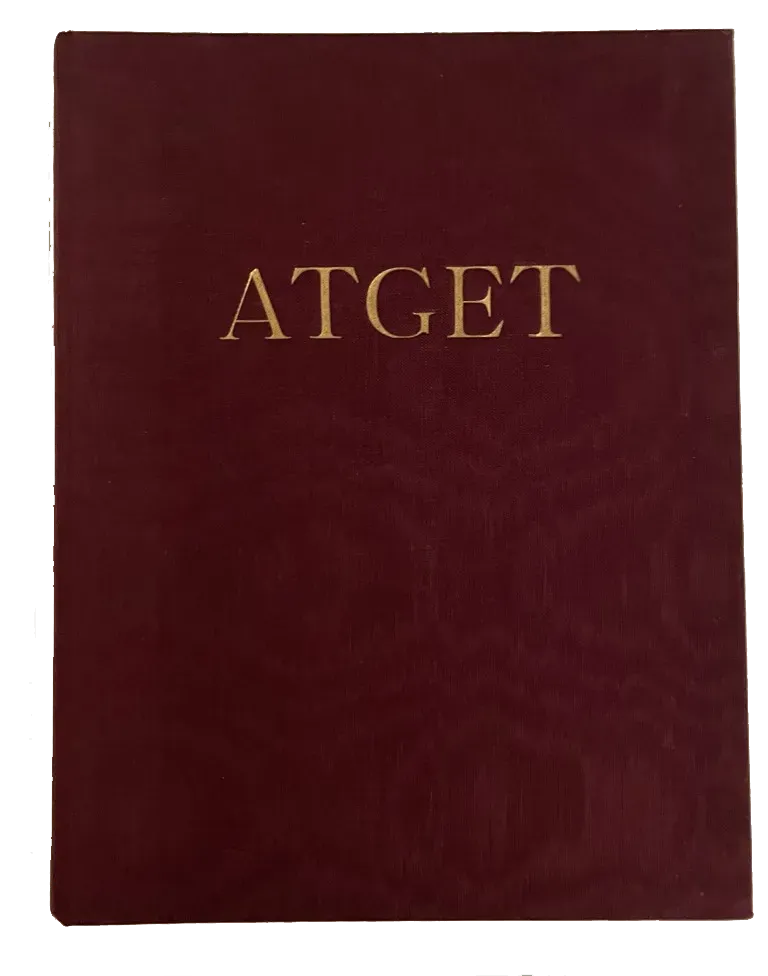





%202007%20Schellmann%20Fully%20Resized.webp)


%20Fully%20Resized.webp)


%252C%25202021%252C%2520Aperture%252C%25202024%2520Ed20.webp)











%252C%25202023%252C%2520Cristea%2520Roberts%252C%25202024%2520Ed10.webp)
%25202018.webp)