

The Influencers
Germany has long been a crucible of innovation in the arts, and photography stands as one of its most influential and globally resonant disciplines. From post-war documentation to conceptual abstraction, German photographers have continuously redefined the medium. At the heart of this movement lies a constellation of artists whose unique perspectives and technical prowess have left a lasting imprint on contemporary visual culture.
One cannot begin a discussion of German photography without acknowledging the towering influence of Bernd and Hilla Becher. Their systematic, black-and-white typologies of industrial architecture, water towers, blast furnaces, and mine shafts, laid the foundation for what would become known as the Düsseldorf School of Photography. Their work not only documented a vanishing industrial era but also established a pedagogical legacy through their teaching at the Kunstakademie Düsseldorf, mentoring a generation of photographers that includes Andreas Gursky, Thomas Struth, Thomas Ruff, and Candida Höfer.
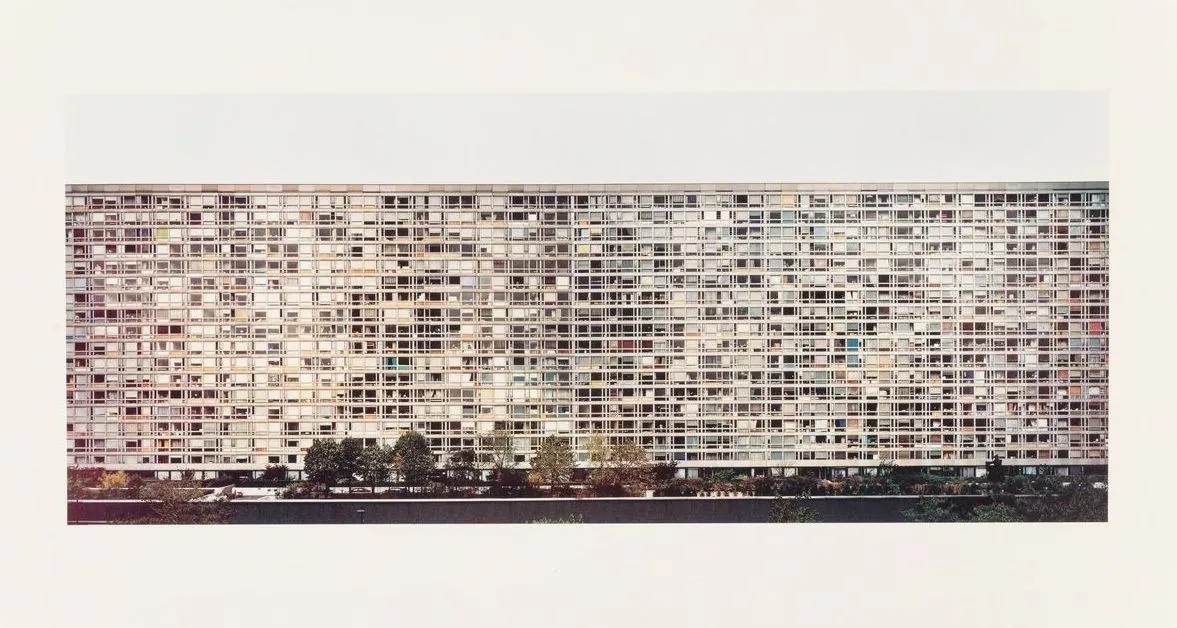
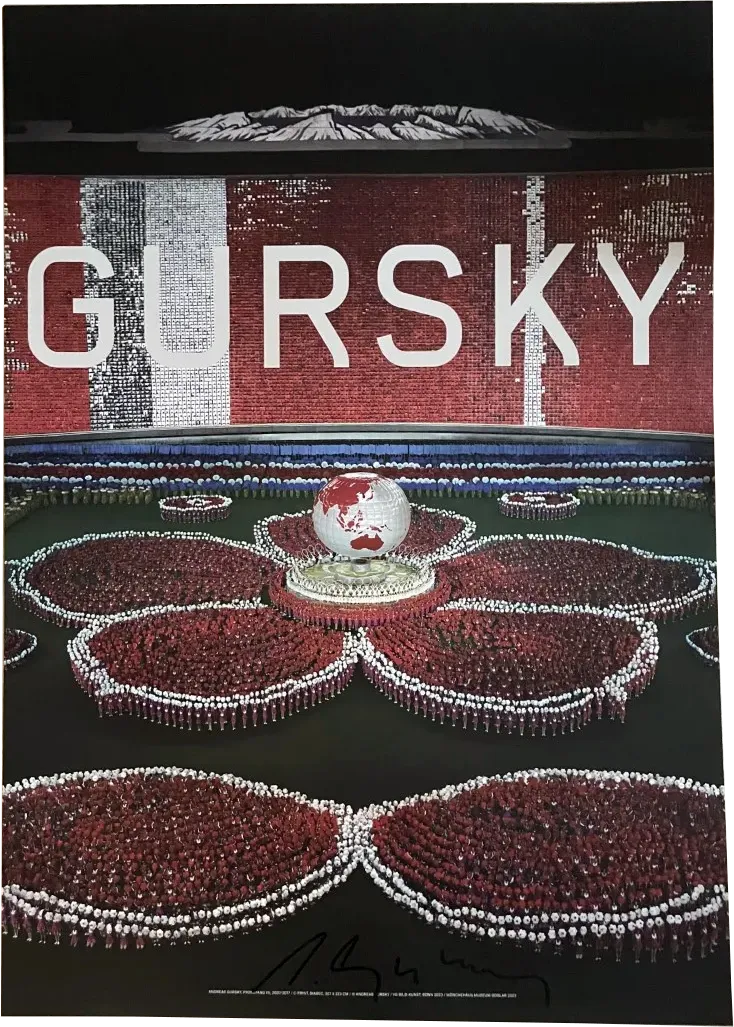
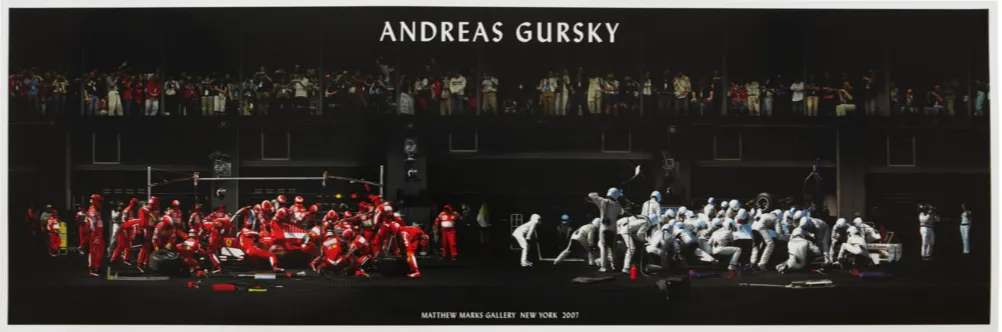
Andreas Gursky, perhaps the most internationally celebrated of their students, revolutionized large-format photography by blending documentary precision with digital manipulation. His images, such as "99Cent" and "Rhine II," reveal a hyperreal vision of globalization, consumerism, and modern life. His monumental scale and compositional rigor bridge the gap between photography and painting, earning his works places in major art collections worldwide.
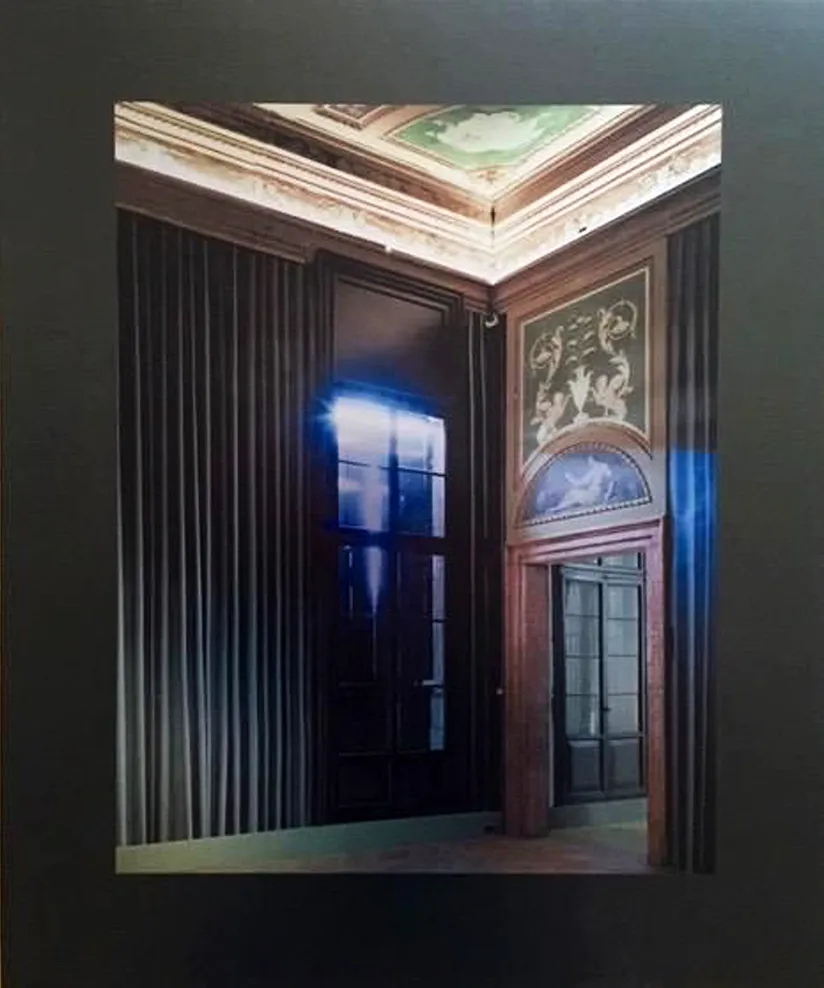
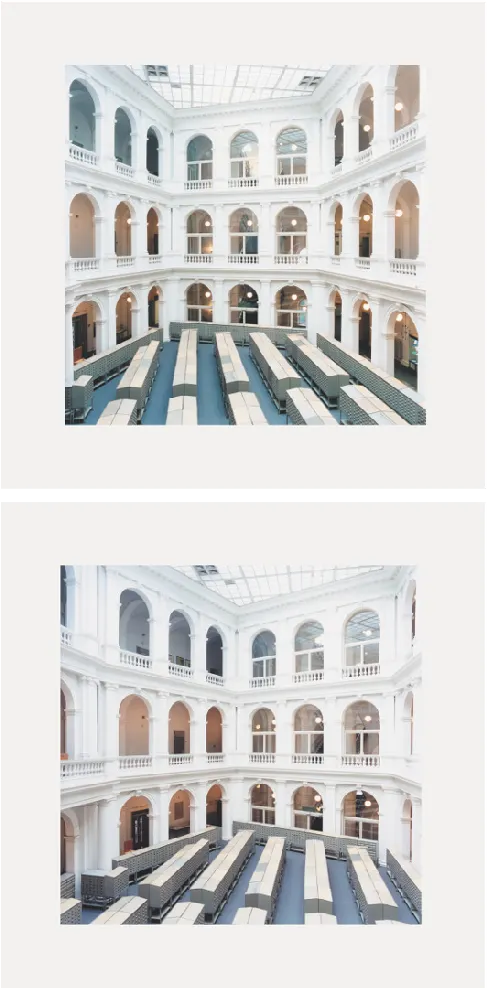
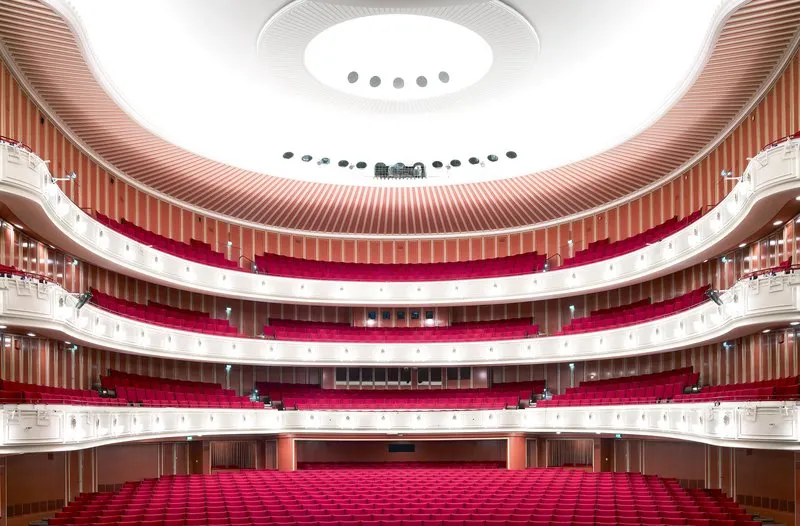
Thomas Struth, another Düsseldorf alumnus, is renowned for his introspective portraits and expansive cityscapes. His "Museum Photographs" series captures viewers gazing at art, creating a layered meditation on observation and the act of seeing. Similarly, Candida Höfer’s work explores institutional interiors, libraries, theaters, and museums, emptied of people yet dense with cultural memory. Her meticulous attention to symmetry and space evokes the quiet grandeur of public architecture.
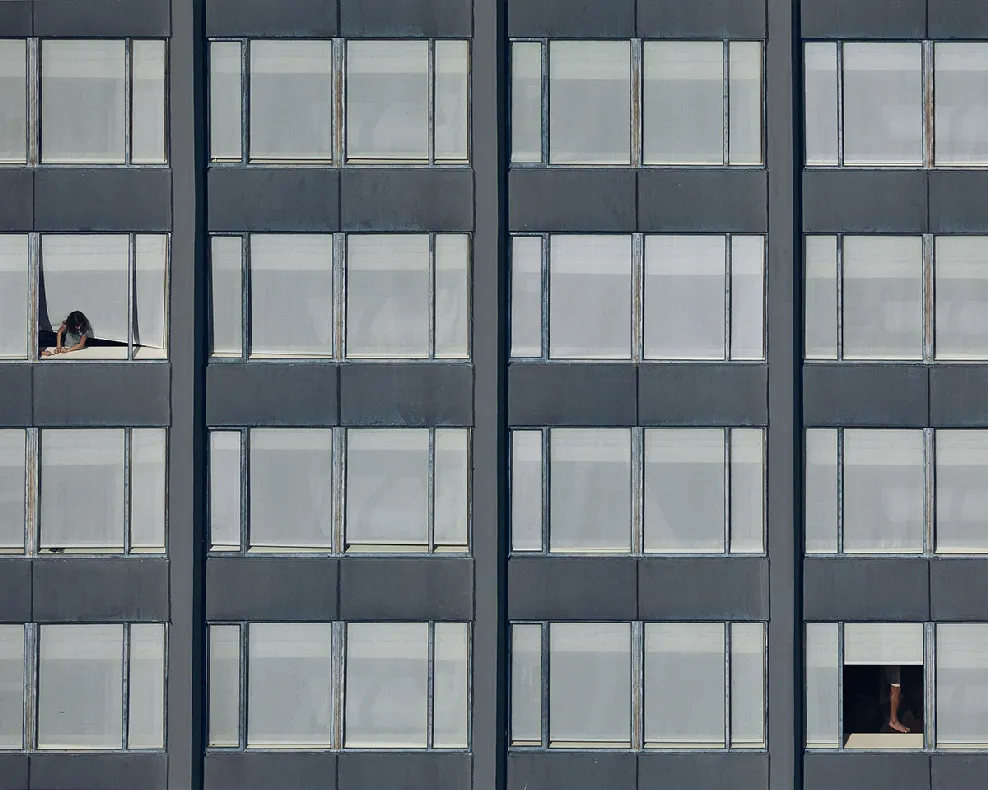
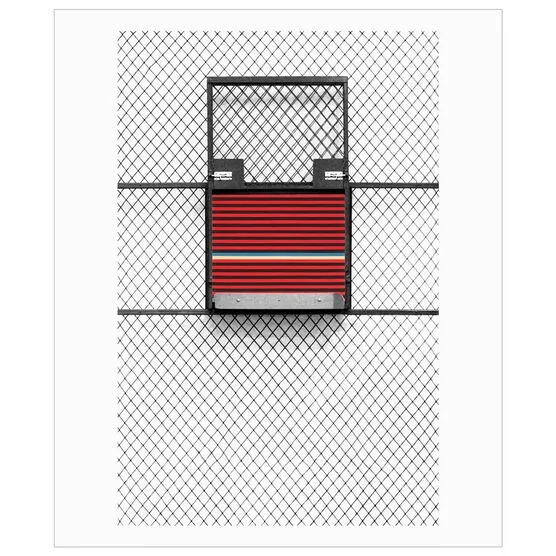
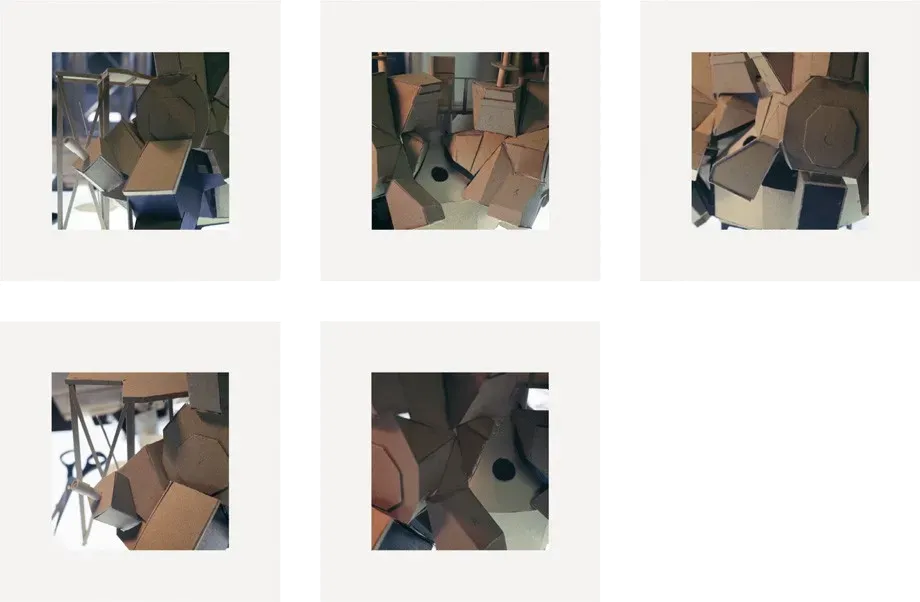
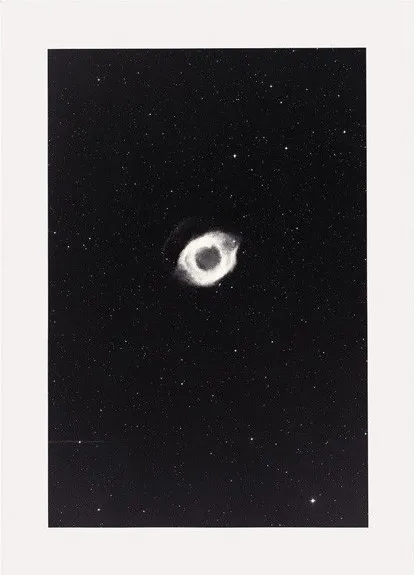
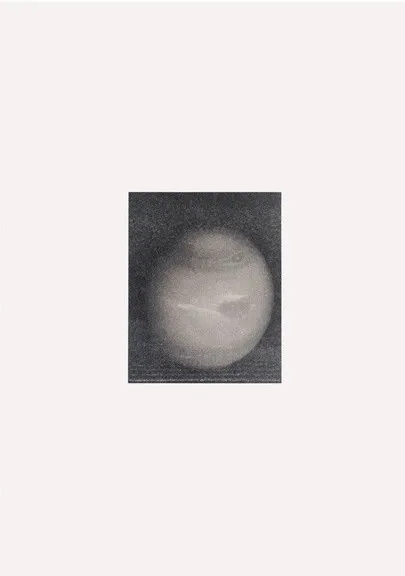
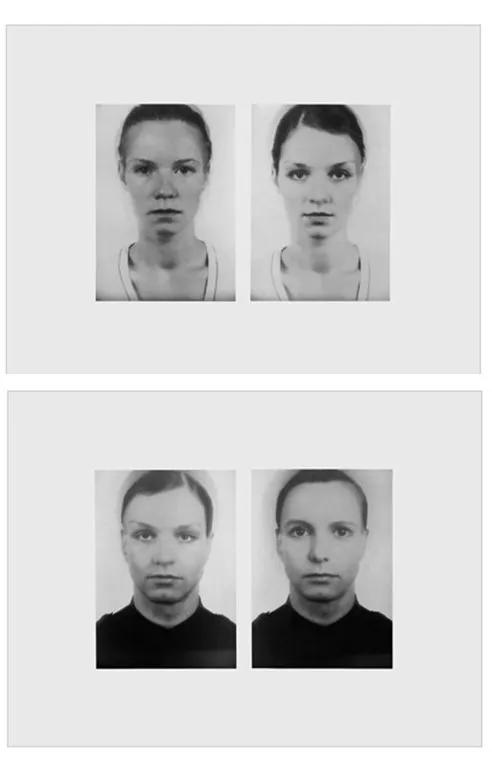
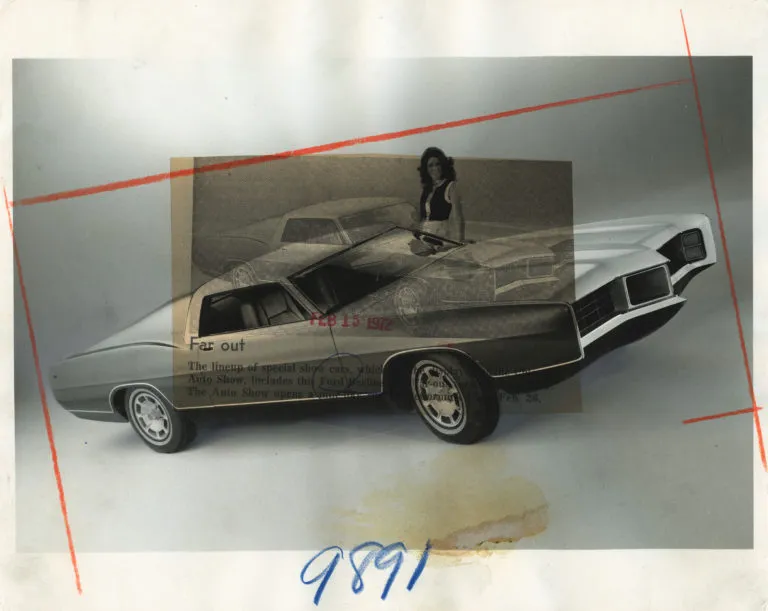
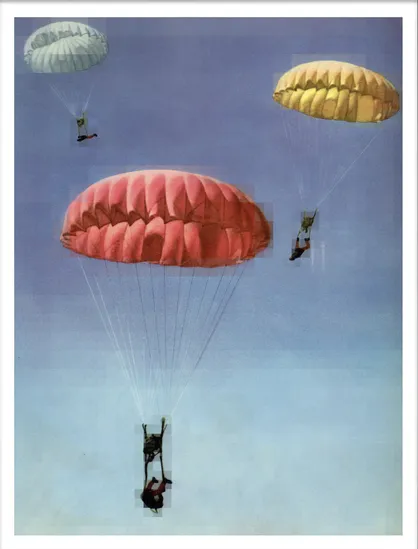
Thomas Ruff diverges from traditional photographic expectations by manipulating images to challenge the viewer’s trust in the medium. From pixelated JPEGs to digitally altered portraits, Ruff interrogates the boundaries of photography as a truthful record. This conceptual thread also runs through the works of Andreas Gefeller and Michael Schmidt. Gefeller’s manipulated aerial perspectives, such as those in his "Supervisions"series, push the boundaries of perception, while Schmidt’s gritty urban narratives, especially "Waffenruhe," delve into Berlin’s divide didentity during the Cold War.
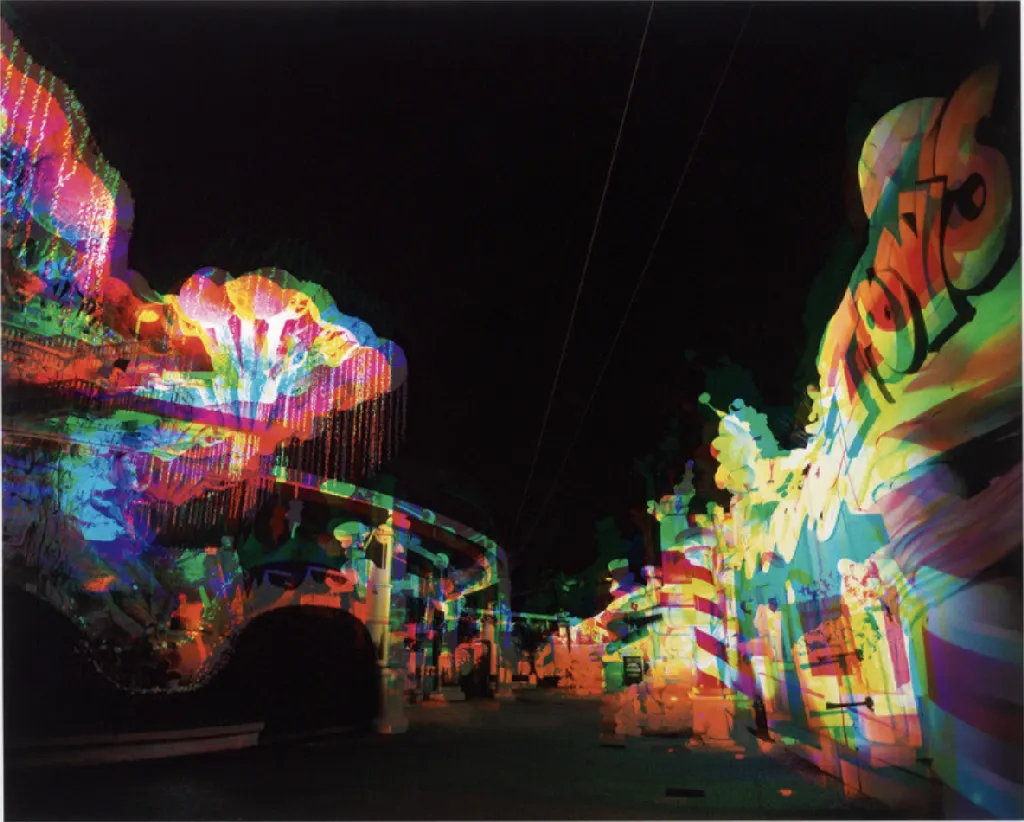
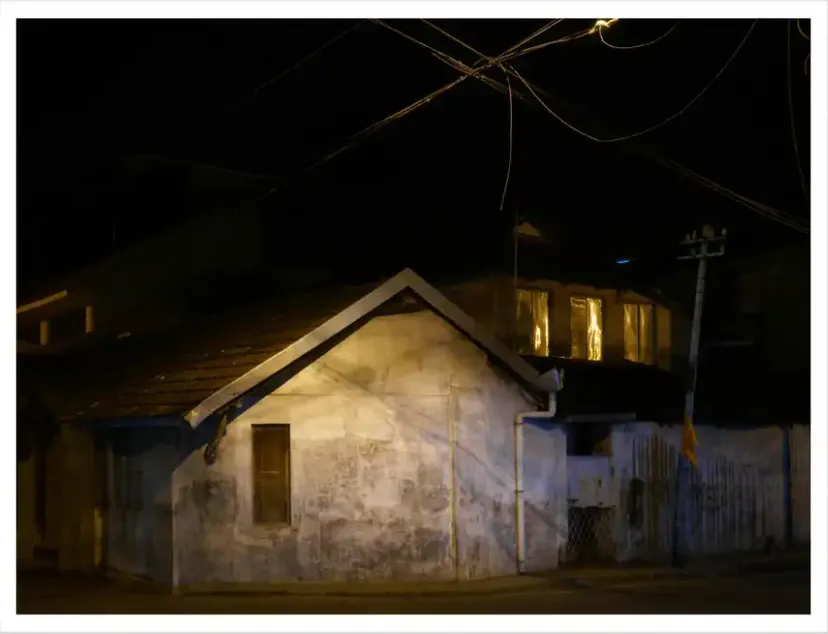
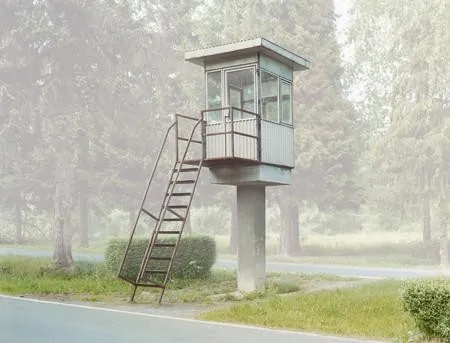
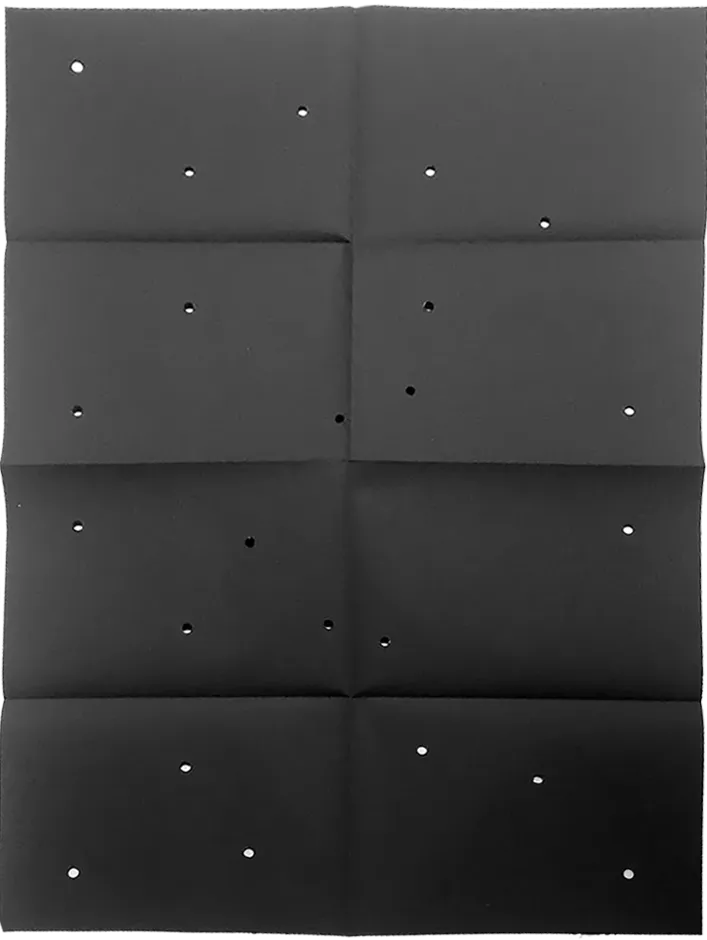
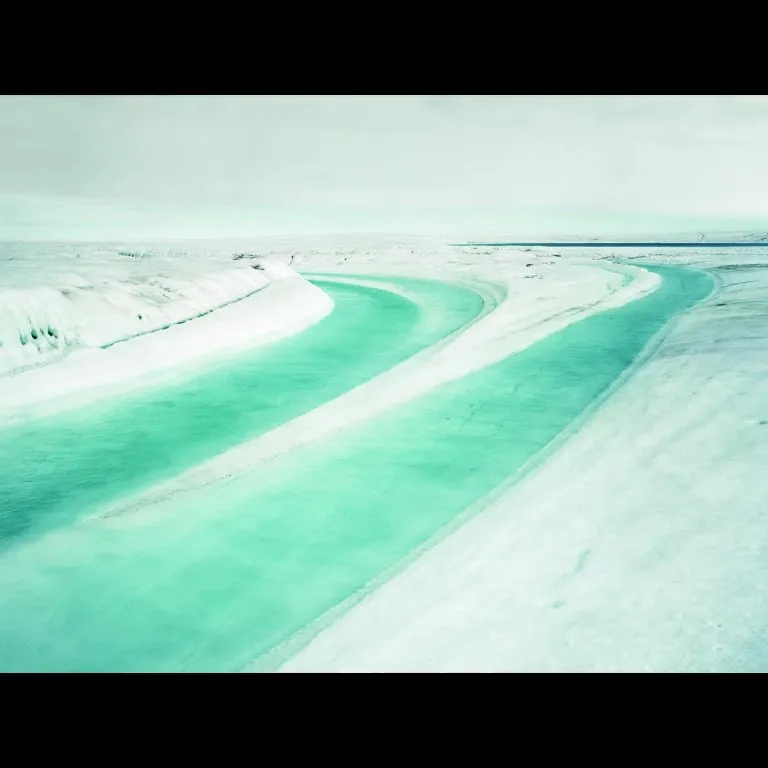
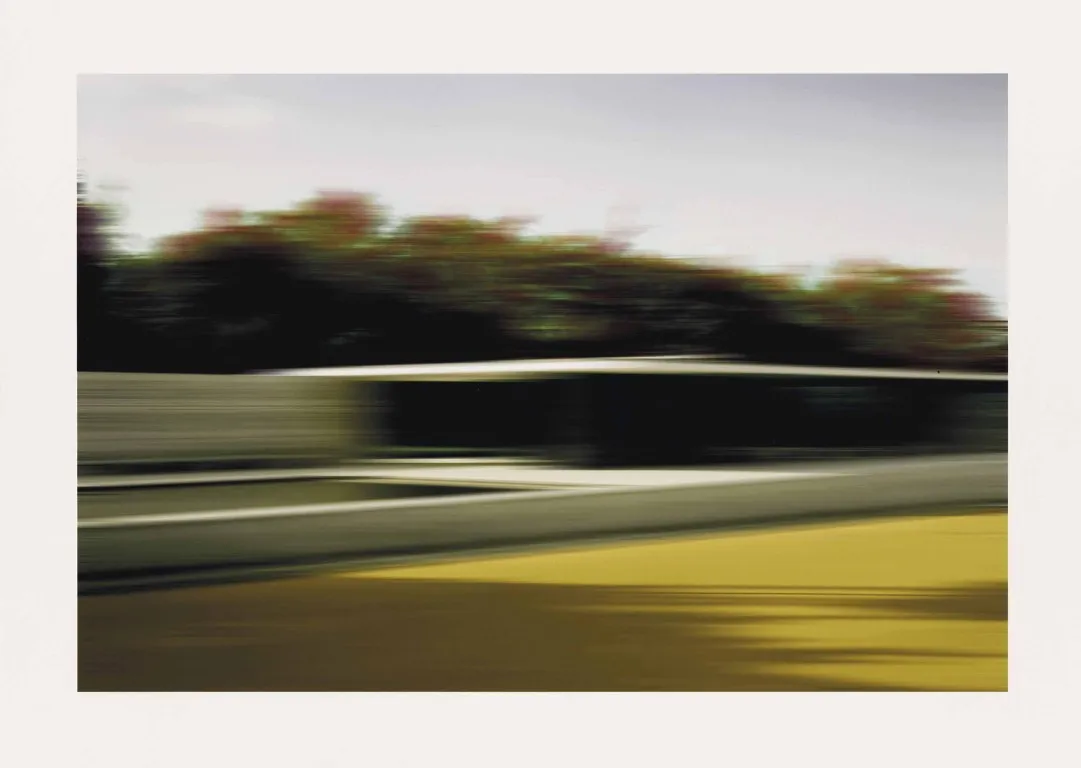
In parallel, photographers like Axel Hütte, Elger Esser, and Hans-Christian Schink pursued a more poetic engagement with landscape and light. Hütte’s nocturnal cityscapes and Esser’s hazy, historical vistas recall 19th-century Romanticism while subtly commenting on modern dislocation.Schink’s "1h" series, which captures the path of the sun over a single hour, merges science, time, and nature in a single frame.
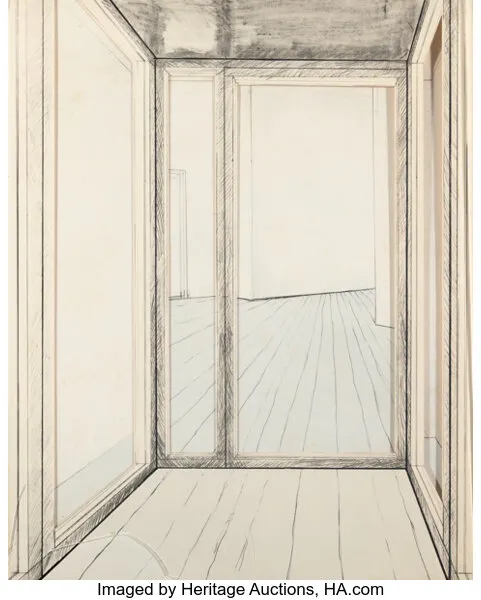
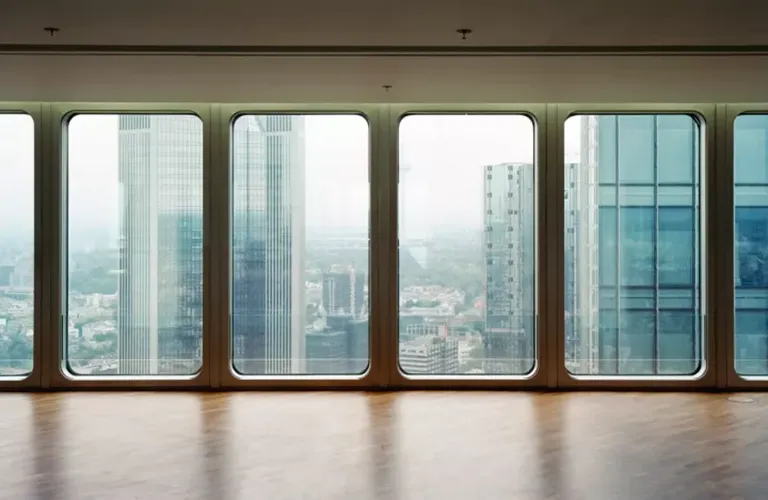
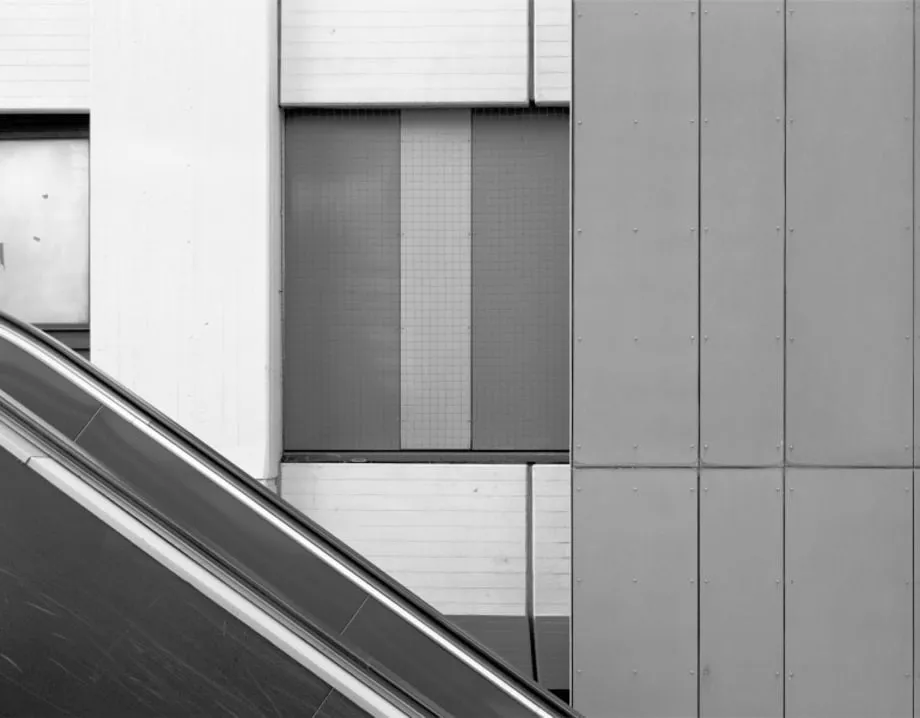
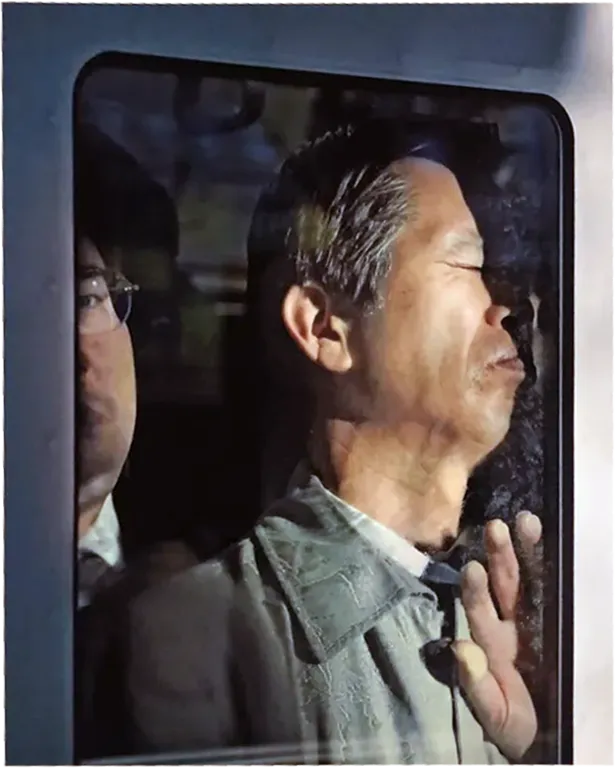
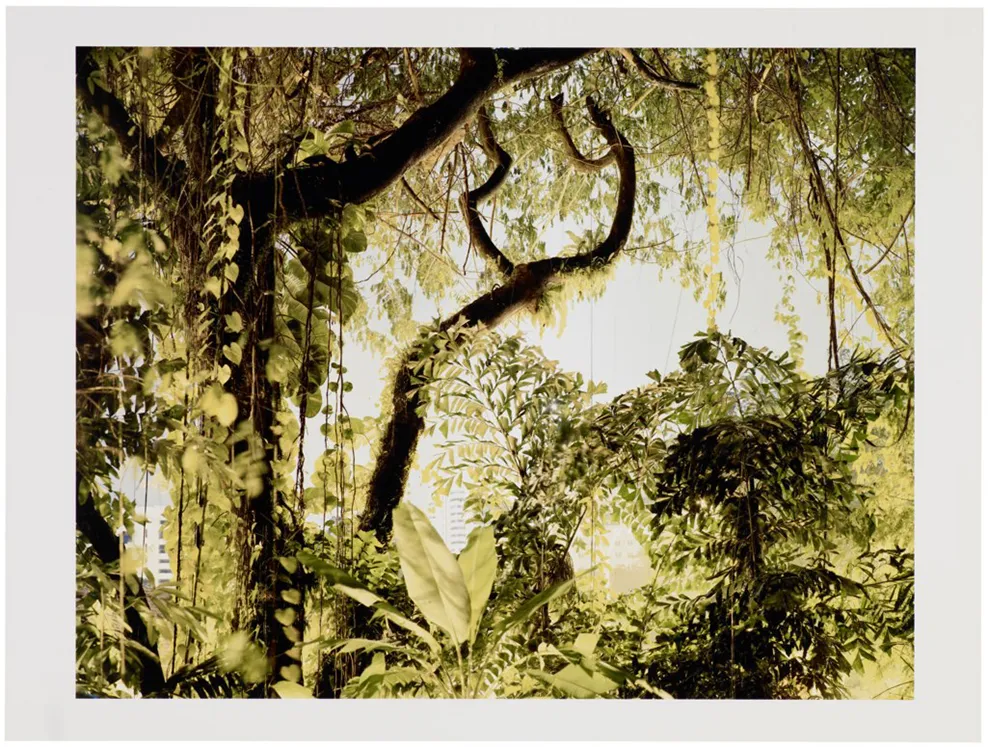
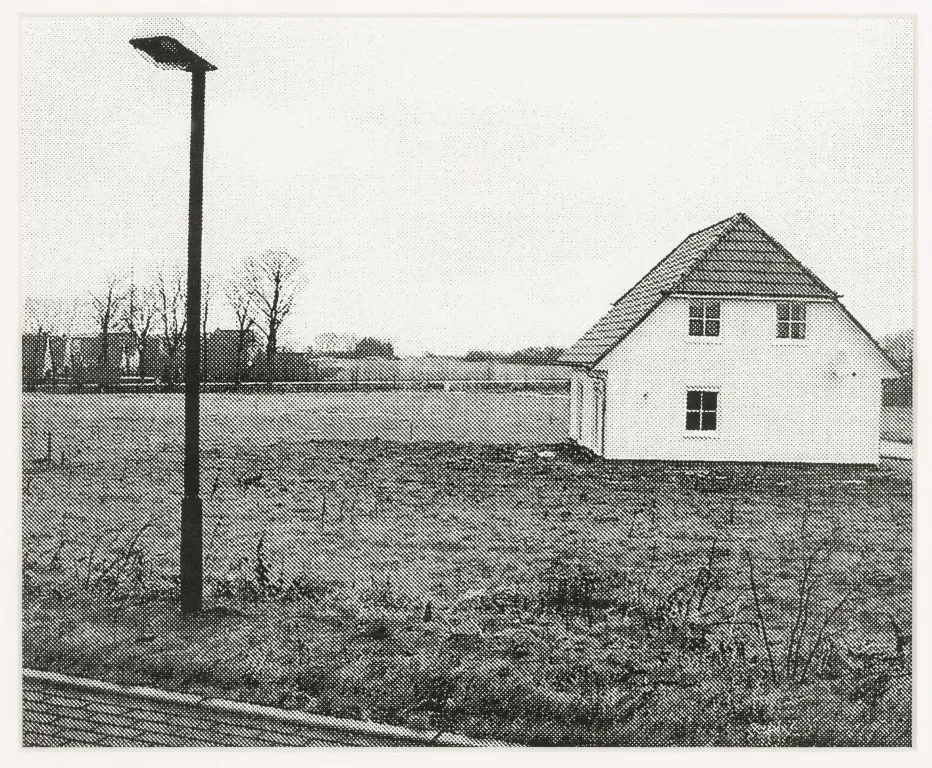
Urban and architectural themes also permeate the works of Matthias Hoch, Peter Bialobrzeski, and Michael Wolf. Hoch and Bialobrzeskifocus on the structures of modernity, from sterile office spaces to sprawling Asian megacities, while Wolf’s "Architecture of Density" uncovers the claustrophobic reality of life in Hong Kong. Similarly, Joachim Brohm and Laurenz Berges contribute to the post-industrial narrative, capturing the melancholic transition of urban peripheries in post-reunification Germany.






%202002%20Schellmann%20Fully%20Resized.webp)
%202007%20Schellmann%20Fully%20Resized.webp)




%2520MOCP.webp)




%20TZK%20Fully%20Resized.webp)





%252C%25202009%2520Aperture.webp)


























%20copy%20Resized.webp)
