

Hardcover issued without a dust jacket
ISBN:
9788869651397


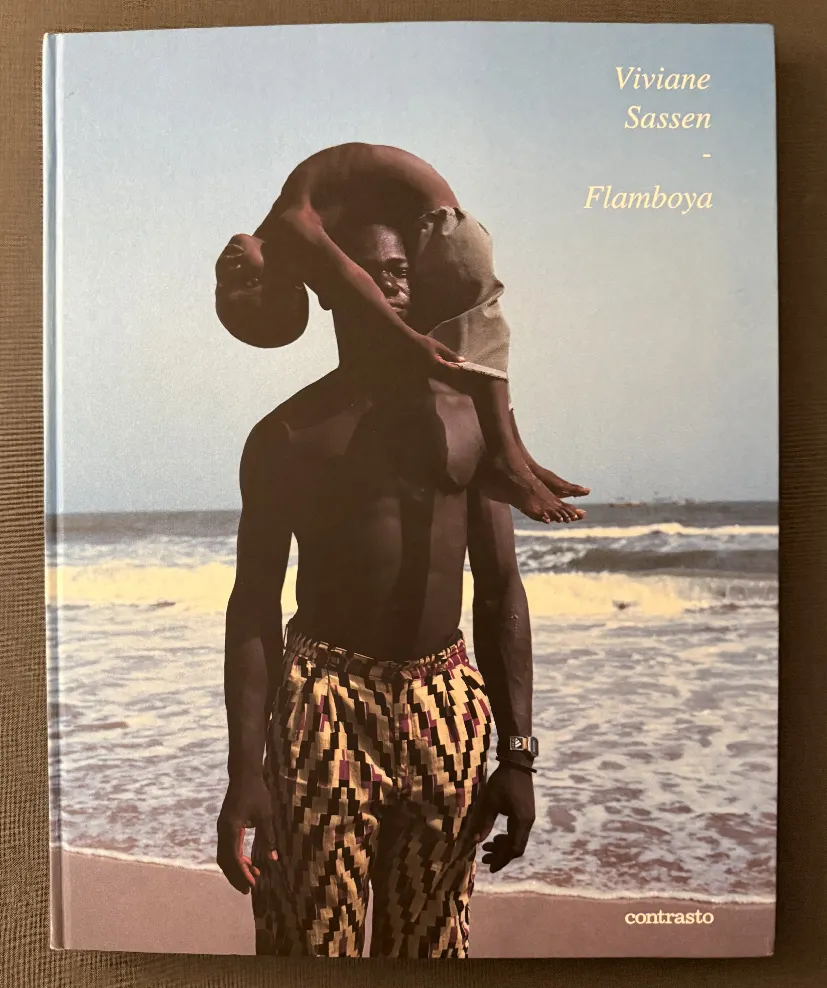





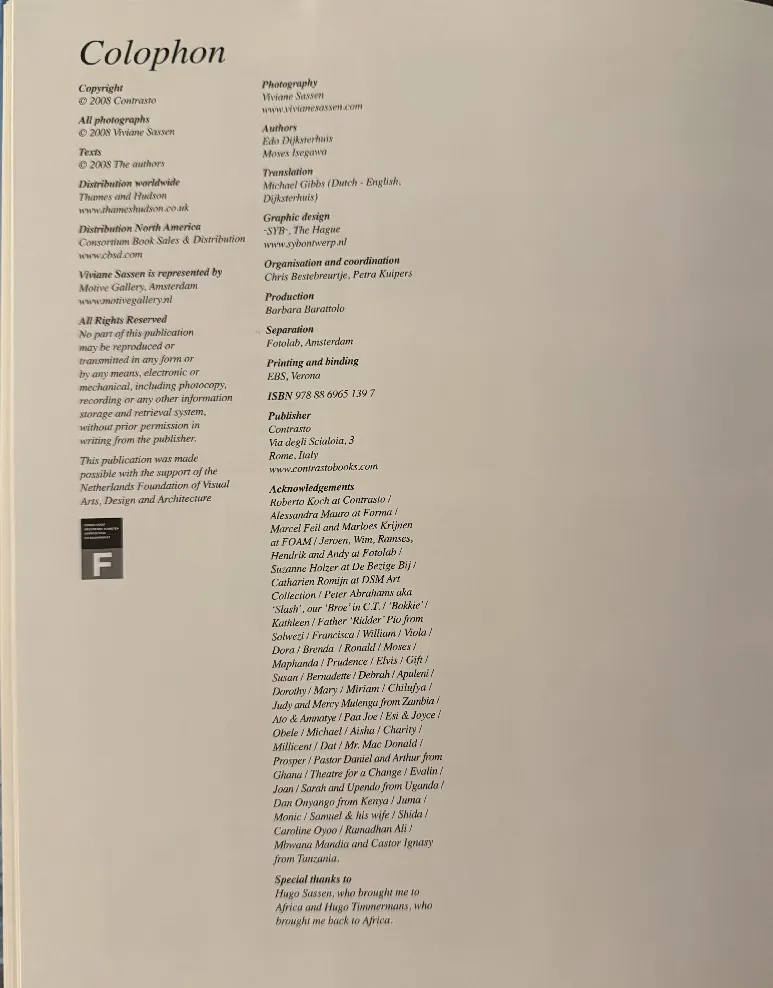

Flamboya is the seminal first monograph by Dutch photographer Viviane Sassen. The book compiles over fifty photographs taken between 2004 and 2008 across various African countries, including Kenya, South Africa, Zambia, Tanzania, and Uganda. The title is inspired by the flamboyant tree, which scatters vibrant red and orange blossoms across sub-Saharan Africa.
The project is deeply informed by Sassen's childhood biography; she lived in Kenya from ages two to five while her father worked at a local hospital. Her return to the continent as an adult sparked a complex artistic exploration of memory, belonging, and foreignness. Rather than presenting a conventional, monolithic Western depiction of Africa, Sassen embraces an ambiguous perspective that oscillates between deep closeness and inescapable distance.
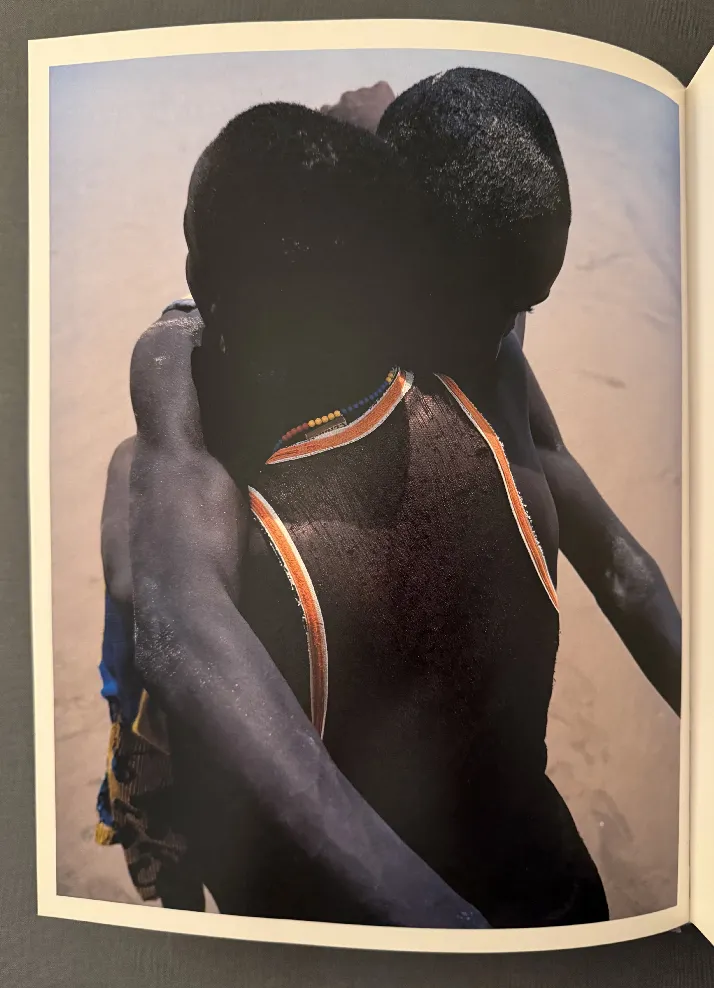
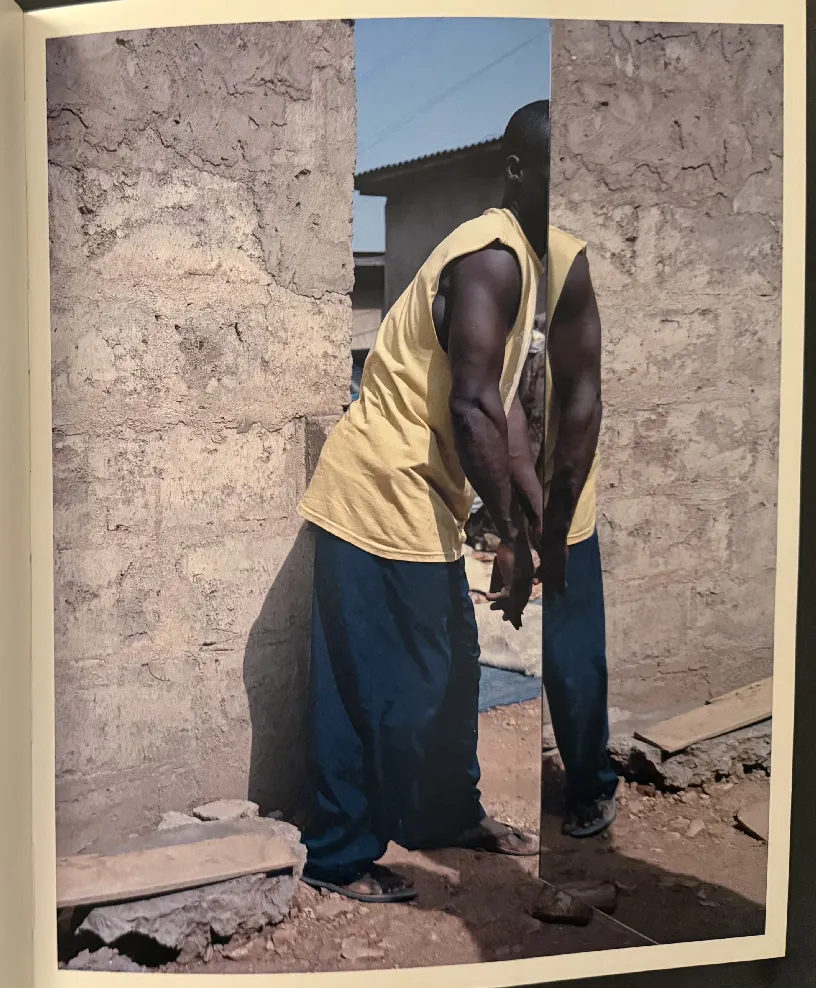
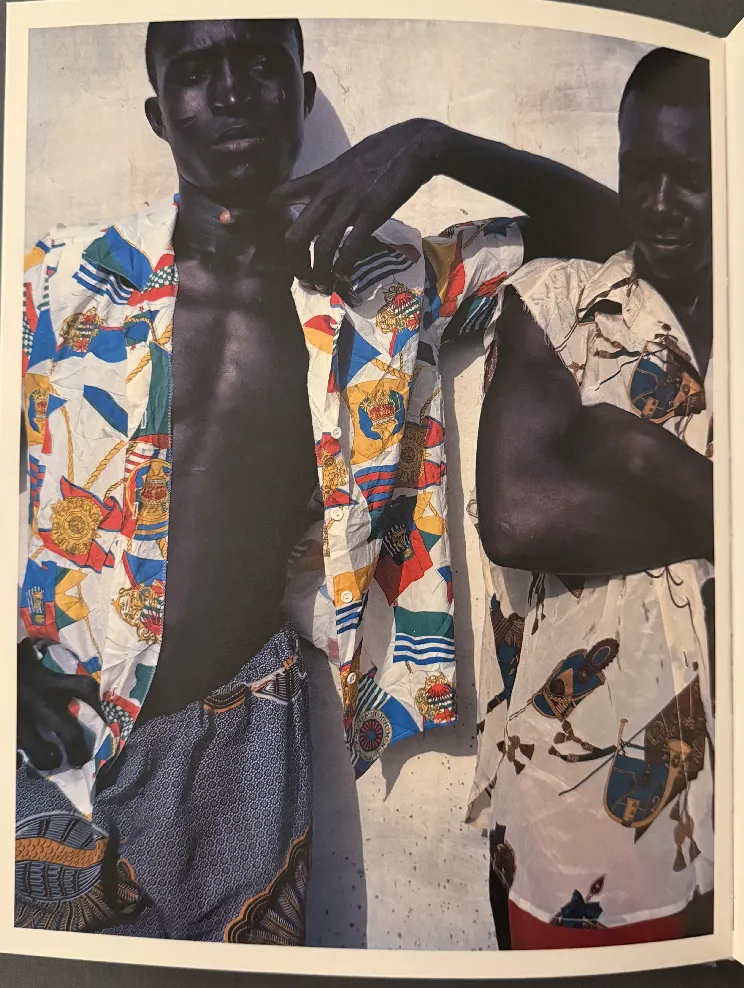
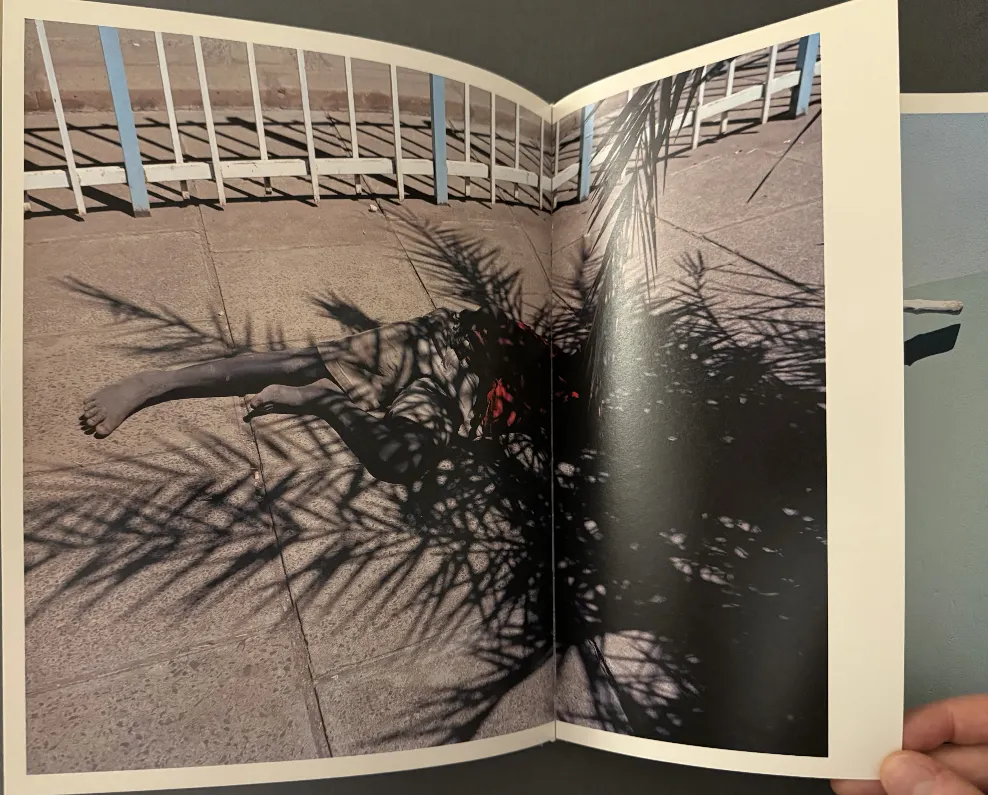
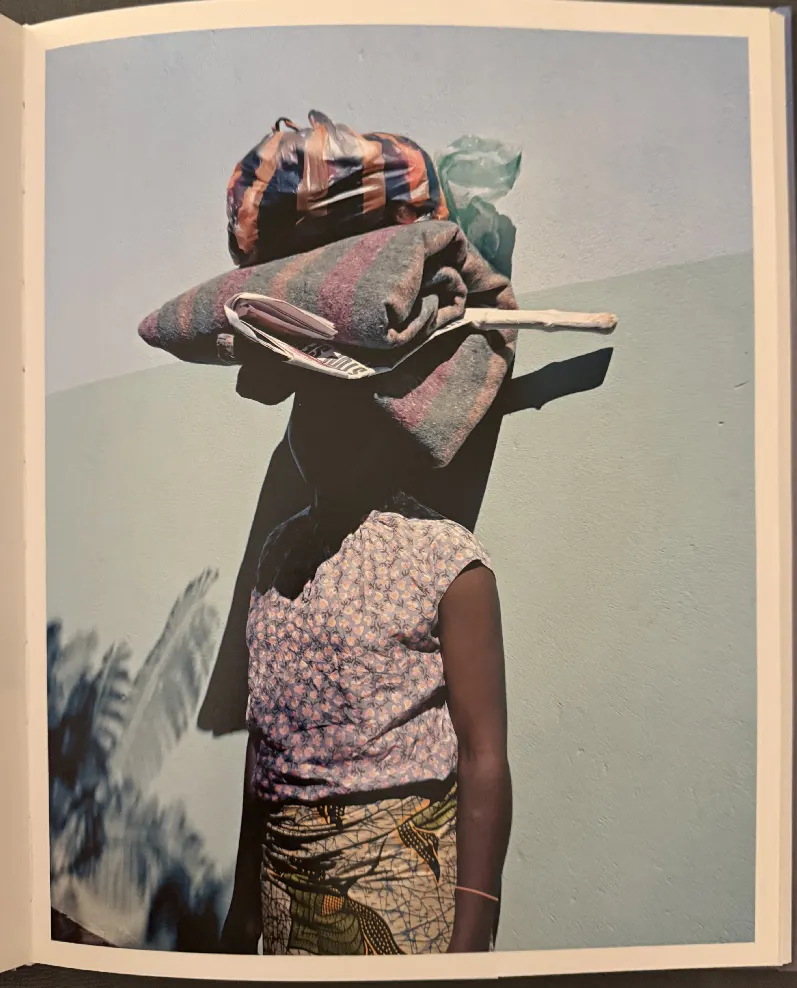
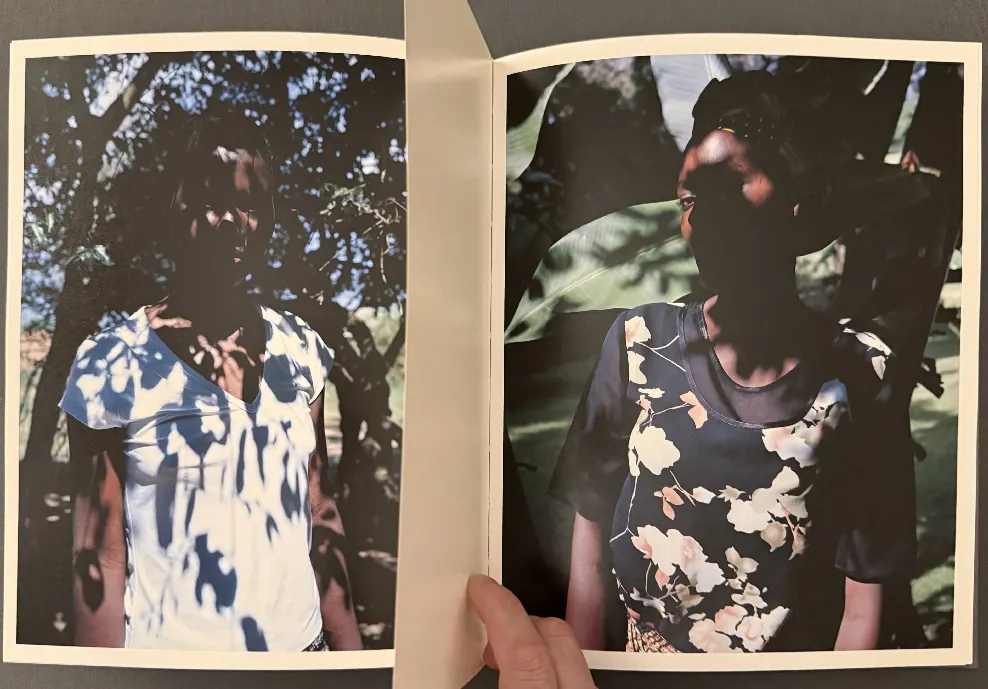
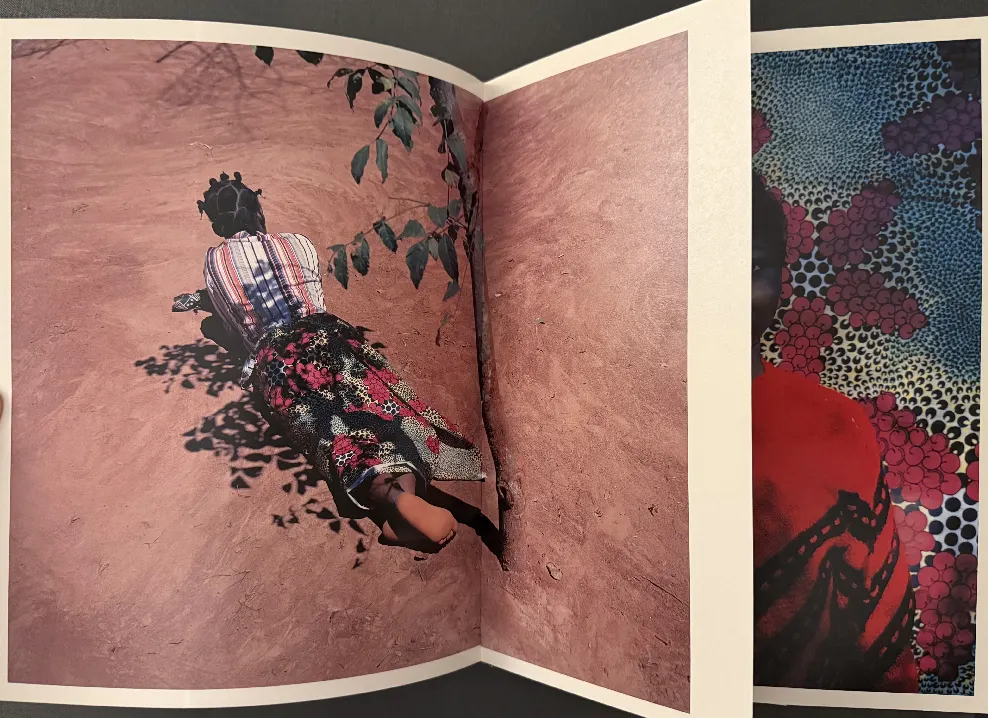
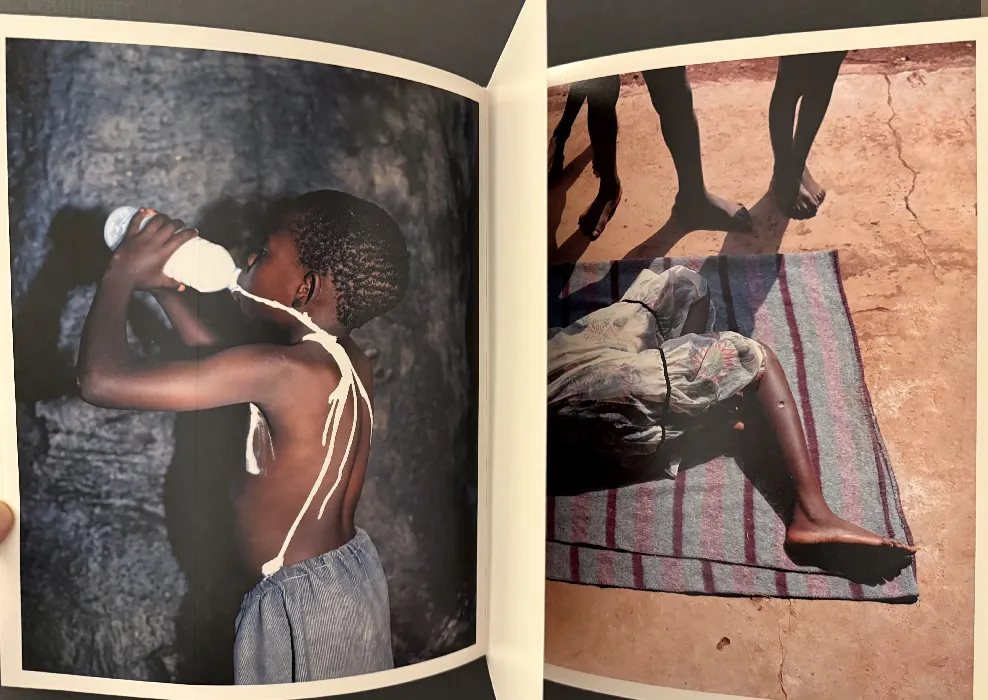
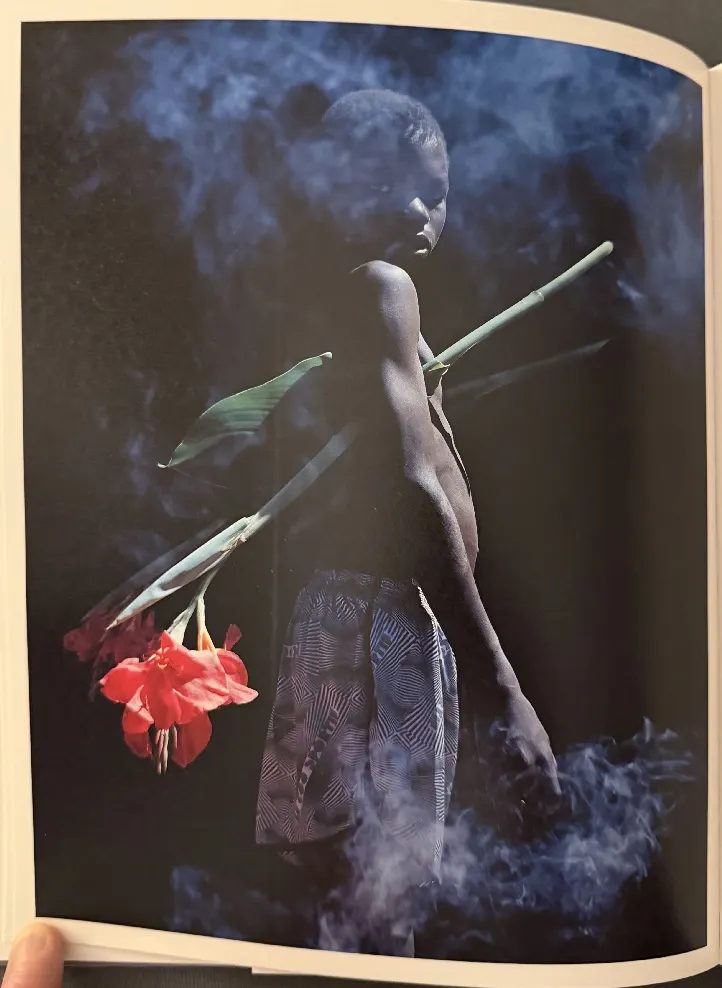
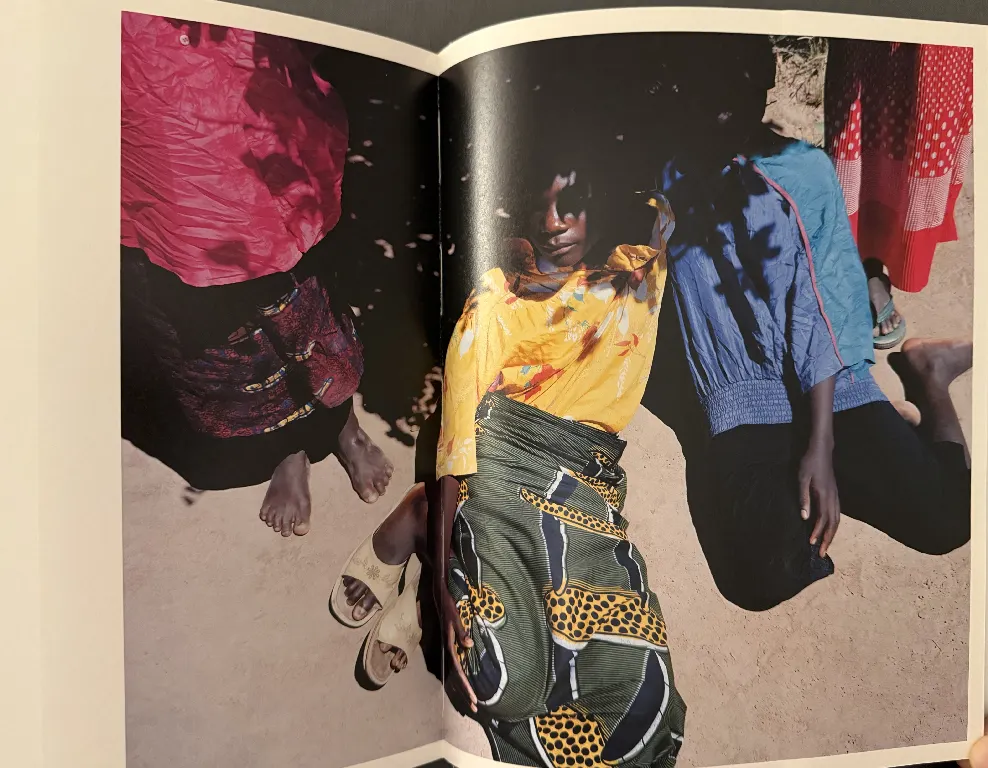
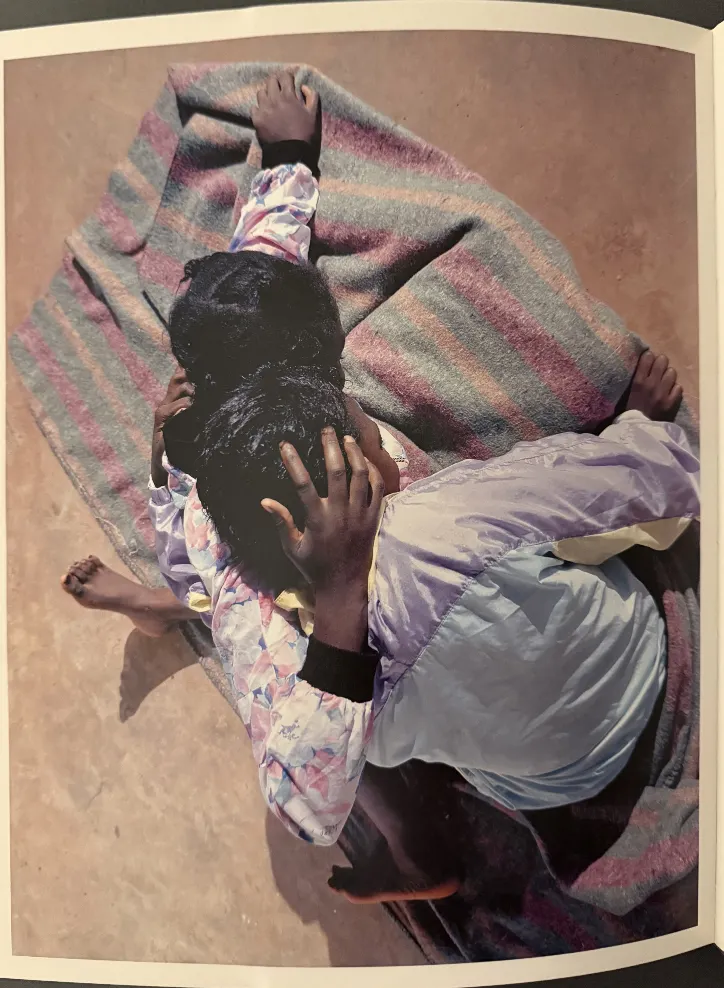
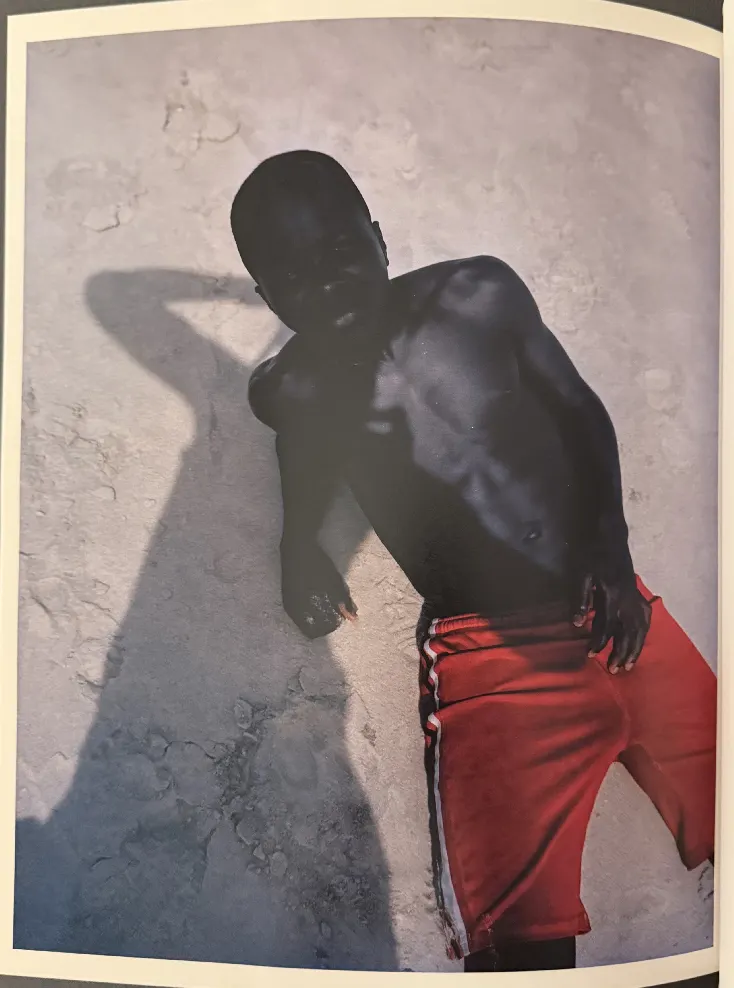
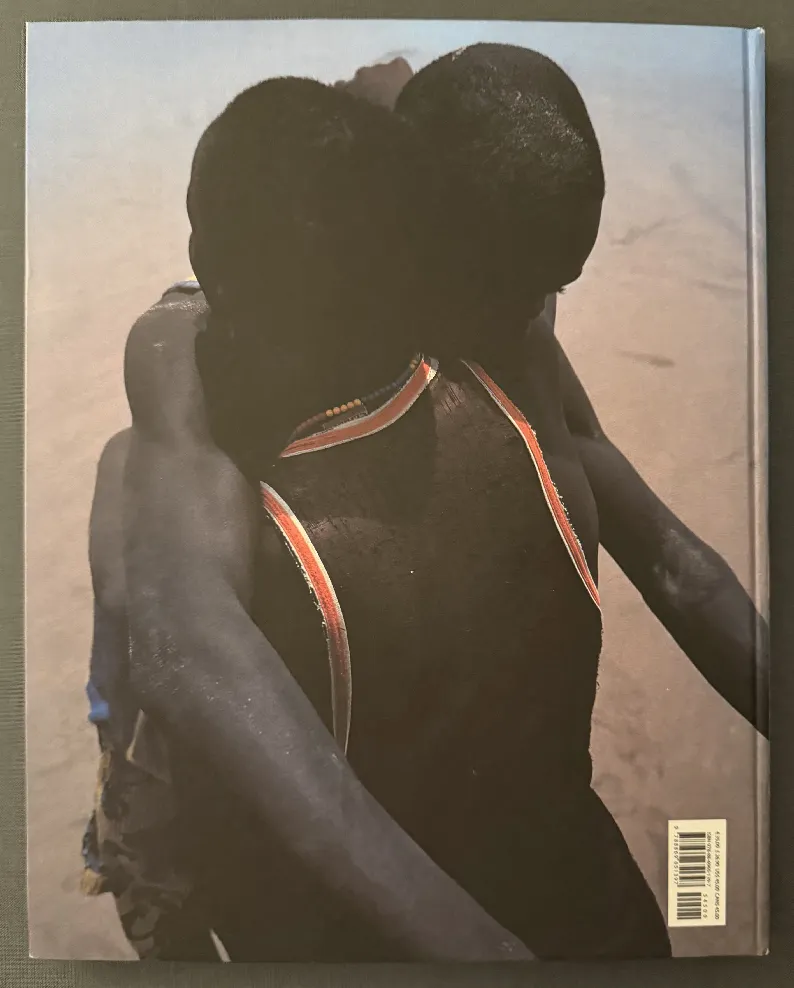
Visually, Flamboya subverts the traditional boundaries of documentary photography by injecting a highly stylized, performative, and fashion-adjacent aesthetic vocabulary. Sassen collaborates intimately with her subjects to construct carefully art-directed tableaux, utilizing harsh, direct equatorial sunlight and deep, graphic shadows. By frequently obscuring the faces of her models through dramatic casting of shade, cropped framings, or contorted body poses, she transforms human figures into striking sculptural forms.
Through its deliberate interplay of saturated colors, textiles, and geometric abstraction, Flamboya actively resists ethnographic voyeurism. The work challenges traditional Western tropes of the "Other," inviting multiple interpretations while offering a powerful meditation on the limitations of sight, knowledge, and power in the history of photography.
Flamboya is the seminal first monograph by Dutch photographer Viviane Sassen. The book compiles over fifty photographs taken between 2004 and 2008 across various African countries, including Kenya, South Africa, Zambia, Tanzania, and Uganda. The title is inspired by the flamboyant tree, which scatters vibrant red and orange blossoms across sub-Saharan Africa.
The project is deeply informed by Sassen's childhood biography; she lived in Kenya from ages two to five while her father worked at a local hospital. Her return to the continent as an adult sparked a complex artistic exploration of memory, belonging, and foreignness. Rather than presenting a conventional, monolithic Western depiction of Africa, Sassen embraces an ambiguous perspective that oscillates between deep closeness and inescapable distance.
Visually, Flamboya subverts the traditional boundaries of documentary photography by injecting a highly stylized, performative, and fashion-adjacent aesthetic vocabulary. Sassen collaborates intimately with her subjects to construct carefully art-directed tableaux, utilizing harsh, direct equatorial sunlight and deep, graphic shadows. By frequently obscuring the faces of her models through dramatic casting of shade, cropped framings, or contorted body poses, she transforms human figures into striking sculptural forms.
Through its deliberate interplay of saturated colors, textiles, and geometric abstraction, Flamboya actively resists ethnographic voyeurism. The work challenges traditional Western tropes of the "Other," inviting multiple interpretations while offering a powerful meditation on the limitations of sight, knowledge, and power in the history of photography.

Flamboya is the seminal first monograph by Dutch photographer Viviane Sassen. The book compiles over fifty photographs taken between 2004 and 2008 across various African countries, including Kenya, South Africa, Zambia, Tanzania, and Uganda. The title is inspired by the flamboyant tree, which scatters vibrant red and orange blossoms across sub-Saharan Africa.
The project is deeply informed by Sassen's childhood biography; she lived in Kenya from ages two to five while her father worked at a local hospital. Her return to the continent as an adult sparked a complex artistic exploration of memory, belonging, and foreignness. Rather than presenting a conventional, monolithic Western depiction of Africa, Sassen embraces an ambiguous perspective that oscillates between deep closeness and inescapable distance.
Visually, Flamboya subverts the traditional boundaries of documentary photography by injecting a highly stylized, performative, and fashion-adjacent aesthetic vocabulary. Sassen collaborates intimately with her subjects to construct carefully art-directed tableaux, utilizing harsh, direct equatorial sunlight and deep, graphic shadows. By frequently obscuring the faces of her models through dramatic casting of shade, cropped framings, or contorted body poses, she transforms human figures into striking sculptural forms.
Through its deliberate interplay of saturated colors, textiles, and geometric abstraction, Flamboya actively resists ethnographic voyeurism. The work challenges traditional Western tropes of the "Other," inviting multiple interpretations while offering a powerful meditation on the limitations of sight, knowledge, and power in the history of photography.