
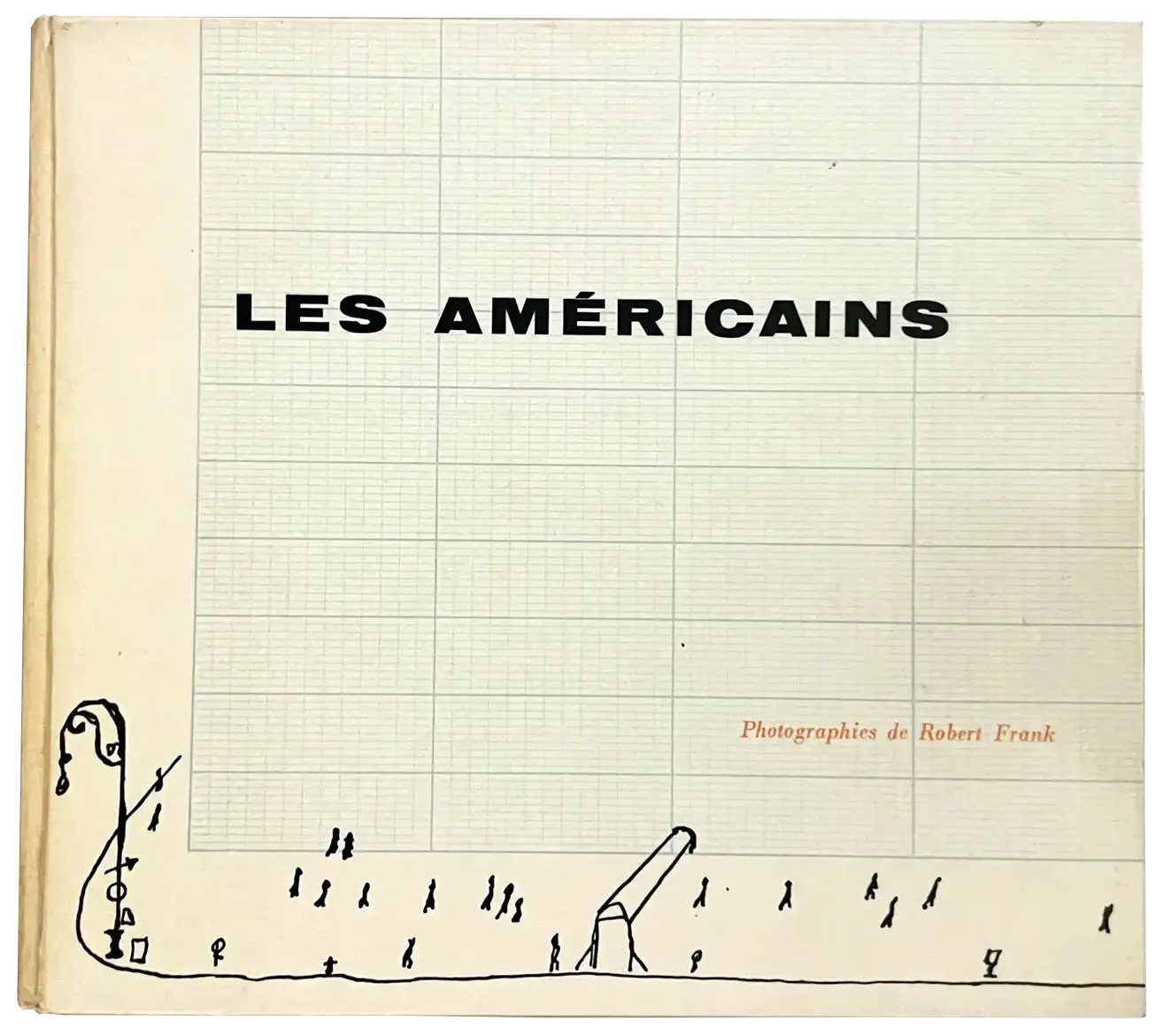
Hardcover without dust jacket, as issued
ISBN:


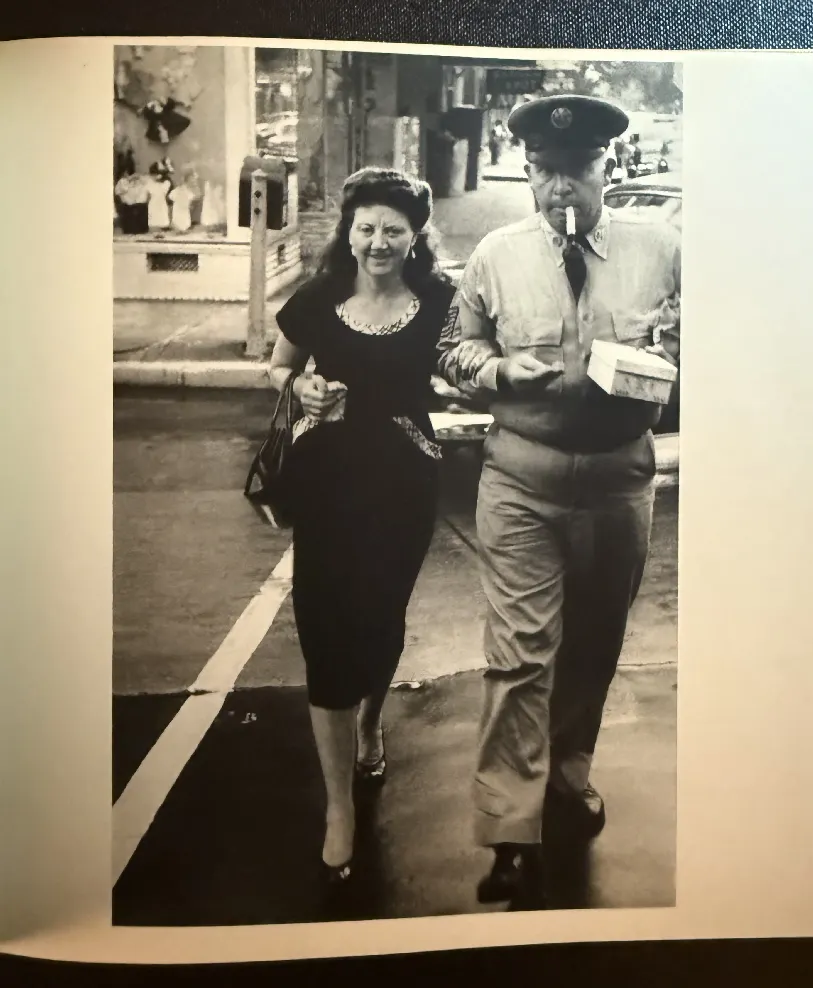

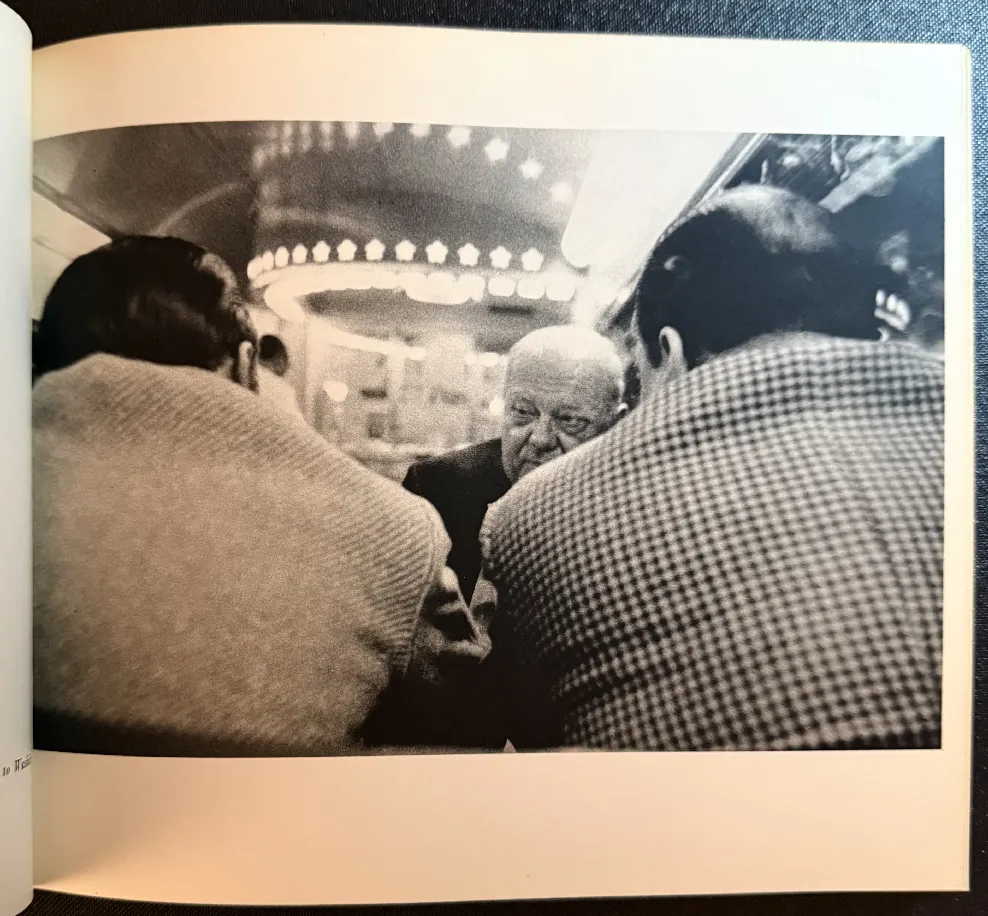


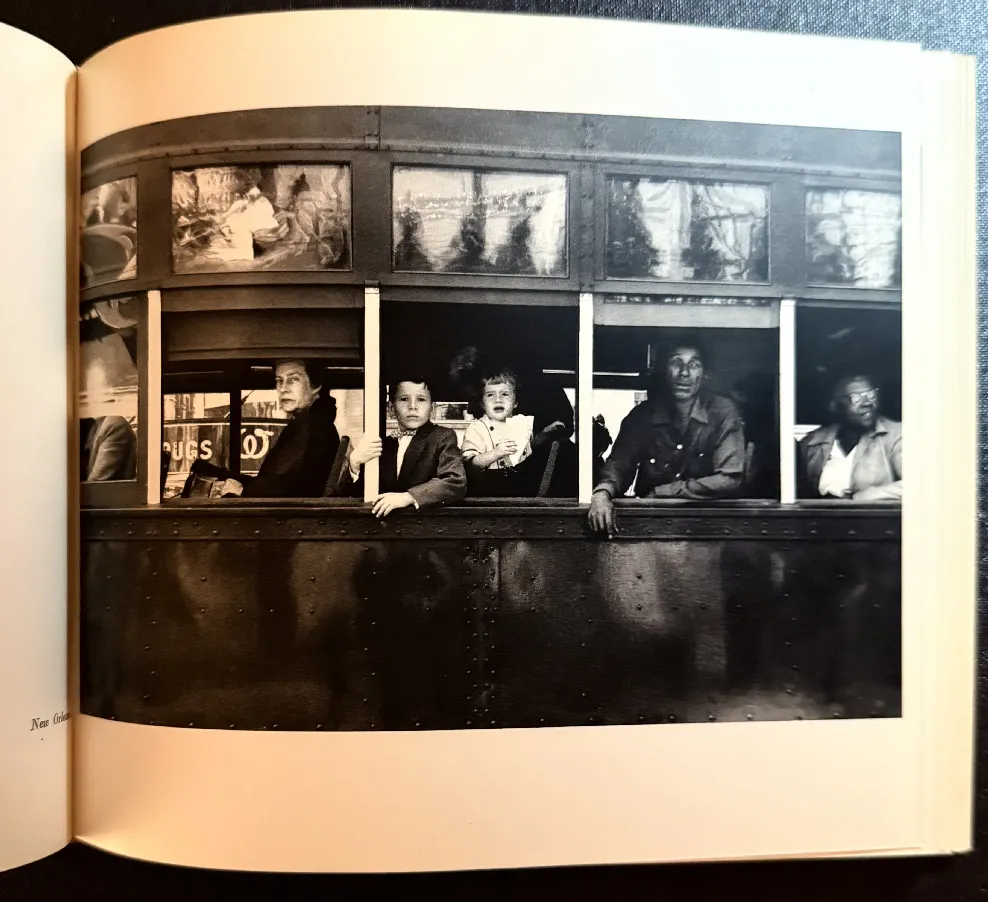
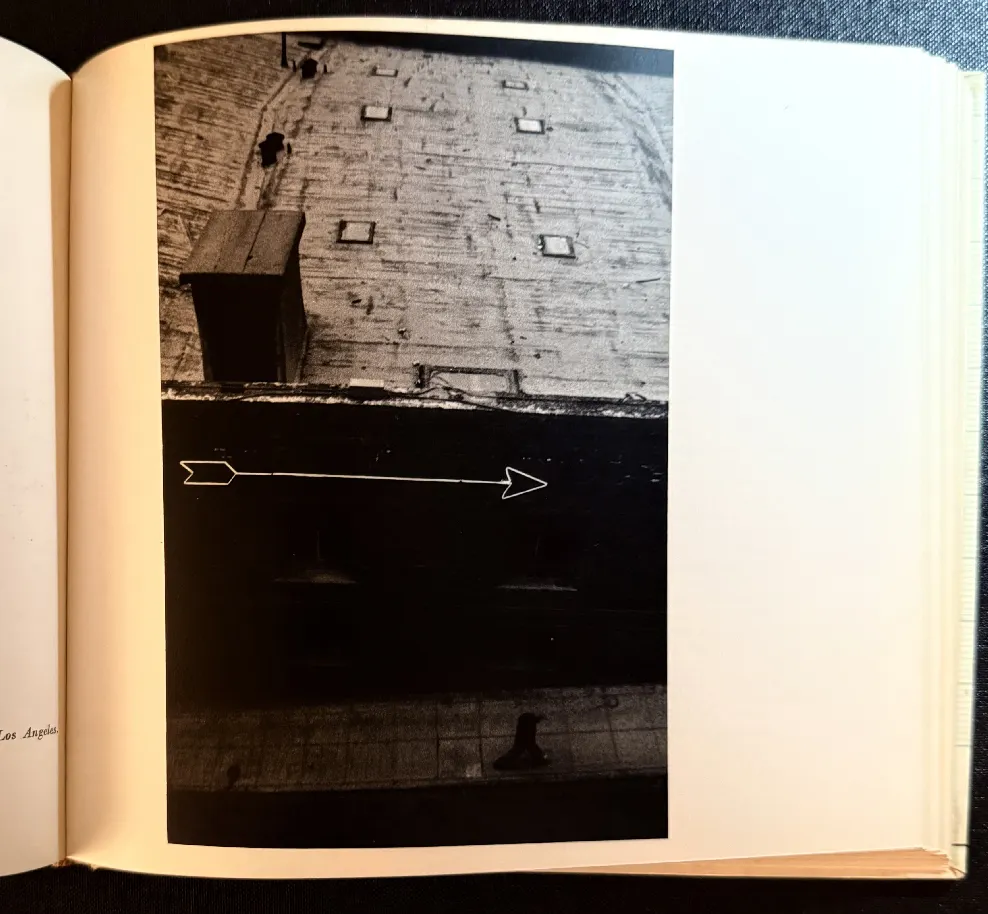
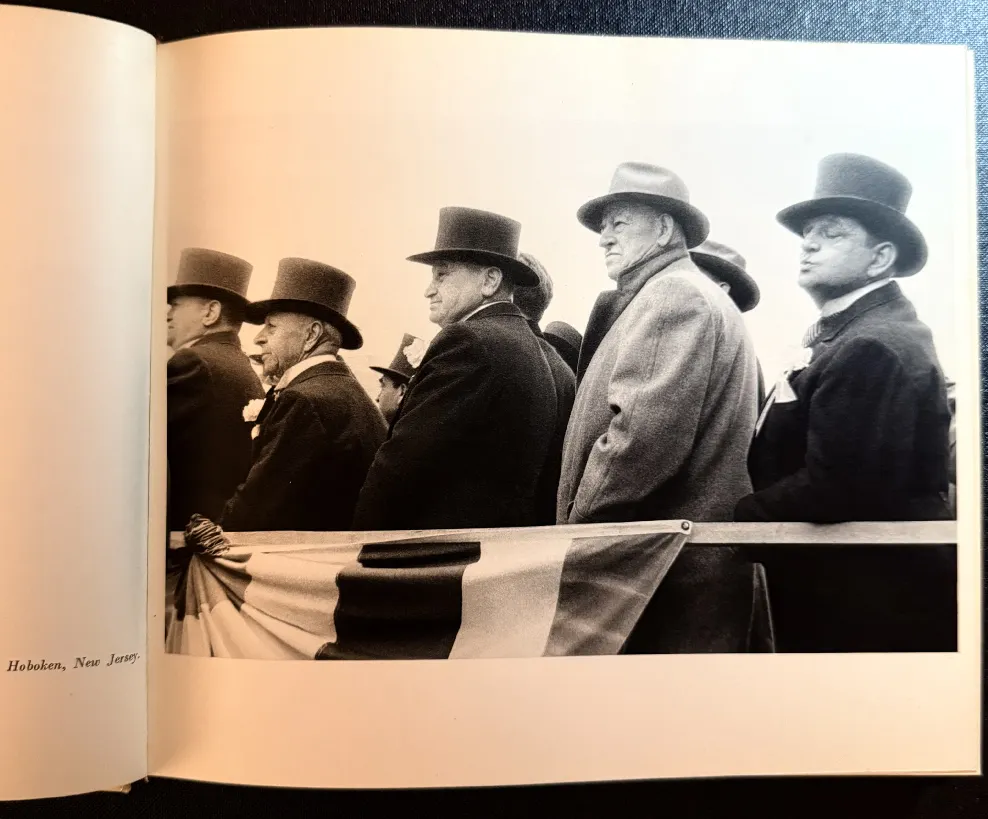

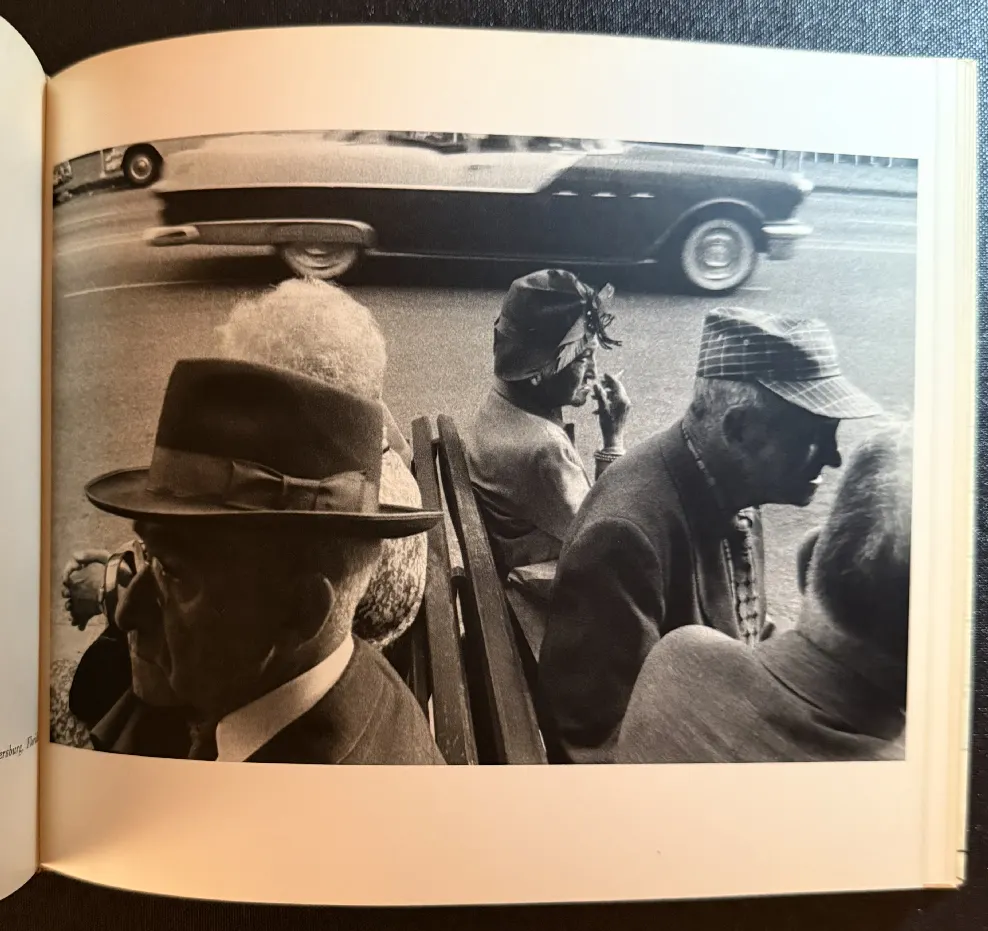
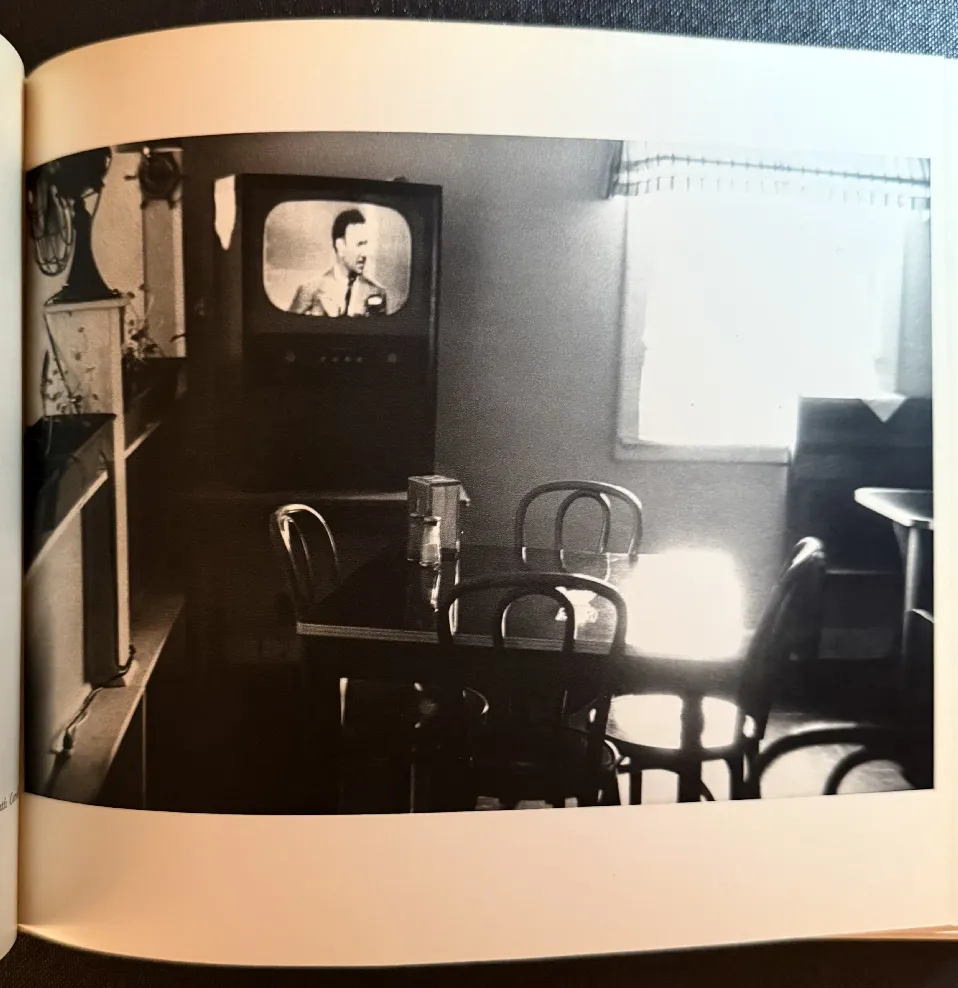

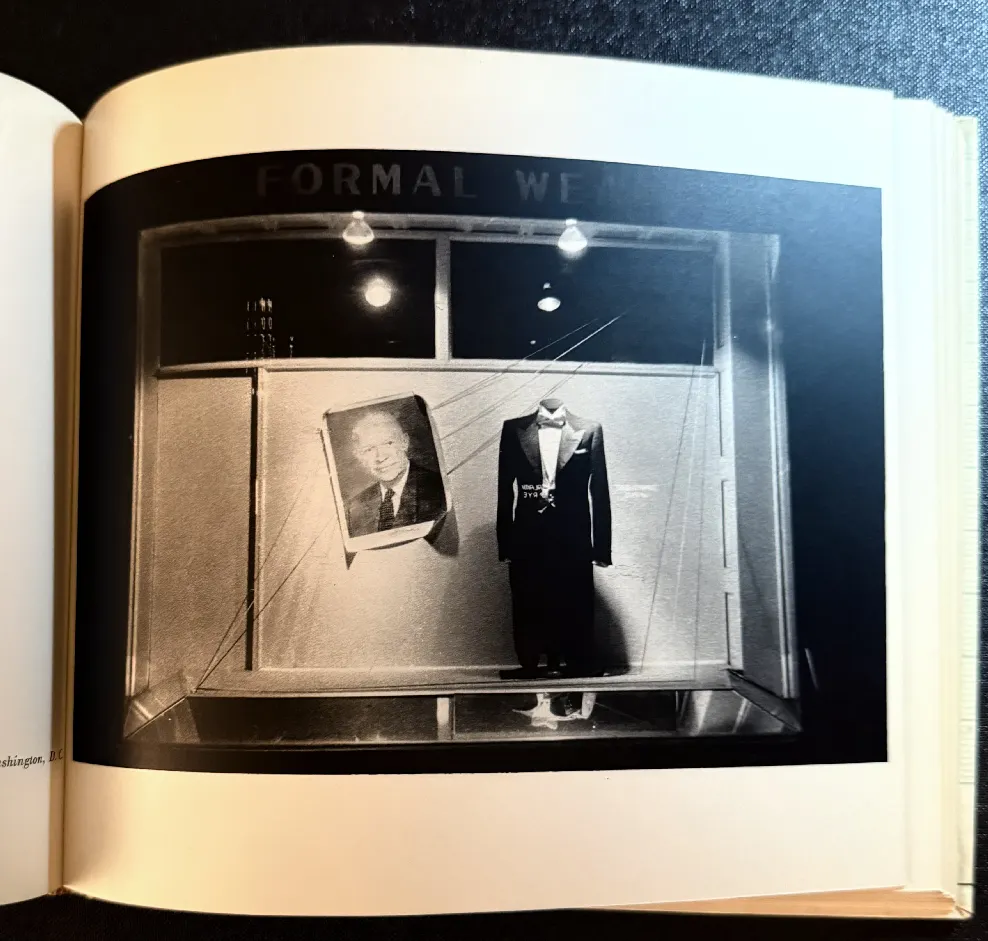

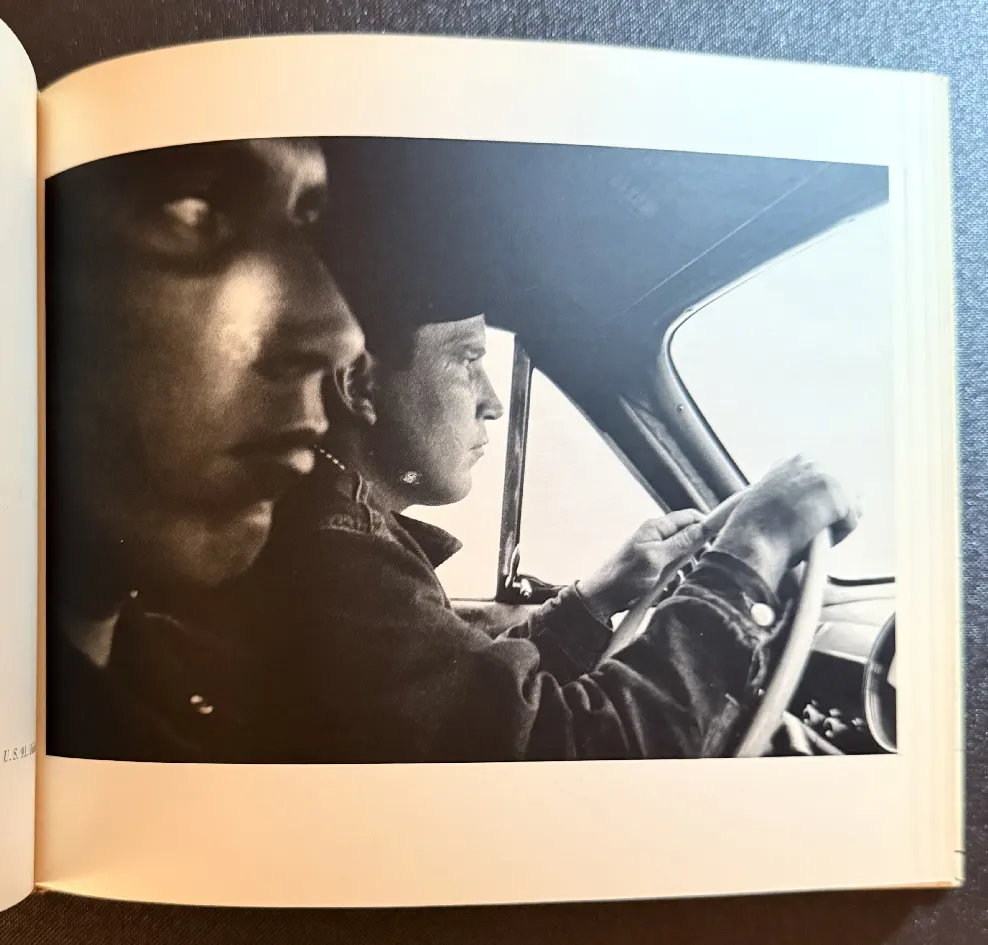

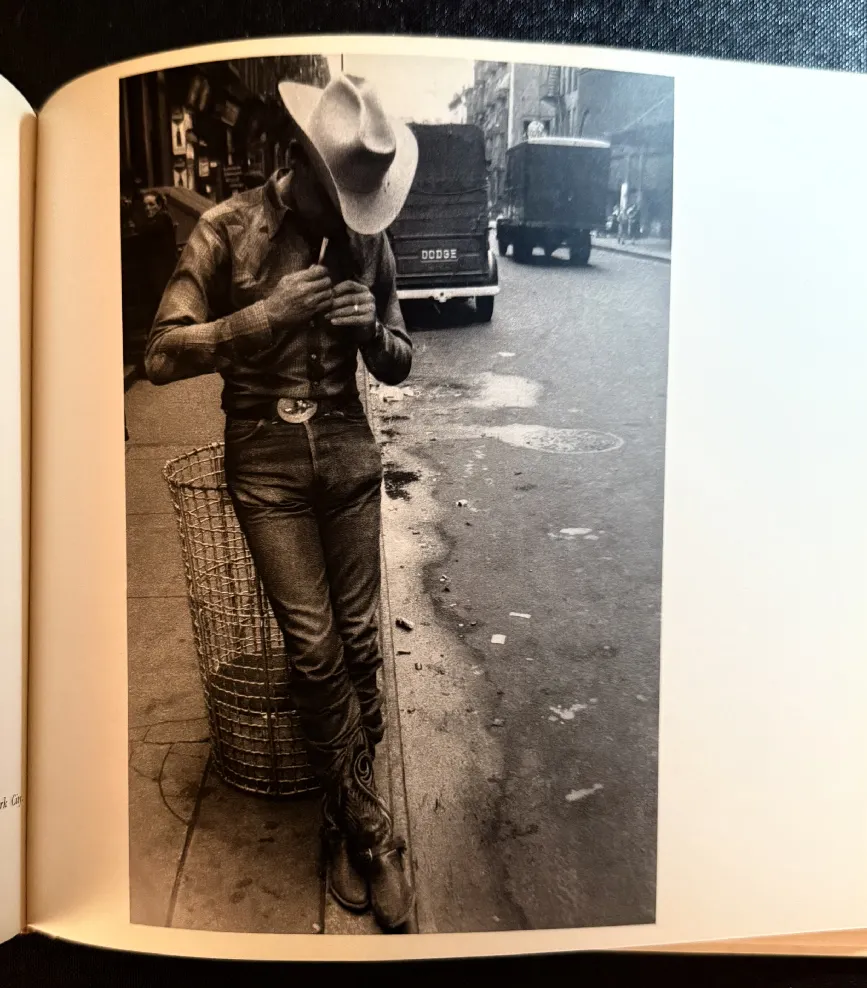
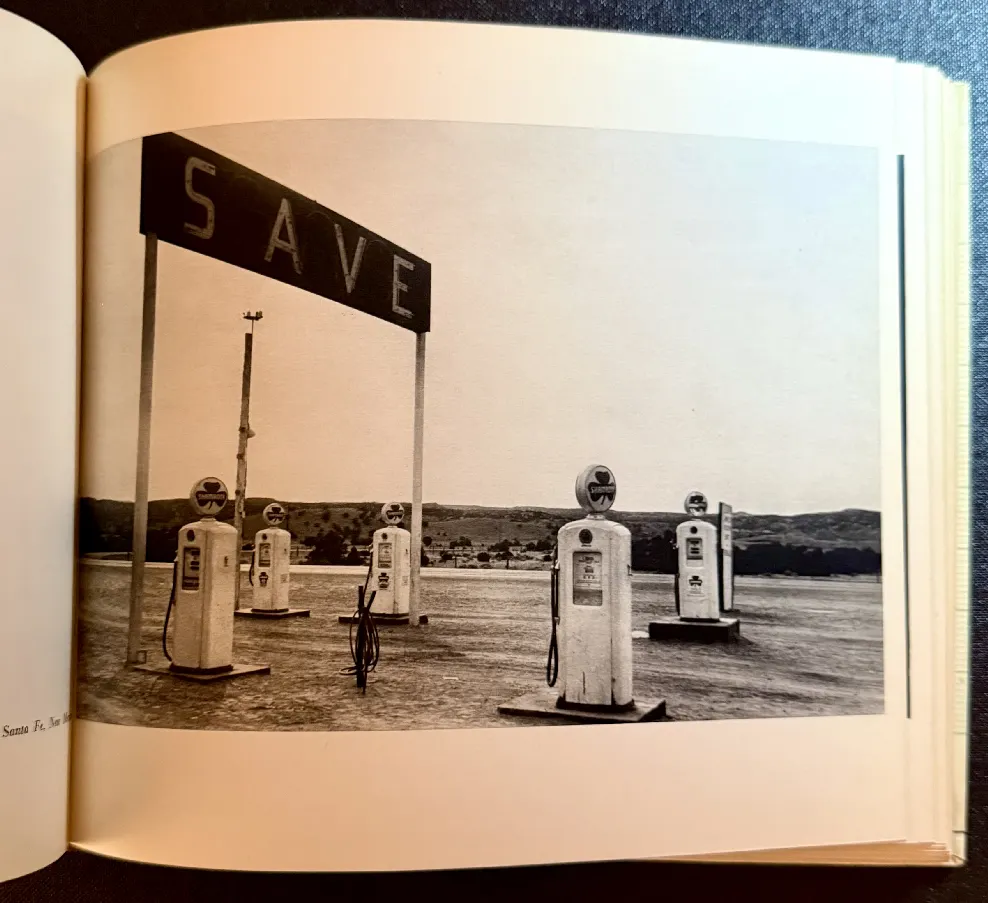
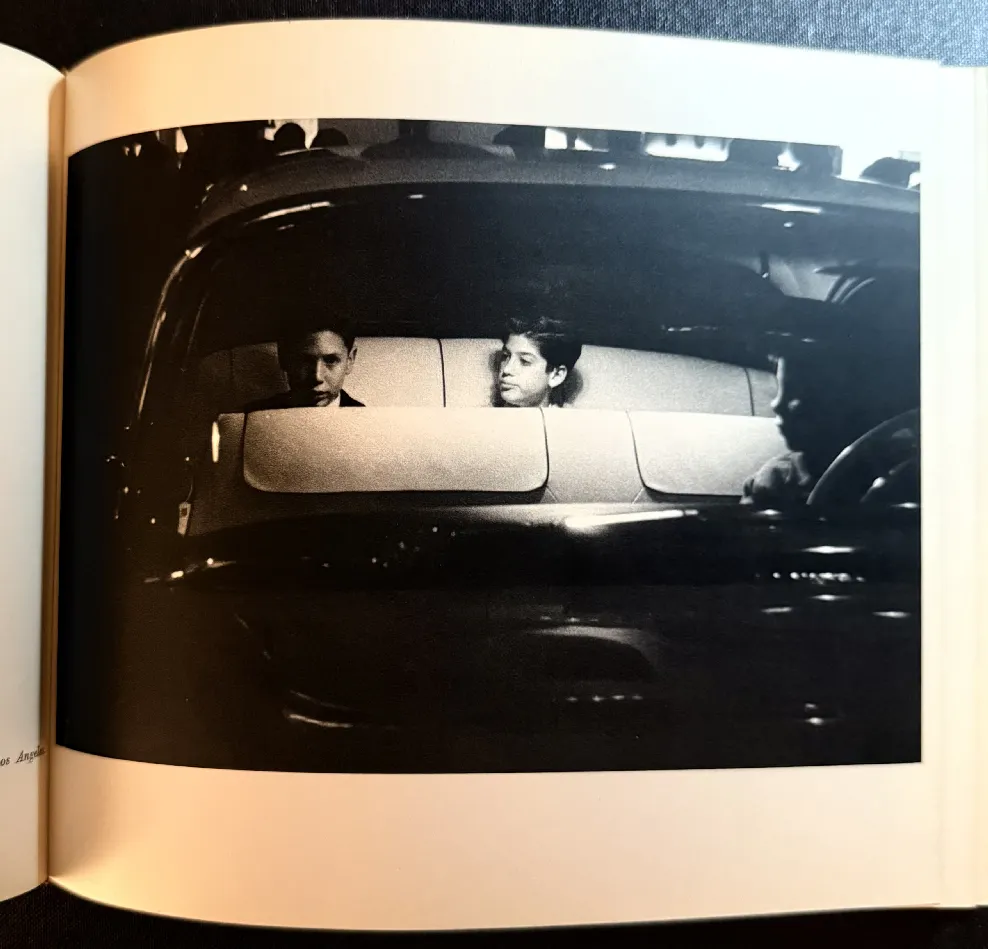
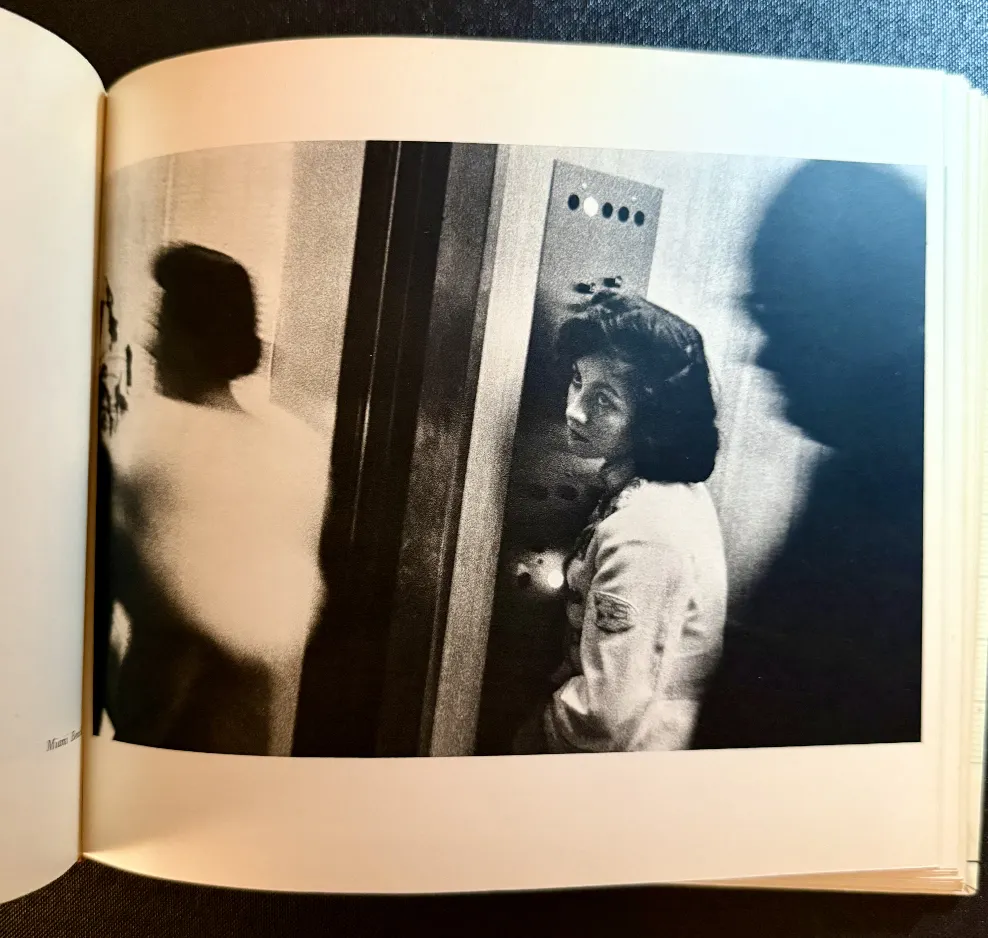



Published by Delpire in 1958, Les Américains represents the first-ever publication of Robert Frank’s revolutionary photographic survey, preceding the U.S. edition by Grove Press. Designed by Robert Delpire with an iconic cover and layout, this rare French edition established a new visual language for documentary photography, presenting an unvarnished, melancholic counter-narrative to mid-century American optimism.
The book was first published in France by Delpire because American publishers repeatedly rejected the manuscript, deeming its vision of the United States too bleak, critical, and subversive. When Frank completed his Guggenheim-funded road trip across the country, U.S. publishers were unsettled by his unvarnished portrayal of racial tension, consumer alienation, and systemic loneliness, qualities that directly challenged the triumphant post-war optimism of the Eisenhower era.
Robert Delpire, however, recognized the revolutionary power of Frank’s sequence and agreed to publish the French edition first (under the title Les Américains), pairing the photographs with critical essays by French writers. The landmark U.S. edition by Grove Press followed a year later in 1959, retitled The Americans and featuring an introduction by Jack Kerouac.
The work occupies a central position within Frank's oeuvre, capturing the culmination of his historic 1955–1956 road trip across the United States funded by his Guggenheim Fellowship. By subverting traditional compositional conventions and embracing blur, grain, and high-contrast lighting, Frank mapped a fractured landscape of racial tension, consumer alienation, and transient solitude along the highway.
Within the Bushwick sur Seine archive, this specific first French printing holds profound significance as an artifact of photographic history.