A Vital Elastic Form
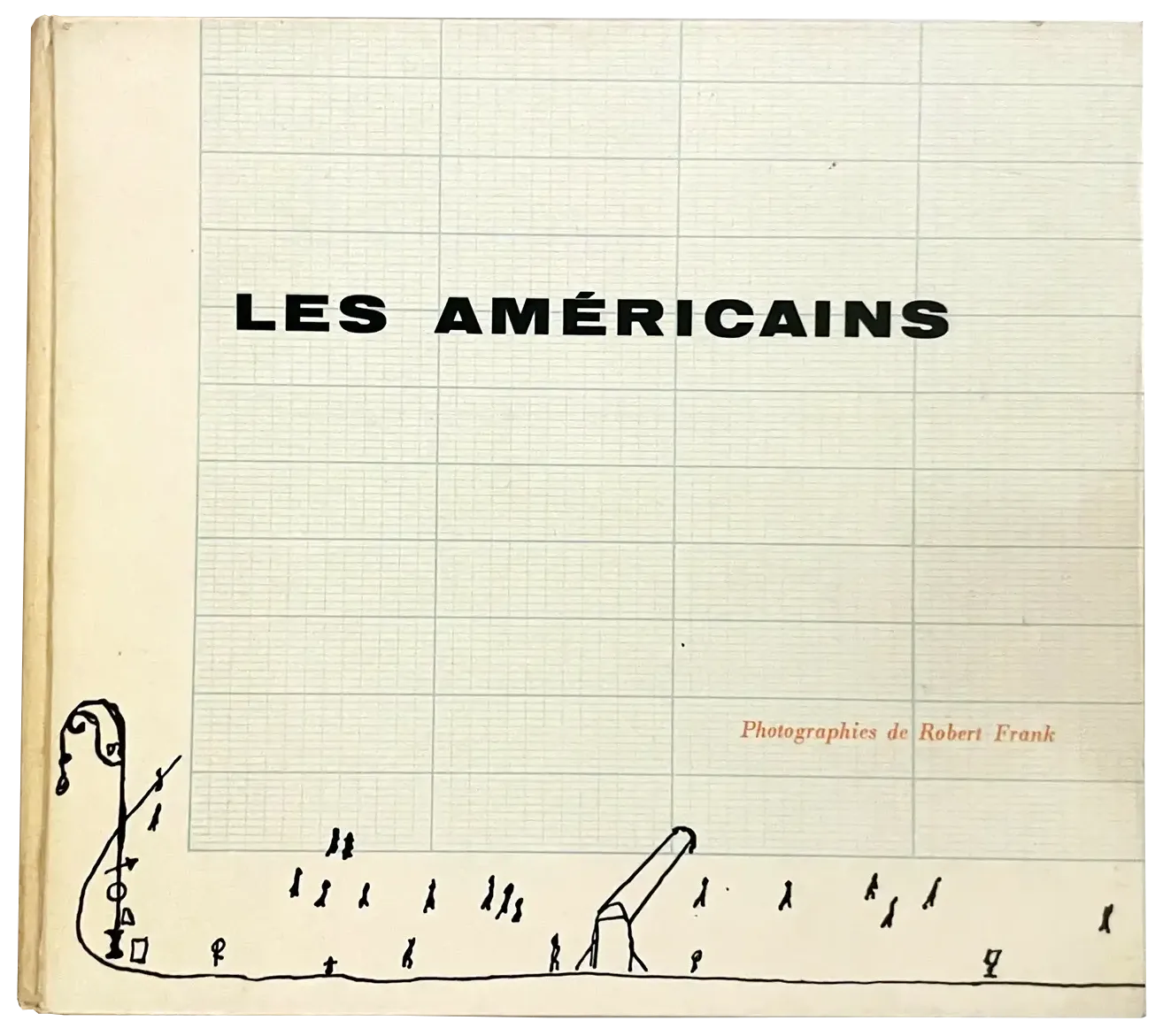
The American photobook occupies a unique and evolving space in contemporary art, functioning not merely as a vessel for photographs but as a conceptual art form in itself. It is an object of narrative, experimentation, and cultural commentary. From Robert Frank’s seminal "The Americans"to today's digitally printed zines and artist books, the photobook has offered artists a portable, democratic format for challenging dominant narratives and reshaping visual culture. American artists such as Ed Ruscha, Alec Soth, and Todd Hido have harnessed this form to explore geography, identity, and the poetics of everyday life, while others—like Wade Guyton and Christopher Wool—have used it to interrogate the materiality of image-making itself.
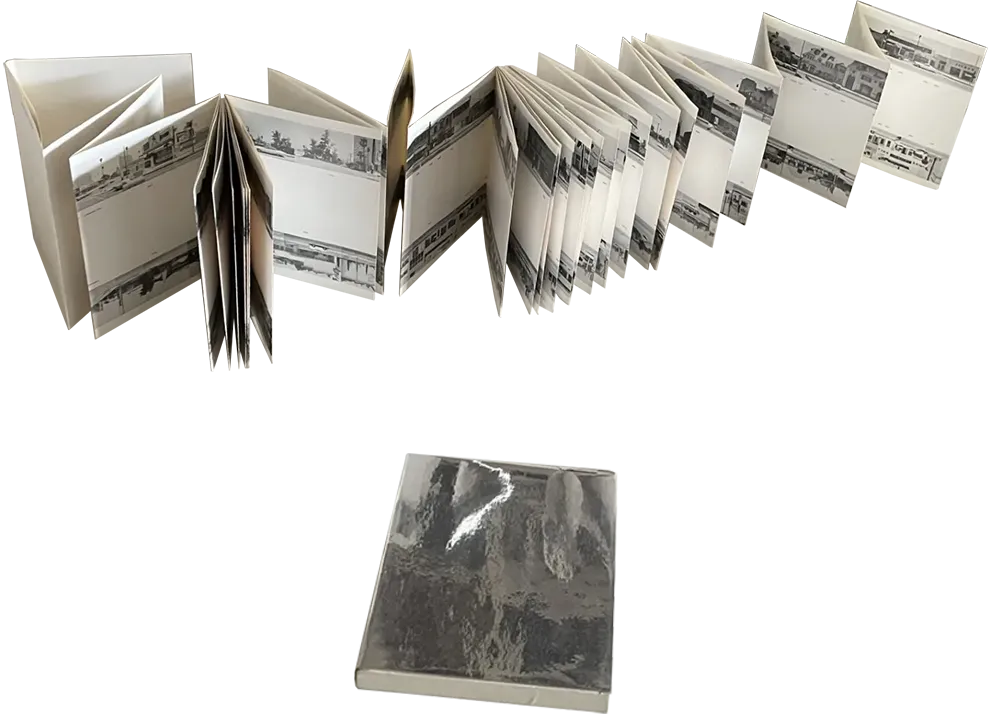
Ed Ruscha’s groundbreaking self-published books from the 1960s—such as "Twenty six Gasoline Stations"—redefined what a photobook could be. Ruscha stripped photography of its aesthetic pretensions, presenting deadpan serial images that underscored both the banality and conceptual potential of the American landscape. His influence resonates in the works of artists like Robert Adams and Stephen Shore, who in the 1970s produced photobooks that examined suburban sprawl, environmental degradation, and the mundane architecture of the West with clarity and moral urgency.
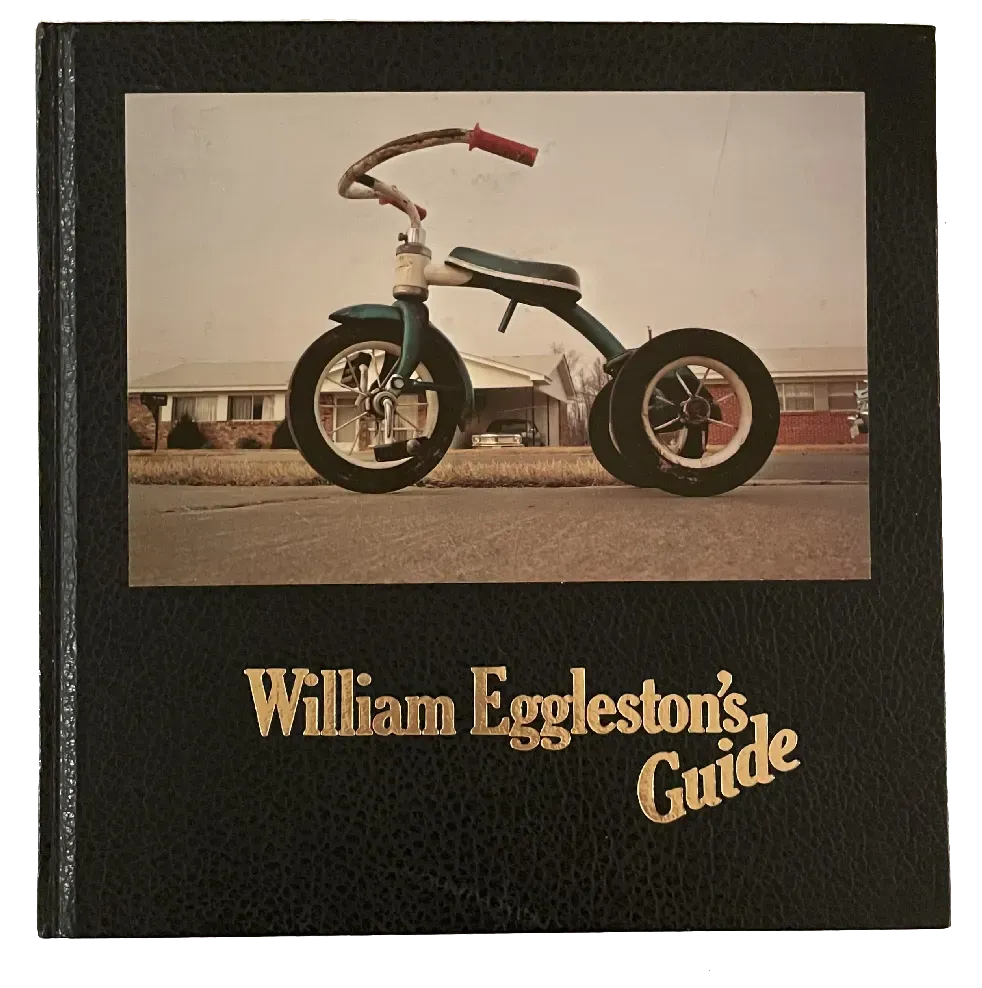
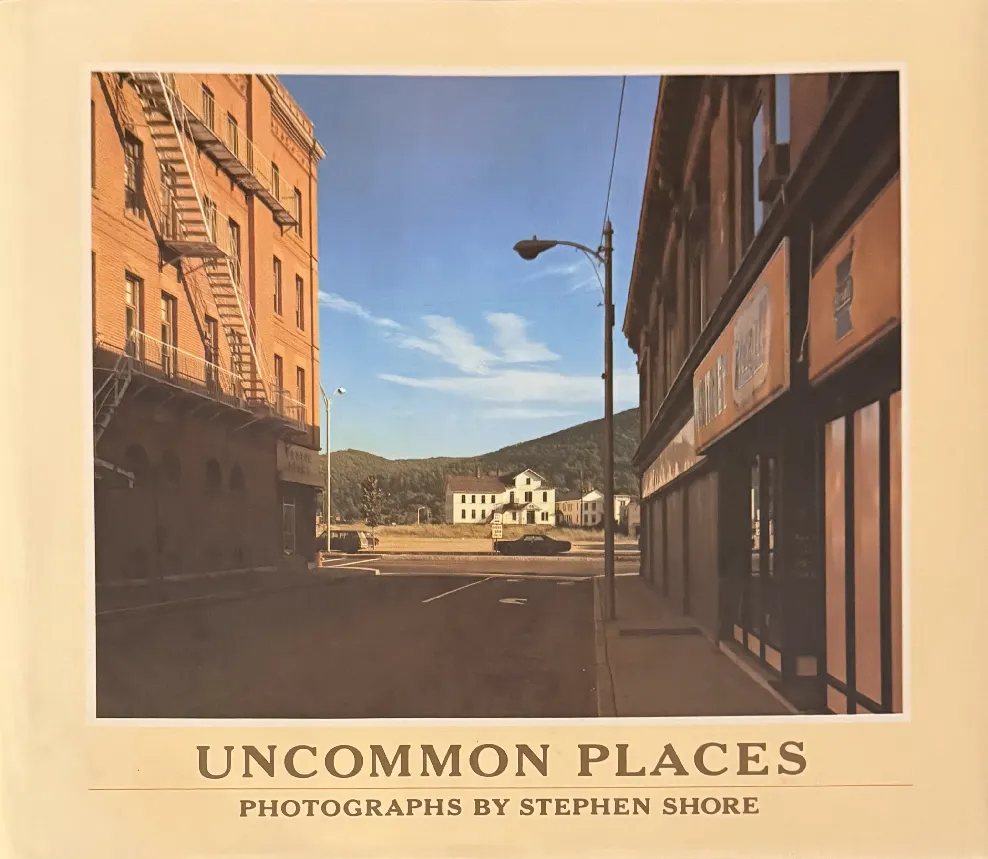
Stephen Shore’s "Uncommon Places" and Robert Adams’ "The New West" bridged the personal with the political, usingcolor and black-and-white photography respectively to interrogate the visual language of American expansion. Shore’s embrace of color—a once controversial move in fine art photography—opened the door for photographers like William Eggleston, whose "Guide" was among the first color photobooks to gain critical acclaim. Eggleston’s saturated images of Memphis and the Mississippi Delta revealed the extraordinary within the ordinary and democratized color photography in the process.
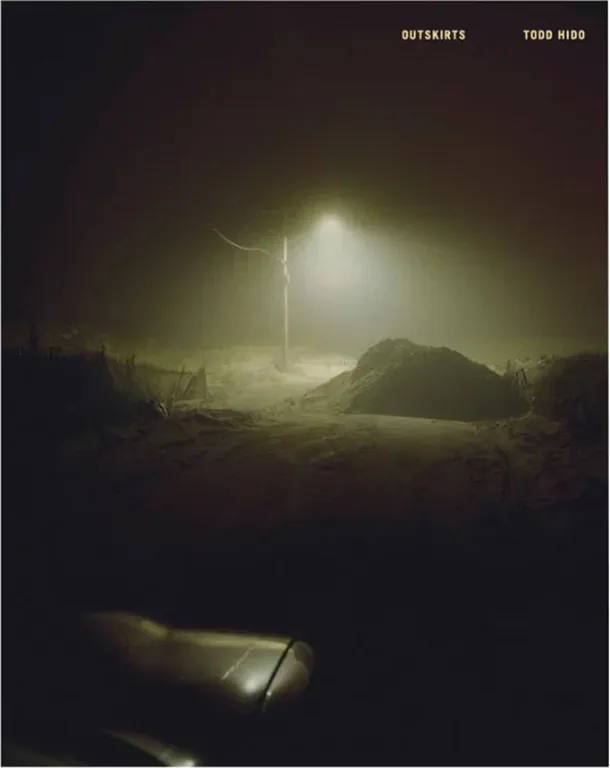
Todd Hido’s photobooks, such as "House Hunting,"extend this lineage with a haunting, cinematic lens on suburban America. His moody, nocturnal images of tract homes glowing eerily from within evoke both nostalgia and alienation. Similarly, Ari Marcopoulos and Jason Nocito haveadopted the photobook as a raw, almost diaristic form. Marcopoulos’s zine-likebooks document everything from youth subcultures to snow-covered wilderness, while Nocito’s books, like "I Heart Transylvania," fuse punk aesthetics with personal mythology.
Alec Soth’s "Sleeping by the Mississippi" uses the photobook to trace a quasi-mythical journey down America’s most storied river. Soth blends portraiture, landscape, and ephemera to capture a country steeped in longing and eccentricity. His work, while grounded in documentary traditions, is laced with narrative ambiguity—a trait shared by other contemporary practitioners like Ron Jude and Taryn Simon. Jude’s photobooks often explore memory, perception, and the American West, while Simon’s encyclopedic volumes (e.g., "An American Index of the Hidden and Unfamiliar") map the invisible structures of power and secrecy in the United States.
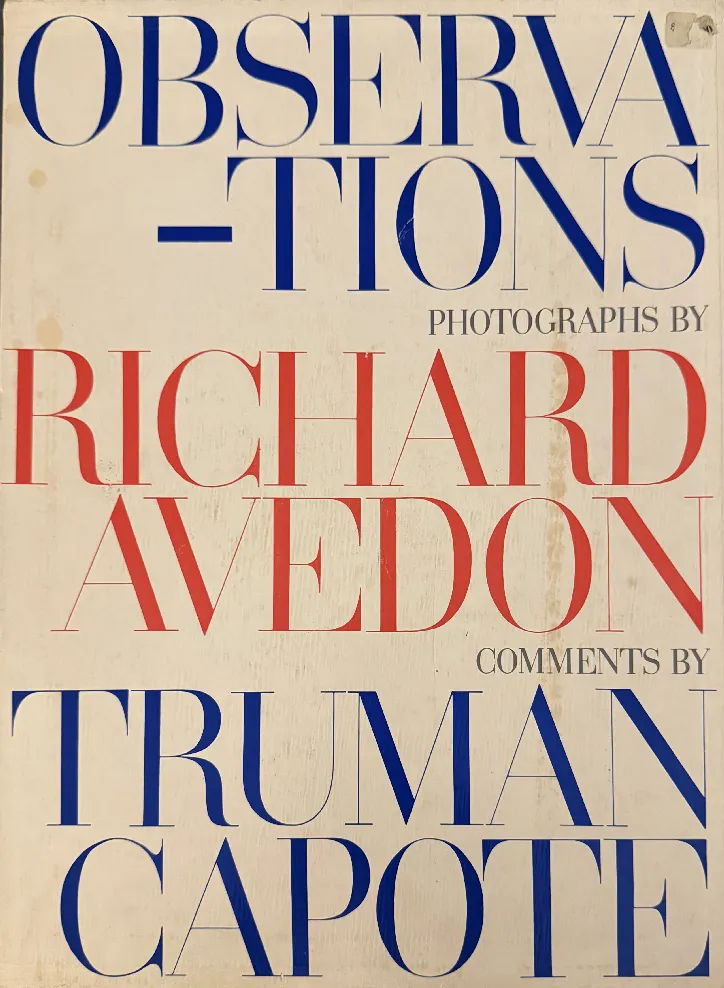
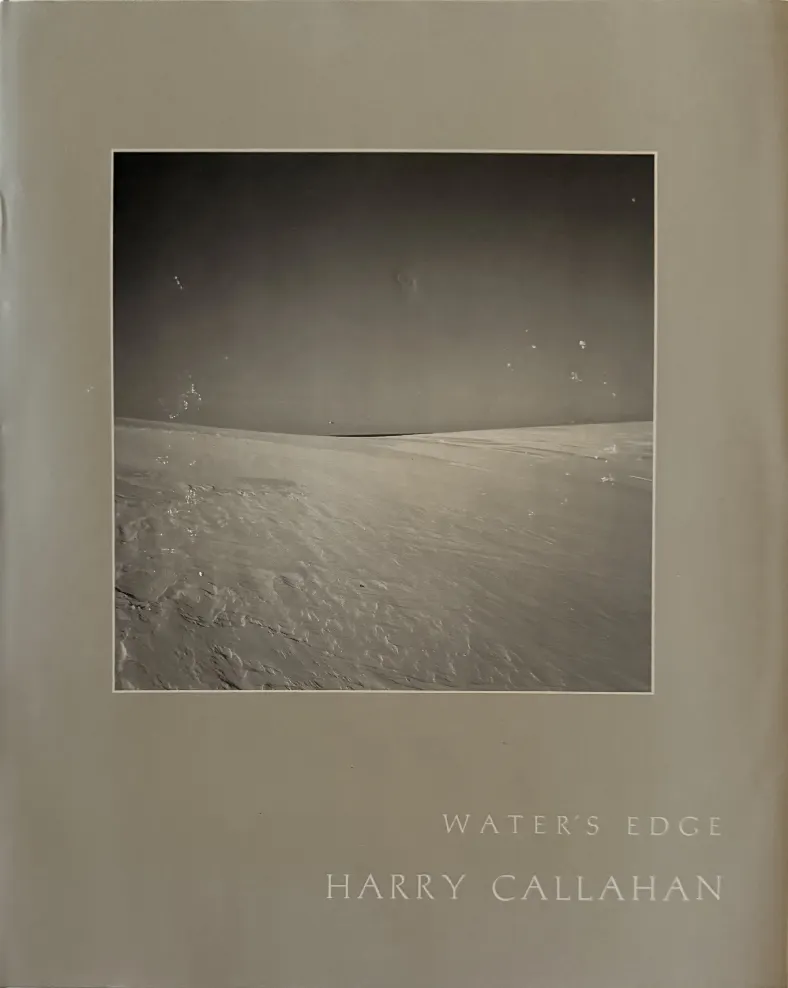
Some American Photobooks at Bushwick-sur-Seine
.webp)
%20Resized.webp)