
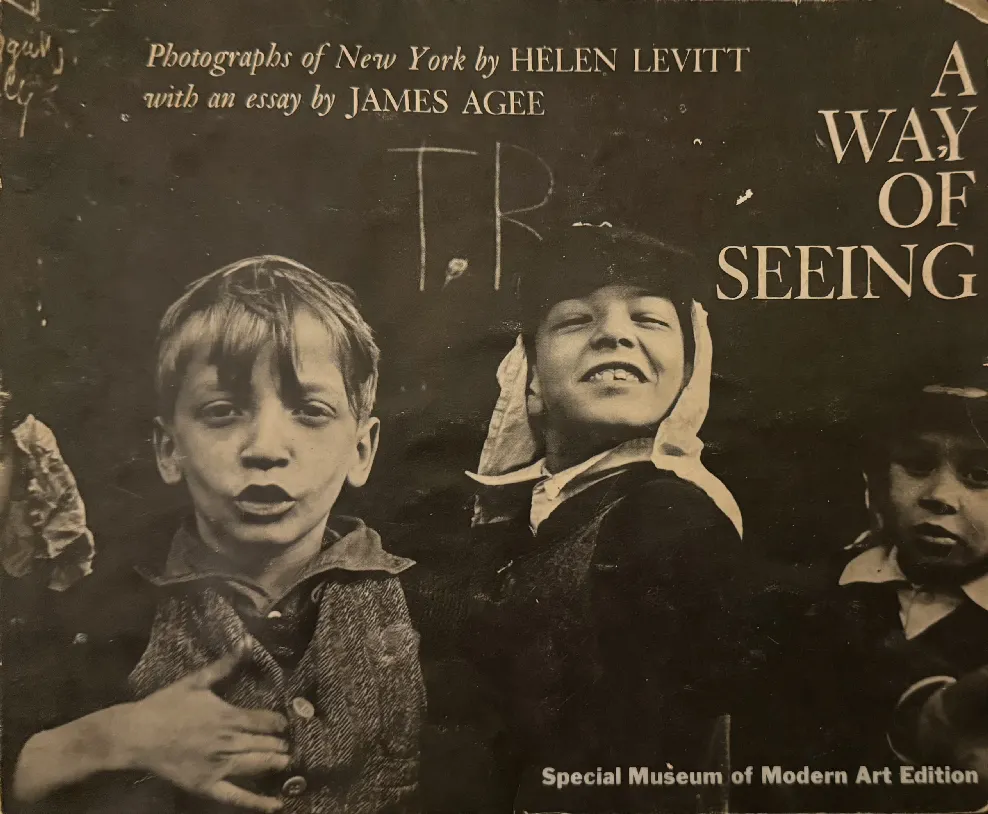


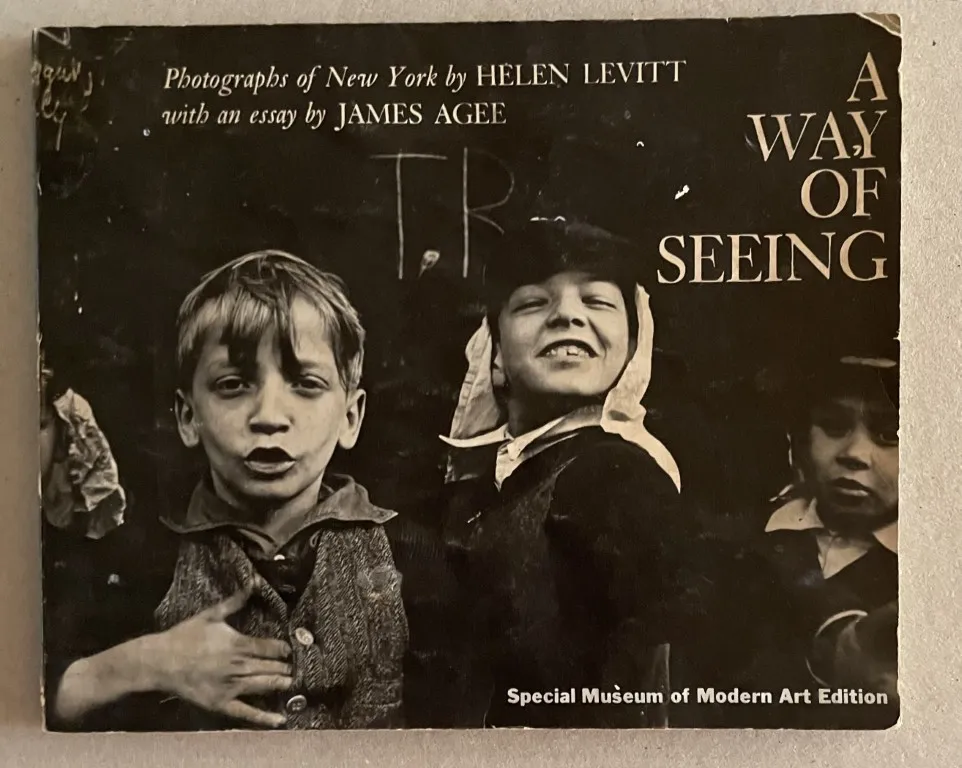
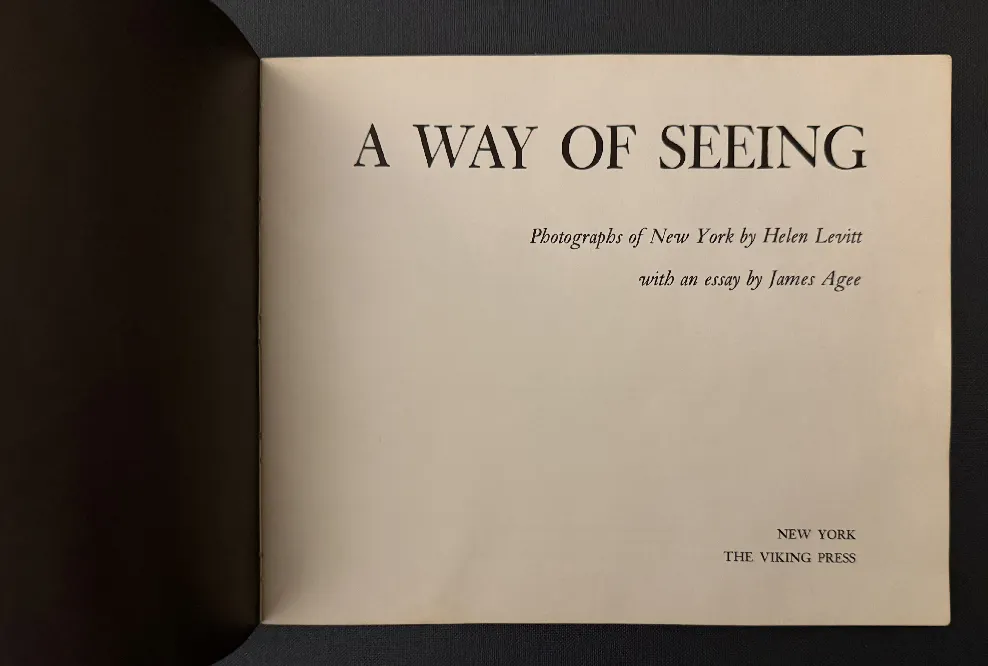
A Way of Seeing is a foundational masterpiece of 20th-century American street photography, capturing the poetry and spontaneity of daily life in New York City.
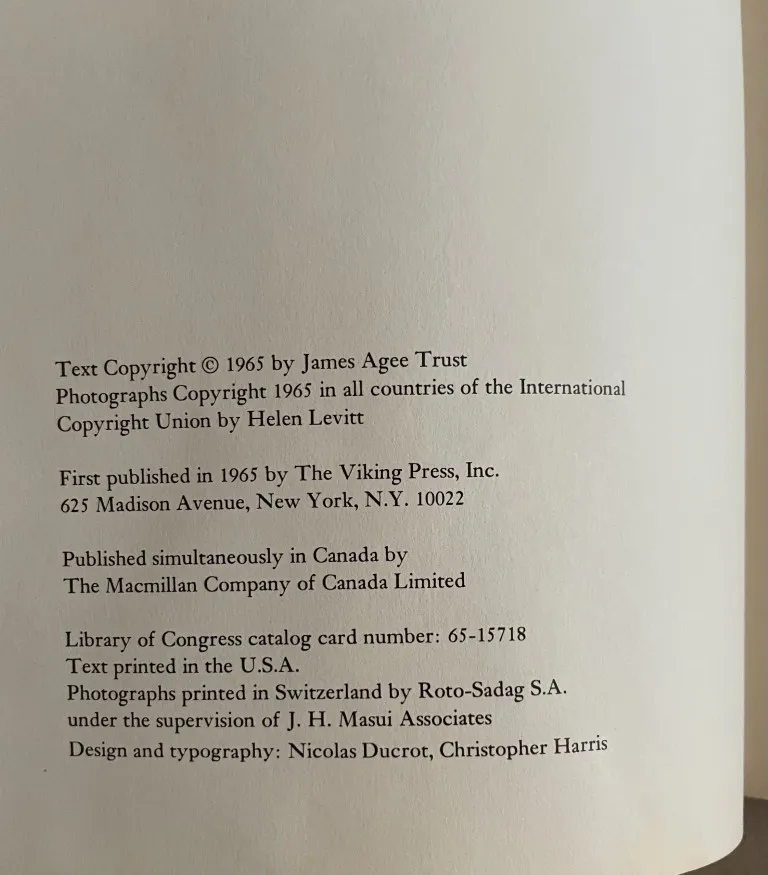
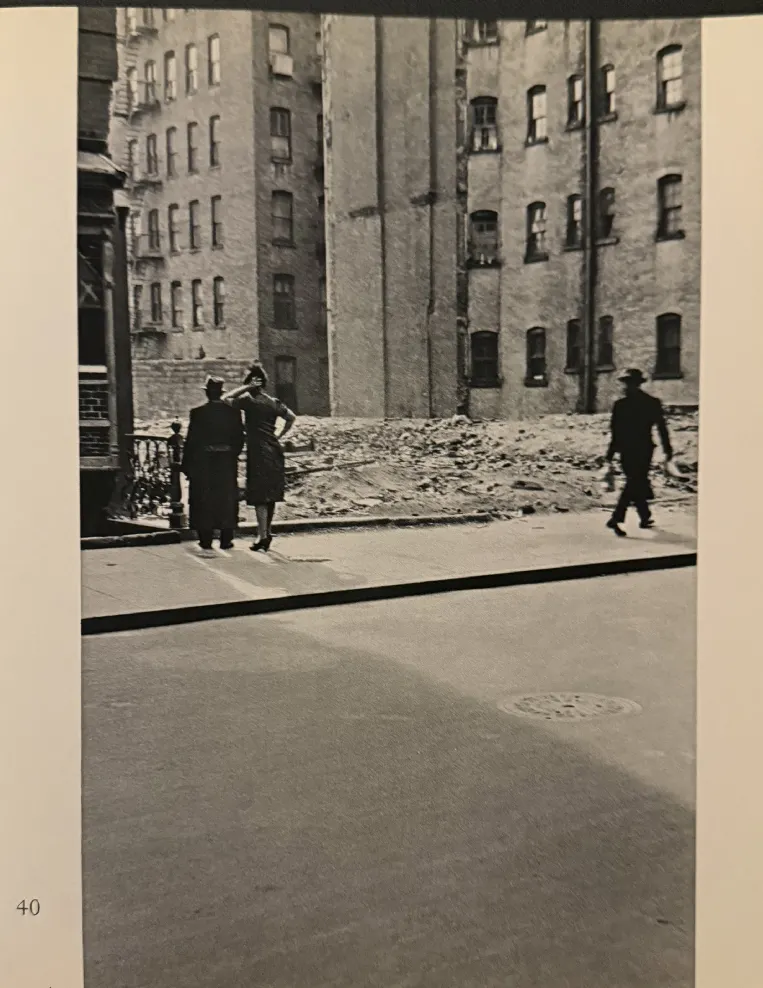
Though compiled for publication in the mid-1960s, the photographs were taken between 1938 and 1948, primarily in working-class neighborhoods like East Harlem and the Lower East Side.
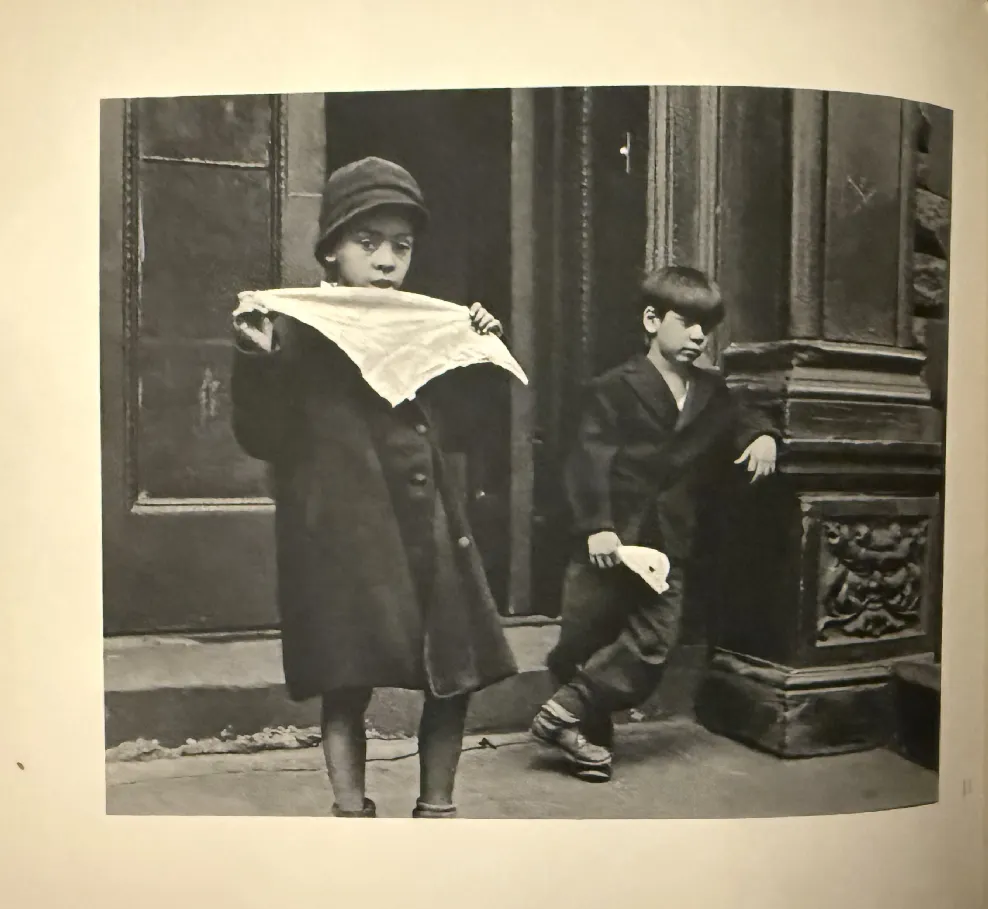
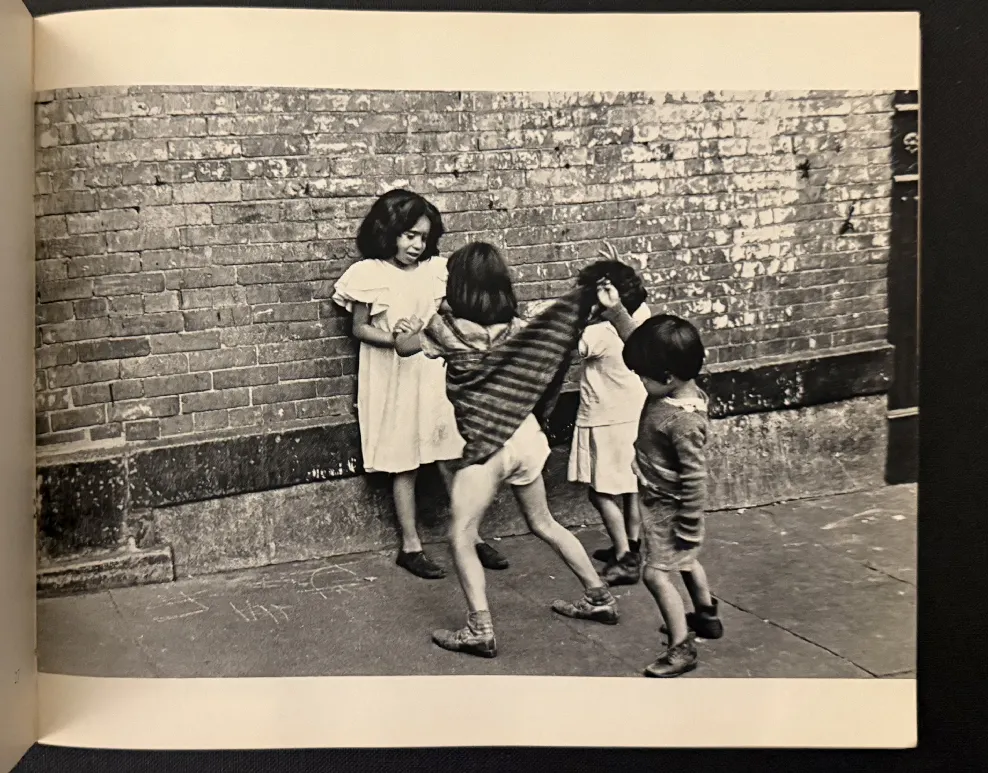
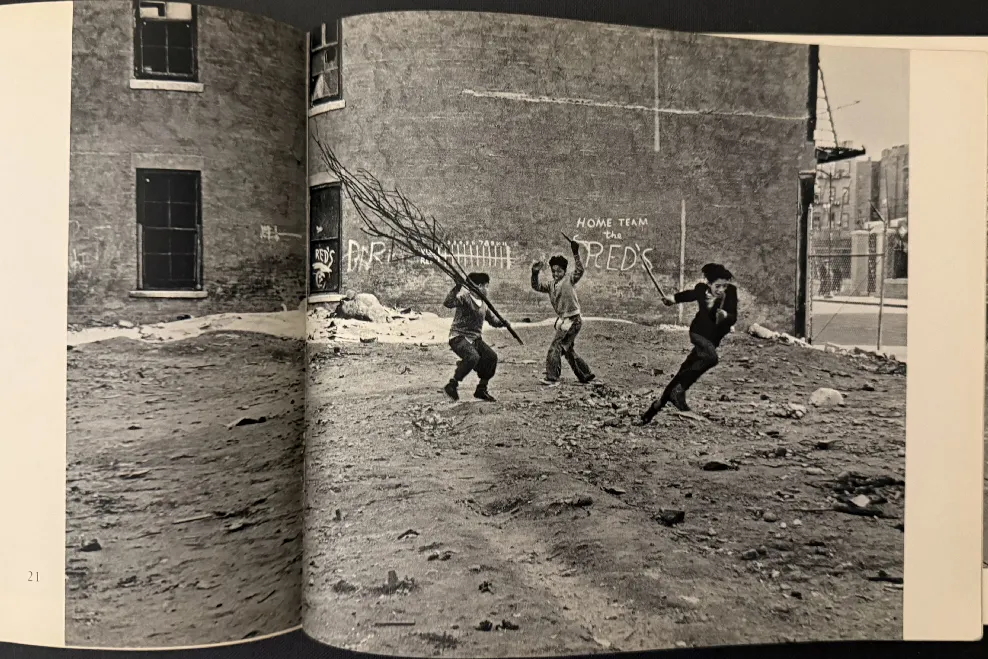
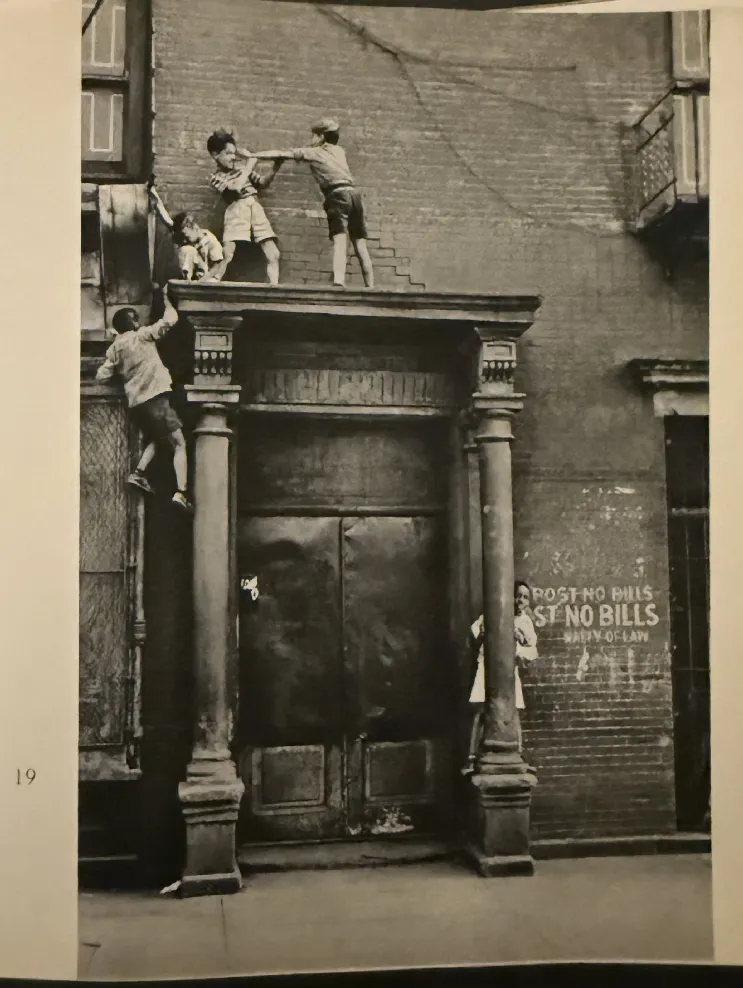
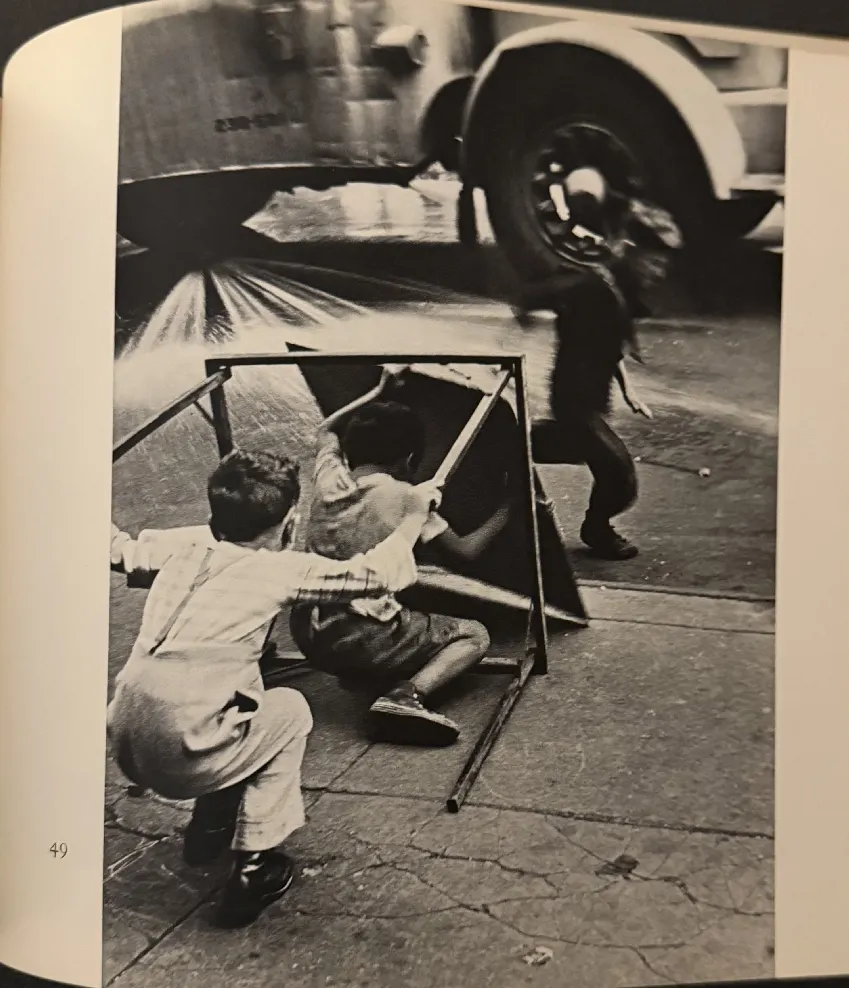
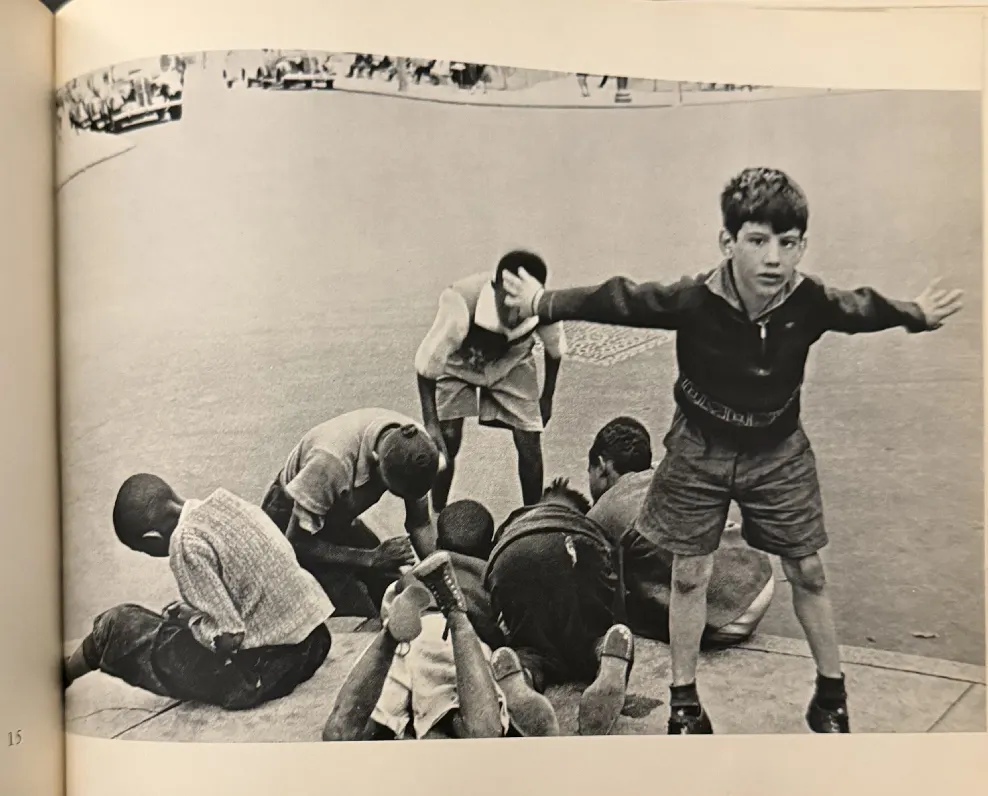
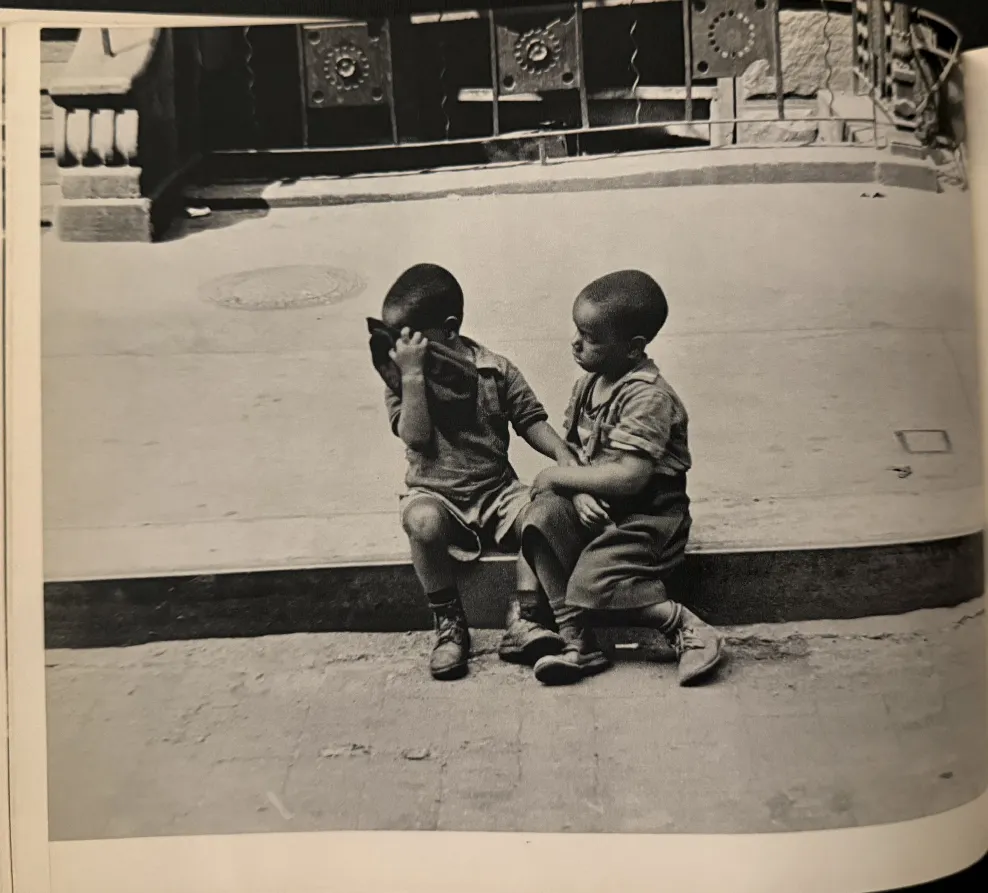
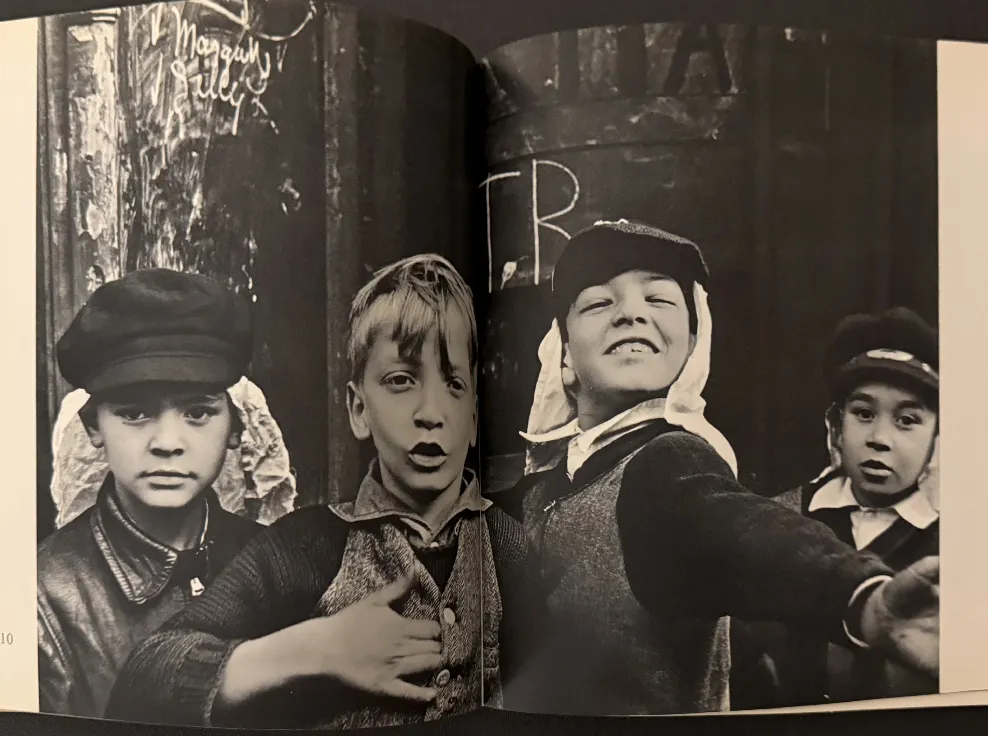
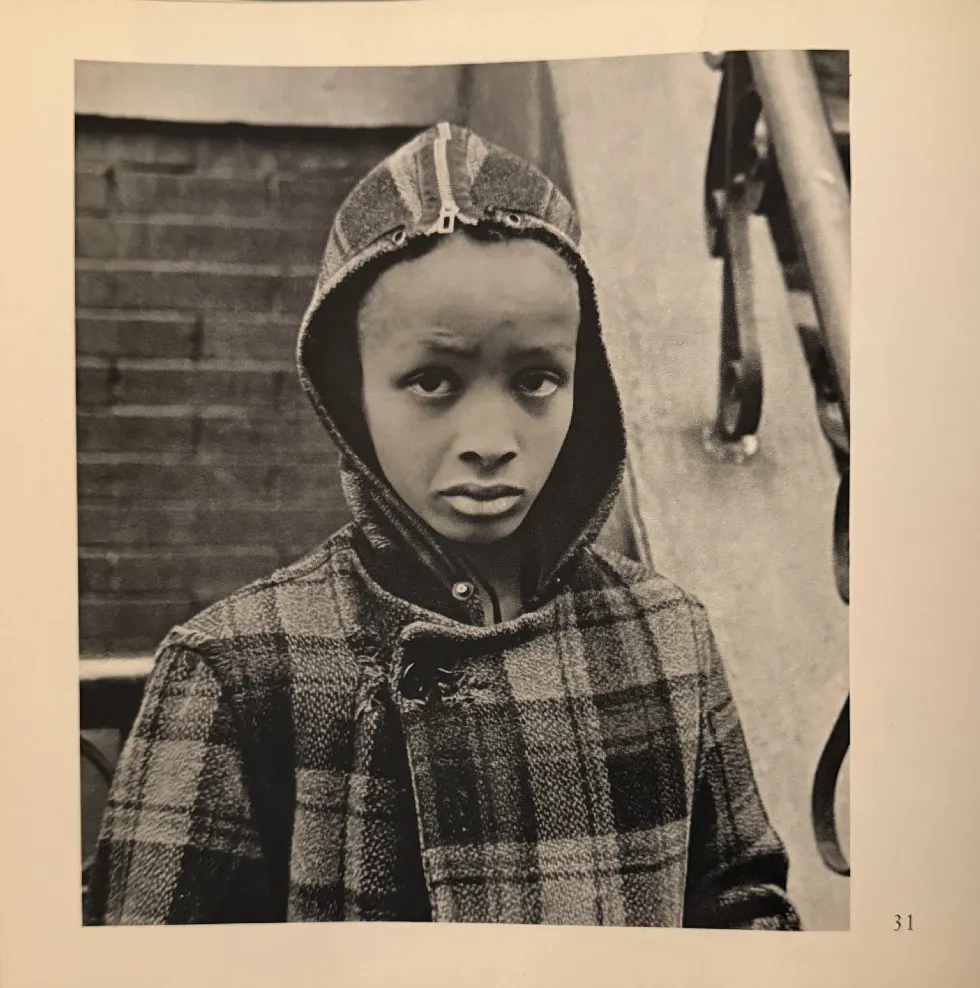
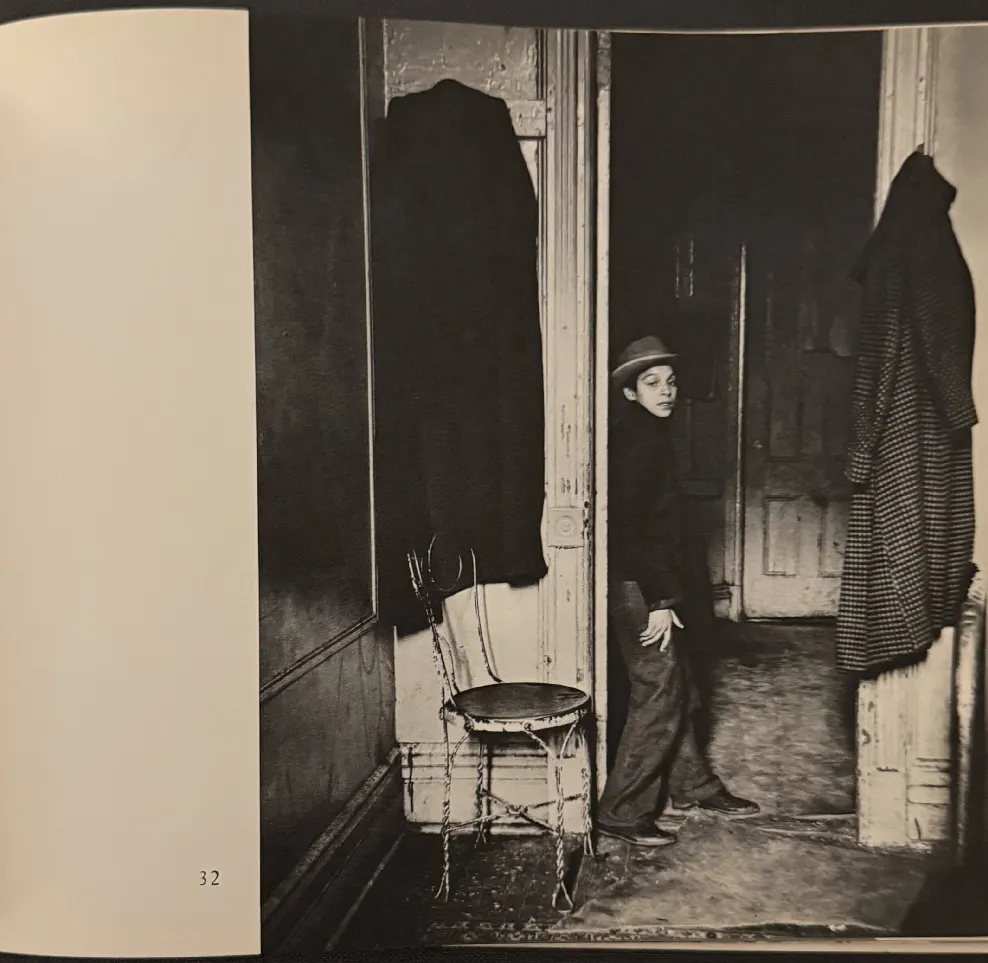
The book is renowned for its intimate, empathetic depiction of children at play, transforming city streets, stoops, and vacant lots into imaginative theaters. Levitt used a right-angle viewfinder on her Leica, allowing her to capture unposed, completely authentic moments without drawing the attention of her subjects.
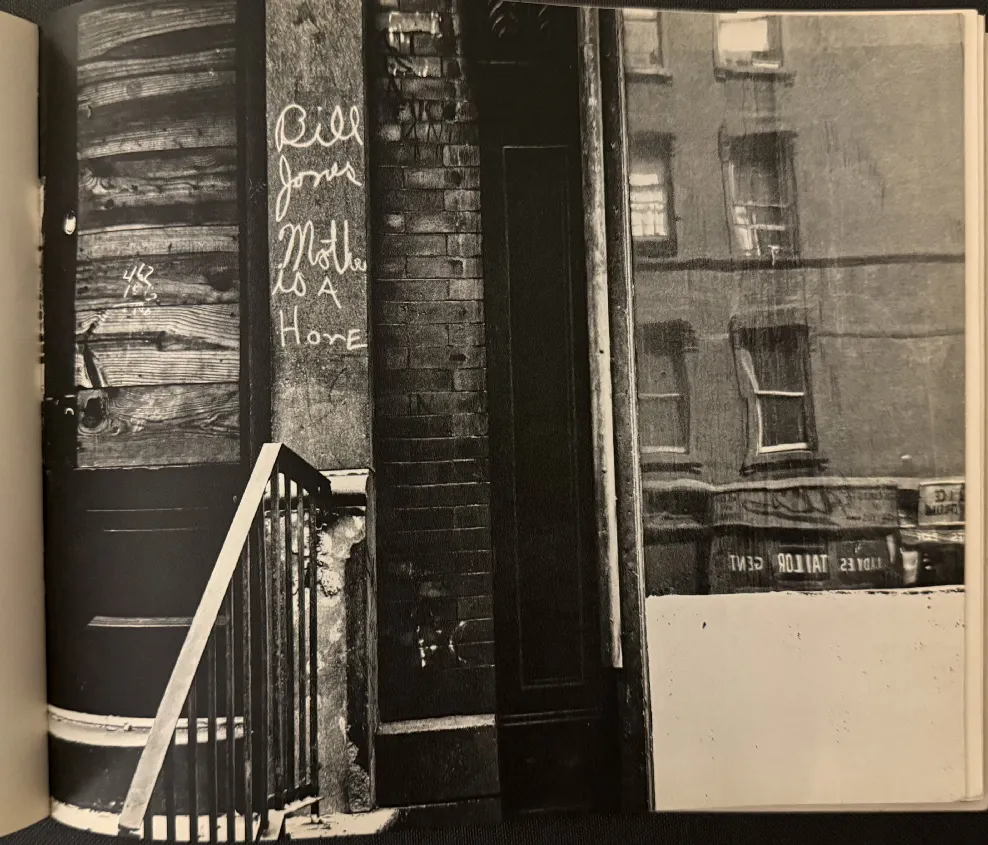
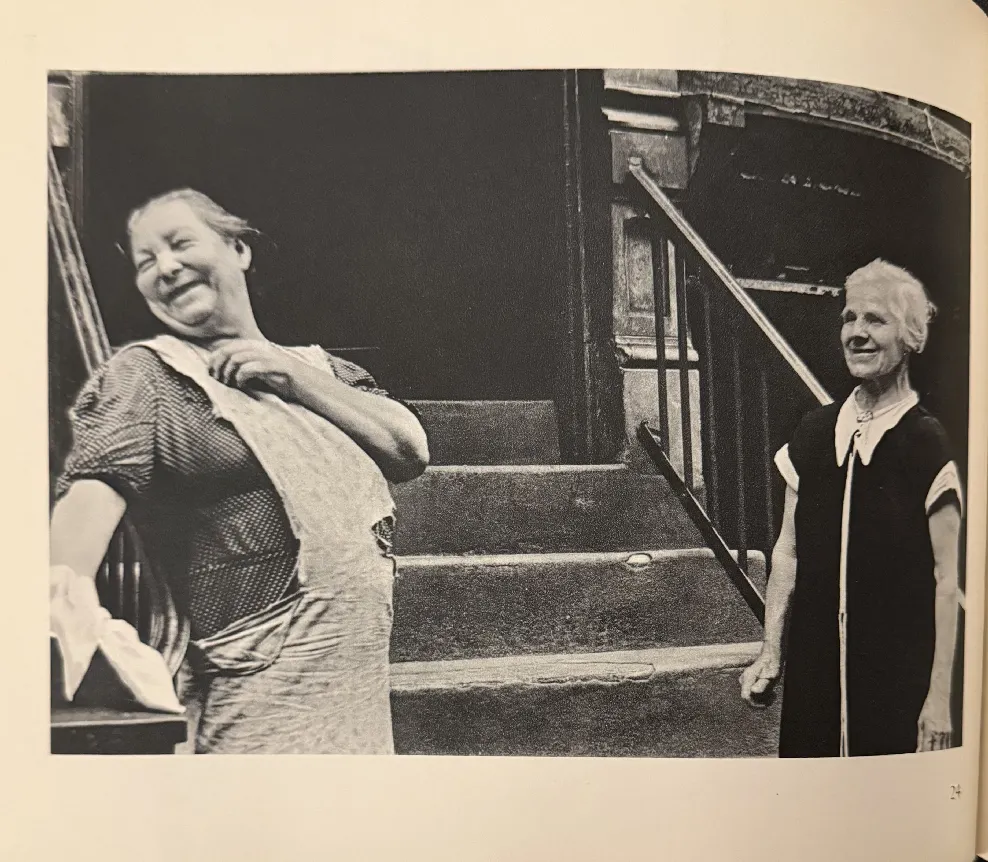
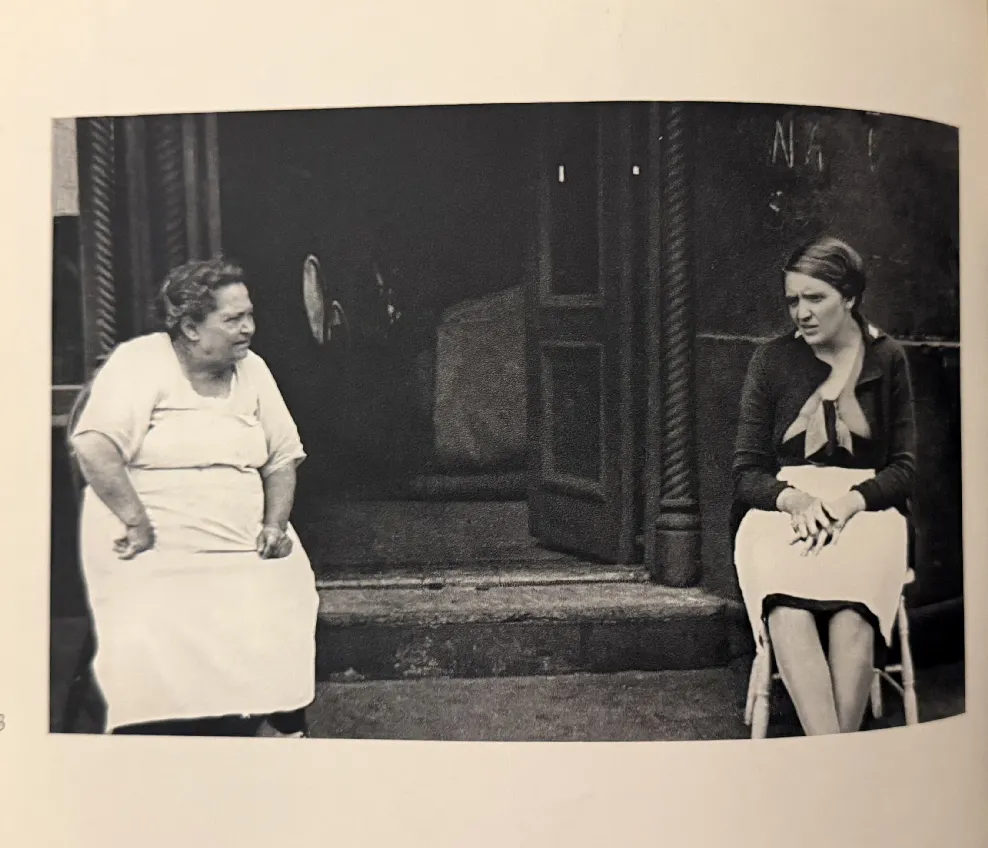
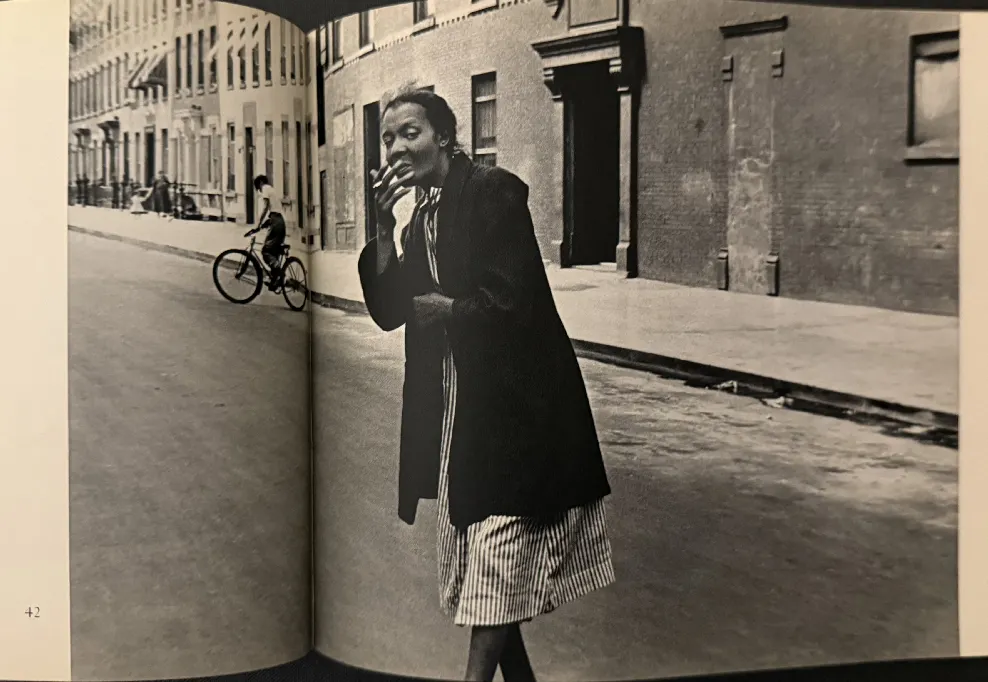
Beyond childhood innocence, the imagery explores urban community, social interaction, and ephemeral street art (such as chalk drawings on pavements and walls). Rather than focusing on political commentary or social deprivation, Levitt emphasizes the grace, vitality, and humor of everyday human gesture.
The book features an introductory essay by writer and critic James Agee, a close collaborator of Levitt's, whose text reflects on the lyrical nature of her visual observations.

A Way of Seeing is a foundational masterpiece of 20th-century American street photography, capturing the poetry and spontaneity of daily life in New York City.
Though compiled for publication in the mid-1960s, the photographs were taken between 1938 and 1948, primarily in working-class neighborhoods like East Harlem and the Lower East Side.
The book is renowned for its intimate, empathetic depiction of children at play, transforming city streets, stoops, and vacant lots into imaginative theaters. Levitt used a right-angle viewfinder on her Leica, allowing her to capture unposed, completely authentic moments without drawing the attention of her subjects.
Beyond childhood innocence, the imagery explores urban community, social interaction, and ephemeral street art (such as chalk drawings on pavements and walls). Rather than focusing on political commentary or social deprivation, Levitt emphasizes the grace, vitality, and humor of everyday human gesture.
The book features an introductory essay by writer and critic James Agee, a close collaborator of Levitt's, whose text reflects on the lyrical nature of her visual observations.