


Which art books, prints and posters are available by and about this artist? Here is a sample of items of interest to a typical collector:


%20Resized.webp)
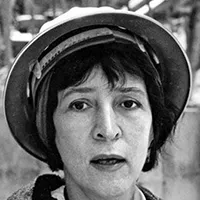
Helen Levitt, American (1913-2009)
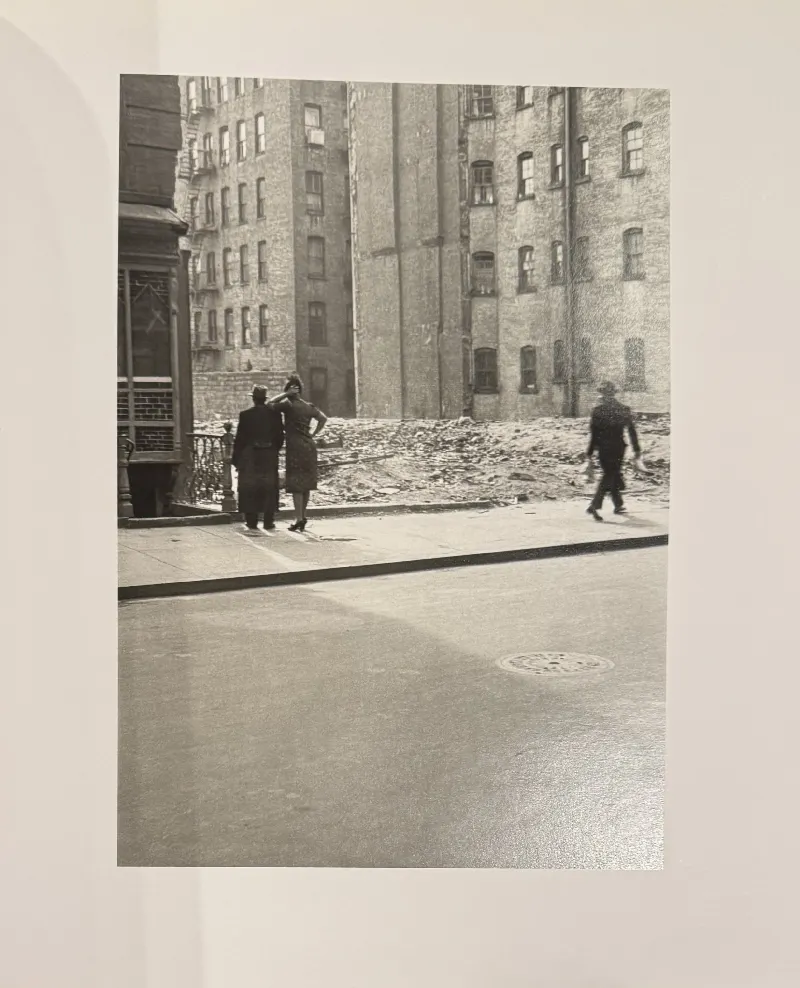
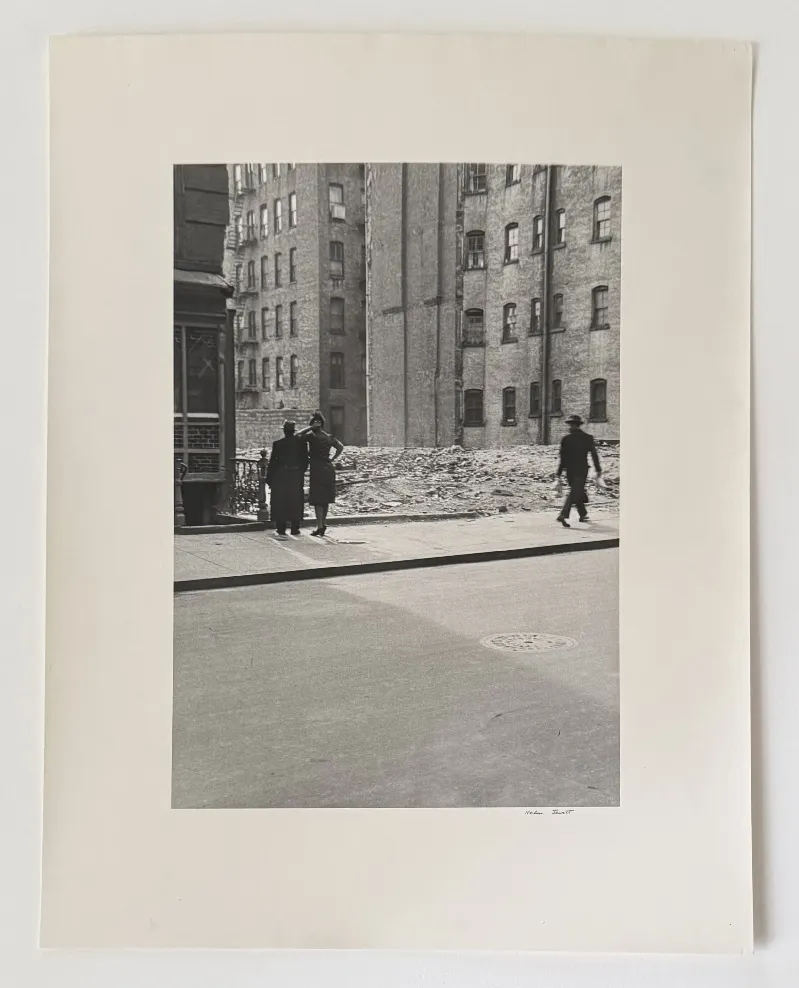
Often described as the "visual poet laureate" of New York City, Helen Levitt was a pioneering American street photographer and filmmaker. Her work is celebrated for its lyrical, candid depiction of everyday life in New York's working-class neighborhoods, particularly the Lower East Side, the Bronx, and Spanish Harlem.
Born in Brooklyn, Levitt dropped out of high school and began her career at 18, working in a commercial portrait studio. Her trajectory shifted dramatically in the mid-1930s after she encountered the work of Henri Cartier-Bresson. Inspired by his "decisive moment" philosophy, she purchased a 35mm Leica camera and began documenting the streets.
During this period, she befriended and was mentored by Walker Evans and the writer James Agee. Her early work was heavily influenced by Surrealismfinding the "uncanny" in the mundane slent film, which informed her eye for gesture and movement.
Here main themes centered around:
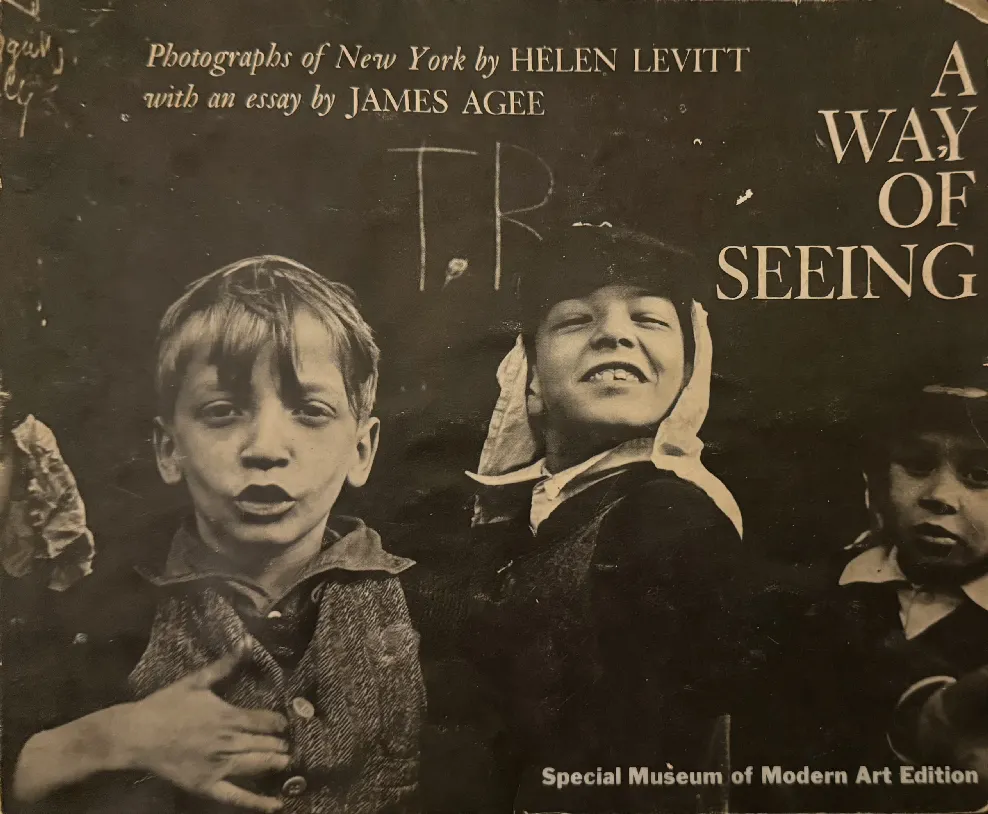
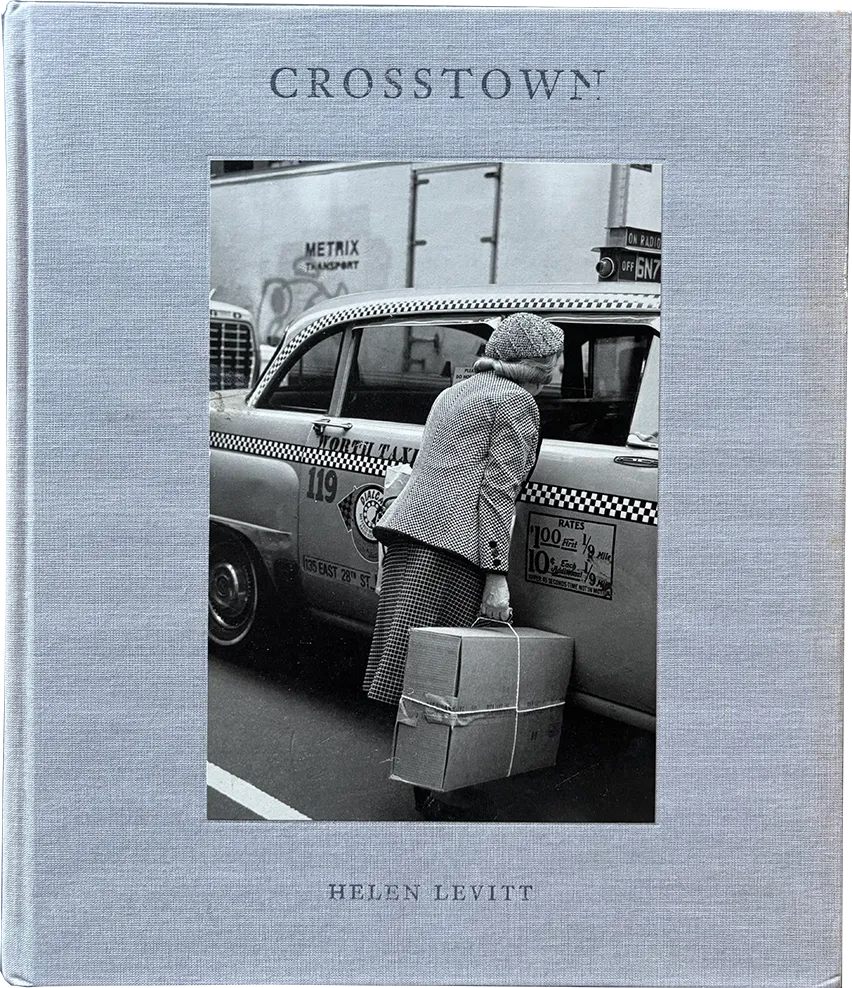
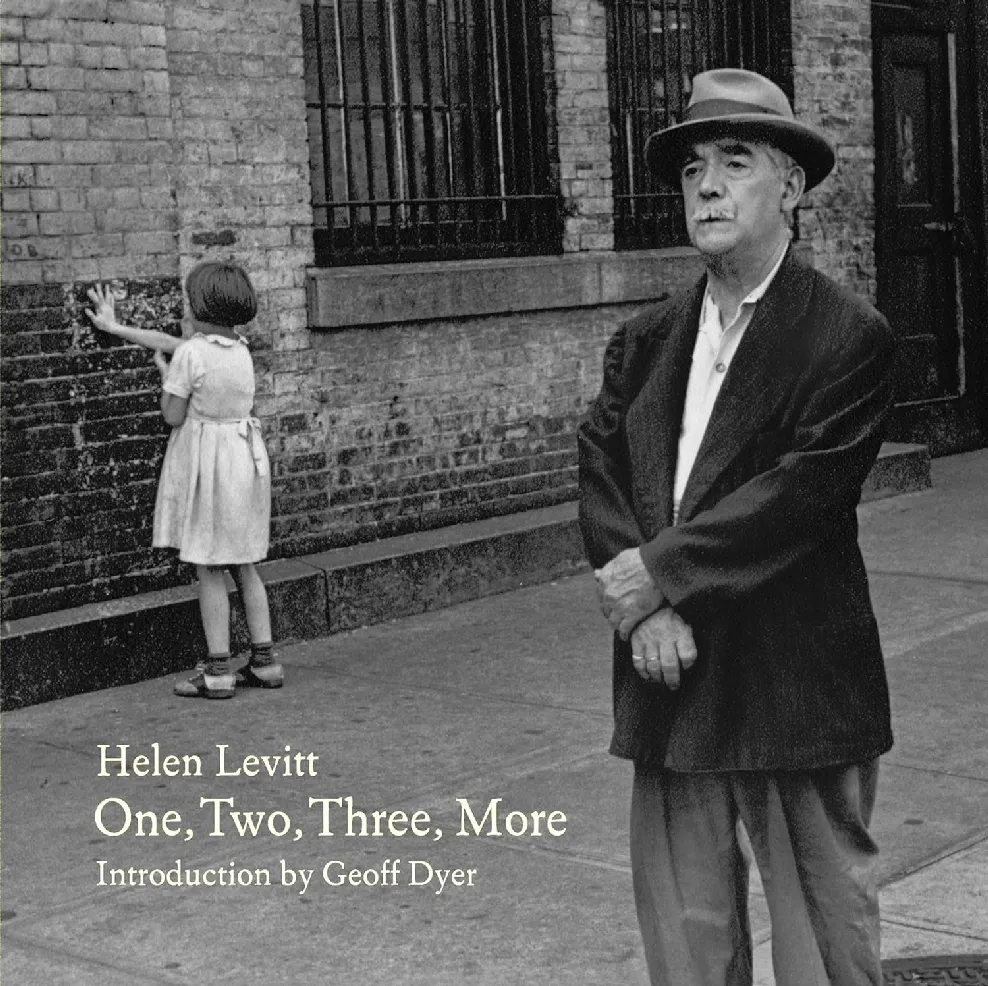
Levitt’s work has been immortalized in several seminal photobooks:


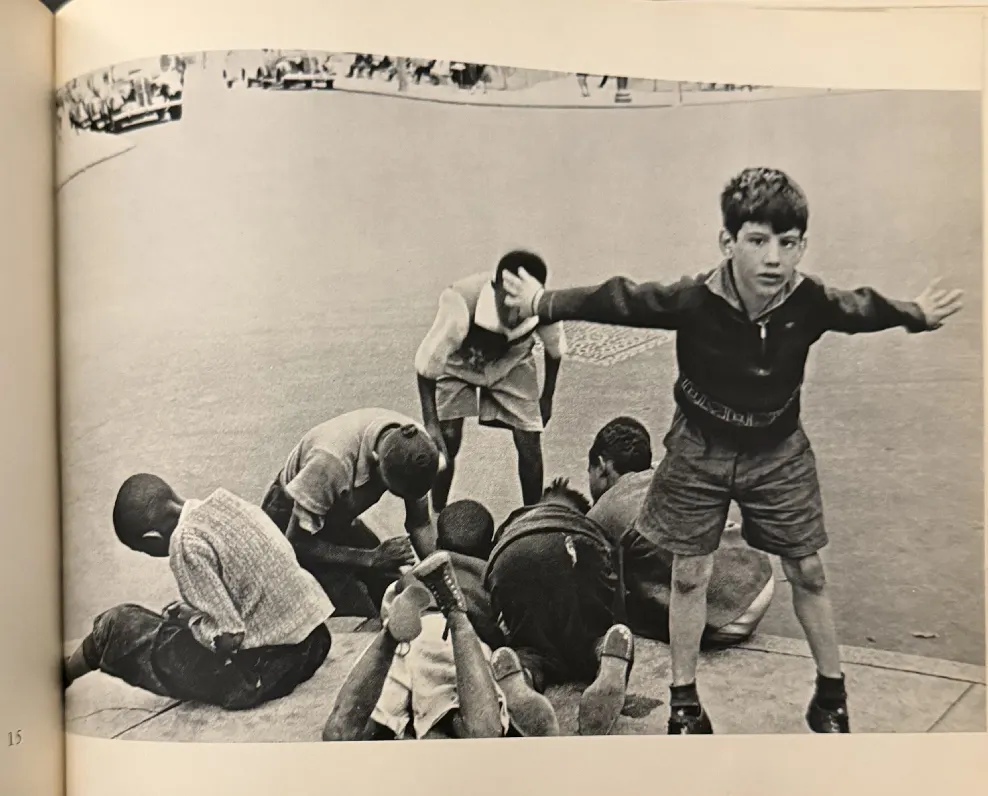
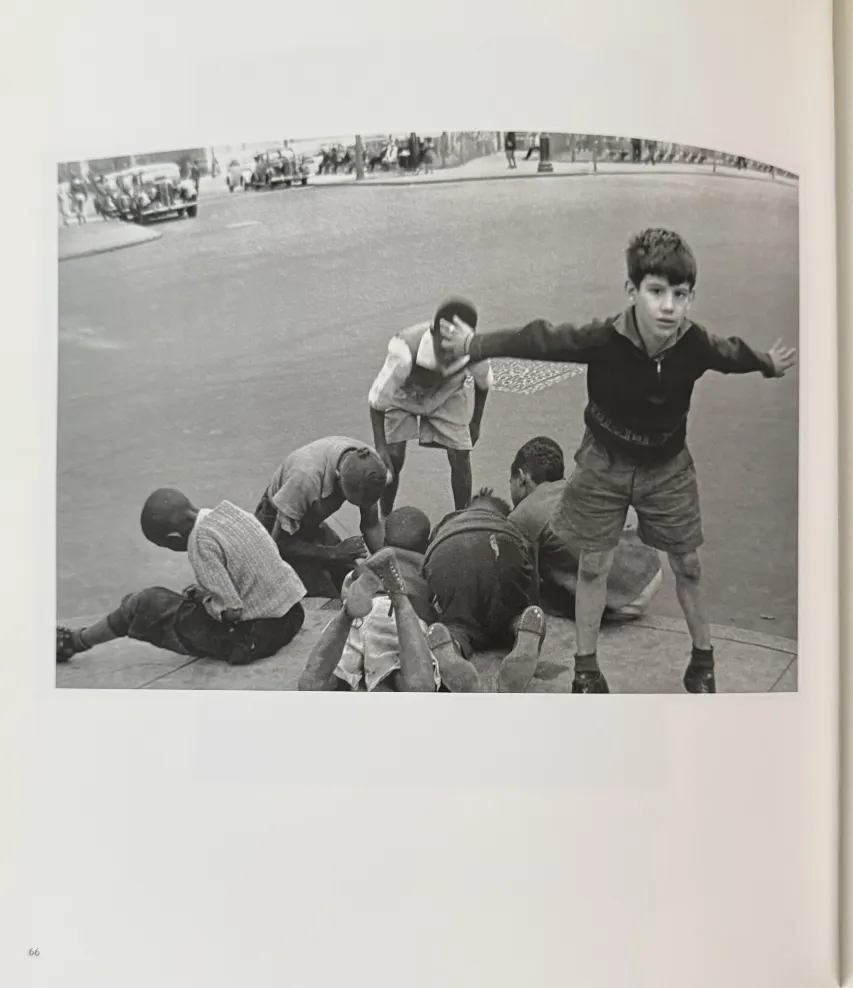
A Way of Seeing is a foundational masterpiece of 20th-century American street photography, capturing the poetry and spontaneity of daily life in New York City.
Though compiled for publication in the mid-1960s, the photographs were taken between 1938 and 1948, primarily in working-class neighborhoods like East Harlem and the Lower East Side.
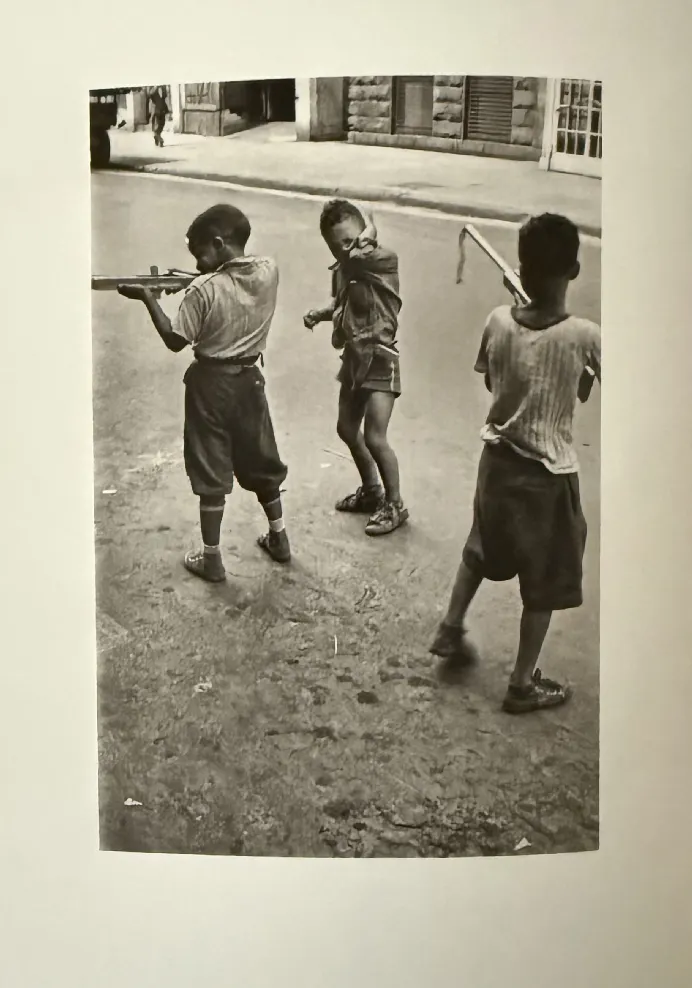
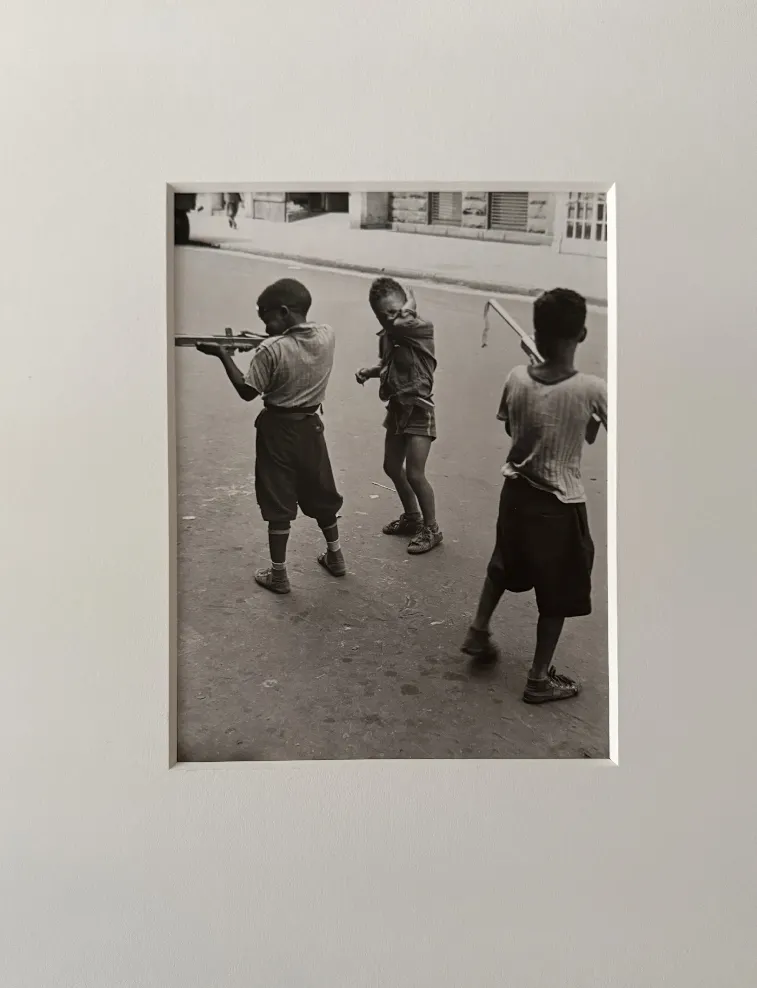
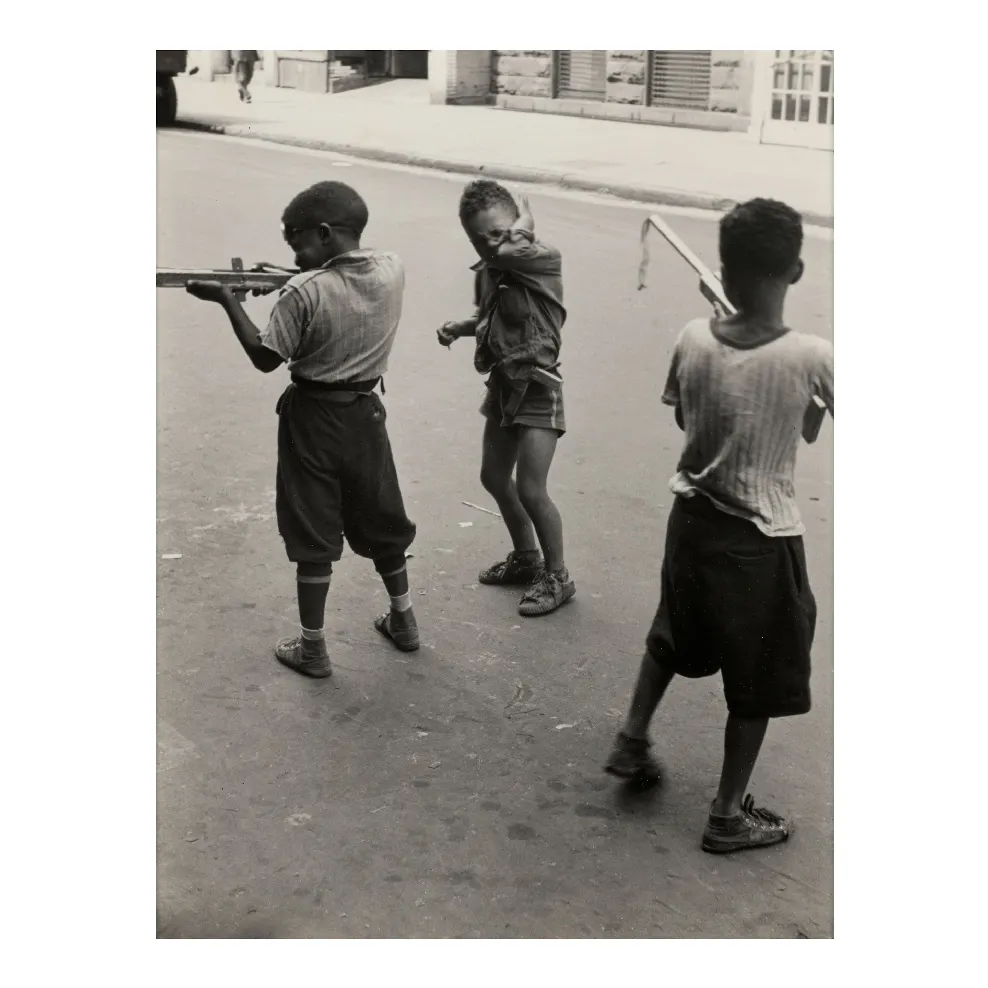
The book is renowned for its intimate, empathetic depiction of children at play, transforming city streets, stoops, and vacant lots into imaginative theaters. Levitt used a right-angle viewfinder on her Leica, allowing her to capture unposed, completely authentic moments without drawing the attention of her subjects.
Beyond childhood innocence, the imagery explores urban community, social interaction, and ephemeral street art (such as chalk drawings on pavements and walls). Rather than focusing on political commentary or social deprivation, Levitt emphasizes the grace, vitality, and humor of everyday human gesture.
The book features an introductory essay by writer and critic James Agee, a close collaborator of Levitt's, whose text reflects on the lyrical nature of her visual observations.