


Which art books, prints and posters are available by and about this artist? Here is a sample of items of interest to a typical collector:


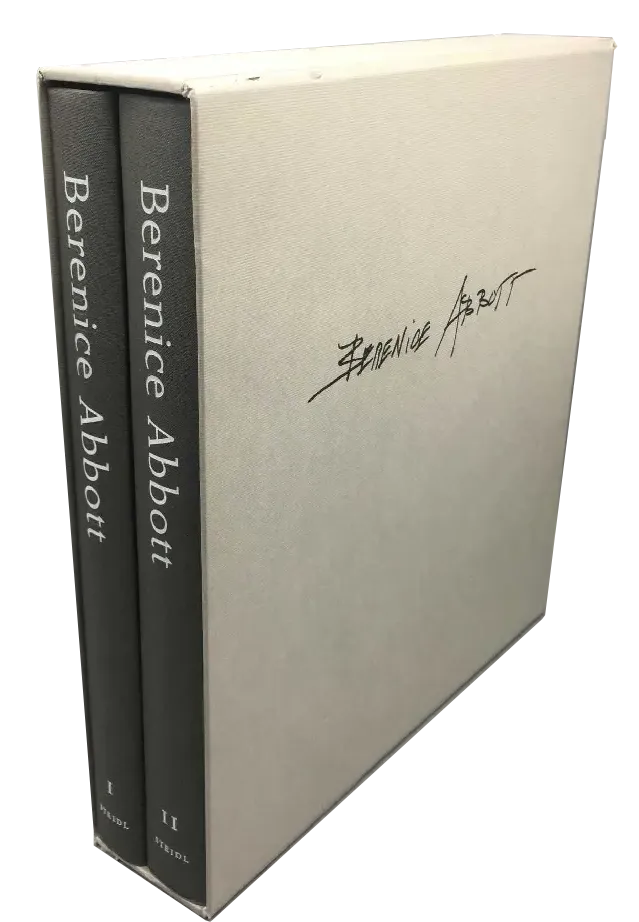

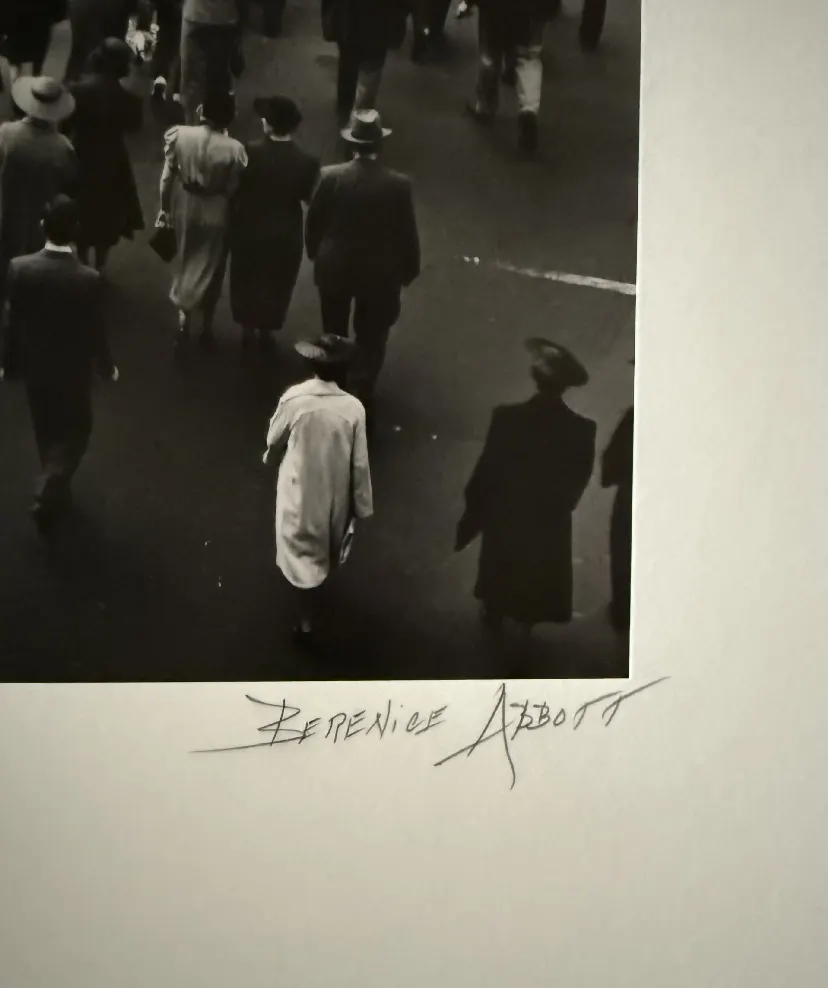



Berenice Abbott, American (1898–1991)
Abbott was a pioneering American photographer renowned for her compelling documentation of urban life, particularly in New York City during the 1930s. Her work is celebrated for its clarity, precision, and insightful portrayal of the evolving architectural landscape.
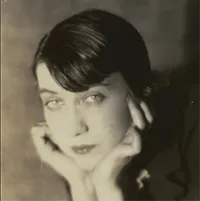
Born in Springfield, Ohio, Abbott briefly attended Ohio State University before moving to New York City in 1918 to study sculpture. In 1921, she relocated to Paris, where she worked as a darkroom assistant to Man Ray. This experience ignited her passion for photography, leading her to establish her own studio and capture portraits of prominent cultural figures such as James Joyce and Jean Cocteau.
Abbott played a crucial role in preserving the legacy of French photographer Eugène Atget. After his death in 1927, she acquired a significant portion of his negatives and prints, tirelessly promoting his work and ensuring its recognition in the photographic canon.
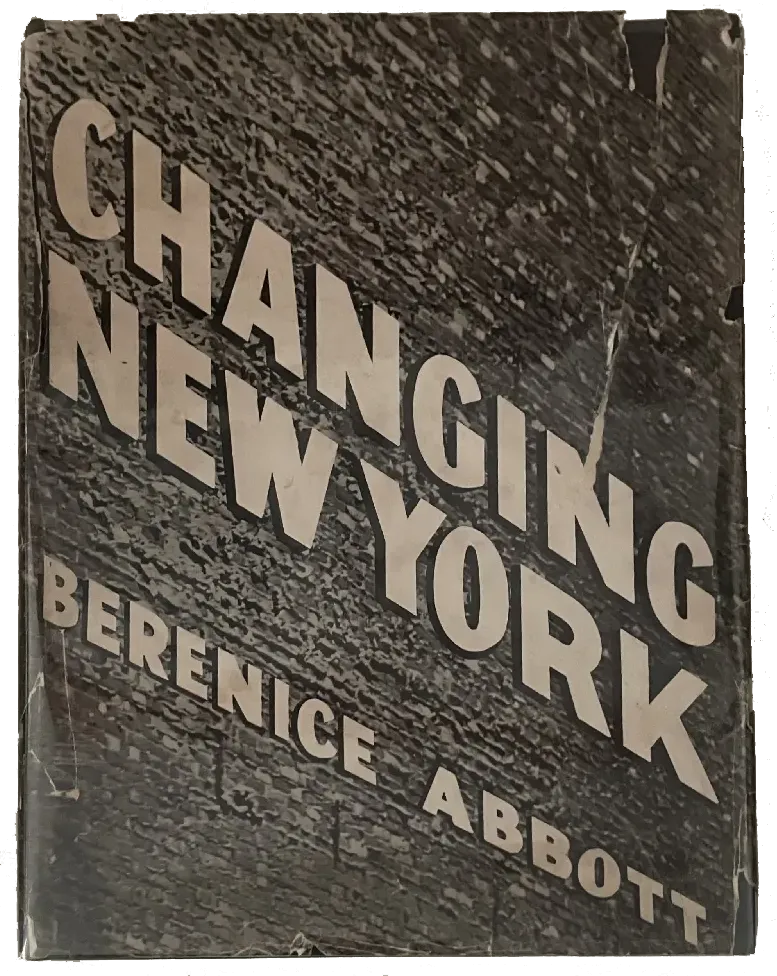
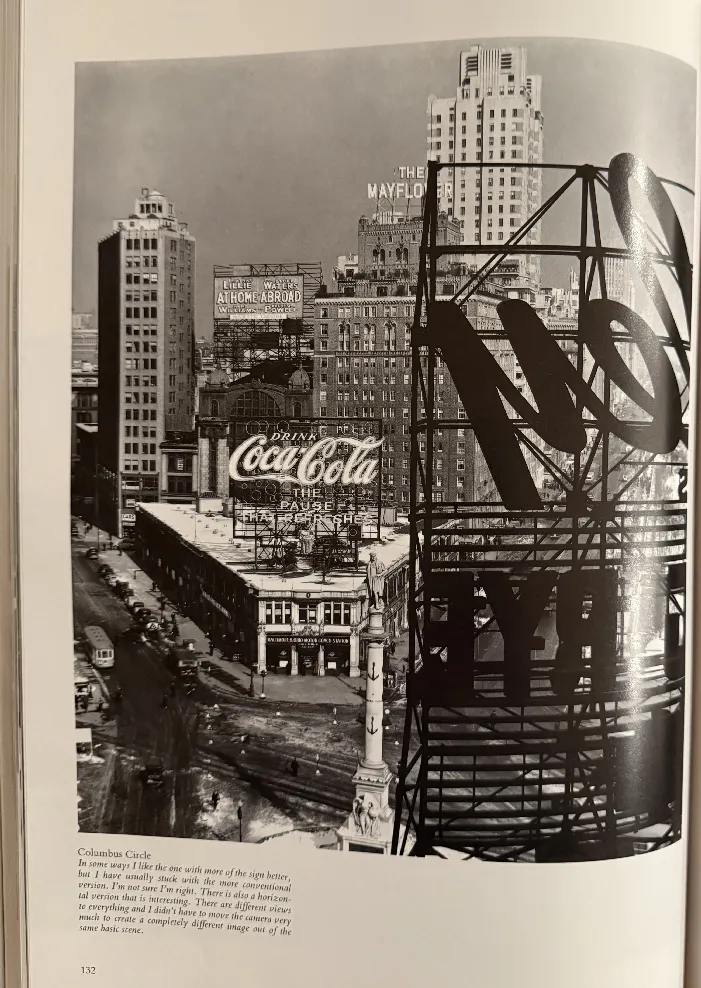
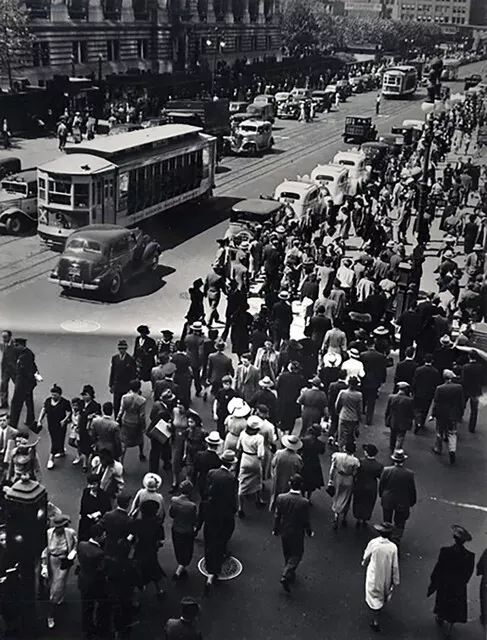
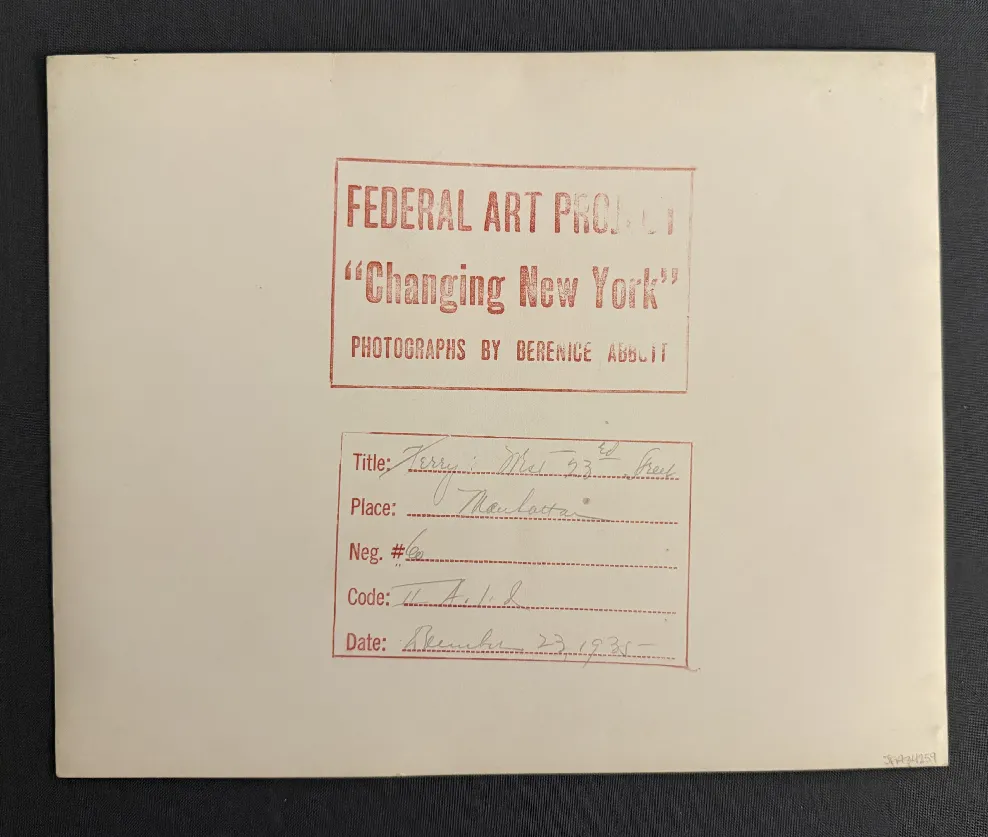
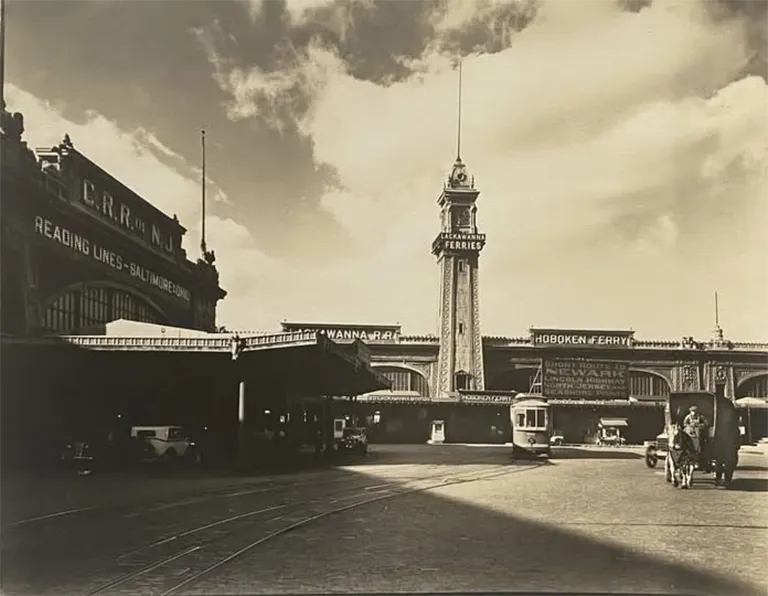
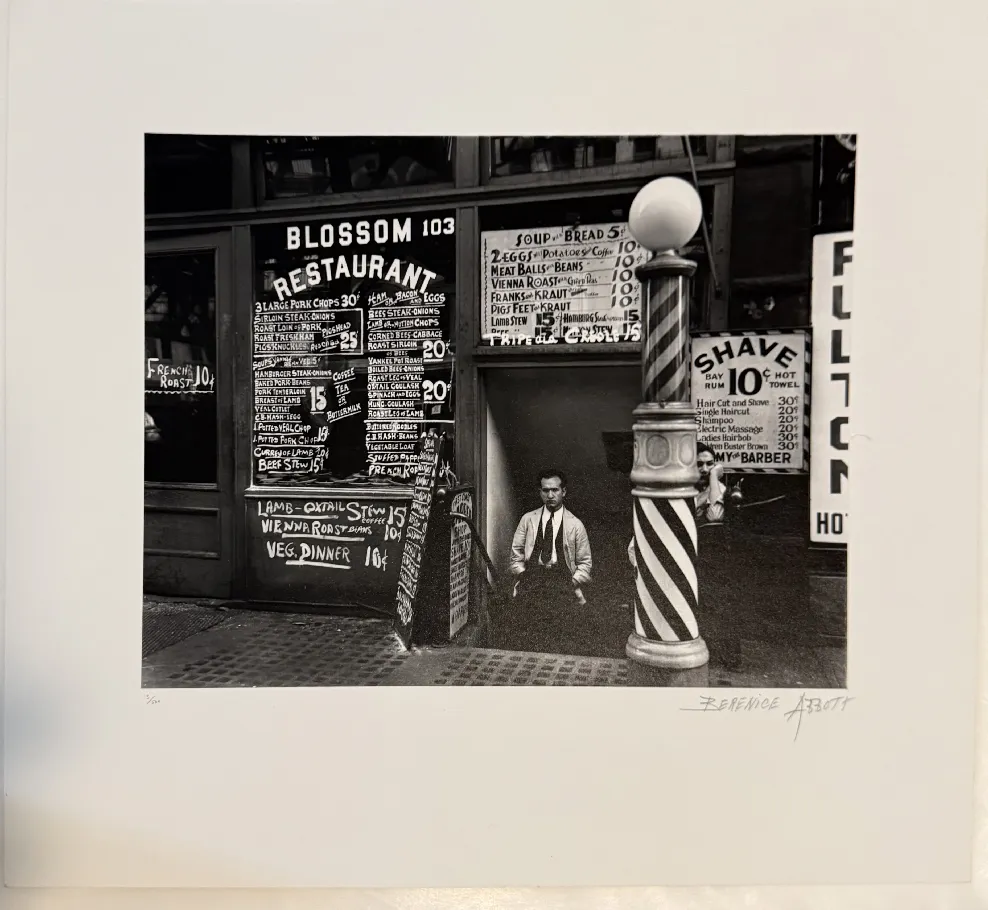
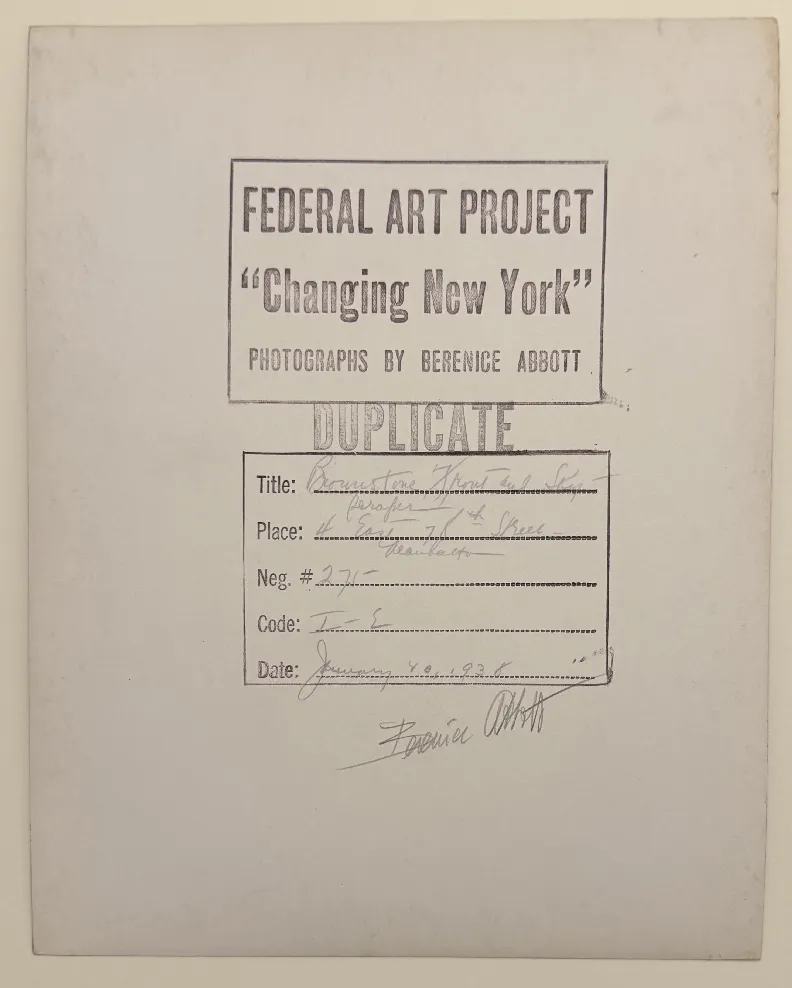
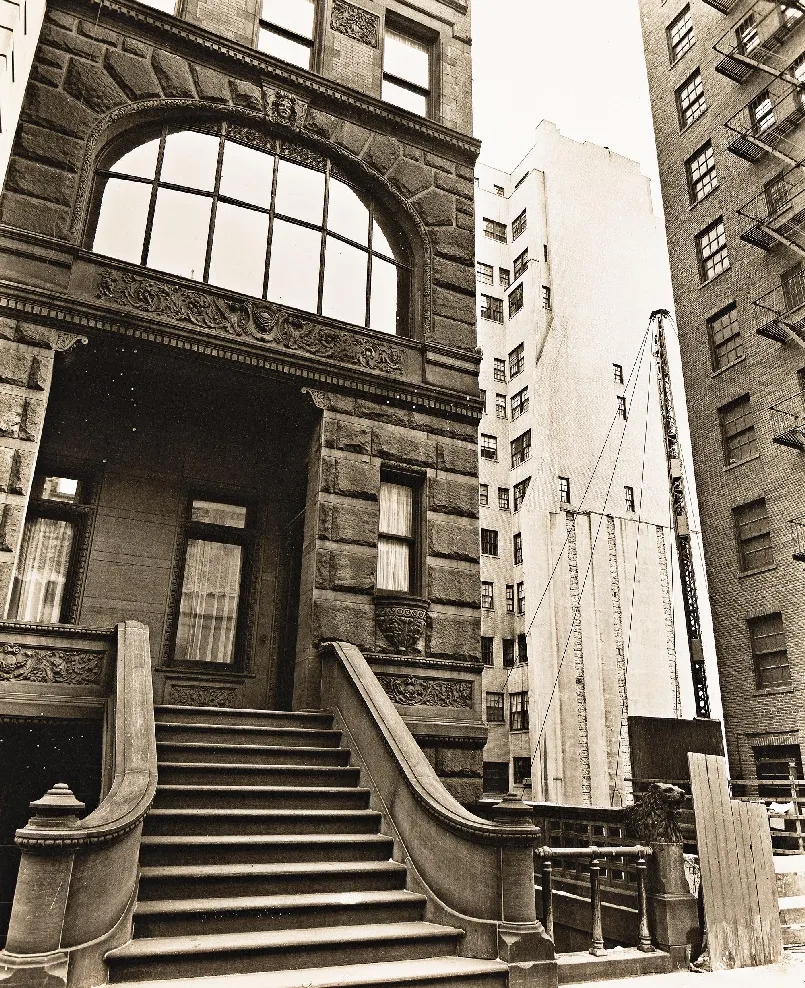
Returning to New York in 1929, Abbott was struck by the city's rapid transformation. She embarked on a project to document these changes, culminating in the acclaimed series Changing New York, published in 1939. This body of work offers a vivid portrayal of the city's architectural evolution during a period of significant growth and modernization.
In the 1940s and 1950s, Abbott turned her attention to scientific photography, collaborating with the Massachusetts Institute of Technology to create images that visually explained complex physical phenomena. Her innovative approach made science more accessible to the public and demonstrated the educational potential of photography.
Throughout her career, Abbott was a staunch advocate for straight photography, emphasizing realism and clarity over artistic manipulation. Her contributions have been recognized with numerous accolades, including major exhibitions at leading institutions. Abbott's enduring legacy lies in her ability to capture the essence of a rapidly changing world with honesty and precision.

