


Which art books, prints and posters are available by and about this artist? Here is a sample of items of interest to a typical collector:


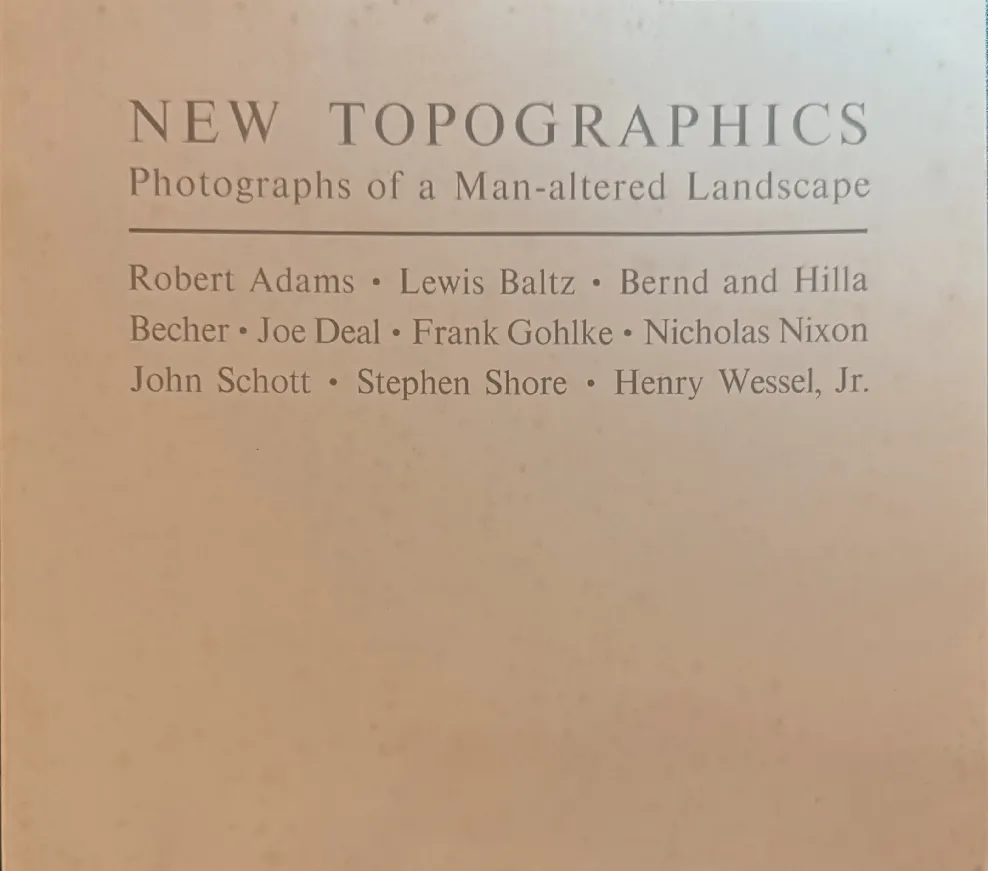
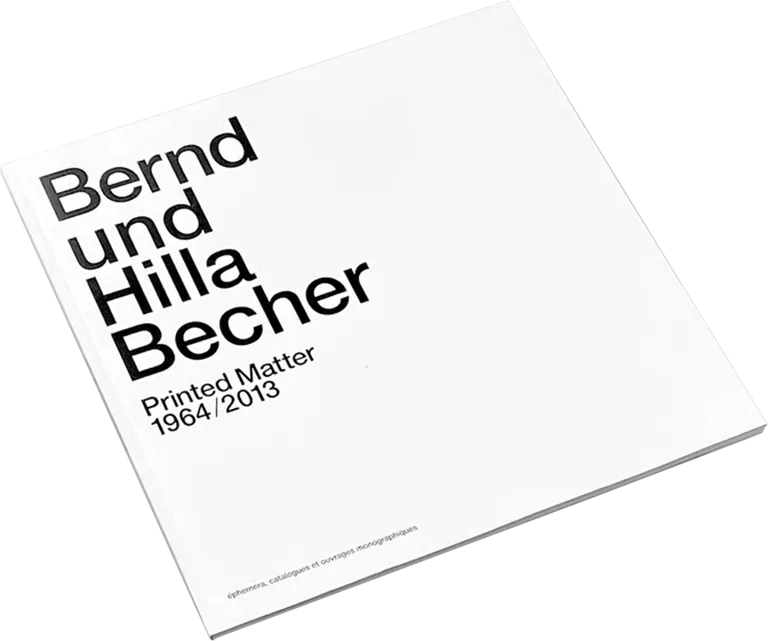






%202002%20Schellmann%20Fully%20Resized.webp)
.png)

%202007%20Schellmann%20Fully%20Resized.webp)
%252C%2520Schellmann%252C%25202006%2520Print%2520Recto%2520very%2520light%2520crease%2520left%2520border.webp)


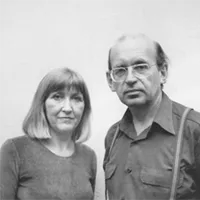
Bernd Becher, German, 1931–2007
Hilla Becher, German, 1934–2015
Bernd and Hilla Becher were an influential German artist duo who spent more than forty years collaborating on a monumental photographic project documenting the disappearing industrial architecture of Europe and North America. Working together from 1959 until Bernd’s death in 2007, they established a rigorous, objective approach to the medium that fundamentally altered the landscape of conceptual art and documentary photography.
The couple met at the Kunstakademie Düsseldorf in 1957, where Bernd was studying typography and Hilla was studying photography. Recognizing that the monumental structures of the industrial age, blast furnaces, cooling towers, gas tanks, water towers, and grain elevators, were rapidly being demolished, they began traveling to industrial regions like the Ruhr Valley in Germany, parts of France, Belgium, Great Britain, and the United States to systematically record them.
The Bechers developed a highly strict, uncompromising methodology to ensure absolute objectivity. They photographed exclusively on large-format film, using black-and-white emulsion to avoid the emotional distractions of color. They only shot on overcast days to eliminate dramatic shadows and bright highlights, minimizing any sense of time or seasonal shift. They positioned their camera at a uniform height to capture each structure from a neutral, dead-on perspective, stripping away any personal expression or romanticism.
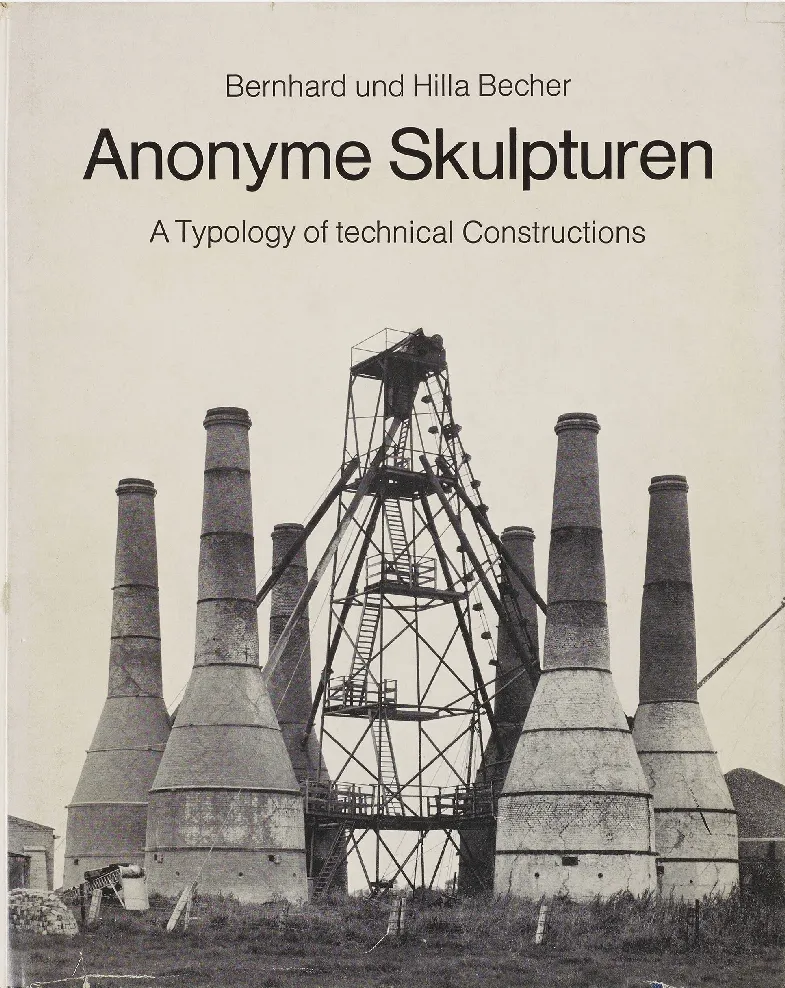
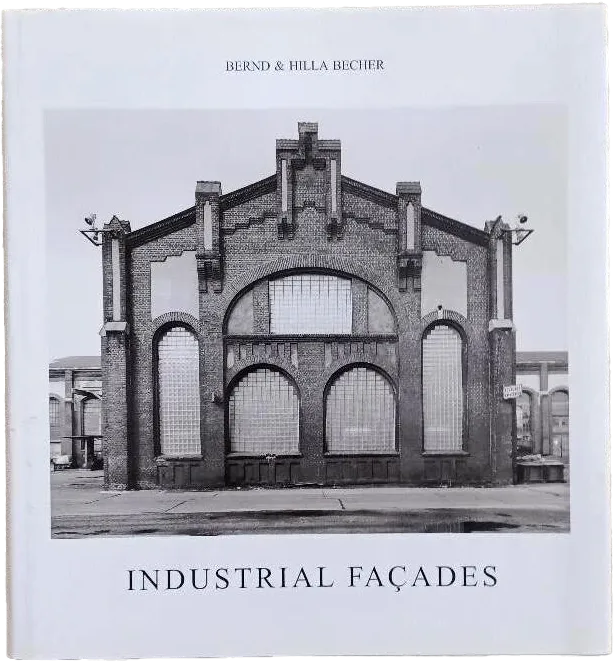
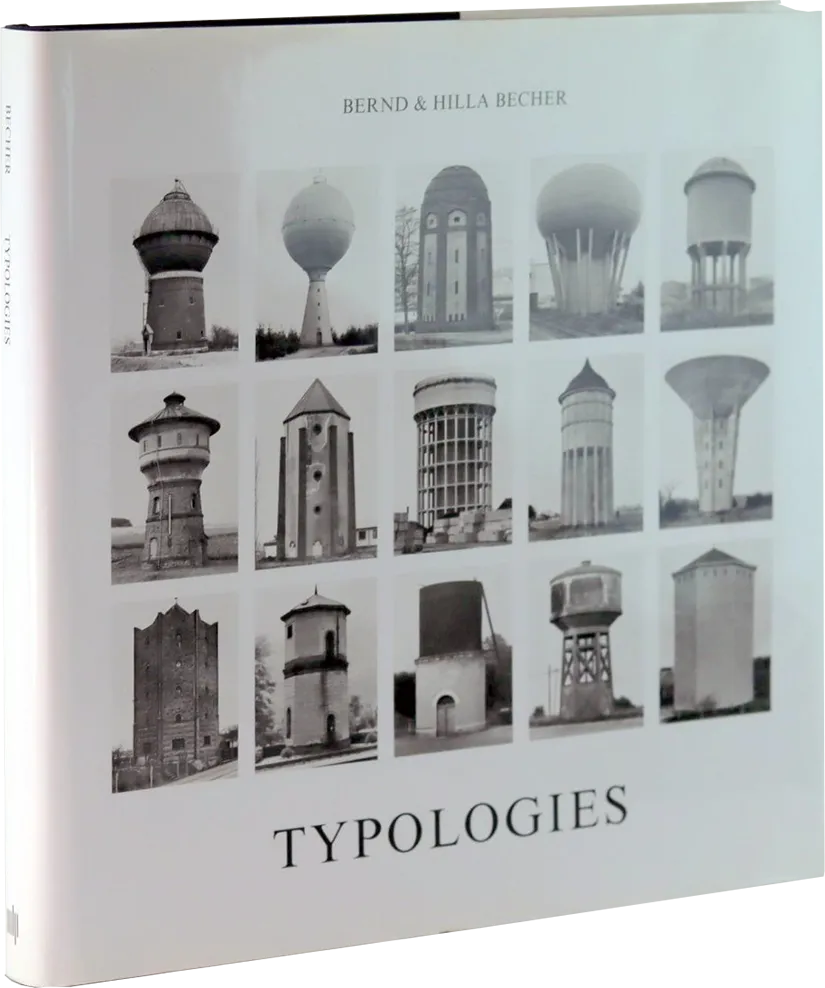
They organized their resulting prints into grid-like arrangements that they termed "typologies." By grouping similar structures together, such as a grid of nine distinct cooling towers or a series of industrial facades, the Bechers invited viewers to compare and contrast the functional variations of each form. This comparative approach highlighted what they famously referred to as "anonymous sculptures," revealing how utilitarian architecture, built without aesthetic intent, possessed inherent sculptural and structural beauty.
In 1976, Bernd Becher was appointed the first professor of photography at the Kunstakademie Düsseldorf. Together, Bernd and Hilla transformed the department into a major center of contemporary art. Their rigorous philosophy directly influenced a generation of students who became known globally as the Düsseldorf School of Photography (or the Becher School), which included acclaimed figures like Andreas Gursky, Thomas Struth, Candida Höfer, and Thomas Ruff.
The Bechers' work bridged multiple movements, heavily influencing both Minimalist sculpture and Conceptual art. In 1990, they were awarded the Grand Prize for Sculpture at the Venice Biennale, a historic recognition that underscored their ability to reframe documentary photography as three-dimensional conceptual analysis. Today, their typologies are preserved in major international museum collections, including the Museum of Modern Art in New York, the Tate Modern in London, and the Center for Art and Media Karlsruhe.
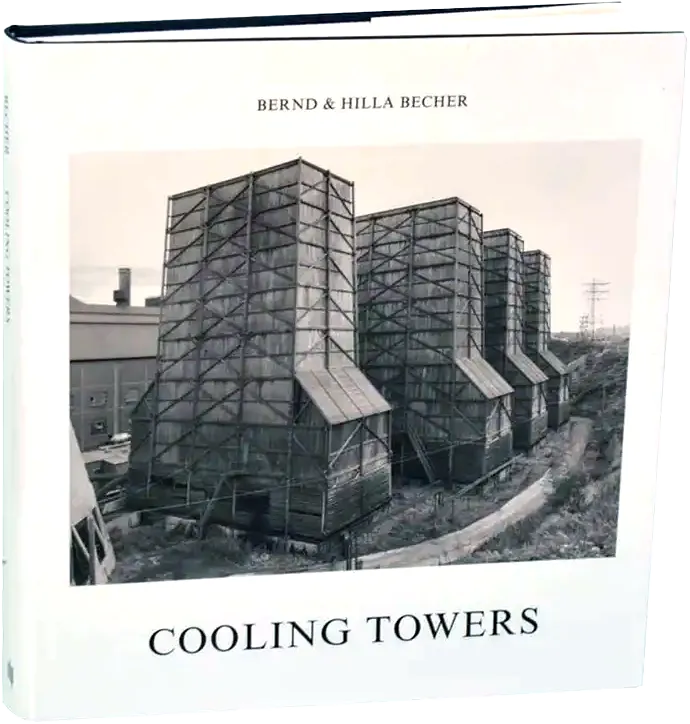
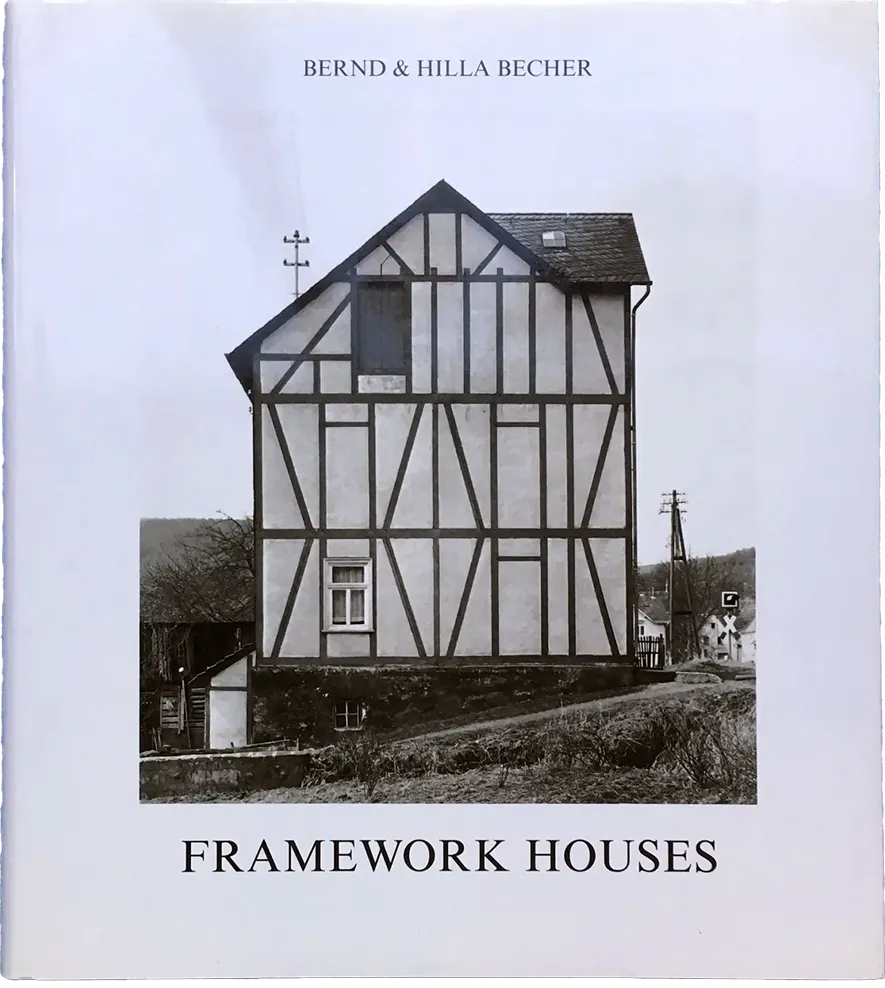
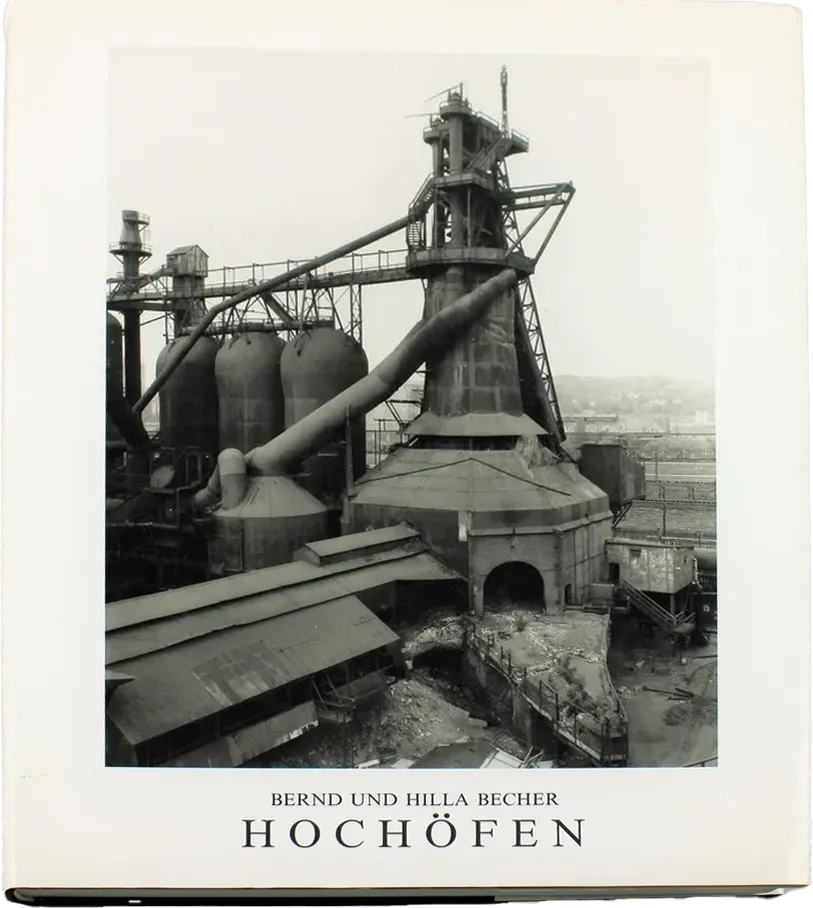
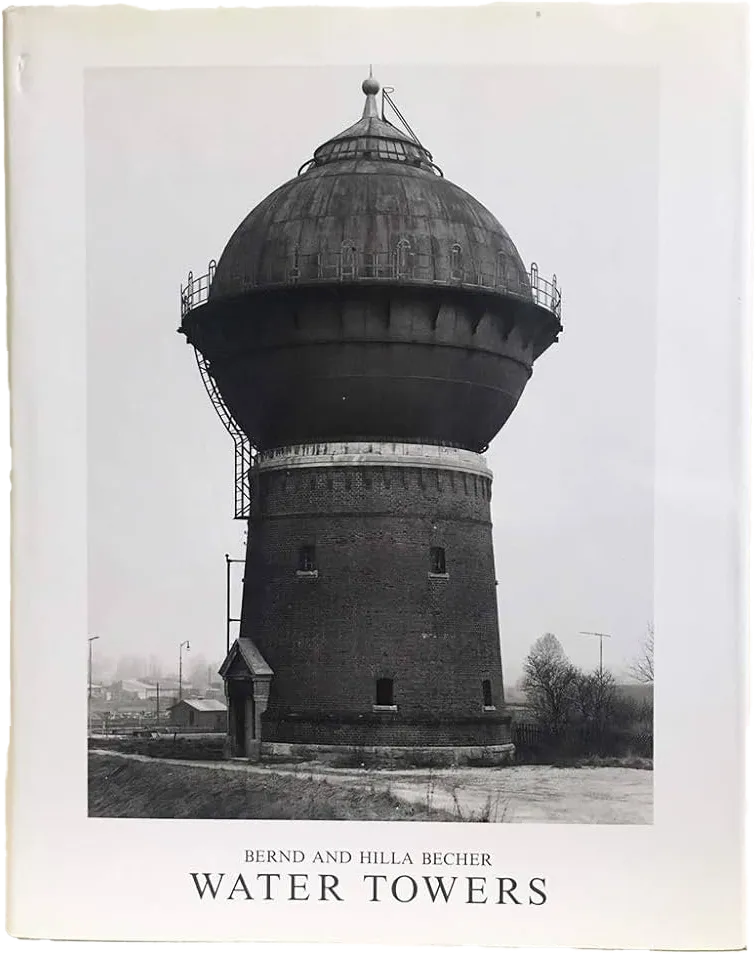
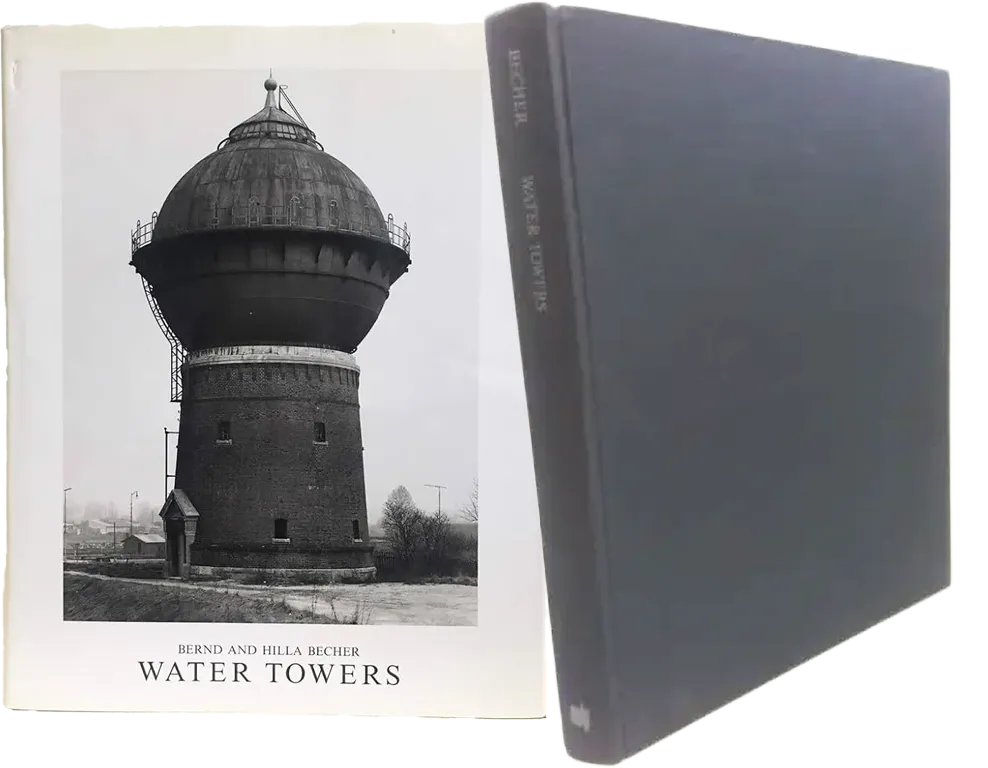
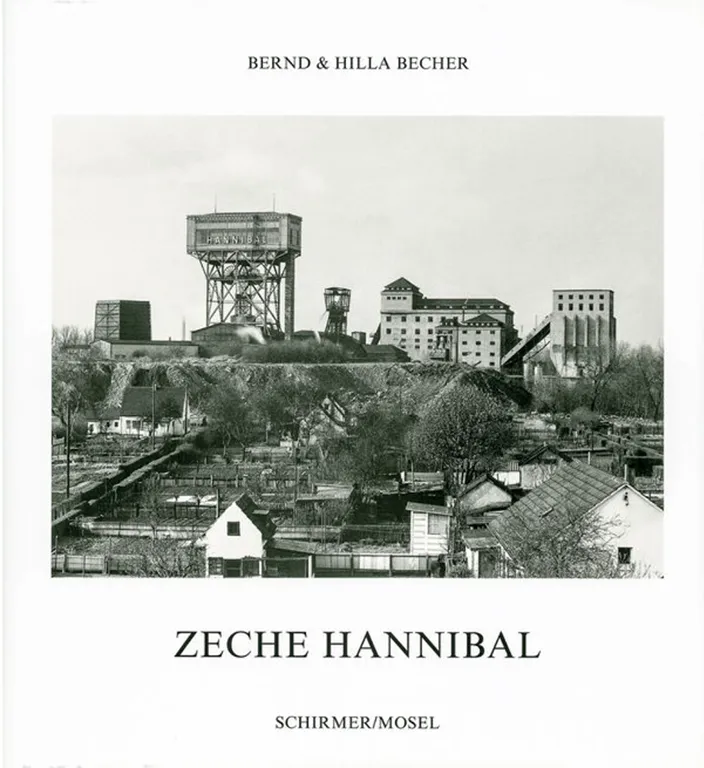
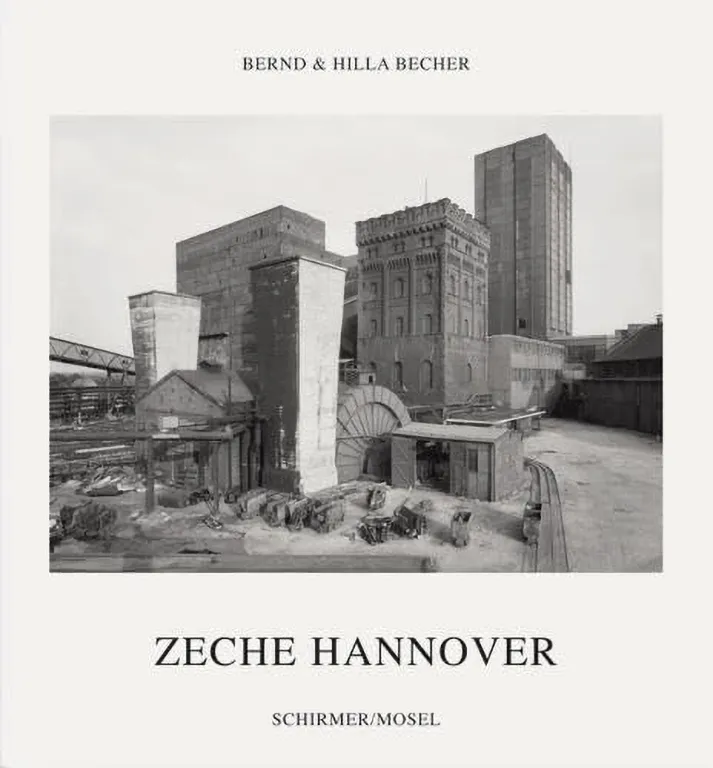
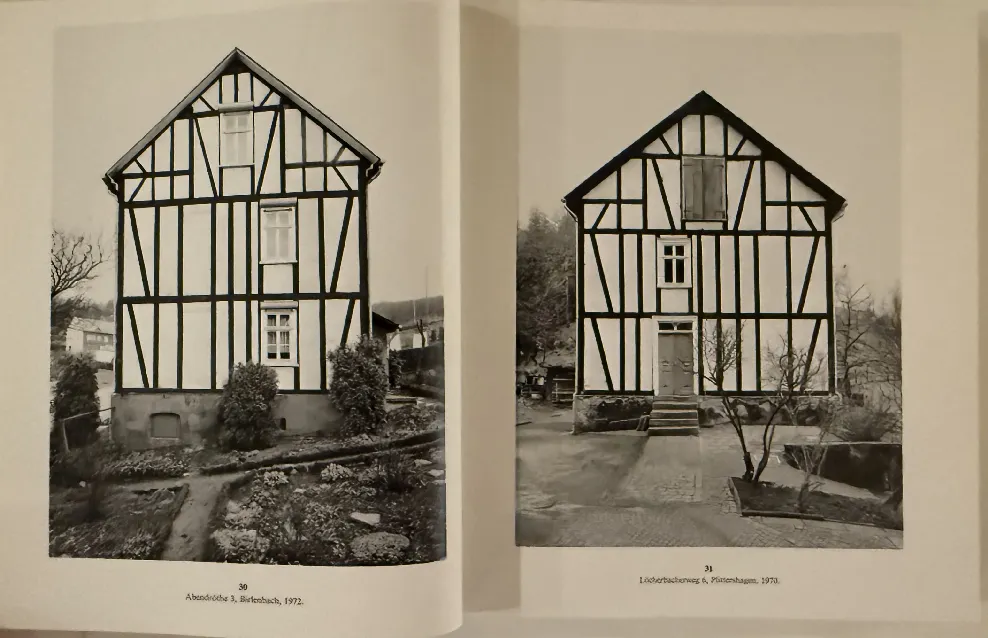
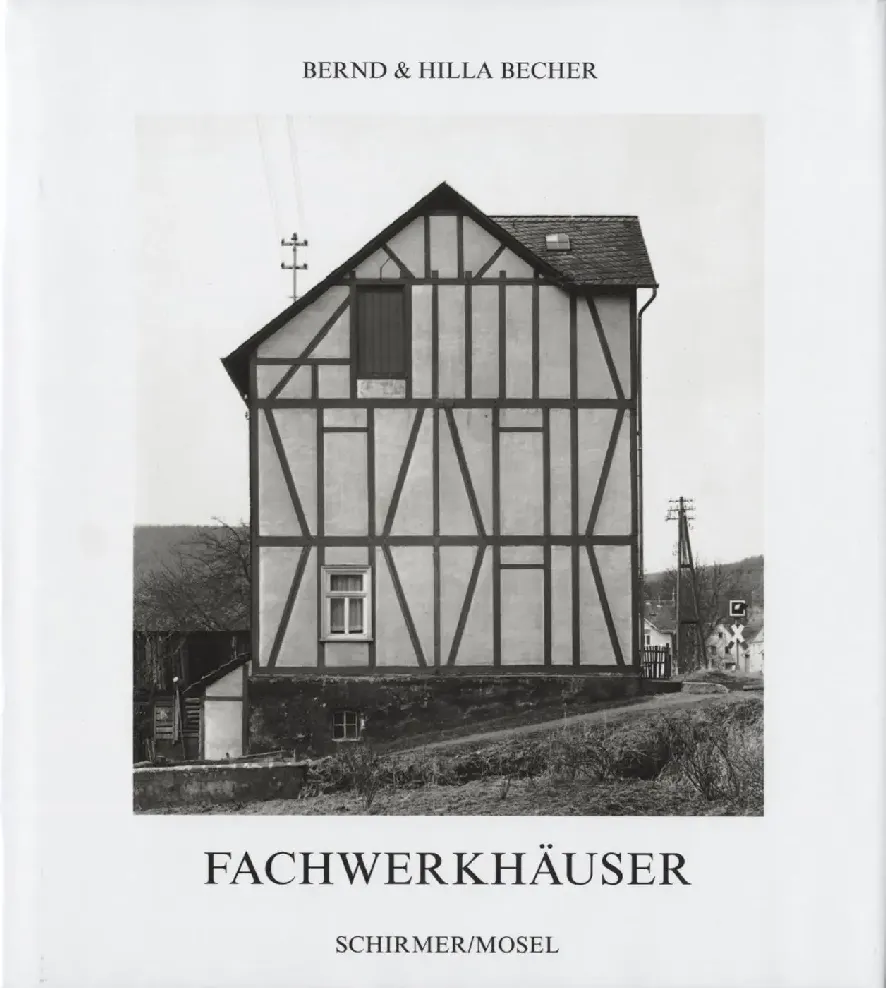
The Bechers’ extensive publishing career served as the definitive manifestation of their conceptual practice, transforming their lifetime of photographic surveys into highly collectible, structured volumes. Beginning with their seminal 1970 publication Anonyme Skulpturen (Anonymous Sculptures), which firmly established their architectural and artistic thesis, the duo systematically released a series of monographic books dedicated to specific industrial archetypes. Published primarily through Schirmer/Mosel, these titles, including Water Towers, Blast Furnaces, Gas Tanks, Framework Houses, and Cooling Towers, functioned as expansive catalogs of their strict, grid-based typologies. By presenting hundreds of variations of a single architectural form across uniform pages, these books allowed readers to study the structural nuances of industrial design in a layout that mirrored the experience of viewing their physical gallery installations, ultimately cementing the photobook format as an essential medium for their artistic legacy.

