

Which art books, prints and posters are available by and about this artist? Here is a sample of items of interest to a typical collector:

Brooke DiDonato, American, b. 1990
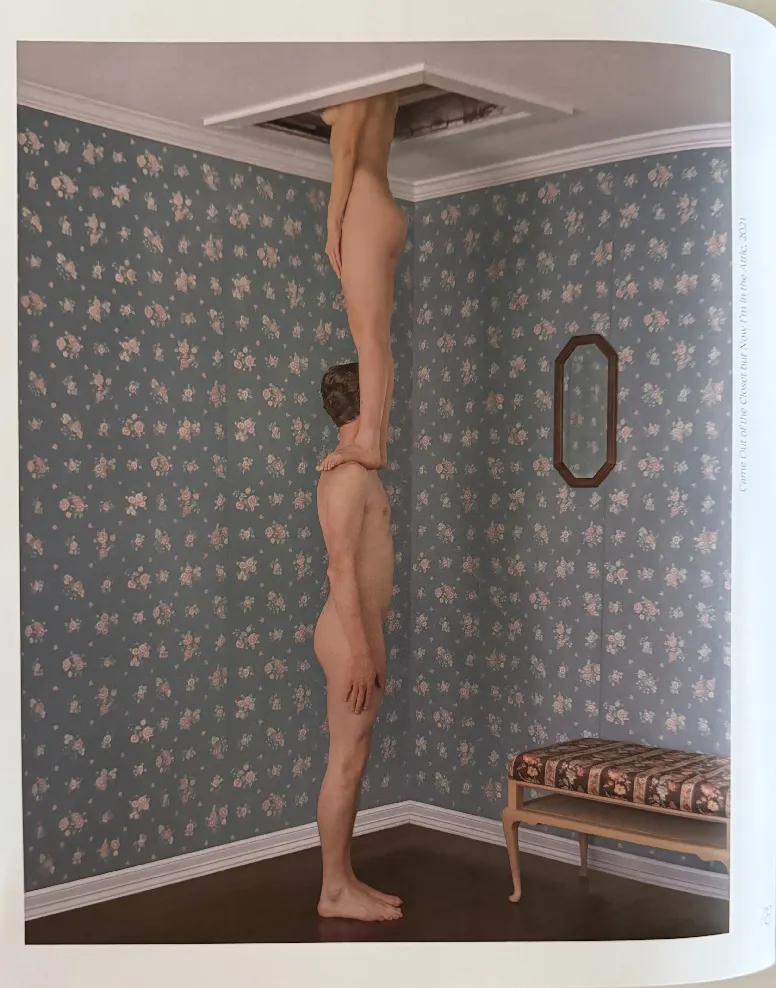
Brooke DiDonato is a New York-based visual artist whose work seamlessly blends the structural precision of photojournalism with the imaginative possibilities of surrealism. Originally from Ohio, she earned a degree in photojournalism from Kent State University, a background that remains evident in the grounded, "believable" quality of her compositions. Her artistic practice often centers on the transformation of domestic suburbia into uncanny, dream-like scenes characterized by soft, pastel color palettes. These muted tones frequently mask a quiet underlying unease, drawing viewers into a world where the familiar becomes strange.
A recurring theme in her work is the exploration of physical distortion and anonymity. Her subjects are often depicted merging with architecture, twisting in anatomically impossible ways, or disappearing into their environments. By frequently obscuring faces, she shifts the focus from specific individuals to universal archetypes. Despite the surreal nature of her imagery, she relies heavily on physical staging, real props, and natural light rather than digital manipulation, which lends a tactile, grounded quality to her photographs. Notable series such as A House Is Not a Home and As Usual have established her reputation for questioning traditional notions of domesticity and exploring the absurdity of routine.
DiDonato’s work has gained significant international recognition, with exhibitions at institutions like Fotografiska in New York and Stockholm, the KINDL Centre for Contemporary Art in Berlin, and Galerie Joseph Turenne in Paris. Her photographs are included in the permanent collection of the Southeast Museum of Photography and have been featured in prominent publications including The New Yorker, Vogue, and Aesthetica Magazine. She is currently represented by Galerie Wilms in the Netherlands and continues to produce commercial work for global brands such as Apple and Gucci through Tinker Street.

see book page for more details
Evoking feelings of nostalgia or disorientation, DiDonato's work teeters between the familiar and the fantastical. Inspired by family homes in Ohio, her compositions challenge expectations of how space can be occupied. Torsos, legs, and arms contort into uncanny arrangements across sofas and ascend into attics. Ordinary surroundings often have a compelling presence ' white picket fences, cornfields, deserts, and sidewalks become sites of unexpected psychological encounters as figures are subsumed by their environments. Her pictures are playfully titled ' Growing Upward Has Its Downside, What to Expect When You're Expecting Nothing, and Went to Therapy but I'm Still in My Patterns ' and poignantly touch upon contemporary anxieties and universal themes of love and loss.
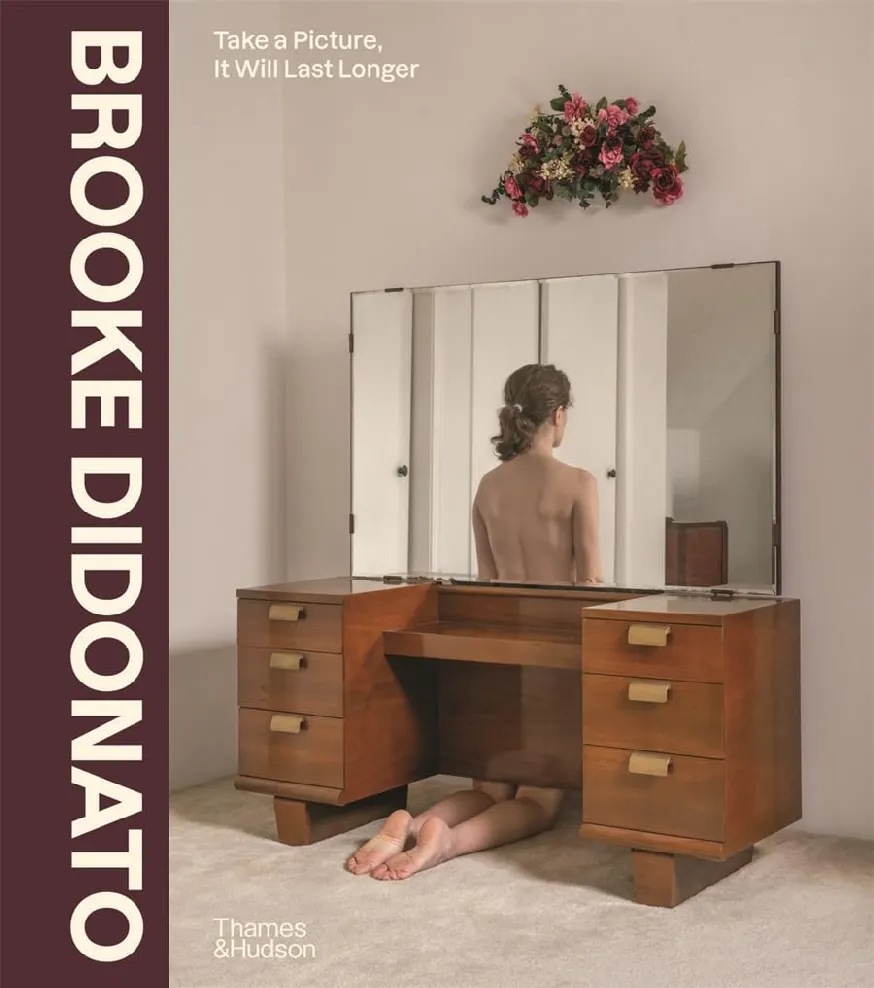
The most extensive collection of DiDonato's work to date, Take a Picture, It Will Last Longer brings together her most well-known bodies of work, including A House is Not a Home, alongside new works published here in print for the first time. A short introduction from writer Eleanor Sutherland provides an overview of DiDonato's practice, while an intimate conversation between Emmy award-winning filmmaker and writer Eve Van Dyke and Brooke's father, Bob DiDonato, offers a personal glimpse into her evolution as an artist.