



Which art books, prints and posters are available by and about this artist? Here is a sample of items of interest to a typical collector:

%20copy.webp)

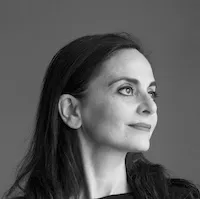
Carolle Bénitah, Moroccan-born, 1964-2024
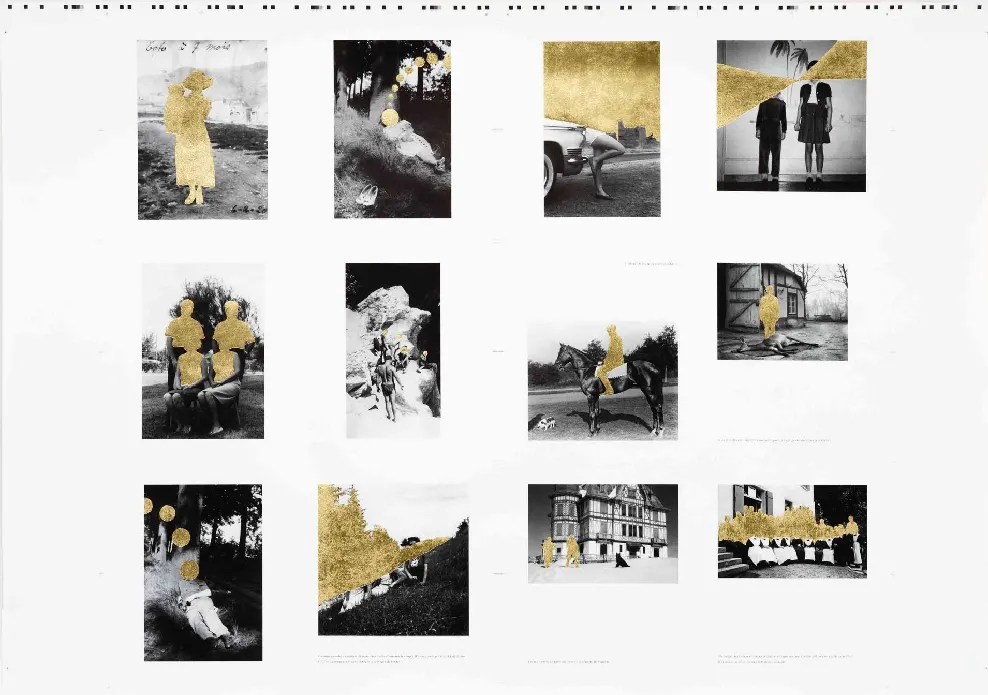
Bénitah's work explores the deep intersections of memory, family history, and identity. Born in Casablanca, she initially pursued a career in fashion design for ten years before transitioning to photography in 2001. This background in textiles frequently informed her artistic process, as she often incorporated physical handiwork like embroidery, sewing, and the application of gold leaf directly onto her images.
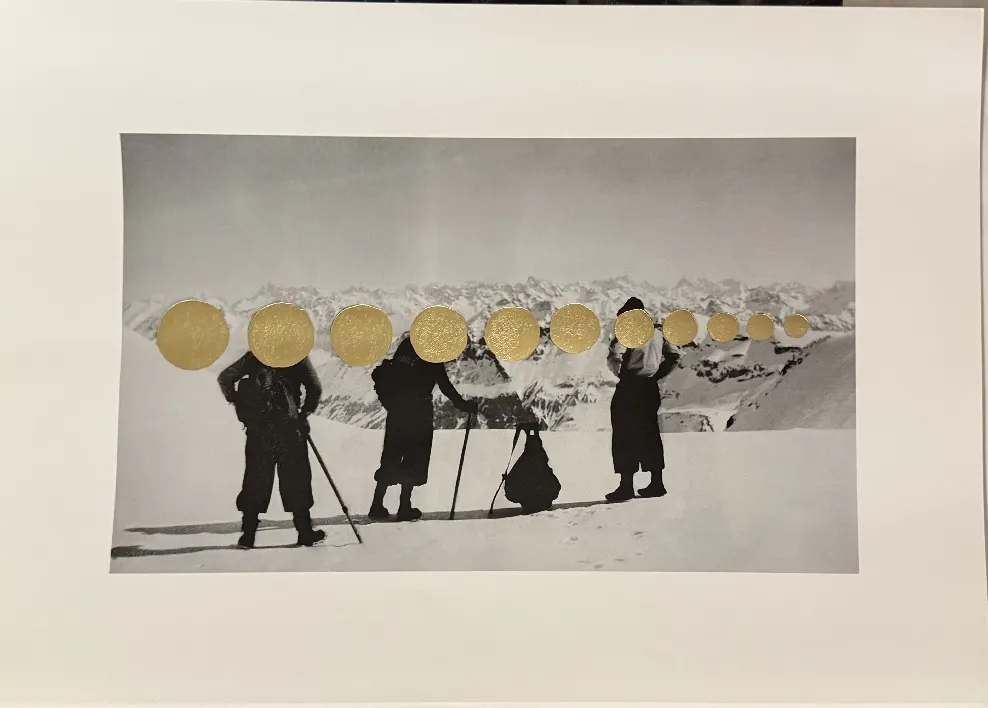
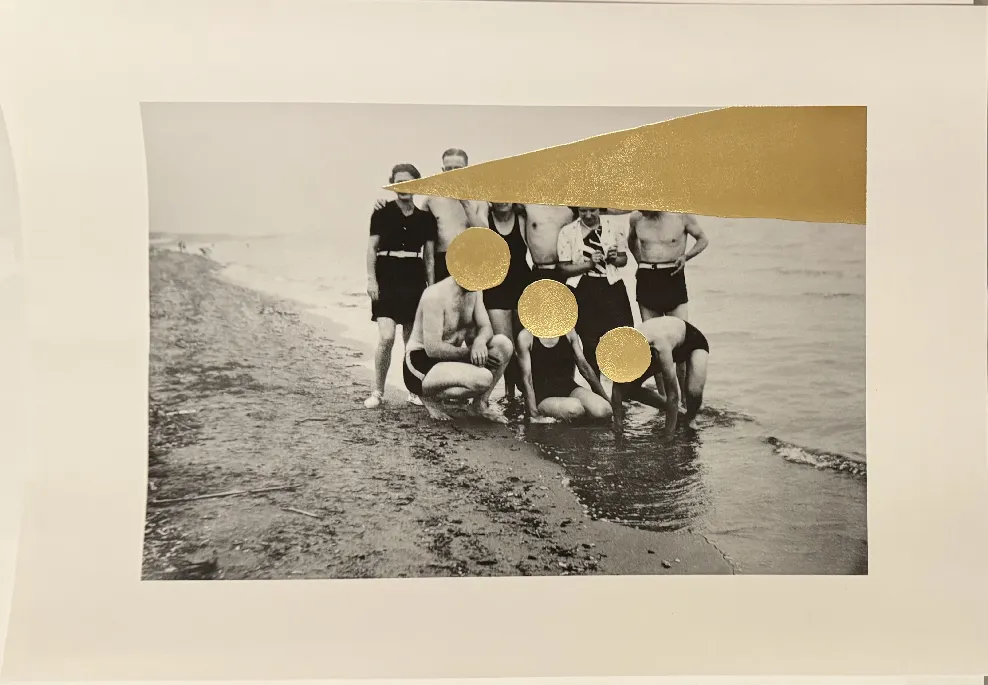
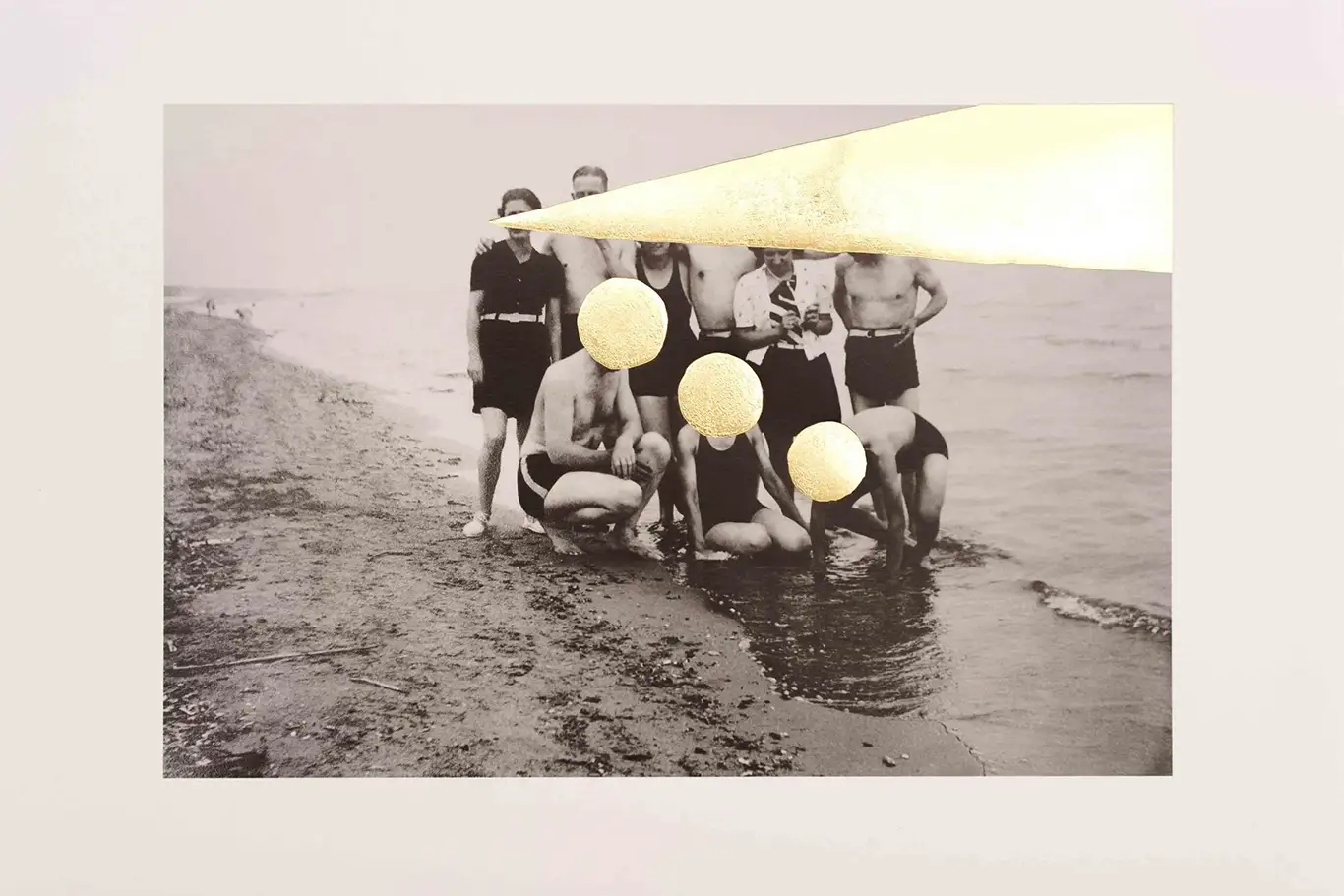
Her practice was characterized by a "re-reading" of the past. Much of her acclaimed work involved using her own family archives or anonymous photographs found at flea markets to reconstruct a personal and collective history. In projects like Jamais Je Ne T’oublierai, she used gold leaf to mask faces and details, creating a reflective surface that invites the viewer to project their own memories onto the "ghosts" of the past. By altering these photographs, she attempted to repair the "iconographic desert" of her childhood and dismantle the ideal myths often found in family albums.
Bénitah’s work has been exhibited internationally and is held in several prestigious collections, including the Museum of Fine Arts, Houston, and the Bibliothèque Nationale de France. She will be remembered for her use of photography as a medium to mourn the "ideal family" and bridge the gap between reality and the stories we tell ourselves about where we come from.


"While working on my personal archives, I realized that there were very few images of my parents before their marriage: an iconographic desert explained by the fact that they were born in the 1930s in Morocco not yet having running water or electricity. The few photographs kept by my grandmother were double-locked away so as not to touch upon the tragedy caused by the accidental loss of one of her sons. A blanket of silence had stroke with a ban on this previous life. I found myself orphaned by images from the past.
I collect anonymous photographs that I buy in flea markets. I am magnetized by the happiness displayed at attention in these photos, by these people I don't know but who existed, loved, and disappeared. They are ghosts who follow me quietly, and I take them over to build an imaginary family album in order to repair oblivion.
I am rebuilding the memory of my family that I missed, I am inventing another one made to measure where I resurrect all the ancestors who have disappeared, the territories that I did not know and that have been praised to me.
These scraps, given away for a few euros on the curb because the heirs no longer want them, change status by a simple gesture: the application of gold leaf on the photograph. By masking part of the image and, more specifically the faces of these ghosts, I multiply the possible projections tenfold.
Gold is a stainless metal. The golden flat surface operates both as an obliteration and a shiny surface on which our own faces are reflected.
I choose photographs that evoke something déjà -vu, a familiar pose, happy moments that illustrate all those fables told about ancestors. This happiness, ritualized as events unfold, refers to the lies about the family myth. It removes the dark matter related to the family, which is precisely absent from these photographs.
In order to deny this ideal happiness, I note at the bottom of the photographs in this imaginary album, personal and painful memories that speak of the difficulty of building a happy life "just as in the photosâ€.
I type these memories on a keyboard whose keys are inoperative because of a coffee I accidentally spilled there, just like Hölderlin who voluntarily removed some strings from his piano and played without knowing which ones were missing. The memories I recount become opaque, incomprehensible to the reader.
But like these photographs, which express the impossibility of identification, I construct "absent"memories.
Using these images is a way of living by proxy and restoring a dream life. Nevertheless, the gold leaf procedure creates gaps in memory and imposes a distance, so I am not fooled by the lie they display.
Working on these photographs allows us to mourn the ideal family life. Taking back one by one all the old fantasies about these projections, and dismantling them, makes this symbolic death bearable.â€
Carolle Bénitah, 2019