The book which was published to coincide with the inaugural presentation of the masterful video work The Clock held at White Cube Mason's Yard (October - November 2010), presents a selection of 1,440 stills excerpted from Christian Marclay's acclaimed 24-hour video work The Clock (2010). Constructed from moments in cinema where the face of a clock or watch appears, or a specific time is referred to in dialogue, Marclay extracted thousands of these fragments and edited them to flow in real time. While The Clock 24-hour video examines the depiction of time, plot and duration in cinema, it simultaneously functions as a fully operational timepiece, synchronized to the viewer's local time zone. At any given moment, the viewer can look at the work and use it to tell the time. Yet the audience watching The Clock experiences a vast range of narratives, settings and moods within the span of a few minutes, causing time to unravel in countless directions at once. Even while The Clock tells the time, it ruptures any sense of chronological coherence. An essay by psychoanalyst and author Darian Leader examines the multifaceted role of clocks, considering them both as devices that measure time and as conceptual markers that condition, shape and orient human existence. Leader interprets their manifestation in the cinematic moments of Marclay's The Clock, where time operates as the prevailing engine driving narrative tension.
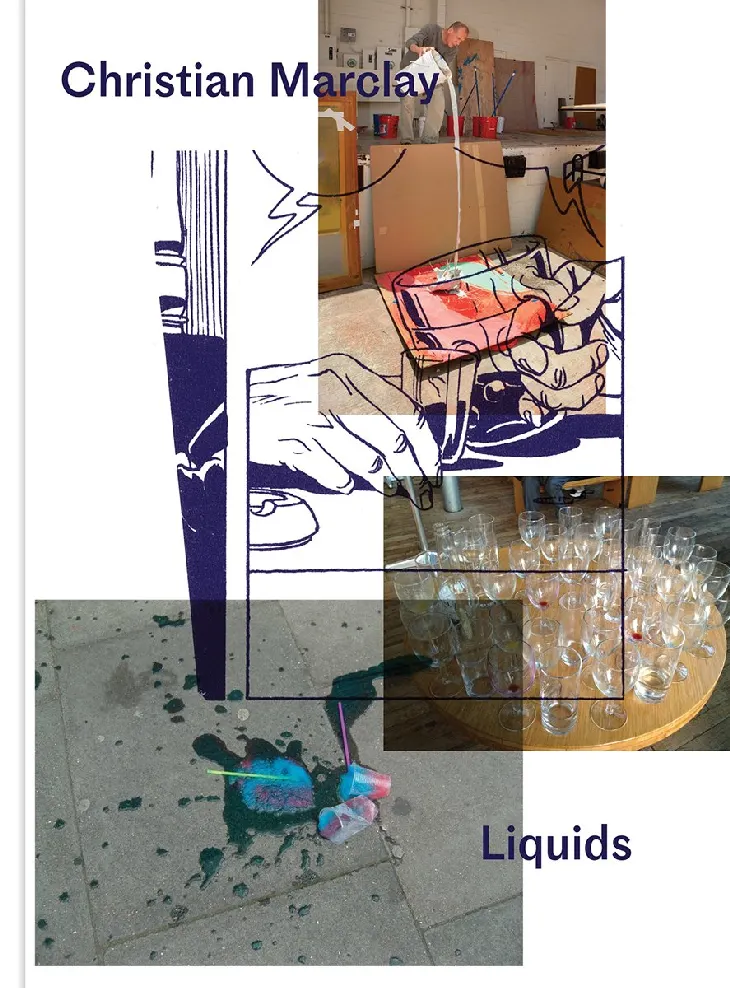
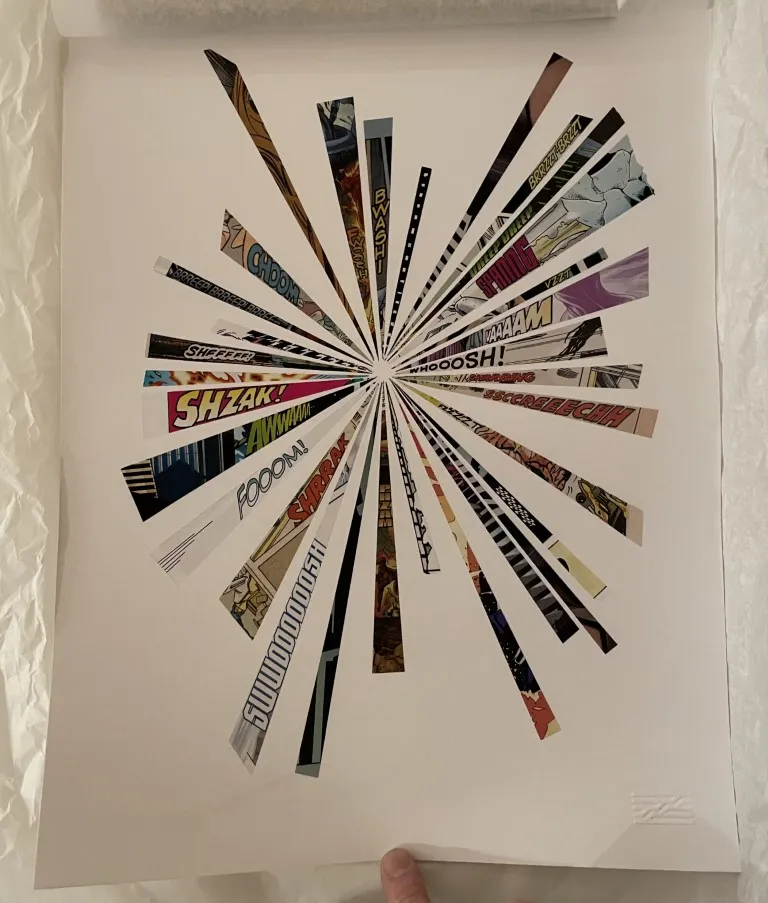
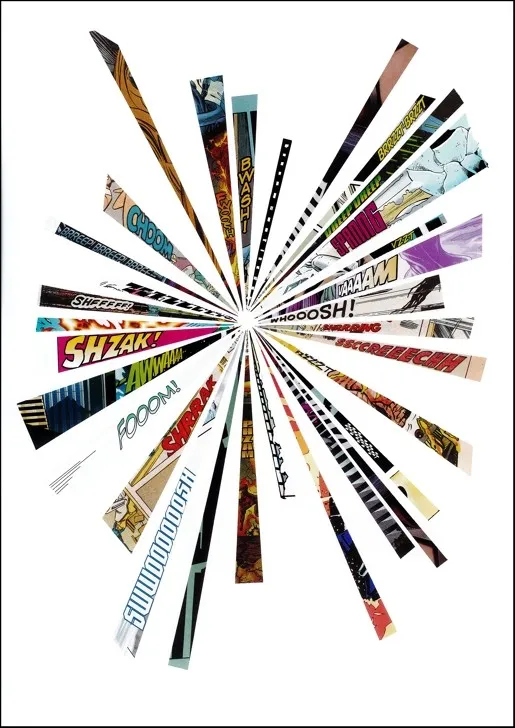
Marclay's body of work Liquids takes as its point of departure wet sounds suggestive of the action of painting. These paintings, winkingly bridging Abstract Expressionism and Pop art, represent a continuation of the artist's longstanding experimentation with the relationship between images and sounds.
This catalog includes these recent Onomatopoeia paintings, the recent films "Pub Crawl" (2014) and "Surround Sounds" (2014) and an installation of found glassware. Revered in the worlds of art and music for a body of work that bridges both camps, Marclay planned a lively program of collaborative musical performances led by the London Sinfonietta to accompany his exhibition and set up facilities for the on-site recording, pressing and screenprinting of vinyl records in the gallery, also documented in this volume.

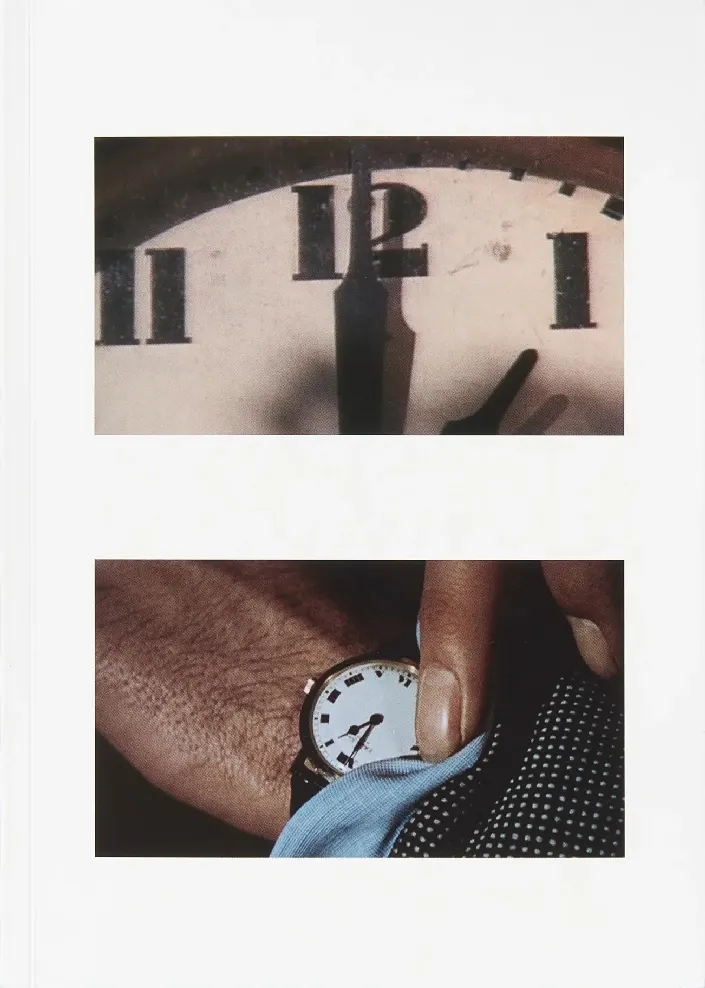








The book which was published to coincide with the inaugural presentation of the masterful video work The Clock held at White Cube Mason's Yard (October - November 2010), presents a selection of 1,440 stills excerpted from Christian Marclay's acclaimed 24-hour video work The Clock (2010). Constructed from moments in cinema where the face of a clock or watch appears, or a specific time is referred to in dialogue, Marclay extracted thousands of these fragments and edited them to flow in real time.
While The Clock 24-hour video examines the depiction of time, plot and duration in cinema, it simultaneously functions as a fully operational timepiece, synchronized to the viewer's local time zone. At any given moment, the viewer can look at the work and use it to tell the time. Yet the audience watching The Clock experiences a vast range of narratives, settings and moods within the span of a few minutes, causing time to unravel in countless directions at once. Even while The Clock tells the time, it ruptures any sense of chronological coherence. An essay by psychoanalyst and author Darian Leader examines the multifaceted role of clocks, considering them both as devices that measure time and as conceptual markers that condition, shape and orient human existence. Leader interprets their manifestation in the cinematic moments of Marclay's The Clock, where time operates as the prevailing engine driving narrative tension.