




Which art books, prints and posters are available by and about this artist? Here is a sample of items of interest to a typical collector:








David Benjamin Sherry (b. 1981, Stony Brook, New York) is a prominent contemporary American photographer and visual artist whose work boldly challenges, queers, and reinvigorates the historically conservative tradition of American Western landscape photography. Raised in Woodstock, New York, Sherry went on to establish a rigorous academic foundation in the medium, earning a Bachelor of Fine Arts from the Rhode Island School of Design in 2003 and a Master of Fine Arts from Yale University in 2007. It was during his time at Yale, working closely with the legendary photographer and master printer Richard Benson, that Sherry began experimenting with color film manipulation, pushing the medium to its chromatic extremes and developing the signature style that would define his career.
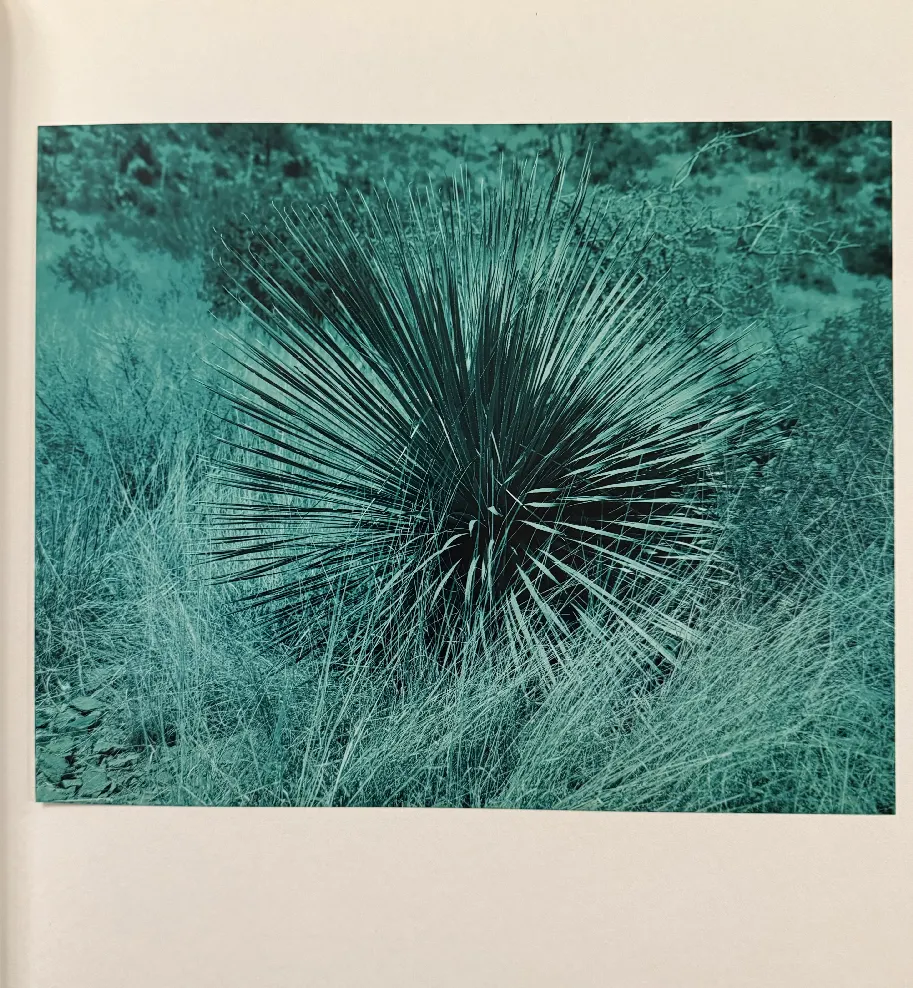
Sherry is best known for his large-scale, vivid, monochromatic landscape photographs, which he captures using an anachronistic and physically demanding wooden 8x10 large-format film camera. By traversing the American wilderness to document heavily contested territories, national parks, and threatened ecosystems, such as Bears Ears National Monument and Death Valley, Sherry deliberately steps into the footsteps of historical masters like Ansel Adams and Edward Weston. However, he radically subverts the dominant, historically straight, white, male narrative of rugged individualism associated with the American West. Instead, he treats color as an emotional conduit, injecting the landscape with brilliant saturations of magenta, orange, blue, and green to weave a sense of queer otherness and mysticism into the terrain, transforming the wilderness into a space of inclusivity and spiritual resonance.
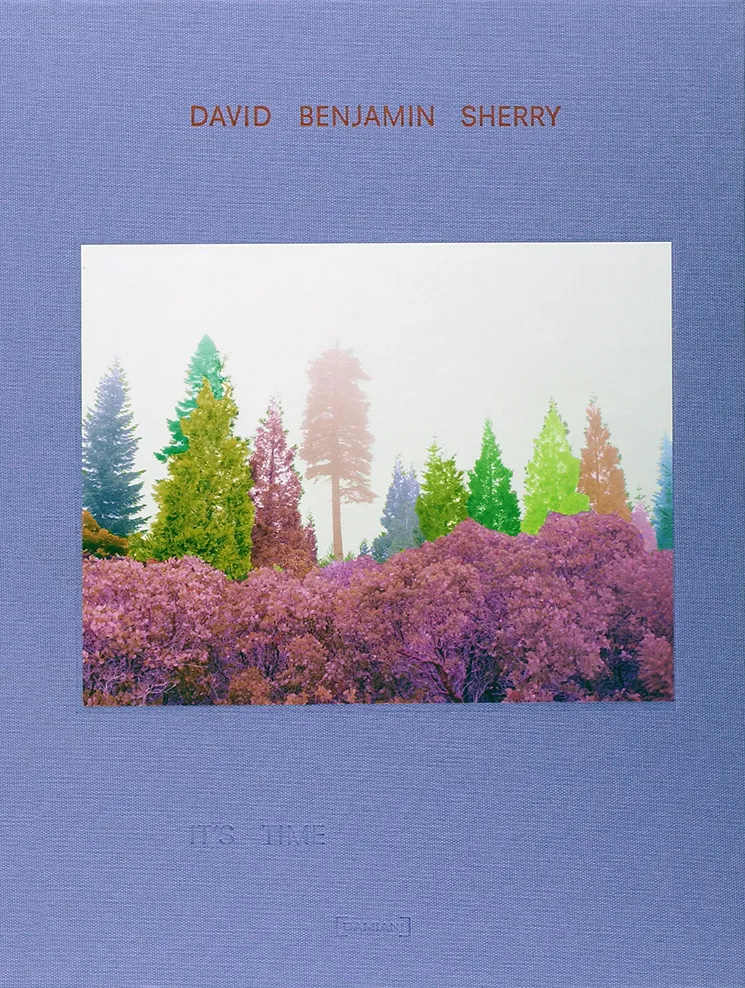
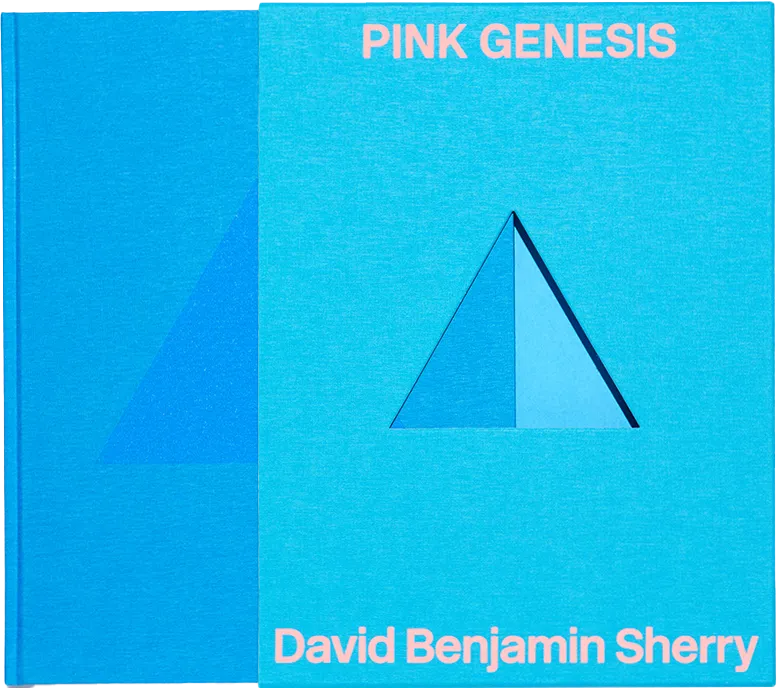
Operating at the intersection of conceptual art, environmentalism, and darkroom craftsmanship, Sherry’s labor-intensive analog process functions as a direct response to both the digital age and the escalating climate crisis. His work explores themes of climate grief and ecological preservation, capturing the fragile state of the natural world while emphasizing a deeply felt human connection to the land. This profound dialogue between identity and environmental advocacy has been preserved across several notable monographs, including It’s Time (2010), Quantum Light (2013), Earth Changes (2015), American Monuments (2019), and Pink Genesis (2022).
Since being selected for MoMA PS1’s prominent Greater New York exhibition in 2010, Sherry's career has achieved widespread institutional acclaim. His striking visual narratives have been featured in major exhibitions at the International Center for Photography, the Los Angeles County Museum of Art, and the Museum of Fine Arts, Boston. Today, his work is held in prestigious permanent public collections worldwide, including the Whitney Museum of American Art in New York, the Los Angeles County Museum of Art, the Walker Art Center in Minneapolis, and the Saatchi Collection in London, cementing his role as a vital, revisionist voice in contemporary landscape photography.


David Benjamin Sherry: American Monuments is a landscape photography project that captures the spirit and intrinsic value of America's threatened system of national monuments. In April 2017 an executive order called for the review of the 27 national monuments created since January 1996. In December 2017 the final report called on the president to shrink four national monuments and change the management of six others, recommending that areas in Maine, Nevada, New Mexico, Utah and the Atlantic and Pacific Oceans be offered for sale, specifically for oil drilling and coal and uranium mining. American Monuments focuses on the areas under review, with special emphasis on those that have already been decimated. Sherry documents these pristine, sacred and wildly diverse areas using the traditional, historic 8x10" large format. The resulting 31 photographs―all tipped in to the book by hand―not only convey the beauty of these important and ecologically diverse sites, but also shed light upon the plight of the perennially exploited landscape of the American West.