


Which art books, prints and posters are available by and about this artist? Here is a sample of items of interest to a typical collector:


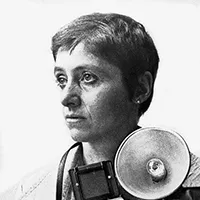
Diane Arbus (née Nemerov), American, (1923-1971)
Arbus was a seminal American photographer whose distinctive portraiture fundamentally reshaped postwar documentary and fine art photography.
Born in New York City to a wealthy family that owned Russeks, a Fifth Avenue department store. Her older brother was the U.S. Poet Laureate Howard Nemerov. She married Allan Arbus at age 18. Together, they operated a successful commercial and fashion photography studio for over a decade, contributing to publications such as Vogue, Harper's Bazaar, and Glamour.
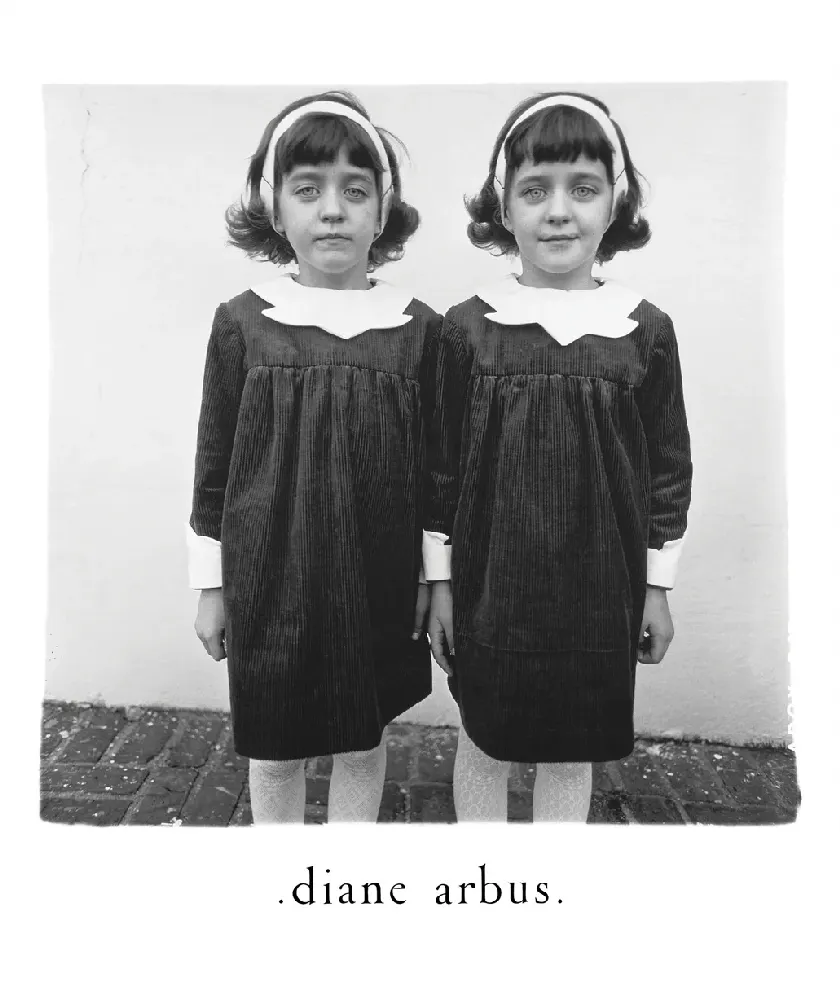
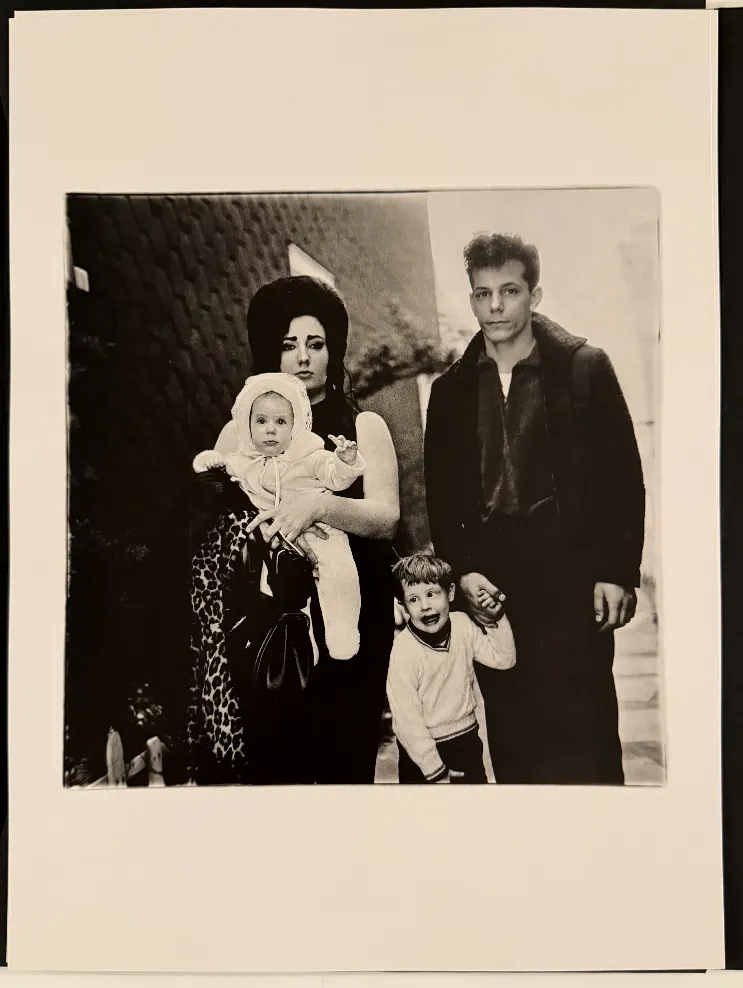
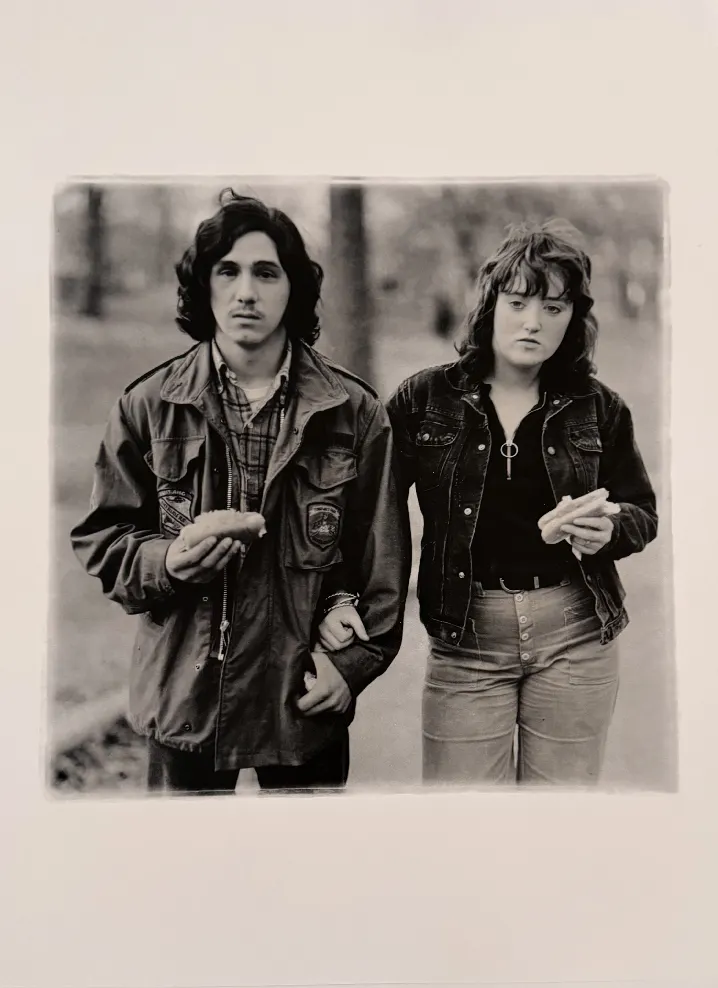
In 1956, Arbus abandoned commercial work to focus on personal street photography, studying under Lisette Model and Alexey Brodovitch. Transitioning from 35mm to a 6×6 medium-format Rolleiflex camera, Arbus adopted a signature square format. Her approach emphasized formal precision, direct frontality, centered subject composition, and stark, harsh on-camera fill flash that detached her subjects from their surroundings with extreme clarity.
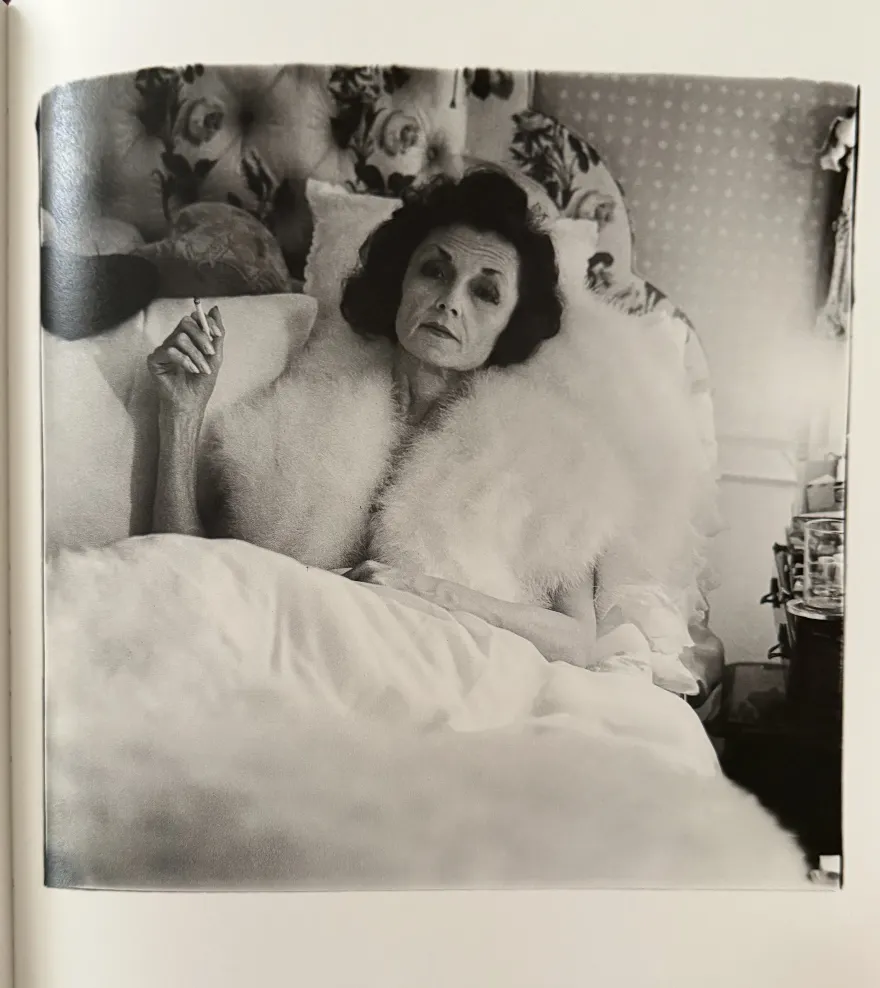
She gained renown for capturing candid, intimate portraits of individuals living on the margins of society—including performers, nudists, drag queens, subcultures, and eccentric everyday figures.
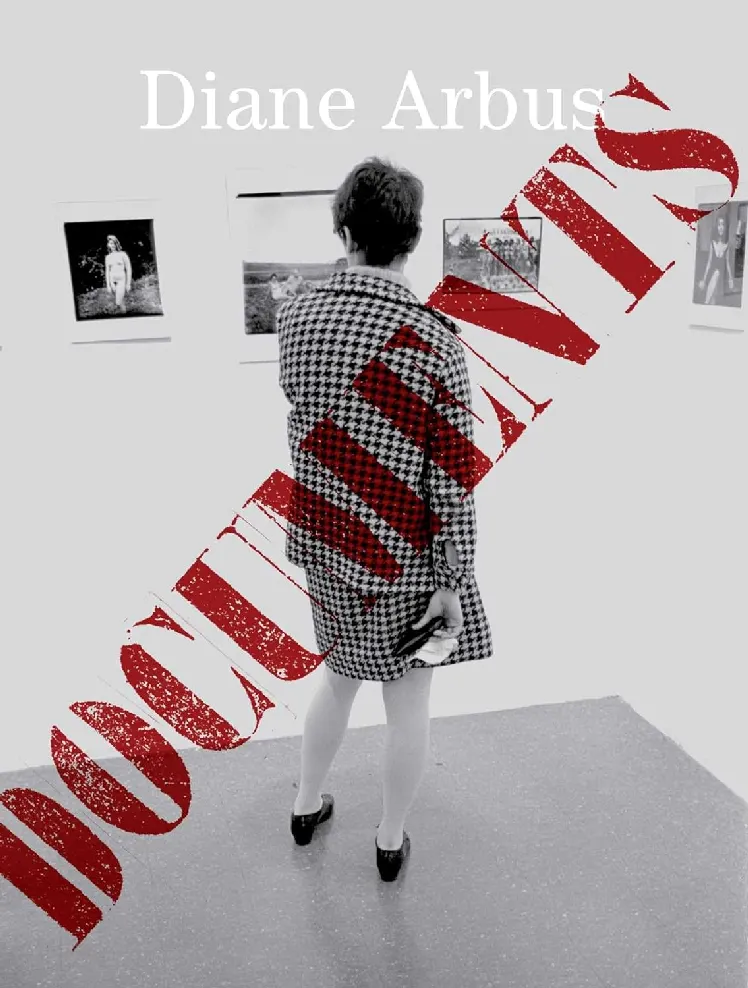
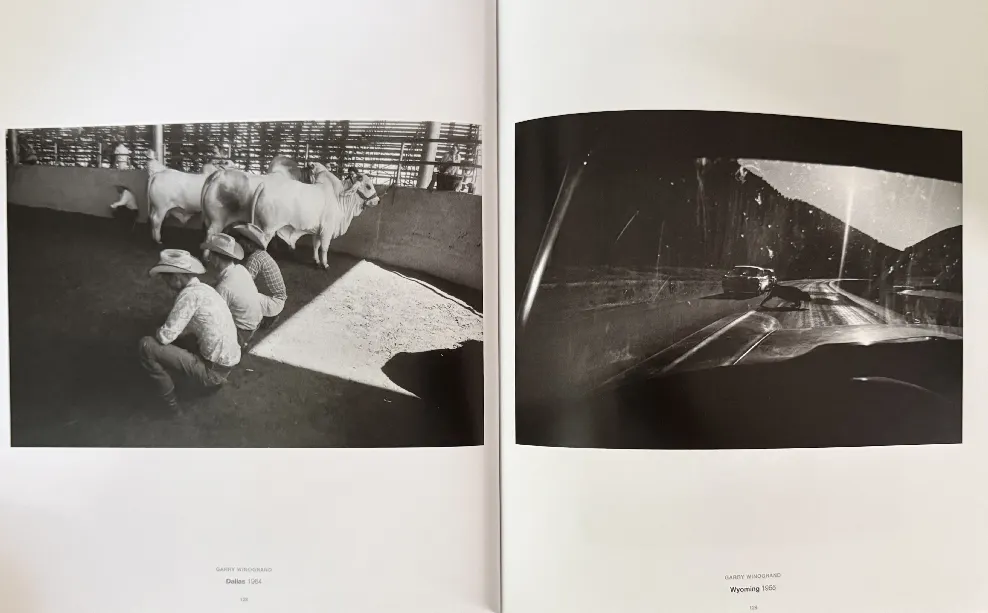
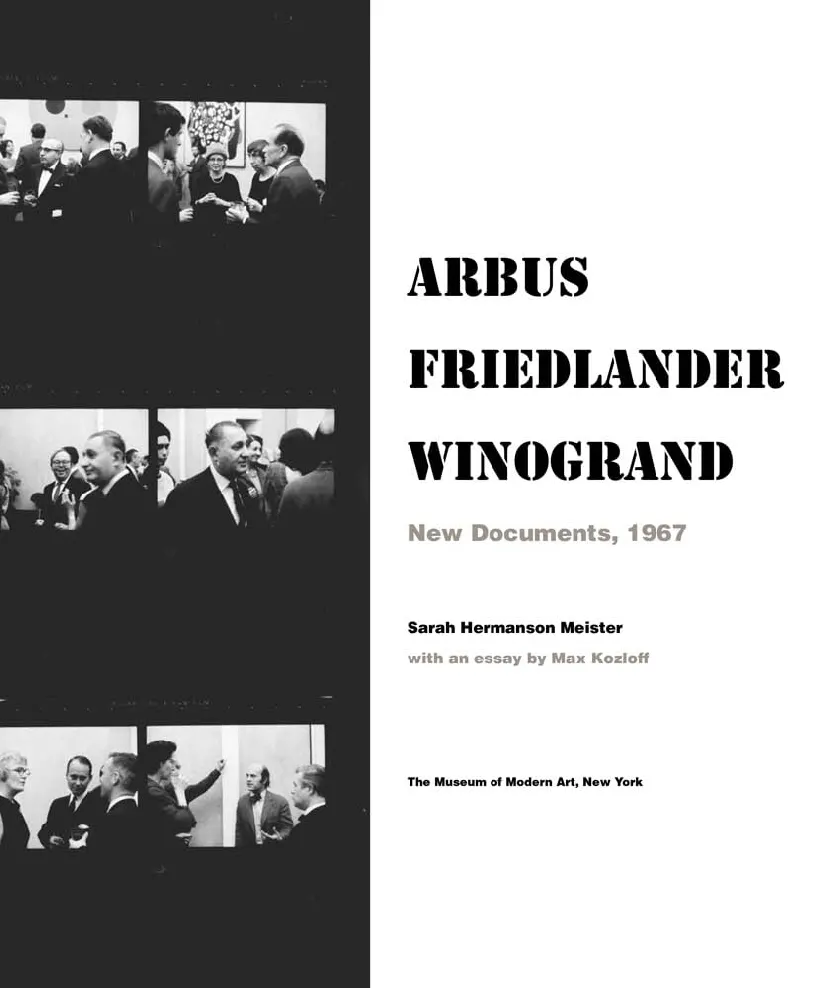
Her work reached widespread critical acclaim in the 1967 "New Documents" exhibition at the Museum of Modern Art (curated by John Szarkowski), alongside Garry Winogrand and Lee Friedlander.
In 1970–1971, she prepared A box of ten photographs, a portfolio that established photography's status as a serious fine art commodity prior to her tragic death by suicide in July 1971. In 1972, she became the first photographer included in the Venice Biennale, followed by a landmark posthumous MoMA retrospective.


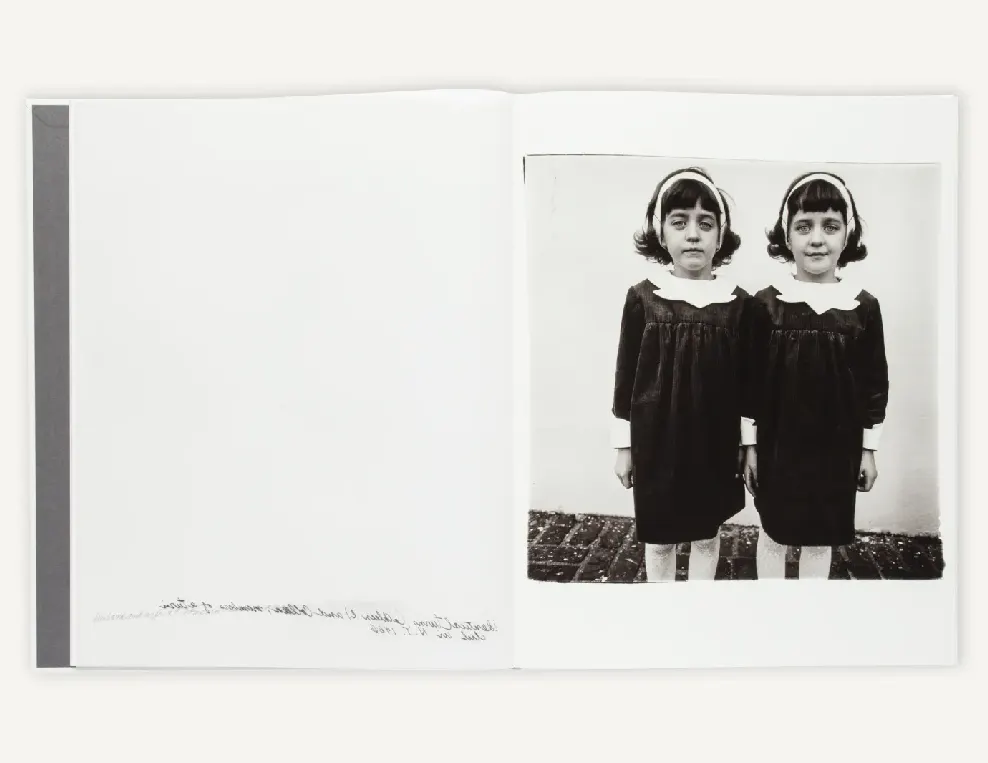
Diane Arbus: An Aperture Monograph (1972) is widely considered one of the most influential photography books ever published, cementing Arbus's legacy and permanently altering the trajectory of modern documentary photography.
Published a year after Arbus's death in conjunction with a major retrospective at the Museum of Modern Art curated by John Szarkowski, the book was meticulously designed and edited by her daughter Doon Arbus alongside Marvin Israel. The monograph features a deliberately spare and recessive layout, isolating the images on the right-hand pages with only discreet captions on the left. This design choice forces the viewer into a direct, unmediated confrontation with her subjects. Arbus famously replaced mid-century humanist photography with a vision that was both pitiless and deeply empathetic, focusing on marginalized individuals, performers, and ordinary people whose eccentricities were laid completely bare.
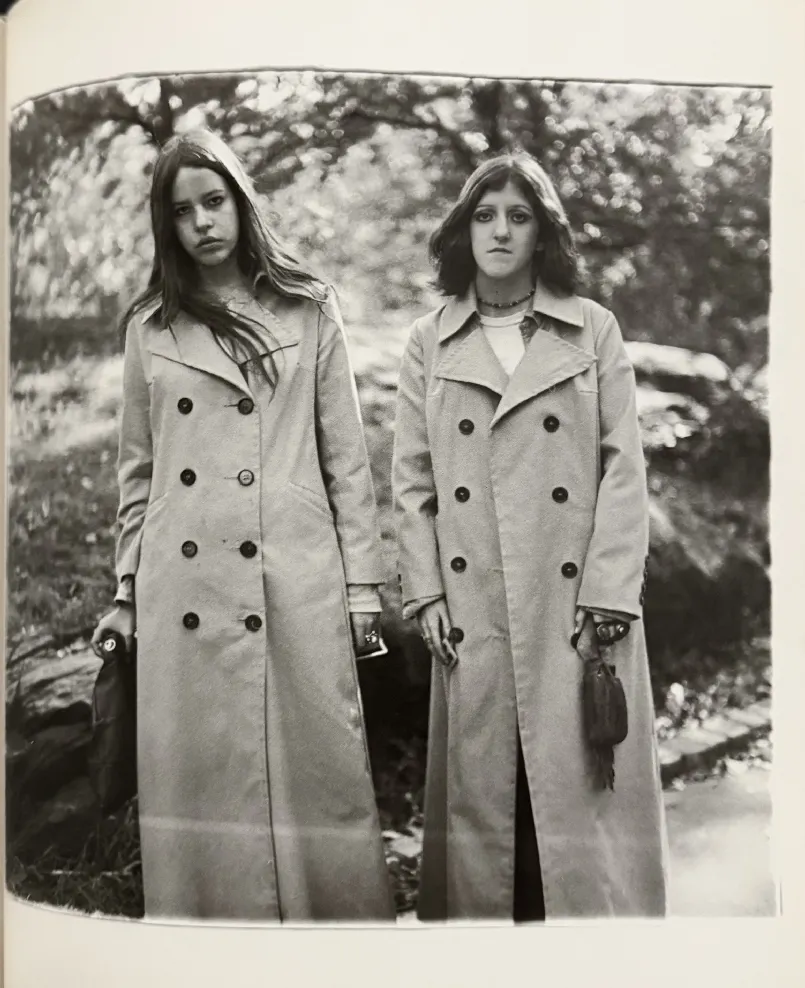
This very first printing of the book is the only publication to include the image Two girls in identical raincoats, Central Park, N.Y.C., 1969. While the book was reprinted many times, the plate was abruptly removed from all subsequent printings and editions.
While official archival records on the removal are sparse, it is widely understood within the photobook community that the family of the young subjects objected to the photograph's inclusion, prompting the publisher to pull the image entirely. Consequently, this abrupt modification to the publication's layout renders the true first edition a scarce and historically significant volume.