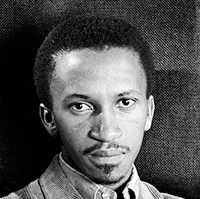




Which art books, prints and posters are available by and about this artist? Here is a sample of items of interest to a typical collector:


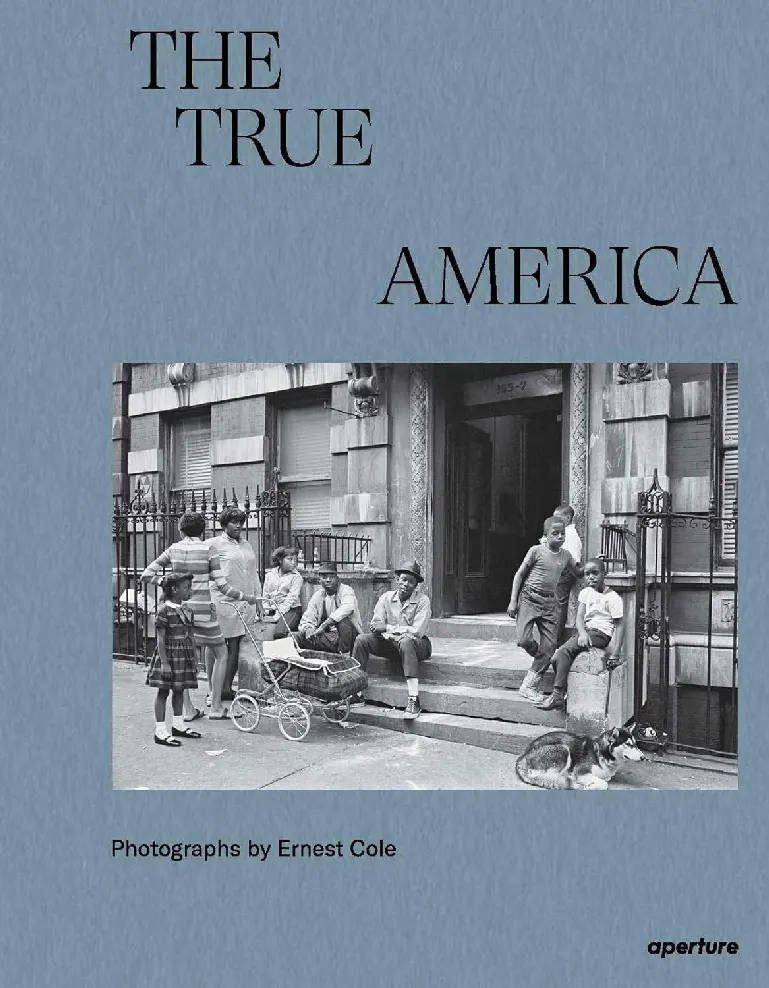
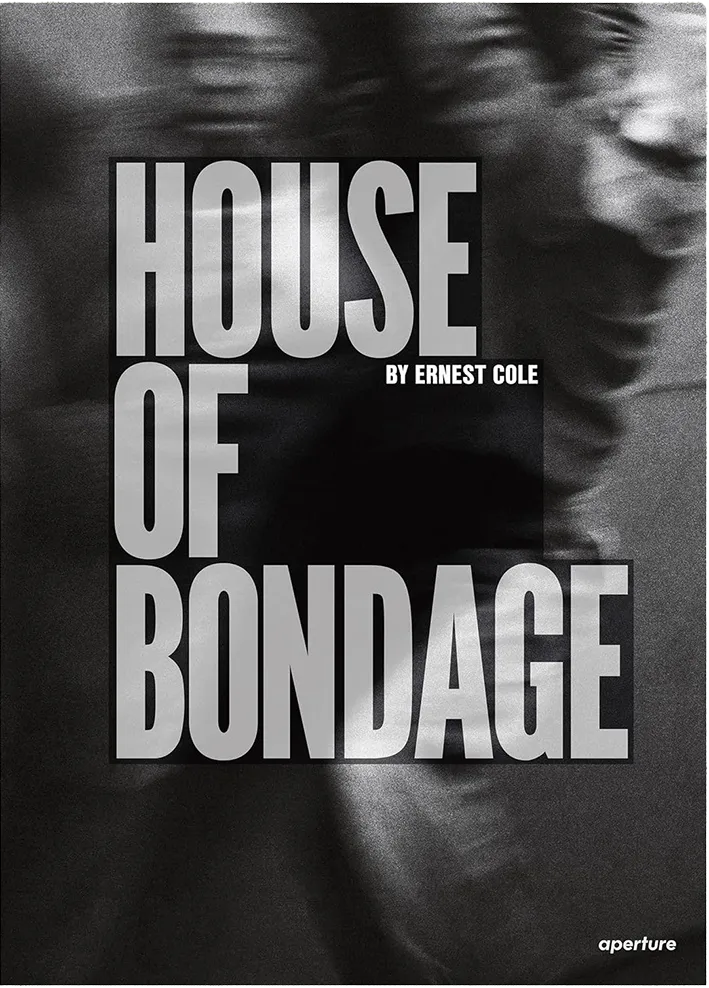
Ernest Cole, South African (1940–1990)
Cole was a courageous South African photographer whose work provided one of the most searing and comprehensive visual records of life under apartheid. Born in Eersterust, Pretoria, his career began in the late 1950s when he joined Drum magazine, a vital hub for Black culture and journalism. Despite the immense risks and the constant threat of state surveillance, Cole spent years documenting the systemic dehumanization of Black South Africans, often smuggling his camera into high-security areas like mines, prisons, and segregated train stations.
In 1966, realizing he could never publish his work within South Africa, he fled the country with his negatives. A year later, he published his magnum opus, House of Bondage, which remains a landmark in documentary photography. The book exposed the global community to the brutal reality of the apartheid regime, from the indignity of "pass laws" to the exploitation of migrant labor. Because of the book's impact, Cole was permanently banned from his homeland and spent the rest of his life in exile, moving between the United States and Europe.
His later years were marked by financial hardship and a sense of displacement, as he struggled to find his footing in the Western art world while cut off from the subject matter that defined his life's work. He passed away in New York City at the age of 49, just days after Nelson Mandela was released from prison. For decades, much of his archive was feared lost, but the recent discovery of over 60,000 negatives in a Swedish bank vault has sparked a major revival of interest in his legacy, cementing his status as one of the 20th century's most essential photographic witnesses.
