


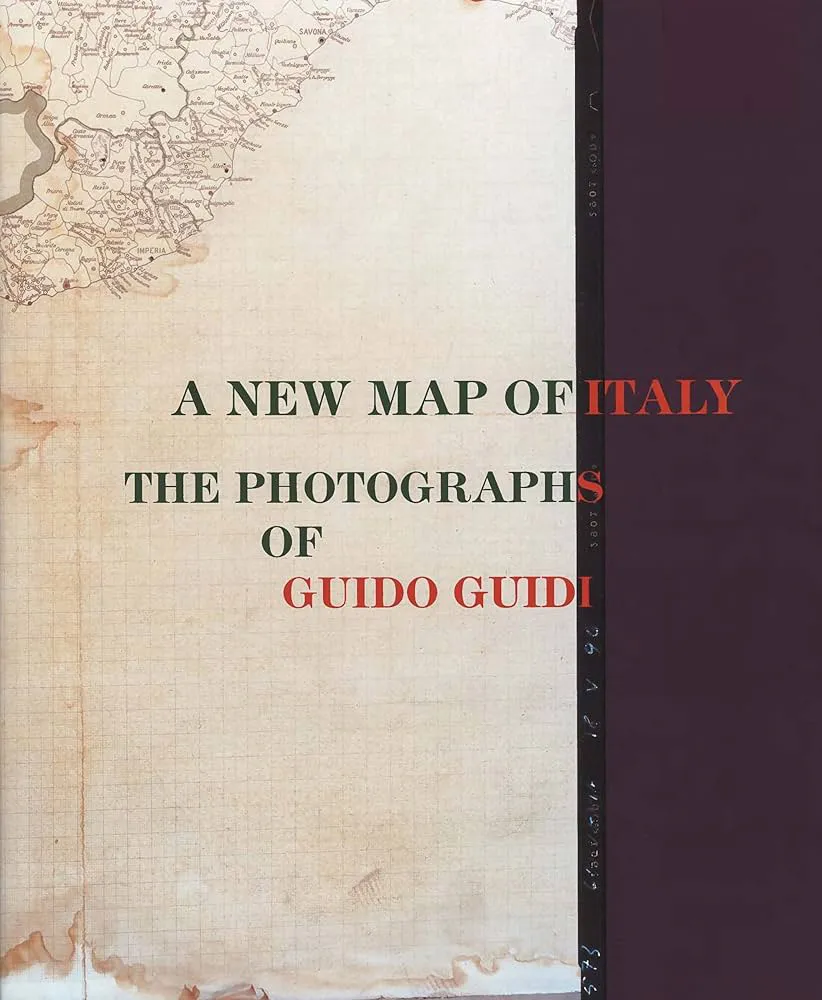
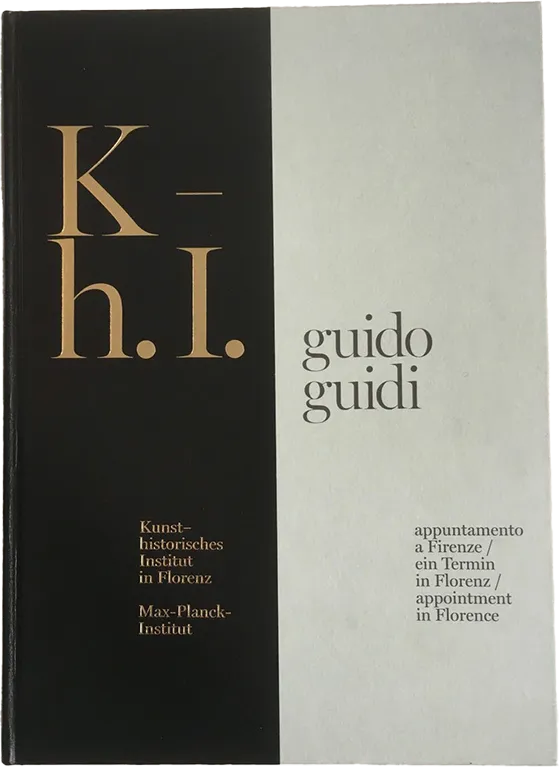
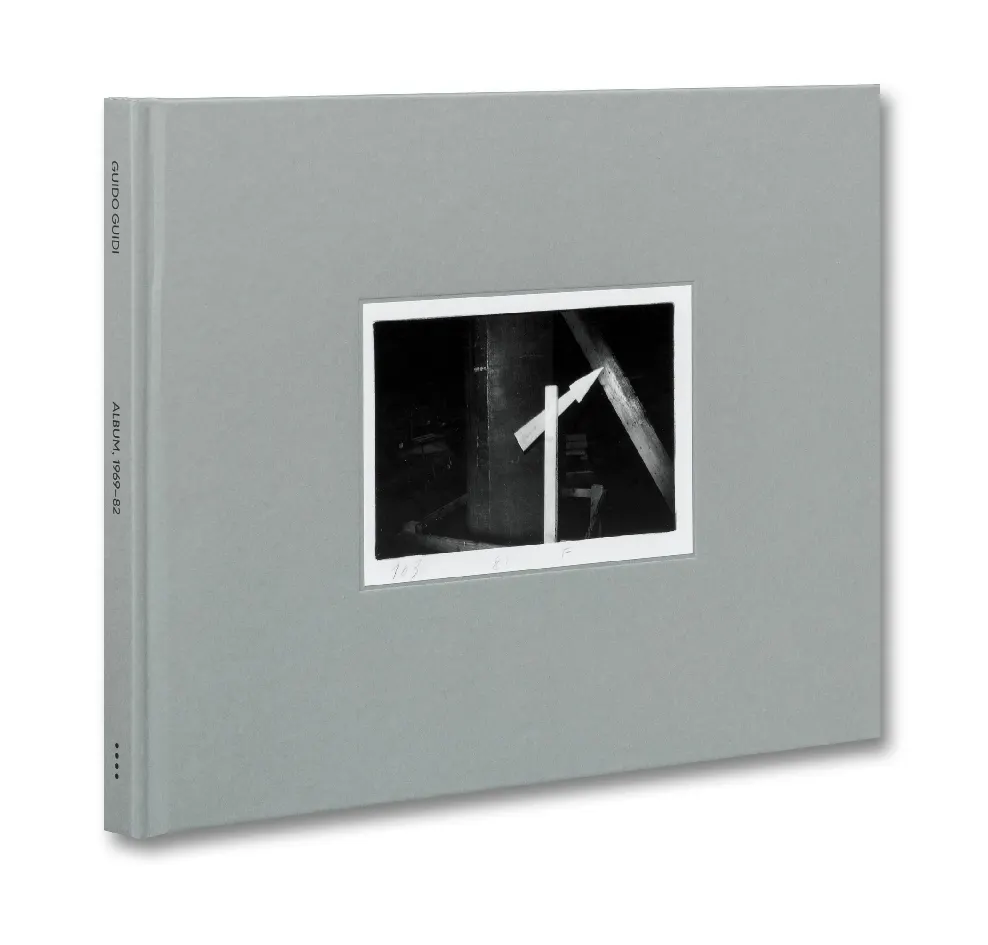
Which art books, prints and posters are available by and about this artist? Here is a sample of items of interest to a typical collector:





%20copy.webp)


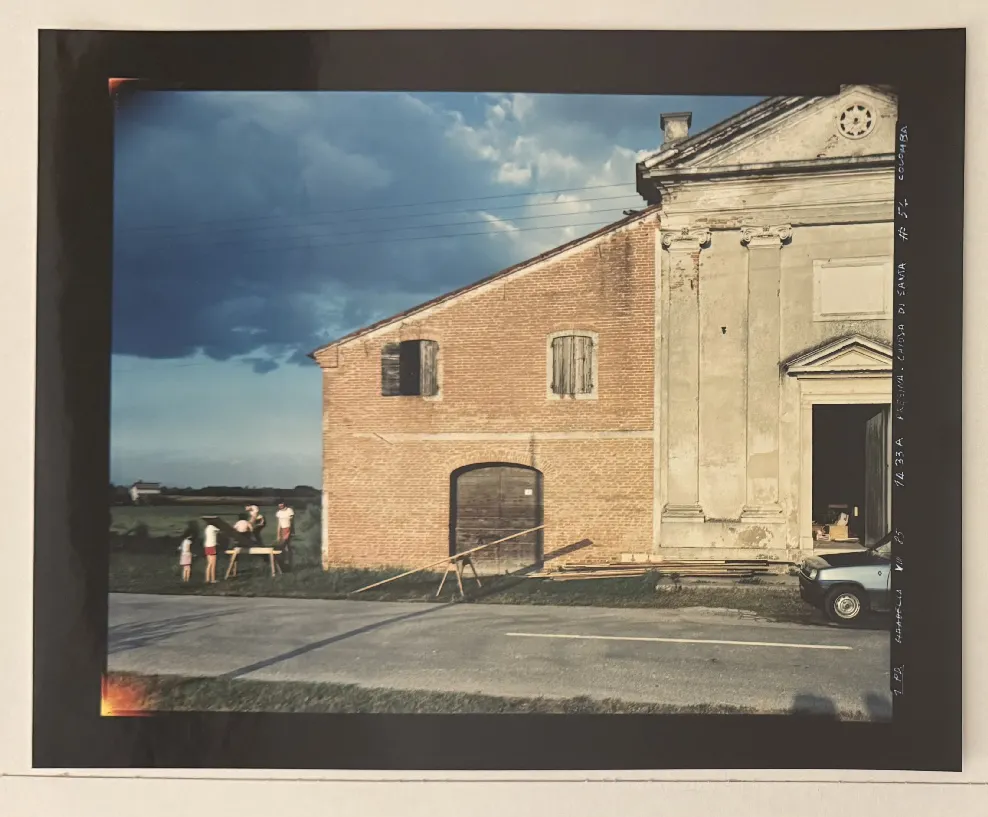
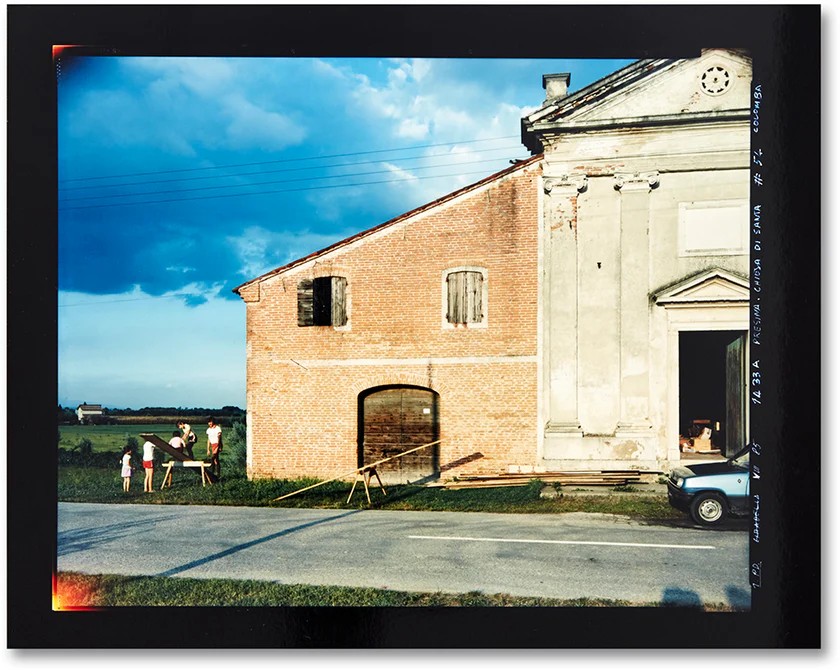
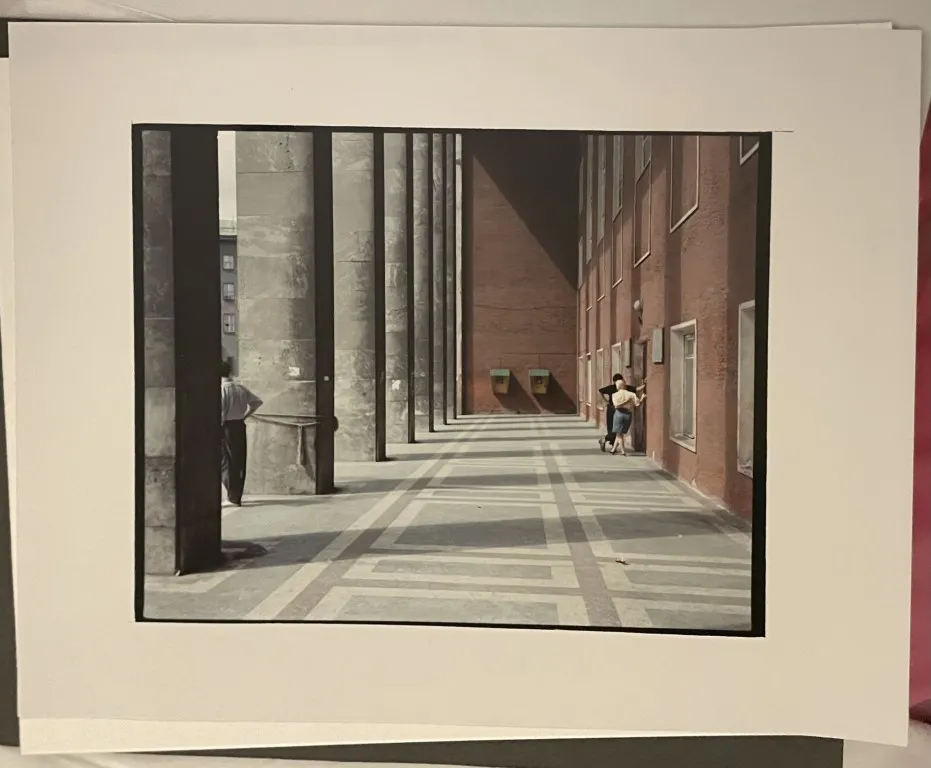
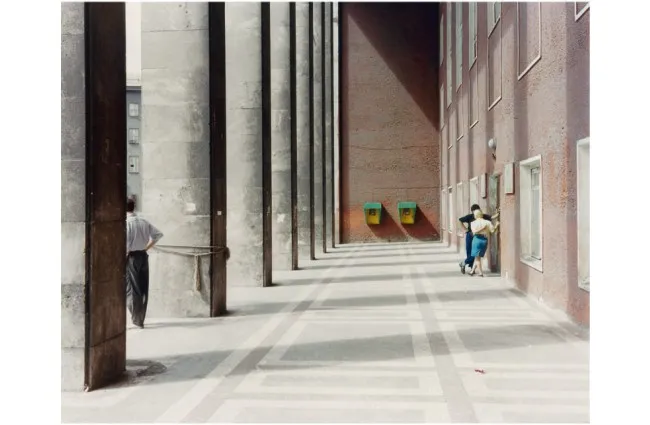
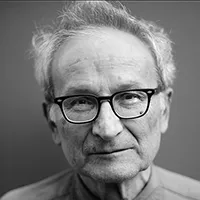
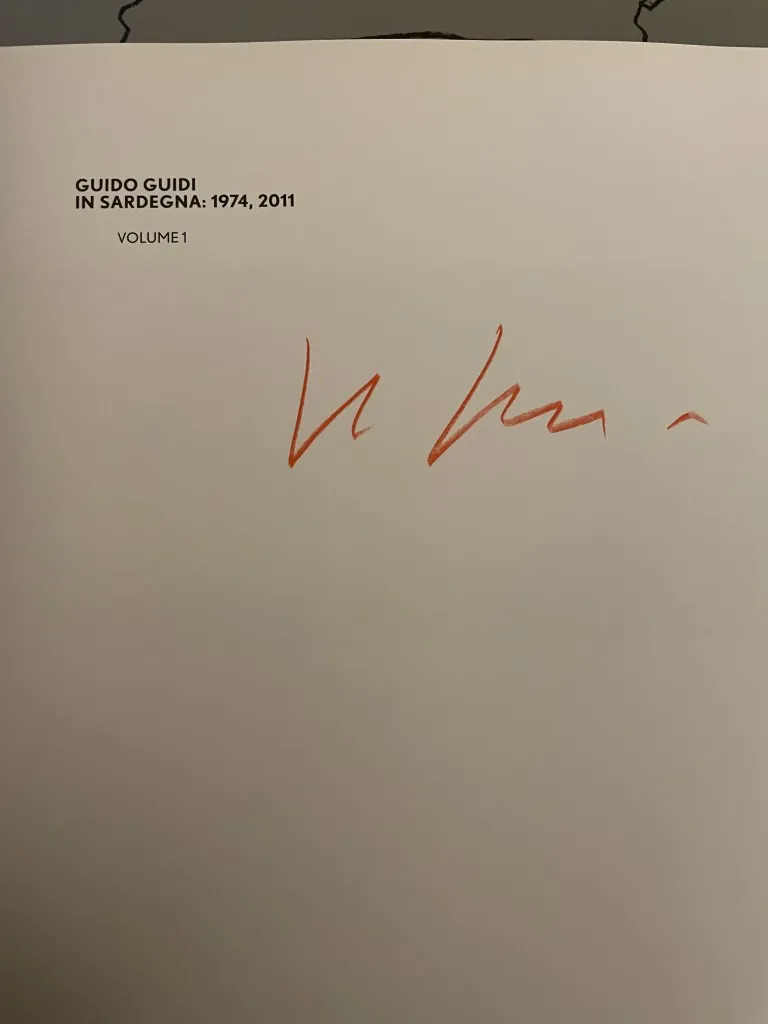
Guido Guidi, Italian, b. 1941
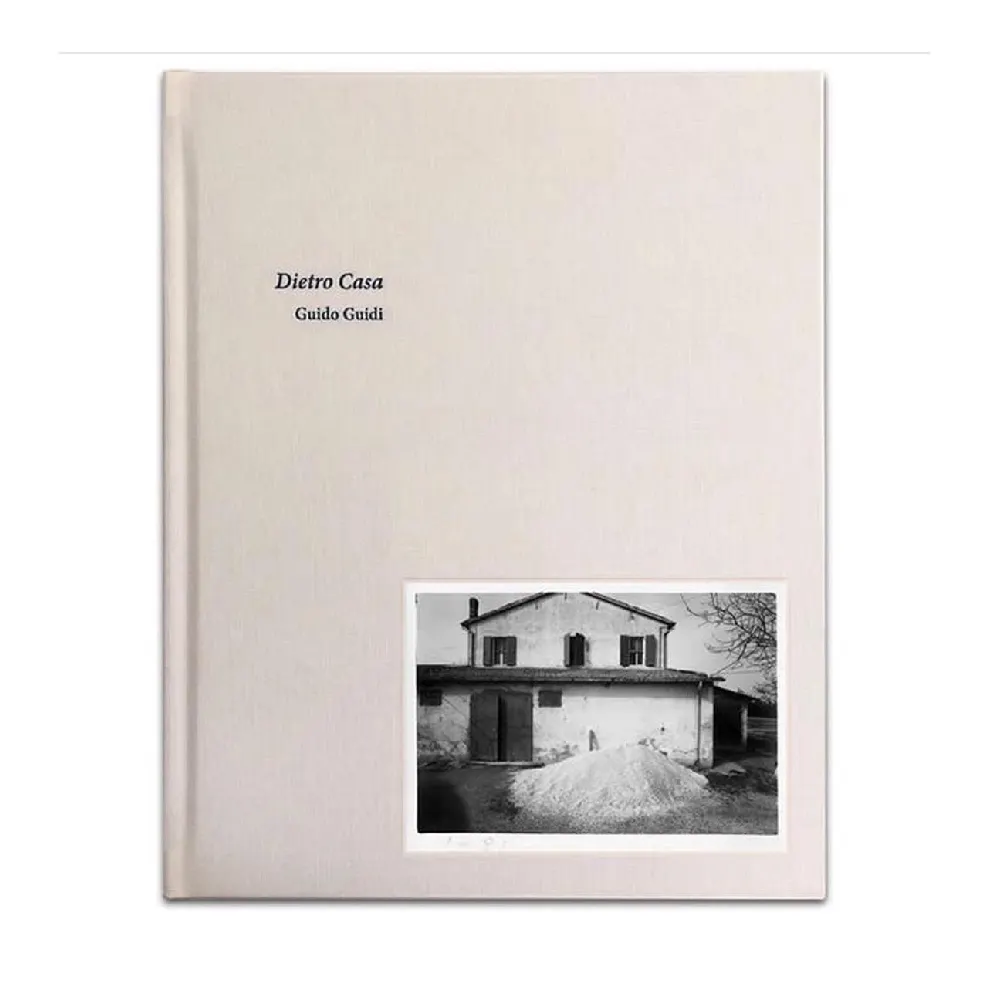
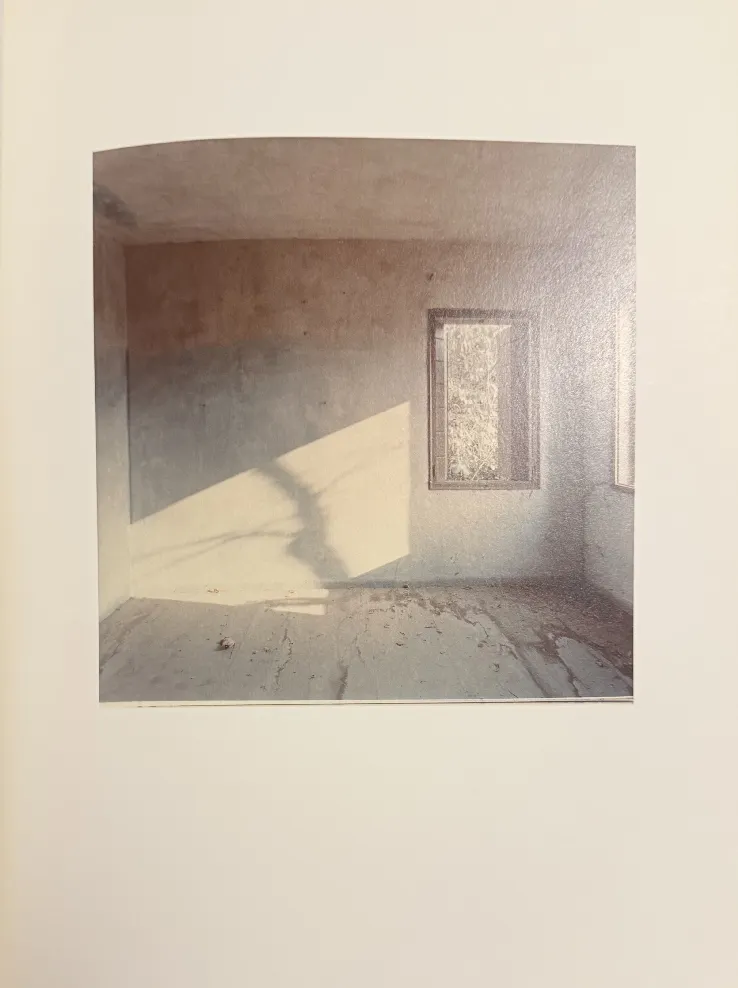
Guidi is a seminal figure in contemporary Italian photography, known for his patient and meditative exploration of the "marginal" landscapes of Italy’s rural and suburban fringes. Born in 1941 in Cesena, Guidi’s early academic background in architecture and industrial design at the IUAV in Venice profoundly shaped his photographic vision. Rather than seeking out the spectacular or the monumental, he focuses his lens on the ordinary and the overlooked—unfinished buildings, dusty roadsides, and the subtle interplay of light on weathered surfaces. His work is often characterized by a rigorous, almost clinical precision that reflects a deep engagement with the history of art and the evolving relationship between humans and their environment.
Throughout his career, Guidi has been a pioneer in shifting Italian photography away from the traditional humanist and reportage styles toward a more conceptual and topographic approach. His use of large-format cameras allows for an incredible depth of detail, encouraging viewers to slow down and observe the quiet transitions of time and space. Beyond his own artistic practice, he has had a lasting influence on the medium as a teacher, mentoring generations of photographers at various institutions in Italy. His extensive body of work, captured in numerous monographs and exhibited in major museums worldwide, serves as a vital record of the Italian landscape’s transformation over the last half-century.


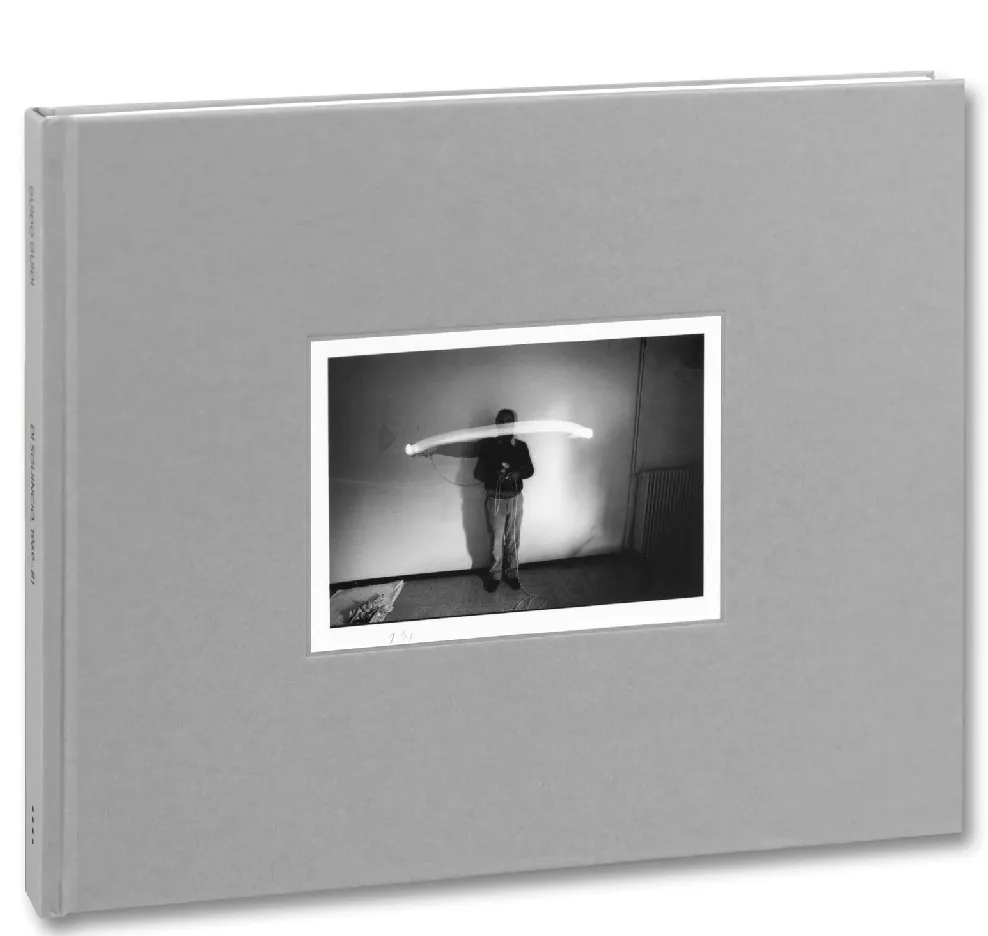
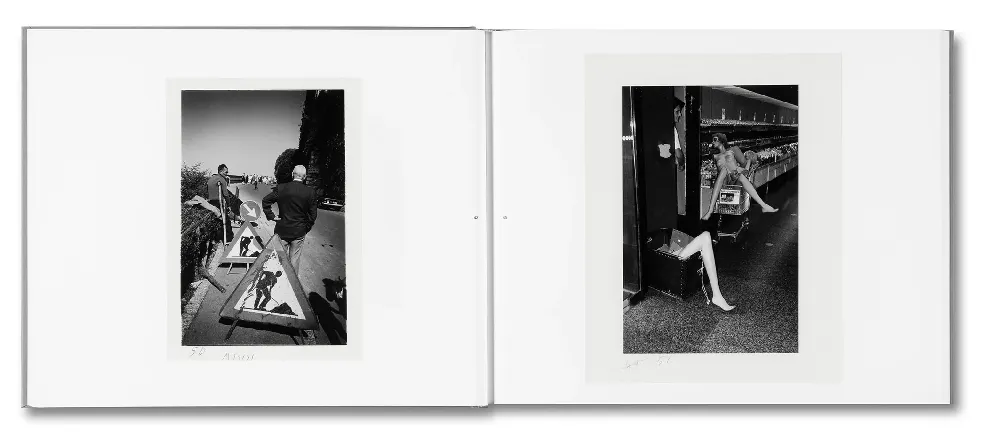
Di sguincio - meaning aslant, asquint, or seen from the corner of an eye - brings together more than a hundred black-and-white photographs made by Guido Guidi with small-format cameras between 1969 and 1981. These images record experimental early dialogues between Guidi and his camera: made without looking through the viewfinder and lit with a bright flash, they capture people, bodies, gestures, minor events, and fragments of space in moments of sudden and even abrasive encounter. While formally stark and even verging on the abstract, they document people and places close at hand - his family home in Cesena; friends with whom he shared an apartment in Treviso; colleagues at the Institute of Architecture at the University of Venice - forming affectionate personal works which explore the performative tension at the heart of images.
This book reproduces Guidi's own prints from the period, with their high contrast, unusual blurring and definition, and oblique, occasionally indiscernible handwritten annotations. Evoking the joys of invention and collaboration early in an artistic career, these fragments equally reflect the psychological, social, and political turmoil of Italy in an era of crisis and contestation of social values, metabolising the influences of neorealism and postmodernism in the search for new forms. The fundamental photographic theme of time - as it is recorded, experienced, and manipulated - is their elusive constant. With Di sguincio, we discover a set of anti-documents or anachronistic records - stamped, annotated, and sometimes artificially aged - which comment wryly on photography's claims to truth and reveal the foundations of a lifelong engagement with the possibilities of the medium.