



Which art books, prints and posters are available by and about this artist? Here is a sample of items of interest to a typical collector:



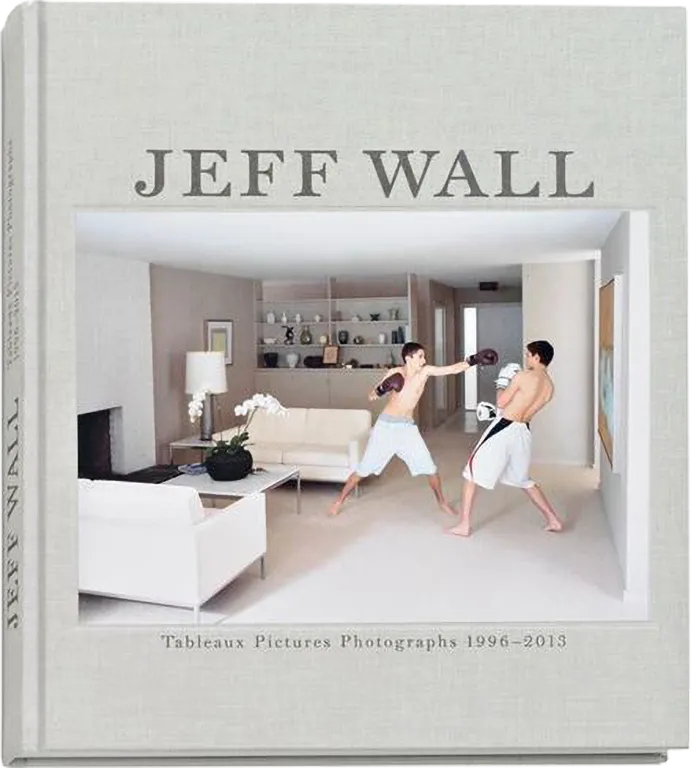
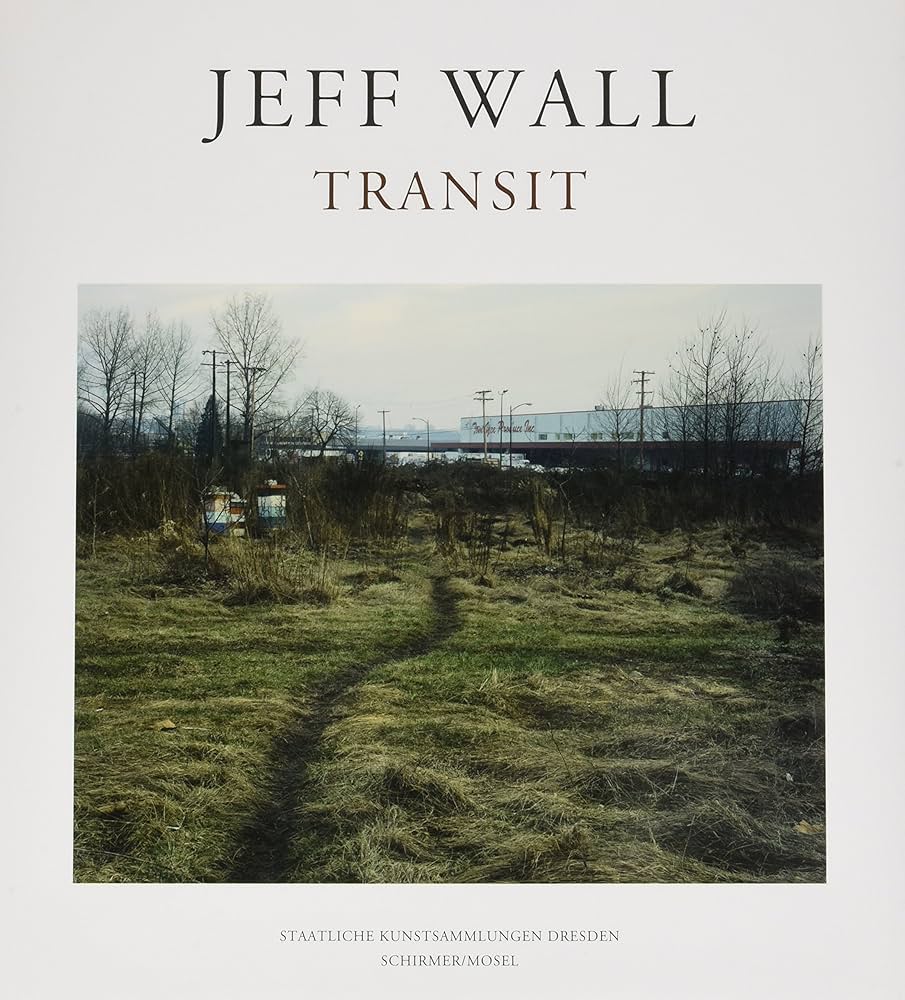
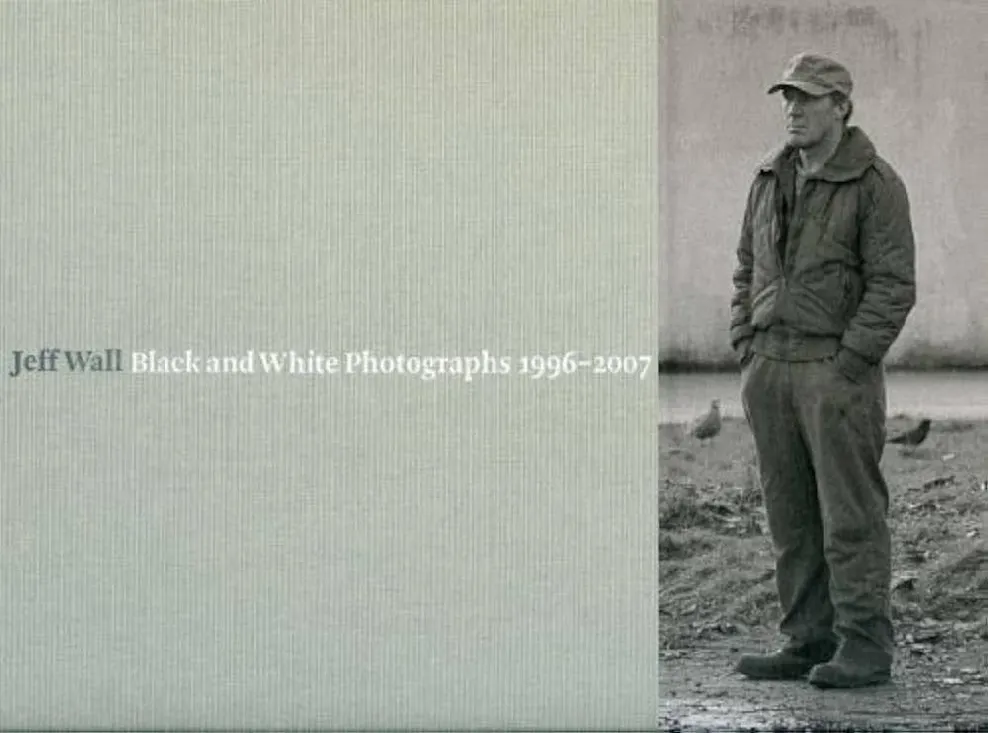
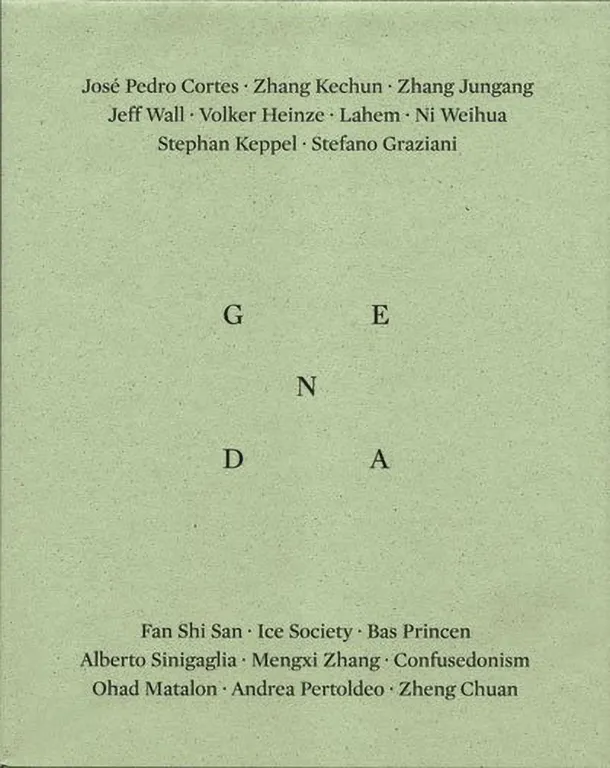
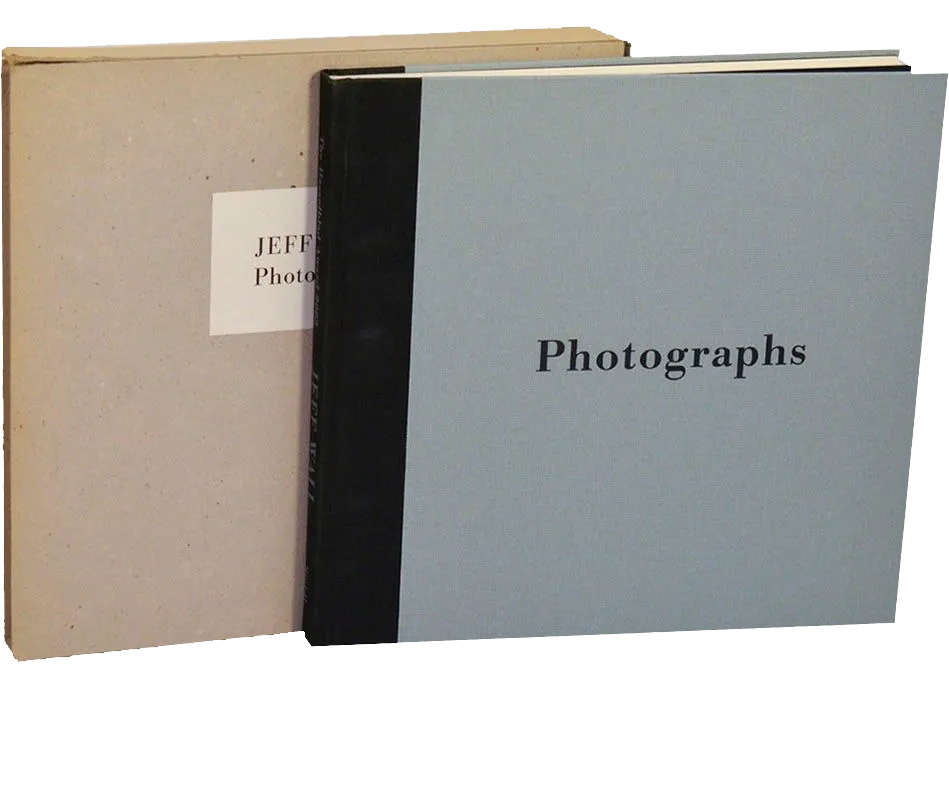
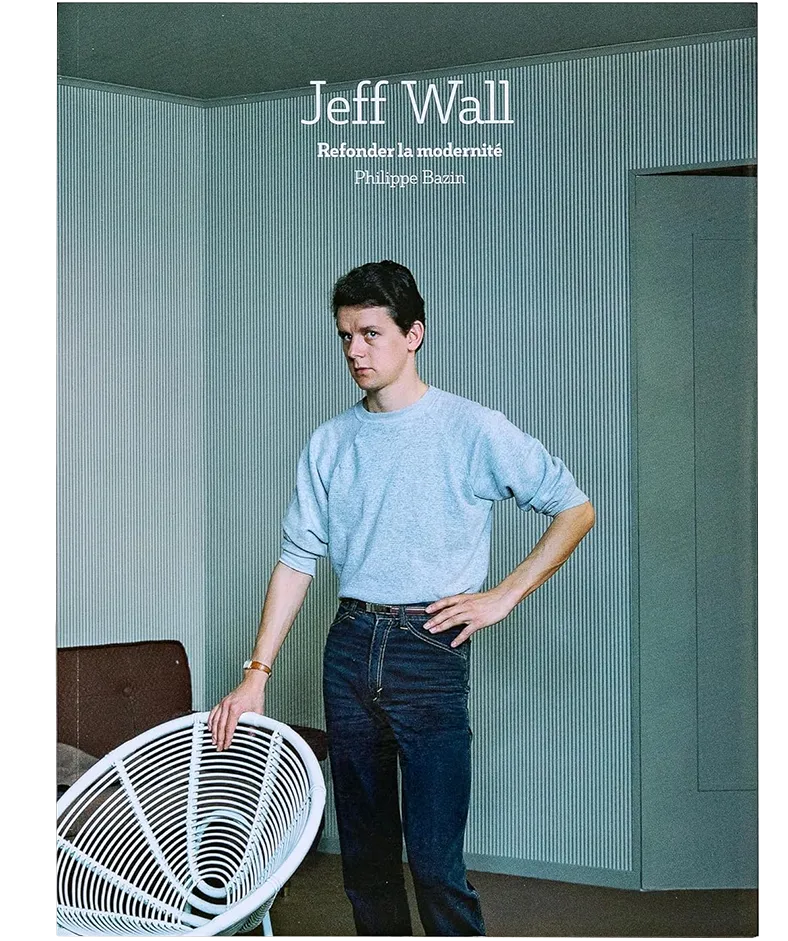
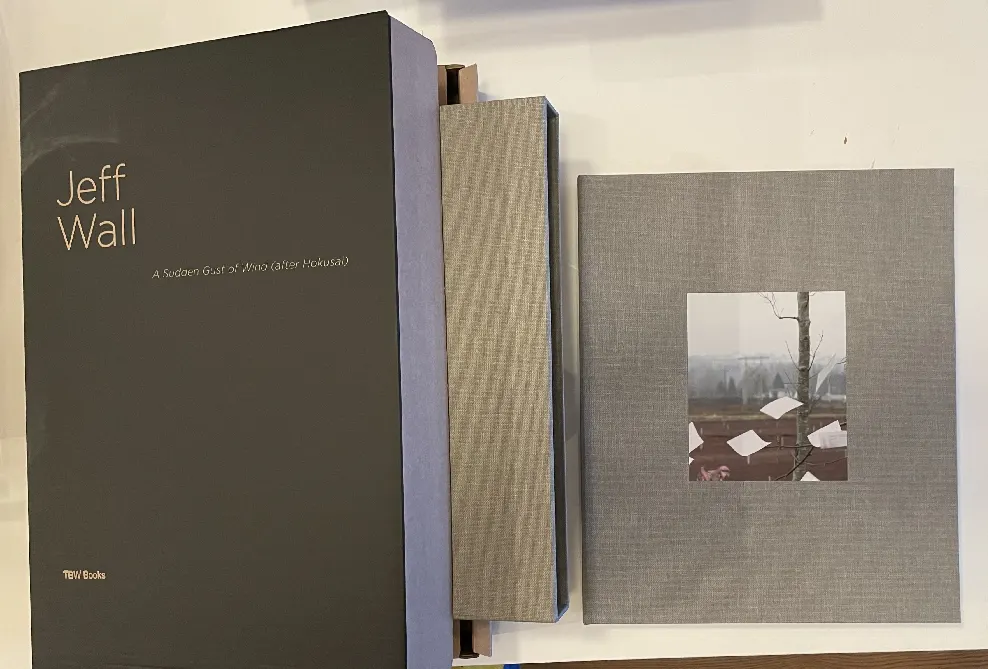


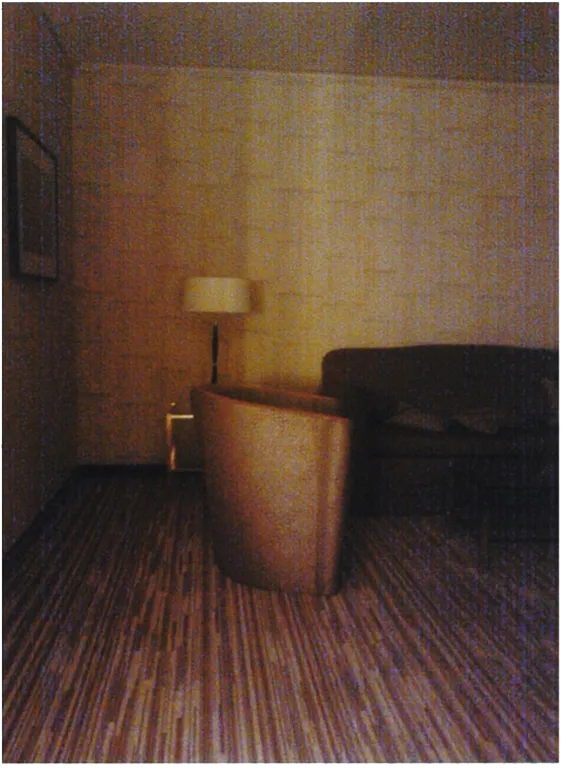
Jeff Wall was born in 1946 in Vancouver, British Columbia, where he became a central figure in the Vancouver School of conceptual art. He studied art history at the University of British Columbia before pursuing doctoral studies at the Courtauld Institute in London. This deep academic background heavily informs his meticulous style, which often bridges the gap between contemporary photography and historical art. In the late 1970s, he found inspiration in backlit bus station ads and began displaying large-scale photographs in translucent lightboxes. This format gave his work a glowing, cinematic intensity that set him apart from traditional photographers of the era.
Wall coined the term "cinematographic" to describe his process, as his photos are often elaborately staged rather than captured spontaneously. He frequently recreates scenes he witnessed but didn't capture at the moment, resulting in what he calls "near-documentary" compositions. One of his most famous works is Mimic (1982), which explores subtle social tensions and racial dynamics through a staged street scene. Another masterpiece, Dead Troops Talk (1992), presents a complex, hallucinatory vision of a battlefield that feels both grisly and theatrical. Wall’s work often references classical European painting, drawing parallels to masters like Manet, Hokusai, and Velázquez.
The scale of his prints is intentionally monumental, forcing the viewer to engage with the photograph as a physical, immersive space. In the 1990s, he expanded his repertoire into large-scale black-and-white prints that focused more on textures and the "prosaic" details of everyday life.
Wall later challenged the public's perception of his "monumental" reputation, including an exhibition titled "Smaller Pictures" at the Fondation Henri Cartier-Bresson in Paris in 2015. While he is famous for grand, room-filling lightboxes, this show focused on 35 works from his personal collection that were originally conceived in a more modest, intimate scale. The exhibition included small-scale lightboxes like Diagonal Composition (1993)—a meticulously detailed study of a grimy sink—alongside black-and-white and color prints that displayed a more fragmented, "wandering" sensibility. By placing these smaller works in a space dedicated to Cartier-Bresson, the master of the "decisive moment," Wall highlighted the tension between his own staged, "cinematographic" method and the traditional, candid photography he has spent his career re-evaluating.
Beyond his visual output, Wall taught for many years at the University of British Columbia and wrote influential essays on art theory. He received the Hasselblad Award in 2002, and his work has been the subject of major retrospectives at the Tate Modern and MoMA. By redefining photography as a constructed, narrative art form, Jeff Wall remains a titan of the "staged" photographic movement.

