
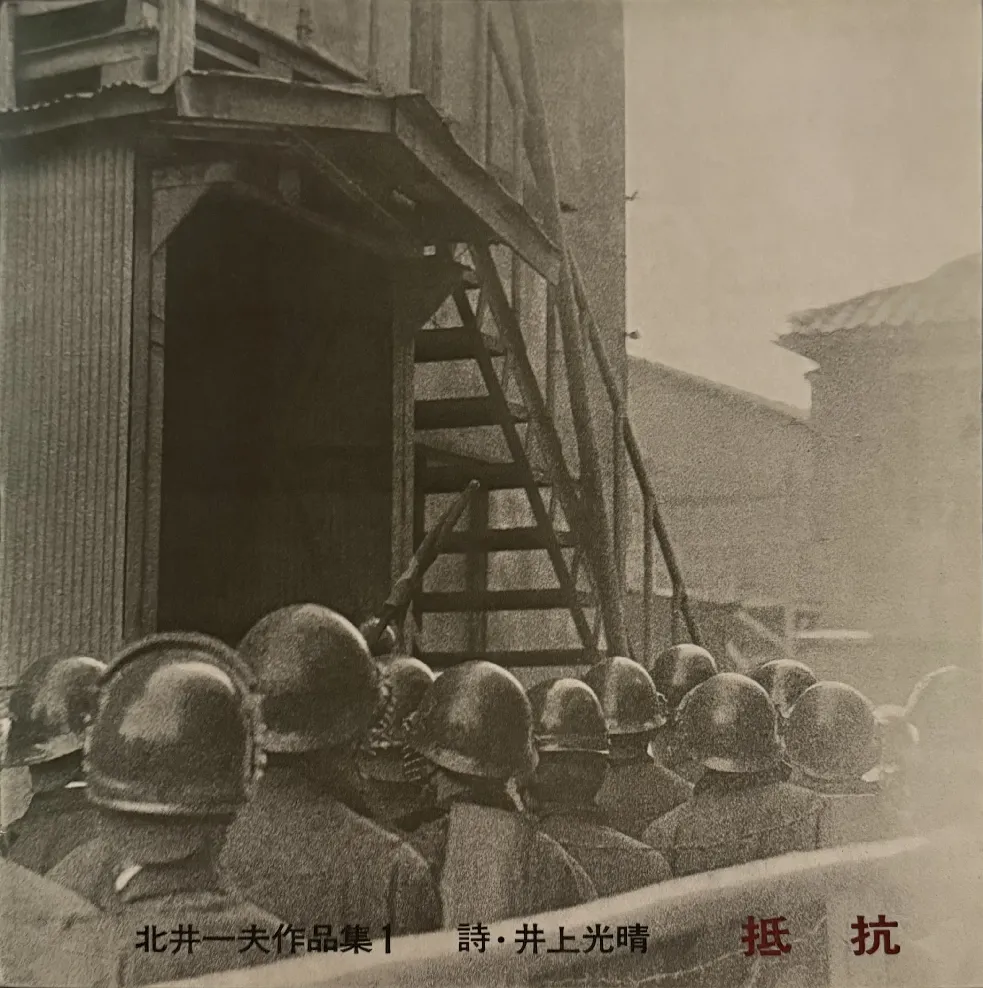
LP-sized staple-bound softcover
ISBN:
No ISBN (Self-published)


Which art books, prints and posters are available by and about this artist? Here is a sample of items of interest to a typical collector:
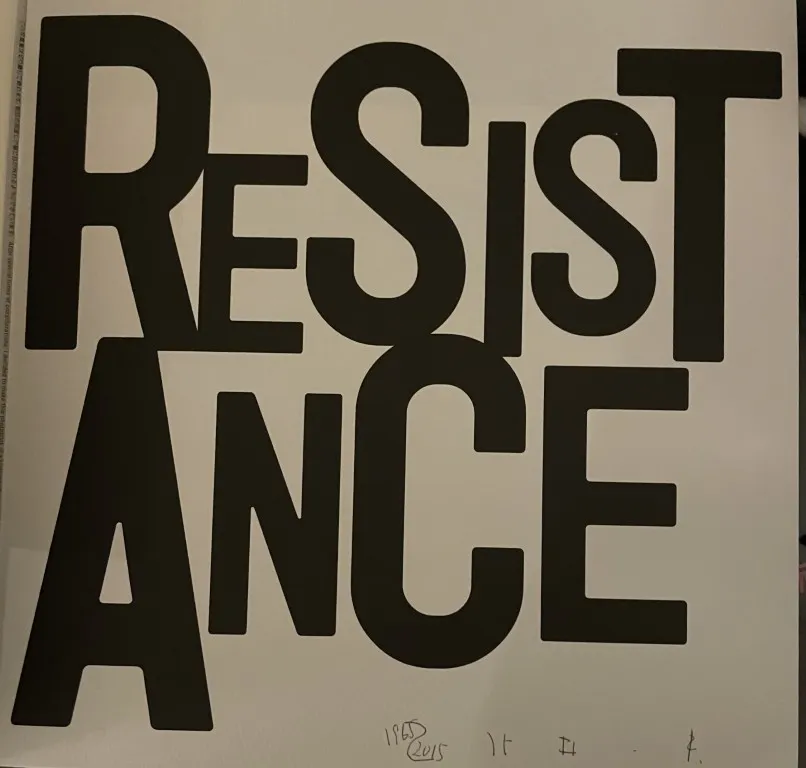
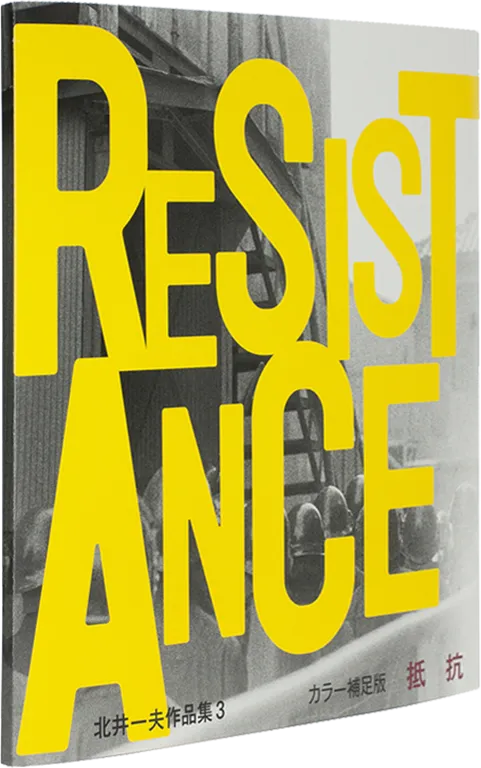

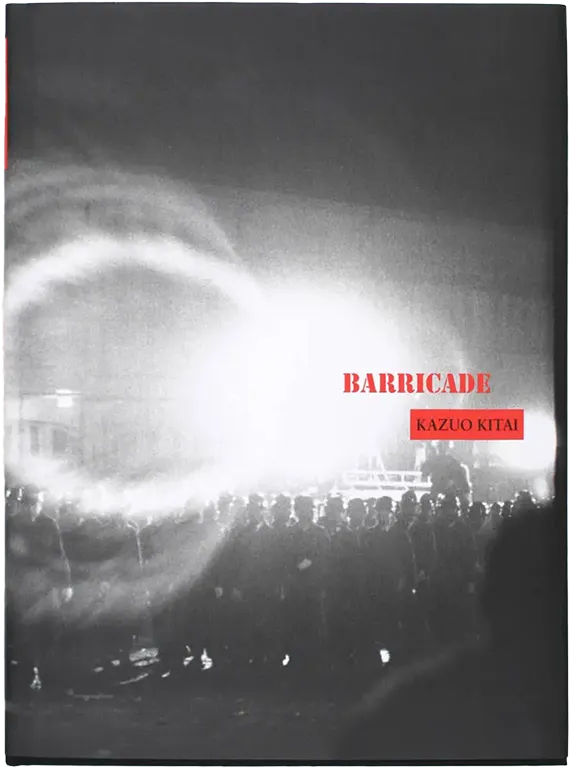
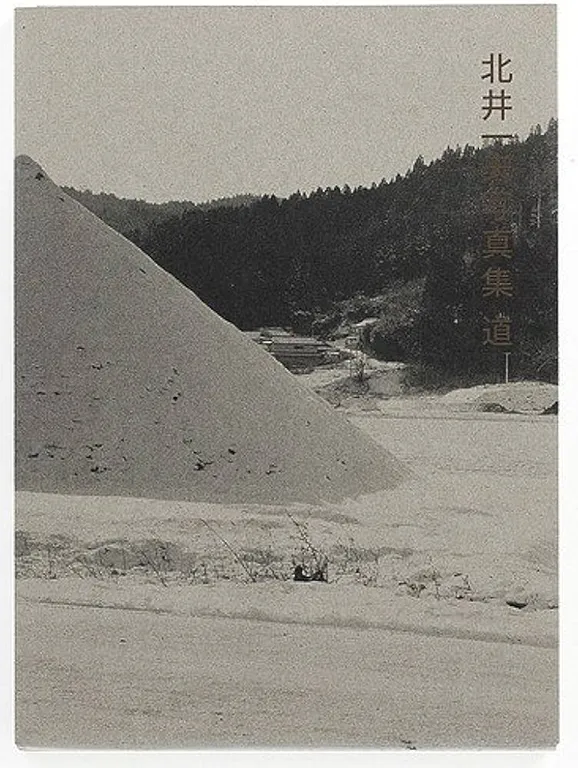
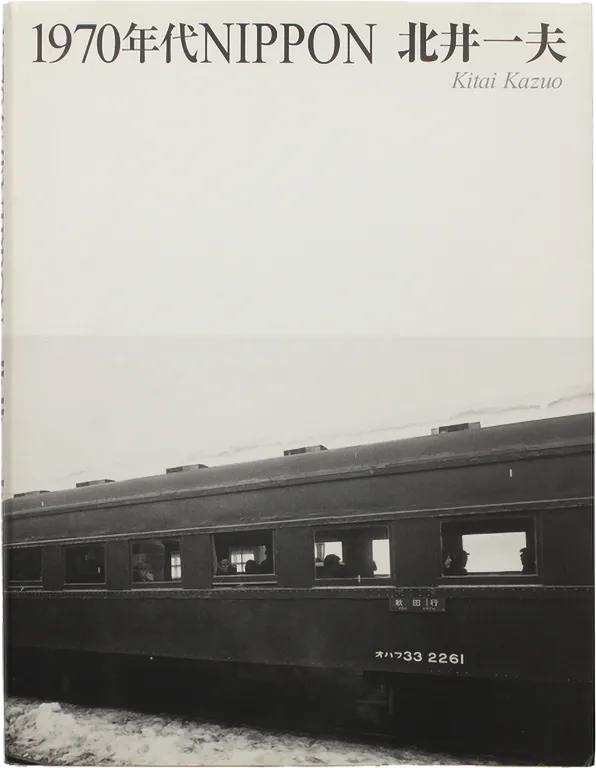
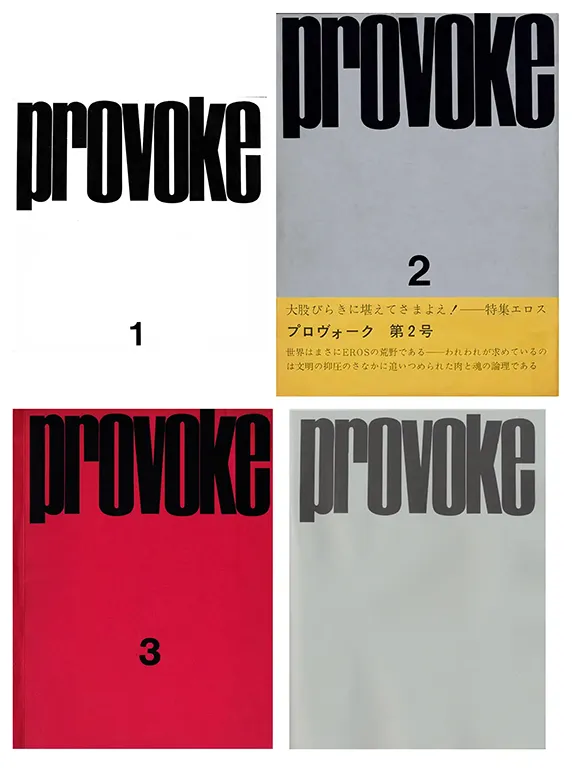

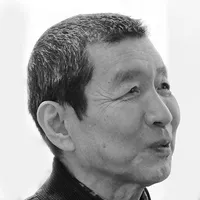
Kazuo Kitai, born in China in 1944, is best known for his protest photography of the 1960s and 1970s. His first book Teikoh/Resistance, published in 1964 was instrumental for other both Daido Moriyama and Takuma Nakahira - the founders of Provoke.
He earned the prestigious Ihei Kimura Memorial Award for Photography for his work “Mura-e”, a year-long documentation of Japan’s rural life. In the 1980s, he concerned himself with the citizens of Osaka and Tokyo (”Shinsekai Monogatari”, “Funabashi Monogatari”). Recent years have seen him publish a regular column in Nippon Camera magazine (”Walking with Leica”) as well as a rise of public interest in his work both in Japan and overseas.

see book page for more details
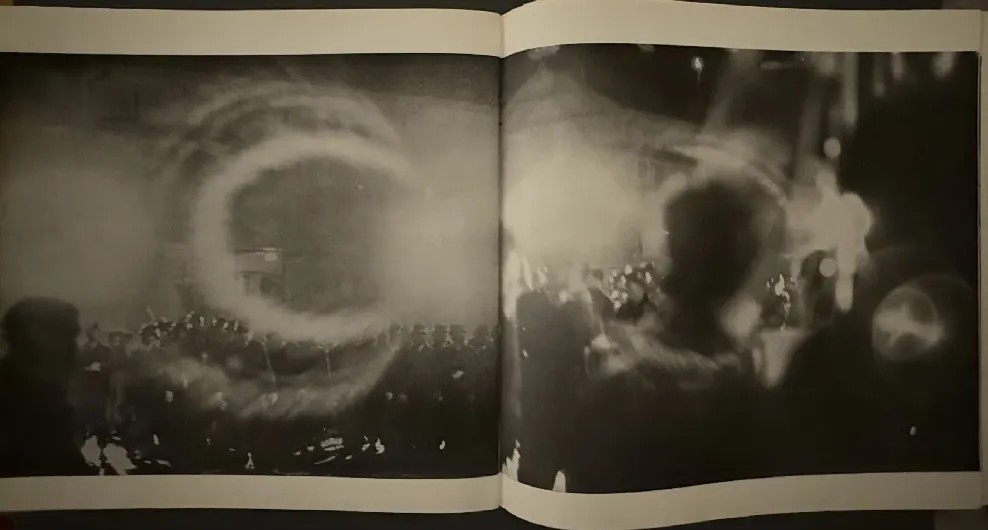
The shape of an LP, this is the first book by Japanese photographer Kazuo Kitai, documenting Zengakuren student protests at the Yokosuka Naval Base in 1964. Interestingly, several blurred and grainy pictures would seem to presage the work of the Provoke photographers. According to Kitai, both Daido Moriyama and Takuma Nakahira - the founders of Provoke - were huge admirers of the book. Moriyama in fact instructed his students to buy this book.