

Which art books, prints and posters are available by and about this artist? Here is a sample of items of interest to a typical collector:

%20Resized.webp)
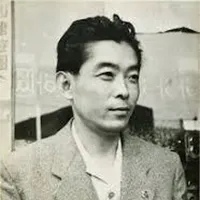
Kiyoshi Koishi, Japanese (1908-1972)
Koishi was a pioneering Japanese photographer who played a pivotal role in the development of the Japanese avant-garde and modernist photography movements (Shinko Shashin) during the 1930s. Merging traditional Japanese sensibilities with radical European surrealist and constructivist influences, Koishi transformed the landscape of pre-war Japanese photography.
Koishi was a Shinko Shashin Pioneer. Moving away from the soft-focus, painterly style of pictorialism dominant in the early 20th century, Koishi embraced "New Photography." This movement championed sharp focus, unexpected angles, and a celebration of modern, industrial motifs.
He was celebrated for his darkroom experimentation, his mastery of avant-garde techniques, extensively utilizing photograms, solarization, double exposures, and dramatic close-ups to create dreamlike, psychologically charged imagery.
Based in Osaka, Koishi was a prominent member of the Naniwa Photography Club, which served as a hotbed for photographic experimentation and pushed the boundaries of the medium in Japan.
Early Summer Nerves (Shokyaku Shinjokei, 1933)
This landmark monograph is widely considered Koishi's masterpiece and a cornerstone of Japanese photographic history. Combining intense, close-up images of everyday objects—such as zinc plates, drop-counter bottles, and water droplets—with poems he authored, the book captured the anxious, fragmented, and fast-paced energy of early 1930s urban Japan.
Koishi's work was deeply disruptive and highly influential, bridging the gap between mechanical documentation and pure artistic expression. While much of his early work and materials were tragically lost during World War II, his surviving publications remain incredibly influential, celebrated for their early synthesis of graphic design, poetry, and radical photographic experimentation.

see book page for more details
A facsimile edition of acclaimed Japanese photographer Kiyoshi Koishi's landmark modernist photobook, originally published in 1933.