
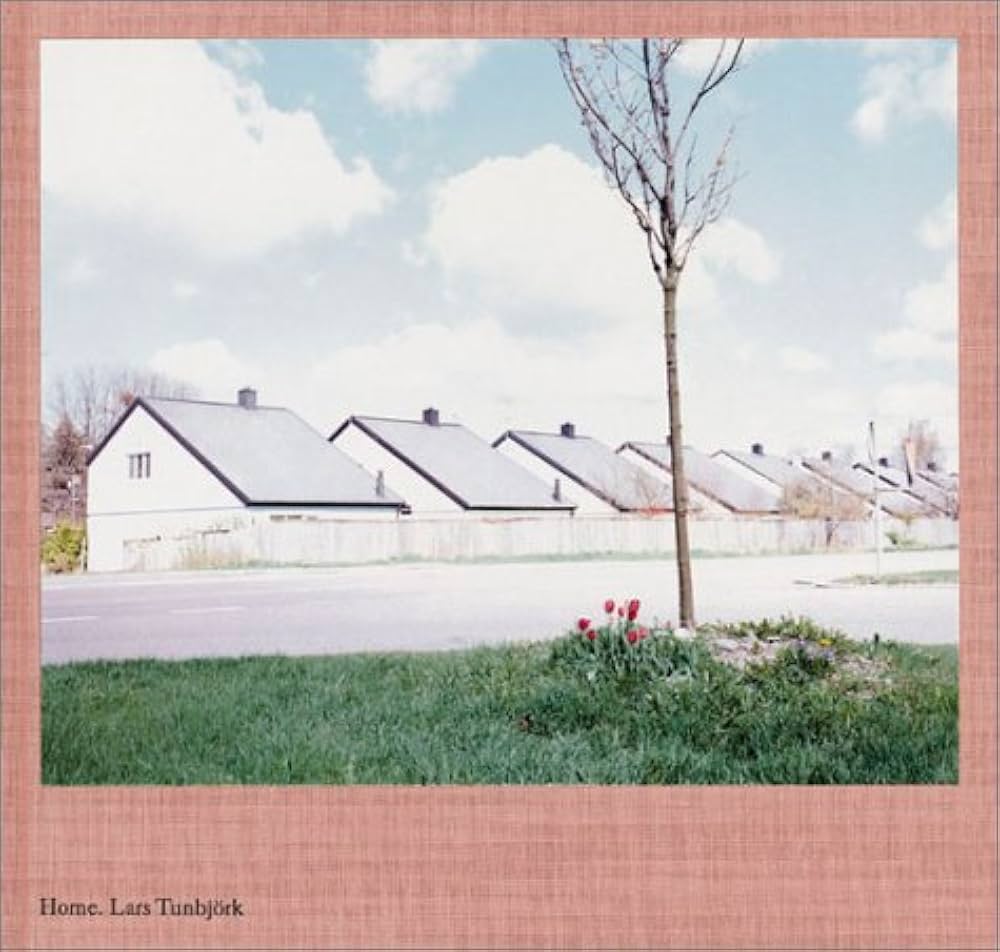


Which art books, prints and posters are available by and about this artist? Here is a sample of items of interest to a typical collector:

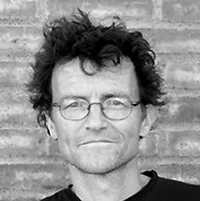
Lars Tunbjörk, Swedish (1956–2015)
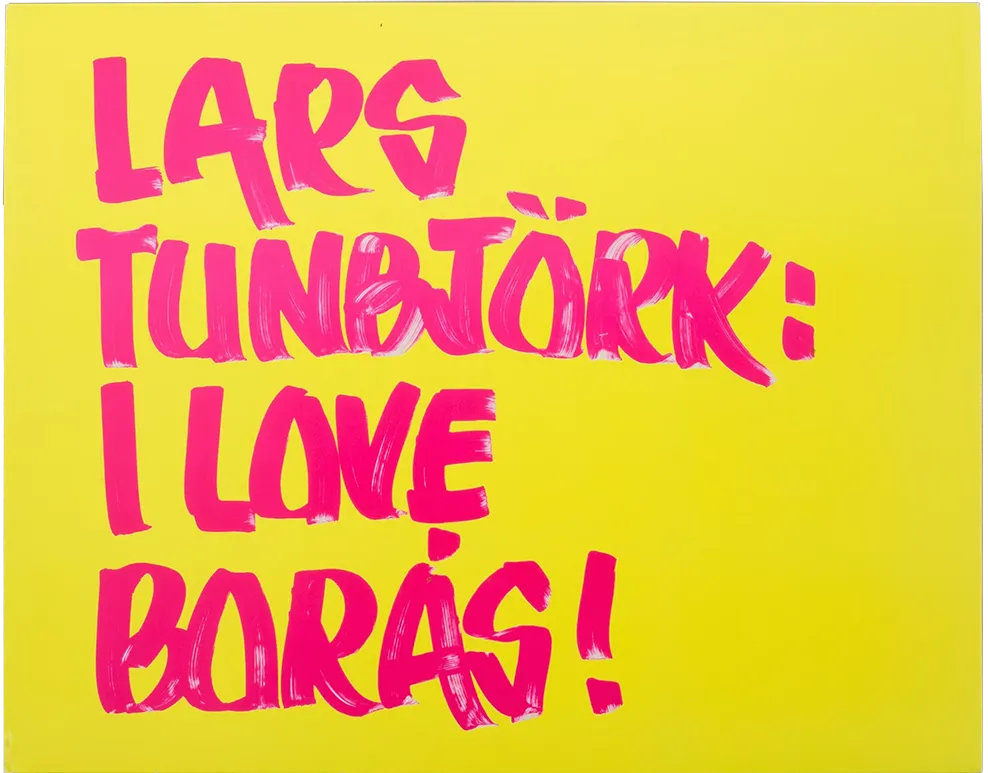
Tunbjörk's work redefined contemporary documentary photography through a lens of surreal, deadpan humor. Born in Borås, he began his career as a photojournalist for local and national newspapers at the young age of 15. While his early work was rooted in the black-and-white traditions of Swedish masters like Christer Strömholm, he achieved international acclaim in the early 1990s after shifting to a vibrant, often harsh color palette inspired by American colorists like William Eggleston and Stephen Shore.
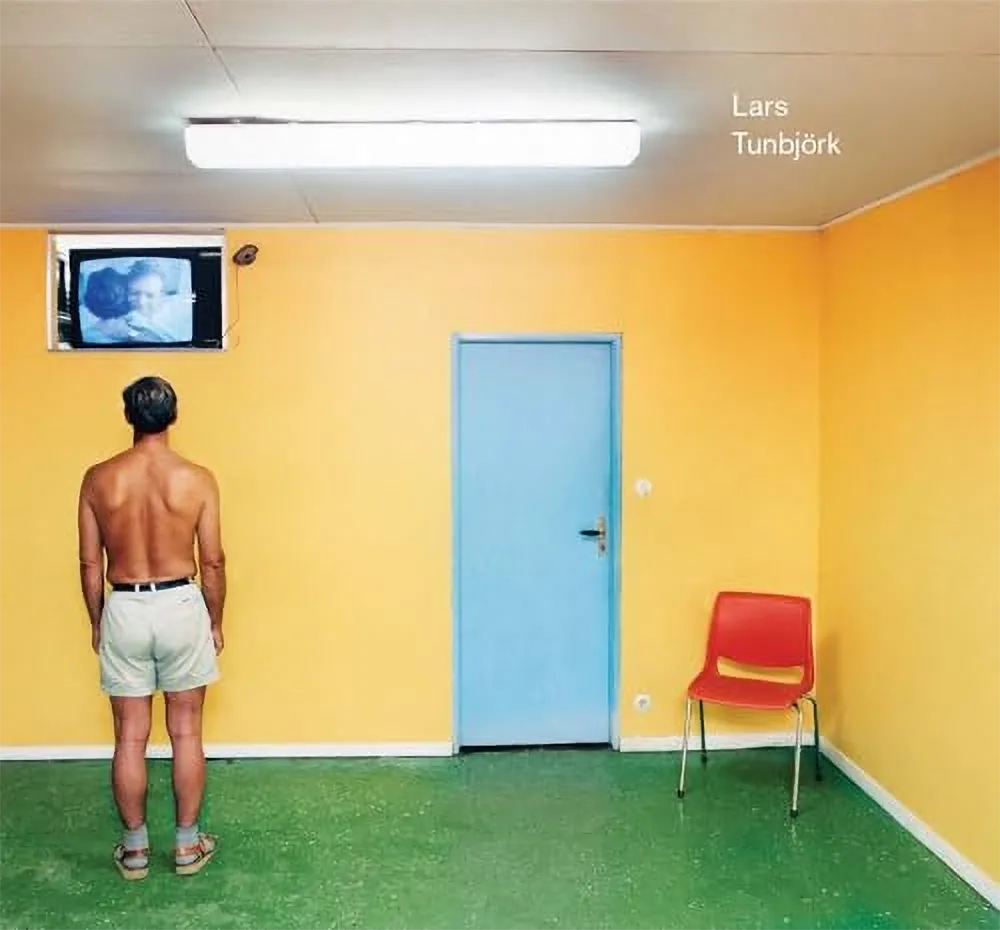
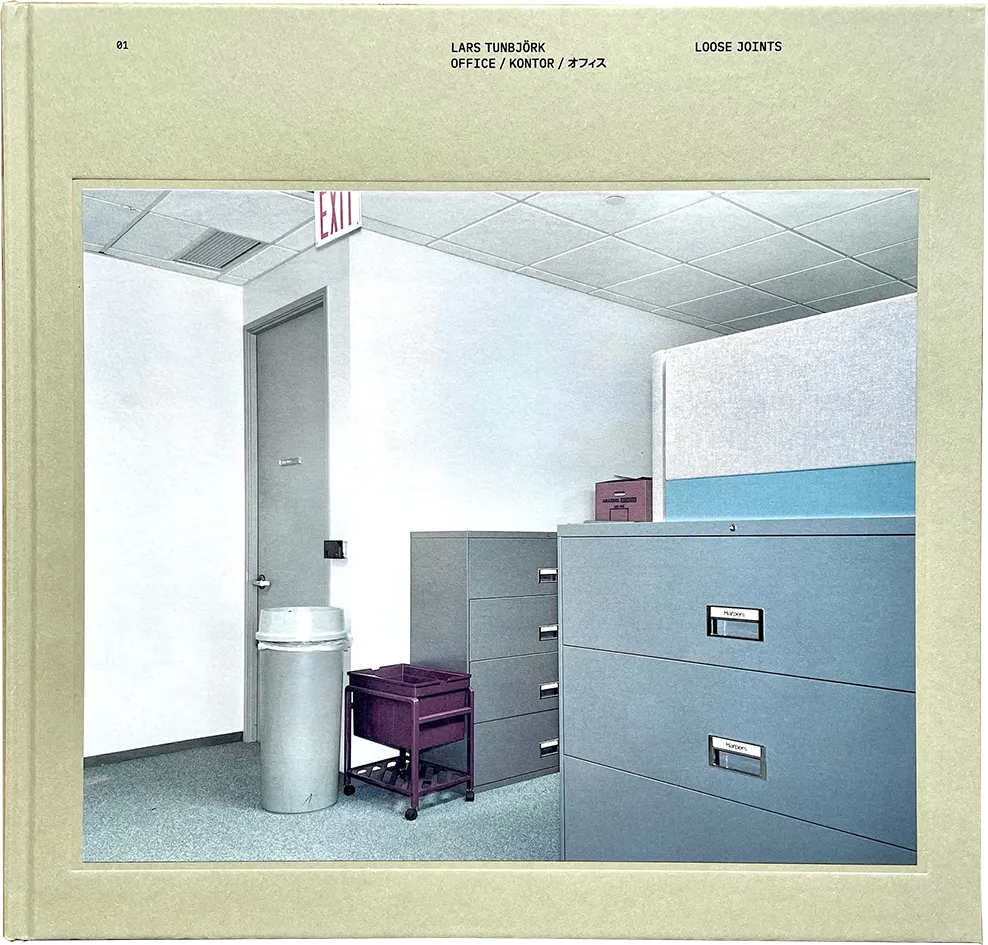
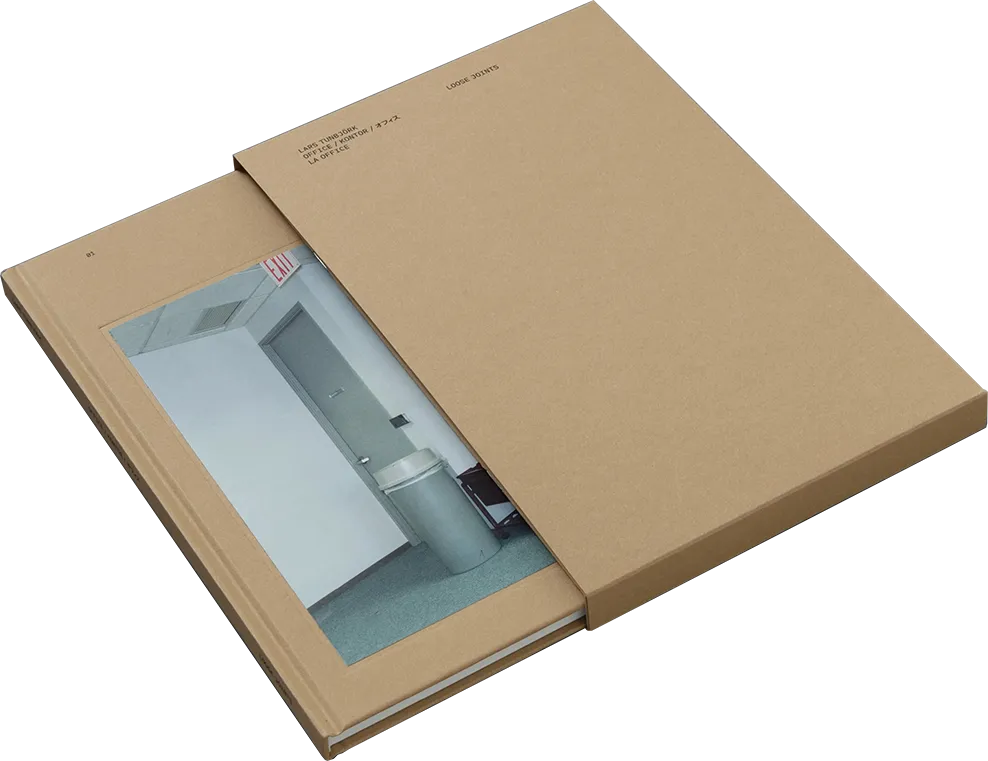
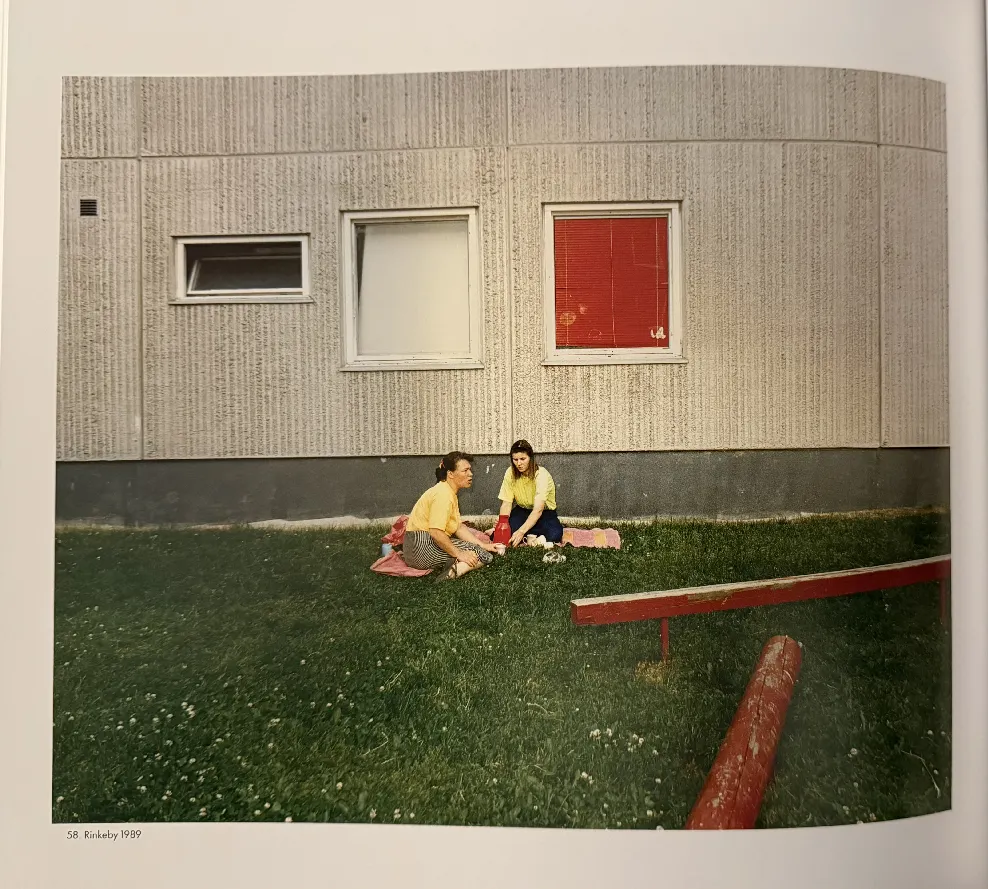
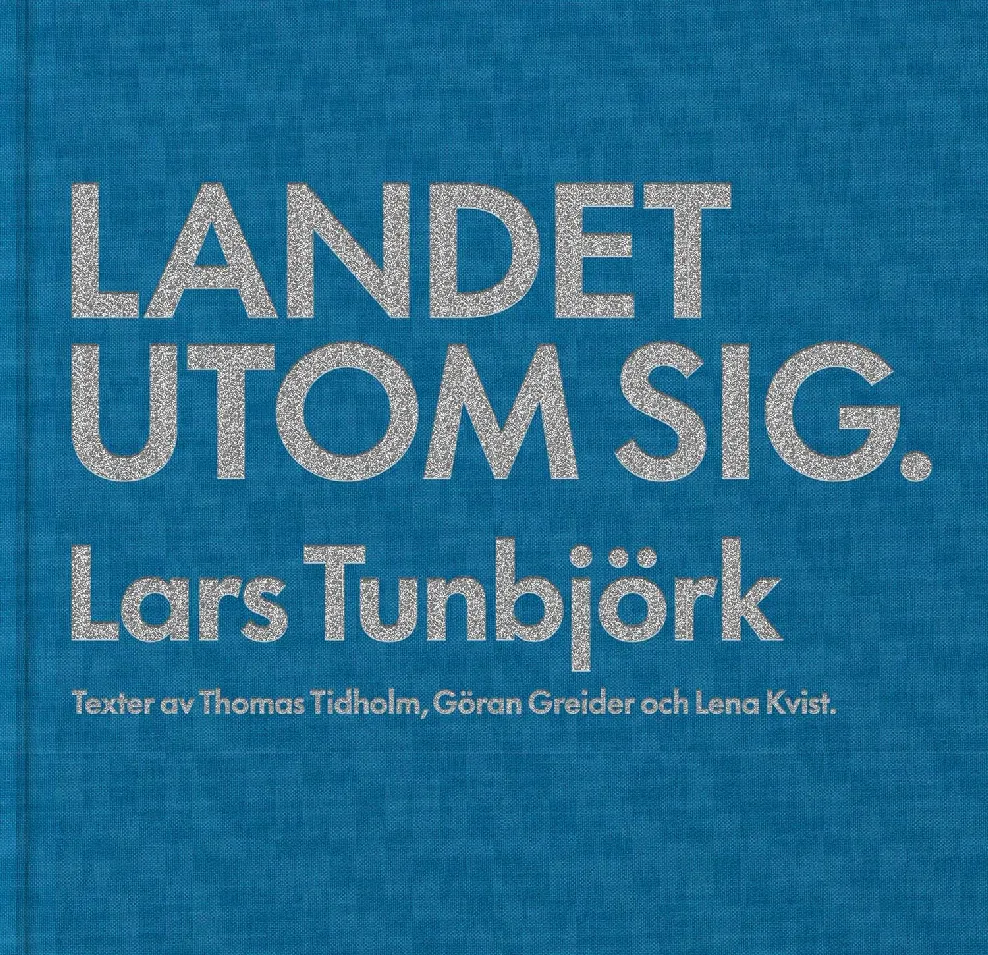
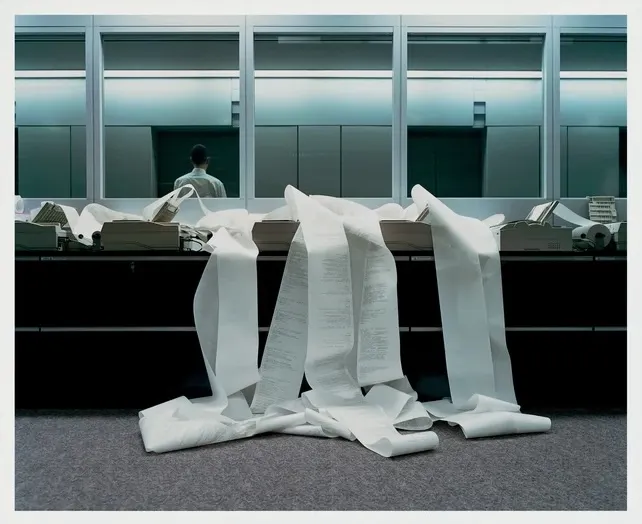
His breakthrough series, Landet utom sig (Country Beside Itself), offered a sharp and satirical look at the Swedish welfare state, capturing the absurdities of commercial centers, supermarkets, and tourist sites. This project established his signature aesthetic, characterized by the use of aggressive direct flash and saturated colors that transformed ordinary suburban scenes into uncanny, dreamlike compositions. Tunbjörk had an uncanny ability to find the "hidden sadness" in mundane spaces, which he explored further in his famous series Office, a five-year study of corporate environments in Stockholm, New York, and Tokyo. In these images, human subjects often appear swallowed by a landscape of wires, cubicles, and fluorescent lights, highlighting themes of isolation and alienation.
In his later years, his work took on a more contemplative and melancholic tone, particularly in the series Vinter, which documented the psychological weight of the dark Scandinavian winters and his own personal struggles with depression. Despite the often critical or lonely themes in his work, Tunbjörk was known for a gentle and empathetic perspective, viewing the world as an outsider or "alien" to better reveal the strange beauty of everyday life. He remained highly active until his sudden death in 2015, and his legacy is preserved today through the Lars Tunbjörk Foundation and major collections at institutions like the Museum of Modern Art in New York and the Centre Pompidou in Paris.

