

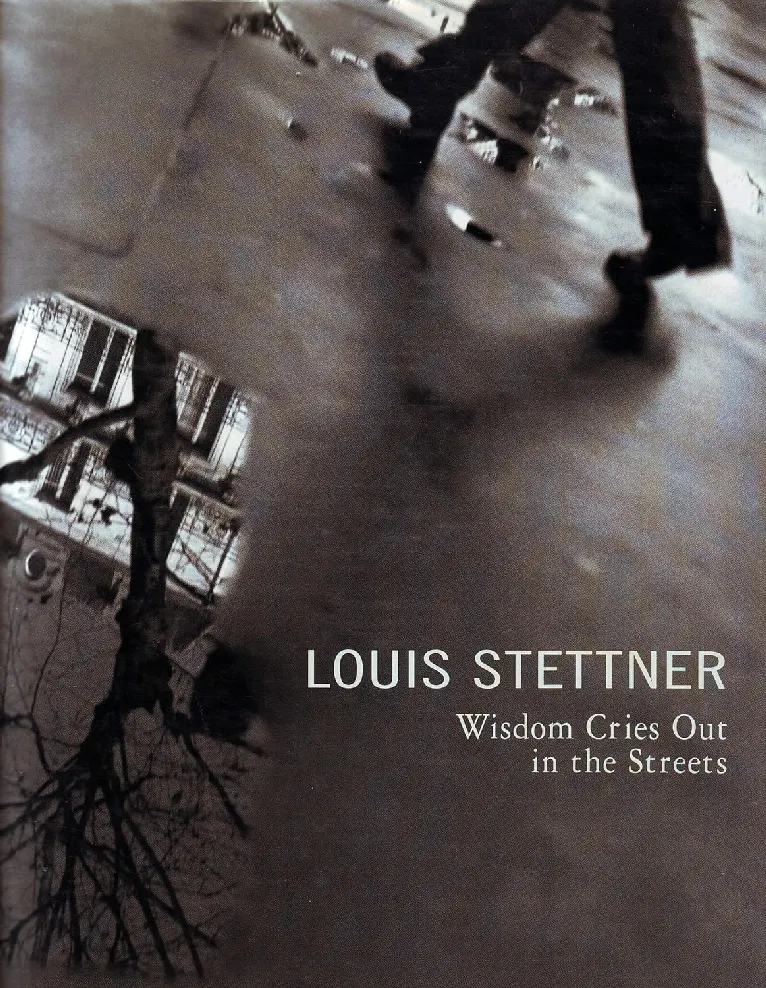
Hardcover with dust jacket
ISBN:
9780500544501


Which art books, prints and posters are available by and about this artist? Here is a sample of items of interest to a typical collector:

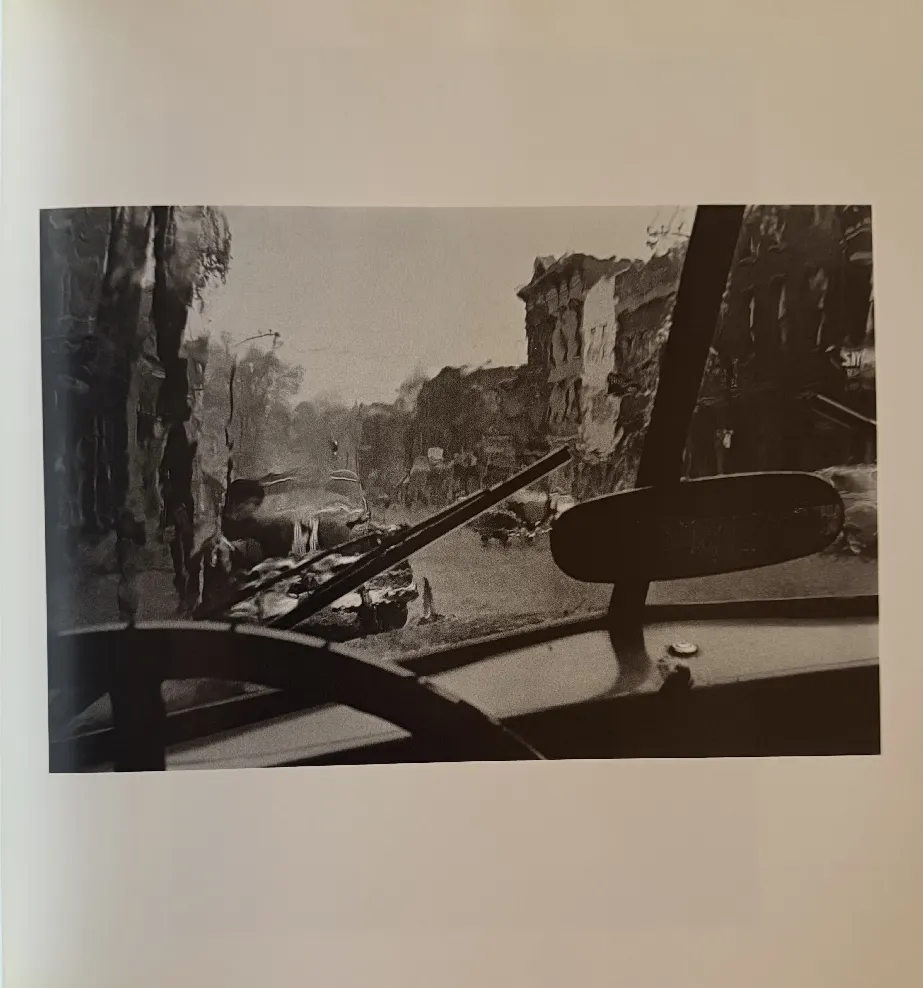
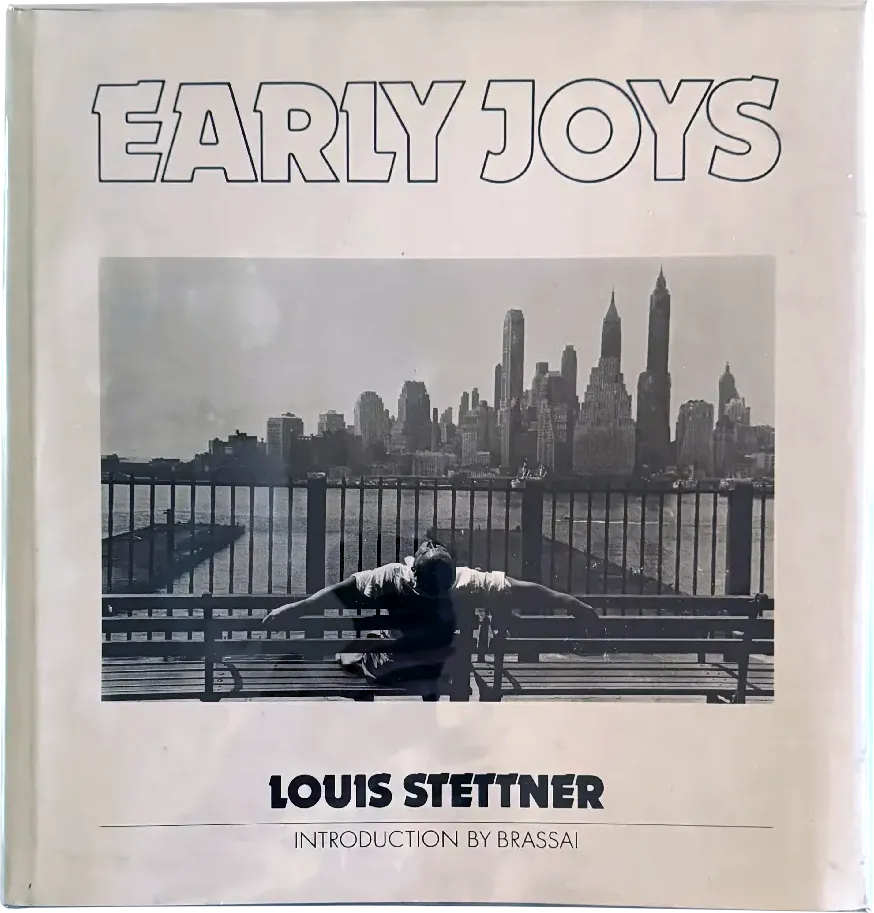
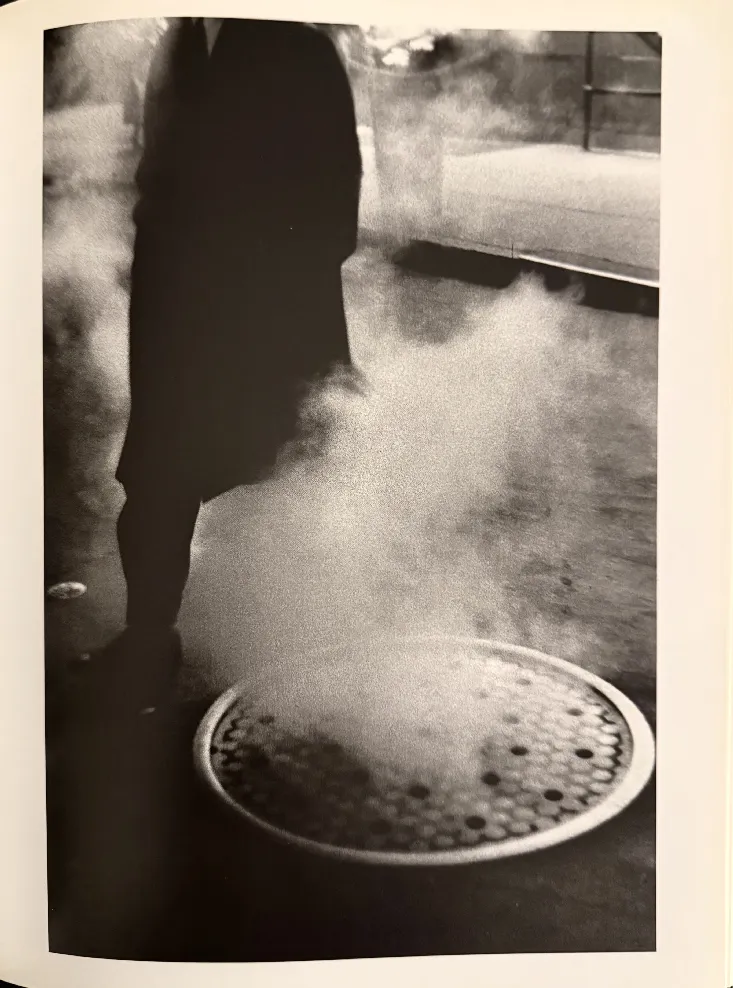
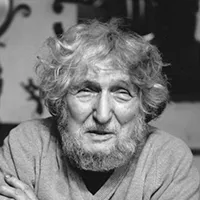
Louis Stettner, American (1922–2016)
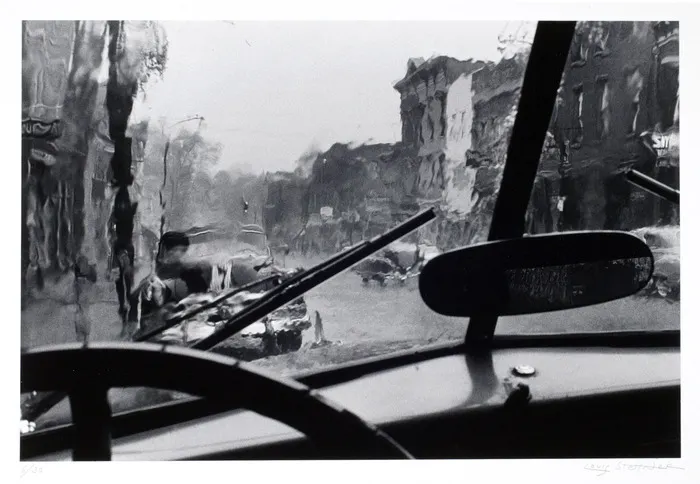
Stettner's nearly 80-year career was defined by a deep humanist realism. Born in Brooklyn, he famously treated New York and Paris as his spiritual mothers, spending decades capturing the everyday lives, quiet dignity, and architectural soul of both cities. Stettner’s interest in photography began at age 13 when he was given a box camera. As a teenager, he frequently visited the Metropolitan Museum of Art to study their print collection and joined the Photo League, where he received his only formal training from figures like Sid Grossman and met peers like Berenice Abbott. During World War II, he served as a combat photographer for the U.S. Army Signal Corps in the Pacific, an experience that solidified his commitment to documenting the resilience and humanity of the common man.
In 1947, Stettner went to Paris for a planned three-week trip that turned into a five-year stay. He studied at the Institut des Hautes Études Cinématographiques and developed a close friendship with Brassaï, who became a significant mentor. His work became a unique bridge between the gritty, direct tradition of American street photography and the lyrical, empathetic focus of French humanism. He is perhaps best known for his poignant black-and-white images that avoid showy tricks in favor of authentic vision.
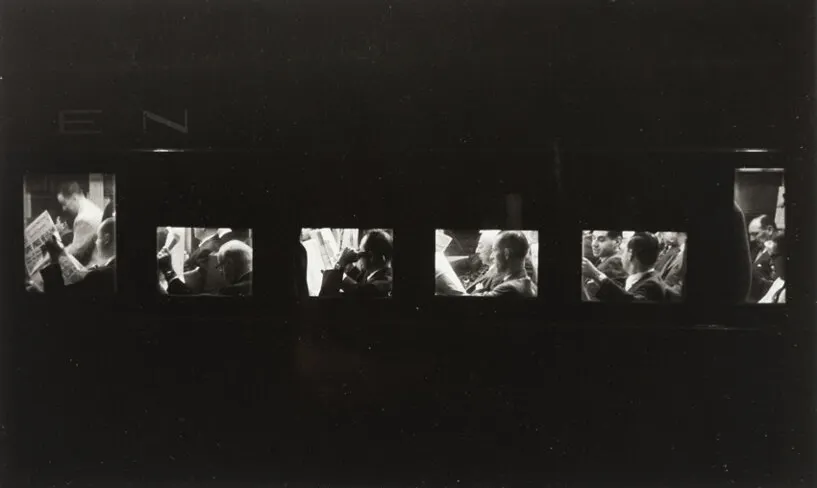
His Subway Series from 1946 featured candid portraits of New Yorkers in transit, shot with a Rolleiflex held in plain sight, while his 1958 Penn Station series captured the grand architecture and fleeting moments of travelers in the now-demolished landmark. He also spent significant time in factories and on the streets, purposefully documenting labor and the lives of those he felt were often ignored by the art world.
In his 90s, Stettner shifted to a large-format 8×10 Deardorff camera to photograph landscapes in Provence, remaining active until the very end of his life. While primarily known for his work in black-and-white film, he also produced significant color work in his later years. He passed away in Paris in 2016, leaving behind an archive of thousands of images. Today, his work is held in major collections worldwide, including the Art Institute of Chicago, the Victoria and Albert Museum, and the Metropolitan Museum of Art. He once noted that his photographs were acts of eloquent homage and deep remorse about New York, moved by its lyric beauty while remaining horrified by its cruelty and suffering.

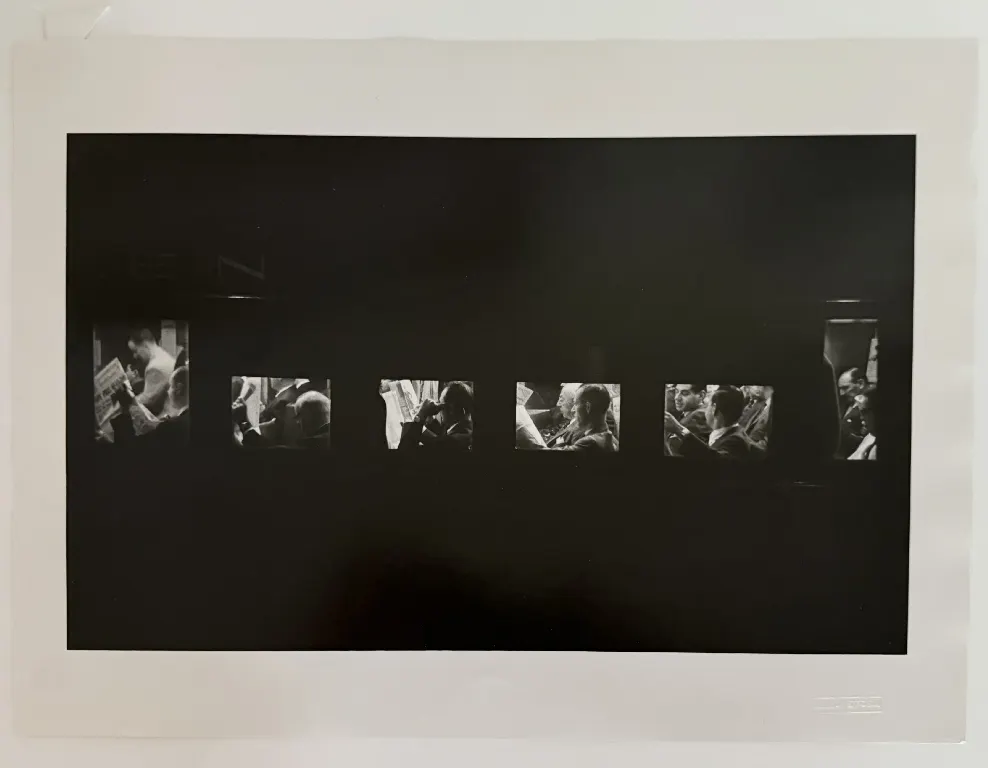

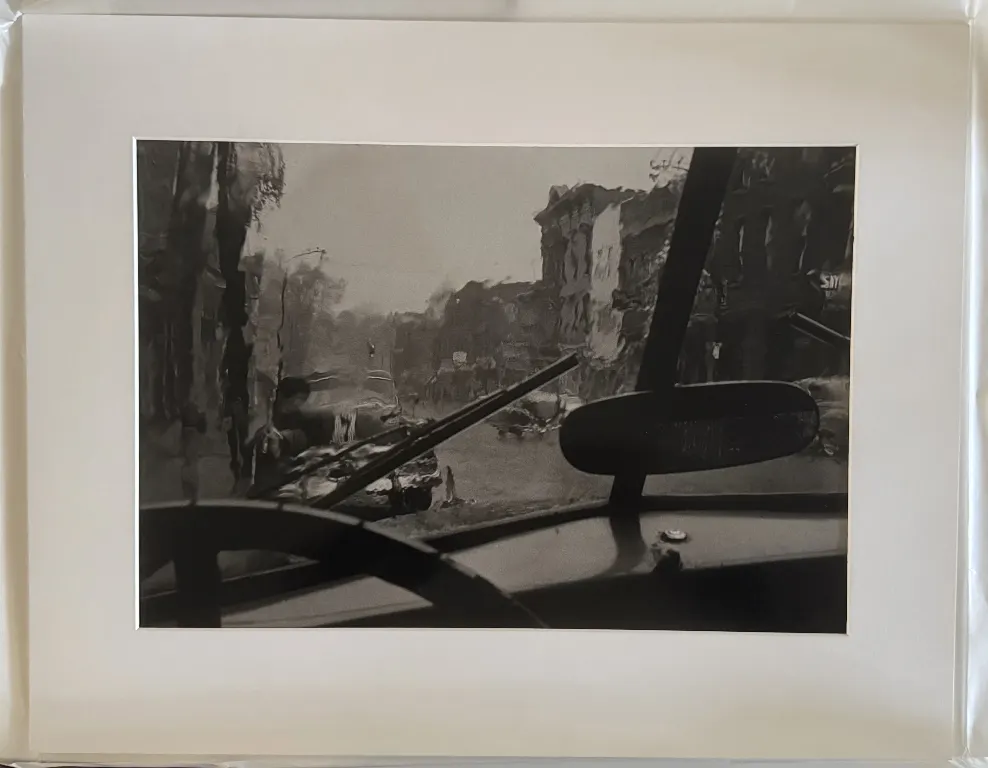
see book page for more details