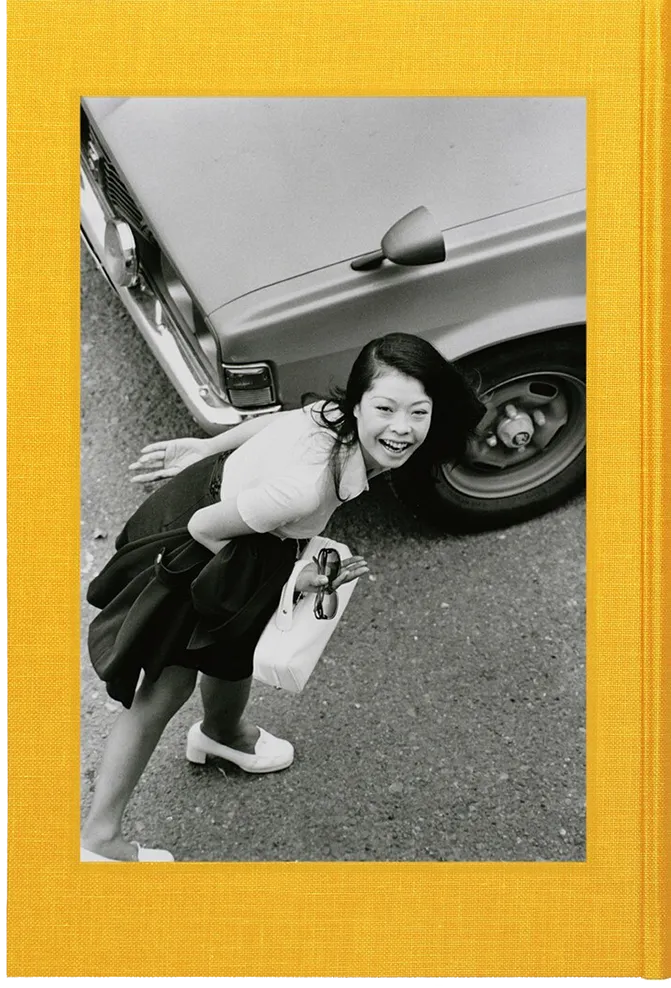
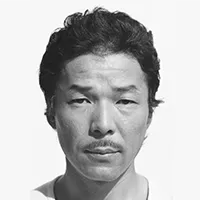
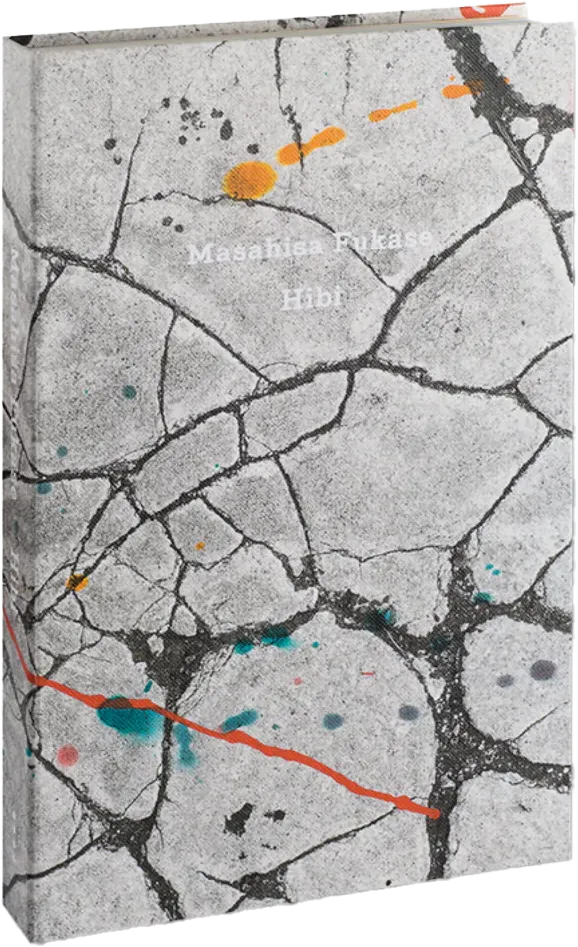
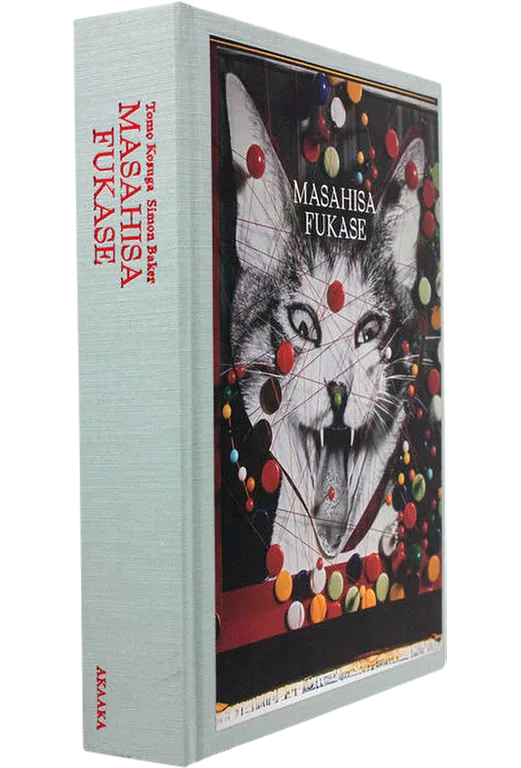
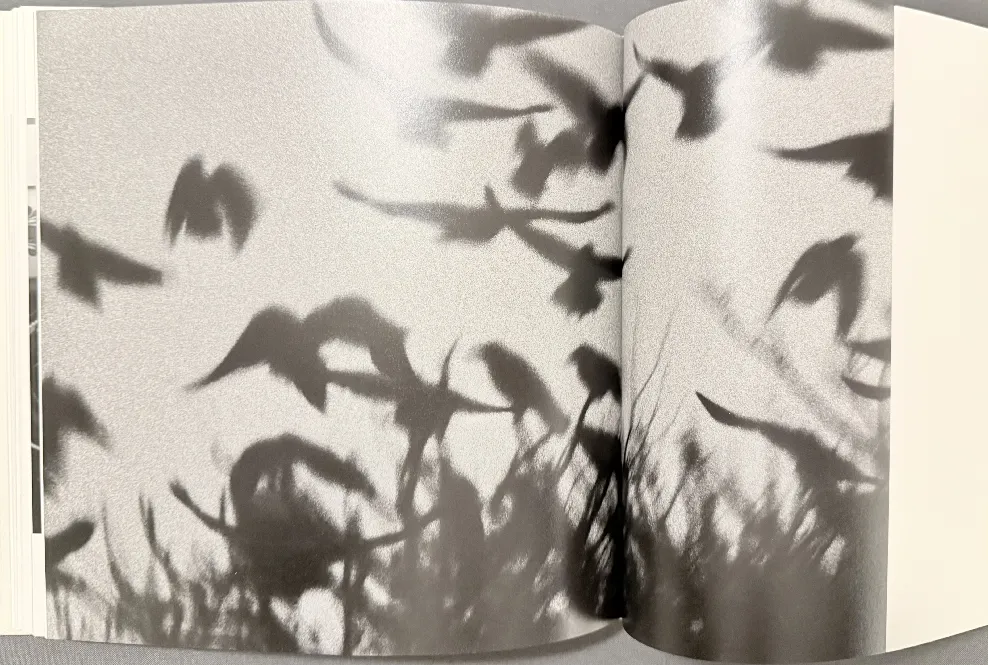
Originally published in 1978, Masahisa Fukase's Yoko remains as a defining series in his career. Nearly half a century later, this extraordinary photobook returned, brought to life with the full support of Yoko Miyoshi (formerly Fukase), Fukase's model and muse, and under the careful supervision of Tomo Kosuga, director of the Masahisa Fukase Archives. This reprint edition faithfully includes all photographs and texts from the original edition. In addition, it features newly incorporated elements: contemporaneous texts referenced at the time of the original publication, an essay by Masako Toda, and a heartfelt message from Yoko Miyoshi. Fukase and Yoko met in 1963 and were married in 1964. In the 1960s, they lived together as newlyweds at the Soka-Matsubara public housing complex, where Fukase began photographing Yoko. In the 1970s, he continued to cture her in various locations, including his hometown of Hokkaido, her birthplace of Kanazawa, as well as Izu, Kyoto, and other places. In the autumn of 1973, Fukase created a series titled Untitled (From the Window), capturing Yoko's elegant poses every morning as she left for work, taken from the fourth-floor window of their home using a telephoto lens. These photographs were published intermittently between 1964 and 1976 in the magazine Camera Mainichi. The couple divorced in 1976, and two years later, the photobook Yoko (published by Asahi Sonorama) was completed. The cover featured a photograph of Yoko in a kimono, gazing back through shattered glass radiating outward, a powerful and poignant image that captured the essence of their complex relationship. For this new reprint edition, the book's format has been expanded to amplify the presence of each photograph, and the cover has also been renewed. In addition, the pages featuring ravens--ominous yet poetic symbols that seemed to foretell the future of the couple--are now arranged with greater stillness and deliberation, inviting viewers to engage more deeply with every image.