

Which art books, prints and posters are available by and about this artist? Here is a sample of items of interest to a typical collector:


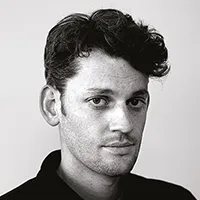
Max Pinckers, Belgian, b.1988
Lives and works in Brussels
MFA in photography at the School of Arts (formerly known as the Royal Academy of Fine Arts), Ghent.
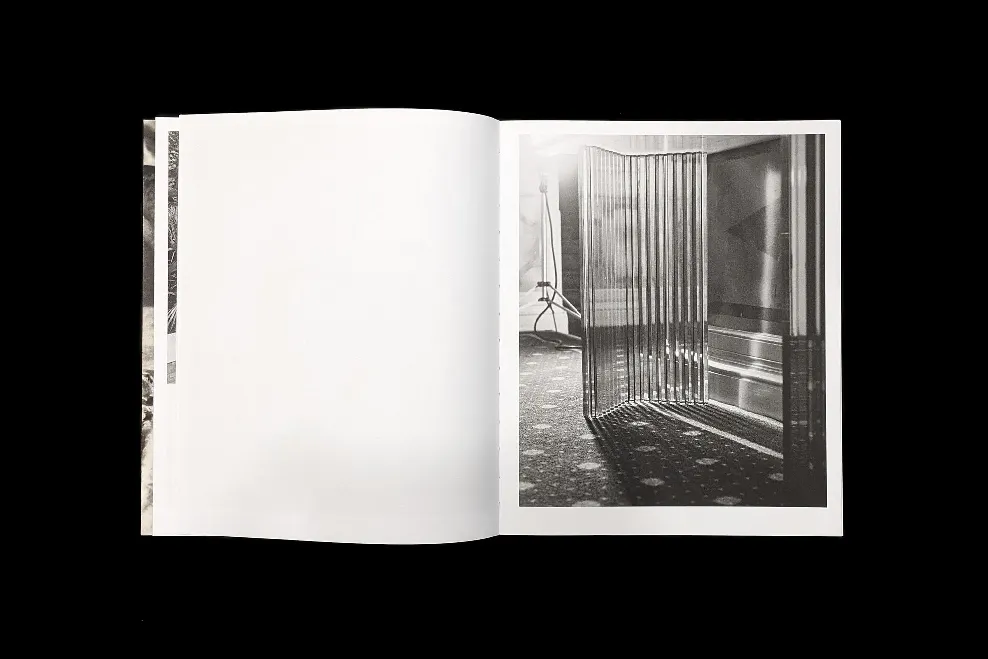
Due to the intricate lighting and compositions, Max Pinckers creates images with several layers of depth, or moments of depth, that present themselves as stepping stones for the eye of the beholder. Perspective is used to create a varying range of folded, harmonica-like spaces. As a result, the photographs seem to depict a space that is alive, like a forest, but also a space that functions as a theater set or the set of a photo studio. The effect of these compositions is double: they reinforce the impression of an artificially arranged space, but at the same time they enhance a feeling of poor housing and entrapment. They evoke the wondrous creative power of artists, but they also remind us of our own meager attempts to shape ourselves into presentable beings. We meet anonymous cyclists, lady boys and amateur bodybuilders, all trying to become somebody new or trying to look like somebody else. Already, Max Pinckersʼ oeuvre shows itself as a baroque mirror palace, always poetic, buzzing with secret meaning, never forgetting to be deeply human. And then we meet the photograph of the well: a strangely lit hole, a sculptural proposal, an official emptiness, a new frame for the image to be.

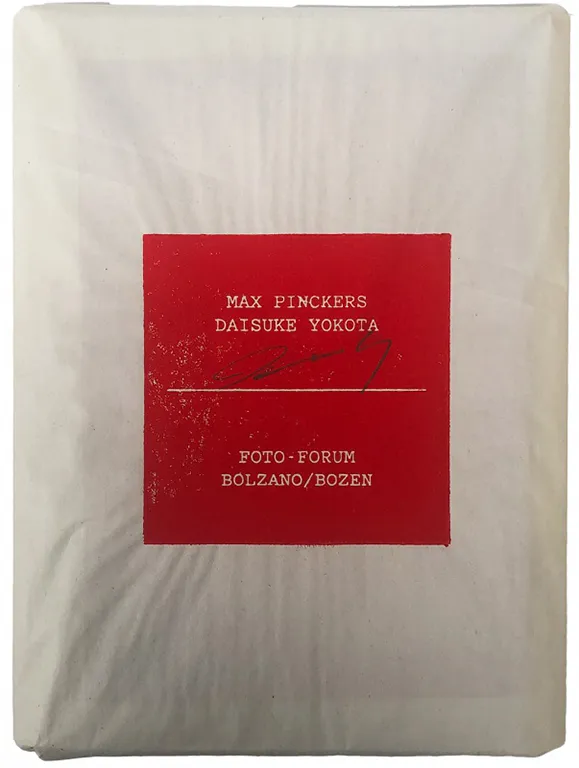
see book page for more details
Inspired by a heightened experience of time and space with a society in limbo during the pandemic, the scenes in 2020-MMXX depict moments of boredom, introspection and delicate human interaction. Multiple-angle photography is used as a tool to accentuate the sense of elongated time and deconstruct the illusion of space in pictures. Through subtle gestures, the images reveal that they are photographed at precisely the same instant by multiple analog cameras operated simultaneously. A single moment in time perceived from different perspectives calls into question the myth of the "decisive moment"and the credibility of a singular, authoritative way of seeing. These meta-images refer to their own processes of perception and relationship to their observers. Dancing around the fragility of a moment suspended in time, every point of view is unique, revealing something its counterpart cannot, reminding us that there is always something the photograph hides ' that there are other angles to every story and different stories to every angle.