


Which art books, prints and posters are available by and about this artist? Here is a sample of items of interest to a typical collector:



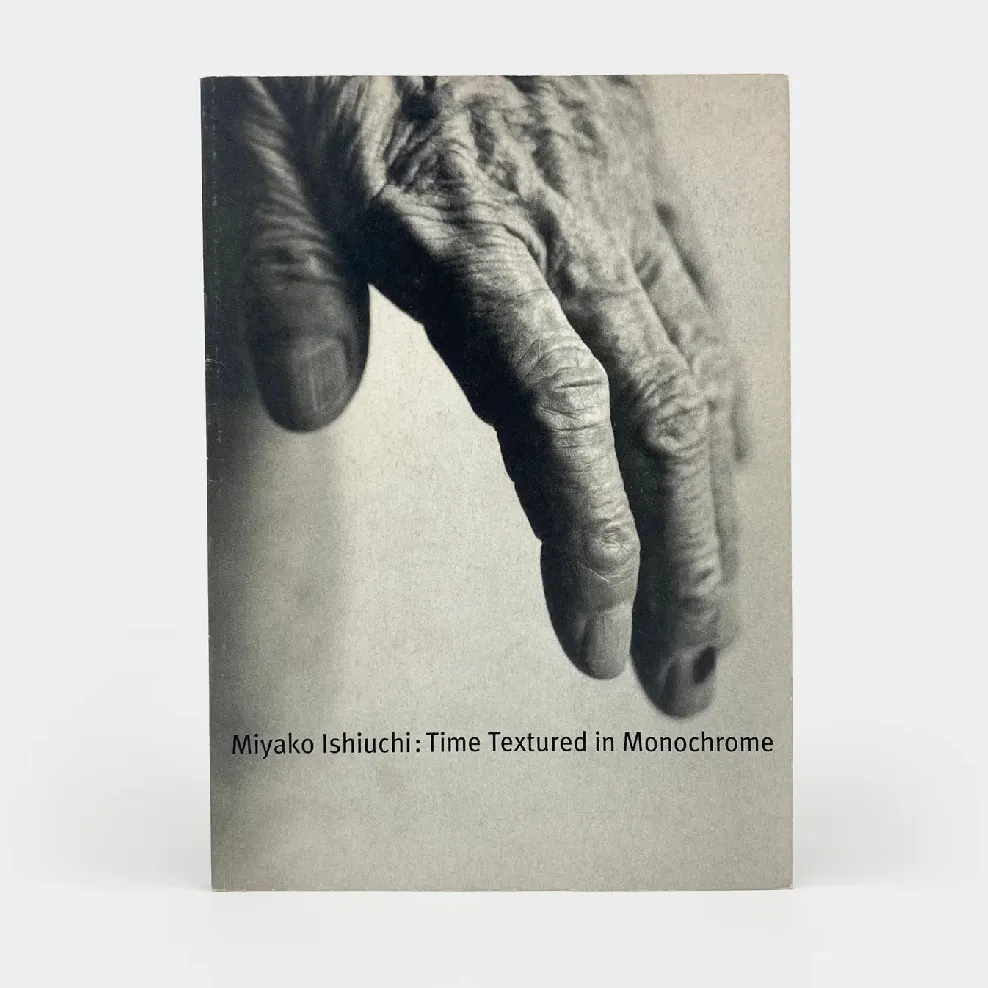
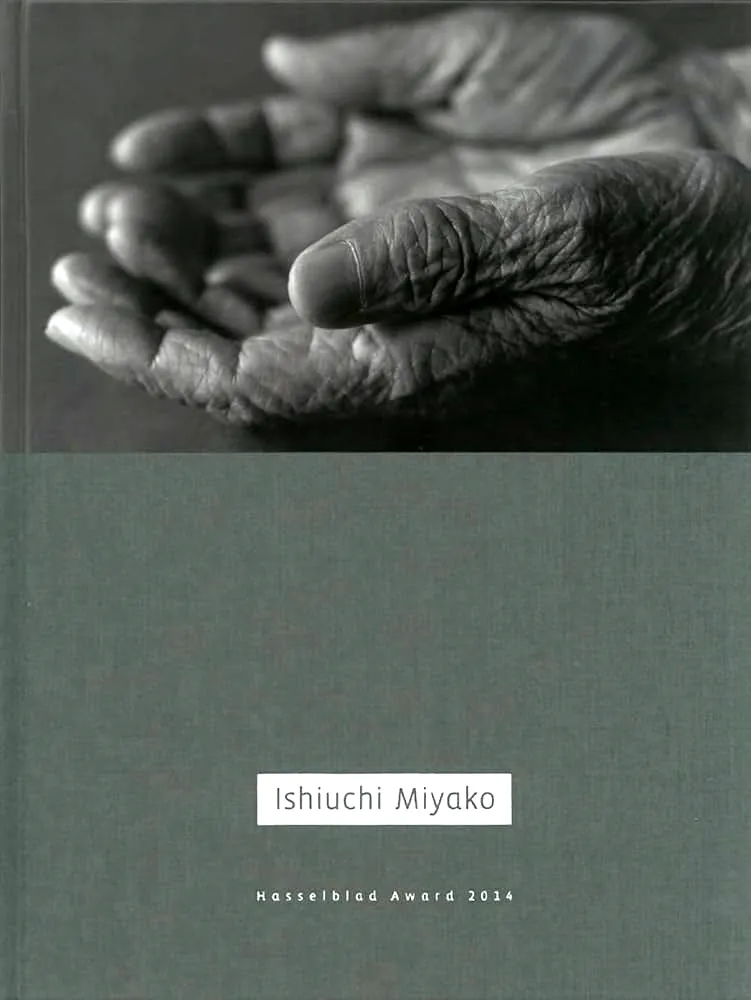
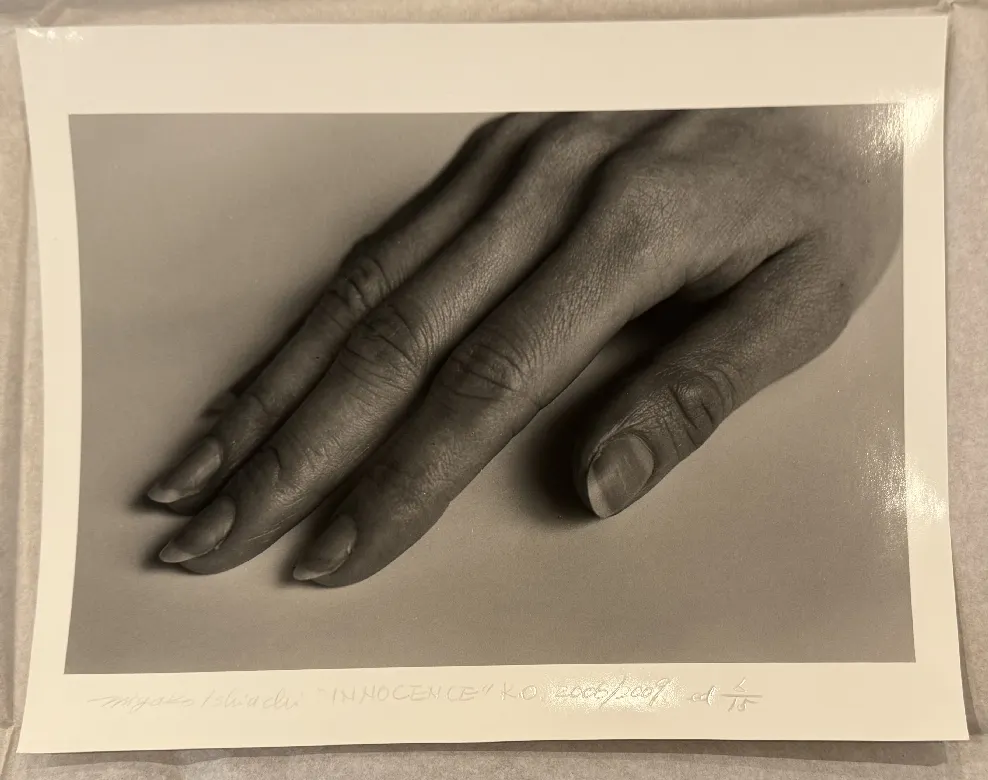
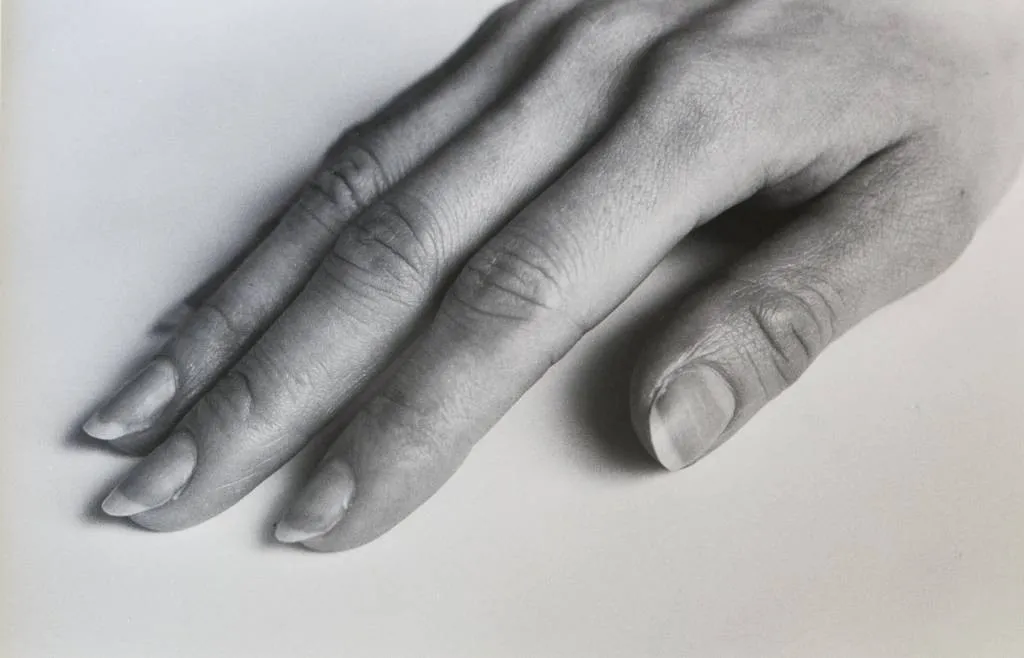
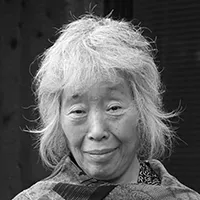
Miyako Ishiuchi, Japanese, b.1947
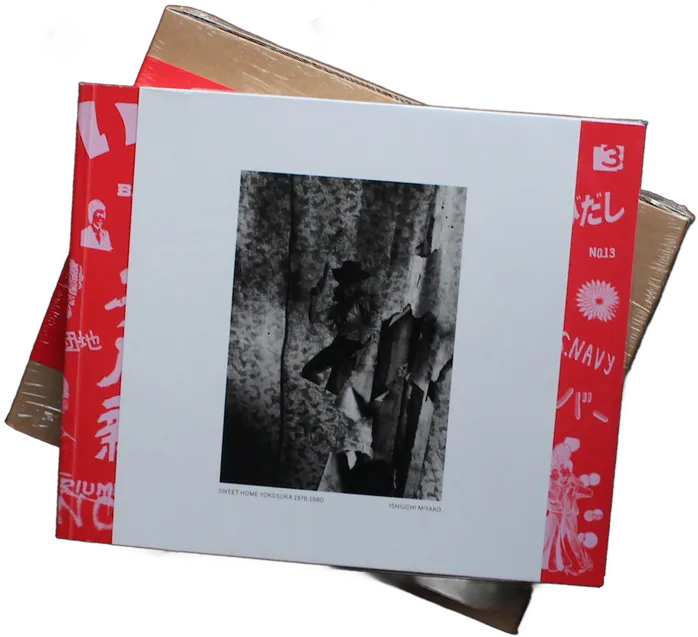
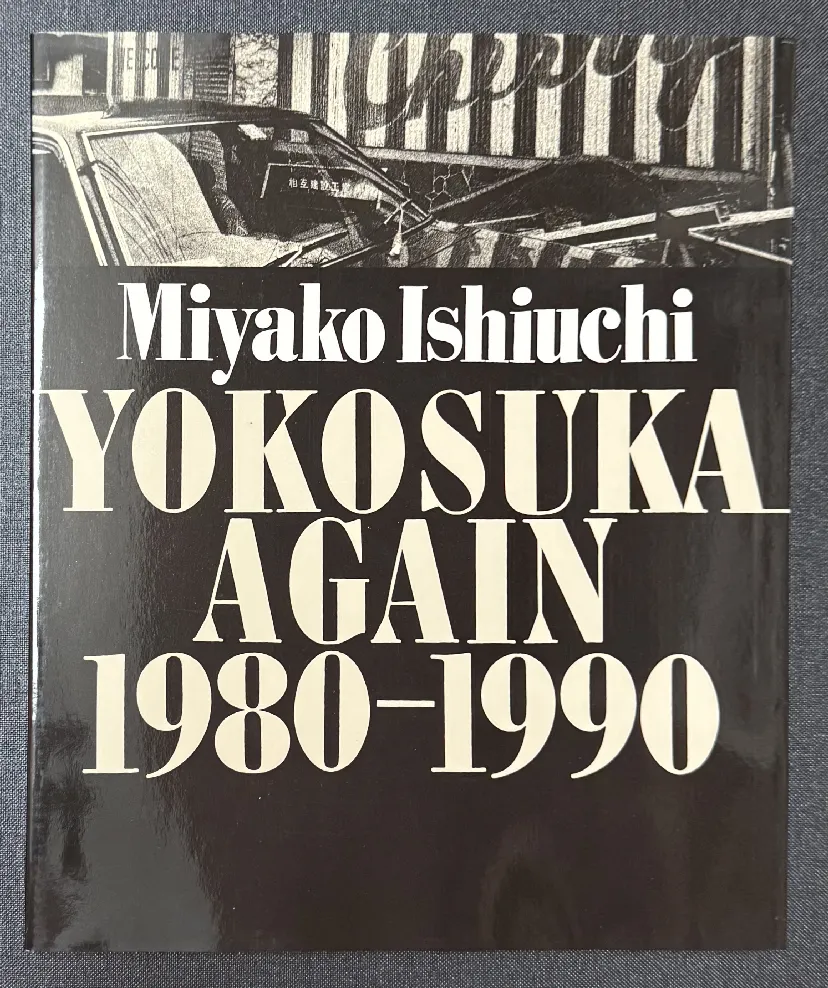
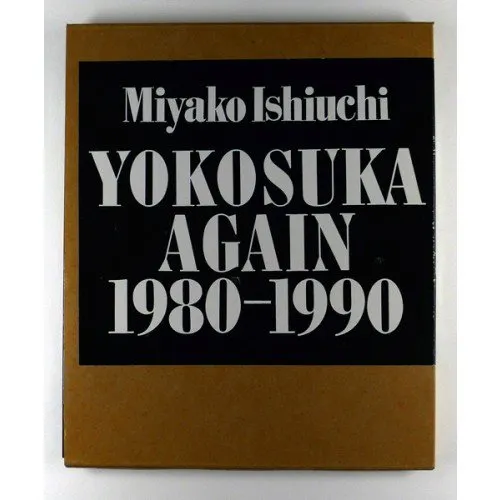
Ishiuchi is a pioneering Japanese photographer whose work explores the intersection of personal memory, political history, and the passage of time. She first gained critical attention in the late 1970s with her trilogy Yokosuka Story, Apartment, and Endless Night, which captured the gritty, post-war atmosphere of Japanese cities influenced by the American military presence. Her early style was defined by a grainy, high-contrast aesthetic that challenged the traditional "male gaze" prevalent in Japanese photography at the time.
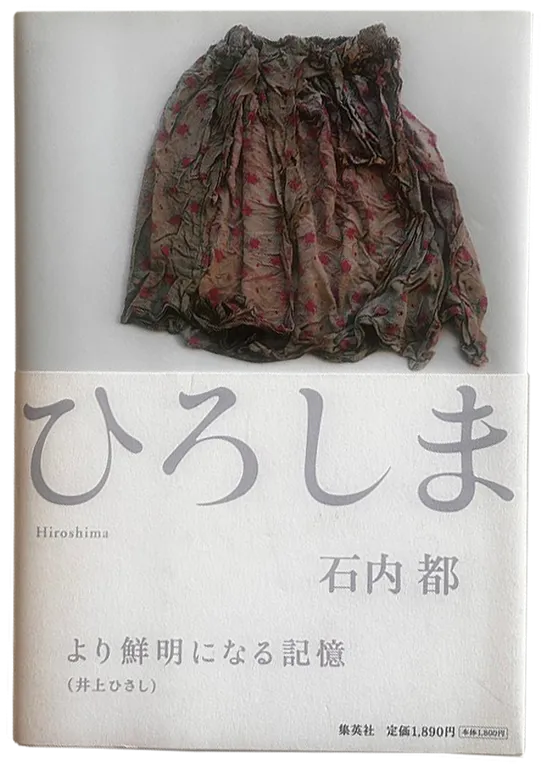
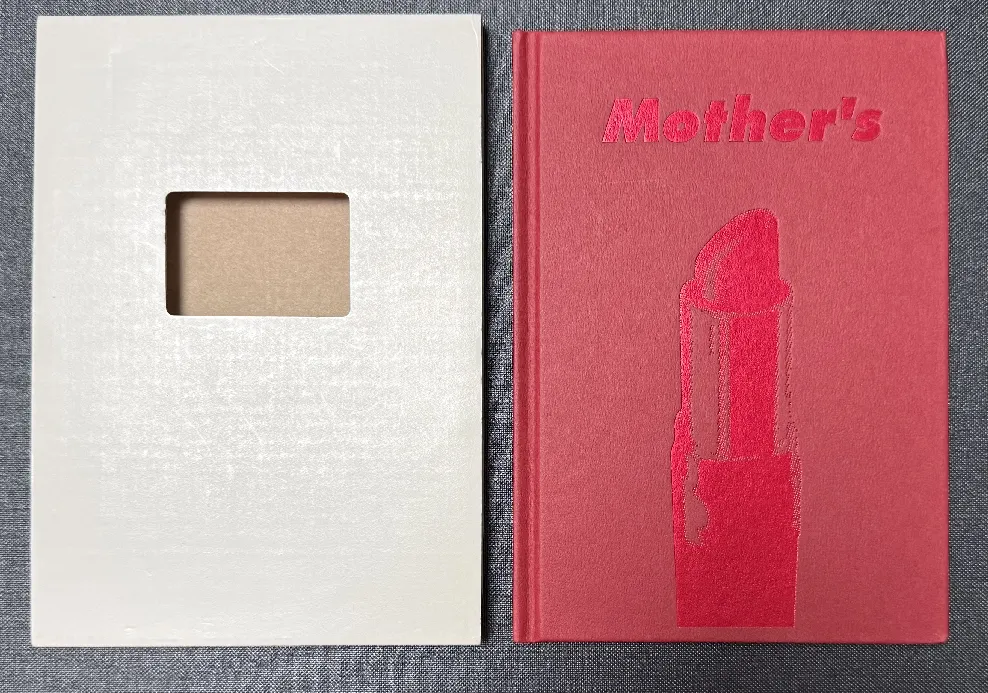
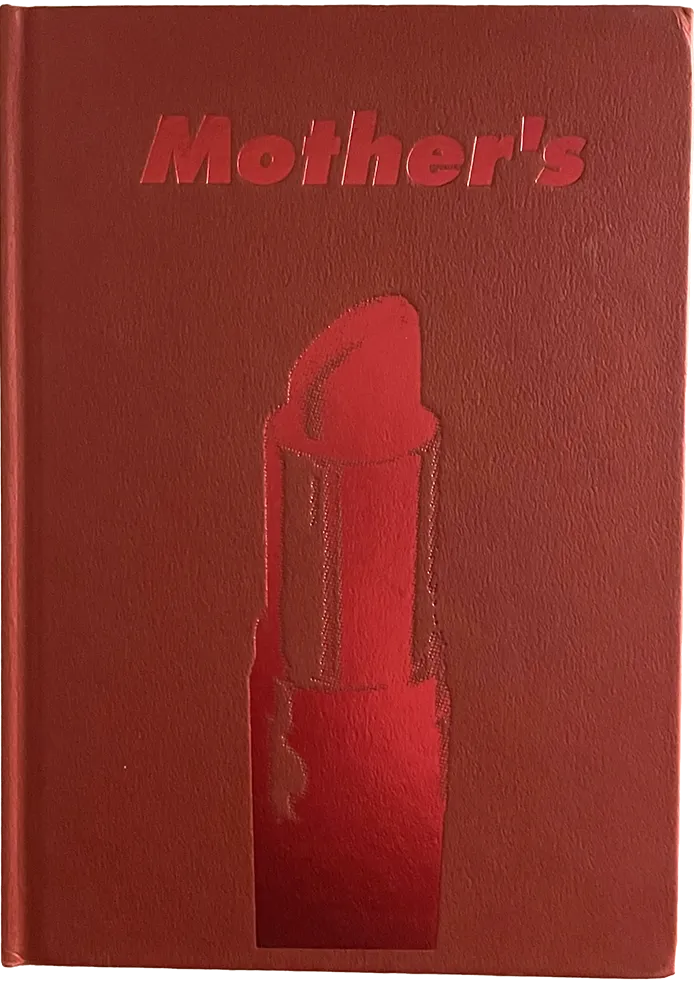
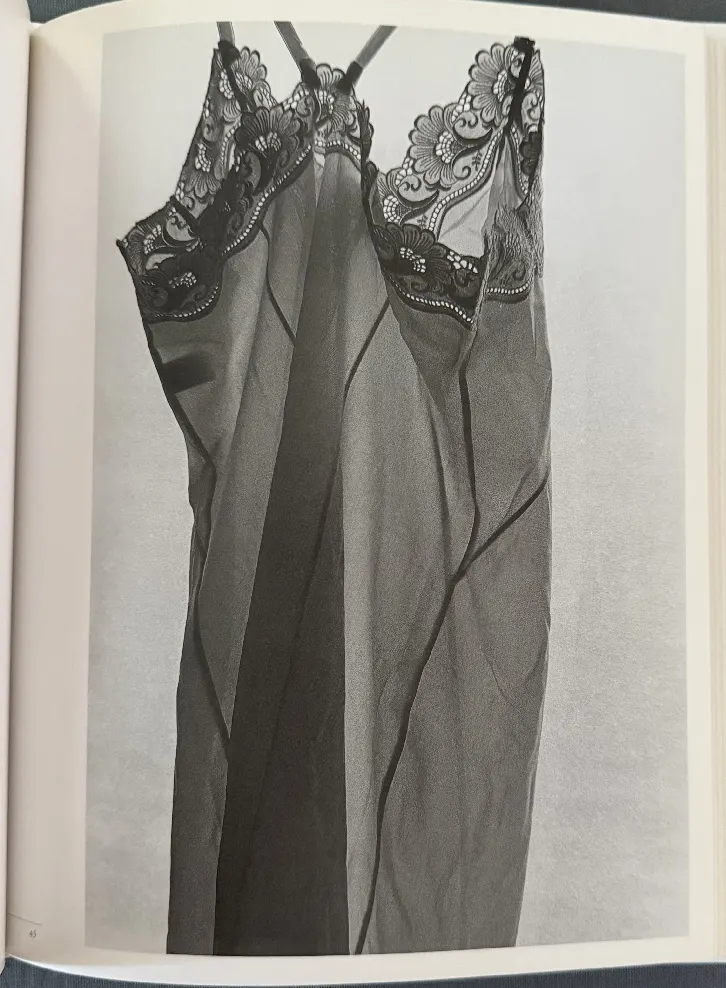
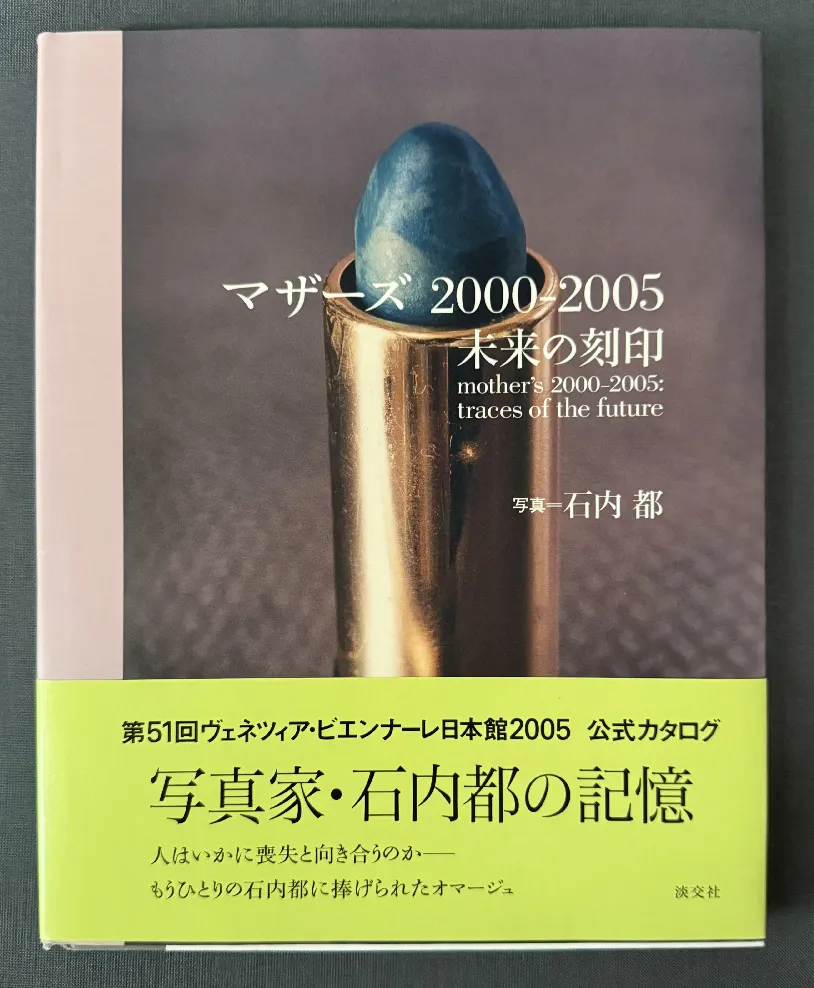
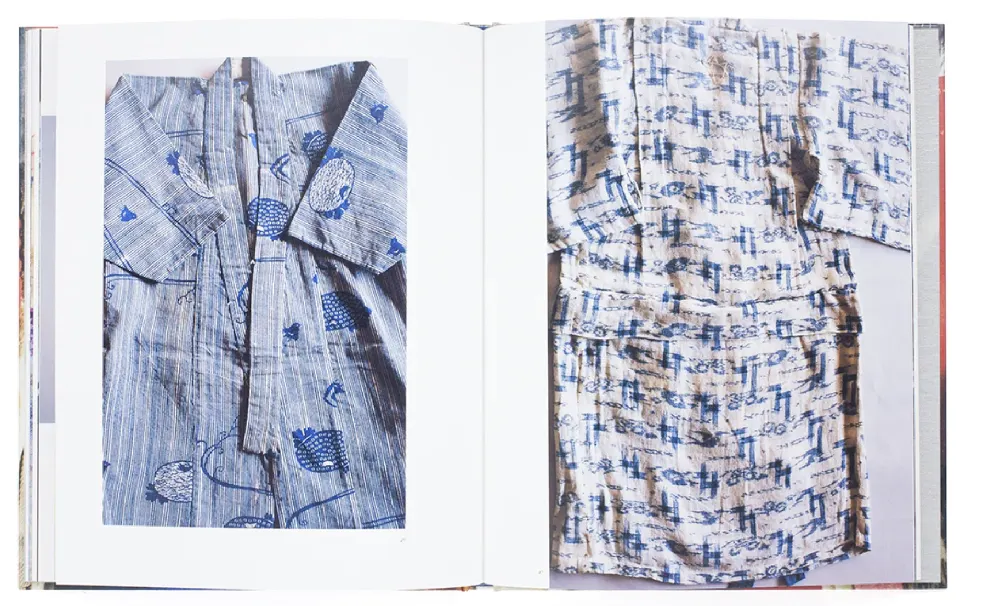
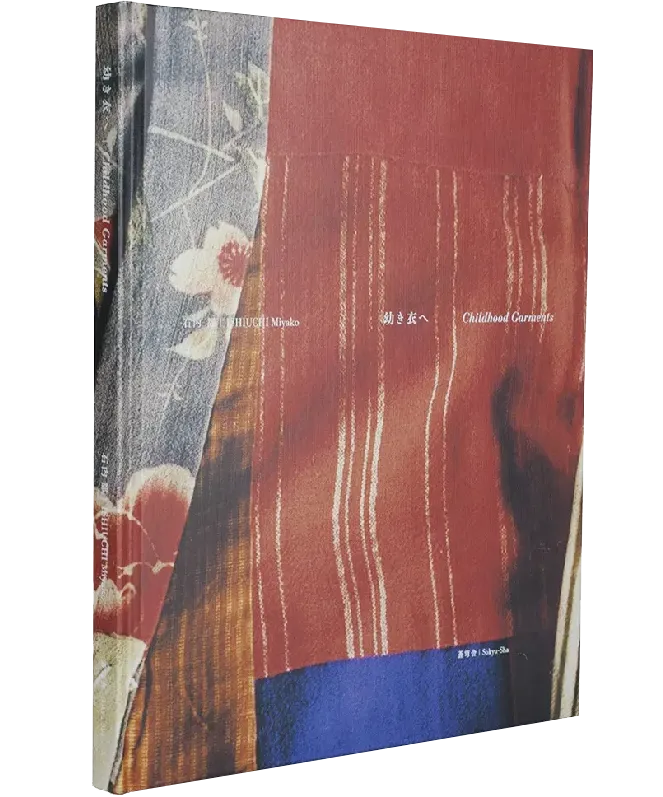
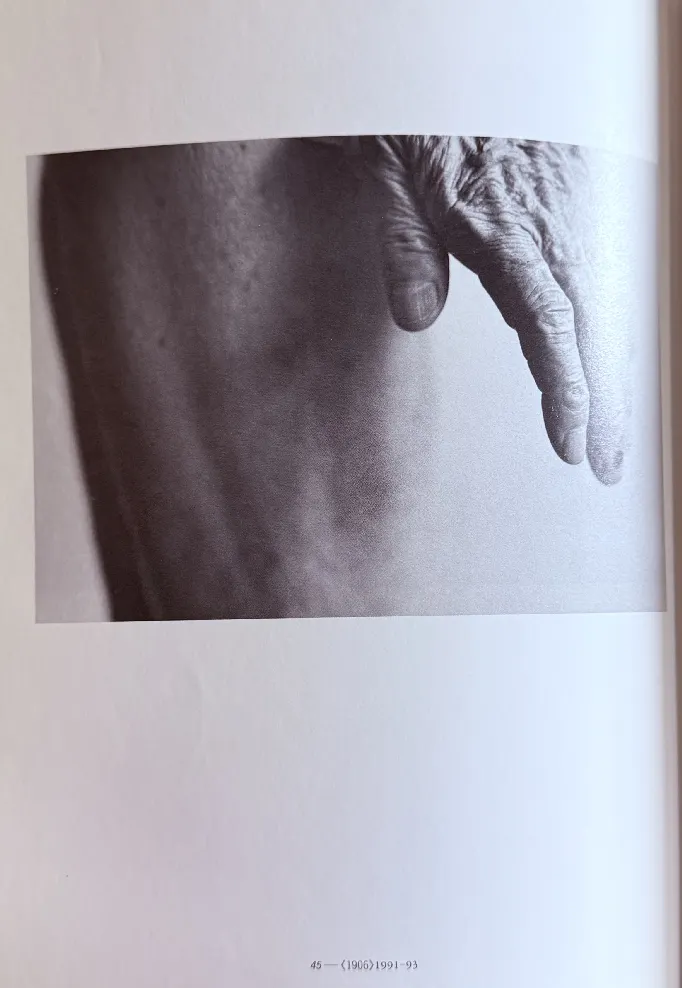
In the 1990s, Ishiuchi’s focus shifted toward more intimate, close-up studies of the human body and material objects. She became widely recognized for her series 1·9·4·7, which documented the hands and feet of women born in the same year as her, as well as her poignant Mother's series, which featured the personal belongings and physical traces of her late mother. This fascination with the "skin" of things, whether human skin or the fabric of a garment, continued in her acclaimed series Hiroshima, where she photographed the ethereal, tattered clothing of victims of the atomic bomb.
Ishiuchi has received numerous international honors, including representing Japan at the 2005 Venice Biennale and receiving the prestigious Hasselblad Foundation International Award in 2014. Her work remains a profound meditation on how history leaves its mark on both the physical world and the human spirit, often finding beauty in the scars and weathered textures of survival.

