


Which art books, prints and posters are available by and about this artist? Here is a sample of items of interest to a typical collector:



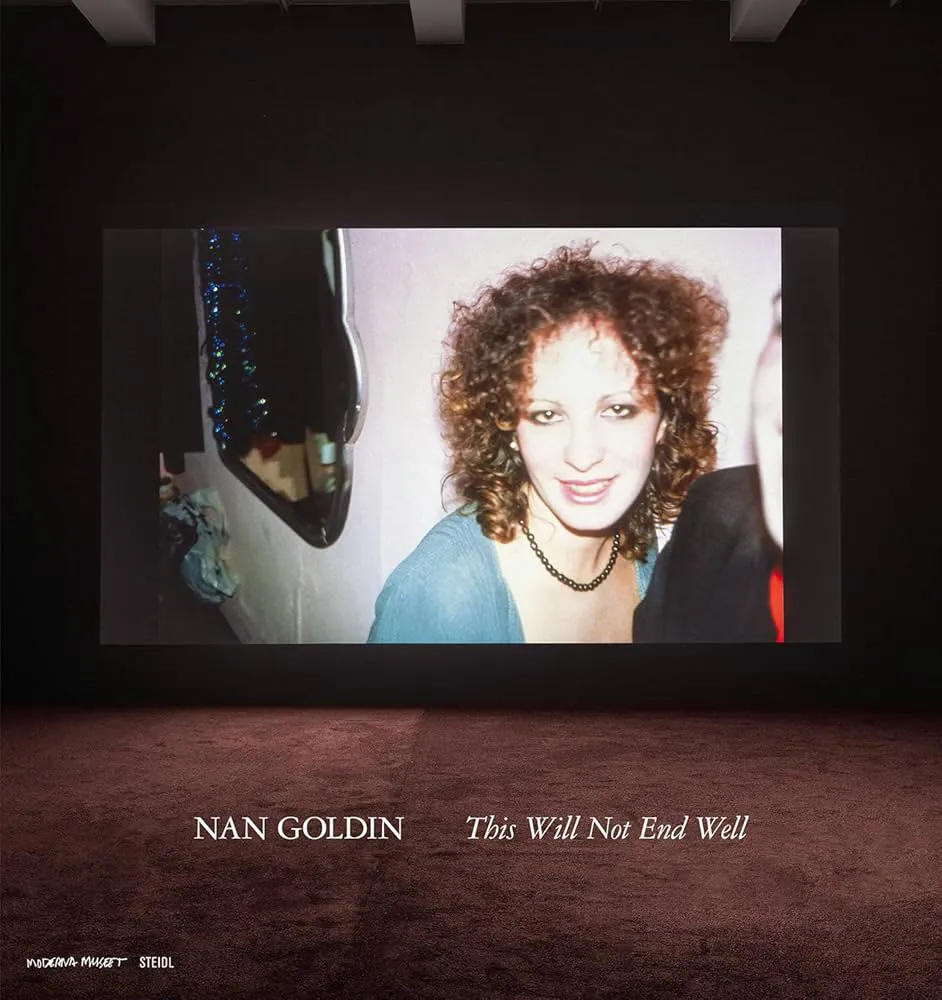
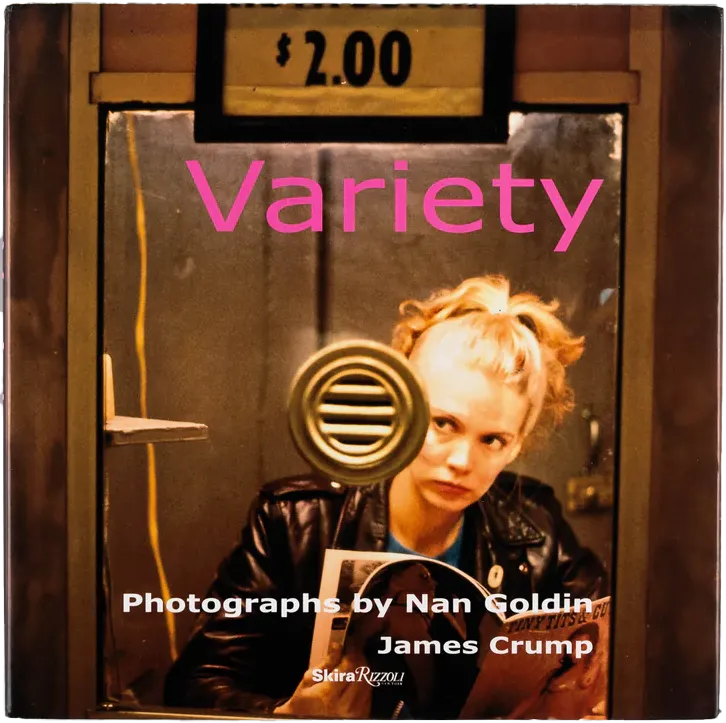
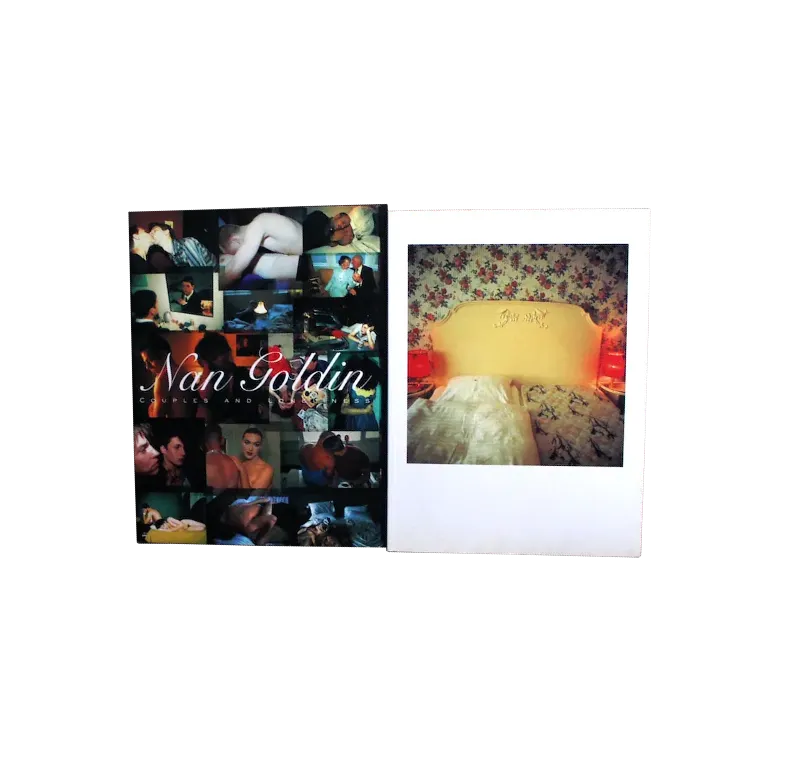
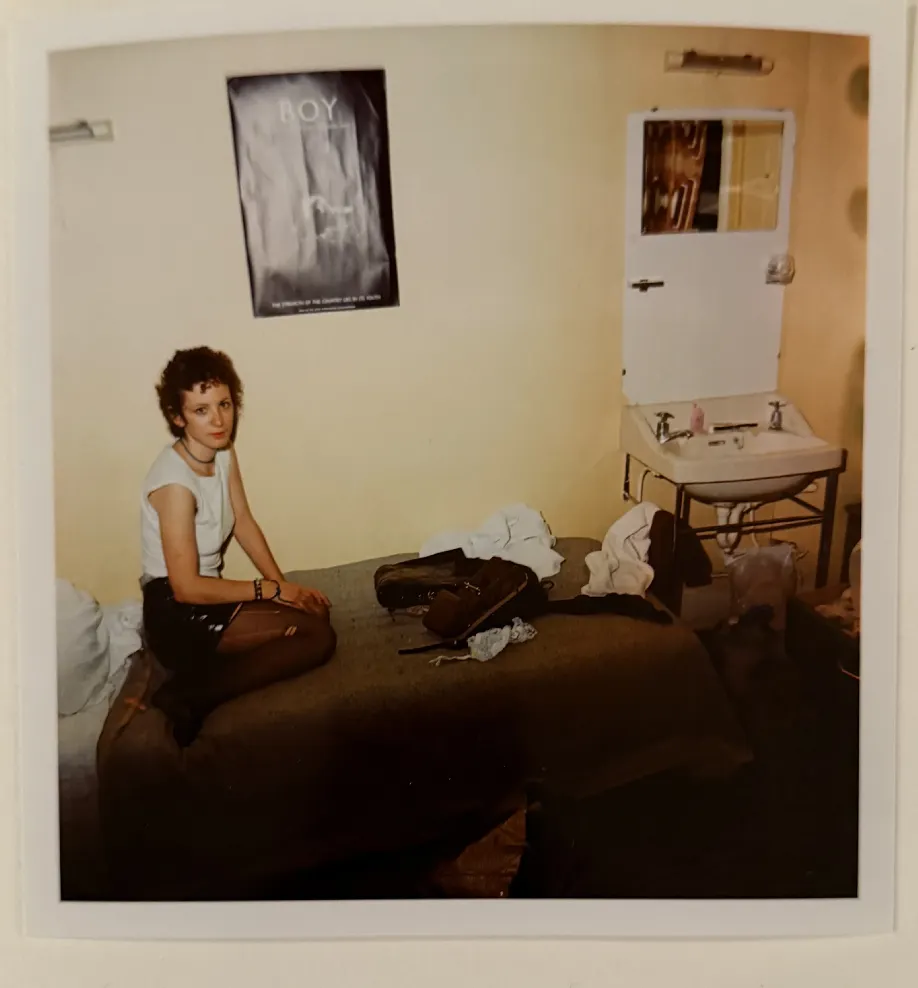
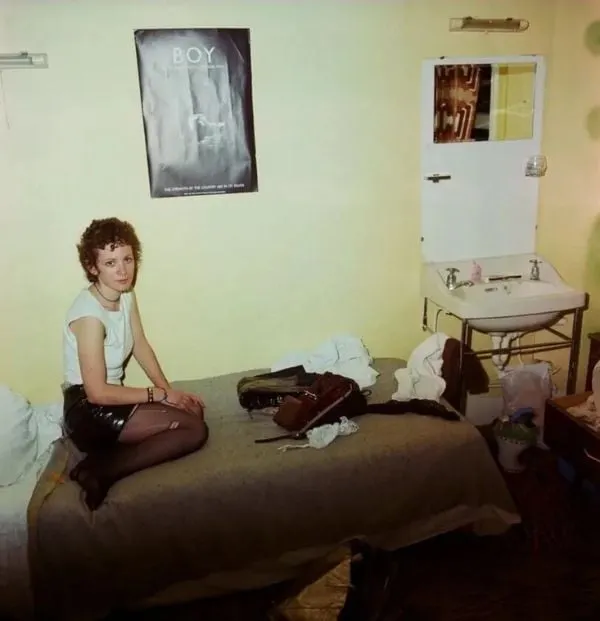


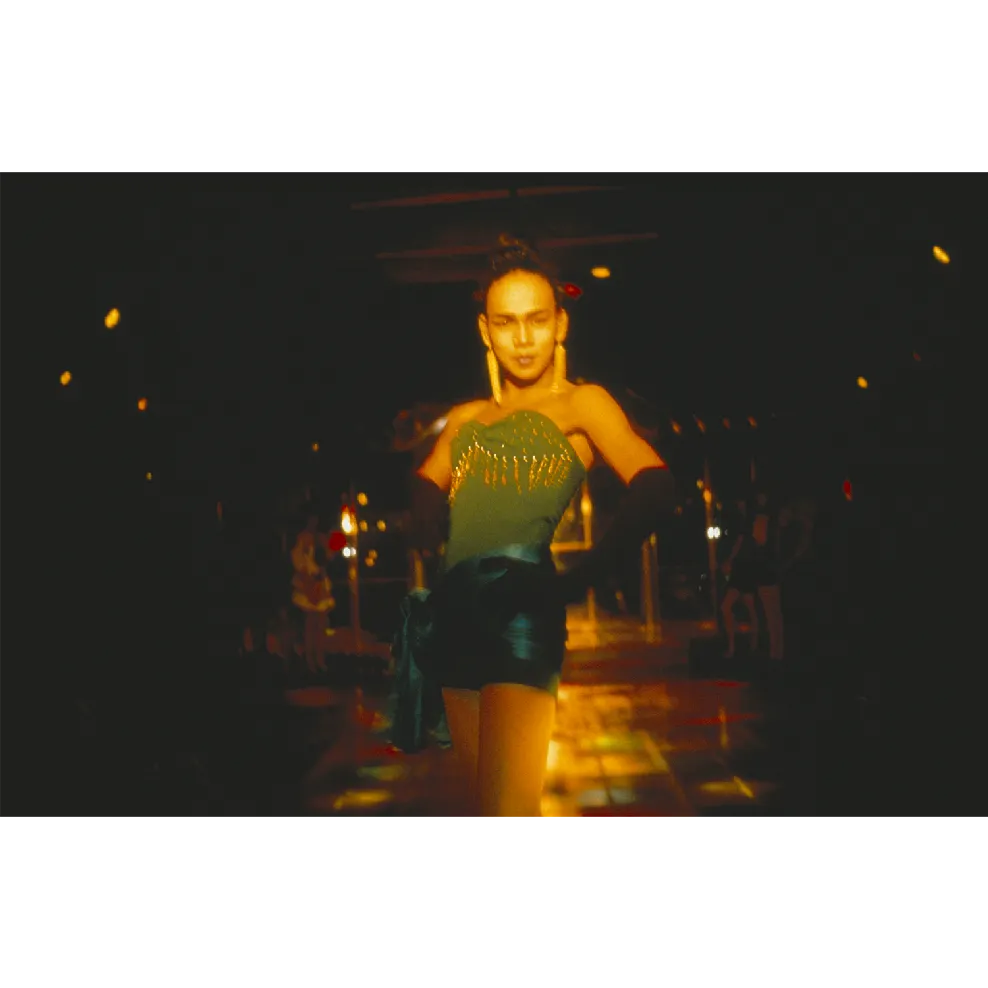
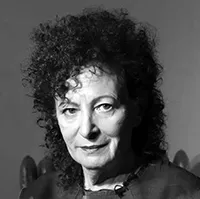
Nan Goldin, American, born September 12, 1953.
Goldin is a transformative figure in contemporary photography, renowned for her raw, autobiographical approach to documenting life, love, and survival. Born in Washington, D.C., and raised in a middle-class Maryland suburb, Goldin's trajectory was deeply altered by the suicide of her older sister when Goldin was only eleven—a tragedy she often cites as the catalyst for her lifelong obsession with memory and her refusal to allow people to be erased. After leaving home at fourteen, she settled in Boston and attended the progressive Satya Community School, where she first began using a camera as a visual diary to record her "chosen family" of drag queens and fellow outcasts. This early work laid the foundation for the "Boston School" of photography, which emphasized emotional intimacy and a snapshot aesthetic over technical perfection.
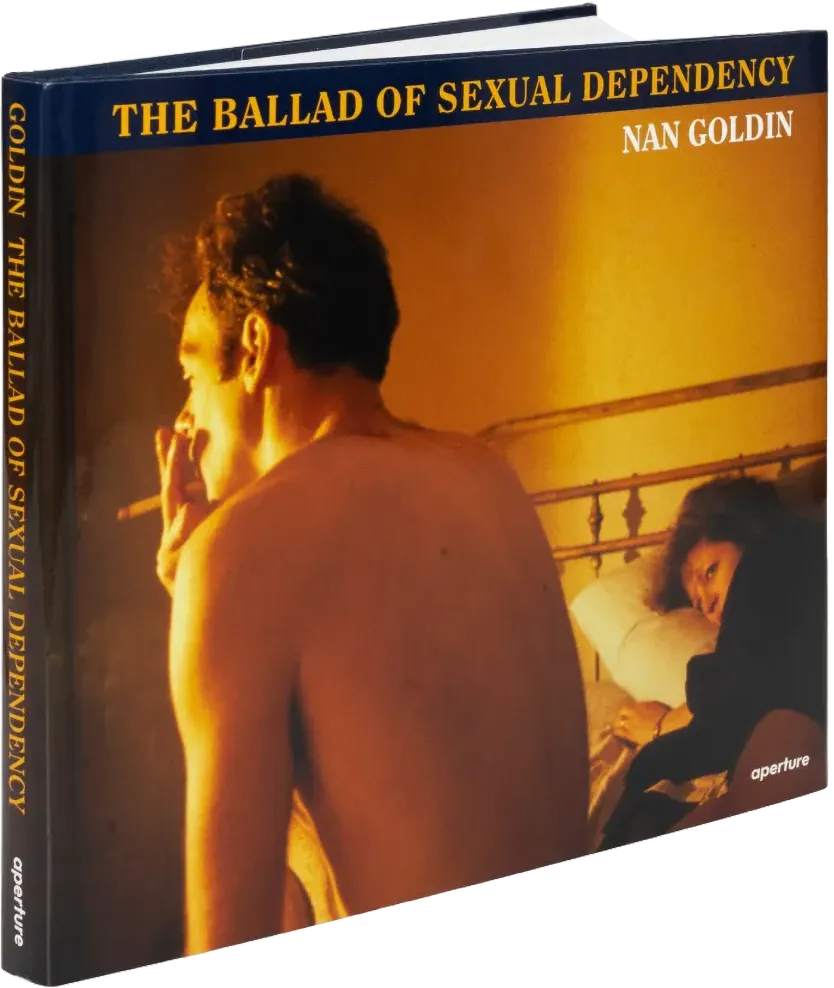
Her most definitive work, The Ballad of Sexual Dependency, emerged after she moved to New York City in the late 1970s. Initially presented as a shifting slideshow in downtown nightclubs and punk venues like the Mudd Club, it evolved into a cinematic chronicle of the bohemian "No Wave" scene, capturing drug use, domestic violence, and intense personal connections with startling vulnerability. As the 1980s progressed, her lens turned toward the devastating HIV/AIDS epidemic, documenting the loss of her closest friends in series like The family of Nan.
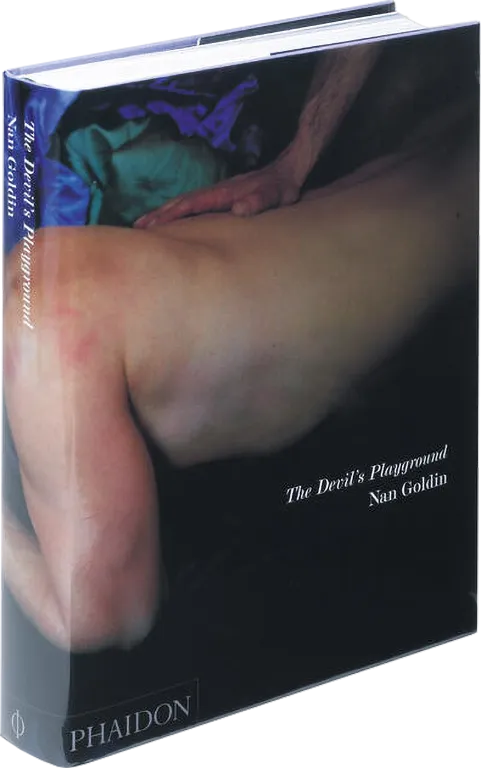
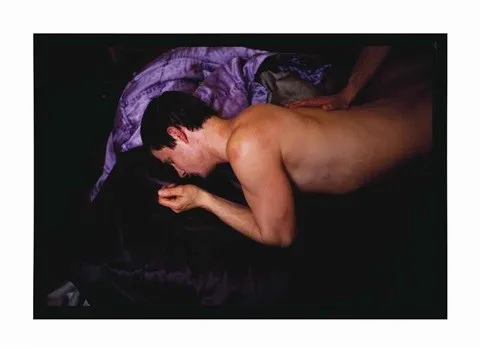
The Devil's Playground published in 2003 is widely regarded as one of the most comprehensive and significant books published on her work to date, bringing together classic images from The Ballad of Sexual Dependency alongside her newest work made in Paris, such as the iconic photograph Jen's Hand on Clemens' Back, Paris, 2001.
During her time living and working in Paris, Goldin’s work underwent a stylistic shift, moving toward a softer, more painterly exploration of light and atmosphere. While her New York work was defined by the harsh flash and gritty interiors of the punk scene, her Parisian series, such as those featured in D’après l’Amour (1998–2001) and L’Hôtel de l’Industrie, began to capture the quiet, melancholic beauty of the city’s domestic spaces and its iconic architecture. During this period, she became deeply enamored with the Louvre, frequently visiting after hours to photograph classical sculptures and Renaissance paintings, which she then juxtaposed with her own portraits to find timeless parallels in human form and emotion. This work eventually culminated in the 2011 exhibition Scopophilia, a commission by the Louvre Museum that paired her intimate "snapshots" with images of the museum's masterpieces, exploring the intersection of desire, memory, and the gaze across centuries.
In recent years, Goldin has pivoted from documenting the marginalized to confronting the powerful. After surviving a harrowing addiction to OxyContin, she founded the advocacy group P.A.I.N. (Prescription Addiction Intervention Now) in 2017. Her mission was to hold the Sackler family, owners of Purdue Pharma, accountable for their role in the opioid crisis. Through high-profile "die-in" protests at major museums that accepted Sackler funding—including the Guggenheim and the Louvre—she successfully pressured these institutions to remove the Sackler name from their galleries. Her life and dual legacy of art and activism were the subjects of the 2022 documentary All the Beauty and the Bloodshed.

