
Nobuyoshi Araki

Nobuyoshi Araki
To artist biography

Nobuyoshi Araki

Which art books, prints and posters are available by and about this artist? Here is a sample of items of interest to a typical collector:

2014

Eyesencia

Out of Print
Signed
Edition:
1st SIGNED and numbered 283/300 on last card
Prior edition(s):
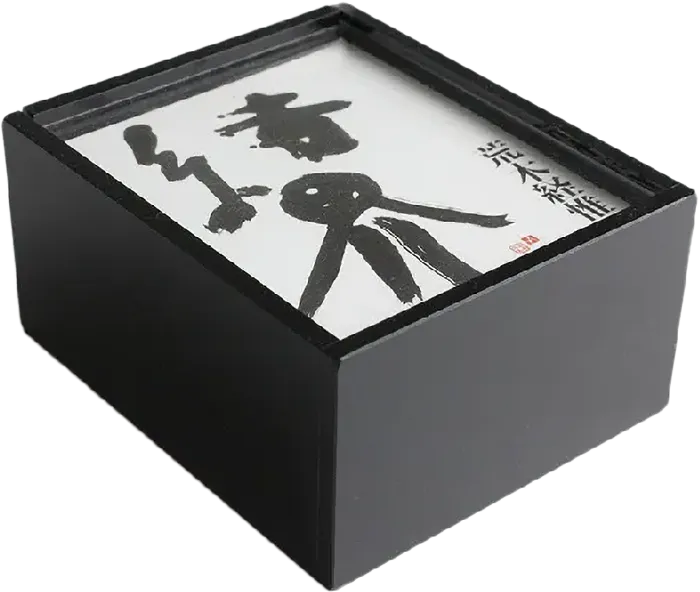
128 images/cards in a small, palm-sized black acrylic box.
Condition: Near Fine

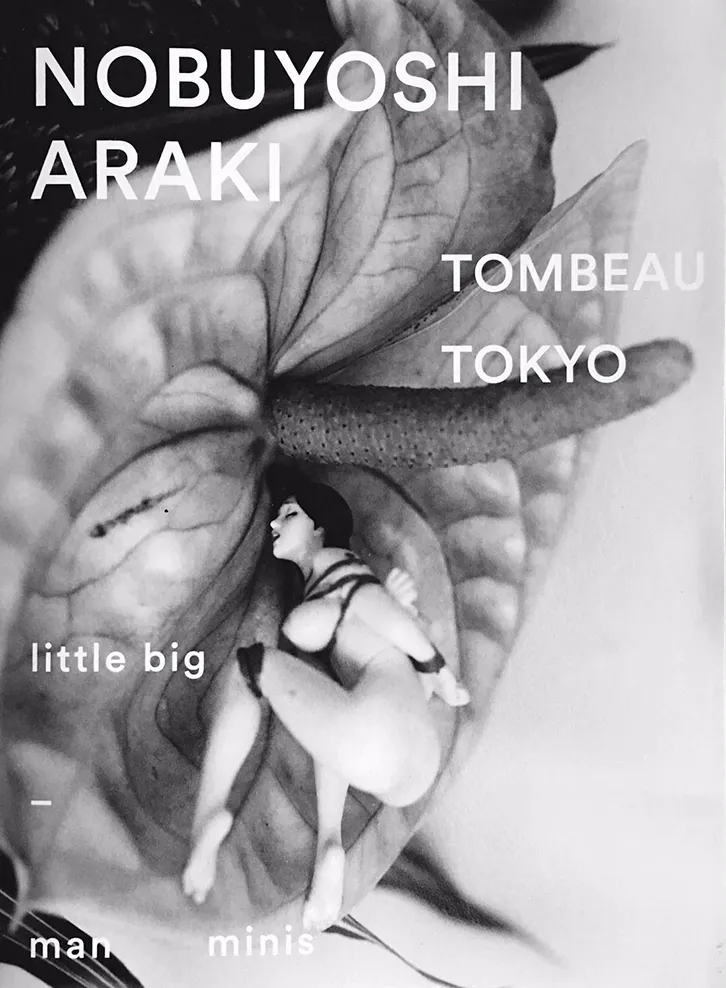
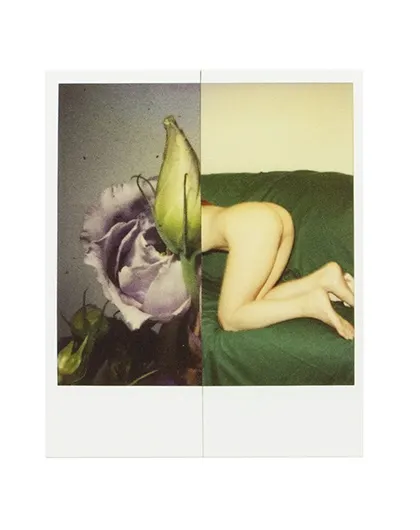
Araki's Kekkai was designed around the manifestation of Araki's ongoing series surrounding his photographs of flora and of his bound, nude models.

Formatted to reflect their original physical forms of polaroid snapshots, the printed cards lay delicately within the acrylic black shaped box complete with a sliding clear cut lid. The images within are a result of Araki's polaroid snapshots taken both with the film used during the polaroid era together with shots taken using the Impossible film. Cut,spliced together, and recreated into altogether new imagery, the resulting collaged works are highly emotive and delicate. The floral motifs placed alongside the female nudes collectively work as visual signifiers to those whom are more familiar with Araki's works and as direct references to his early published works; Sentimental Journey and Winter Journey. Blurring the boundaries between life and art, the resulting imagery are (true to his style) graphically candid. Coupled with the design of the published works, Kekkai, brings forth both the erotic and earthly sentiments which are bound to aspects of the carnal. The design of the object itself, placed togetherwith the paired up binaries of his photographic works, Kekkai, stimulates childhood memories, physically referencing the traditional Japanese game of Karuta. Already matched and paired up by Araki, the photographed cards act as a visual game,played out,simultaneouslyengaging each viewerwith Araki's visual presentation of his humor at play.

Only some sets in this edition were signed. Most were unsigned.

Case Publishing

2017
with:
Edition:
1st in postcard-size format (2011)
Edition size:
Out of Print
Other edition(s):
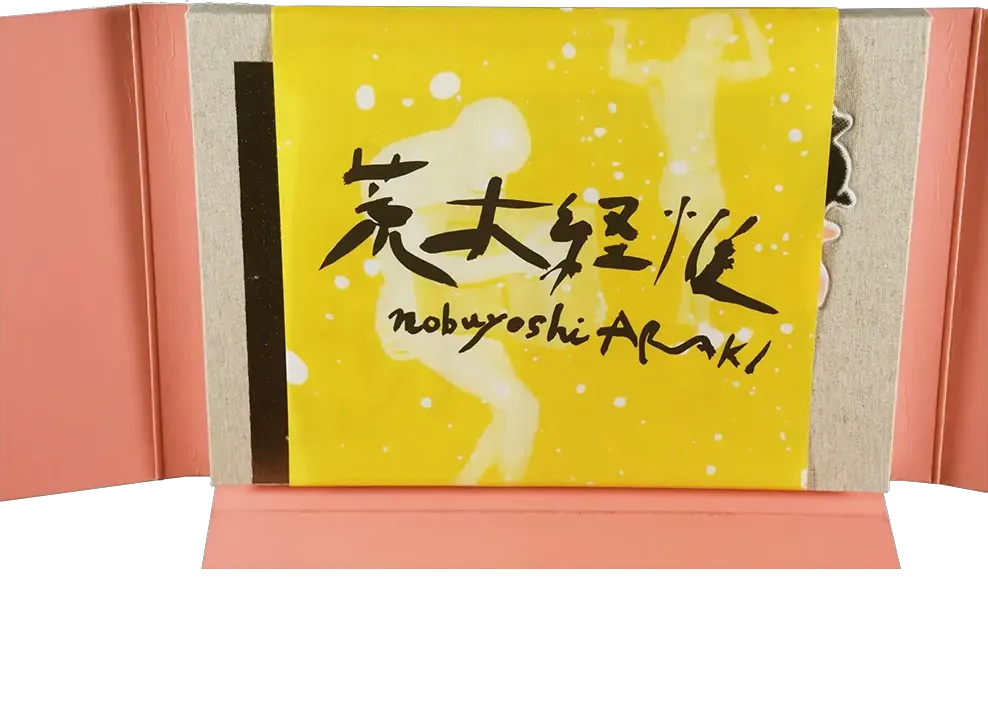
Postcard-sized book in a Fuji photographic paper box replica
ISBN:
9784908526121
Condition: Fine
2017

Case Publishing

Out of Print
Signed
Edition:
1st in postcard-size format (2011)
Prior edition(s):
Postcard-sized book in a Fuji photographic paper box replica
Condition: Fine

Kawade Shobo Shin-sha

2016
with:
Edition:
2nd (1971)
Edition size:
Out of Print
Other edition(s):
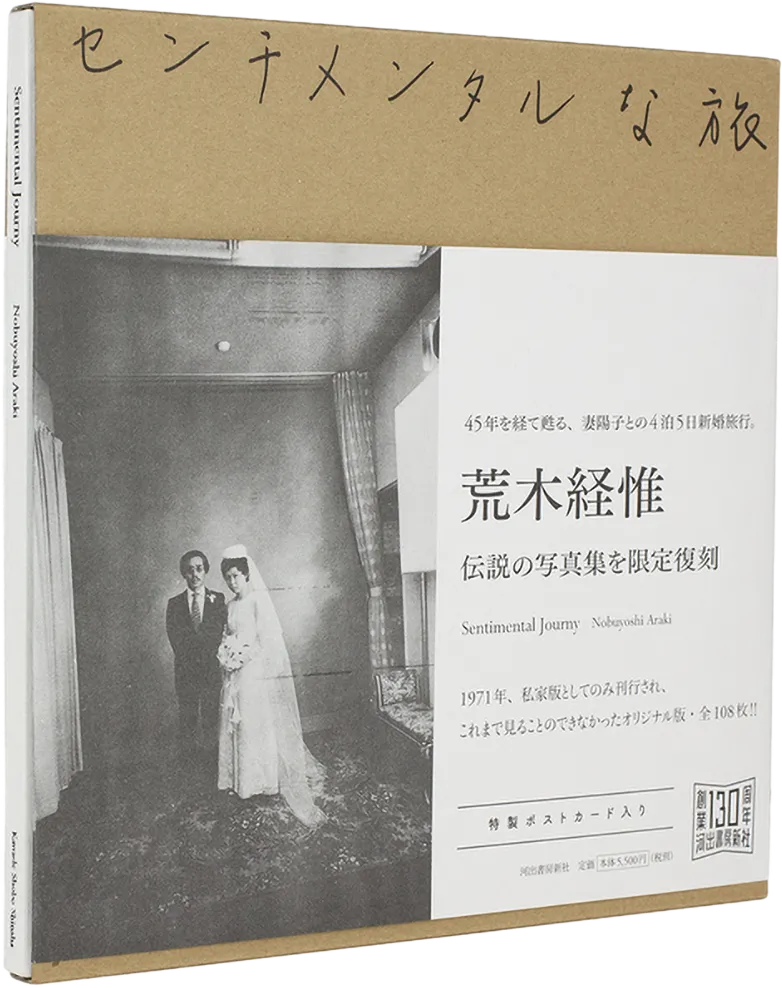
Hardcover with slipcase, with obi and postcard.
ISBN:
9784309277004
Condition: Near Fine
2016

Kawade Shobo Shin-sha

Out of Print
Signed
Edition:
2nd (1971)
Prior edition(s):
Hardcover with slipcase, with obi and postcard.
Condition: Near Fine
Book images

The Asahi Shimbun

1978
with:
Edition:
1st
Edition size:
Out of Print
Other edition(s):
Hardcover with DJ
ISBN:
03720210070049
Condition: Near Fine

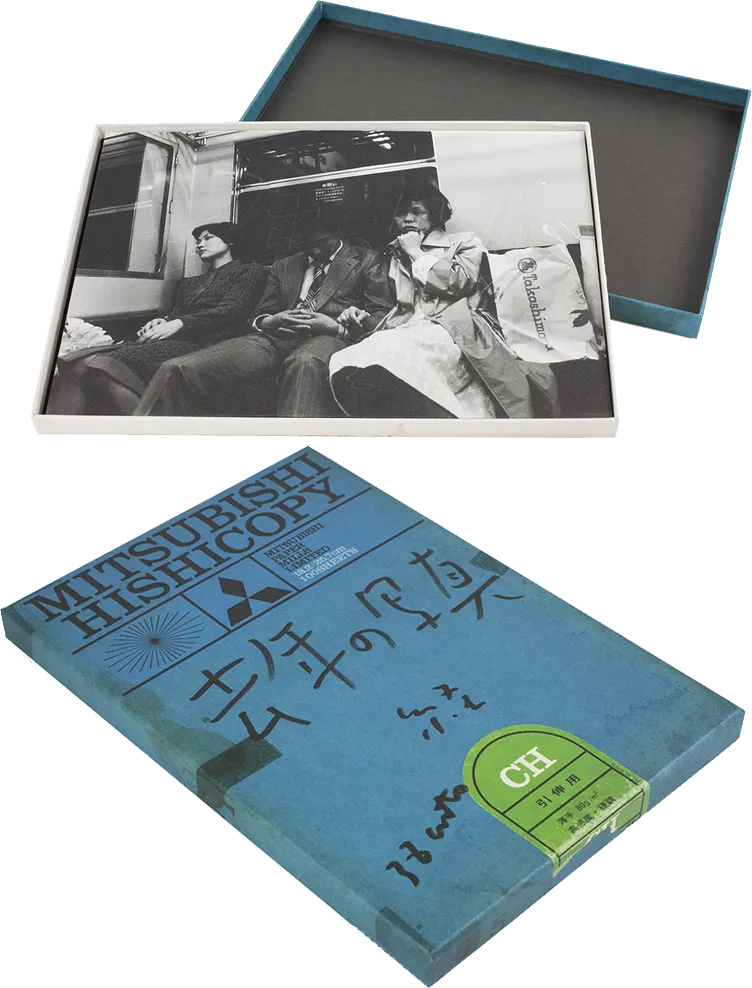
This ltd edition of the book came with print G. Numbering is on the cardboard.

This ltd edition of the book came with print H. Numbering is on the cardboard.

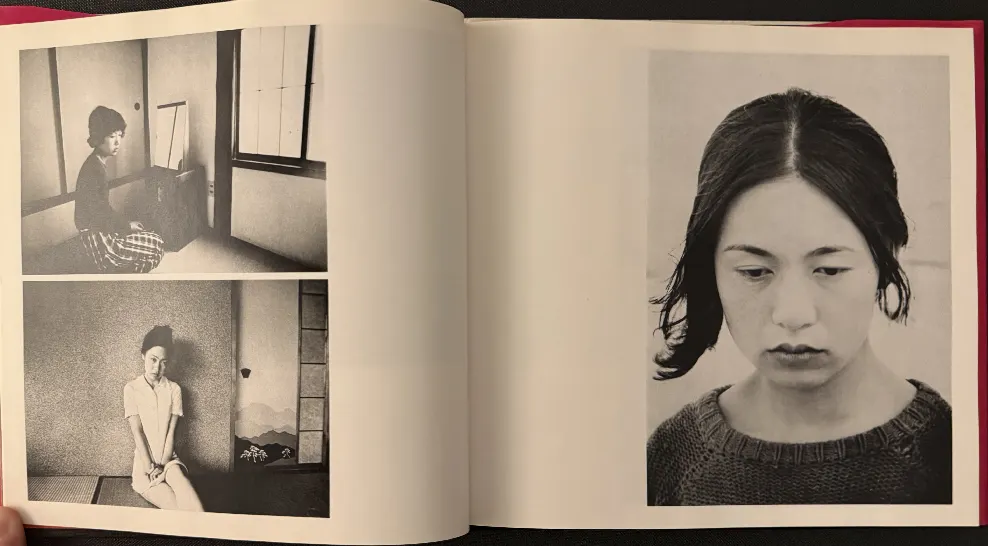
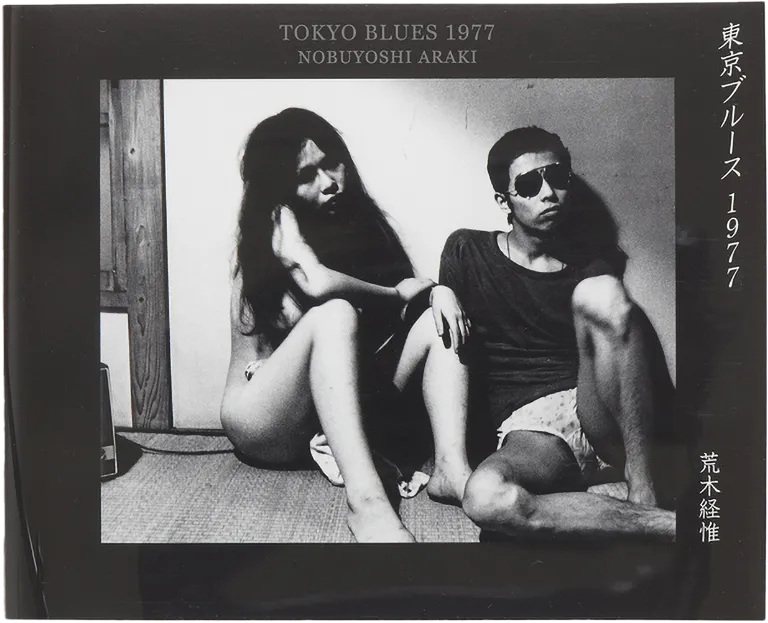
This catalog was published for the solo exhibition ‘Tokyo Blues 1977’, held at Taka Ishii Gallery in August 2013. After their exhibition at Nikon Salon in 1977, these works remained untouched in Araki’s storeroom until their recent rediscovery. This book includes 43 photographs loosely centered about a woman from Kyushu who Araki had just met. It captures the languidness and blues of Japan in the 1970’s.

FotoBookFestival Kessel

2015
with:
Jacob Aue Sobol, Tood Hido, Antoine D'agata, Martin Parr, Anders petersen
Edition:
1st SIGNED by Moriyama and Sobol
Edition size:
500
Out of Print
Other edition(s):
Softcover
ISBN:
Condition: Near Fine

"On Daido: An Homage by Photographers & Writers" is a photobook published in 2015 as a special project of the Photobook Festival in Kassel, Germany. It celebrates the work of Daido Moriyama through contributions from various photographers and writers, such as Araki, Jacob Aue Sobol, Tood Hido, Antoine D'agata, Martin Parr and Anders Petersen. The book includes both visual and textual statements, offering a multifaceted perspective on Moriyama's impact on photography.

Edition:
about 90 for each image
Sold Out
Signed on front of the print on the white bottom border.
Year of work:
Image size:
240 x 160 mm
Print size:
A4
Printed in
2004
Framed size:
Provenance:
Switch Publishing
Inkjet Print
Condition:
Pristine

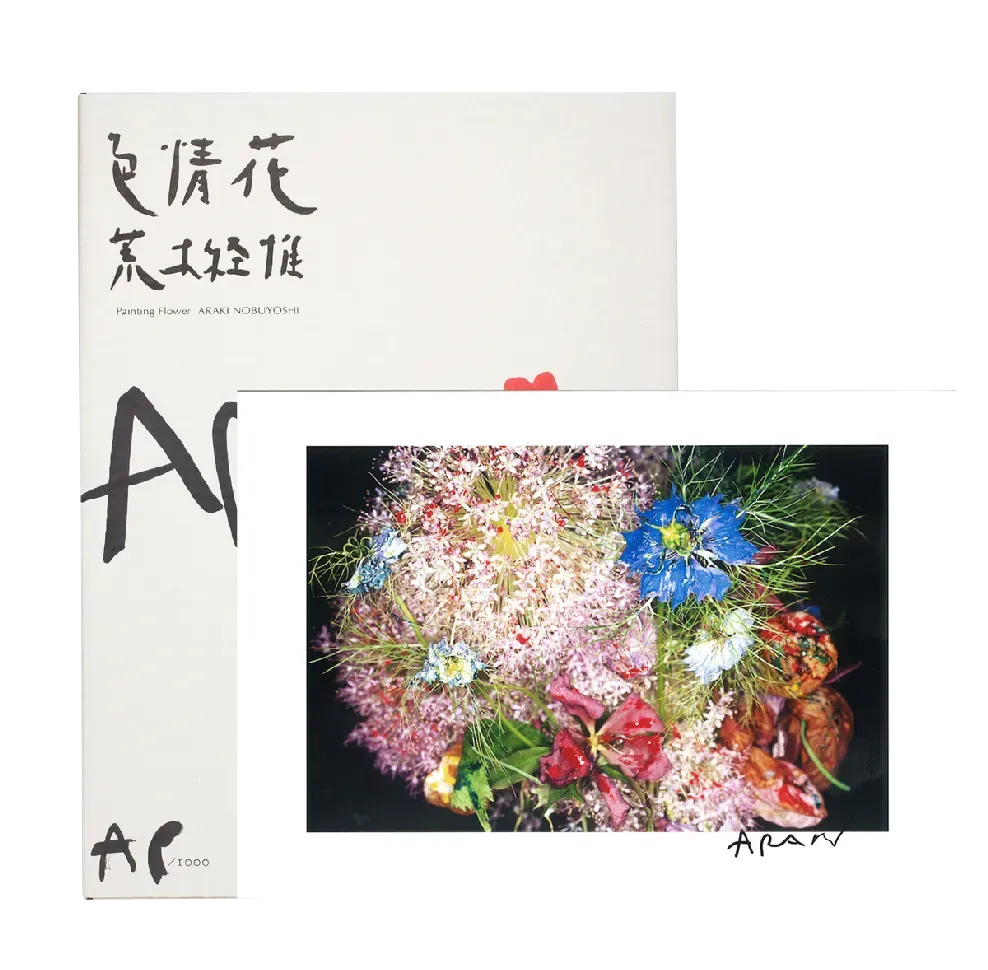
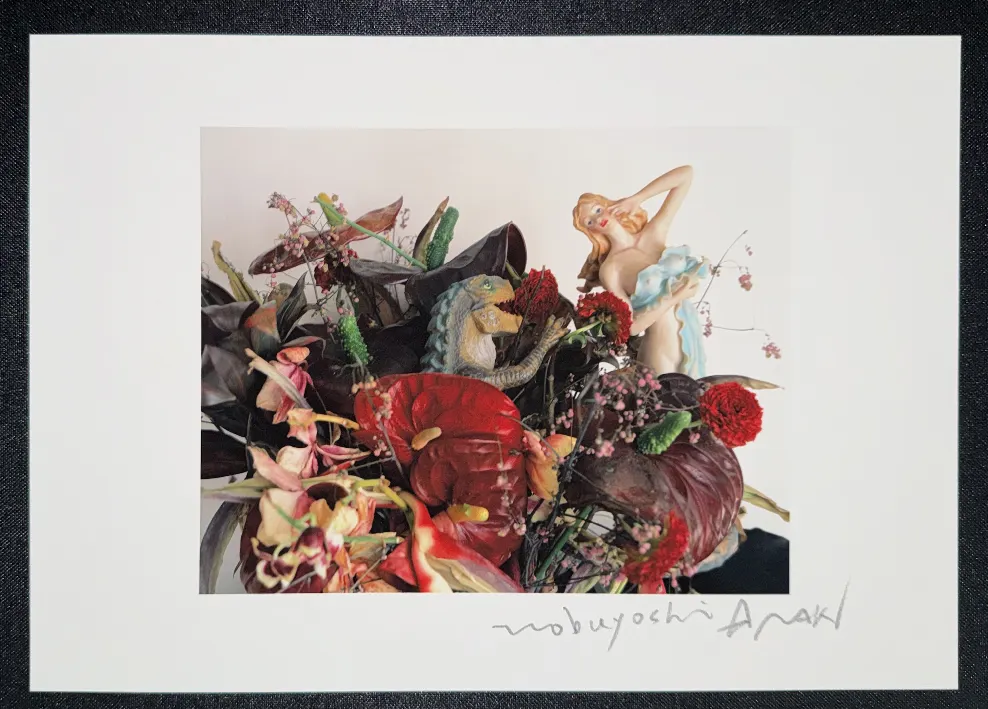
Published with book in an edition of 1,000, each with one of 11 prints. Print has a very light mark, hardly visible, on the top left, way outside the image (could still be matted with signature visble, with the mark hidden)

Literature and Collections:

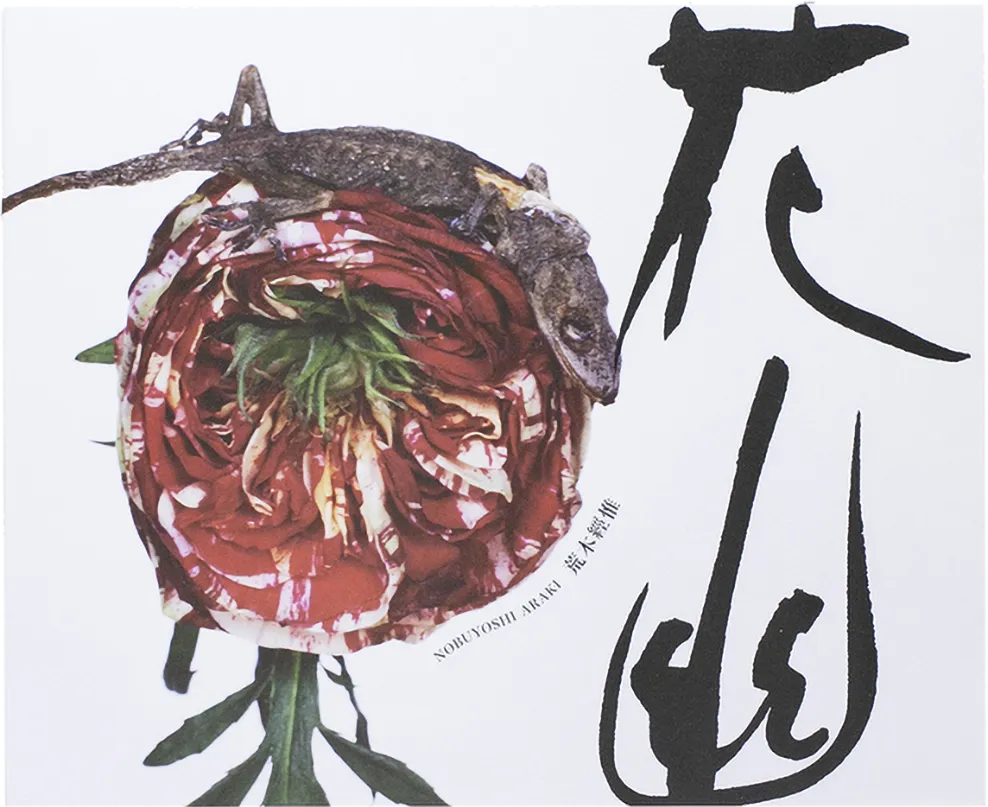
Painted Flowers ISBN4-884180135

edition:
about 90 for each image
Sold Out
Signed on front of the print on the white bottom border.
Image size:
240 x 160 mm
Year of work:
Edition:
about 90 for each image
Sold Out
Signed on front of the print on the white bottom border.
Year of work:
Image size:
240 x 160 mm
Print size:
A4
Printed in
2004
Framed size:
Provenance:
Switch Publishing
Inkjet Print
Condition:
Pristine

Published with book in an edition of 1,000, each with one of 11 prints. Print in pristine condition.

Literature and Collections:

Painted Flowers ISBN4-884180135

edition:
about 90 for each image
Sold Out
Signed on front of the print on the white bottom border.
Image size:
240 x 160 mm
Year of work:
Edition:
/10
Signature in bold ink on the back of the print + certificate from Taka Ishii
Year of work:
Image size:
18.9 x 28.1 cm
Print size:
25.5 x 30.5 cm
Printed in
2017
Framed size:
Provenance:
Taka Ishii Gallery
Condition:
Pristine

Print is an edition of edition, though it is not numbered

Literature and Collections:
Edition:
33/50
Sold Out
Signed on the front of the print (bottom edge) and numbered on label on the back of the print
Year of work:
Image size:
148 x 188 mm
Print size:
210 x 297 mm
Printed in
2018
Framed size:
Provenance:
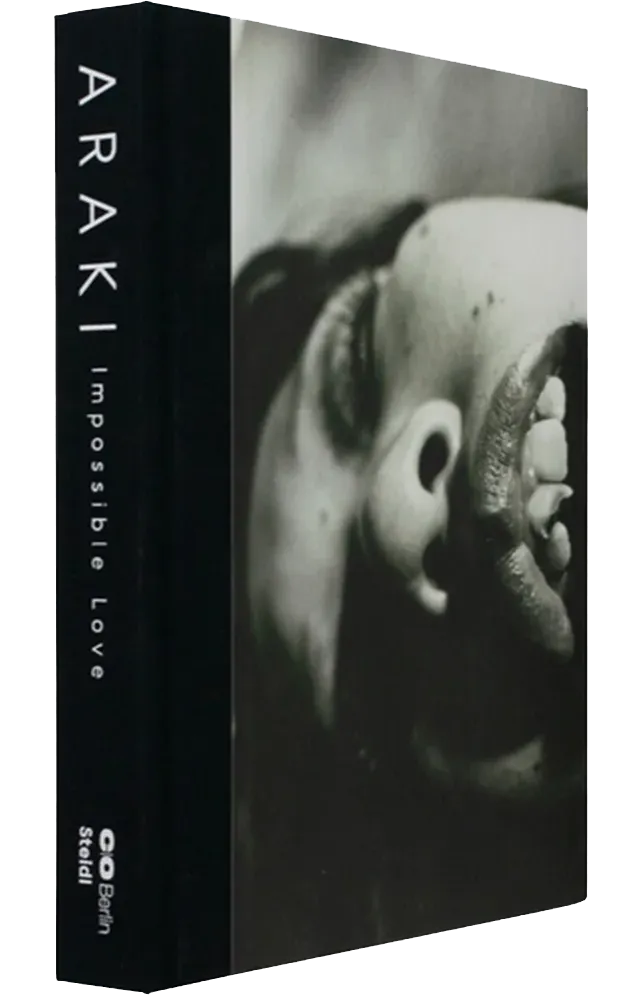
C/O Berlin
Archival pigment print
Condition:
Pristine
Literature and Collections:
edition:
33/50
Sold Out
Signed on the front of the print (bottom edge) and numbered on label on the back of the print
Image size:
148 x 188 mm
Year of work:
No items found.
No items found.

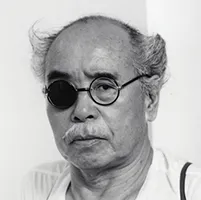
Nobuyoshi Araki, Japanese, (b. 1940)

One of the most prolific figures in the field of Japanese photography, Araki has produced countless pictures and more than five hundred photobooks since 1970. Such an abundant body of work defies easy categorization, an endeavor made all the more challenging by Araki’s experimentation with media including collage, film, and, more recently, Polaroid instant technology. Araki’s wry, irreverent work, frequently employing sexual subject matter, has often ignited controversy and earned him a degree of notoriety. The frenetic nature of his photographs, which he tends to shoot with very little preparation, is emblematic of the Japanese experience of World War II and its chaotic aftermath.

Araki entered Chiba University in 1959, majoring in photography and film. The regimented and technical nature of the program, then situated in the engineering department, was unappealing to the nonconforming Araki. The film he turned in as his final project, however—Children in Apartment Blocks (1963)—served as the germ for one of his earliest photographic series, for which he received an award from Taiyo magazine the following year. Satchin (1964) focuses on schoolchildren in the Shitamachi neighborhood of Tokyo, which remained largely unchanged amid the flurry of rapid urban transformation leading up to the 1964 Tokyo Olympics. After graduation, Araki took a job as a commercial photographer for the advertising firm Dentsu. While he found the work frustratingly dull, he made good use of Dentsu’s well-stocked facilities to pursue photography on his own time, going so far as to illicitly use the company’s photocopier to produce an early photobook.

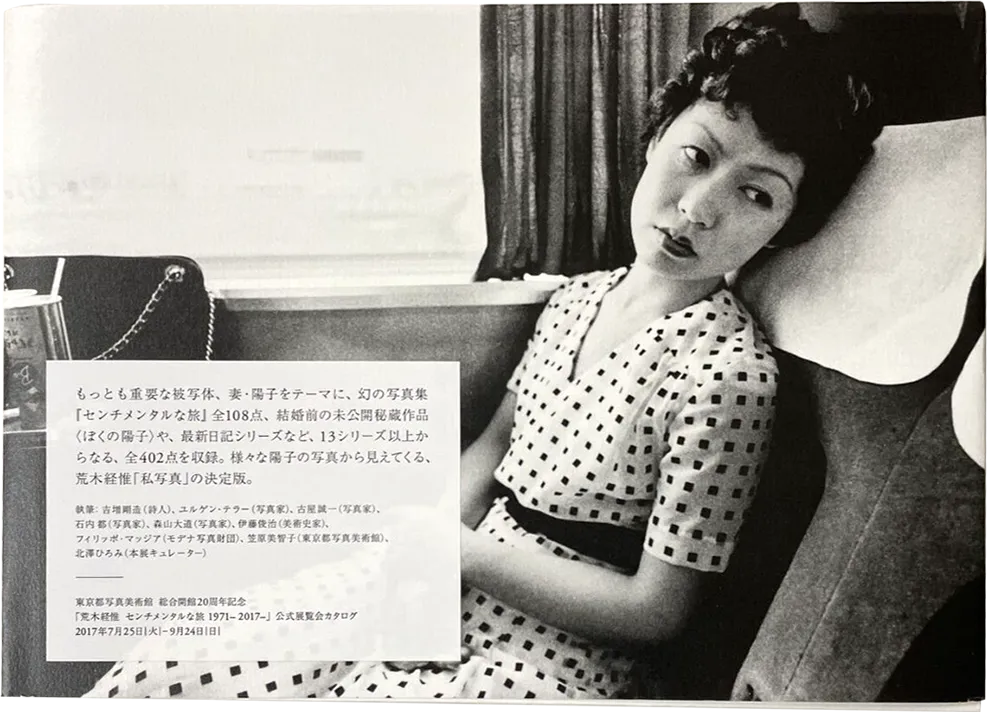
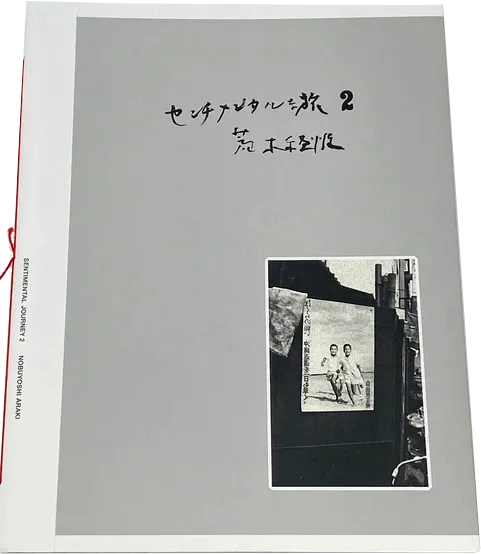
Two events pivotal to Araki’s life and work took place in the late 1960s: his father died in 1967, and he met his future wife, Yoko Aoki, then working as a typist at Dentsu, the following year. Death and love would become two of the principal driving forces behind Araki’s profoundly human photography, and Yoko would become Araki’s most frequent photographic subject. The couple wed in 1971 and embarked on a honeymoon, which Araki extensively photographed. With its narrative style, personal tone, and vernacular aesthetic, the resulting volume—Sentimental Journey (1971)—is regarded as one of the most important Japanese photobooks of the twentieth century. Araki’s growing success as a photographer allowed him to leave Dentsu to focus solely on his artistic career in 1972.

Araki has referred to his wide-ranging and eclectic work as “I-photography,” after the “I-novel,” a Japanese confessional literary genre often written in the first person. His unwavering concentration on his own life and experiences—sexual and otherwise—pushed against the dominant documentary photographic aesthetic, epitomized by such figures as Hiroshi Hamaya, as well as the are-bure-boke (grainy, blurry, and out-of-focus) aesthetic of the Provoke movement, prevalent in Japanese avant-garde photography beginning in the late 1960s. Araki tackled these approaches head-on in his series Pseudo-Reportage. The related photobook, published in 1980, pairs these quasi-documentary pictures with misleading captions, underscoring the problematic nature of photographic veracity.

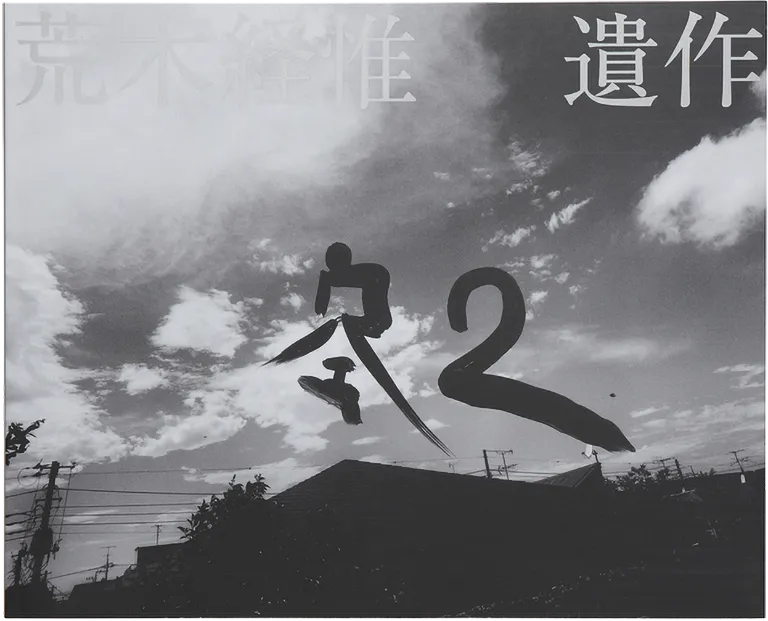
After Yoko passed away, in 1990, Araki began a host of new projects, even using his own diagnosis with prostate cancer in 2008 as a jumping-off point to explore the diminishing status of analog photography. 2THESKY, my Ender (2009) consists of photographs covered with salt, which will cause the object to deteriorate over time, mirroring the physical decline of the photographer himself. While he was not included in the landmark exhibition New Japanese Photography at the Museum of Modern Art in New York in 1974, organized by John Szarkowski and Shoji Yamagishi, he was included in Yamagishi’s second exhibition collaboration in the United States, Japan: A Self-Portrait at the International Center of Photography in New York in 1979. Araki gained international exposure in Europe prior to this, participating in Neue Fotografie aus Japan at the Kulturhaus der Stadt, Graz, Austria, his first group show outside Japan, in 1977. His first international solo show took place in 1992: Akt-Tokyo: Nobuyoshi Araki 1971–1991 at the Forum Stadtpark, Graz.