


Which art books, prints and posters are available by and about this artist? Here is a sample of items of interest to a typical collector:


%20Resized.webp)
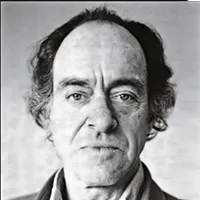
Paul Fusco, American (1930–2020)
Fusco was a distinguished American photojournalist whose work predominantly focused on social justice, human rights, and the quiet dignity of the oppressed. Born in Leominster, Massachusetts, he began his career as a photographer for the U.S. Army Signal Corps during the Korean War before earning a Bachelor of Fine Arts in photojournalism from Ohio University in 1957.
Fusco spent over a decade as a staff photographer for Look magazine, where he documented pivotal moments in American history, including the 1966 Delano grape strike led by Cesar Chavez. After Look ceased publication in 1971, he joined the prestigious Magnum Photos agency, becoming a full member in 1974. His photography was characterized by a deep emotional empathy, aiming to make the lived realities of his subjects both intellectually and emotionally accessible to a global audience.
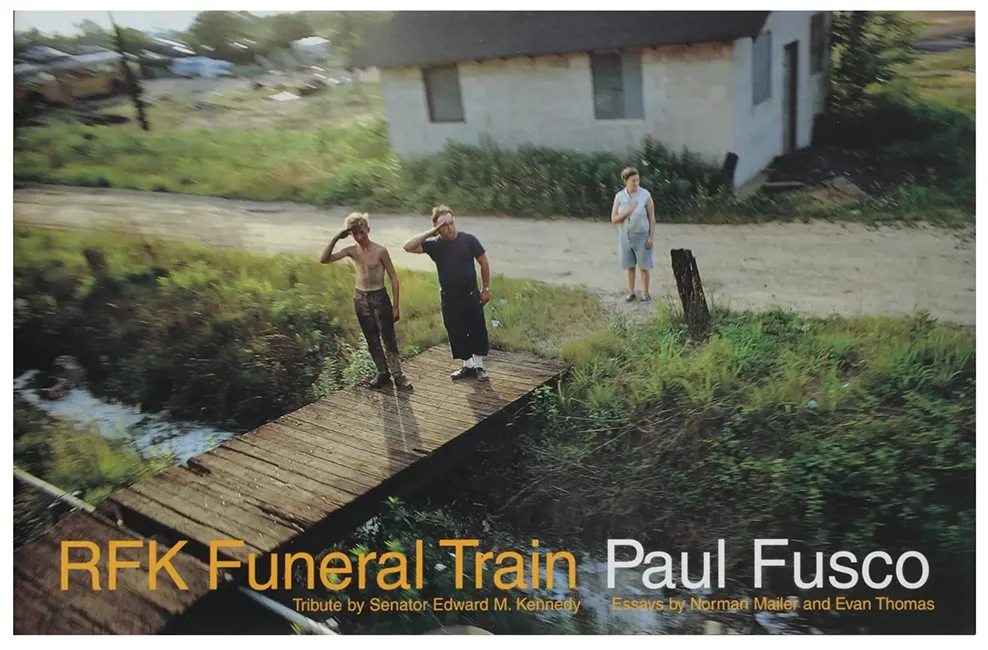
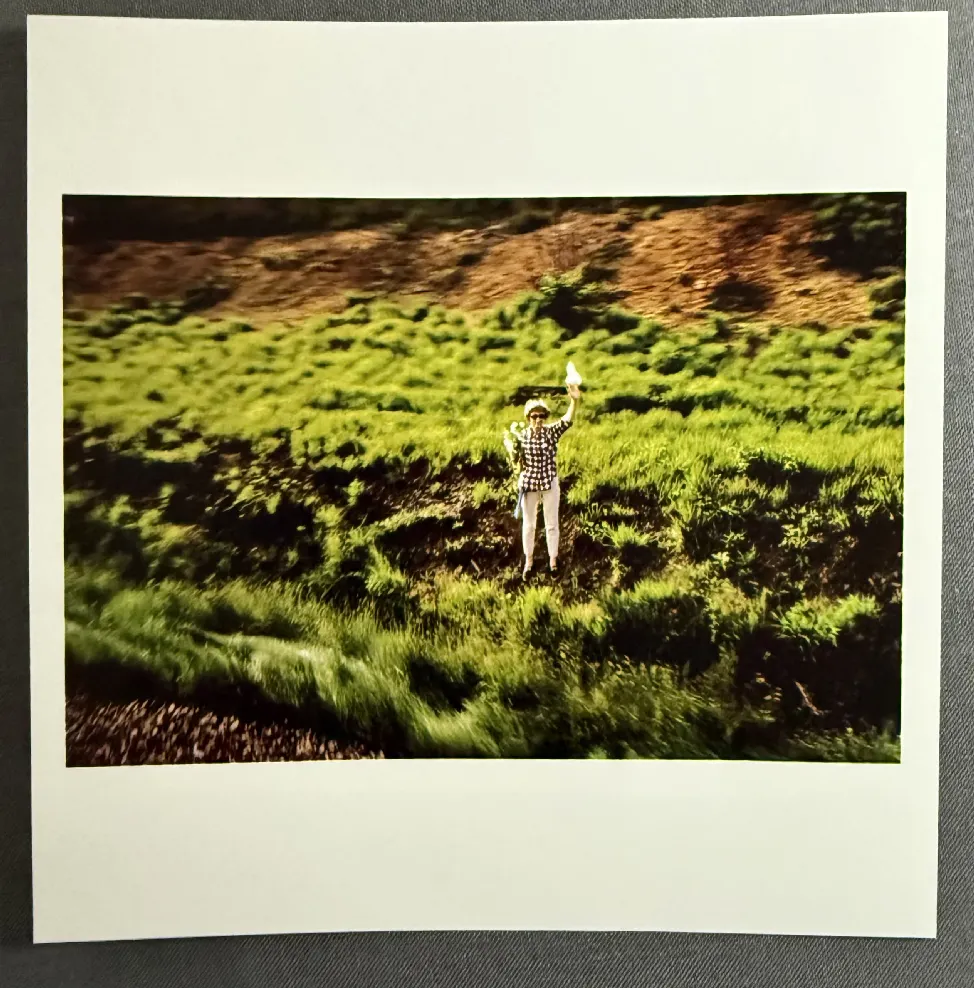
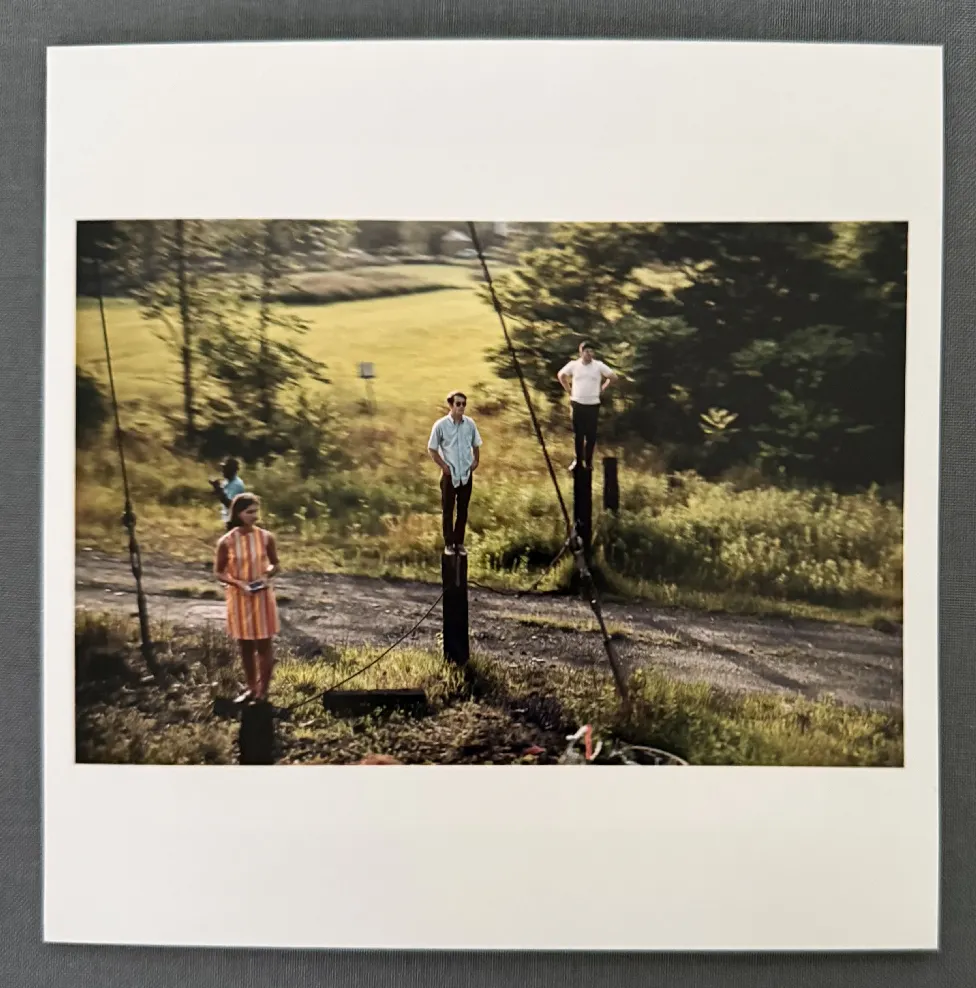
He is perhaps most renowned for his series RFK Funeral Train, captured on June 8, 1968. While traveling on the train carrying Robert F. Kennedy’s body from New York to Washington, D.C., Fusco spent eight hours photographing the hundreds of thousands of mourners lining the tracks. Shot on vibrant Kodachrome film, these images remained largely unpublished for thirty years before being rediscovered and hailed as a masterpiece of American reportage.
In his later career, Fusco continued to tackle harrowing subjects with projects such as Chernobyl Legacy, which documented the long-term health effects of the nuclear disaster on children in Belarus, and Bitter Fruit, a series focusing on the funerals of American service members killed during the Iraq War. His work is held in major institutions, including the Metropolitan Museum of Art, the San Francisco Museum of Modern Art, and the Library of Congress.

