


Which art books, prints and posters are available by and about this artist? Here is a sample of items of interest to a typical collector:


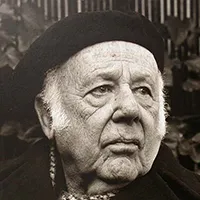
Paul Strand, American (October 16, 1890 – March 31, 1976)
Strand was a photographer and filmmaker who played a crucial role in establishing photography as a respected art form. Early in his career, he studied under Lewis W. Hine and, through the influence of Alfred Stieglitz and the Photo-Secession gallery, transitioned from pictorialism to what's known as "straight photography"—a style marked by precision, clarity, and an emphasis on unmanipulated reality.
Strand was a founding member of the Photo League in 1936, a group that harnessed photography for social and political causes. Over a creative career spanning more than six decades, his work encompassed portraits, urban landscapes, abstractions, and documentary projects across the Americas, Europe, and Africa.
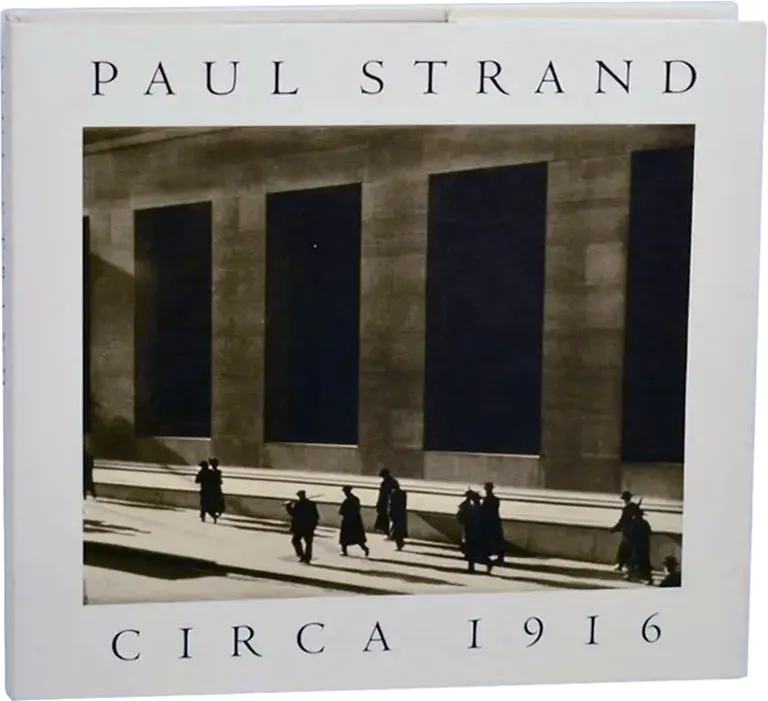
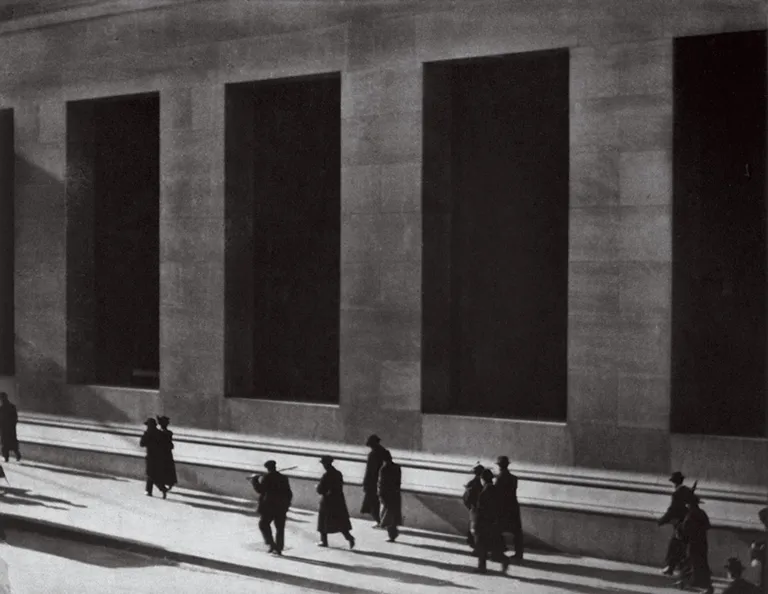
One of his most iconic photographs, Wall Street (1915), captures faceless pedestrians dwarfed by the geometric architecture of the J.P. Morgan building—symbolizing the tension between individuals and the modern economic system.
Strand also broke ground in experimental filmmaking. In 1921, he co-directed Manhatta, often considered one of the first American avant‑garde films, which celebrated the rhythms and visual geometry of New York City in a poetic, non‑narrative style.


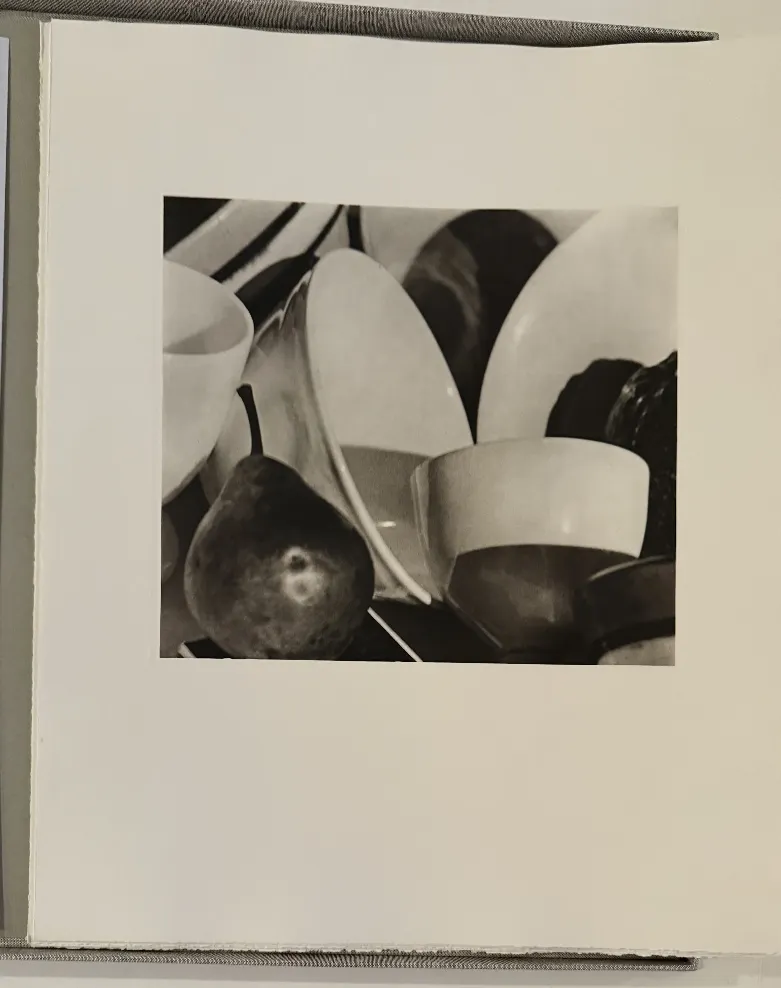
The plates are hand-pulled photogravures printed under Jon Goodman's supervision.