


Which art books, prints and posters are available by and about this artist? Here is a sample of items of interest to a typical collector:




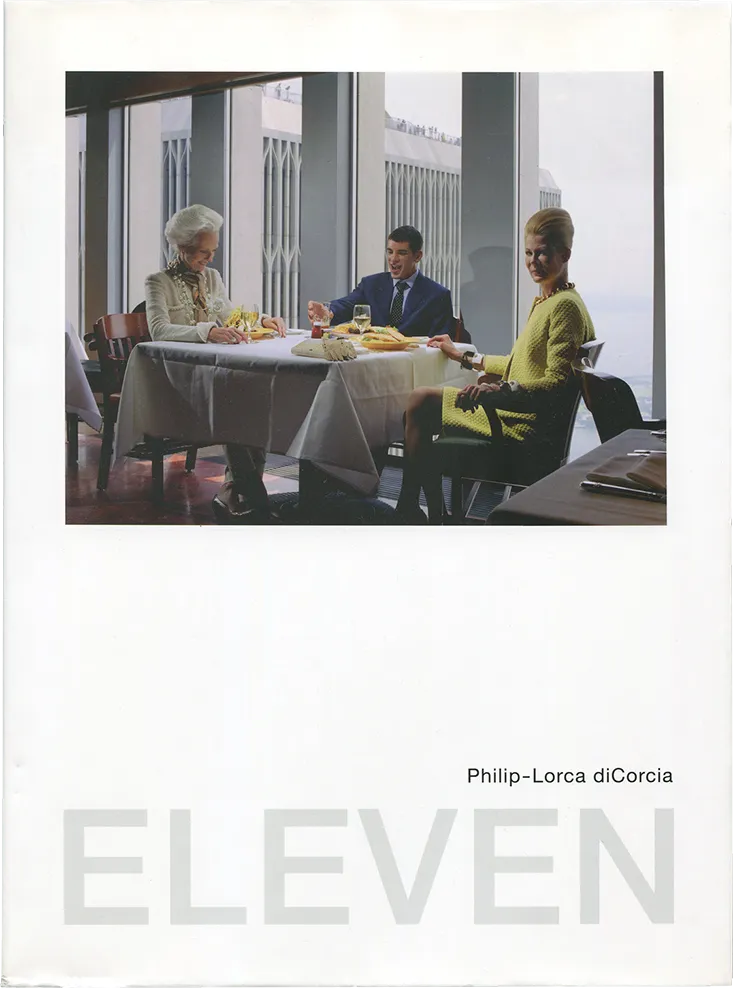

Philip-Lorca diCorcia, America, b. 1951
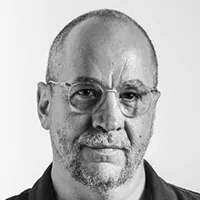
DiCorcia has been an influential American photographer known for his meticulously staged images that blur the line between documentary realism and cinematic fiction. Born in Hartford, Connecticut, he studied at the School of the Museum of Fine Arts, Boston, and earned a Master of Fine Arts in Photography from Yale University in 1979.
Throughout his career, diCorcia has traversed the space between street photography and conceptual art, utilizing carefully arranged artificial lighting, hidden strobes, and elaborate setups to capture seemingly spontaneous, everyday moments. His work often explores themes of alienation, commercialism, and the psychological vulnerability of individuals within urban environments.
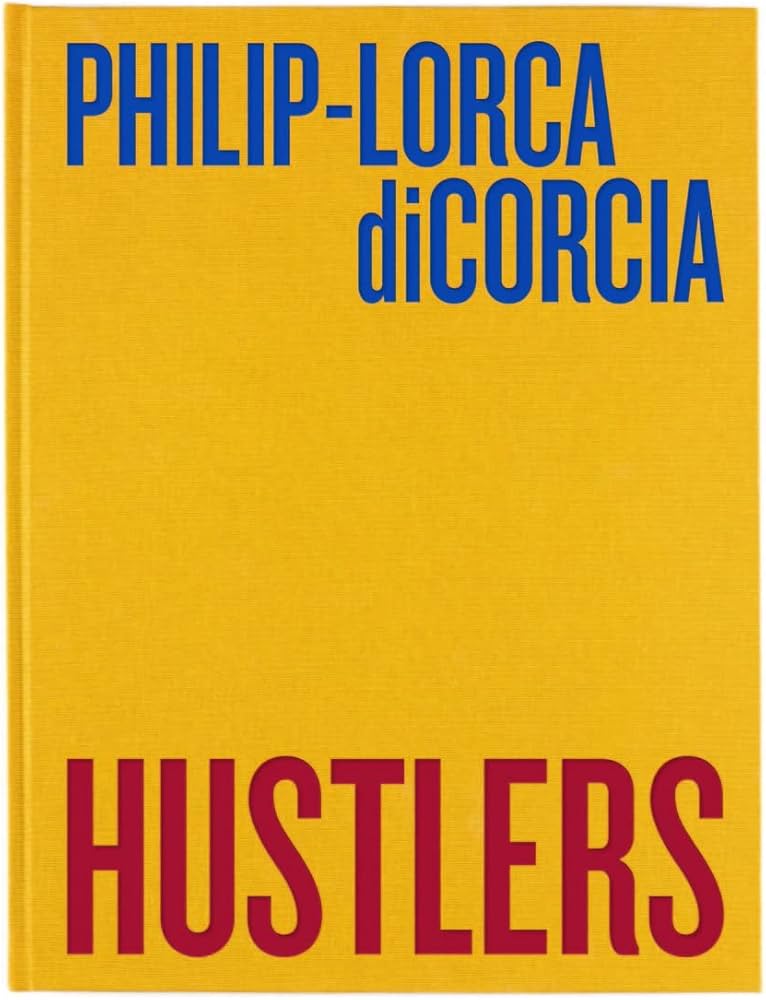
He gained widespread recognition in the early 1990s with his Hustlers series, taken on and around Santa Monica Boulevard in Hollywood. For this project, diCorcia paid male prostitutes, drifters, and runaways to pose for him in cinematic, lonely settings, naming each photograph after the subject, their hometown, and the fee he paid them.
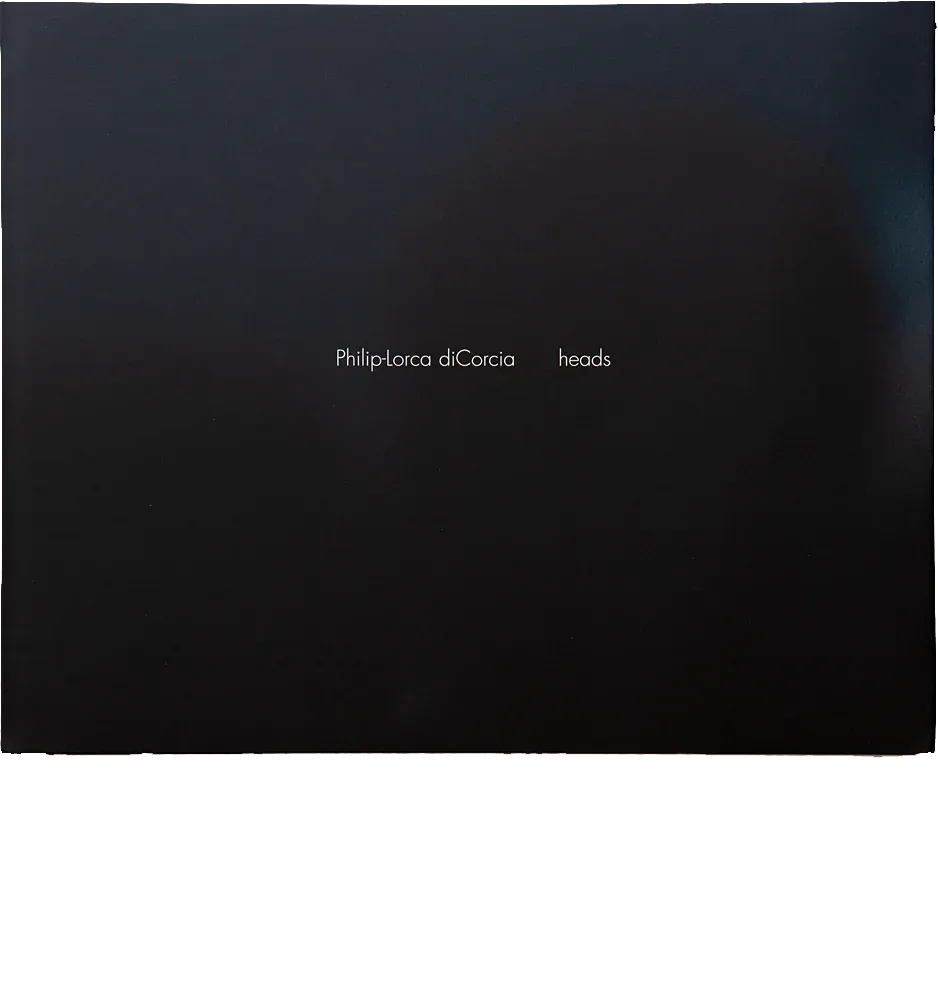
Another of his most celebrated bodies of work is Heads (2000–2001), for which he concealed powerful strobe lights in scaffolding above Times Square. He photographed unsuspecting pedestrians from a distance as they walked through a specific spotlight, creating dramatic, theatrical portraits where individuals emerge from a pitch-black background, completely isolated from the chaos of the city around them.
DiCorcia’s photographs have been exhibited internationally and are part of permanent collections at major institutions, including the Museum of Modern Art, the Metropolitan Museum of Art, and the Whitney Museum of American Art. He also balanced his conceptual career with high-fashion editorial work, notably for publications like W magazine, applying his distinct, atmospheric narrative style to the commercial world.

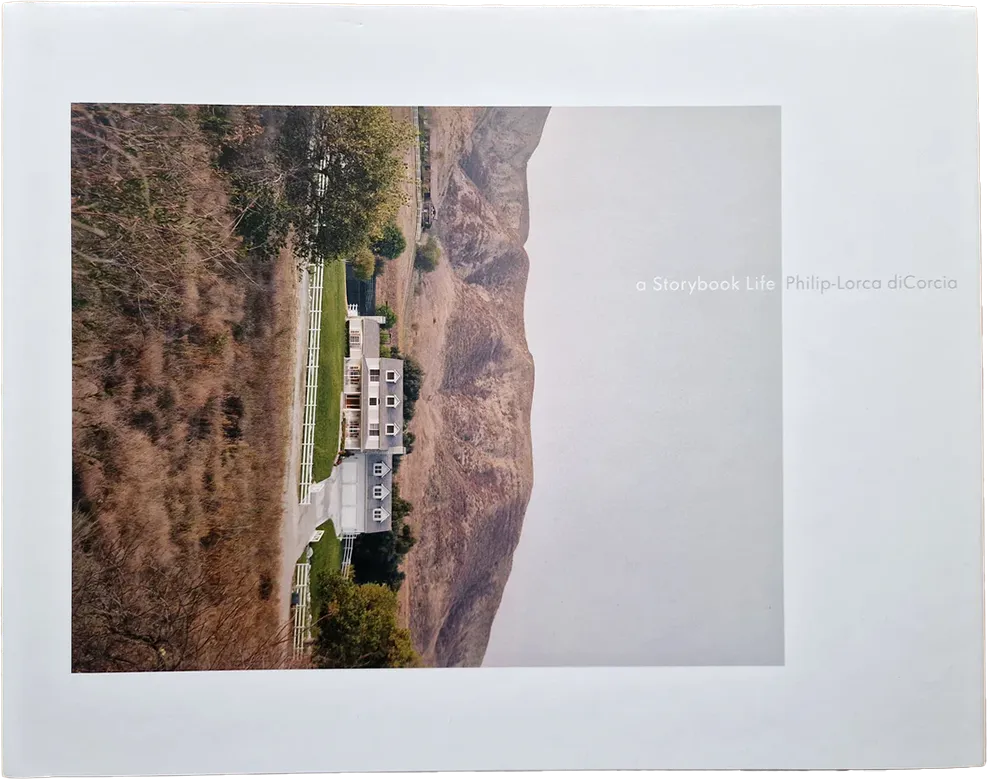
"The disparate photographs assembled here were made over the course of twenty years. None of them were originally intended to be used in this book. By ordering and shaping them I tried to investigate the possibilities of narrative both within a single image and especially in relation to the other photographs. A Storybook Life< is an attempt to discover the possibilities of meaning in the interaction of seemingly unrelated images in the hope that content can constantly mutate according to both the external and internal condition of the viewer, but remain meaningful because of its inherent, but latent content. The conscious and subconscious decisions made in editing the photographs are the real work of A Storybook Life." ―Philip-Lorca diCorcia (born 1953)