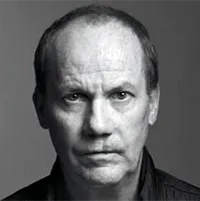
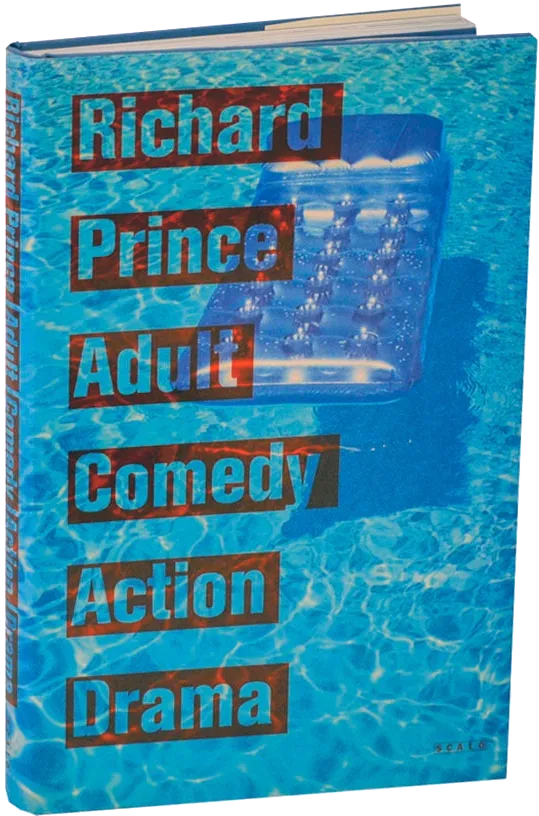

Richard Prince

Richard Prince
To artist biography

Richard Prince

Which art books, prints and posters are available by and about this artist? Here is a sample of items of interest to a typical collector:

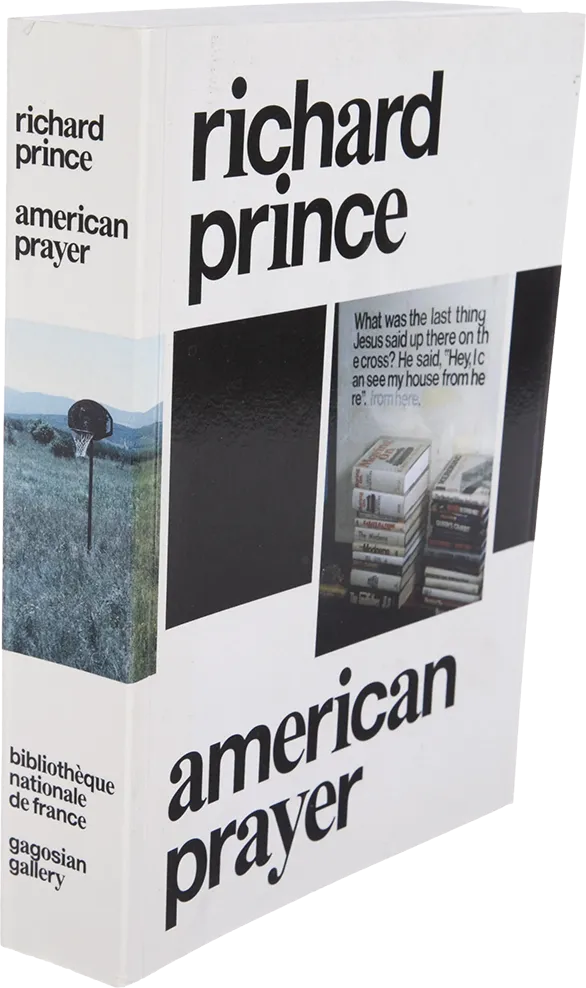
2018
with:
Edition:
1st
Edition size:
Out of Print
Other edition(s):
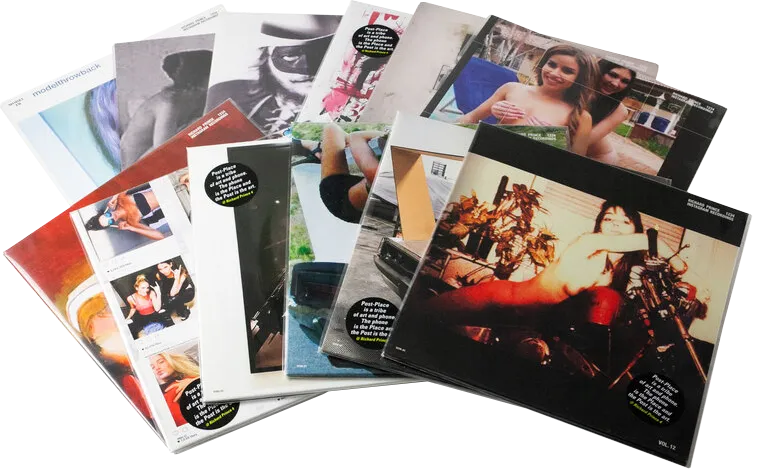
HC with DJ, 7 inserts in plastic sleeves, and 1 inserted press release
ISBN:
9781938748653
Condition: Near Fine
2018
Out of Print
Signed
Edition:
1st
Prior edition(s):
HC with DJ, 7 inserts in plastic sleeves, and 1 inserted press release
Condition: Near Fine

Fulton Ryder

2022
with:
Edition:
2nd (2022)
Edition size:
500
Out of Print
Other edition(s):
Hardcover without dust jacket, as issued
ISBN:
9788985236804
Condition: Near Fine
Book images
2002
with:
Edition:
1st
Edition size:
Out of Print
Other edition(s):
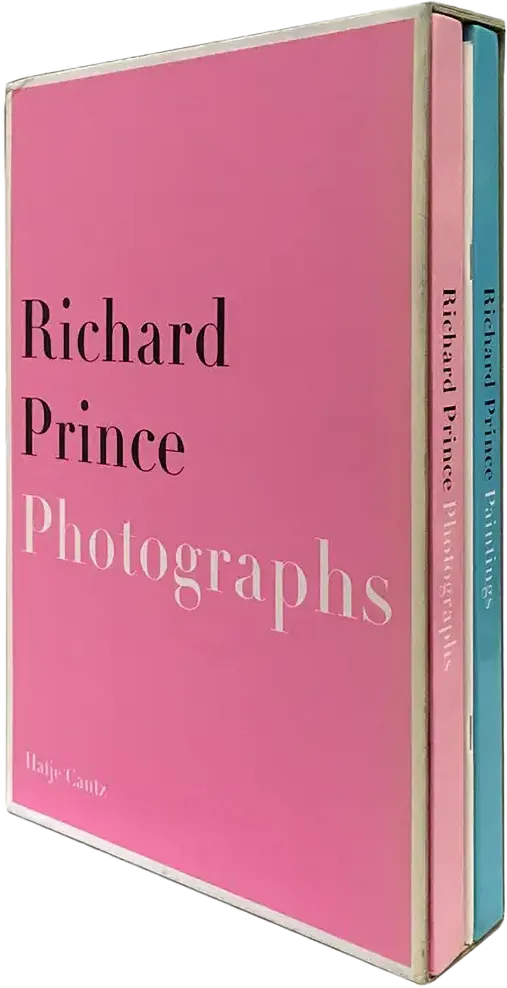
2 volumes in cardboard slipcase
ISBN:
9783775791113
Condition: Near Fine

This is the trade edition.

ISBN is not printed in the colophon.

Almine Rech Galerie

2011
with:
Edition:
1st
Edition size:
1000
Out of Print
Other edition(s):
Hardcover without dust jacket, as issued
ISBN:
9782930573076
Condition: Near Fine -
2011

Almine Rech Galerie

Out of Print
Signed
Edition:
1st
Prior edition(s):
Hardcover without dust jacket, as issued
Condition: Near Fine -

Essay from Prince released with coinciding show at Gladston Gallery in 2015. No Date, Colophon or ISBN in book.

Each cover is unique from a set of 14 possible covers

Edition:
72/100
Edition sold out from the gallery/publisher.
Signed and numbered on the print's recto.
Year of work:
2024
Image size:
310 x 308 mm
Print size:
380 x 382 mm
Printed in
2024
Framed size:
Provenance:
Texte zur Kunst
Ditone print on Hahnemühle Photo Rag
Condition:
Pristine

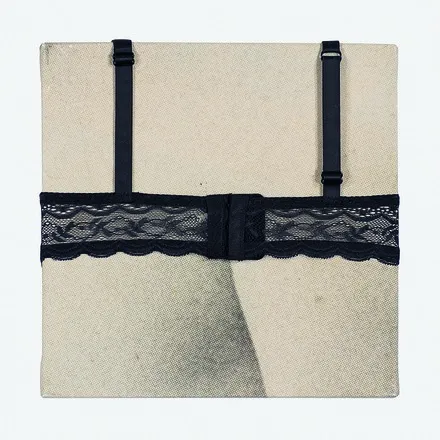
Since Richard Prince began appropriating fragments of contemporary visual culture in the late 1970s, closely associated with the Pictures Generation, he has drawn from diverse visual worlds, creating a multifaceted body of work that is primarily unified by appropriation as an artistic method. By extracting material from advertising, pop culture, or the works of other artists and making it an element of his own work, Prince questions the mechanisms and protocols of the socioeconomic systems from which it originally emerged.

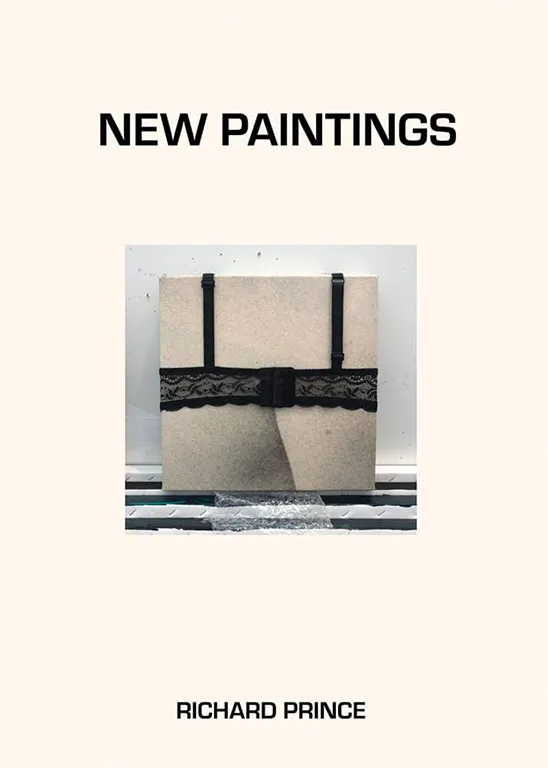
For his third Texte Zur Kunst edition in 2024, Prince chose one of his "Black Bra" paintings, whose canvases are covered in lingerie. The motif of the black bra has recurred frequently in Prince's work recently, including in his latest series of Instagram screenshots, the "New Portraits," which depict influencers painting while clad only in black underwear. Prince's series highlights the back view as a particularly popular pose for social media impact. Each post is accompanied by commentary, a mix of (auto)biographical and art historical notes that forms an essential component of the work. The author is Joan Katz (handle joankatzz), with whom Prince supposedly founded a band called Black Bra in 1990. "Supposedly," because he subverts principles like authorship and originality not only through the appropriation of visuals, but also through the manipulation of identities and myths, which are as fundamental to "fame" in art and pop culture as iconic images. The motif of the "Untitled (Black Bra)" edition also graces the cover of the issue from Prince's Fulton-Ryder imprint dedicated to "New Paintings."

Literature and Collections:
No items found.
No items found.

Richard Prince, American (b. 1949, Panama Canal Zone)

Prince is a pivotal figure in contemporary art, best known for his groundbreaking work in appropriation art. Emerging in the late 1970s and gaining prominence in the 1980s, Prince became a key part of the Pictures Generation, alongside artists like Cindy Sherman and Sherrie Levine.

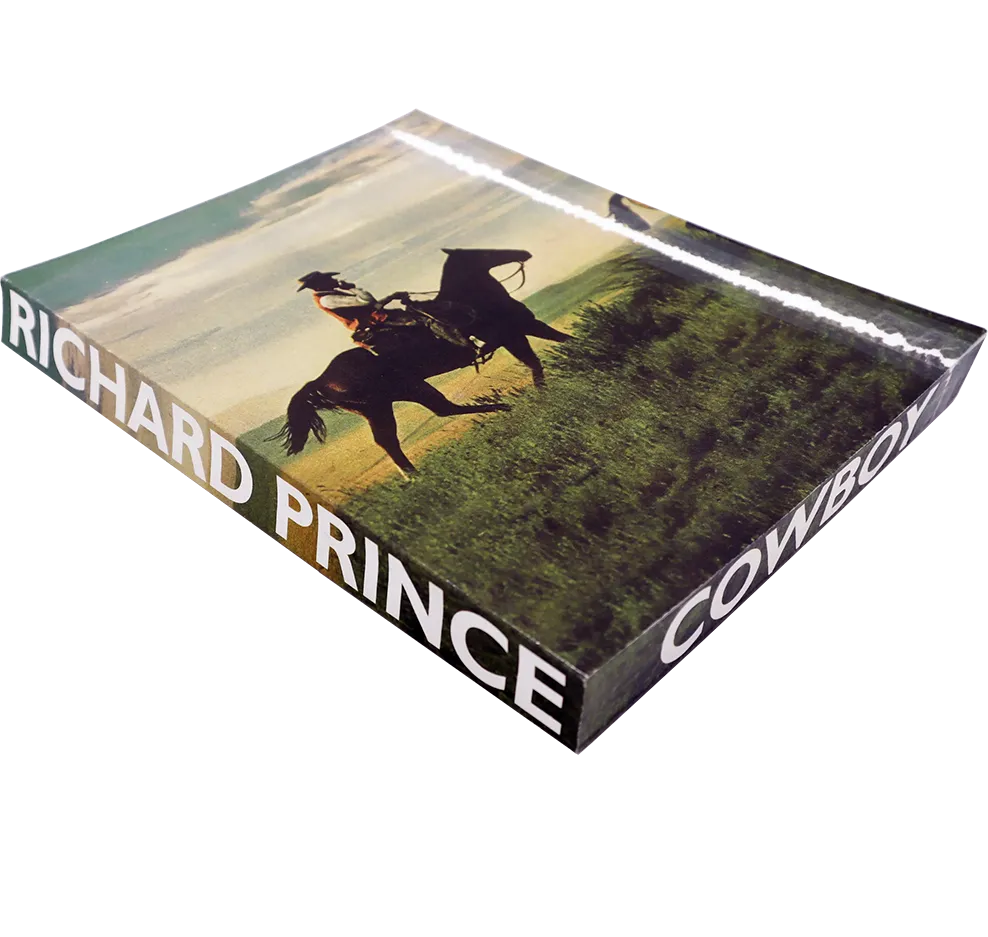
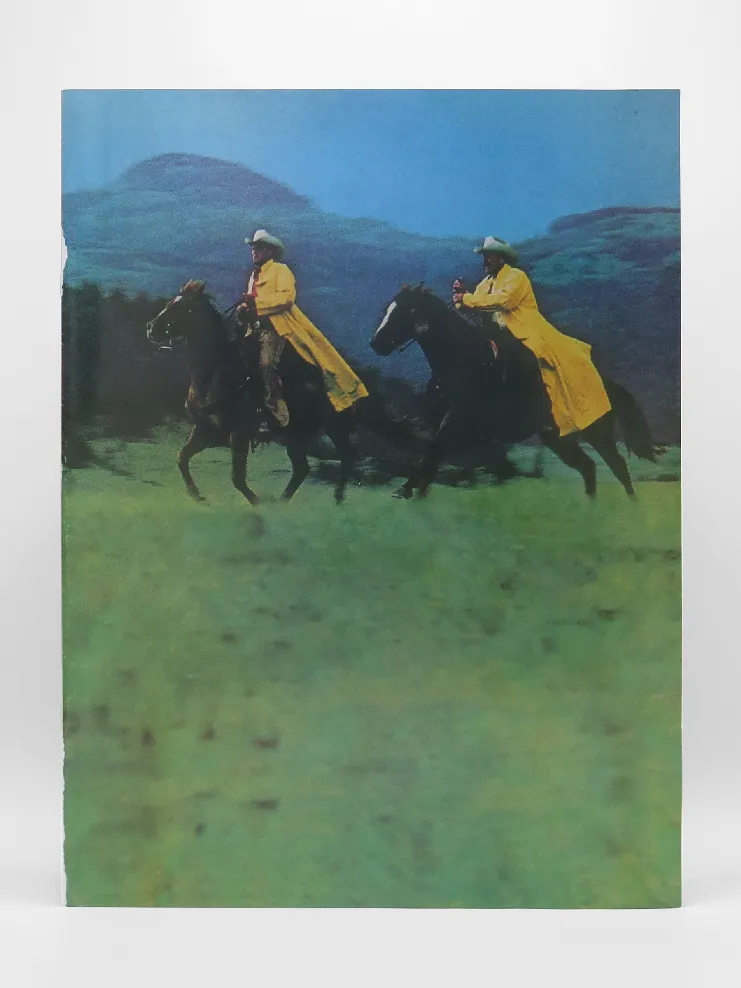
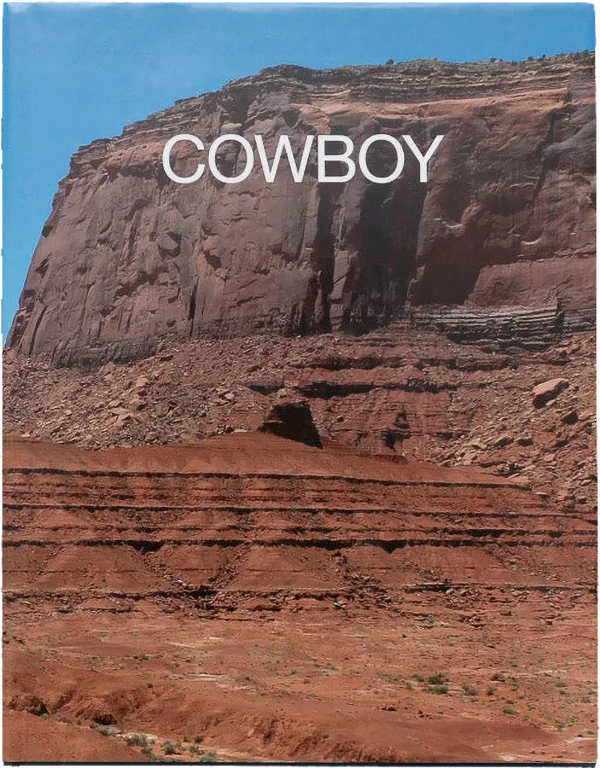
He first drew attention for his re-photographed Marlboro advertisements, stripping commercial imagery of context to reveal its cultural coding. This series, titled Cowboys, would go on to define his signature method: re-contextualizing mass media to critique authorship, authenticity, and American identity.

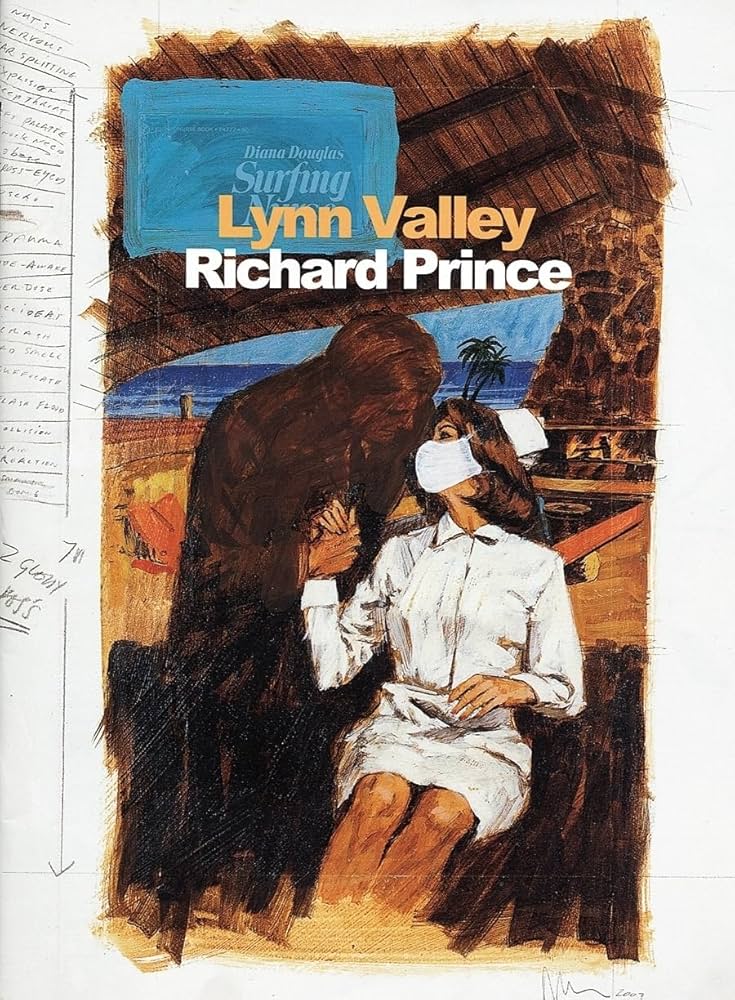
Prince’s work spans photography, painting, and mixed media. He frequently employs ironic detachment, exploring themes like consumerism, masculinity, celebrity, and the mythology of Americana. His Nurse Paintings, based on pulp novel covers, blend high art with kitsch aesthetics and have become icons of postmodern pastiche.

Equally controversial and influential, Prince has been at the center of legal debates over fair use, particularly in his Instagram Portraits and Canal Zone series. His practice continues to probe the boundaries between original and copy, image and object.

Prince lives and works in upstate New York, where he maintains a vast studio and personal book collection. He is also a publisher and collector of rare books and ephemera, further blurring the line between artist and archivist.

Richard Prince’s work is held in numerous prominent public and private collections, including:

  • The Museum of Modern Art (MoMA), New York
  • The Whitney Museum of American Art, New York
  • The Solomon R. Guggenheim Museum, New York
  • The Metropolitan Museum of Art, New York
  • San Francisco Museum of Modern Art (SFMOMA)
  • The Art Institute of Chicago
  • Los Angeles County Museum of Art (LACMA)
  • Centre Pompidou, Paris
  • Tate Modern, London
  • Stedelijk Museum, Amsterdam
  • Walker Art Center, Minneapolis
  • Broad Collection, Los Angeles
  • Rubell Family Collection, Miami