


Copyright ©
Rosemarie Trockel
or applicable right holders.


Which art books, prints and posters are available by and about this artist? Here is a sample of items of interest to a typical collector:

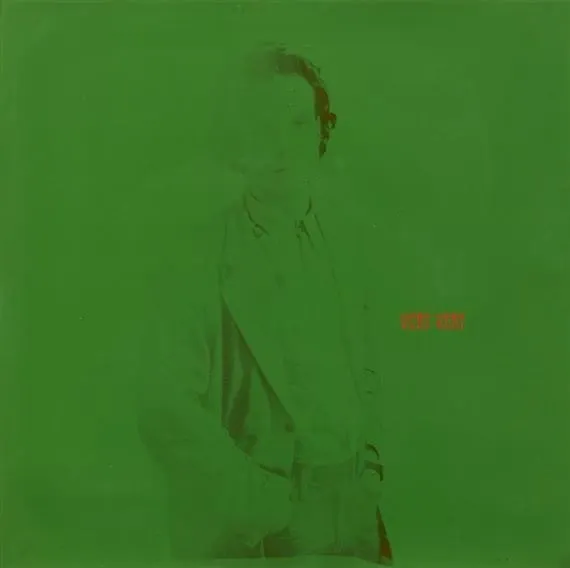
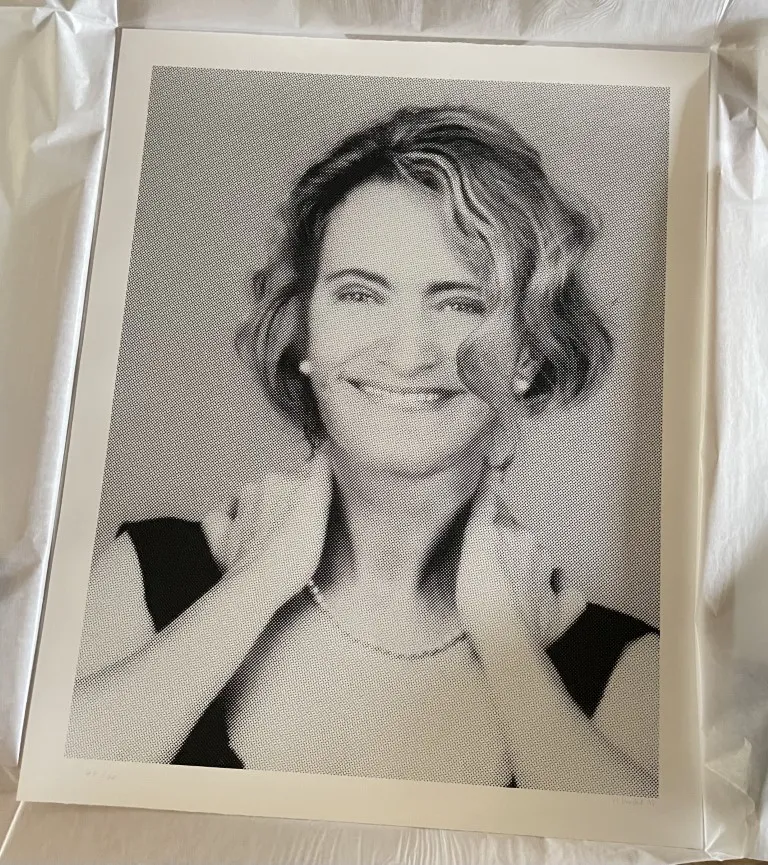

Rosemarie Trockel, German, b. 1952.
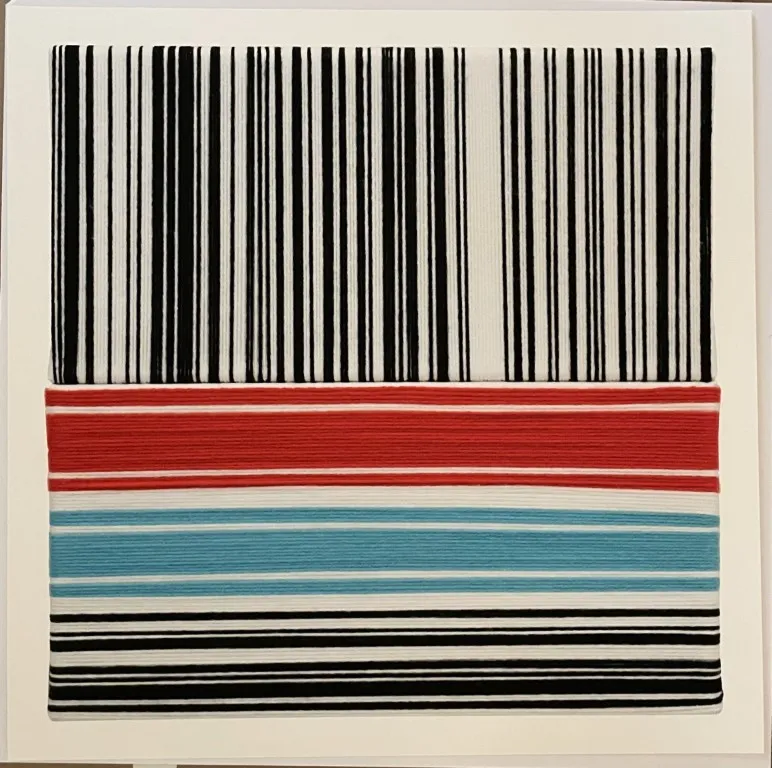
Trockel resists easy categorization; throughout her more than four-decade career, she has worked in a variety of mediums, including sculpture, photography, ceramics, drawings, and the large-scale knitted pictures that brought her fame in the male-dominated art world of the 1980s. Her artworks often explore themes of the domestic realm, at once nodding to and refusing gendered associations with subjects like furniture, weaving and tapestry, and the female body. In 1988 she was selected to participate in MoMA’s Projects series, an initiative that began in 1971 to present work by emerging artists and bring contemporary art to MoMA. Her first major solo exhibition in the United States, Projects 11 exemplified the highly original and idiosyncratic style that she maintains to this day. “The minute something works, it ceases to be interesting,” she once declared in an interview. “As soon as you have spelled something out, you should set it aside.”
After she began attending Fachhochschule für Kunst und Design in Cologne in the late 1970s, Trockel was at a creative impasse, something she credited to her severe agoraphobia at the time. She was often unable to leave her apartment and felt that she was missing out on the renewed sense of invention and creativity that permeated the city. “I found myself in an artistic vacuum,” she recalled. “Such a phobia could be seen as a reaction to those spaces I felt drawn to but that seemed inaccessible to me.”
It was around this time that she began to produce what are now called the Book Drafts (1978–2003), a collection of about 200 drawings and collages that became a fruitful way to overcome artistic standstill. The works, 50 of which are in MoMA’s collection, take the form of a book cover—sometimes with pages inside, sometimes simply a folded piece of paper—decorated with a title and often accompanied by a drawing, collage, or found photograph. Though they differ in subject matter, their shared format and structure unifies them as a single project.
A conceptual and practical exercise that has lasted over 30 years, the Book Drafts have remained a substantive part of Trockel’s working process. They offer a diaristic perspective into an artwork that might have been imagined decades before its physical creation. For example, Spiral Betty (1988)—a humorous reimagining of the 1970 earthwork Spiral Jetty by American artist Robert Smithson as what appears to be an IUD—found form two decades later in a sculptural counterpart. Though plastic has become glass and its blue thread now glows, the newer work recalls the original length and curling formation of the drawn structure.
