
Susan Meiselas

Susan Meiselas
To artist biography

Susan Meiselas

Which art books, prints and posters are available by and about this artist? Here is a sample of items of interest to a typical collector:
Book images

Steidl /CO Berlin

2021
with:
Edition:
2nd revised
Edition size:
Signed
Out of Print
Other edition(s):
First edition was released in 1976.
Two volumes (one boards +one with DJ) in slipcase
ISBN:
9783969990025
Condition: Near Fine
2021

Steidl /CO Berlin

Out of Print
Signed
Edition:
2nd revised
Prior edition(s):
First edition was released in 1976.
Two volumes (one boards +one with DJ) in slipcase
Condition: Near Fine

First edition in this format.

Book images
2025
with:
Edition:
1st
Edition size:
Signed for the collector
Out of Print
Other edition(s):
Saddle-stitched softcover with flaps and two tipped-in c-prints, 66 p. 21.59 x 27.94 cm.
ISBN:
9781942953814
Condition: Fine

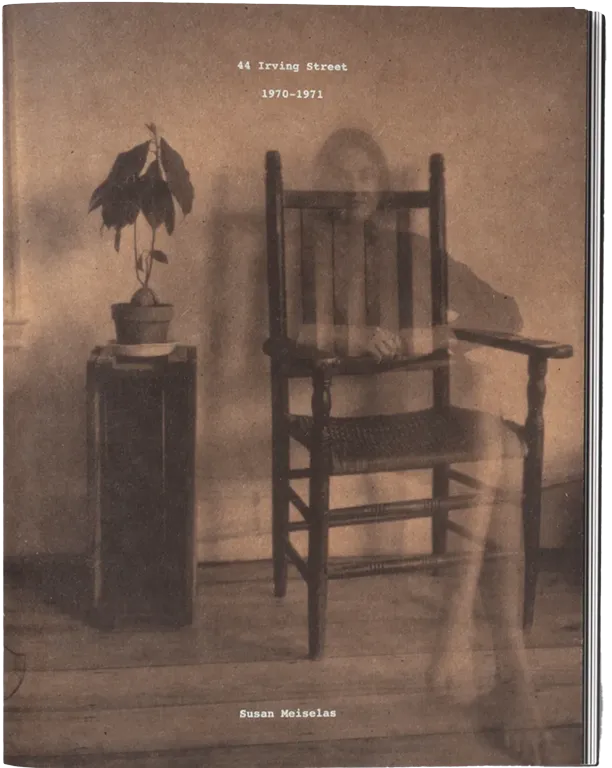
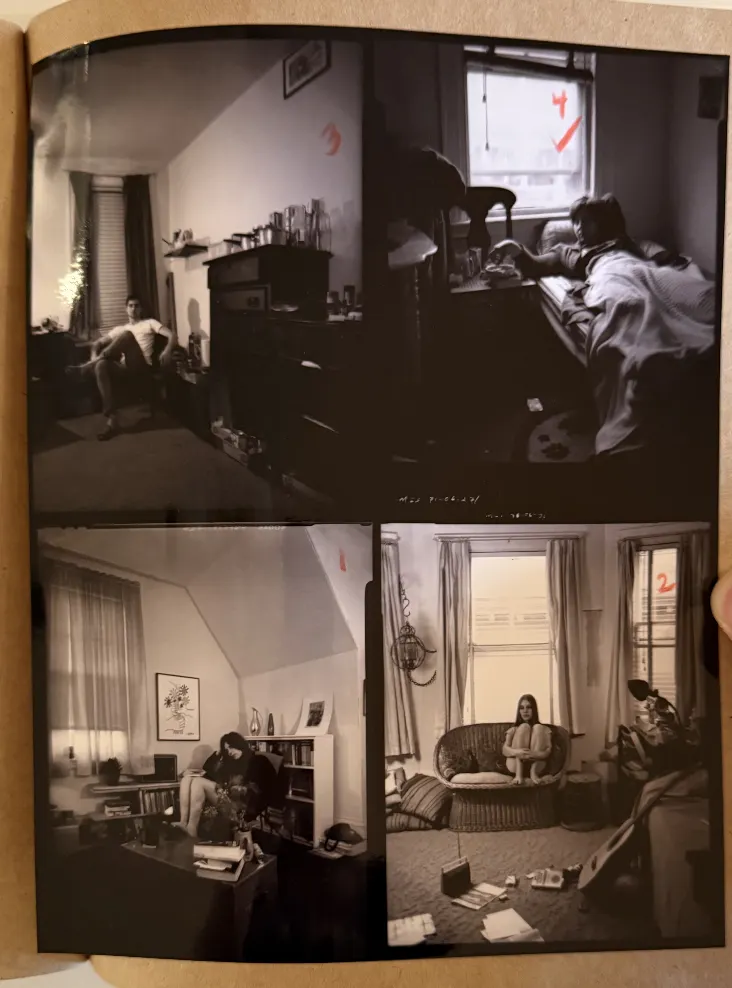
In 1970, while a student at the Harvard Graduate School of Education, Susan Meiselas was living in a boarding house at 44 Irving Street in Cambridge, Massachusetts. What began as a class project evolved into a deeply empathetic portrait of community domestic life. Meiselas photographed her neighbors in the building – many of them strangers – inside their rooms, initiating a collaborative exchange by sharing contact sheets and inviting written responses. These reflections appear alongside the photographs, offering insight into how her subjects saw themselves.

Boarding houses like 44 Irving Street were transitional spaces, yet Meiselas found individuality and self-expression in each room. Her portraits – full of personal detail and visual texture – reveal a rich inner life often hidden in shared housing. The handwritten letters act as a kind of written punctum, a counterpoint to the image that pierces the surface with honesty and introspection.

This early body of work helped shape Meiselas’s enduring approach to photography as a form of connection and dialogue. 'It wasn’t about the formalism of photography,' she notes. 'It was about the narrative and the connectivity.'

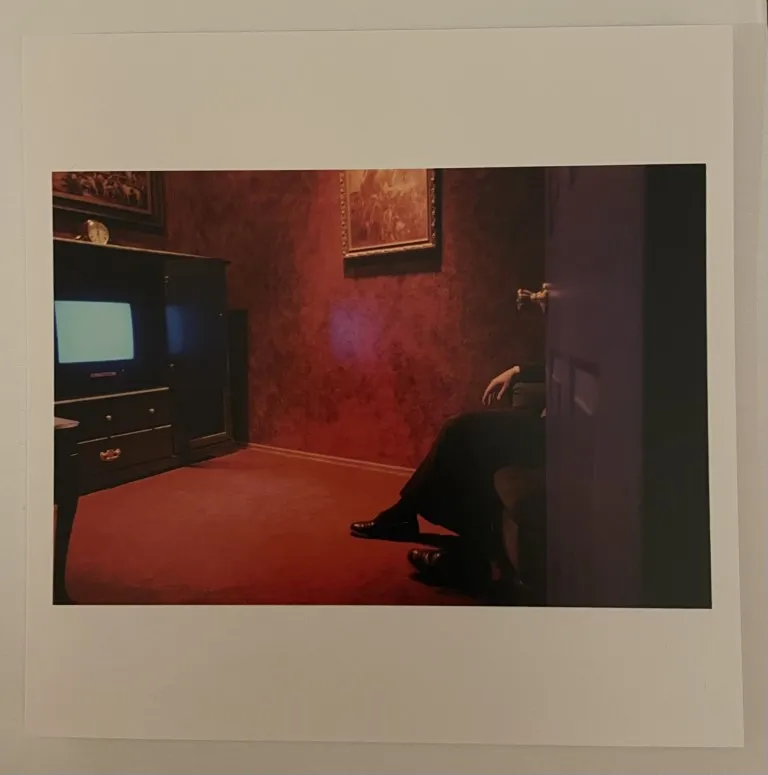
44 Irving Street, 1970–1971 marks the first time this complete series has been published in book form. The book includes two tip-ins: a photograph and a contact sheet from the original project.

2025
with:
Edition:
3rd
Edition size:
Signed to collector
Out of Print
Other edition(s):
First published in 1981
Hardcover with DJ
ISBN:
9781597115902
Condition: Fine

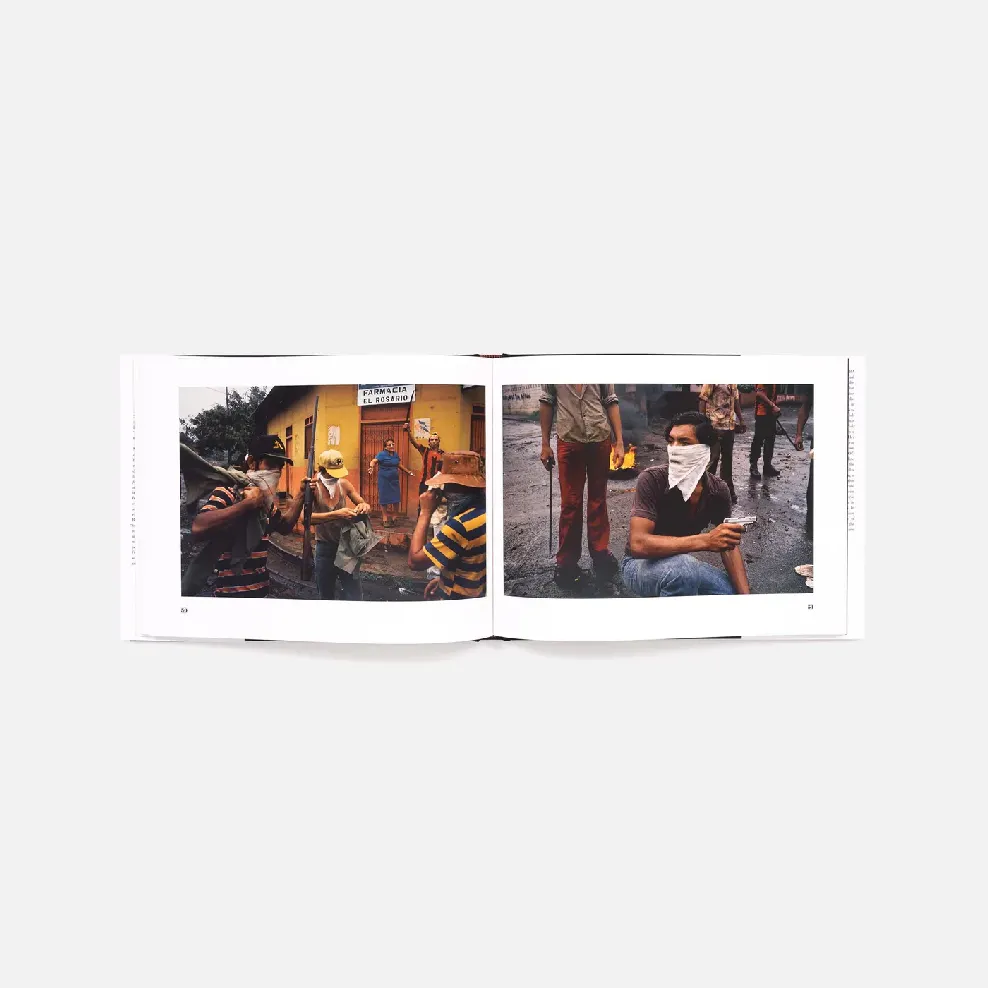
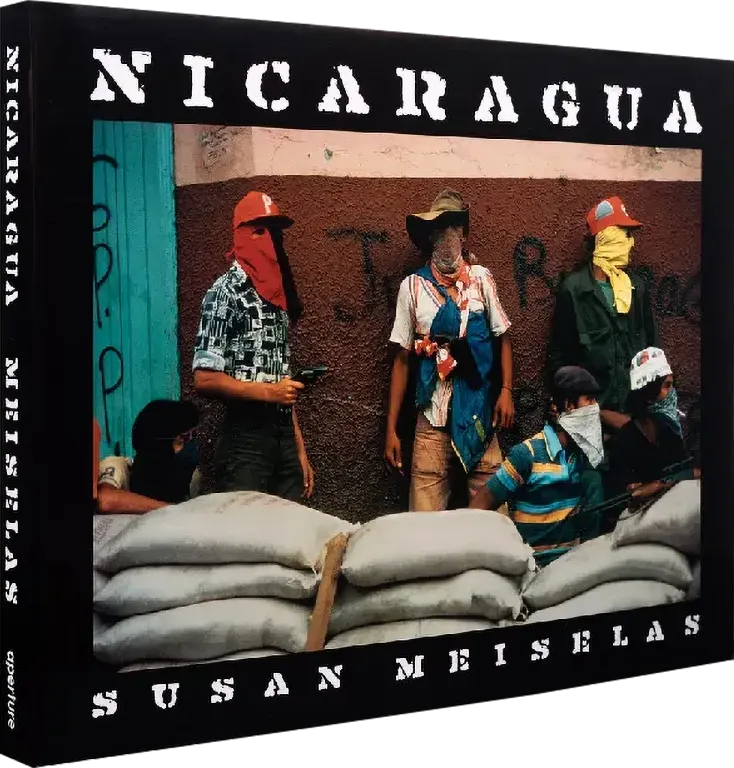
Originally published in 1981, Susan Meiselas’s Nicaragua is a contemporary classic, a seminal contribution to the literature of concerned photography.

Nicaragua: June 1978–July 1979 forms an extraordinary narrative of a nation in turmoil. Starting with a powerful and chilling evocation of the Somoza regime during its decline in the late 1970s, the images trace the evolution of the popular resistance that led to the triumph of the Sandinista revolution in 1979. The book includes interviews with various participants in the revolution, along with letters, poems, and statistics.

No items found.
No items found.

Susan Meiselas, American, b. 1948

Meiselas is an influential American documentary photographer renowned for her long-term engagement with human rights, cultural identity, and the ethics of the photographic gaze. A member of Magnum Photos since 1976, she has served as the President of the Magnum Foundation since its inception in 2007.

Born in Baltimore, Maryland, Meiselas earned a BA from Sarah Lawrence College and an MA in visual education from Harvard University. Before transitioning to full-time photography, she taught in New York City public schools and conducted workshops throughout the American South.

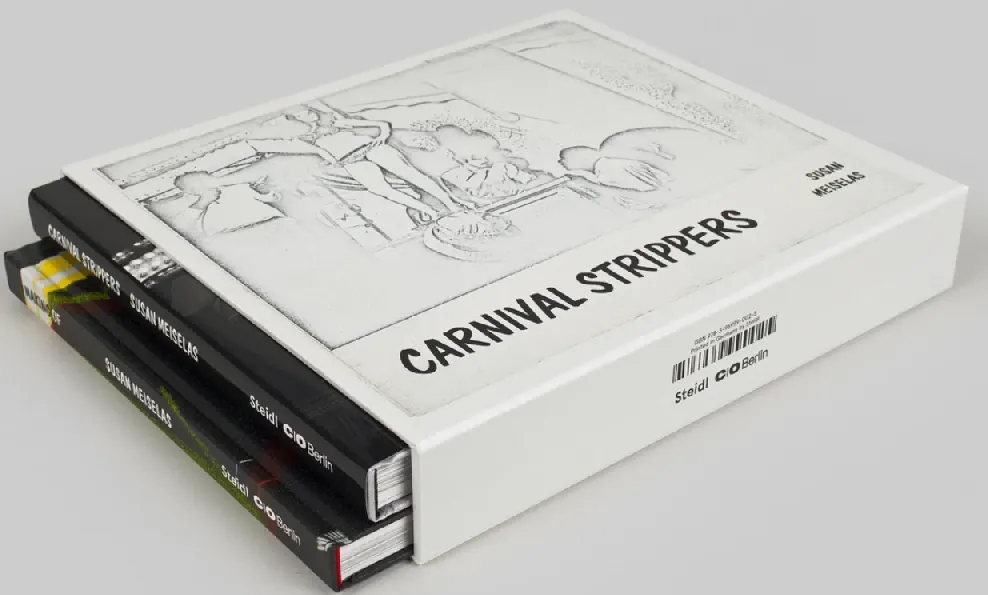
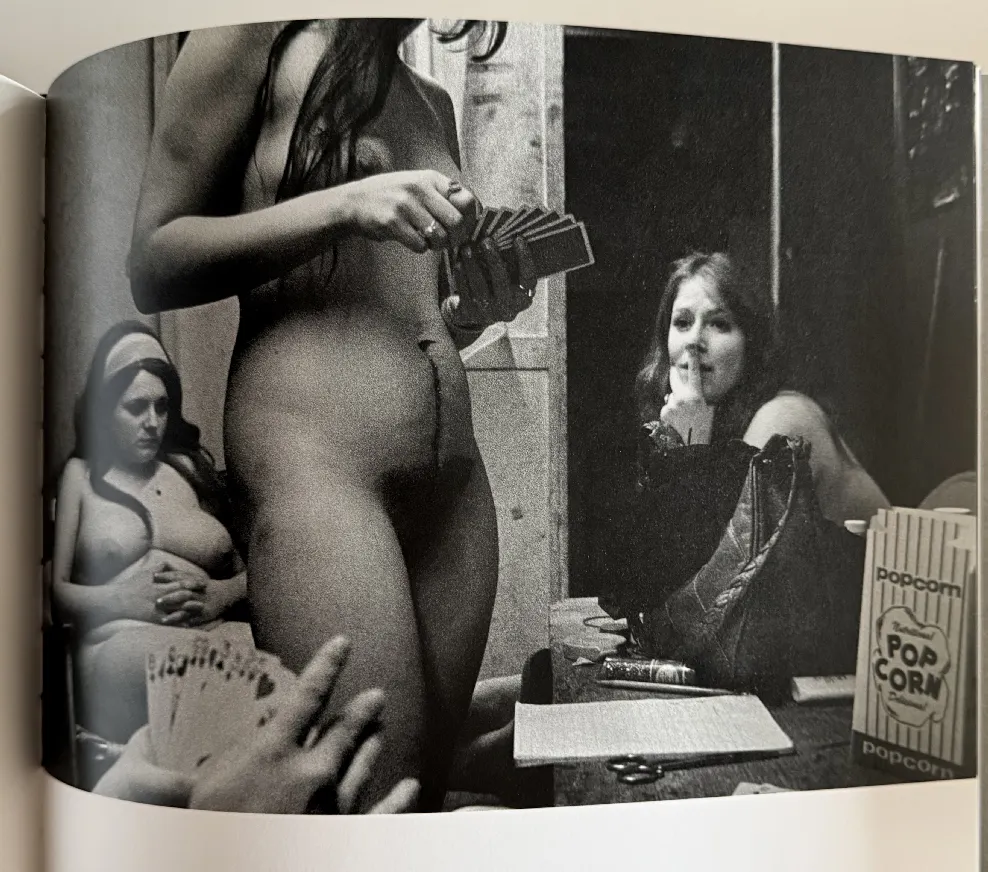
Her first major essay, Carnival Strippers (1972–1975), documented women performing striptease at New England country fairs and was pioneering for its inclusion of audio interviews. She later gained international acclaim for her color coverage of the insurrection against the Somoza regime in Nicaragua (1978–1979), where her iconic image "Molotov Man" became a symbol of the revolution. In 1997, she completed Kurdistan: In the Shadow of History, a six-year project curating a 100-year visual history of the Kurdish people and establishing the akaKURDISTAN archive. She also explored the intersection of power and sexuality in her 2001 work, Pandora’s Box.

Meiselas's work has been recognized with prestigious honors including the Robert Capa Gold Medal in 1979, a MacArthur Fellowship in 1992, and the Hasselblad Foundation International Award in 1994. She later received the Deutsche Börse Photography Foundation Prize and the Women in Motion Award in 2019.