

Which art books, prints and posters are available by and about this artist? Here is a sample of items of interest to a typical collector:
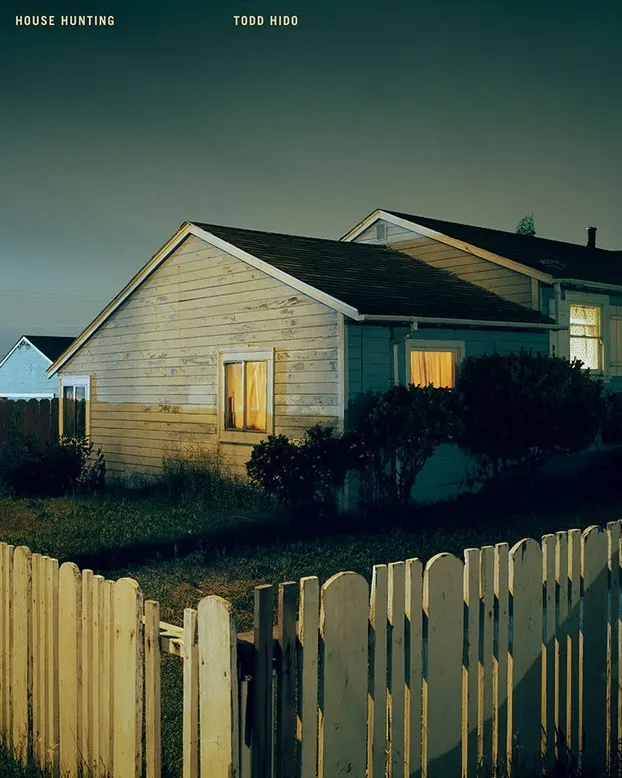
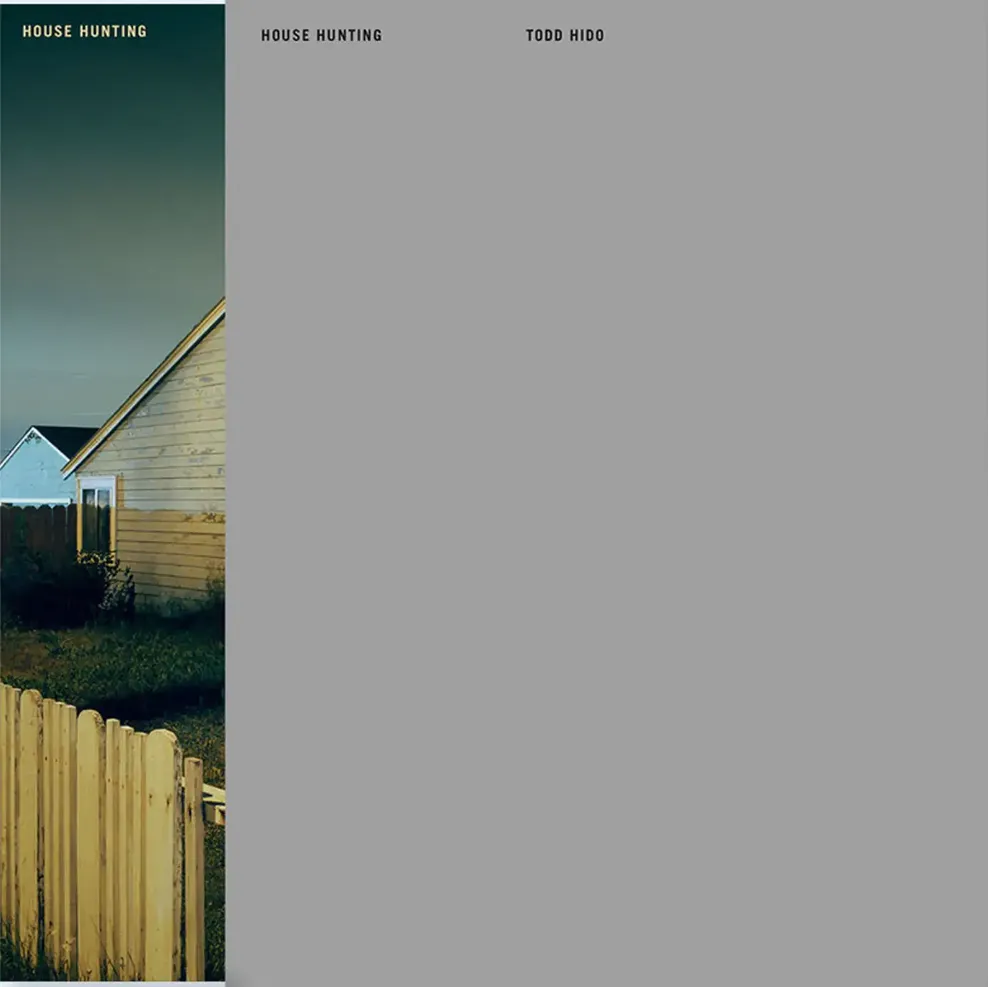
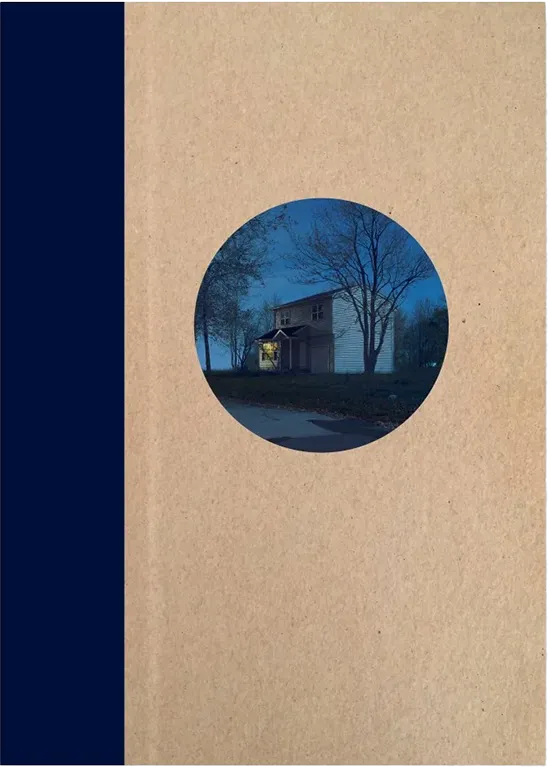
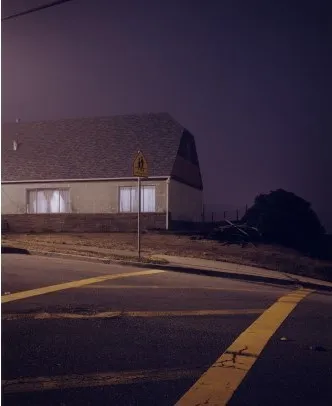
House Hunting, initially published in 2001, is a landmark photo book capturing suburban American homes at night. Hido took these photos during long solitary drives through ordinary neighborhoods. The haunting images showcase glowing windows that hint at hidden lives inside empty-looking properties. This cinematic style blends eerie isolation with a quiet sense of comfort and curiosity. The large-format book reflects Hido's own memories of growing up in Ohio during the 1970s. Its massive physical size forces the viewer to confront the heavy mood of each scene. Today, this masterpiece is widely considered a modern classic of contemporary photography.
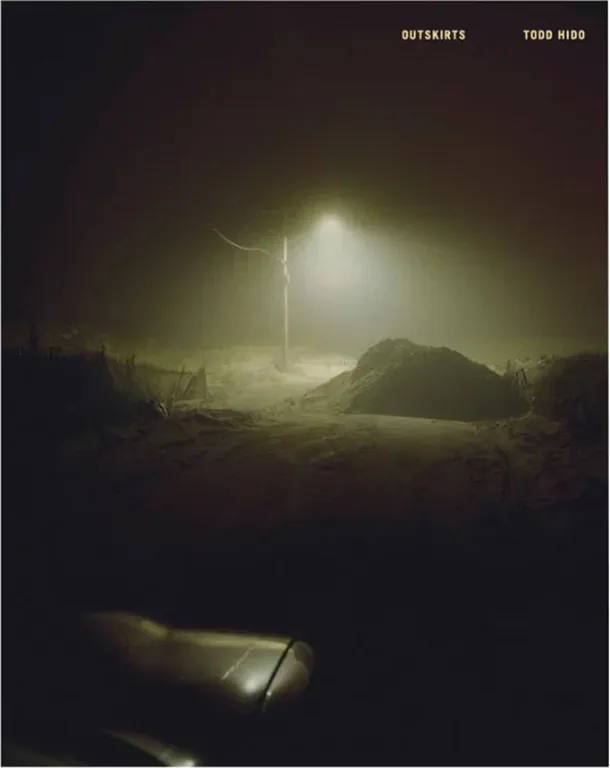
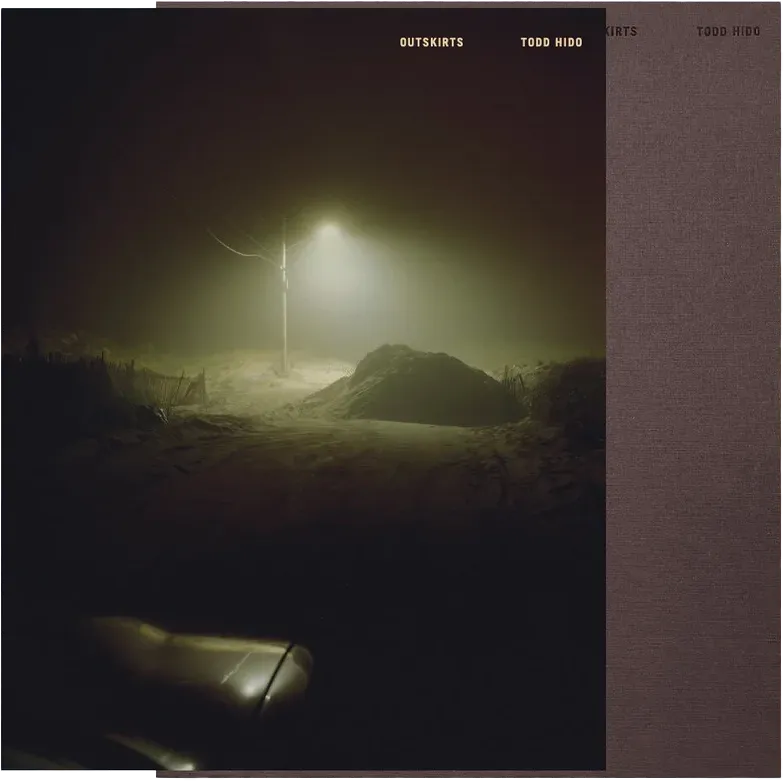
It launched Hido's career and was later followed by a companion volume, Outskirts (2002), which shared the same deliberate scale and somber tone.
Some photographs from this book are also included in the BushwickSurSeine collection.
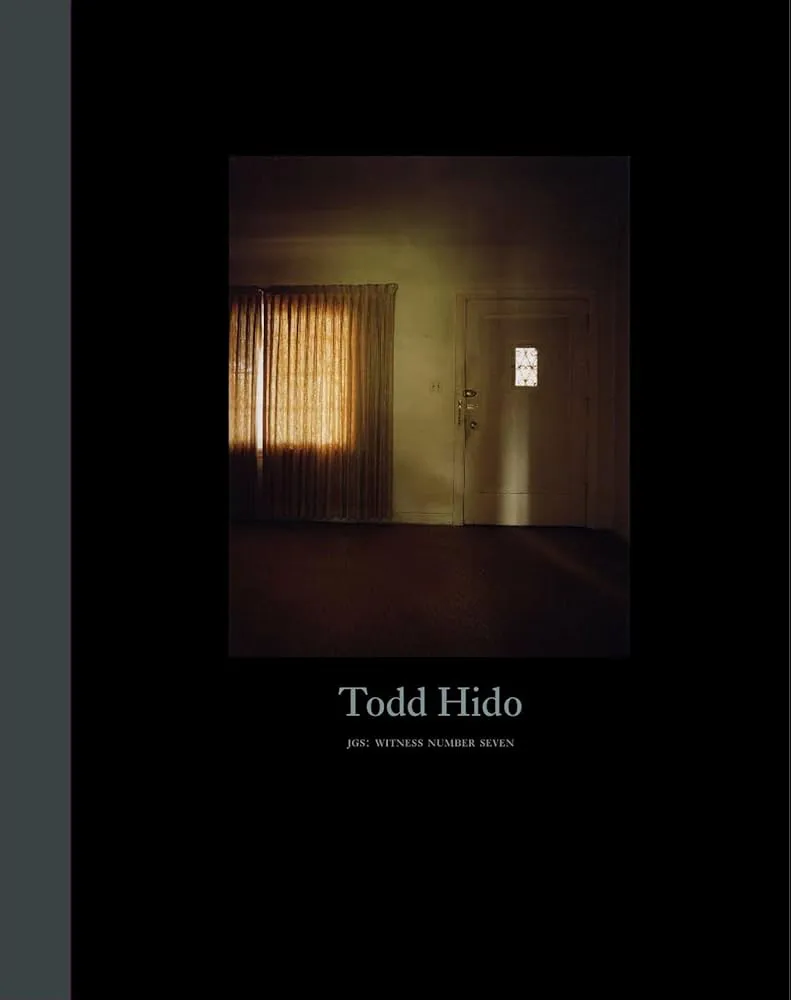
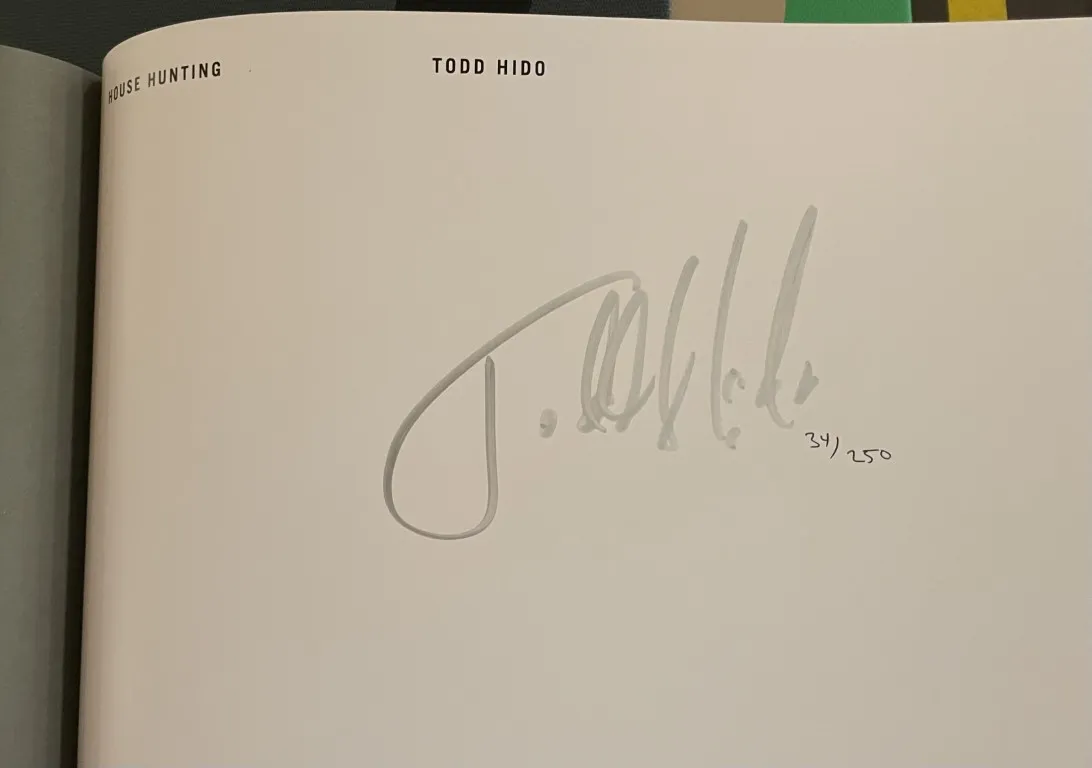
Printed on heavy weight matte art paper, using cutting-edge technologies in both the pre-press and production phases, this third edition of 'House Hunting' stays true to the original design and format while delivering even more accurate color rendition and nuances in tone and saturation. While a trade edition was produced for this third release, this copy is from the limited edition of 250, signed and numbered.
Please refer to the 2nd edition for more details on this body of work.
This is the clamshell limited edition of 12, which originally came with 15 prints.
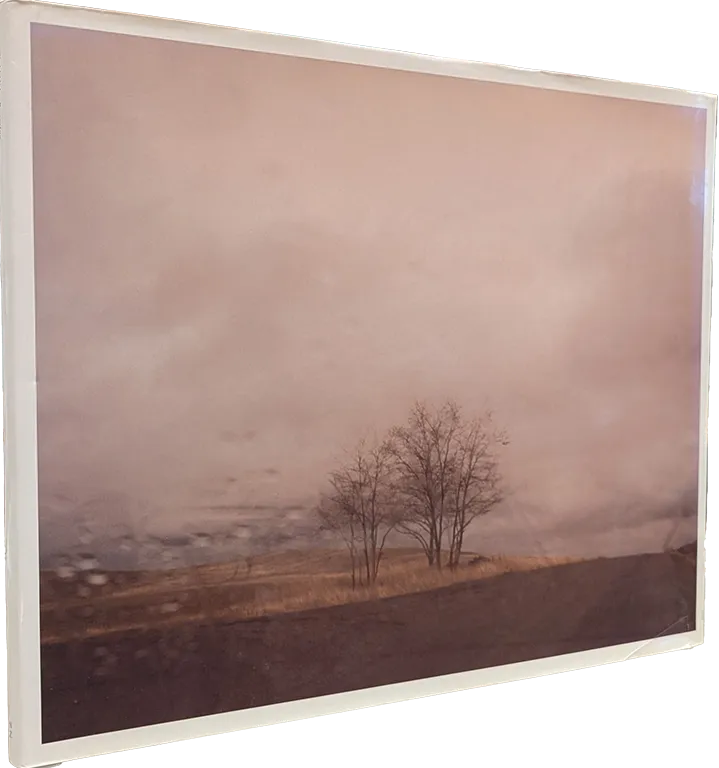
Excerpts from Silver Meadows by Todd Hido, published in 2013 by Nazraeli Press, is widely considered the culmination of his early career and a defining modern achievement in narrative sequencing.
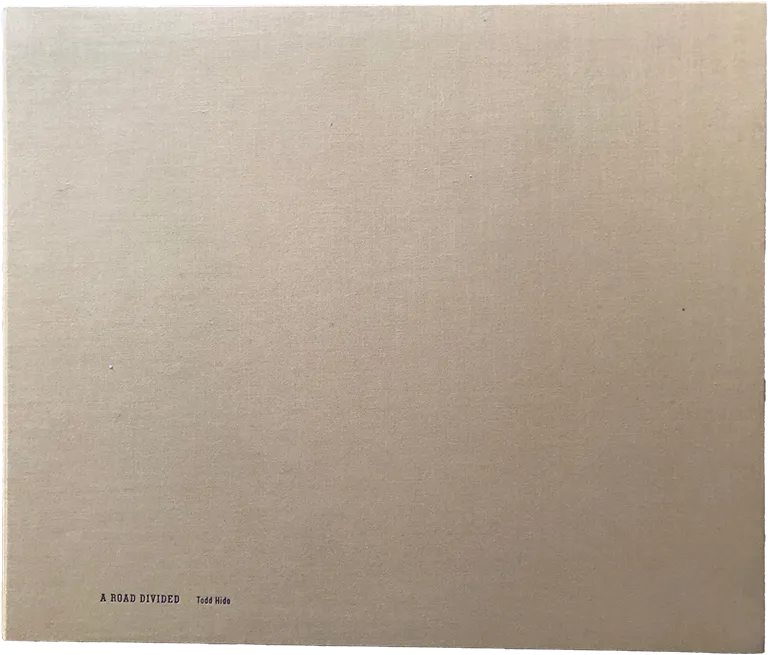
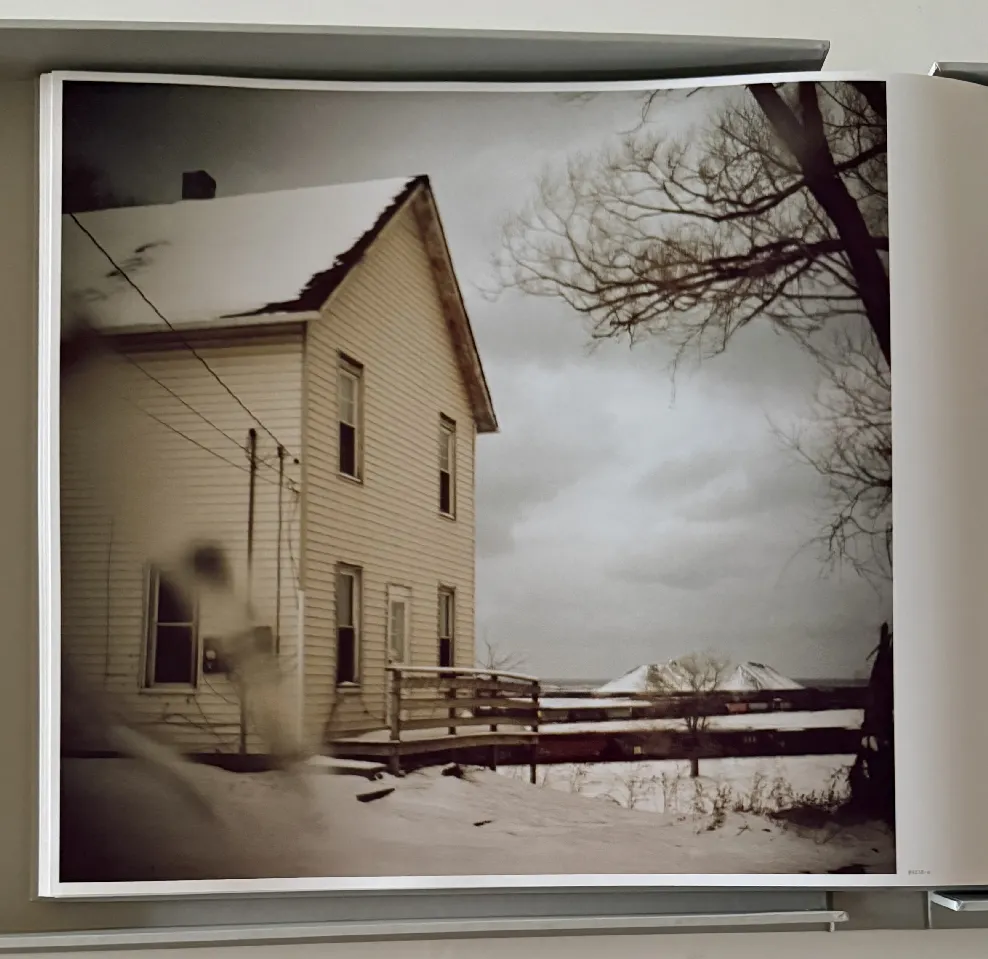
The title refers to a specific street that ran through Hido's childhood neighborhood in Kent, Ohio, serving as both a geographical anchor and a psychological point of departure. Rather than creating a straightforward documentary, Hido constructs a hazy, non-linear cartography of midwestern memory. He seamlessly interweaves his signature atmospheric, neon-lit suburban landscapes with intimate portraits, archival documents, and found vintage photography. The resulting sequence functions as an unsettling trip through the innocence of adolescence into the darker, hidden realities of suburban American life. Operating entirely through shadow and suggestion, the work eschews simple nostalgia in favor of the immediate, sometimes jarring sensation of uninvited flashbacks.
For a formalist collection focused on the physical execution of printed matter, this monograph stands as a critical benchmark. Hido conceptualized the project in direct defiance of the emerging digital publishing trend, setting out to create a volume that demanded a purely physical and tangible interaction. The design notably utilizes oversized, multi-page gatefolds. These structural interventions disrupt the standard rhythm of consumption, forcing the viewer to physically manipulate the object, peel back its narrative layers, and actively slow down their reading process.
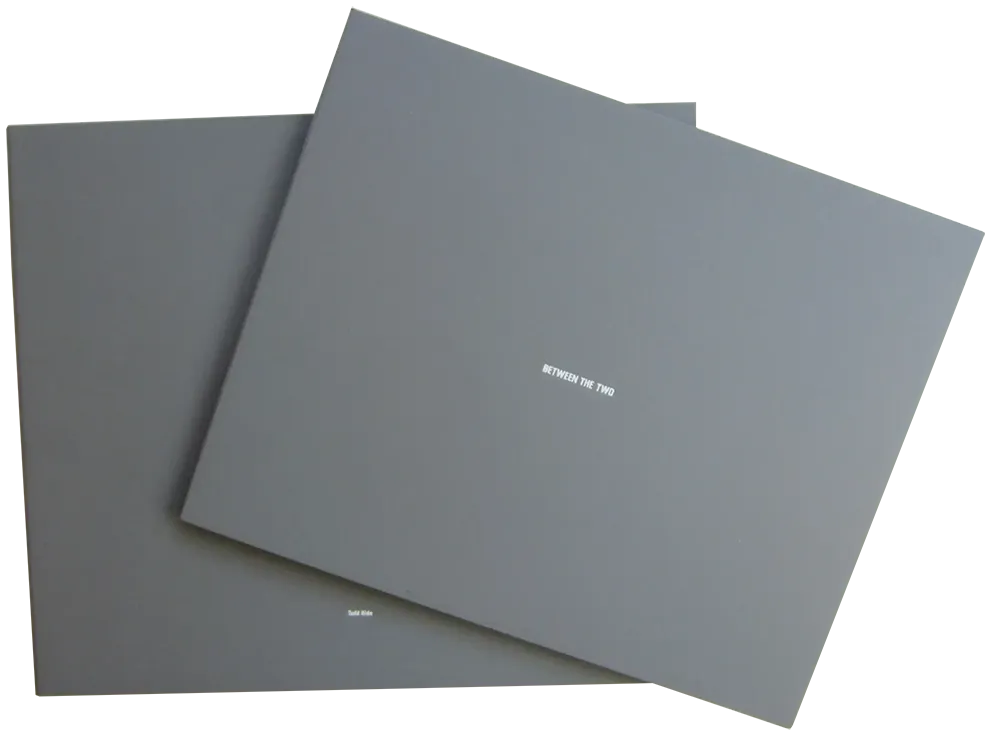
Collectors of art editions often complement this volume with the 2014 B-Sides Box Set, a specialized companion piece also published by Nazraeli. Housed in a two-piece lucite box, this edition consists of fifty loose image cards featuring alternate crops and outtakes, offering a rare, tactile deconstruction of Hido's rigorous editing and sequencing process.
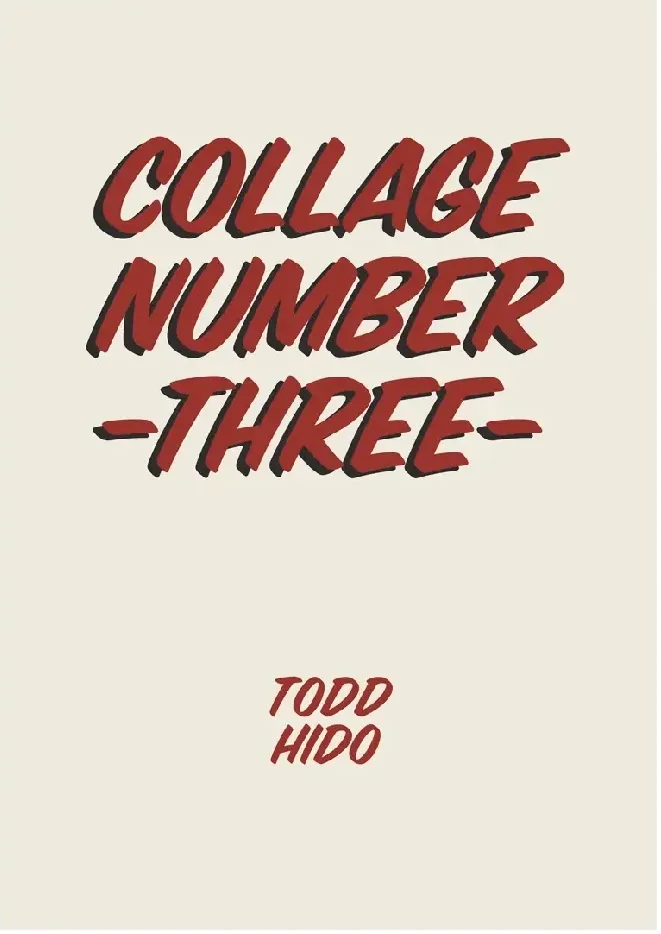
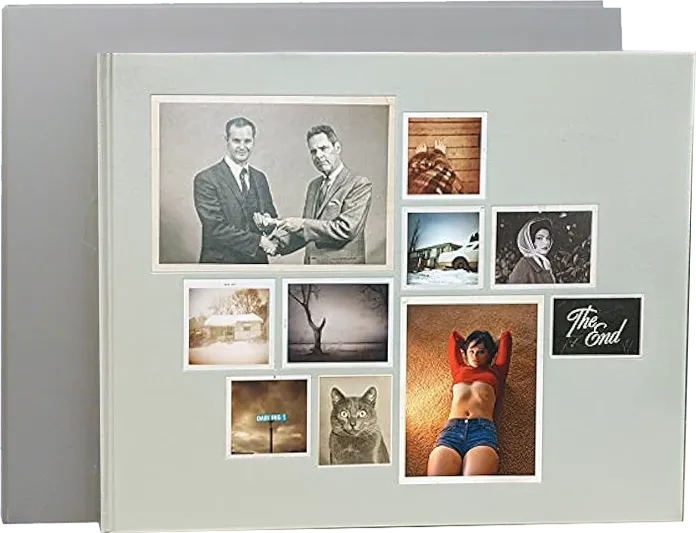
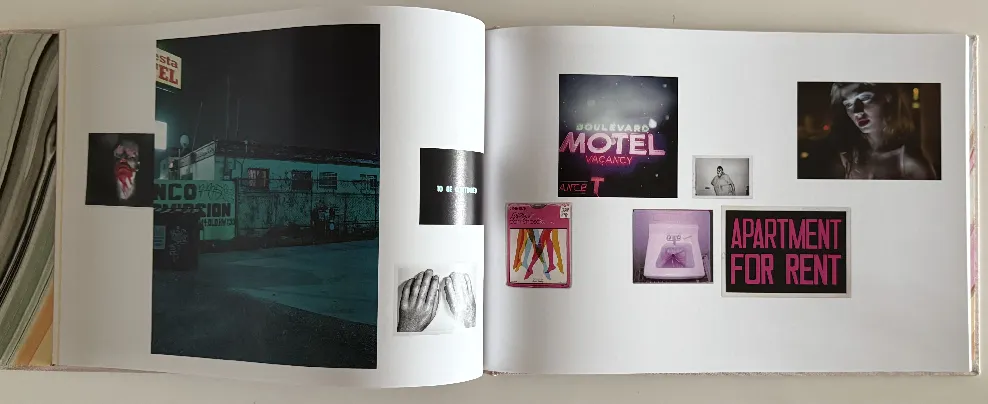
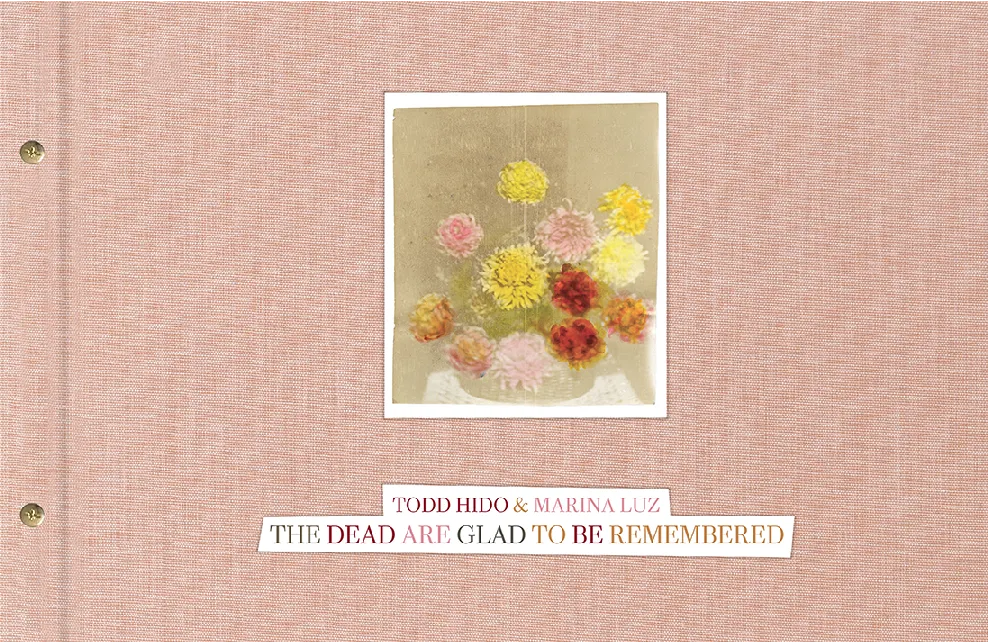
At the crossroad of an artist's book and a scrapbook, The Dead Are Glad to Be Remembered, signed and numbered in a limited edition of 500 copies, invites the reader to explore Todd Hido's work in dialogue with his collection of vernacular photographs. Each page of the album offers a new narrative composed by Todd Hido, with the collaboration of his wife Marina Luz, deliberately left open-ended.
The book presents a selection of Todd Hido's portraits, urban house views, and landscapes, both unpublished and iconic, punctuated by postcards, book covers, vintage movie posters, old amateur portraits, drawings, photo booth pictures, and more. The vernacular photography is reproduced in all its materiality. Genres blend together to create a unique work that plays on different atmospheres around the themes of desire, loneliness, memory, the unconscious, and the subconscious, which are characteristic of the photographer's work. These themes are found in the essay by author Brad Zellar, at the heart of the book, which he explores through these fragments of experiences and stories interspersed with literary quotations.
Both an ode to the printed image and to the memory of those who have lived, this limited edition echoes traditional photo albums with its screw-bound canvas cover. The dialogue between the materiality of the images and the different types of paper, including one that is translucent, creates a cinematic fiction within the book, with certain photographs appearing and disappearing like enigmatic collages. These images, arranged randomly on the page, respond to one another and allow the reader to create their own narratives.
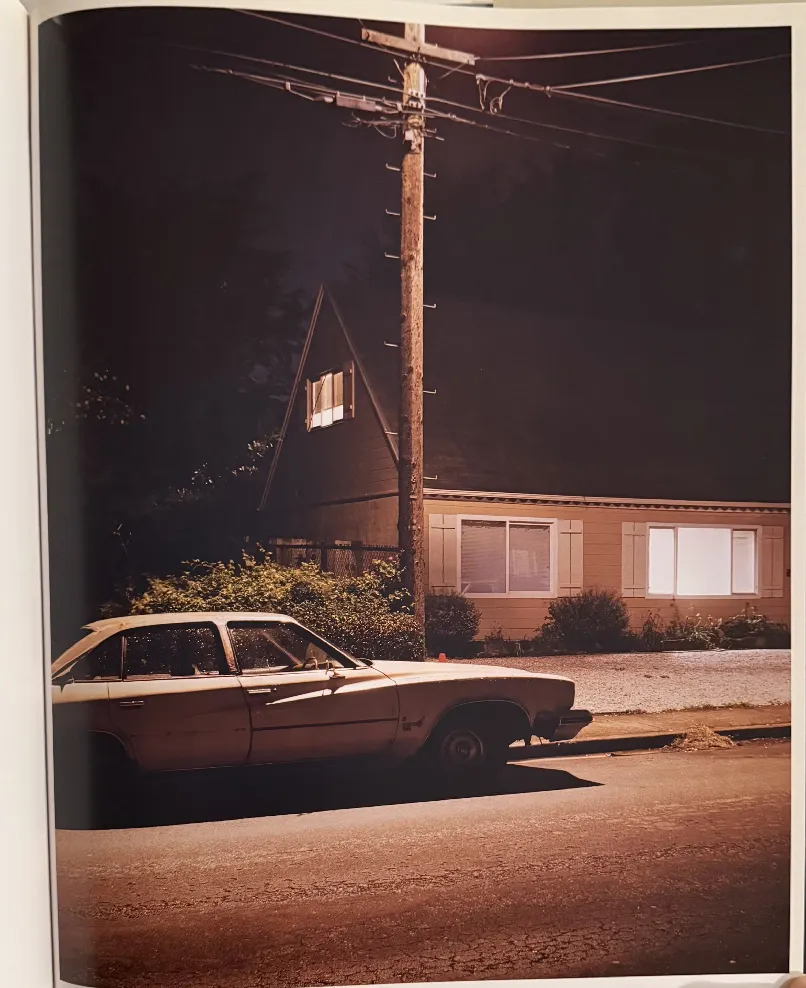
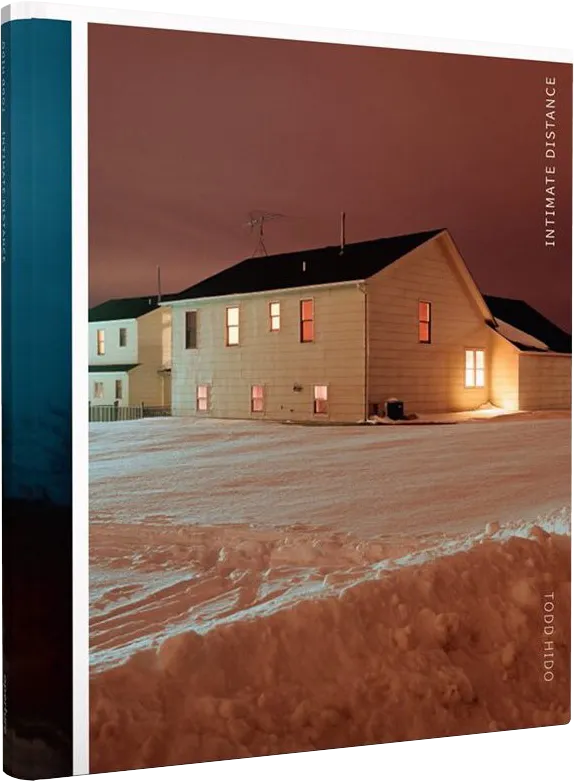
Intimate Distance, Aperture, 2016, Page 37
House Hunting, Nazraeli, 2001, 2007 & 2019
Intimate Distance, Aperture, 2016, Cover and Page 59.
House Hunting, Nazraeli, 2001, 2007, & 2019
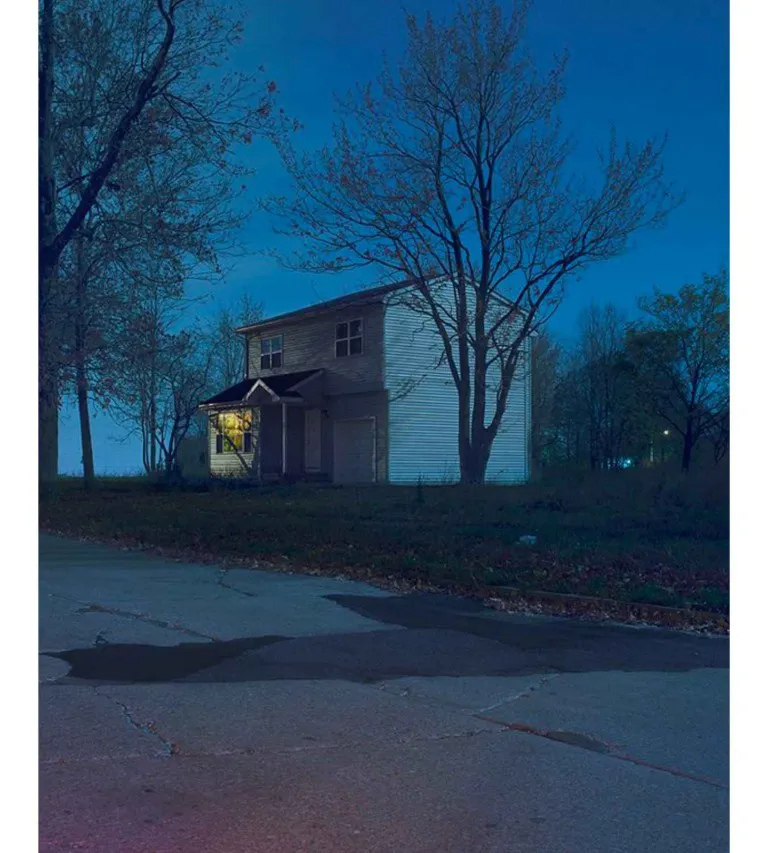
Home #2479-A (1999) is one of the definitive images from Todd Hido’s iconic series House Hunting, which established his visual language and launched his career.
Shot at night during solitary drives through suburban neighborhoods, the photograph captures an ordinary, solitary house glowing against the surrounding dark. Hido’s signature approach, using long exposures, ambient interior light leaking through windows, and natural atmospheric conditions, transforms a quiet, everyday structure into a cinematic, moody scene fraught with psychological tension. It straddles the line between domestic warmth and haunting isolation, leaving the narrative inside the house entirely open to the viewer's imagination.
In Todd Hido's House Hunting series, isolating a single residential structure shifts the subject away from a simple domestic dwelling and turns it into a self-contained, sculptural object.
This approach directly echoes the pioneering work of Bernd and Hilla Becher, who systematically documented industrial and vernacular architecture across Europe and North America. The Bechers famously referred to these structures as "anonymous sculptures," treating functional, human-built forms, like water towers, coal breakers, and framework houses, as sculptural monuments worthy of formal aesthetic study. By framing a house centrally and detaching it from its surrounding neighborhood context, Hido applies a similar sculptural focus to suburban domesticity.
The idea of treating the built environment as fine art landscape originates from the landmark 1975 exhibition New Topographics: Photographs of a Man-Altered Landscape. Curated by William Jenkins at the George Eastman House, the show brought together photographers like Robert Adams, Lewis Baltz, Stephen Shore, and the Bechers. It marked a radical departure from traditional, romanticized wilderness photography, turning the camera instead toward suburban sprawl, tract homes, parking lots, and everyday architecture. The movement established that mundane, man-altered structures possess their own powerful graphic geometry and conceptual weight.
While Hido operates within this tradition of treating everyday architecture as a core subject, his emotional tenor diverges from the original movement. Where the New Topographics movement prioritized a cool, objective, and emotionally neutral style, Hido infuses the physical form of the house with heavy narrative and psychological atmosphere. The house remains a formal, sculptural object in the frame, but through long exposure, ambient light, and night mist, it becomes a vessel for memory, tension, and emotional resonance.
Outskirts, Nazraeli, 2002, Cover. Intimate Distance, Aperture, 2016, Page 2
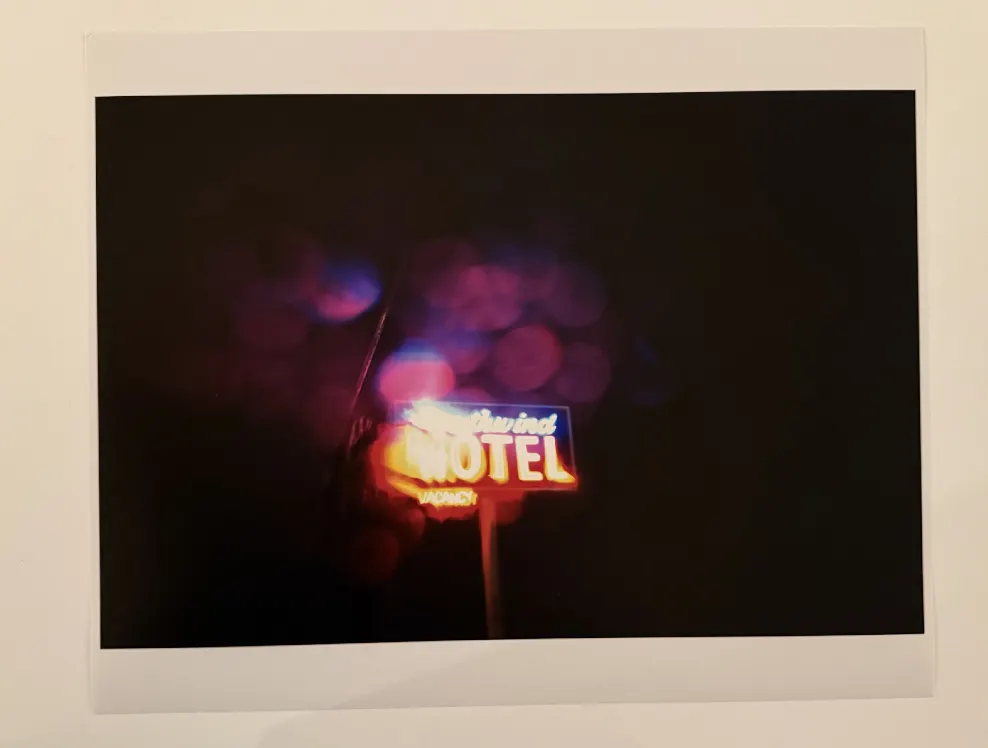
By incorporating Risograph editions like this one alongside traditional C-prints and offset books, the BSS collection visually demonstrates how varying printing mechanics radically alter the mood, grain, and physical presence of the exact same photograph.
Risograph printing holds a specific place within a photography archive like BSS, particularly when examining how artists like Todd Hido translate atmospheric, low-light, or textured images into physical media.
By incorporating Risograph editions like this one alongside traditional C-prints and offset books, the BSS collection visually demonstrates how varying printing mechanics radically alter the mood, grain, and physical presence of the exact same photograph.
Risograph printing holds a specific place within a photography archive like BSS, particularly when examining how artists like Todd Hido translate atmospheric, low-light, or textured images into physical media.
Issued for Paris Photo in Nov 2023
Limited edition book/folded poster with print.
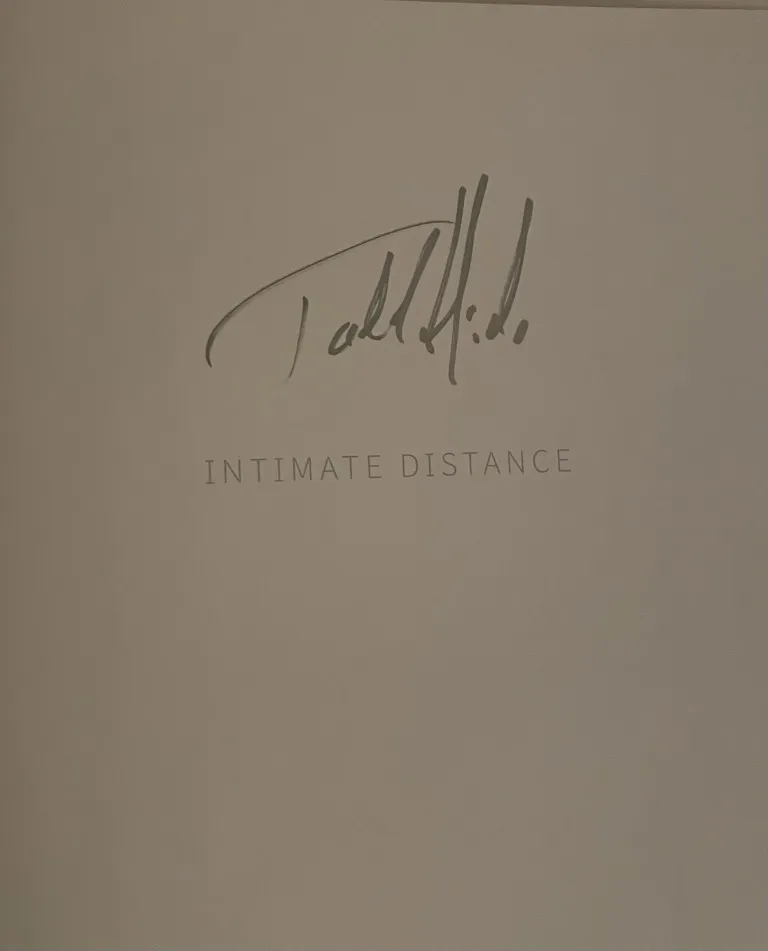
Limited edition of 100 signed.
Limited edition of 100, unsigned
Todd Hido (b. 1968) is an acclaimed American photographer best known for his haunting, cinematic imagery of suburban landscapes, empty homes, and evocative portraits. His work explores themes of memory, isolation, desire, and the psychological undercurrents of everyday life.
Born in Kent, Ohio, Hido earned his BFA from Tufts University and the School of the Museum of Fine Arts in Boston, and later an MFA from the California College of Arts and Crafts. He is now based in the San Francisco Bay Area.
Hido rose to prominence with his debut monograph House Hunting (2001), which featured long-exposure night photographs of lonely, glowing houses in anonymous American neighborhoods. These images, often shot from the street with fogged windows or obscured views, evoke a sense of both domestic familiarity and eerie detachment.
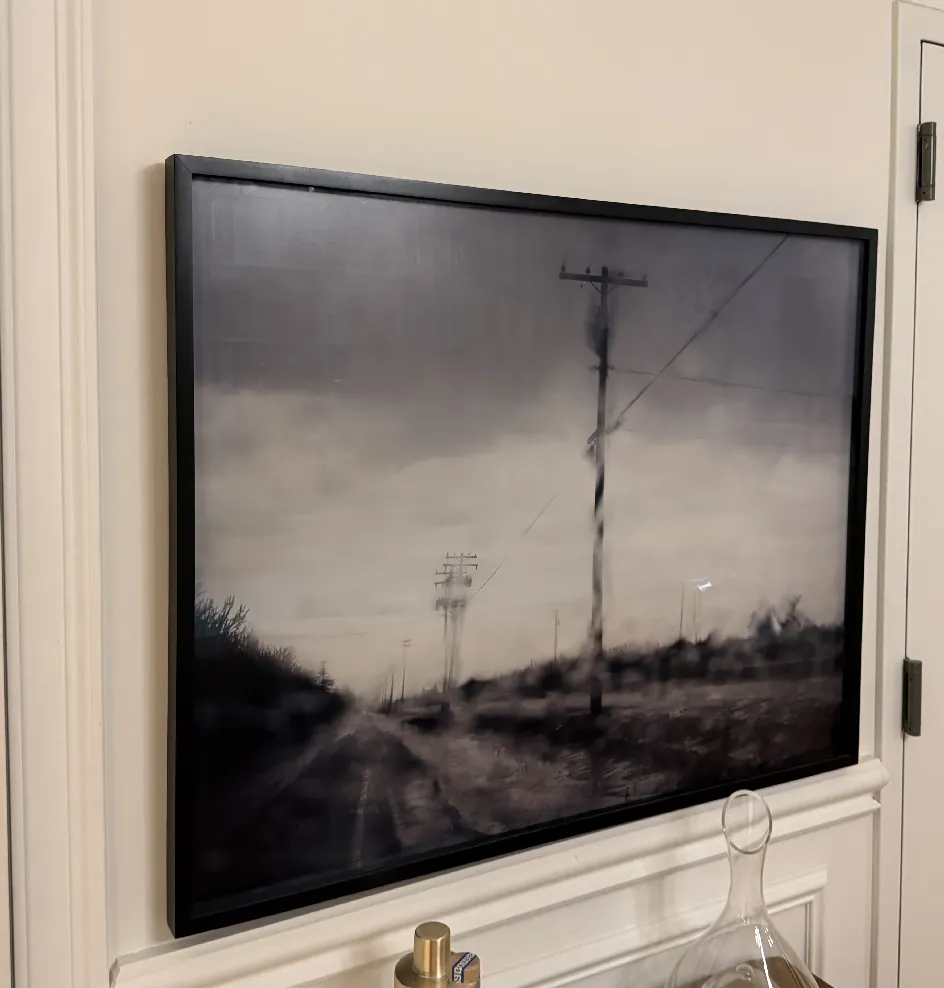
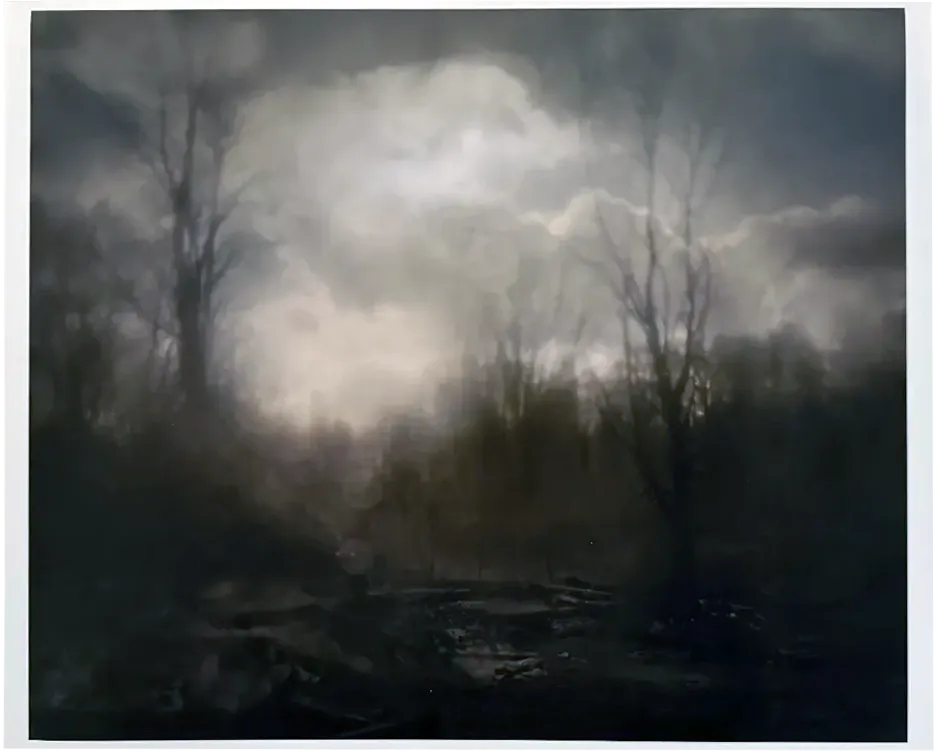
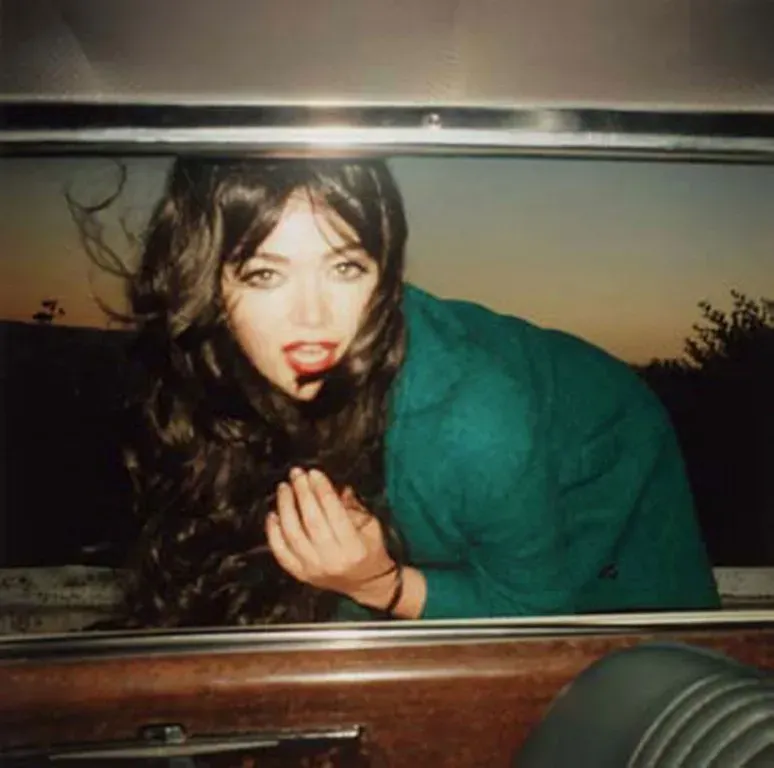
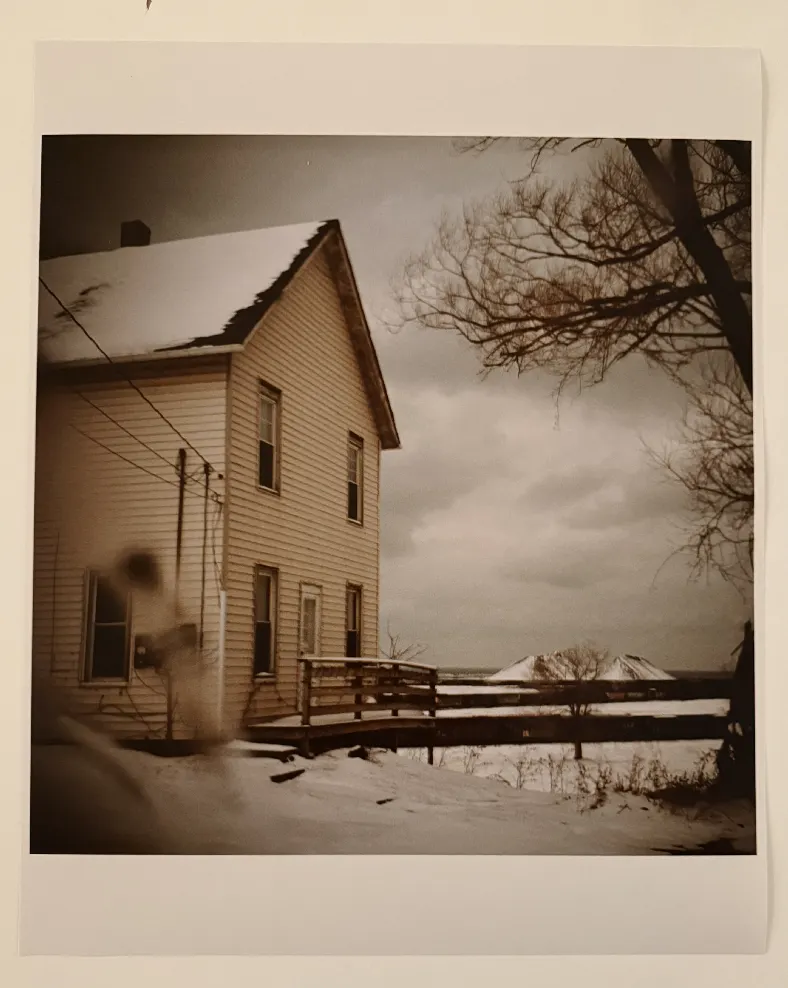
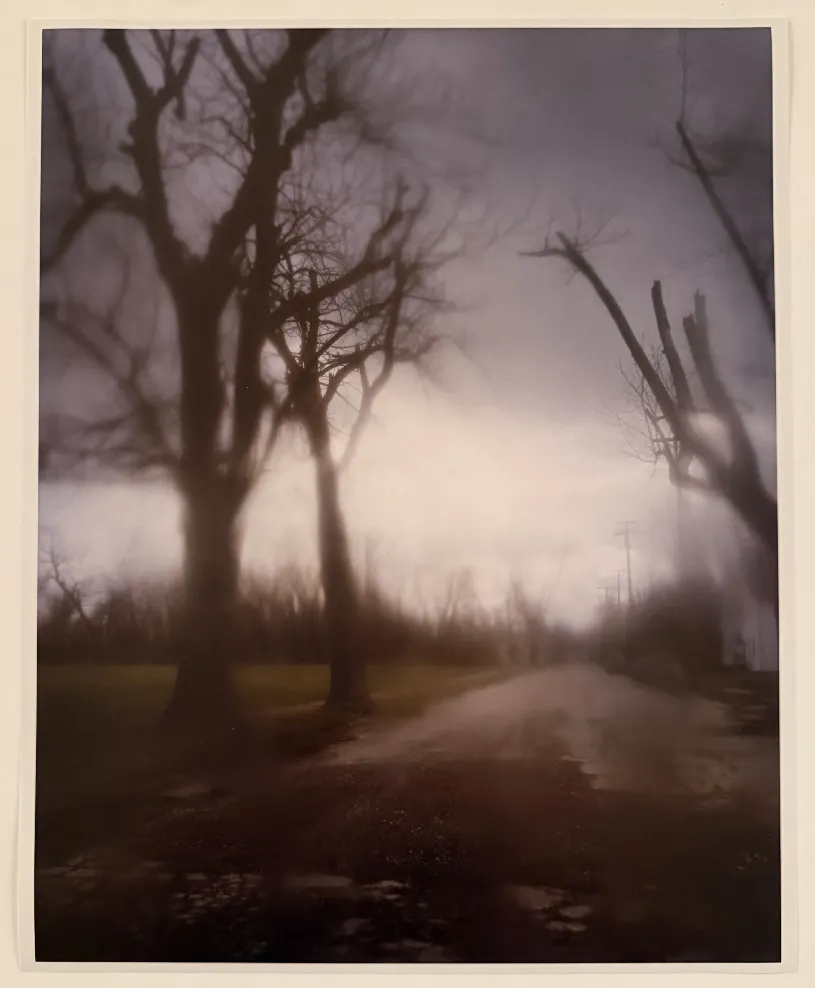
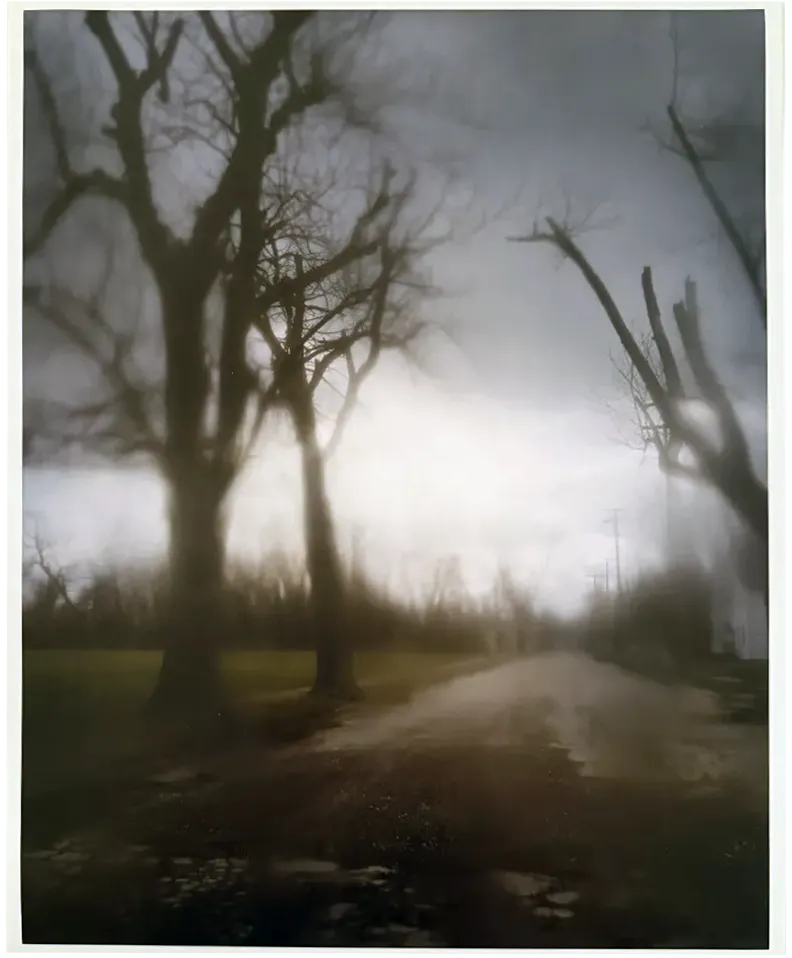
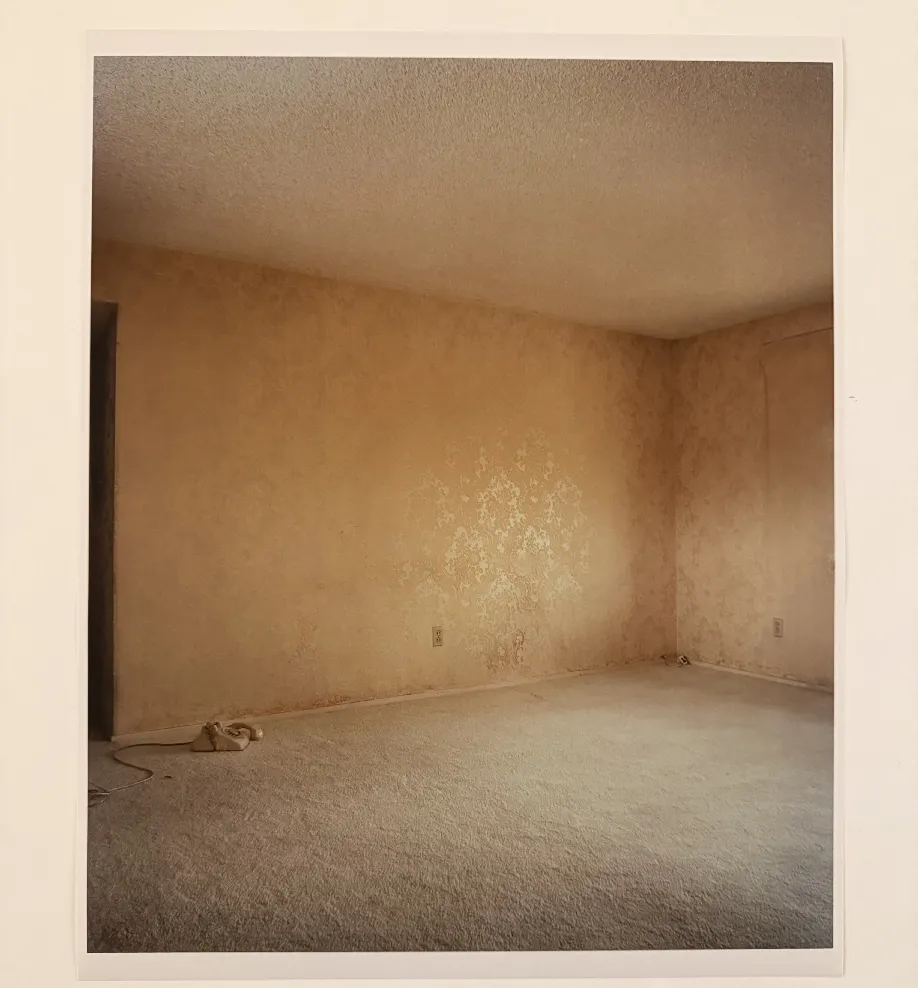
Subsequent works like Outskirts (2002), Roaming (2004), Excerpts from Silver Meadows (2013), expanded his themes, incorporating bleak Midwestern landscapes, motels, and intimate, sometimes erotic portraiture. Hido often uses natural light, blurred perspectives, and muted color palettes to create a dreamlike quality, inviting viewers to interpret emotional narratives.
His work has been widely exhibited and is included in major collections such as the Getty, Whitney, Guggenheim, and SFMoMA. He has published over a dozen photobooks—considered essential in contemporary photography—and is also a respected teacher and mentor.
Todd Hido’s photographs are less about documentation and more about emotional resonance, portraying an American landscape filtered through memory, longing, and the subconscious.