
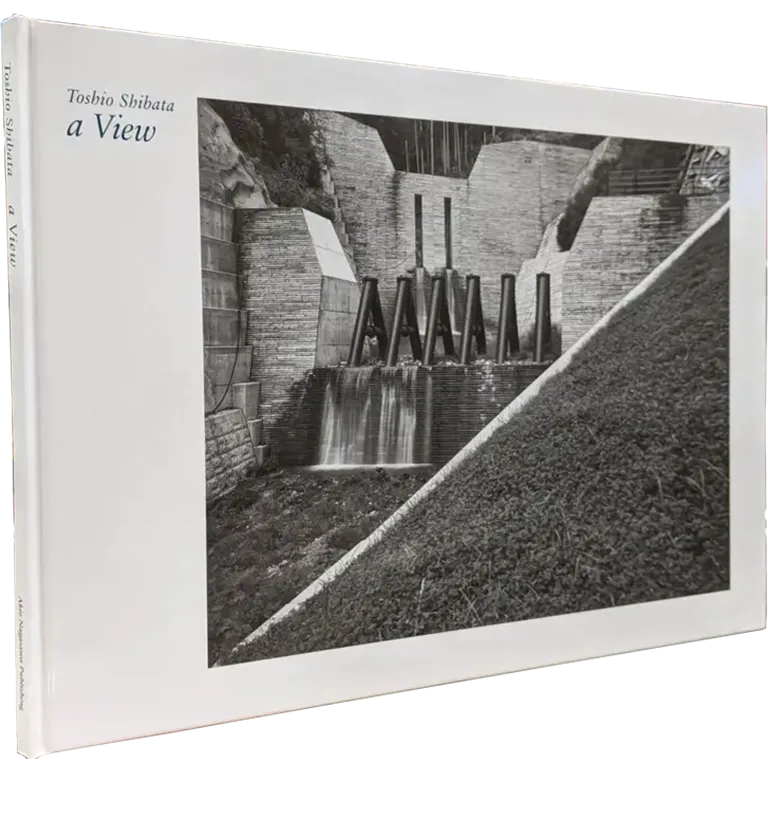
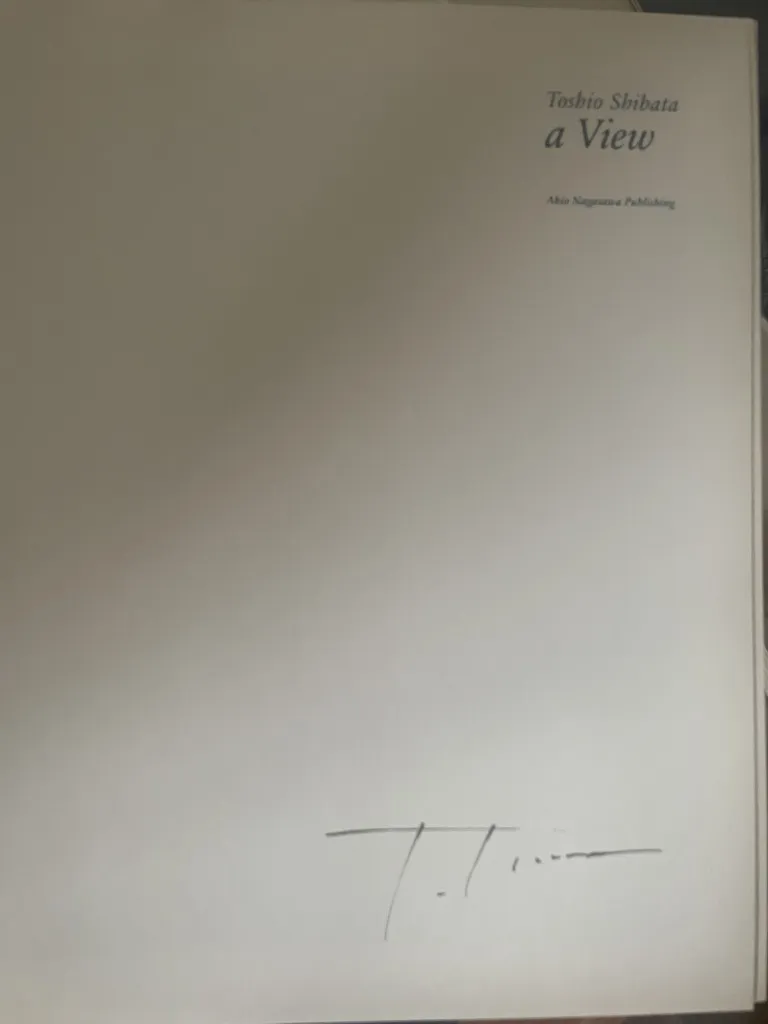
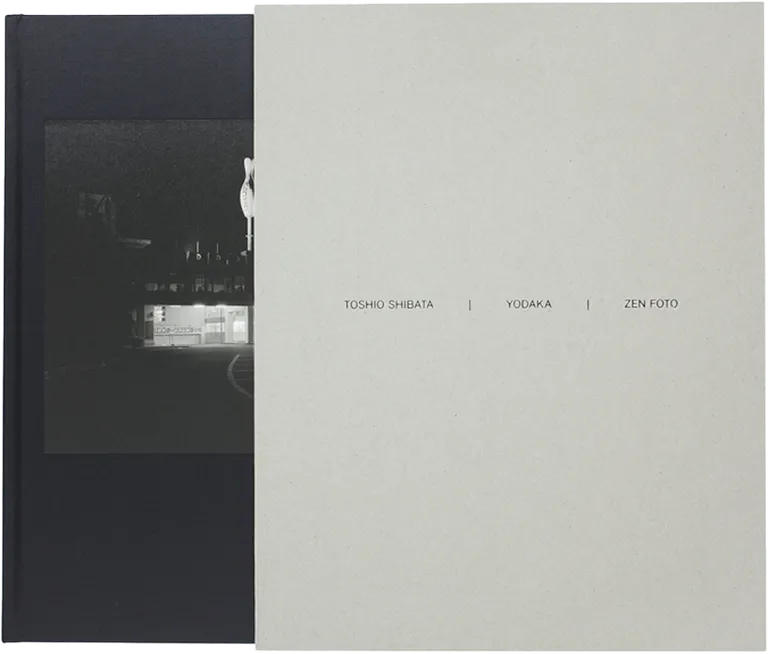
Hardcover without dust jacket, as issued
ISBN:


Which art books, prints and posters are available by and about this artist? Here is a sample of items of interest to a typical collector:


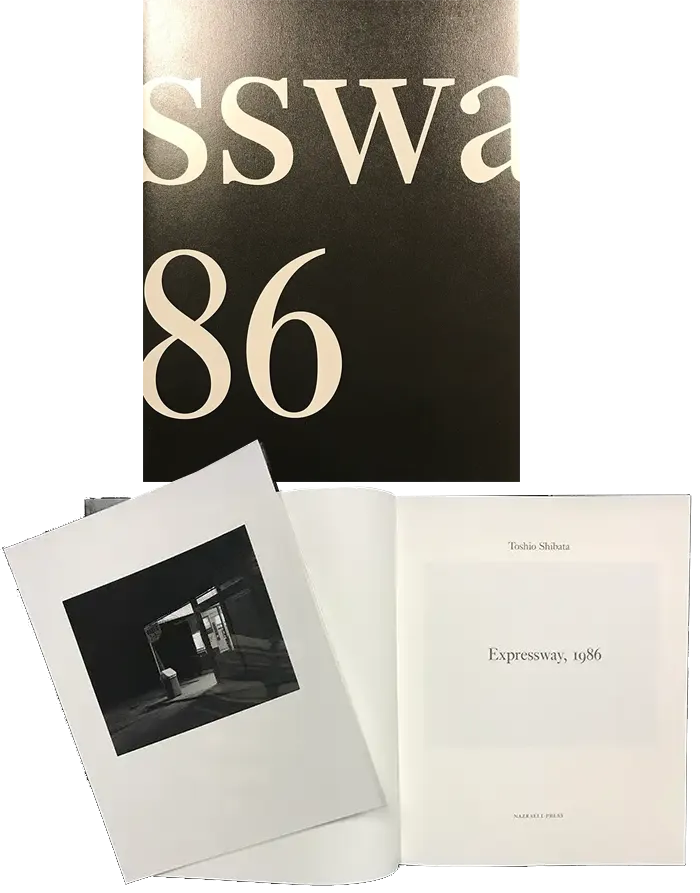
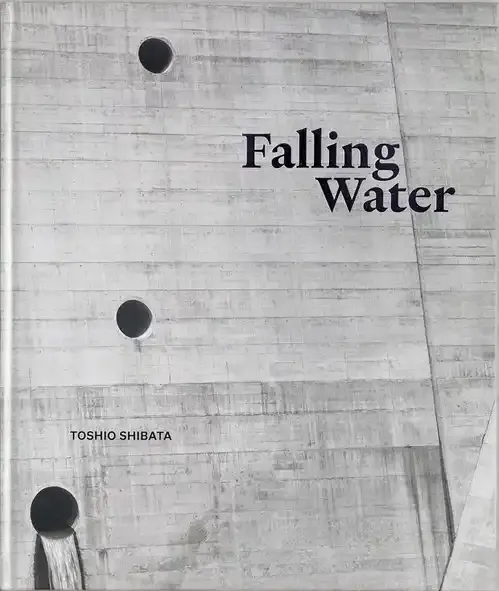
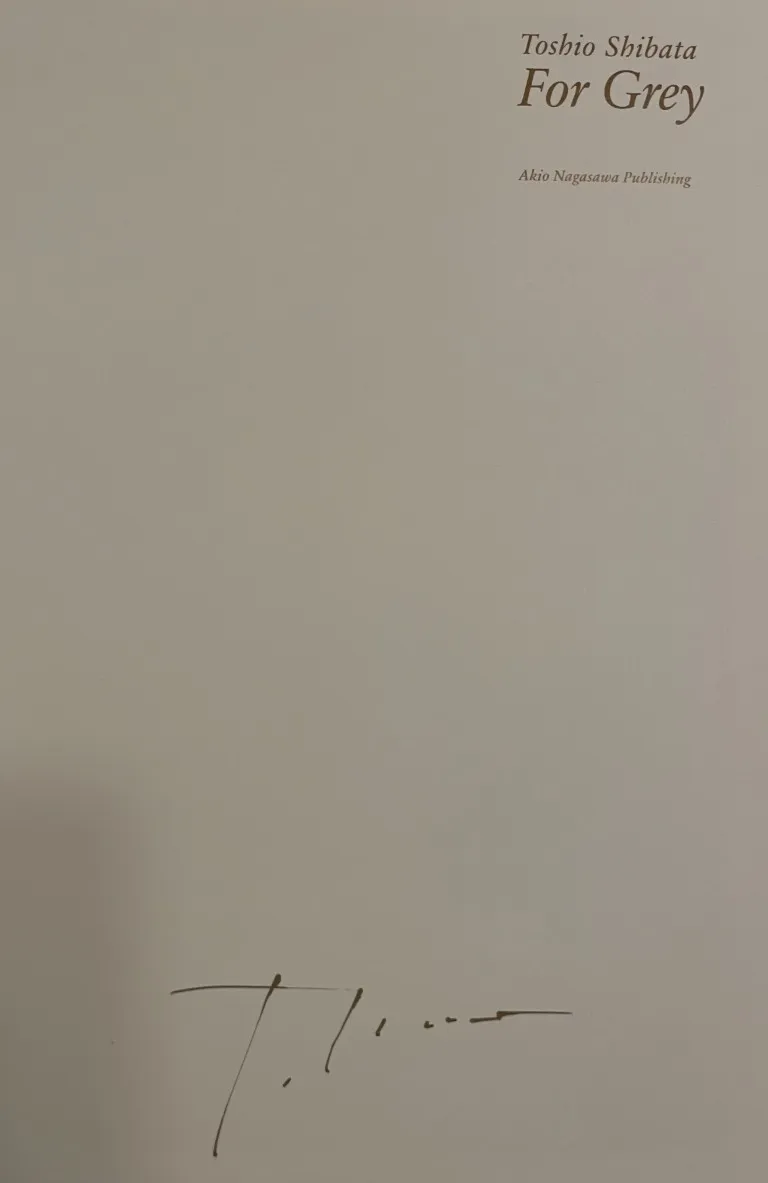
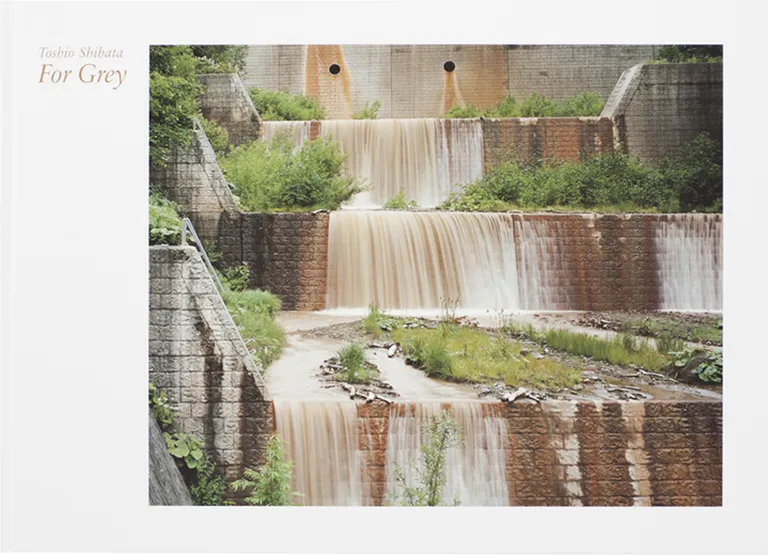
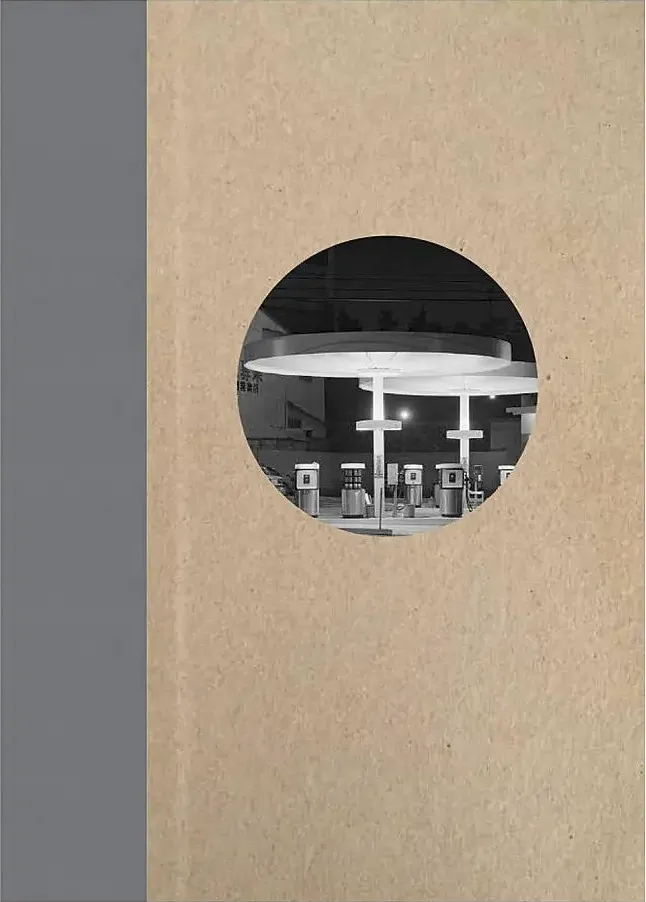
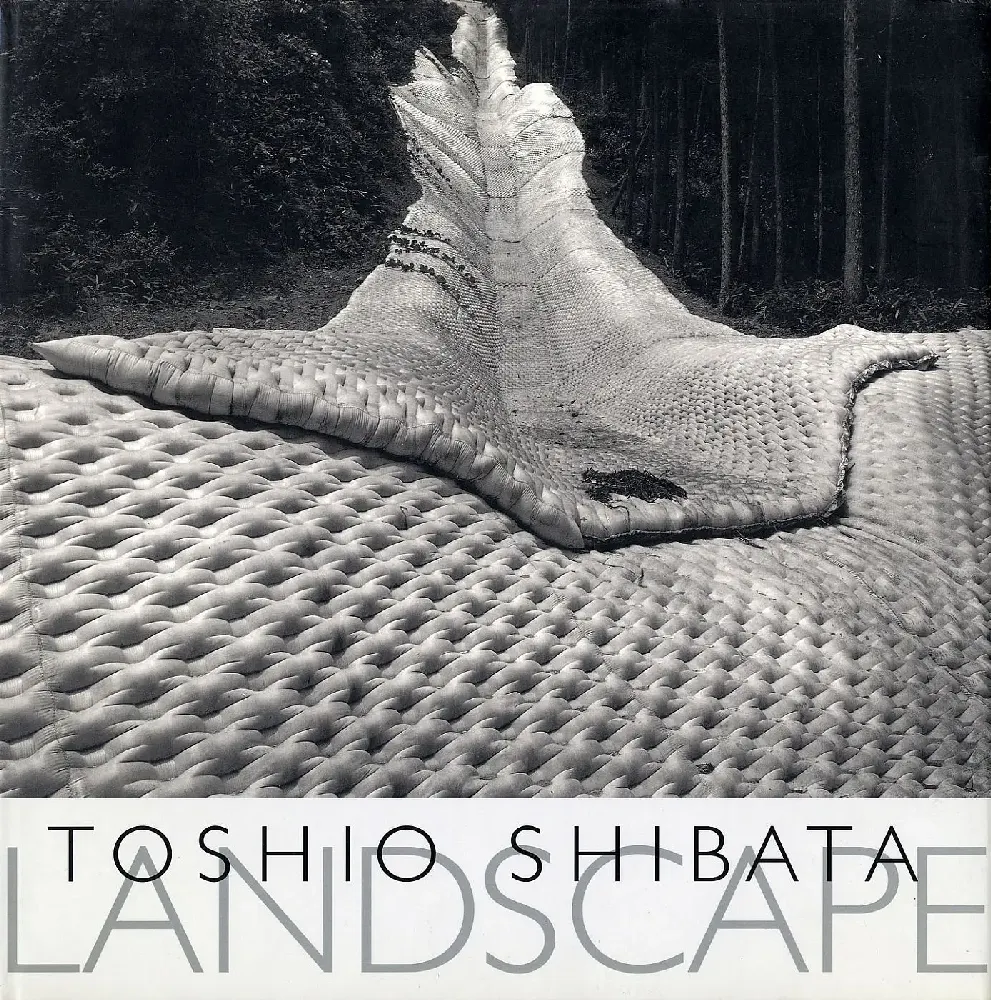
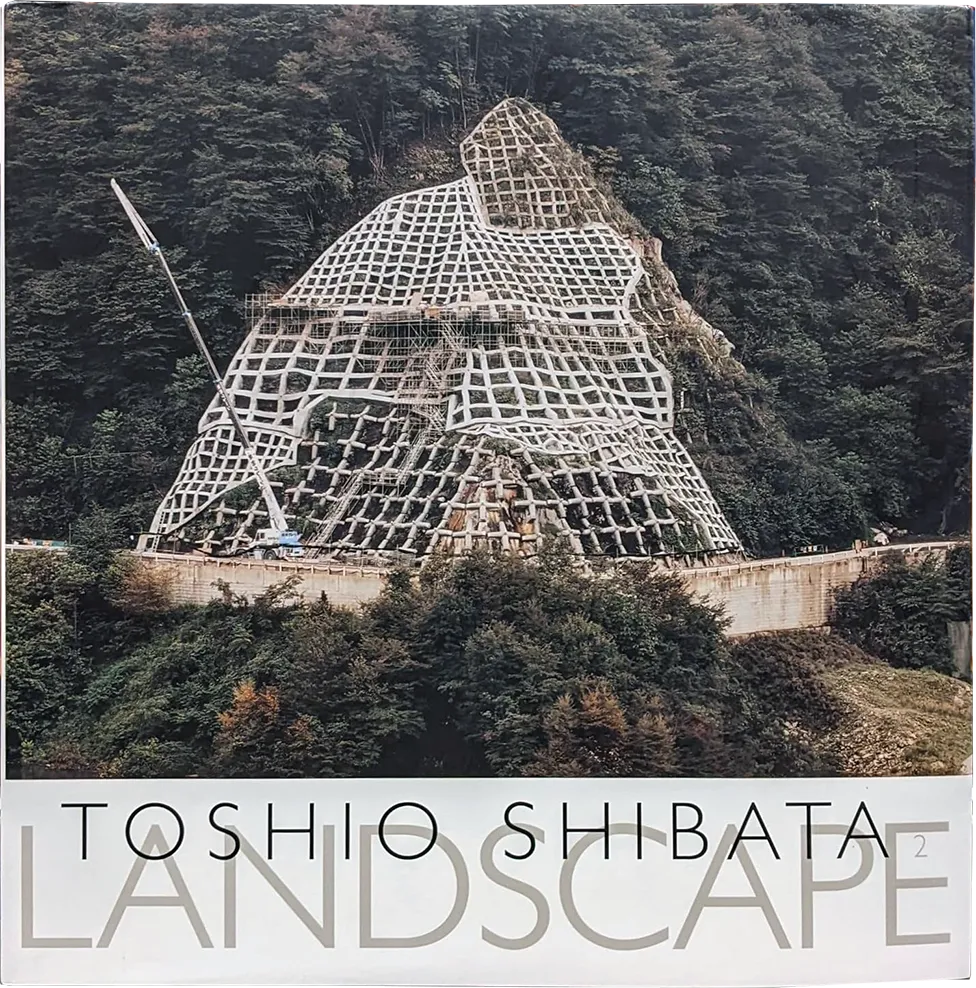
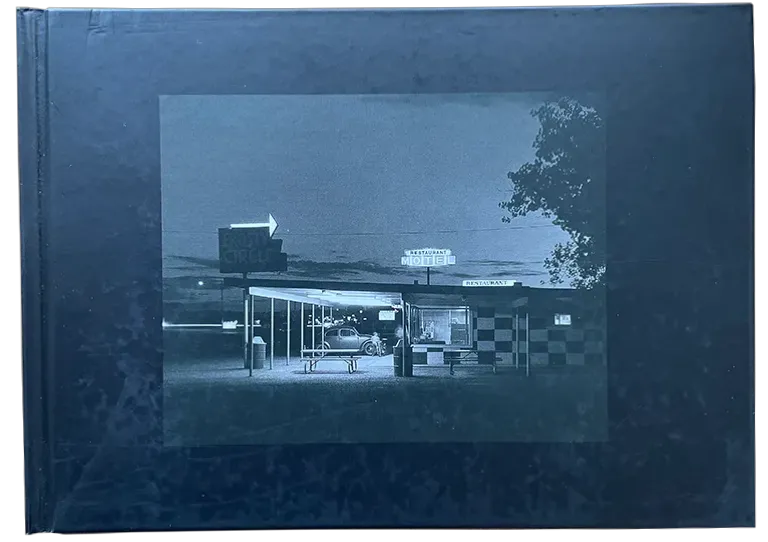

%20Resized.webp)
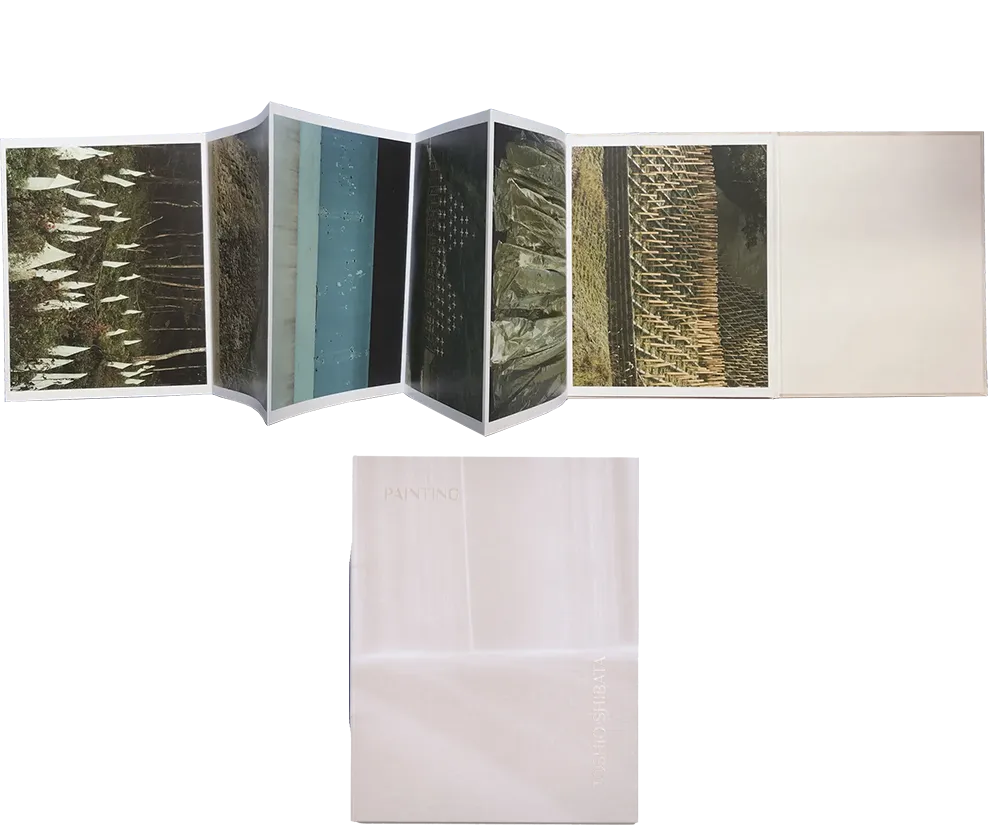
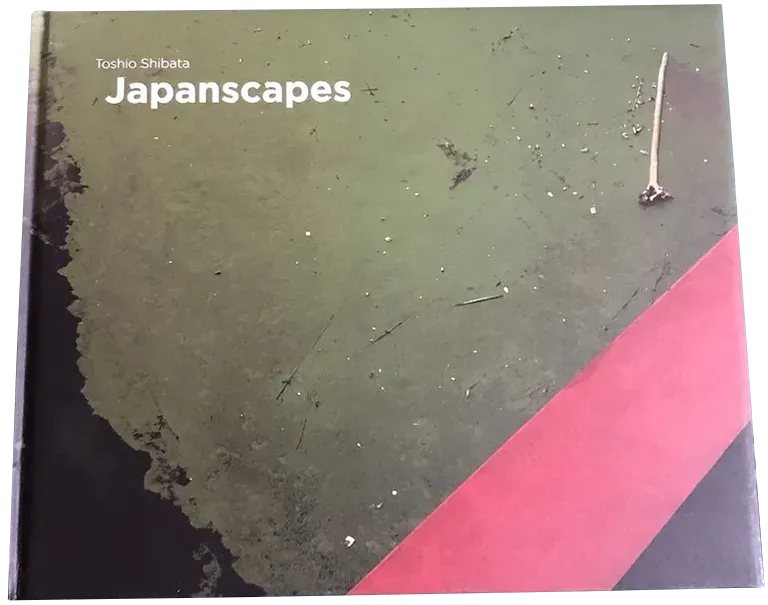
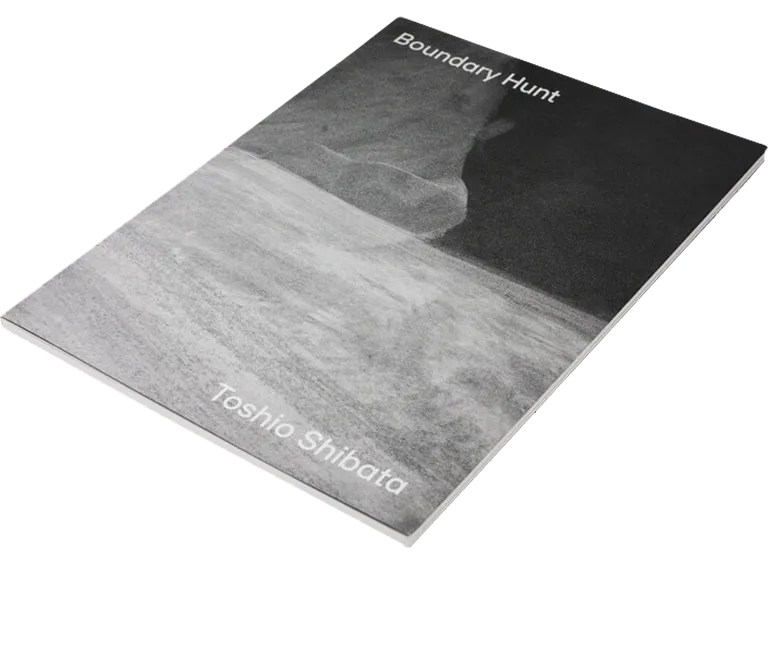

%20Resized.webp)
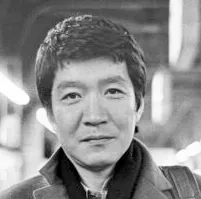
Toshio Shibata, Japanese, b. 1949
Shibata is a renowned Japanese photographer celebrated for his large-format images that explore the intersection of civil engineering and the natural world. Born in Tokyo in 1949, he originally studied painting and printmaking at the Tokyo University of the Arts, where he earned both his BA and MFA. His artistic trajectory shifted toward photography in the mid-1970s while studying at the Royal Academy in Ghent, Belgium, on a fellowship from the Belgian Ministry of Education.
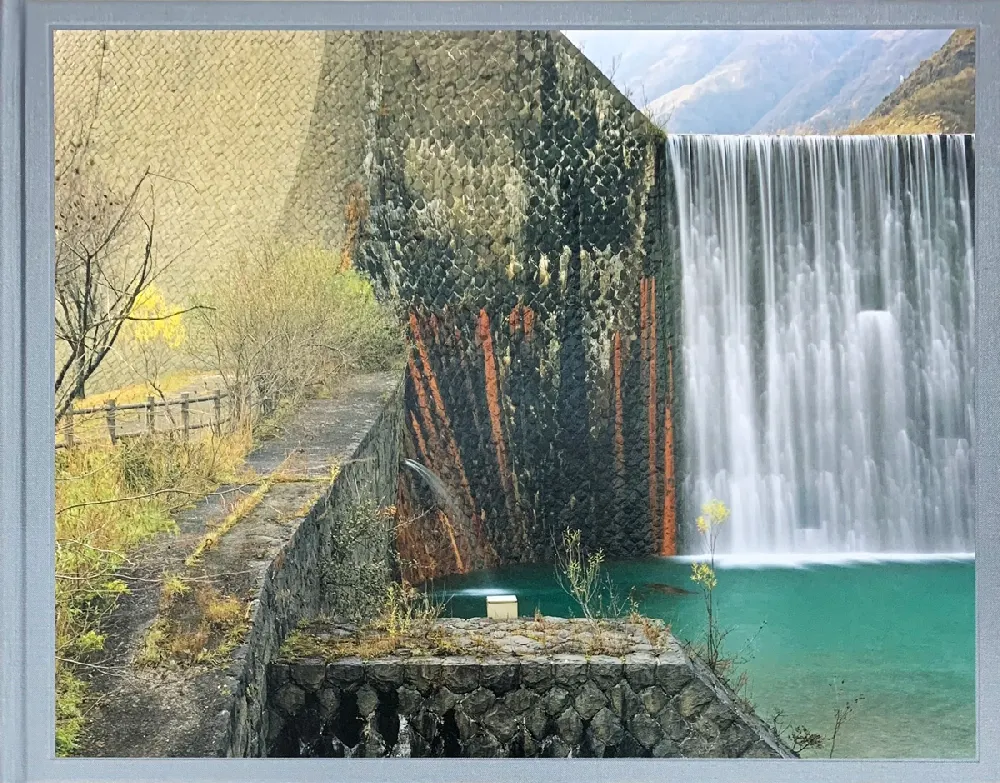
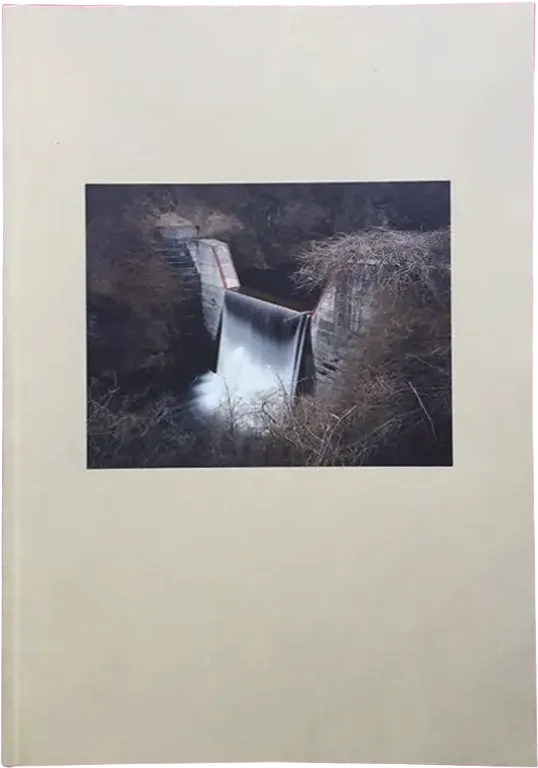
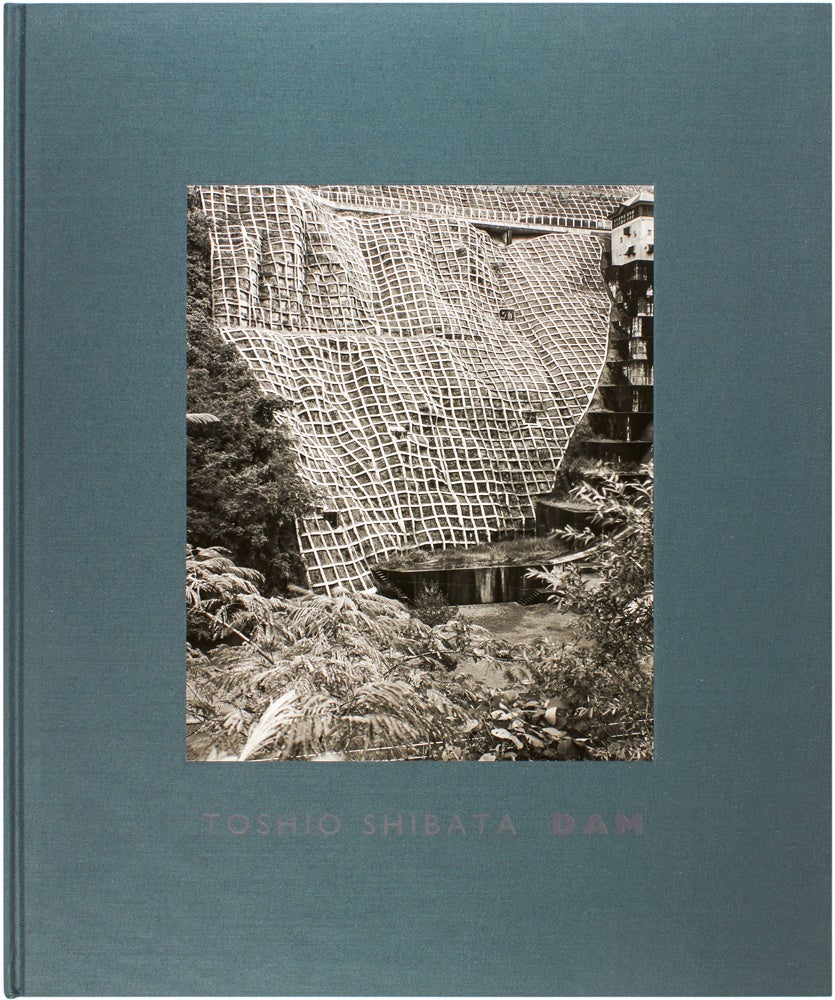
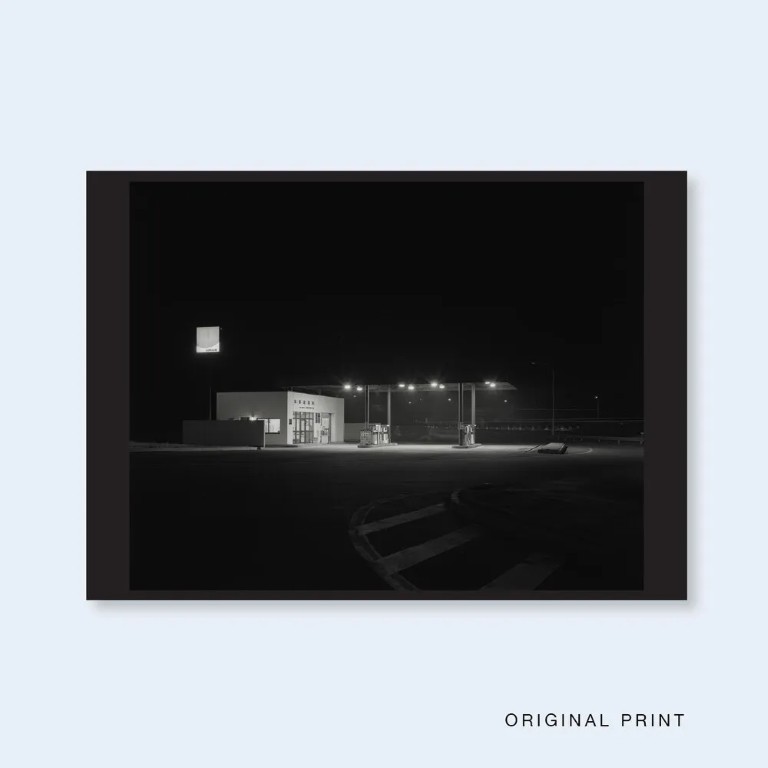
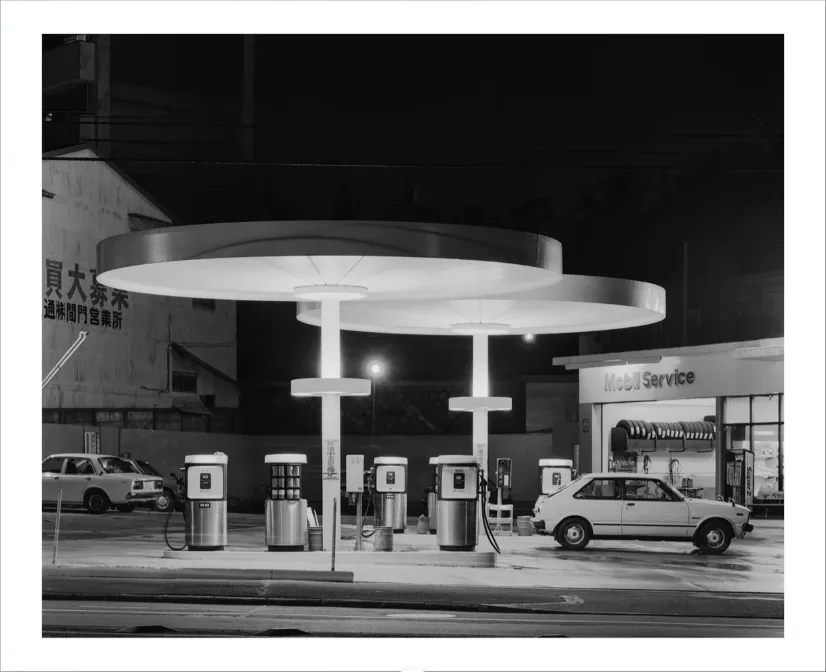
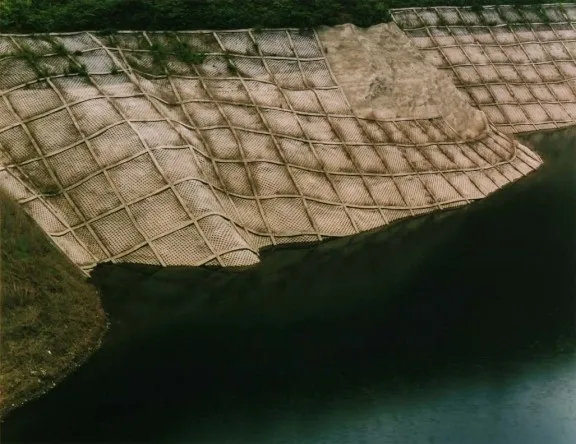
His work is characterized by a "constructed" approach to the landscape, focusing on massive man-made structures like dams, bridges, and erosion-control grids that wrap around hillsides. By utilizing a large-format camera and often excluding the horizon or sky, Shibata transforms functional infrastructure into abstract, graphic compositions that emphasize form, rhythm, and texture. This aesthetic frequently draws comparisons to traditional Japanese motifs, such as the patterns found in Edo-period textiles and ceramics.
In the mid-1990s, a fellowship from the Museum of Contemporary Art Chicago allowed him to apply his unique vision to American public works, resulting in his acclaimed series on the Grand Coulee Dam. While he worked primarily in black and white for several decades, he transitioned to color photography around 2004, a move that allowed him to further experiment with space perception and a unique palette of soft greens, warm grays, and vibrant reds.
Shibata has received numerous prestigious accolades, including the Kimura Ihei Award in 1992 and a Lifetime Achievement Award from the Photographic Society of Japan in 2009. His career has been marked by major retrospectives, notably at the Tokyo Metropolitan Museum of Photography and the National Art Center, Tokyo.
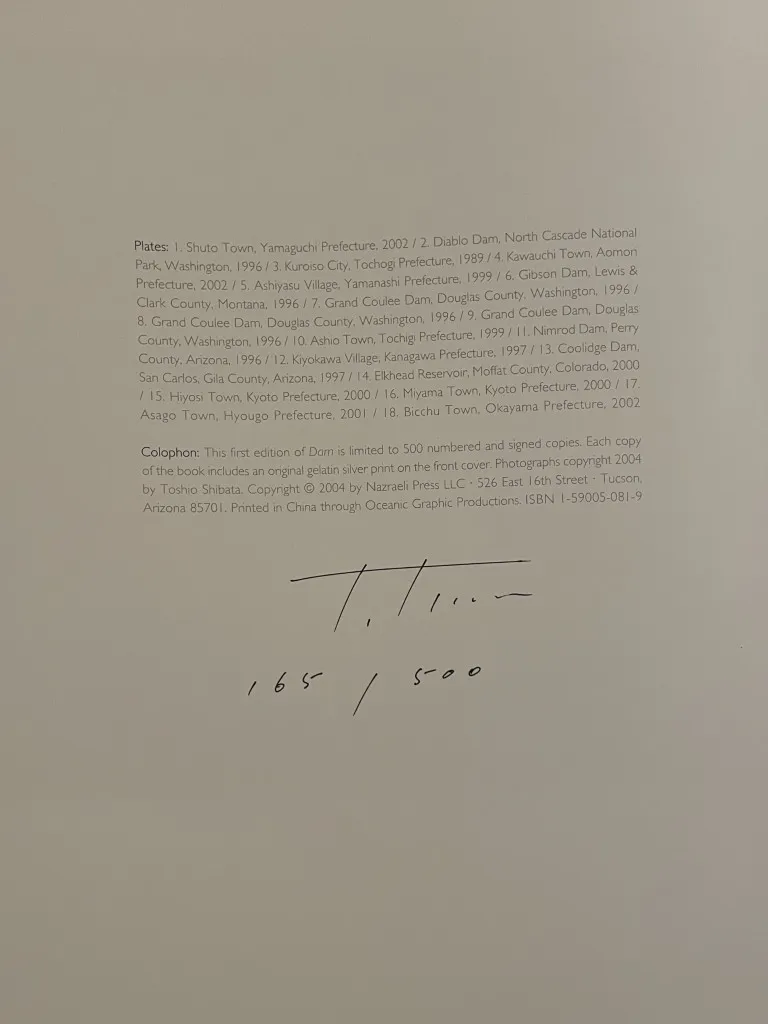
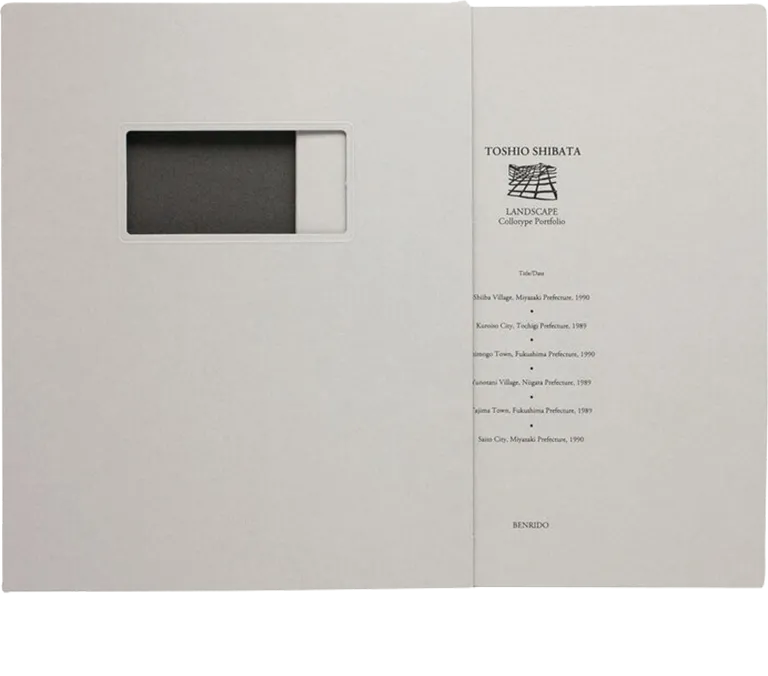
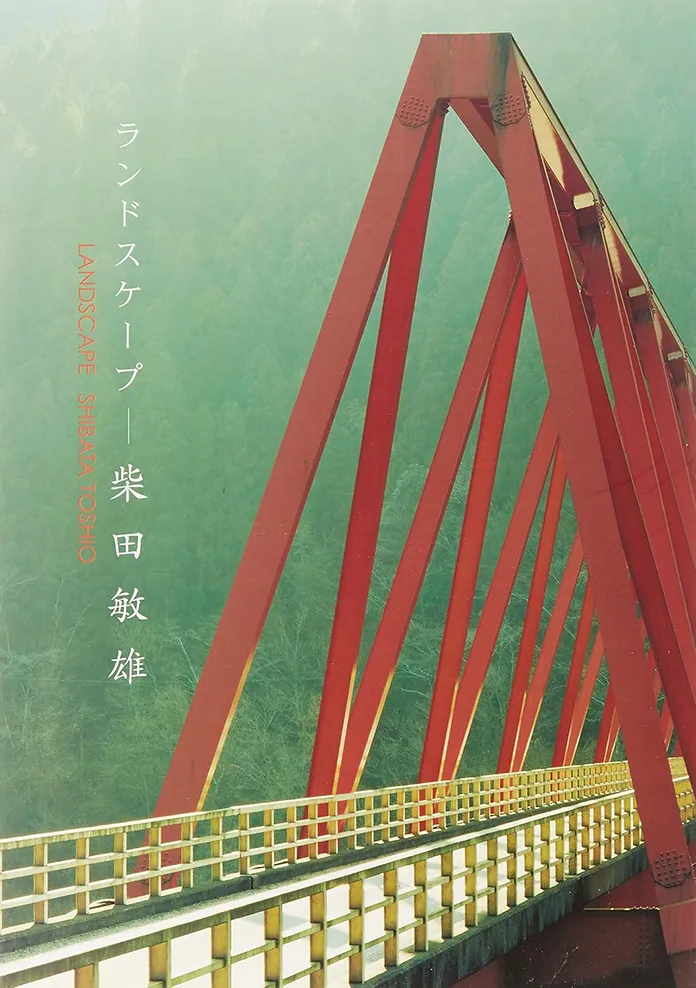
His extensive bibliography includes landmark titles such as Landscape (1996), Dam (2004), and Concrete Abstractions (2015).


see book page for more details