

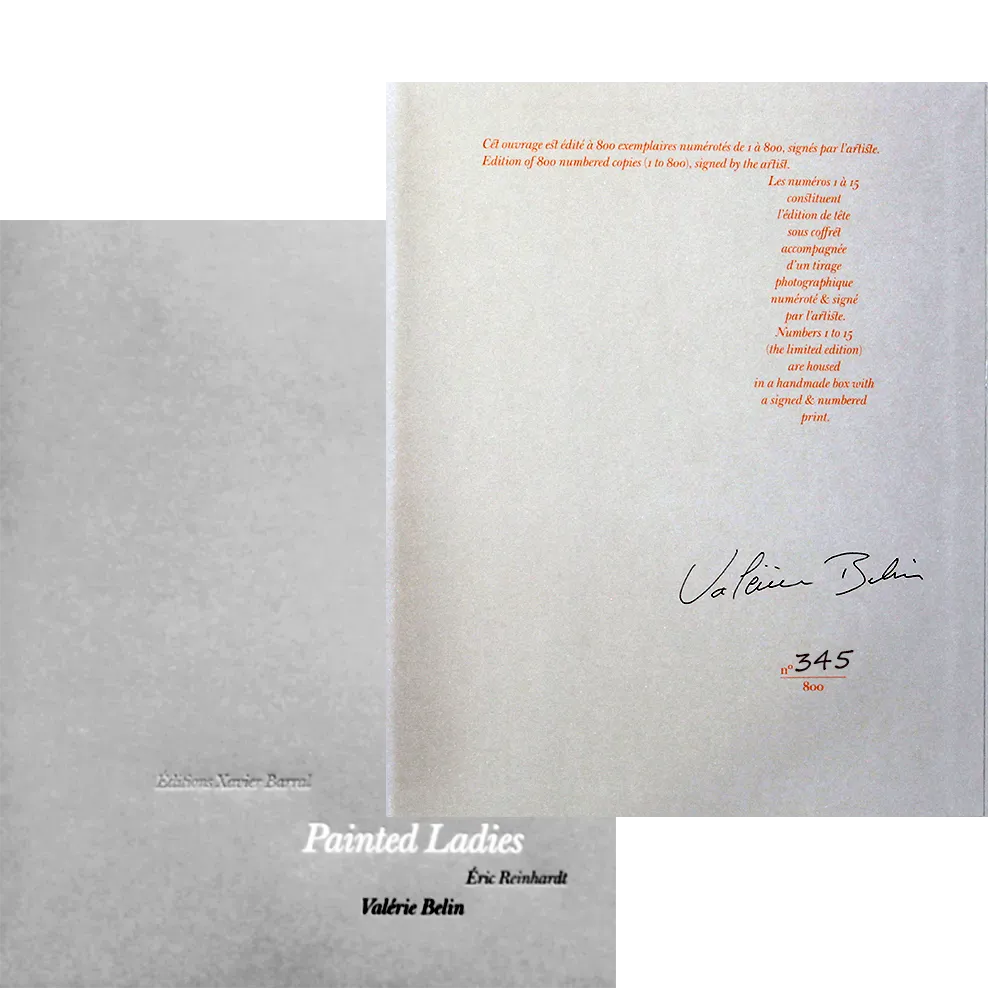


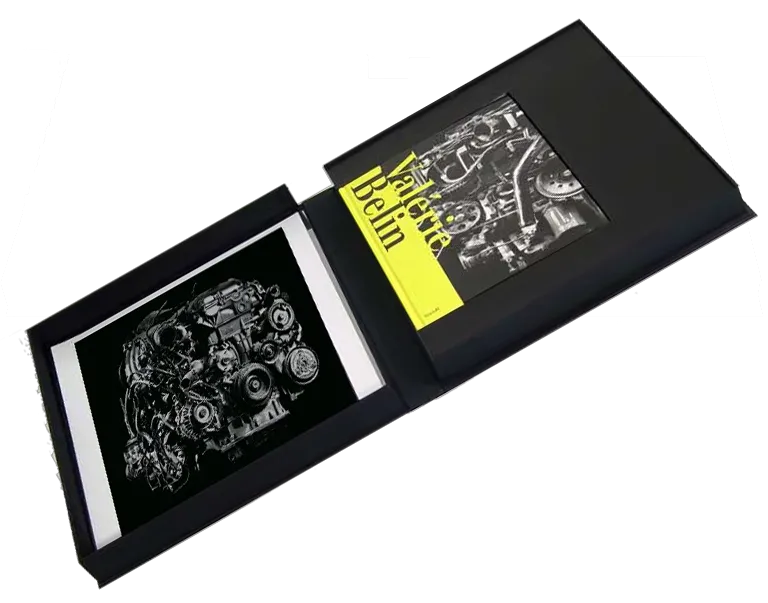
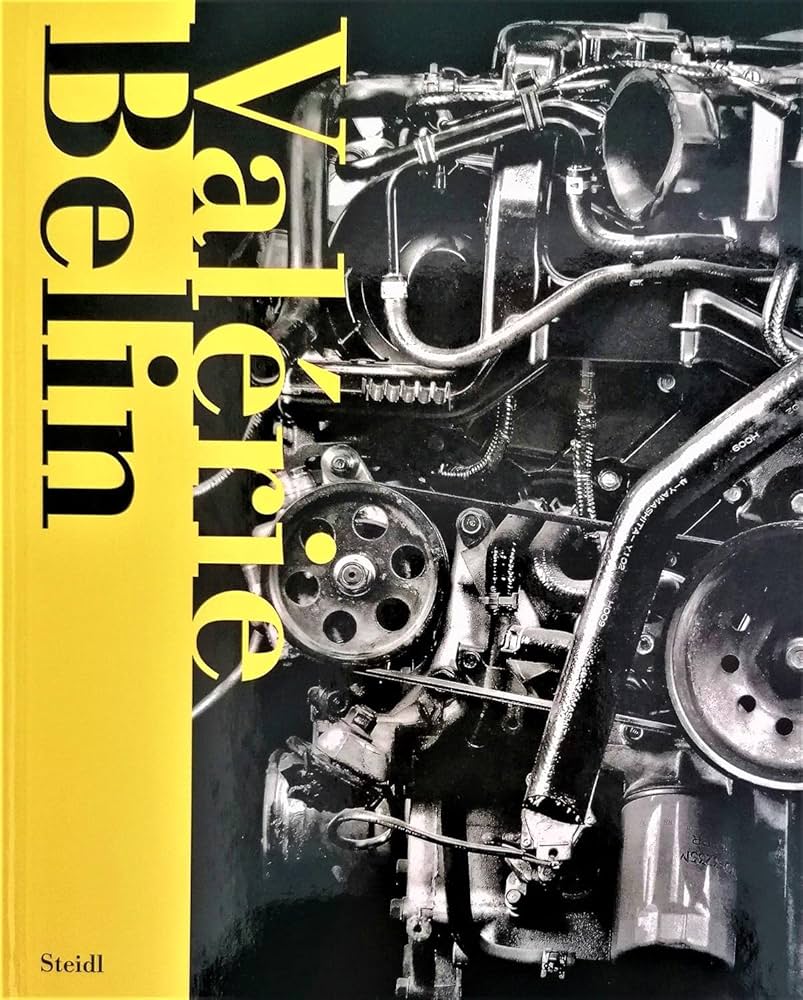
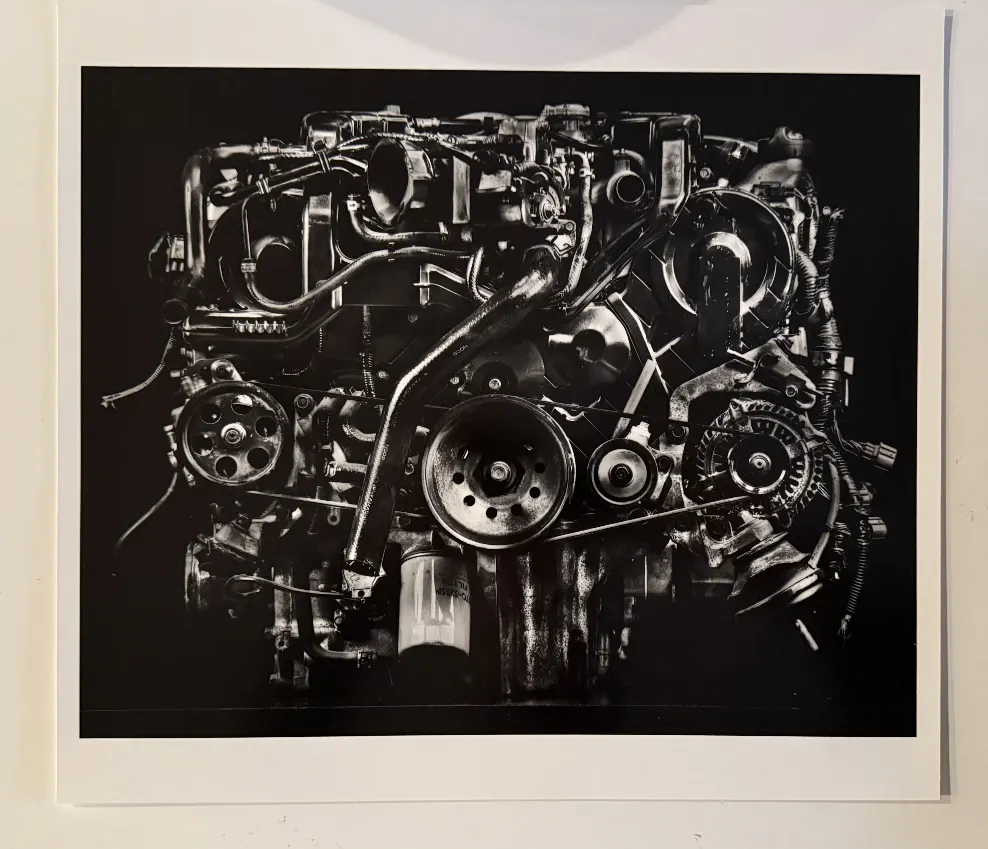
Which art books, prints and posters are available by and about this artist? Here is a sample of items of interest to a typical collector:

%20copy.webp)




%2C%20Engines%20%20Resized.webp)
Valérie Belin, French (born 1964 in Boulogne-Billancourt, France)
Belin is an internationally acclaimed French photographic artist whose work masterfully interrogates the boundaries between reality and artifice, identity, and consumer culture. Based in Paris, Belin has spent over three decades establishing a singular voice in contemporary photography, evolving from strict, minimalist object studies to hyper-layered, digitally manipulated "magical realism."
Belin trained at the École Nationale des Beaux-Arts in Bourges from 1983 to 1988 and subsequently earned a postgraduate degree (DEA) in the Philosophy of Art from the Université Panthéon-Sorbonne in 1989. This deep philosophical grounding heavily informs her artistic practice. Influenced early on by American Minimalism, Belin approaches the camera not merely as a tool for documentation, but as an instrument to explore pure form, light, and the mutability of the image.
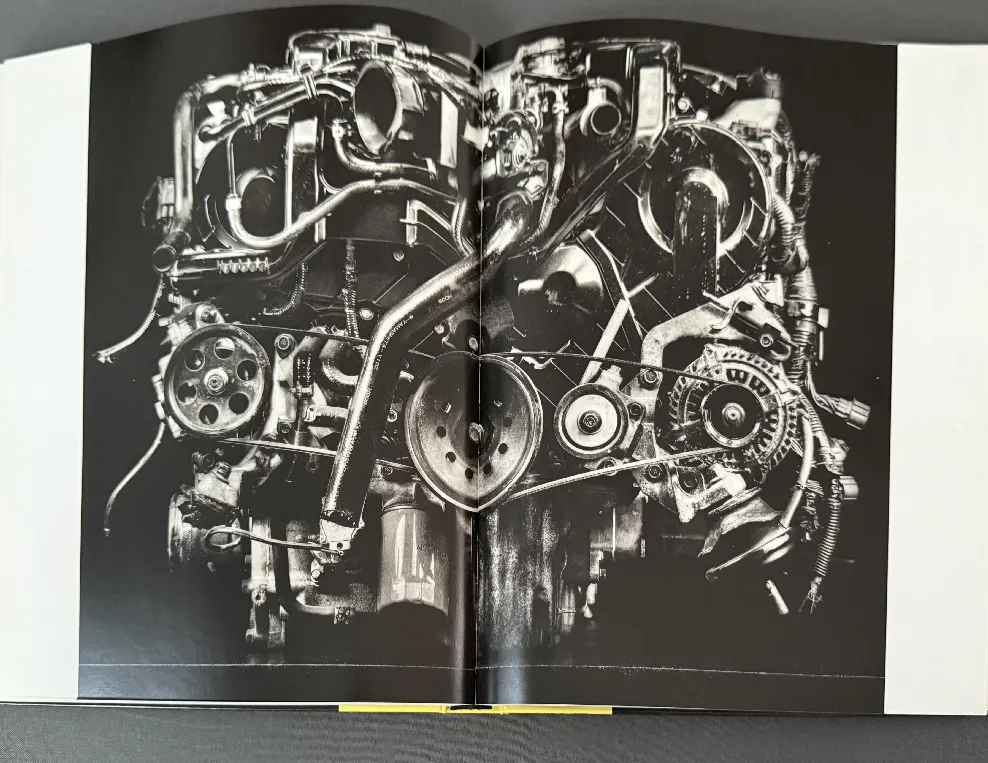
Her early 1990s work focused on decontextualized, highly stylized objects, ranging from crystal chalices and mirrors to car wrecks and dresses. Utilizing frontality, strict lighting protocols, and striking black-and-white presentation, she stripped objects of their utility, transforming them into sculptural, enigmatic forms.
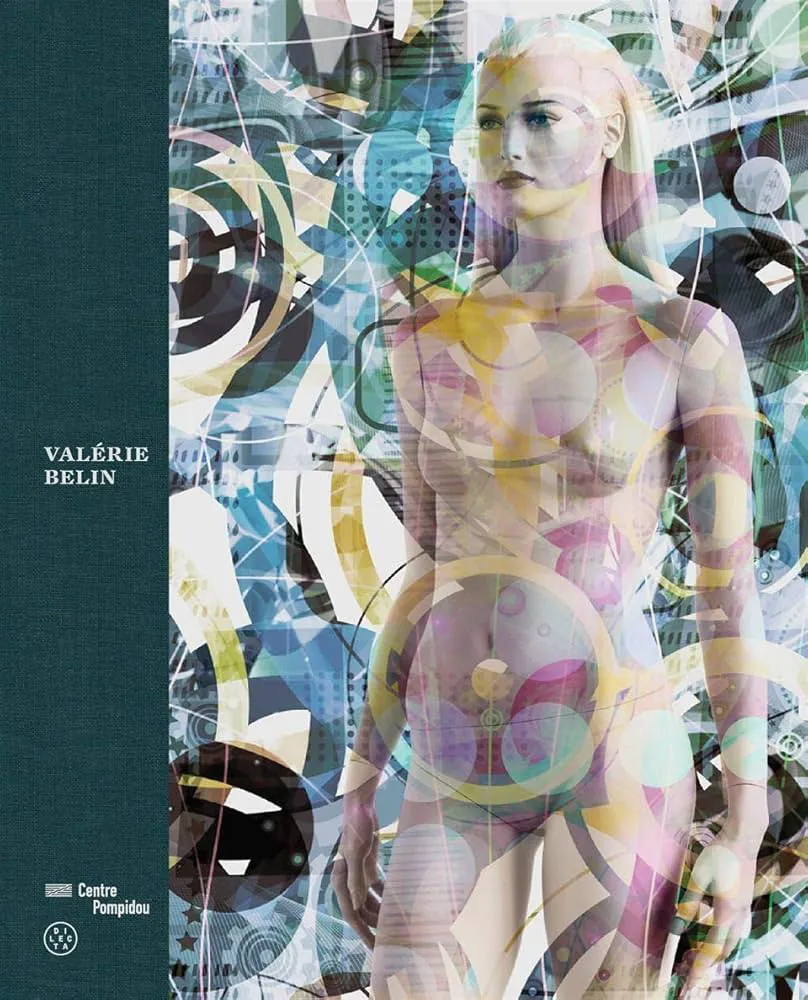
In the late 1990s and early 2000s, Belin shifted her lens to the human figure, launching celebrated series like Bodybuilders (1999), Transsexuals, and Black Women (2001). By focusing on highly stylized, hyper-polished, or physically altered subjects, she began exploring how identity is staged. This culminated in her famous Mannequins series (2003), where real models and fiberglass shop mannequins were photographed in a way that rendered them practically indistinguishable, deeply unsettling the viewer’s perception of what is animate versus inanimate.
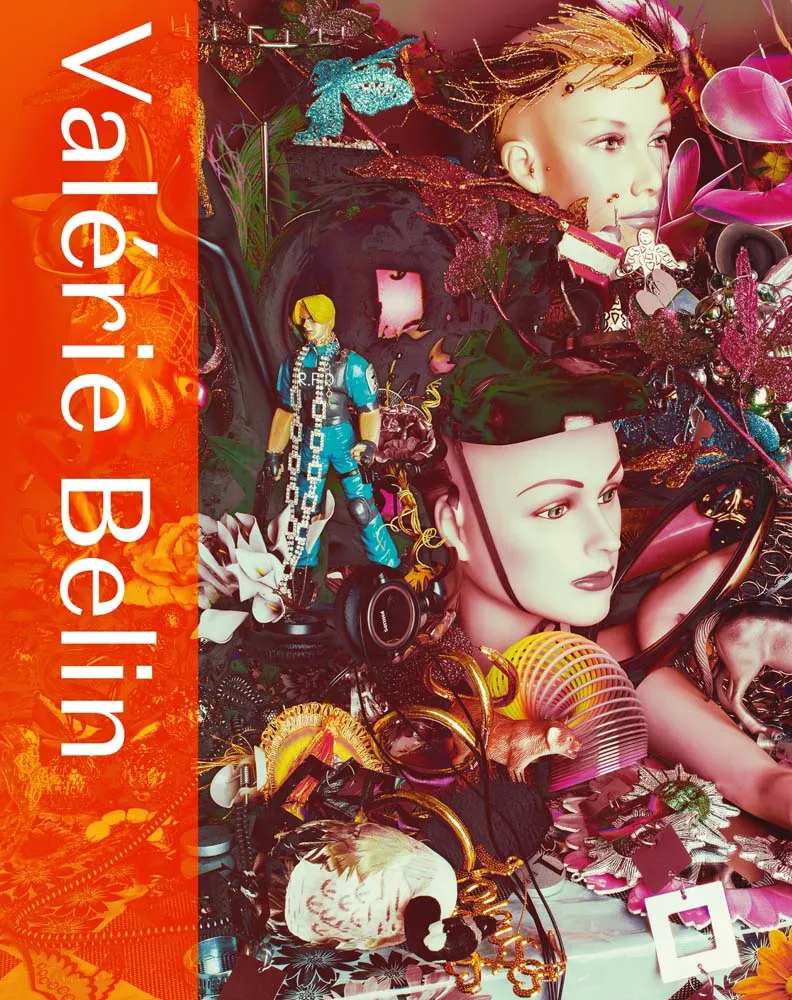
From 2006 onward, Belin introduced vibrant color and embraced advanced digital post-production. Her work transformed into rich, baroque tapestries created through the superimposition of images. In series such as Black Eyed Susan (2010), Super Models (2015), and Painted Ladies (2017), she seamlessly merged human faces with dense botanical patterns, textures, and graphic elements, pushing the photograph to look more like a painting or an organic, liquid illusion. Her recent series, including Heroes (2022), Modern Royals, and New Marilyns (2024), dive heavily into mass media, comic book graphics, and pop mythology to critique how femininity, beauty, and archetype are constructed and consumed.
Belin's profound impact on the medium has earned her some of the art world's most prestigious honors. She was awarded the global Prix Pictet in 2015 for her chaotic Still Life series themed around "Disorder." In 2024, she was named the Photo London Master of Photography for her exceptional career contributions. Her institutional standing includes being named Commandeur de l'ordre des Arts et des Lettres by the French Ministry of Culture in 2022, and she achieved ultimate institutional consecration in 2024 by being elected a member of France's prestigious Académie des beaux-arts.
Belin's large-format, monumental prints are held in the permanent collections of foremost global institutions, including the Museum of Modern Art (MoMA) in New York, the Centre Pompidou in Paris, the San Francisco Museum of Modern Art (SFMoMA), the J. Paul Getty Museum in Los Angeles, and the Victoria and Albert Museum in London. She has been the subject of massive retrospectives worldwide, notably at the Centre Pompidou, the Huis Marseille in Amsterdam, the Musée des Beaux-Arts de Bordeaux, and the Museu Picasso in Barcelona. She is represented internationally by top-tier galleries including Galerie Nathalie Obadia (Paris/Brussels) and Edwynn Houk Gallery (New York).


The young ladies in these portraits could easily be real-life celebrities but are in fact imaginary ones, archetypal figures originating in the artist's vision and created by the expressive volume of the faces heightened by "photographic painting."It is as if the artist, in reflecting on "the very essence of life,"had decided to produce a pictorial representation of it by the accumulation of small touches, since it is impossible to create a living creature from scratch. This series comes across as a series of contemporary pictures, made in the digital age. It reframes the recurring question of the relations between photography and painting, figuration and abstraction, and reality and fiction.