
Hardcover
ISBN:
9783791339603


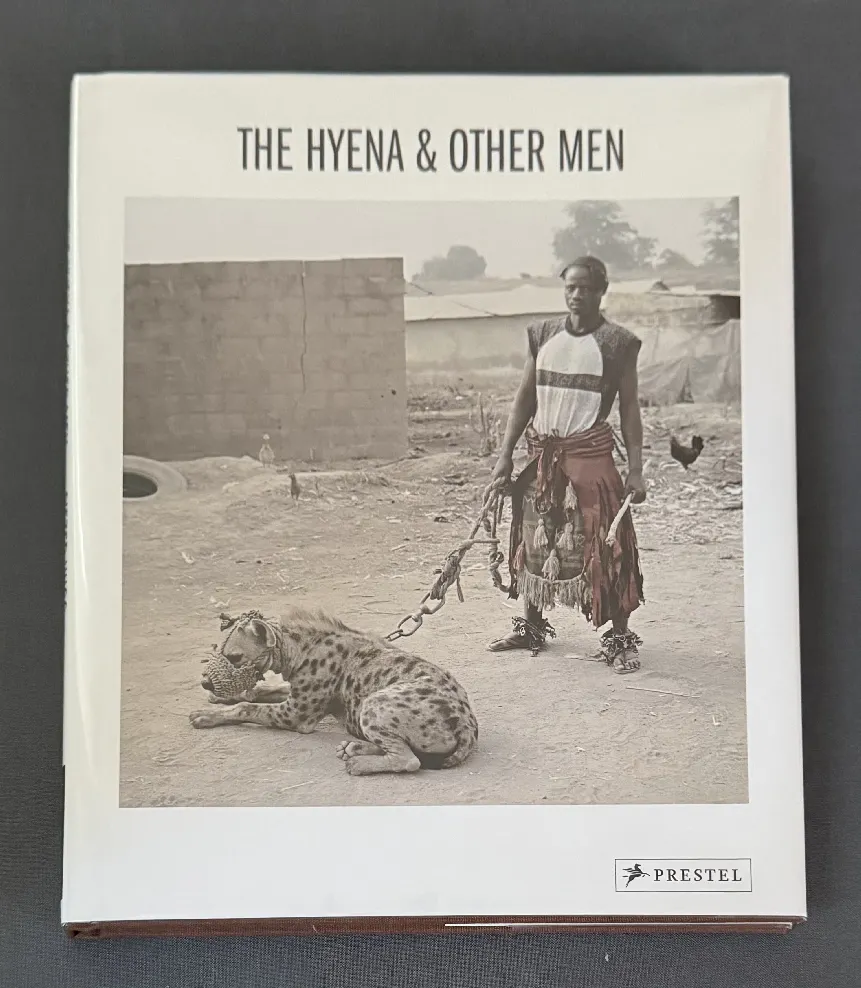
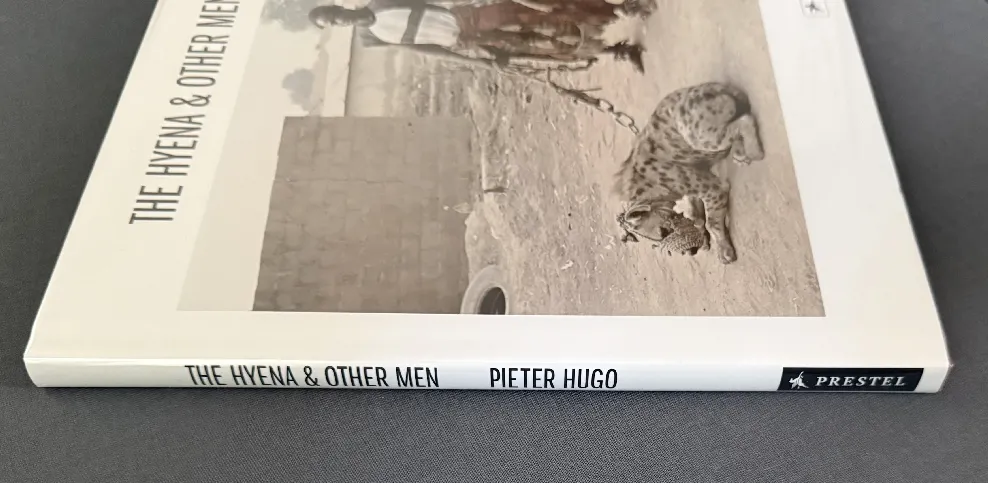
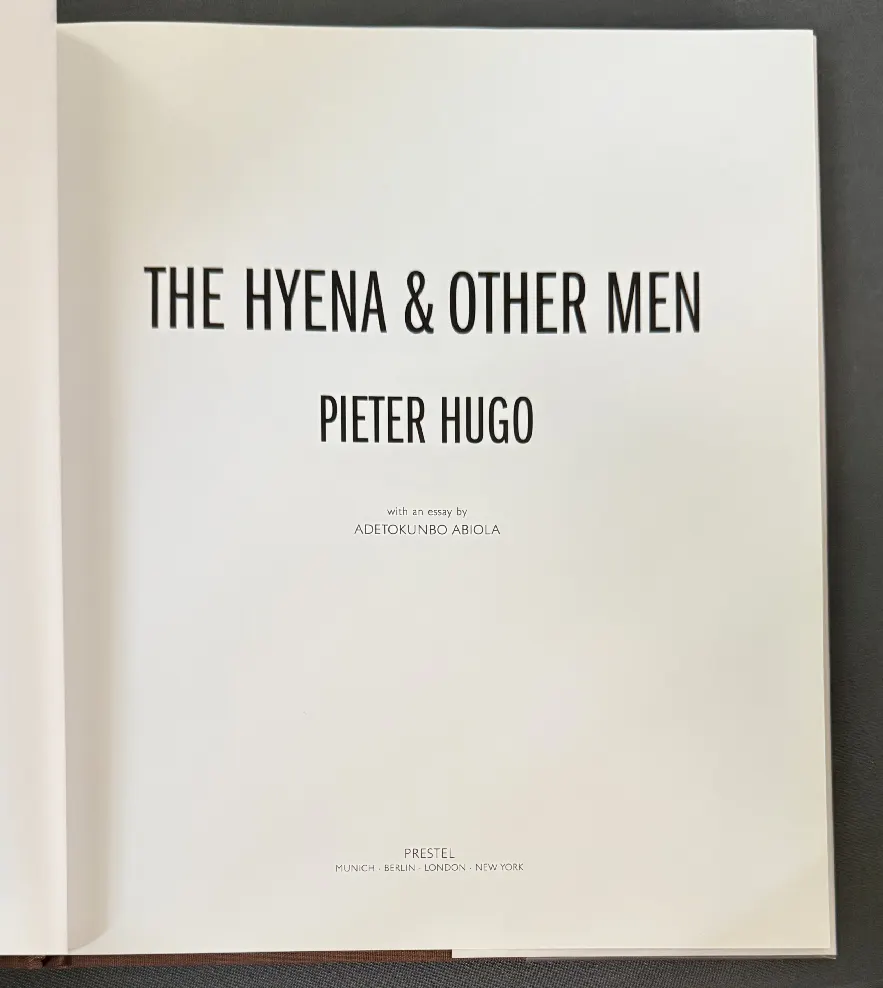
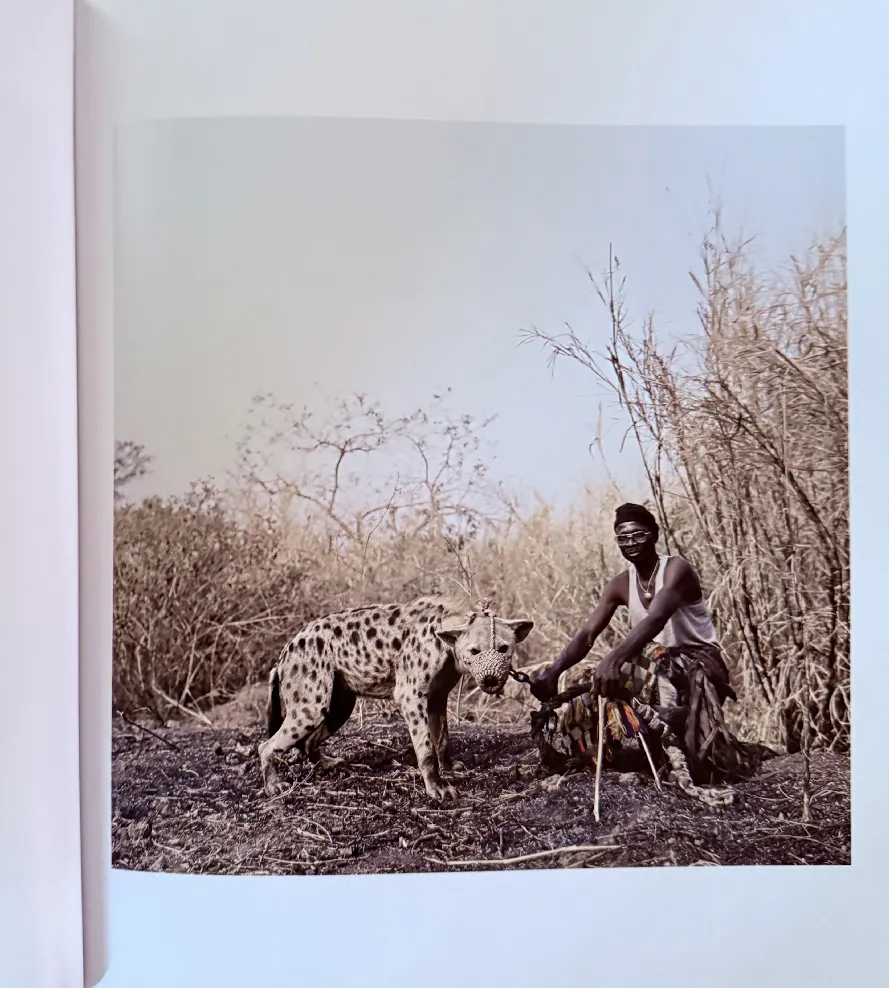
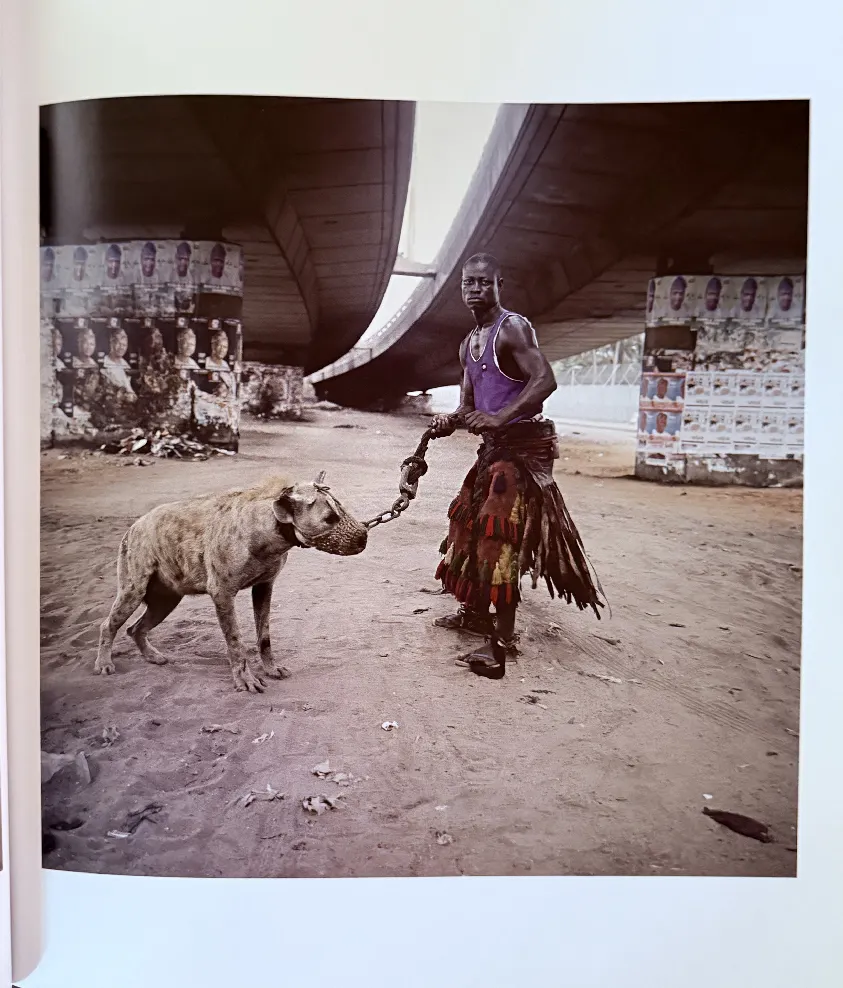
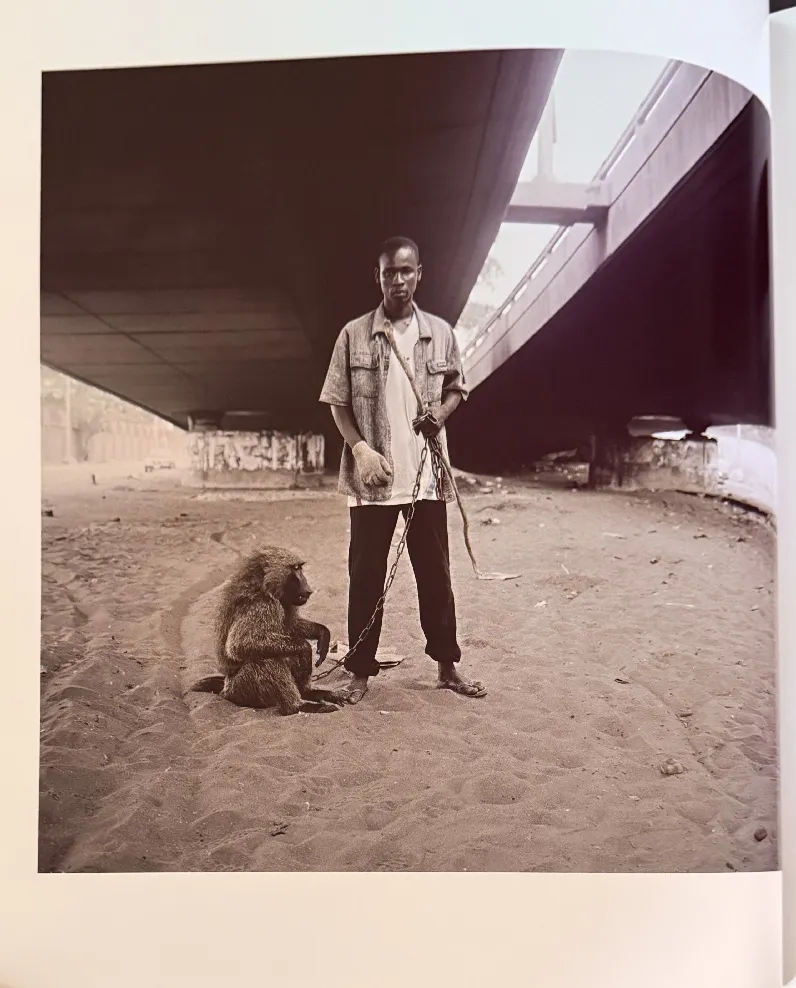
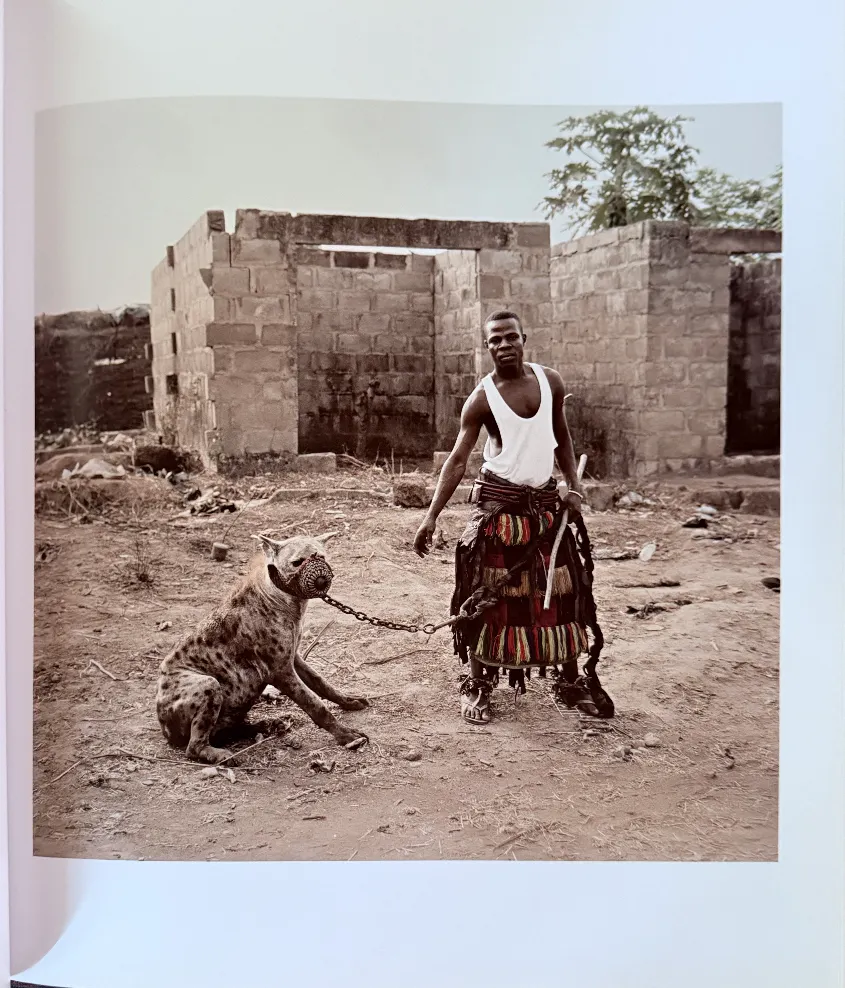
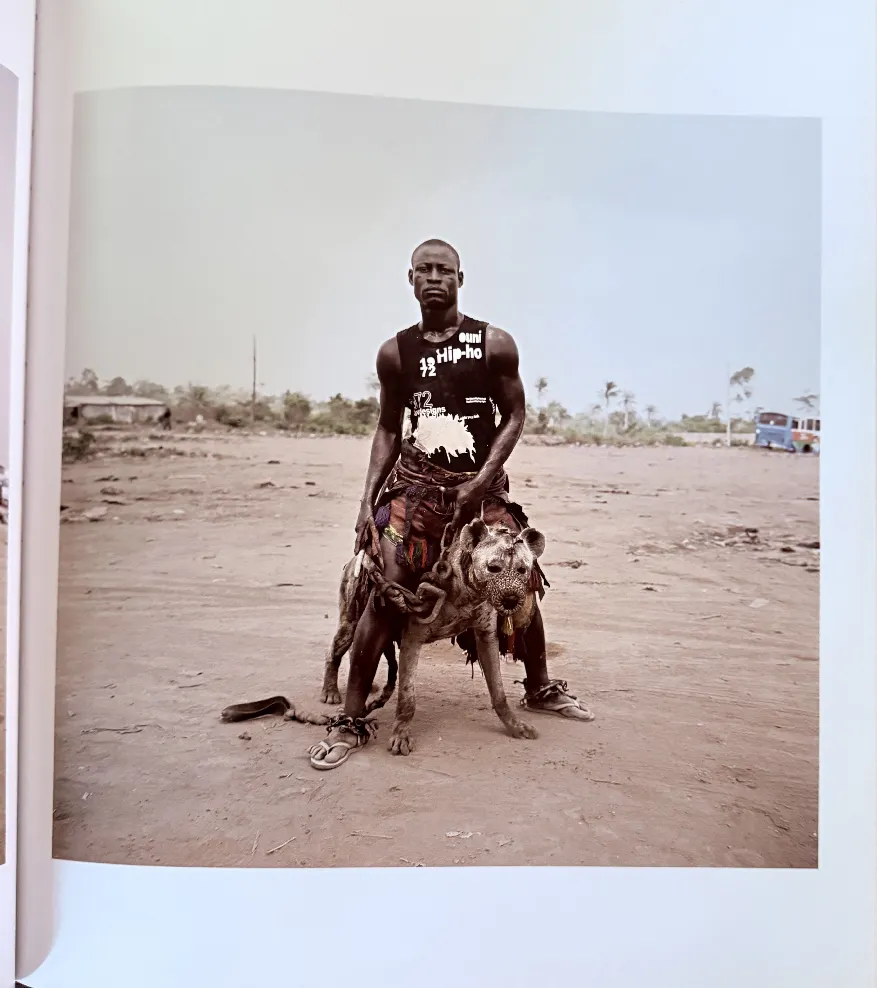
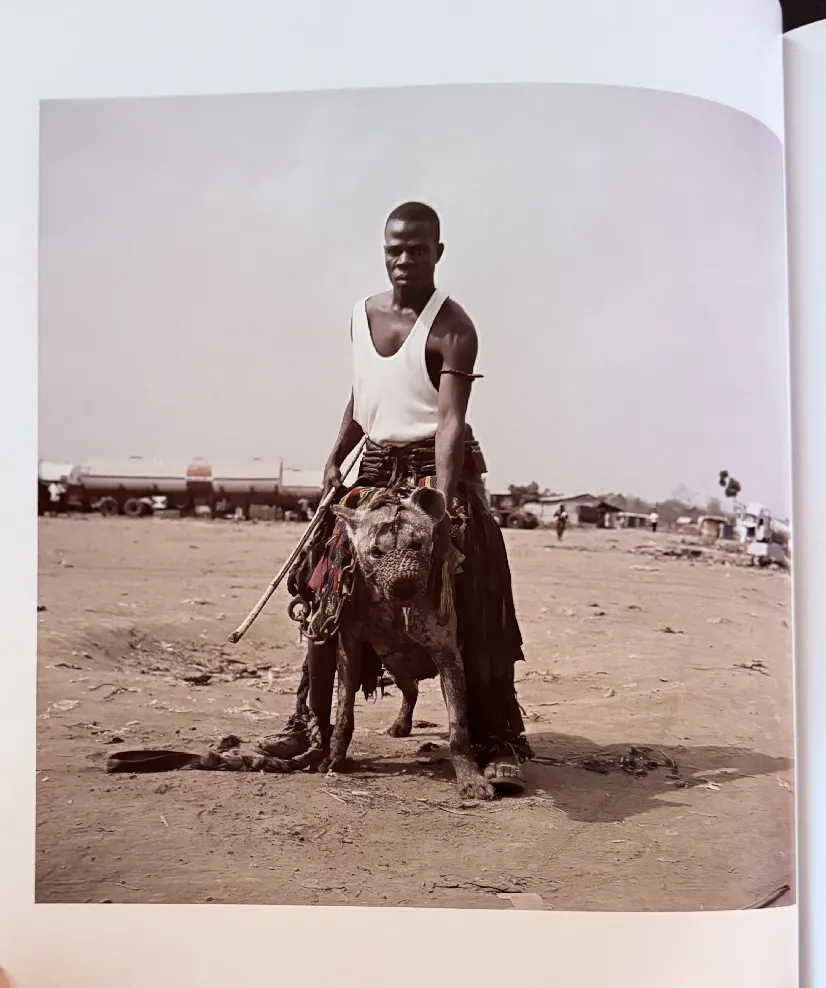

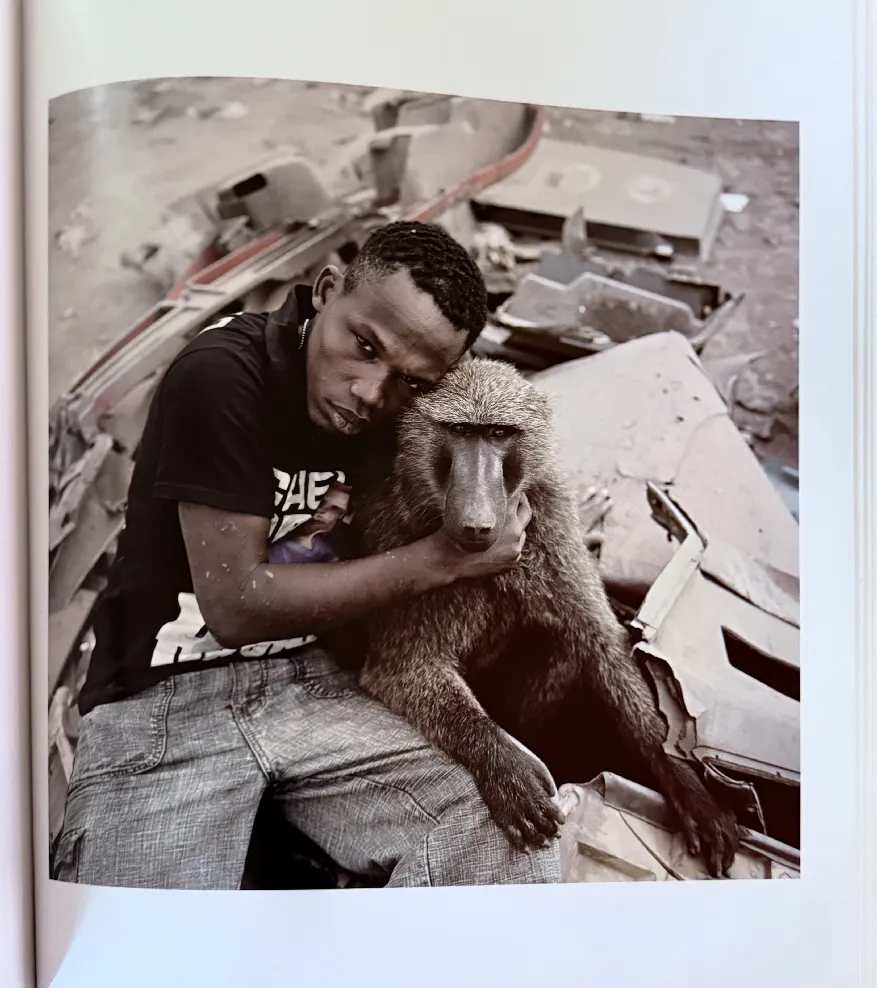
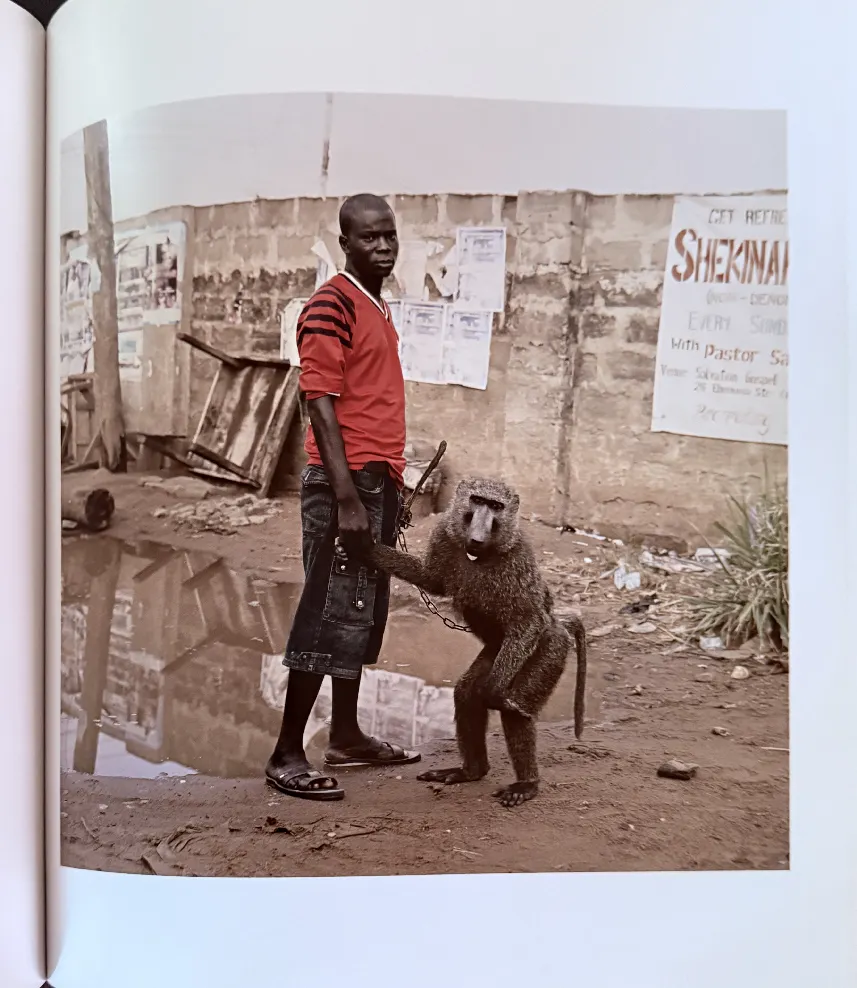
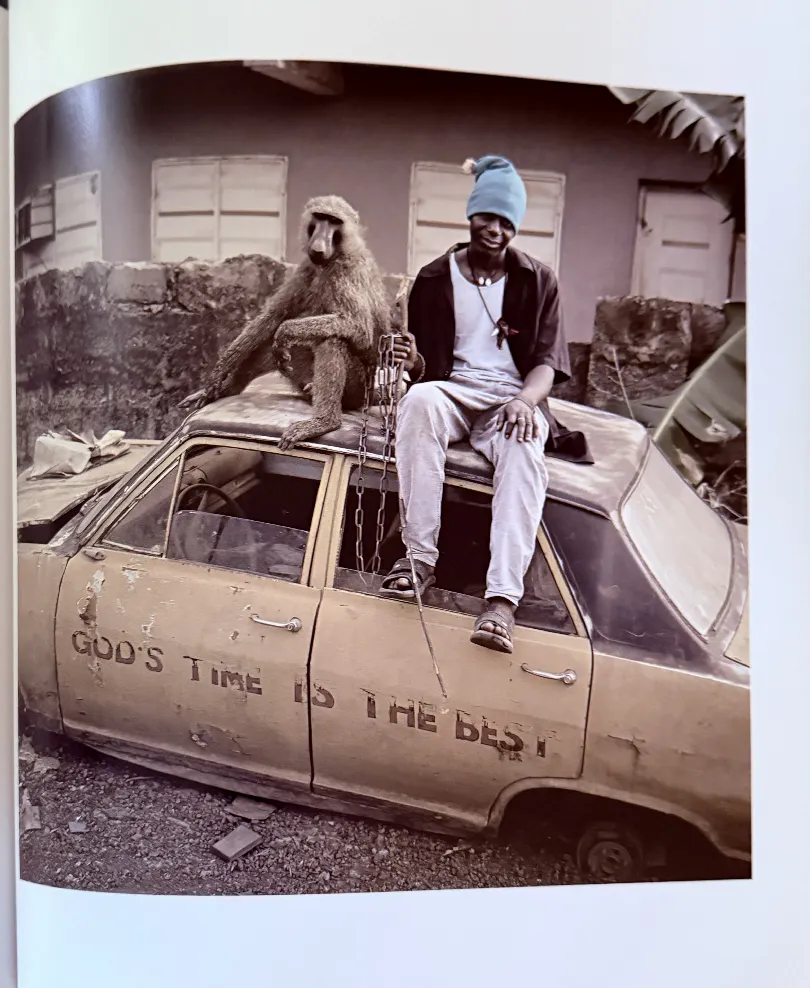
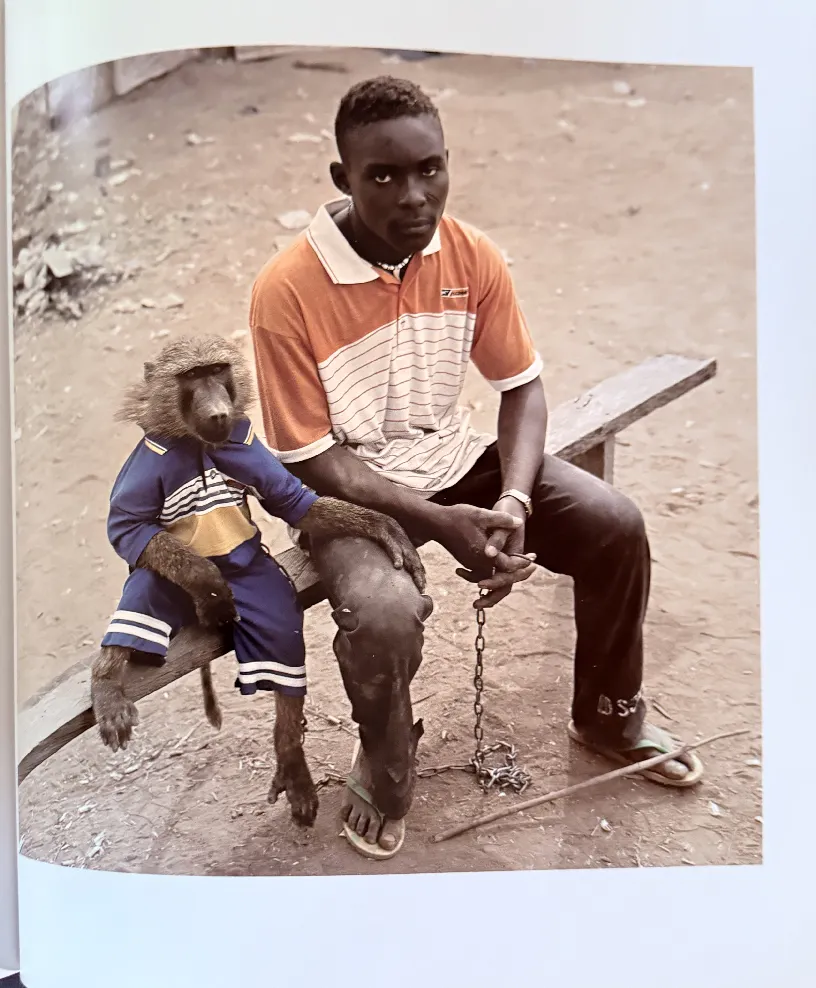
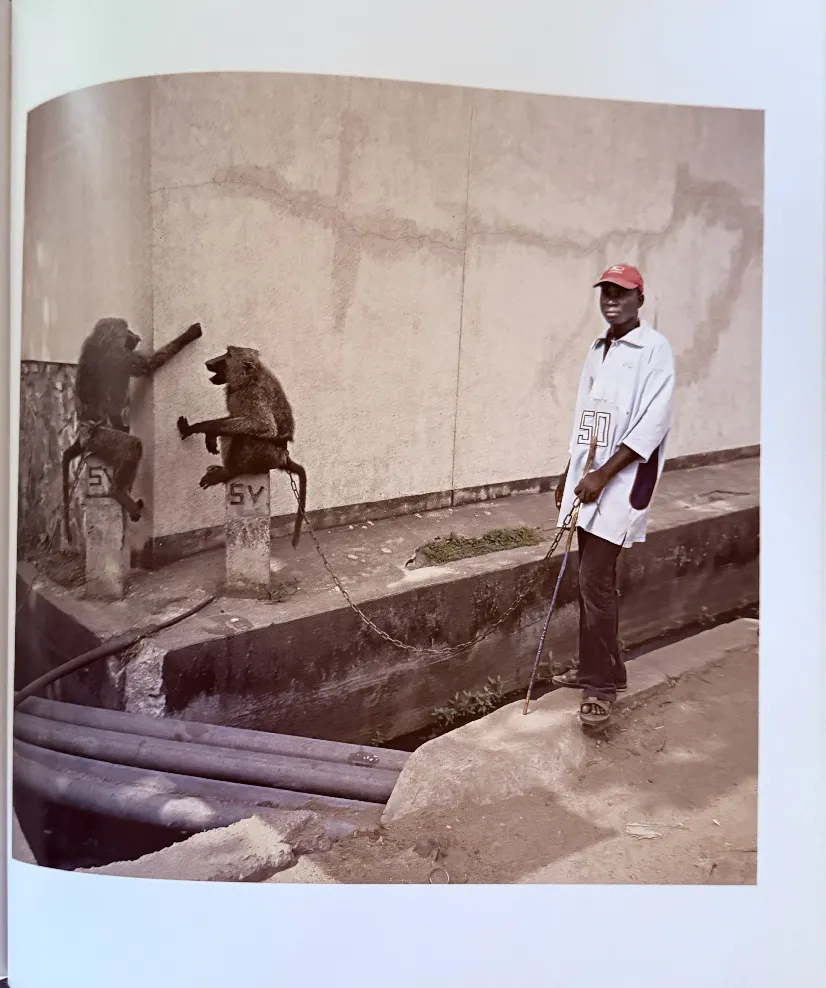
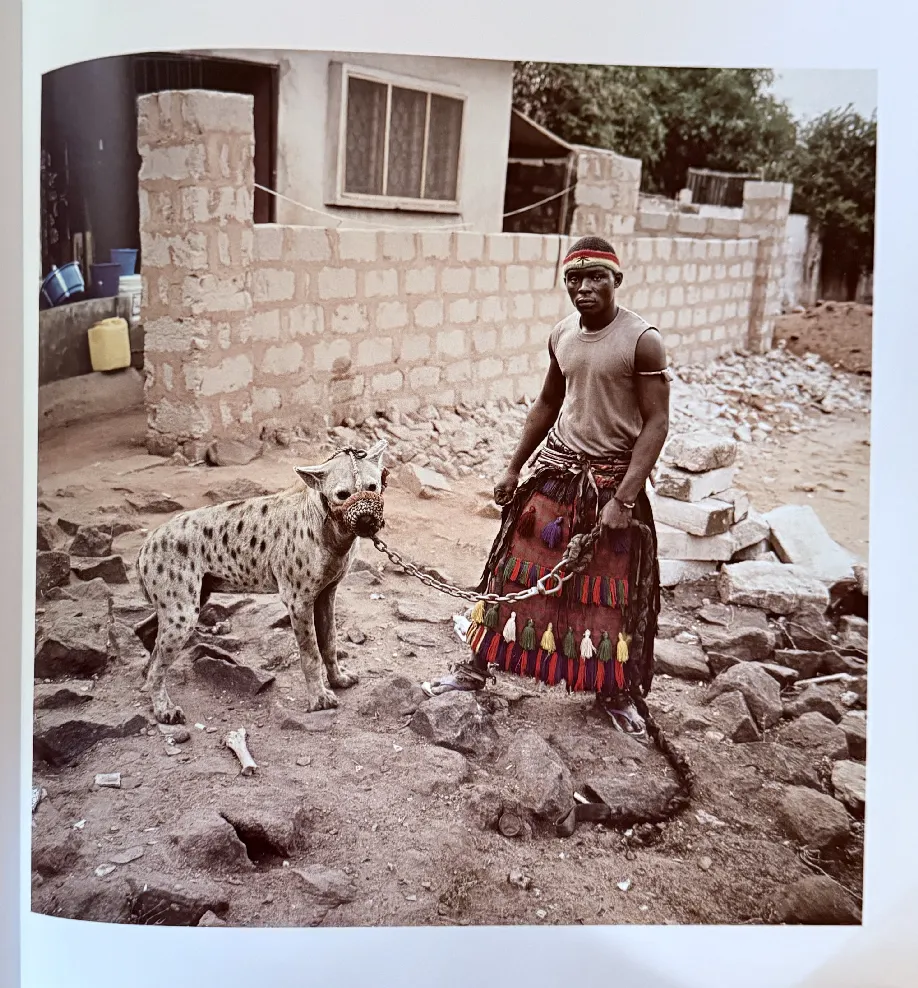
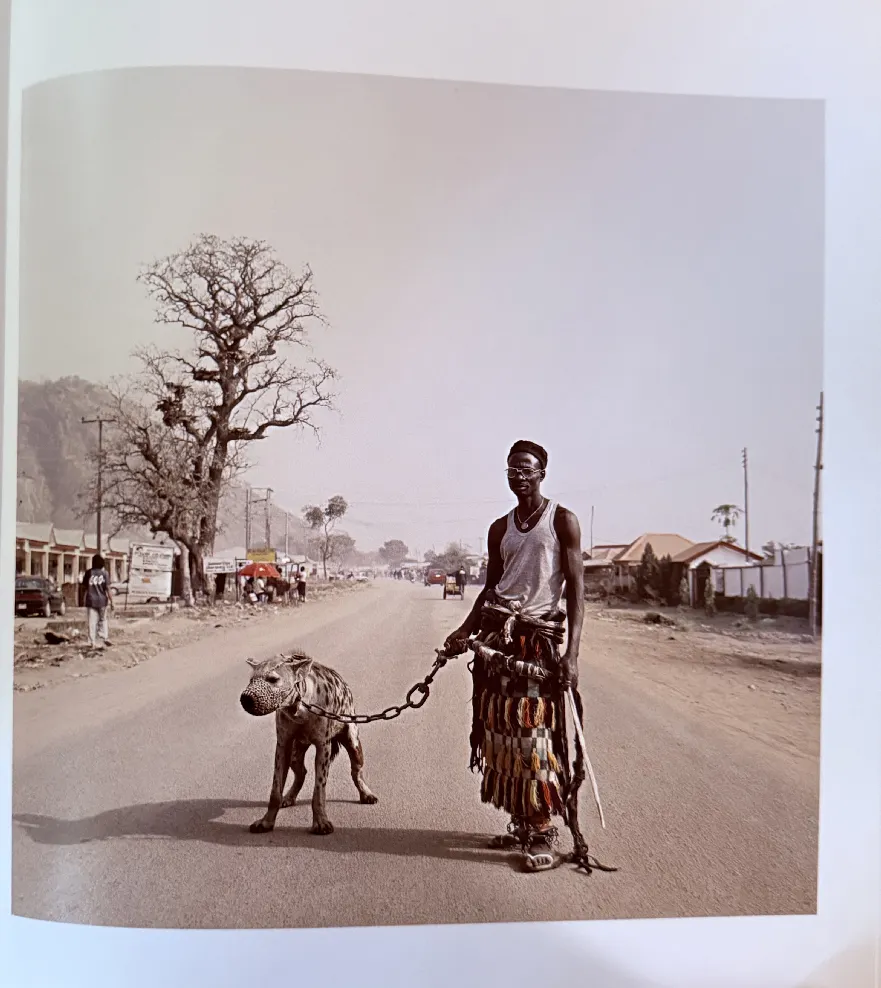
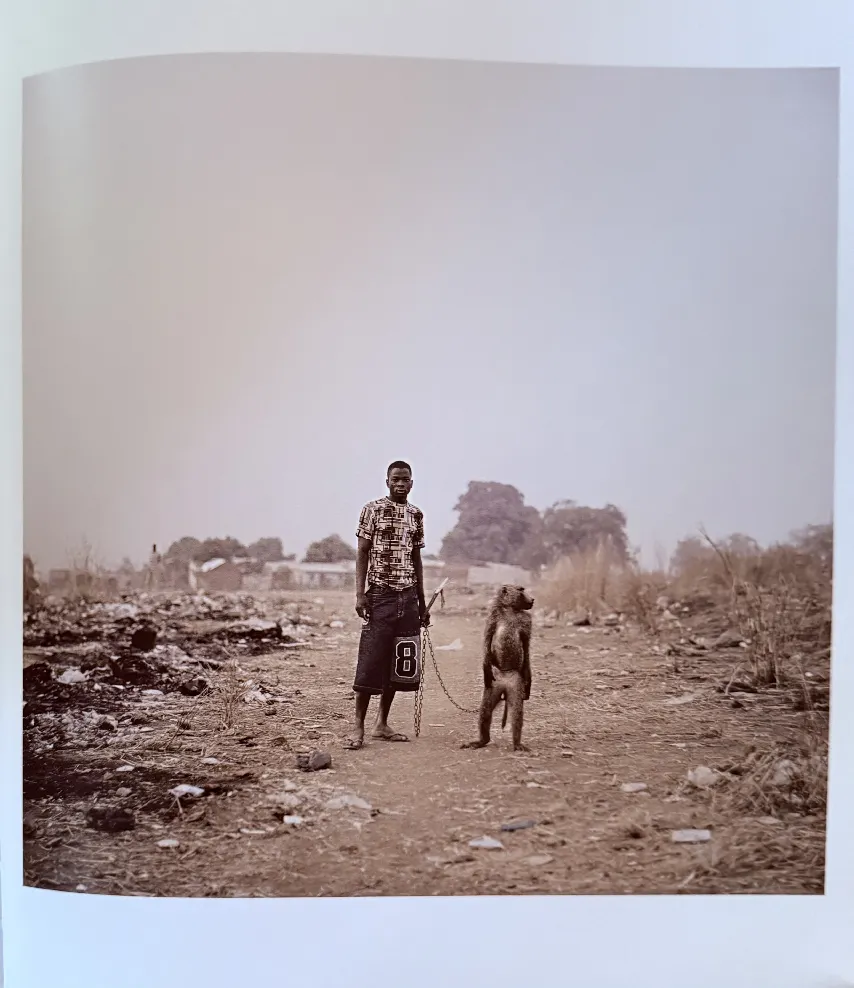
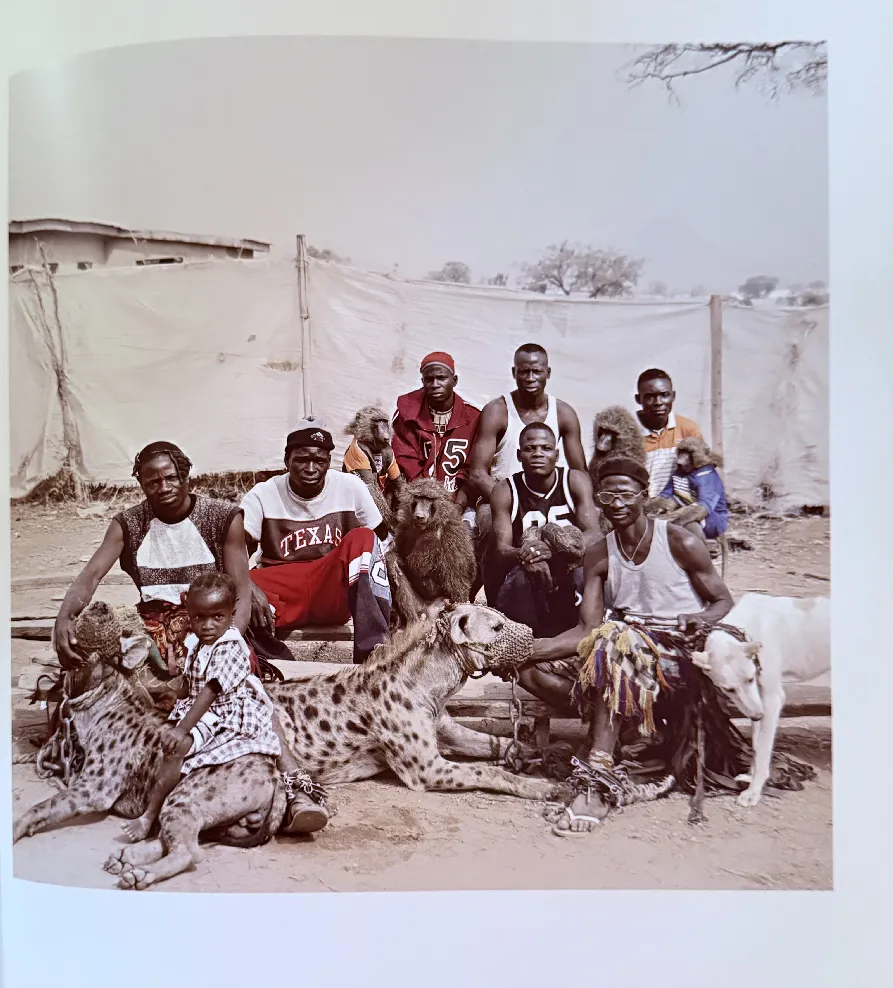


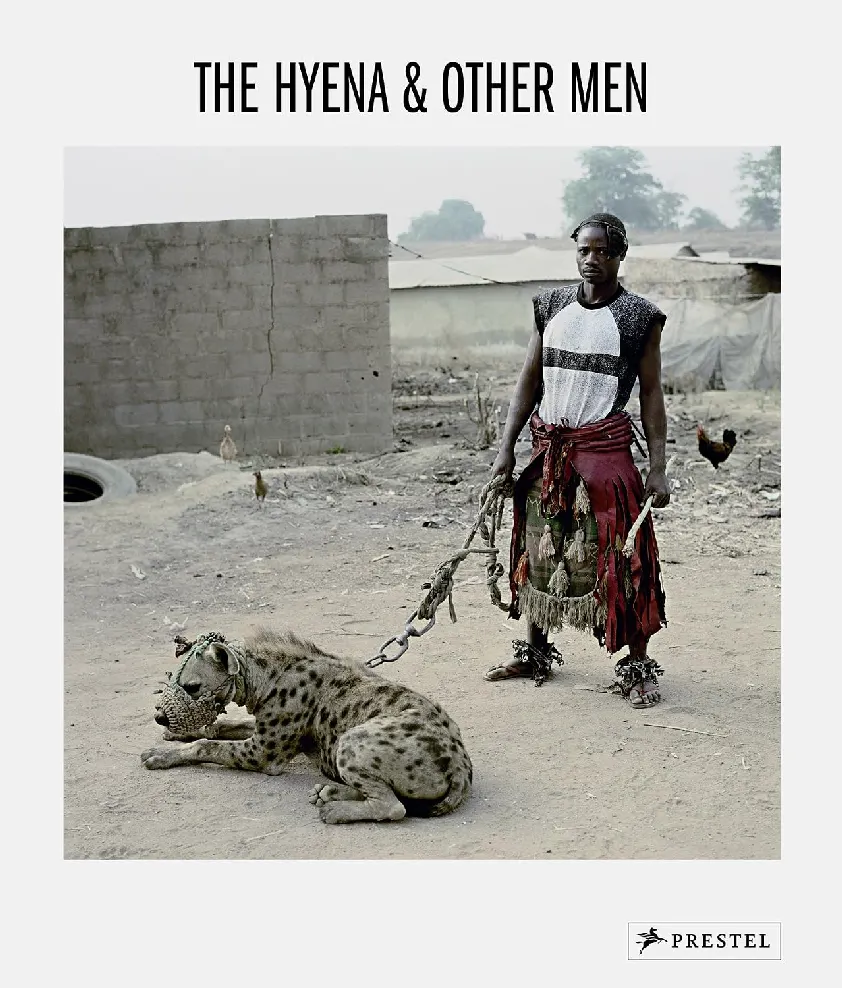
The Hyena and Other Men is a celebrated photobook documenting the Gadawan Kura, a nomadic troupe of itinerant animal handlers, performers, and traditional medicine sellers in northern Nigeria.
The series captures these men and their families living alongside dangerous wild animals, including muzzled hyenas, rock pythons, and baboons. Hugo traveled with the group through urban peripheries and shantytowns, framing intimate, confrontational portraits that examine the complex and codependent relationship between human and beast. Rather than treating the subjects as mere spectacle, the quiet compositions explore themes of dominance and submission, wildness and domesticity, and the tension between ancient tradition and modern African urban life.
Shot during the Harmattan season, the images are characterized by a dusty, desaturated palette caused by desert sand in the air, giving the series a distinct, ethereal atmosphere. The book, accompanied by an essay from Nigerian journalist Adetokunbo Abiola, stands as one of Hugo's most internationally recognized bodies of work, offering a nuanced look at a subculture existing on the margins of society.
The Hyena and Other Men is a celebrated photobook documenting the Gadawan Kura, a nomadic troupe of itinerant animal handlers, performers, and traditional medicine sellers in northern Nigeria.
The series captures these men and their families living alongside dangerous wild animals, including muzzled hyenas, rock pythons, and baboons. Hugo traveled with the group through urban peripheries and shantytowns, framing intimate, confrontational portraits that examine the complex and codependent relationship between human and beast. Rather than treating the subjects as mere spectacle, the quiet compositions explore themes of dominance and submission, wildness and domesticity, and the tension between ancient tradition and modern African urban life.
Shot during the Harmattan season, the images are characterized by a dusty, desaturated palette caused by desert sand in the air, giving the series a distinct, ethereal atmosphere. The book, accompanied by an essay from Nigerian journalist Adetokunbo Abiola, stands as one of Hugo's most internationally recognized bodies of work, offering a nuanced look at a subculture existing on the margins of society.

The Hyena and Other Men is a celebrated photobook documenting the Gadawan Kura, a nomadic troupe of itinerant animal handlers, performers, and traditional medicine sellers in northern Nigeria.
The series captures these men and their families living alongside dangerous wild animals, including muzzled hyenas, rock pythons, and baboons. Hugo traveled with the group through urban peripheries and shantytowns, framing intimate, confrontational portraits that examine the complex and codependent relationship between human and beast. Rather than treating the subjects as mere spectacle, the quiet compositions explore themes of dominance and submission, wildness and domesticity, and the tension between ancient tradition and modern African urban life.
Shot during the Harmattan season, the images are characterized by a dusty, desaturated palette caused by desert sand in the air, giving the series a distinct, ethereal atmosphere. The book, accompanied by an essay from Nigerian journalist Adetokunbo Abiola, stands as one of Hugo's most internationally recognized bodies of work, offering a nuanced look at a subculture existing on the margins of society.