
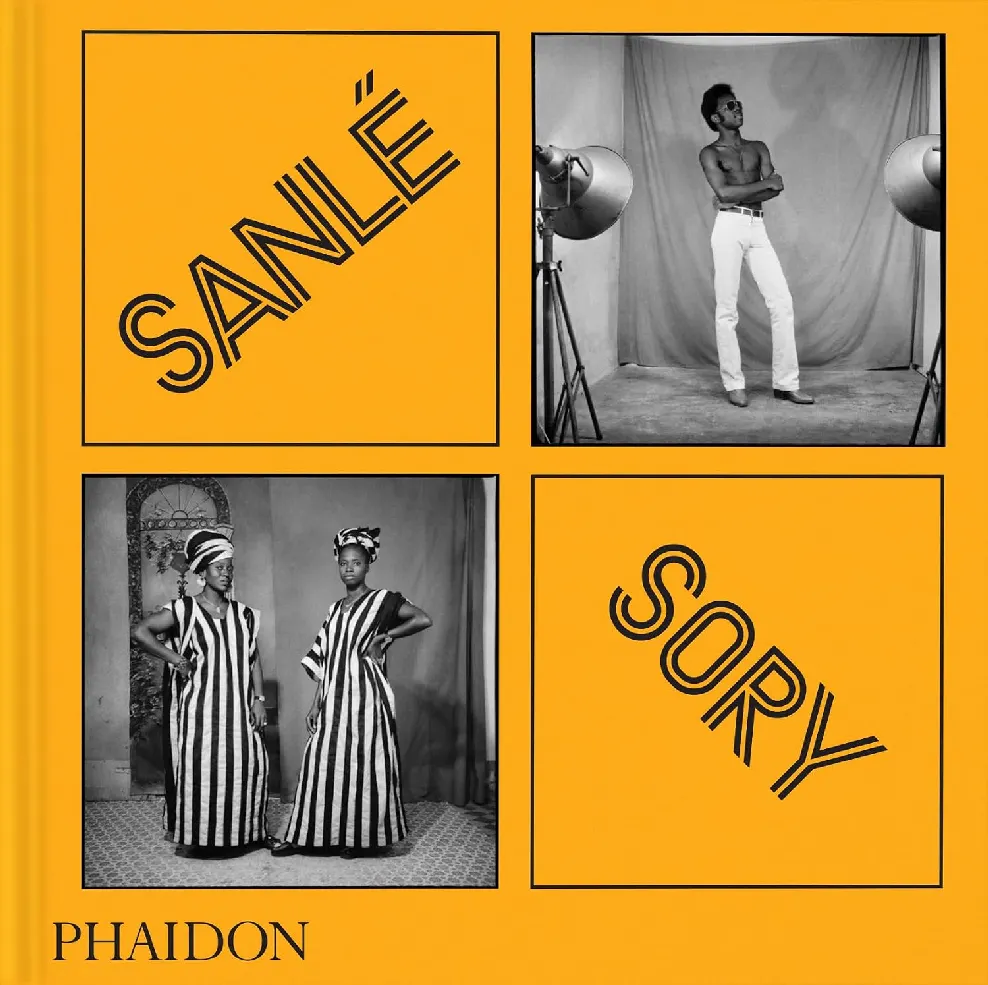
Hardcover issued without a DJ
ISBN:
9781837292547


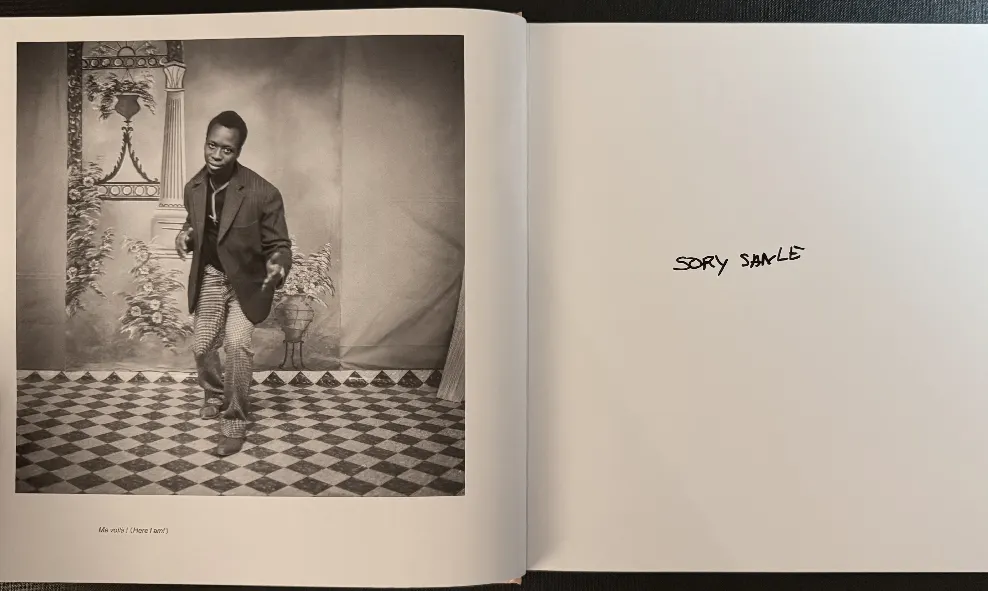
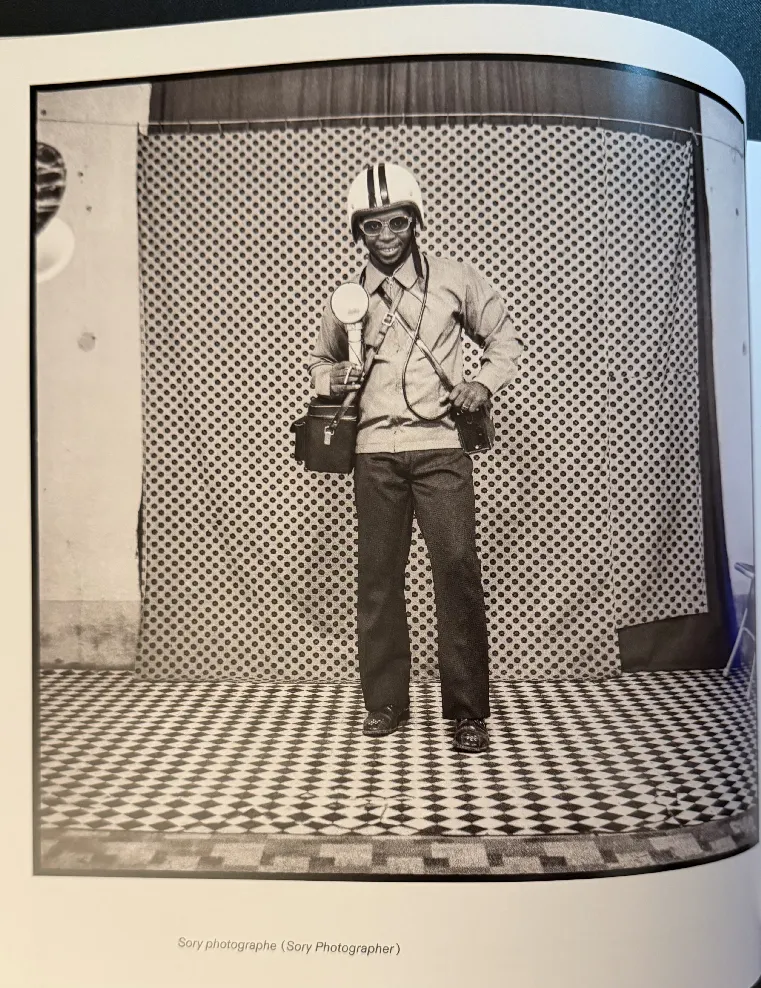
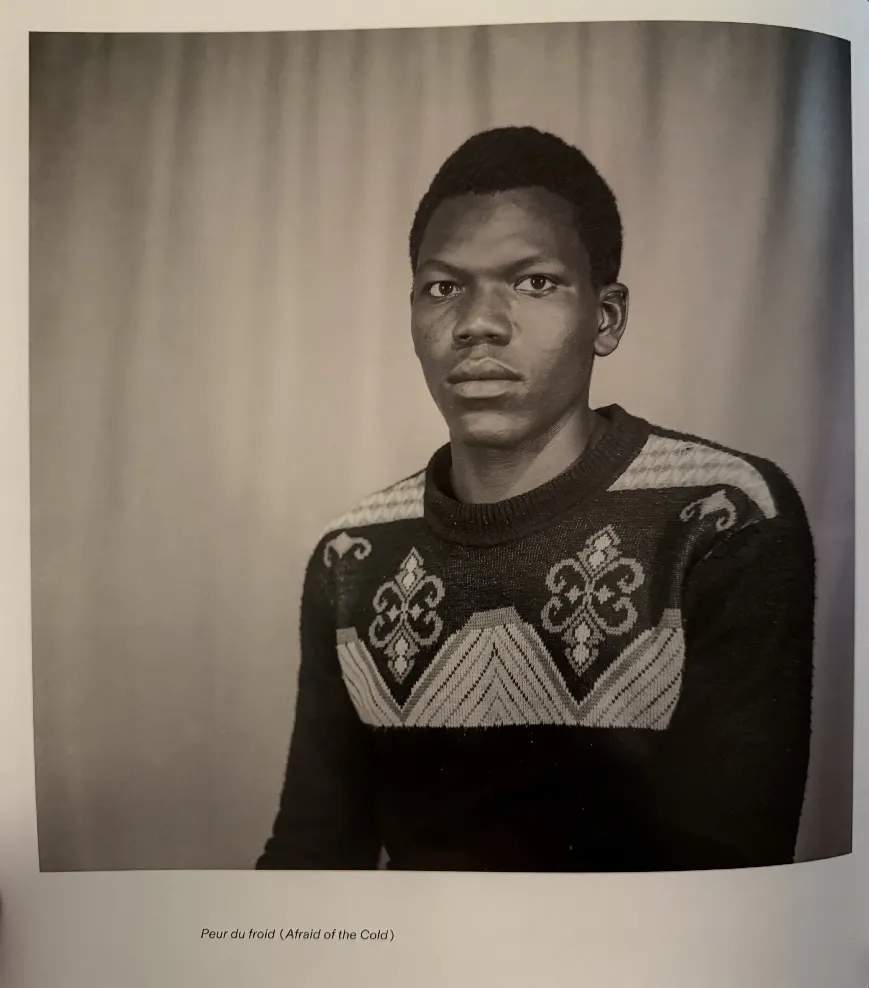
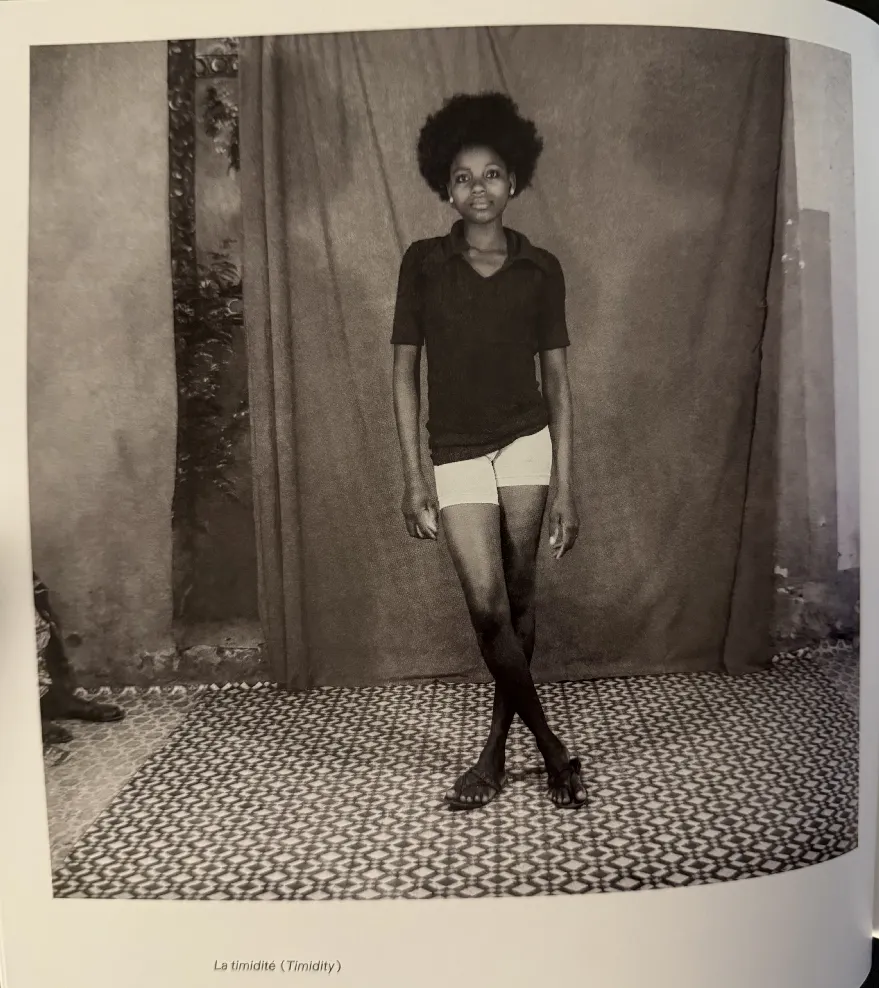
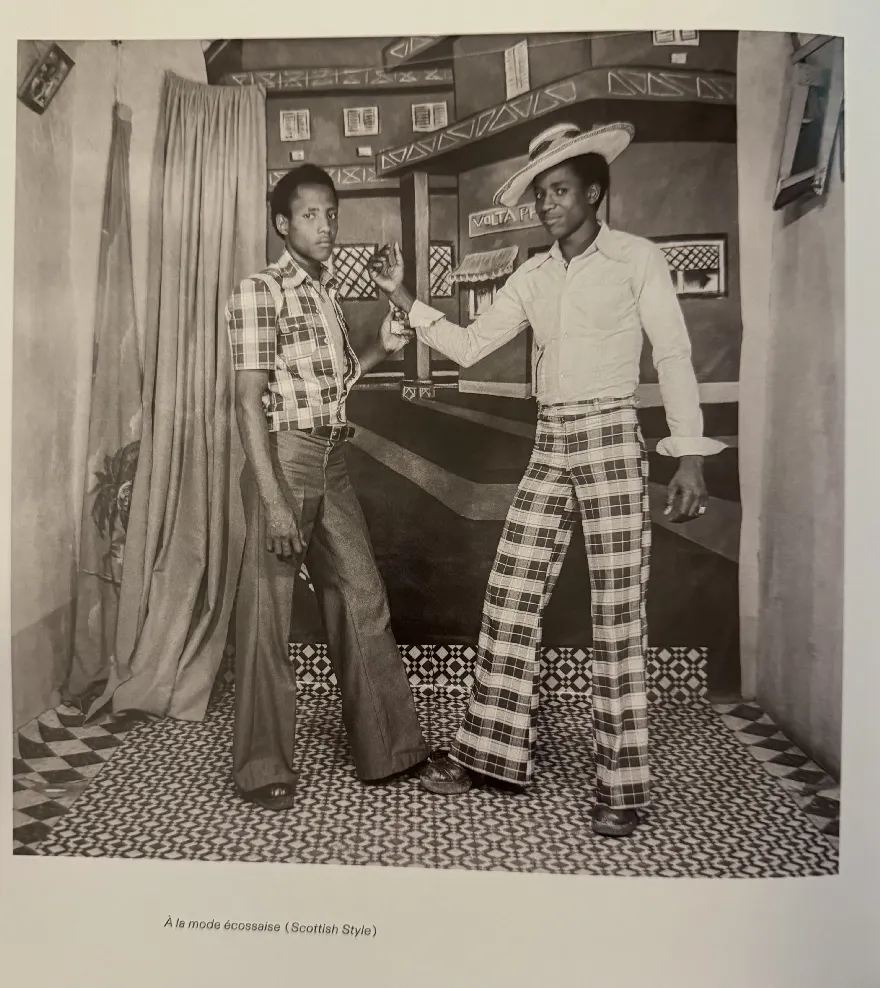
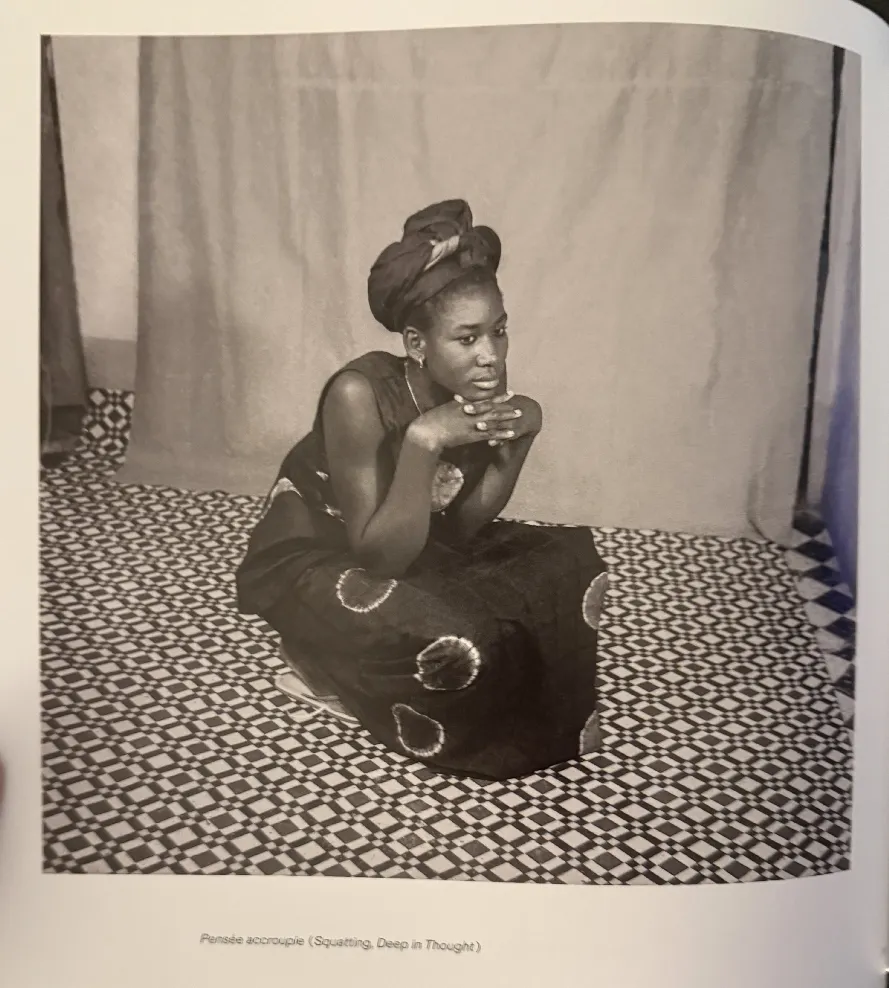
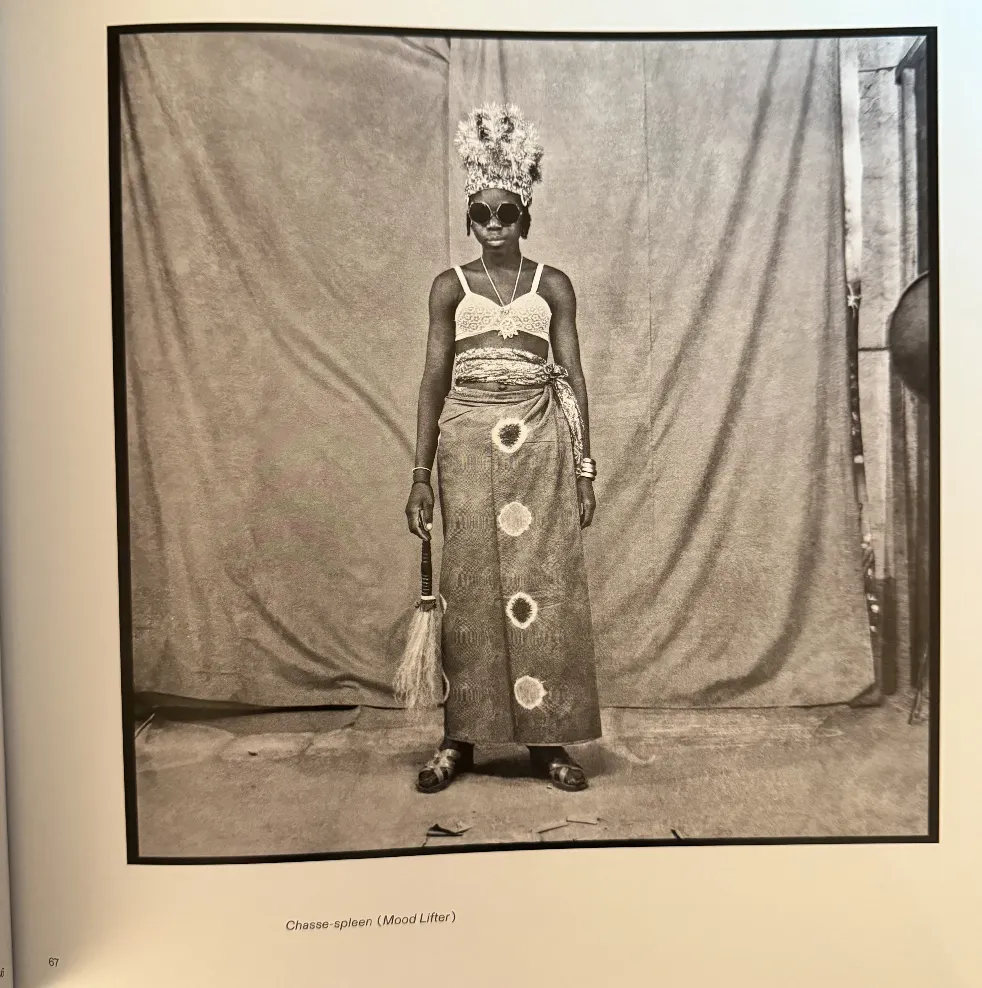
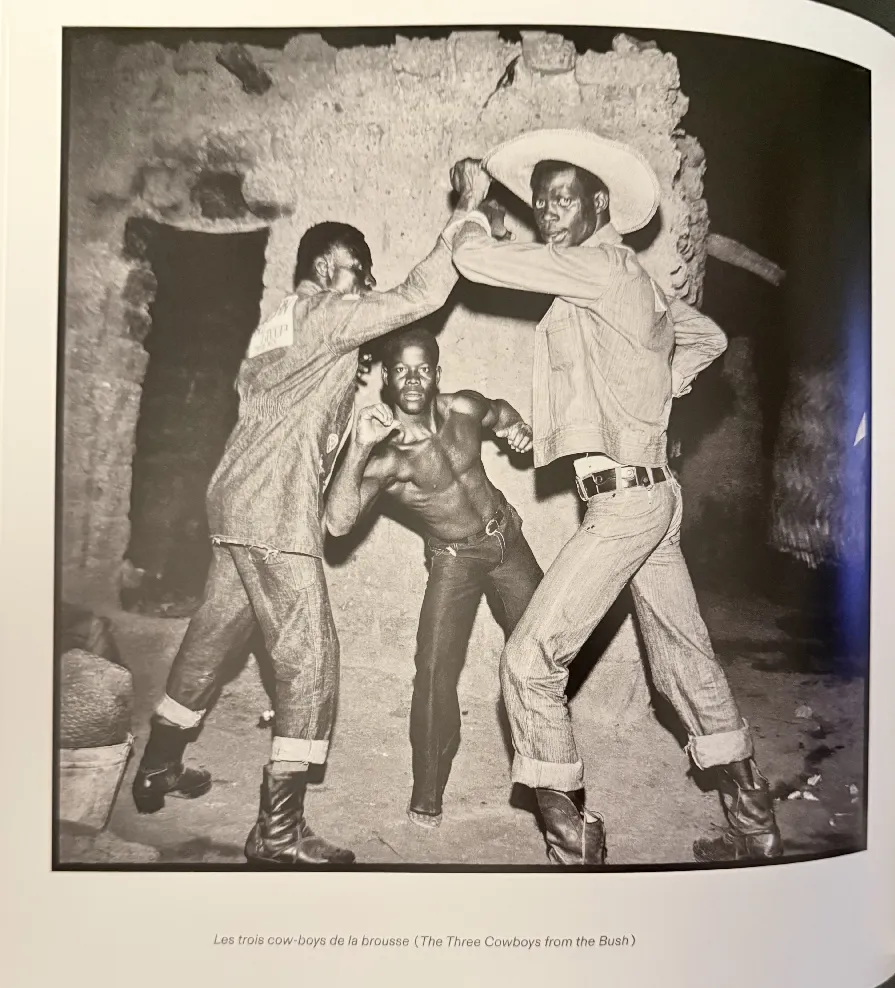
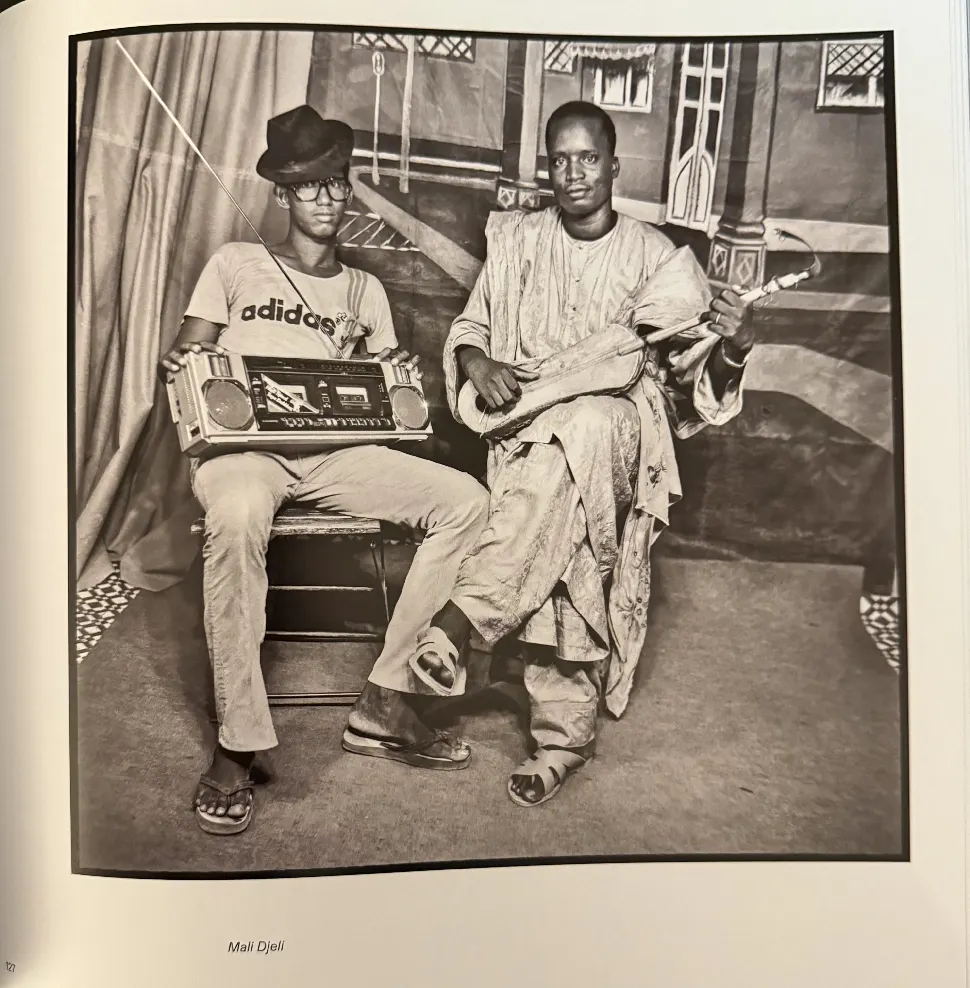
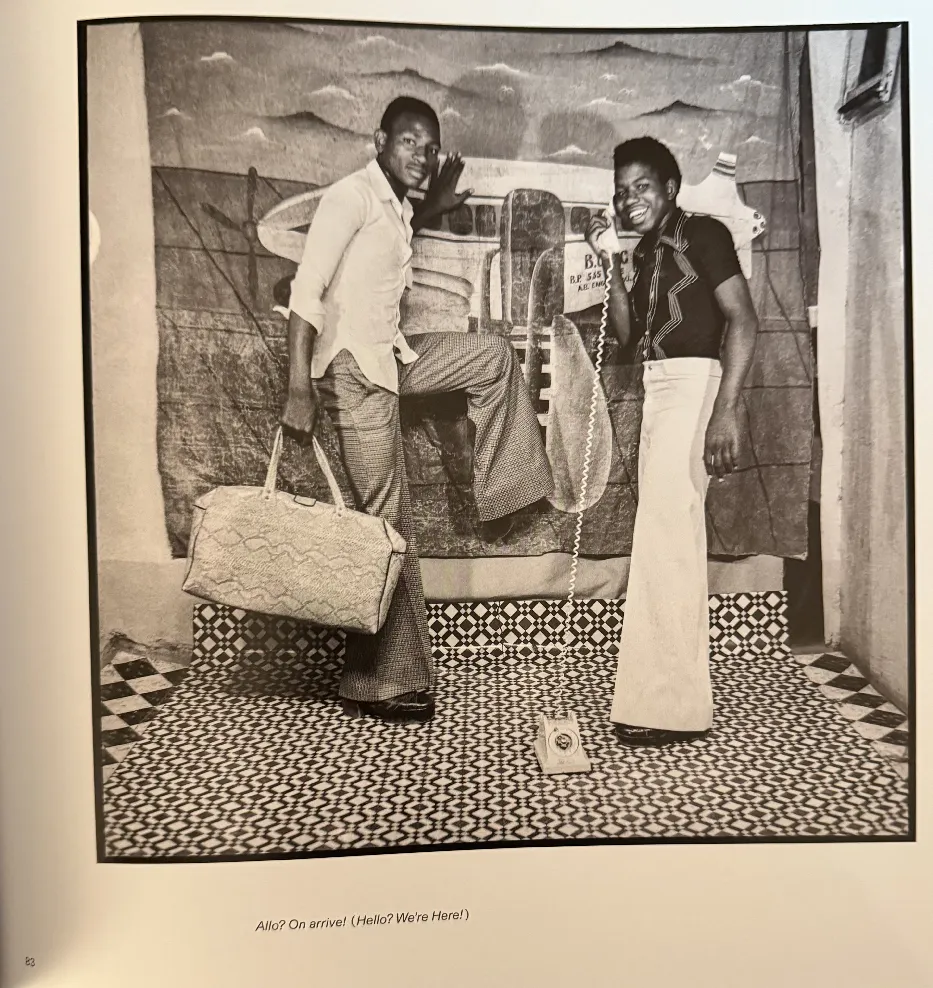
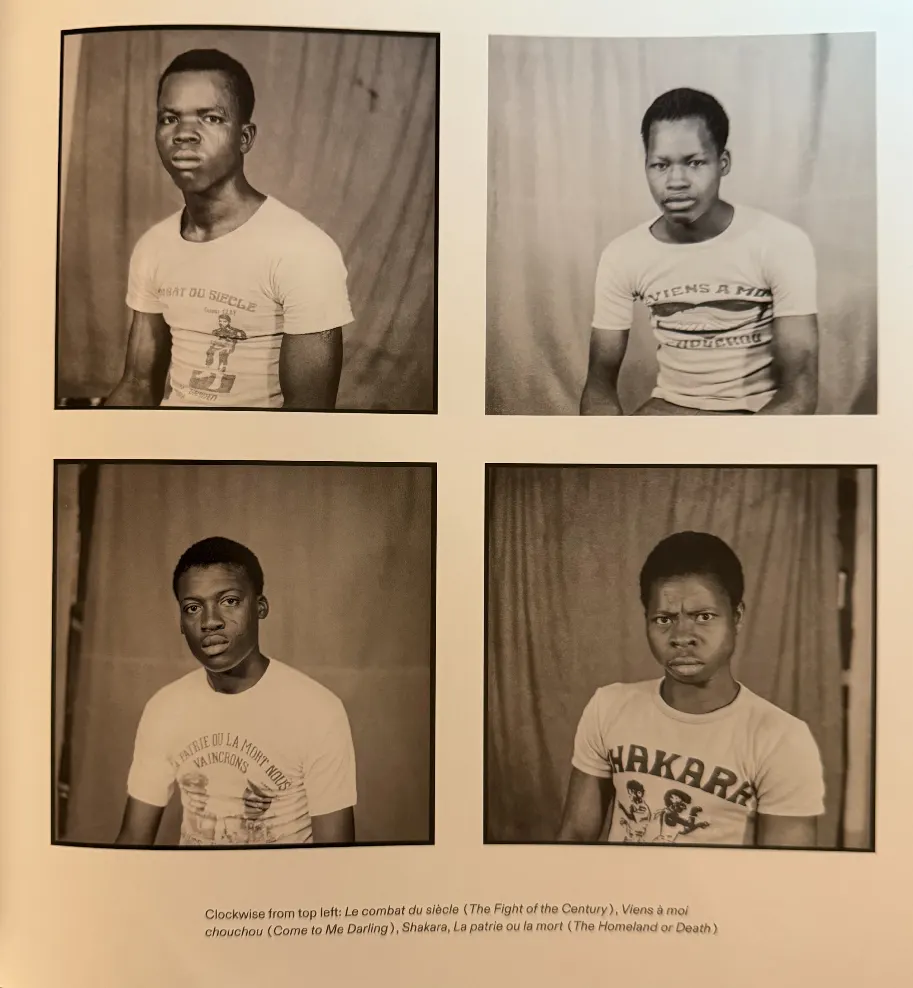
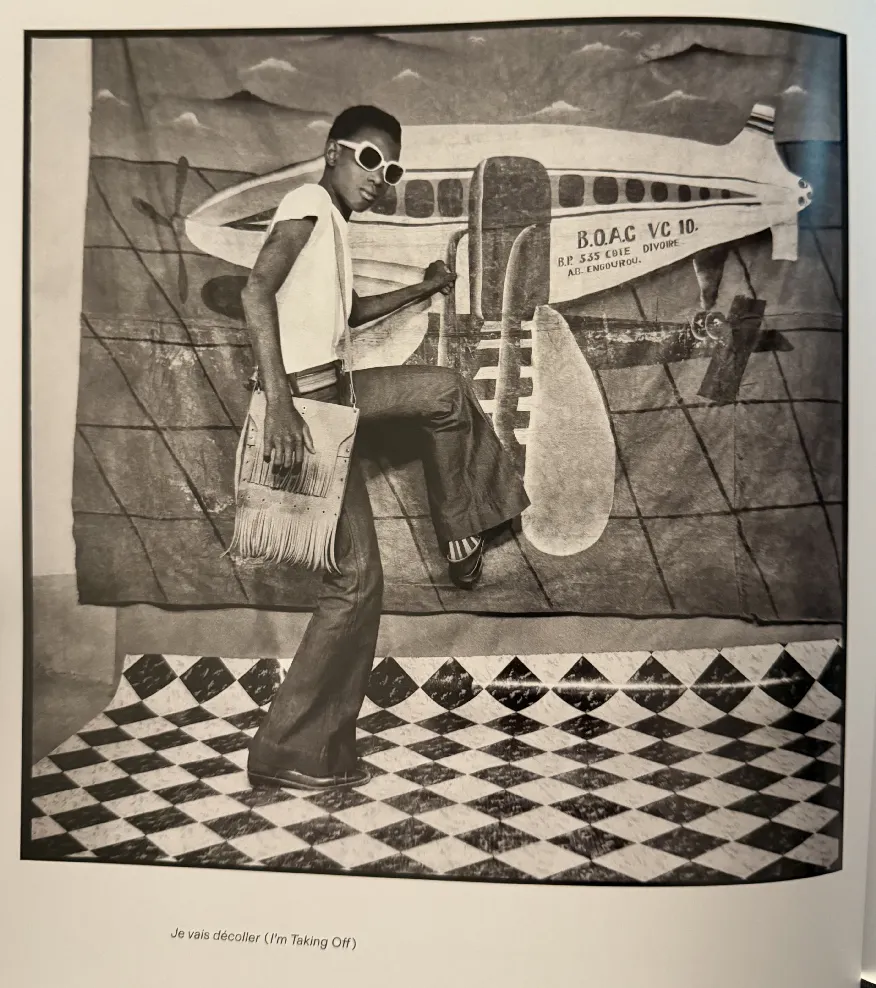
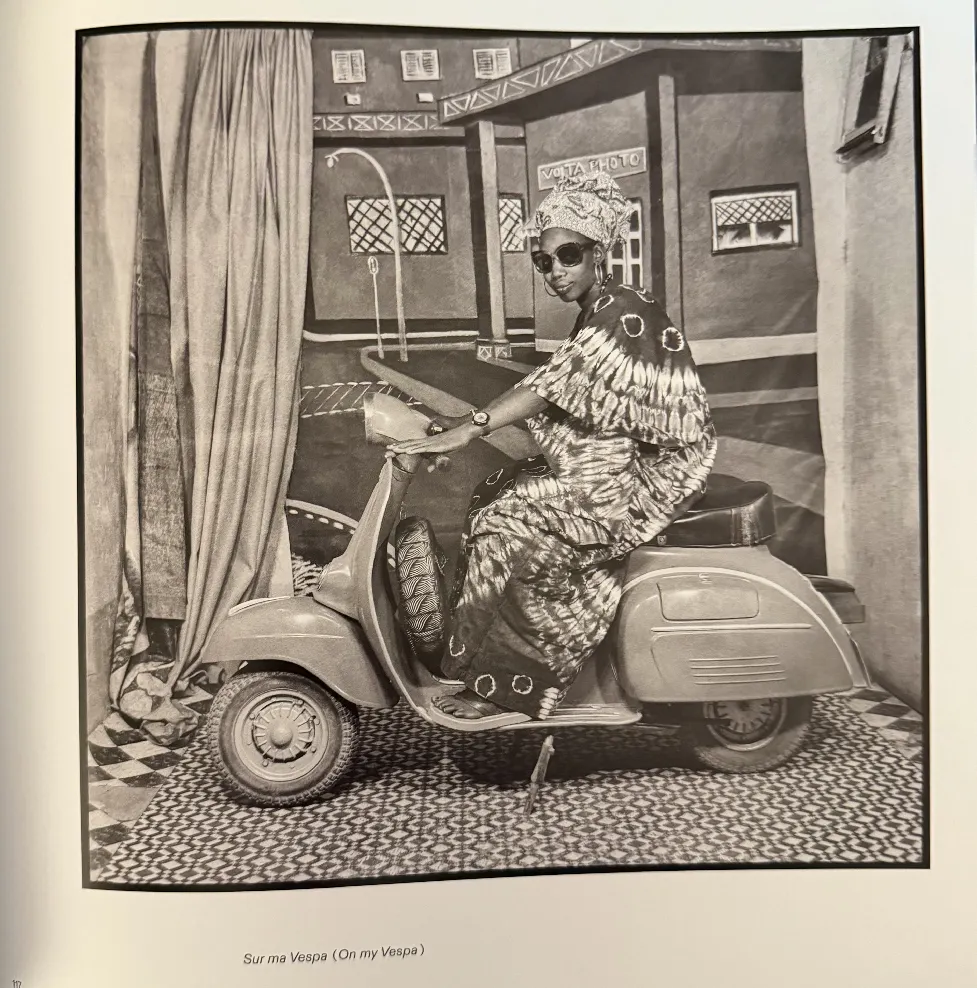
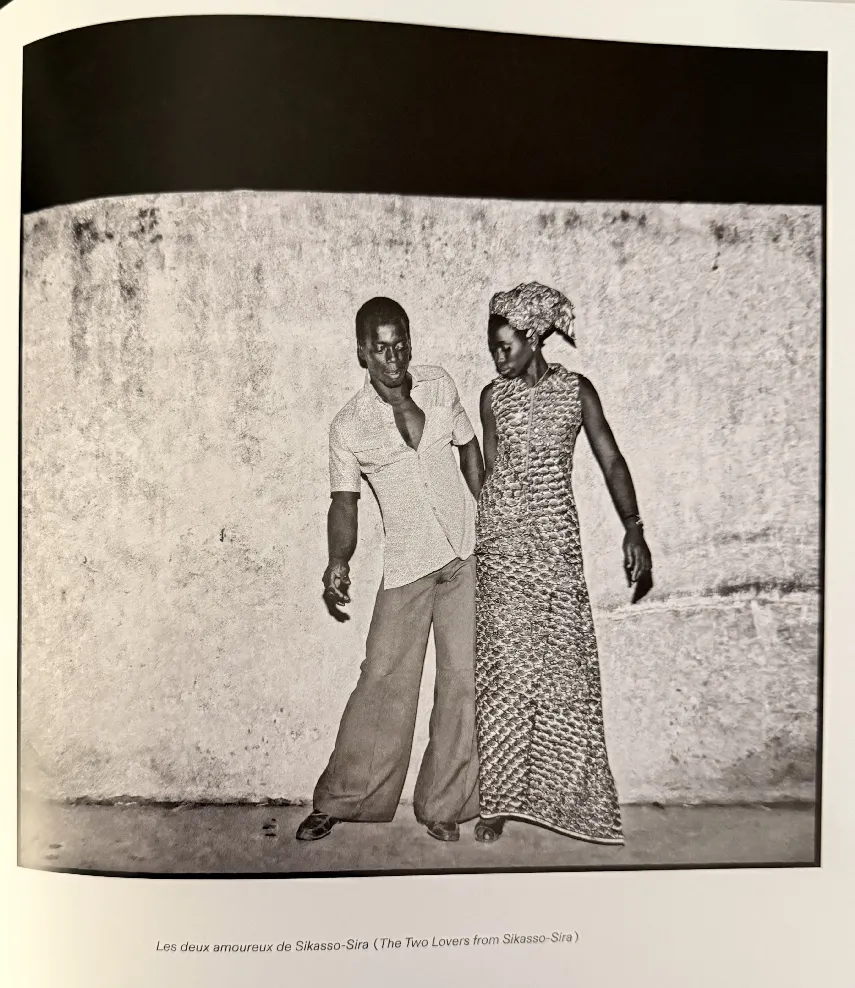
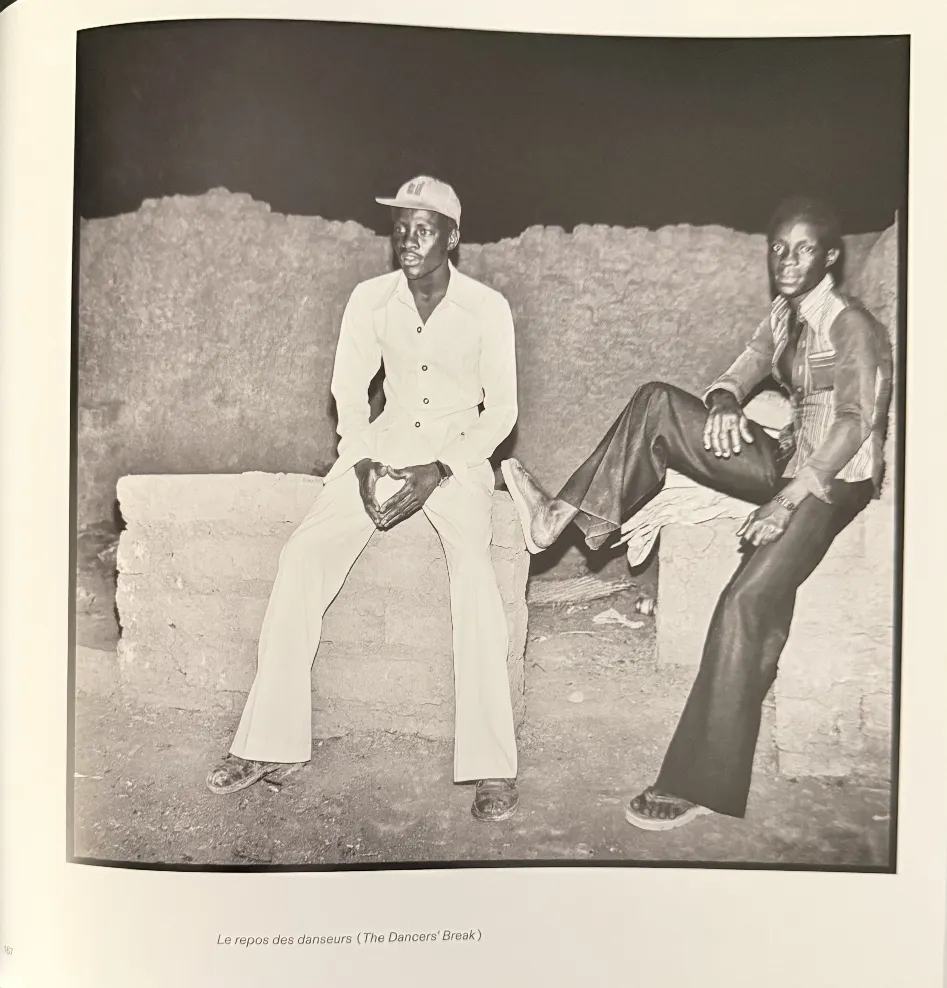
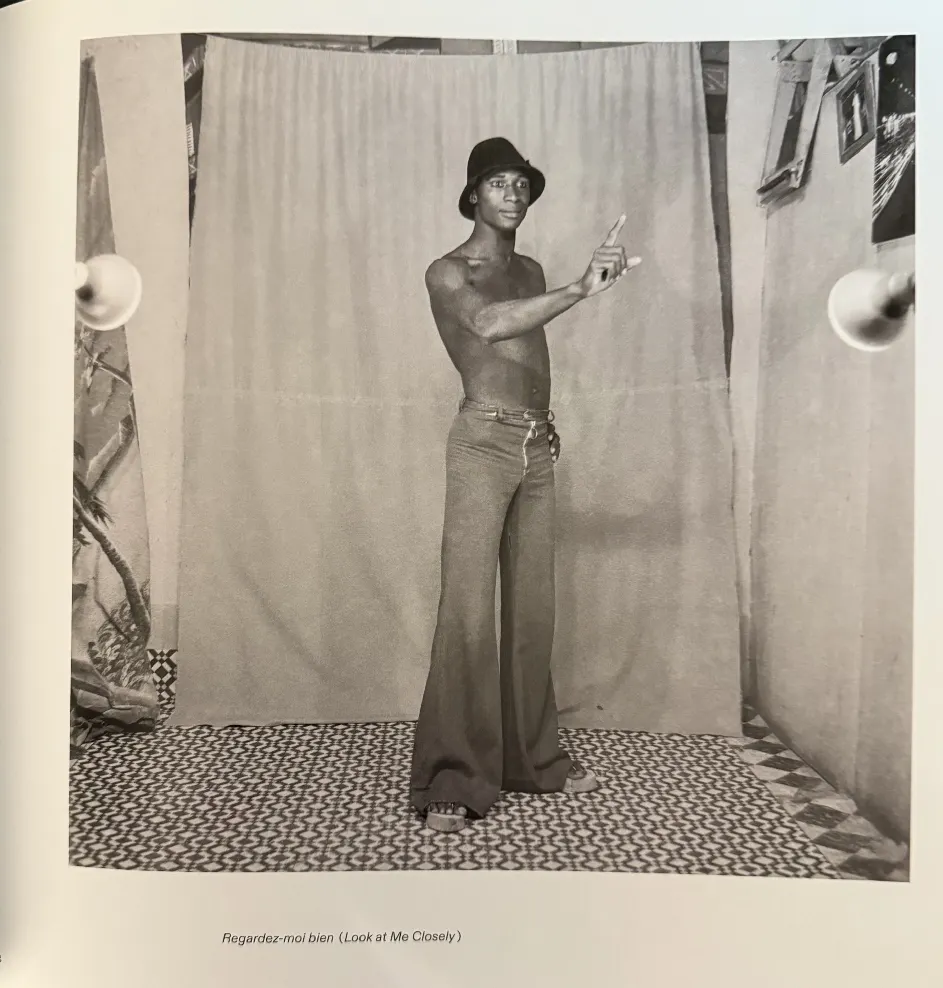
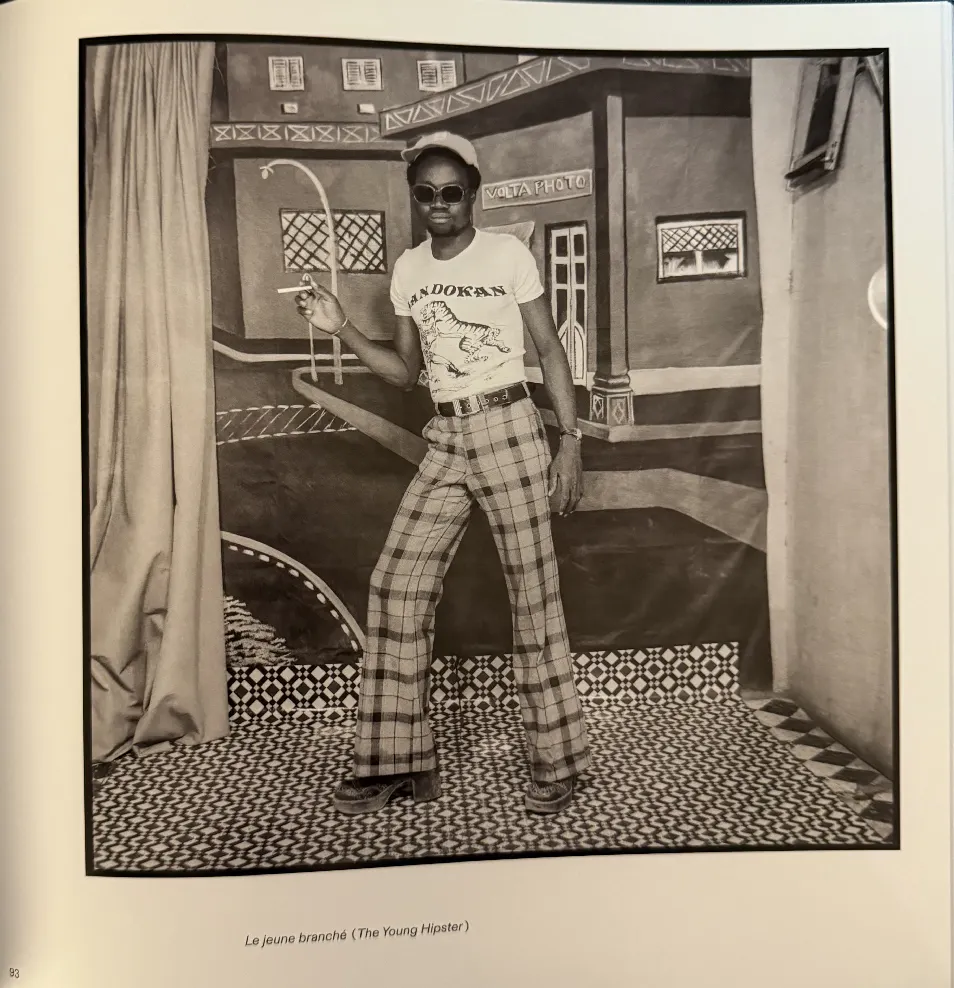
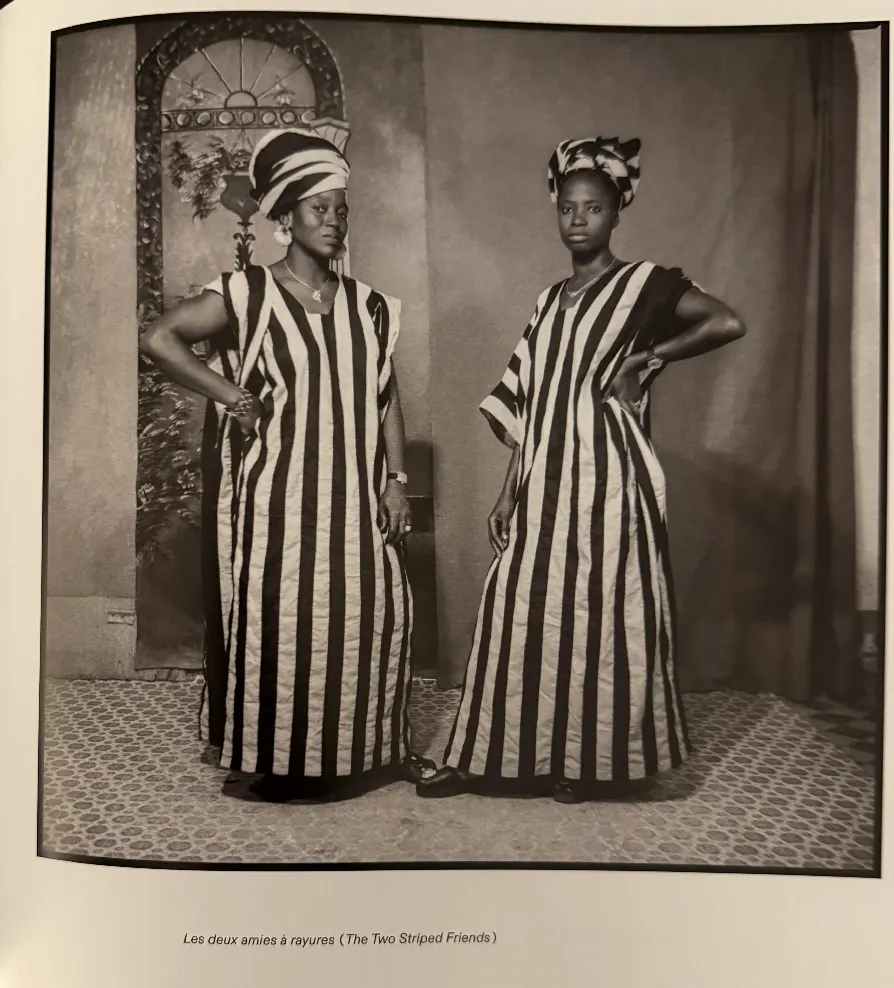
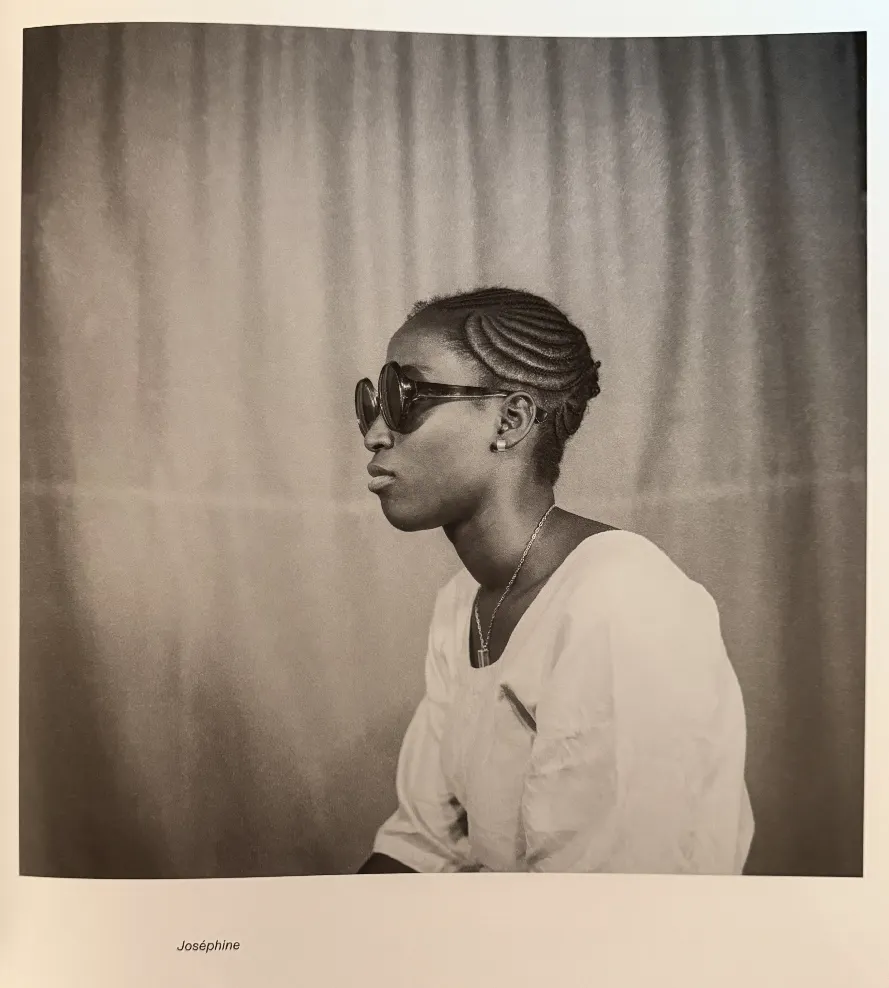
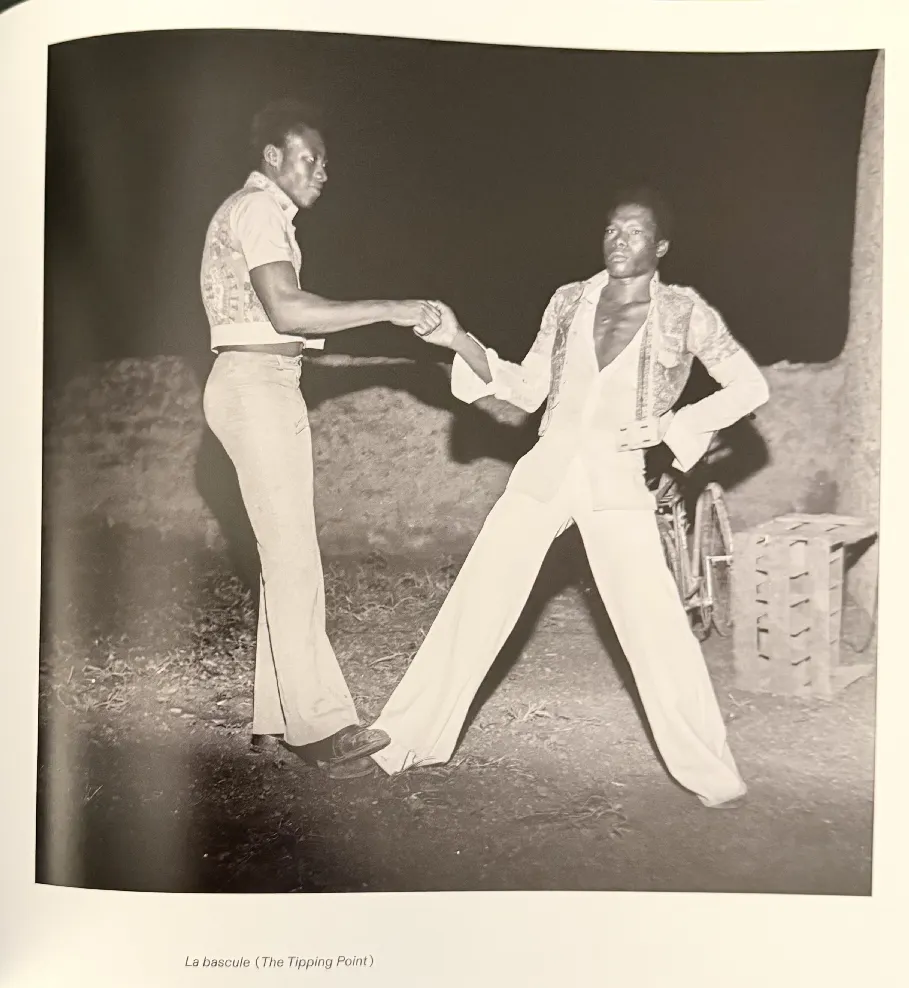
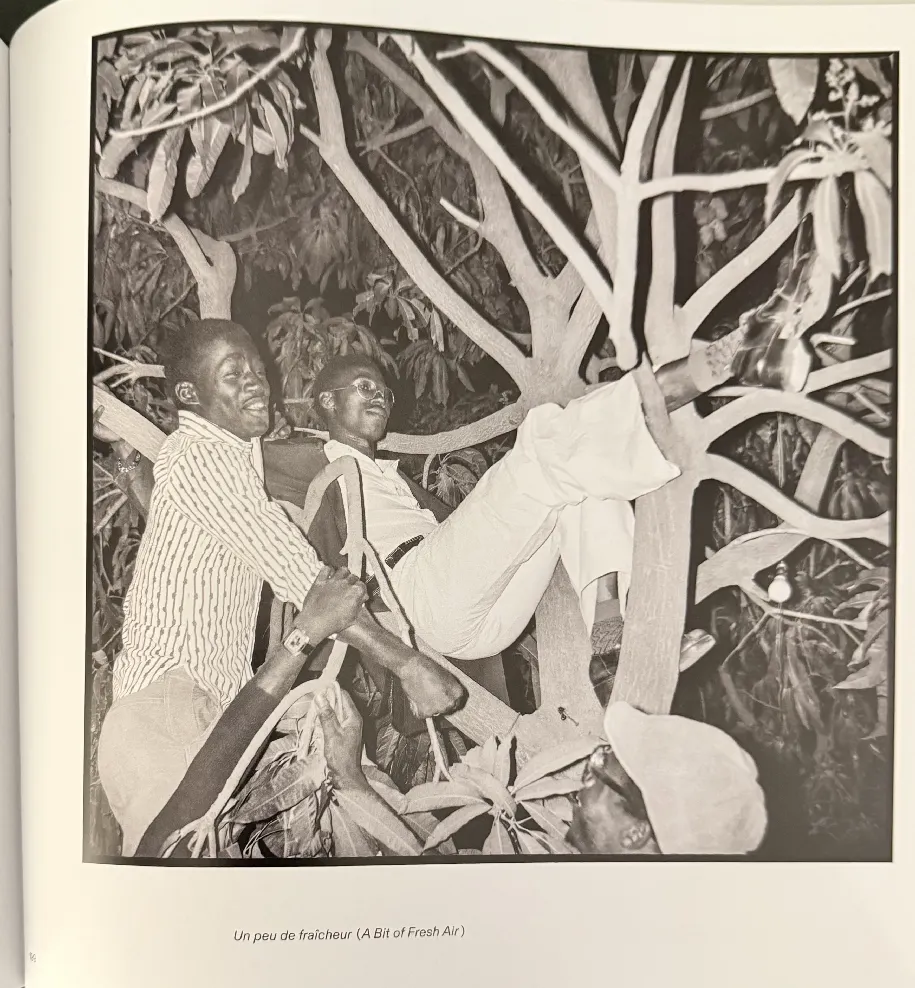
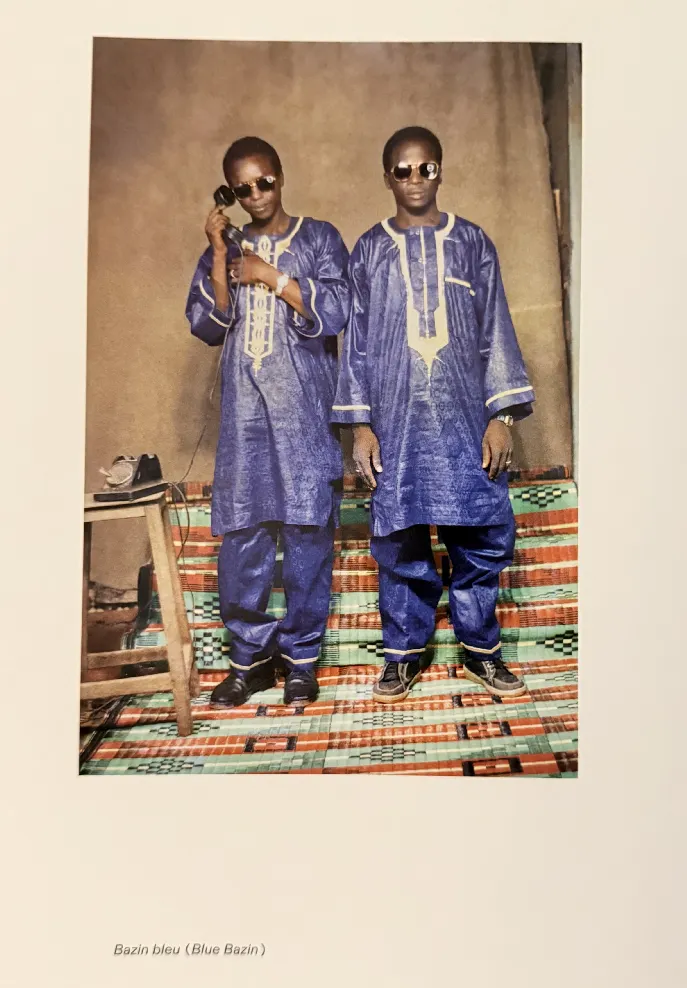
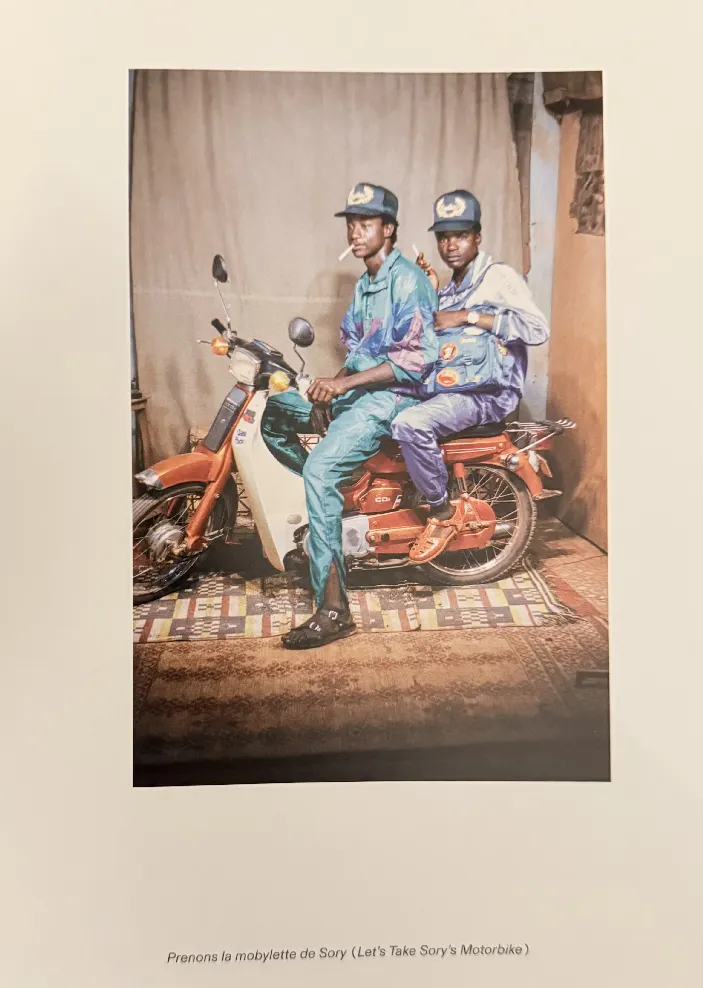
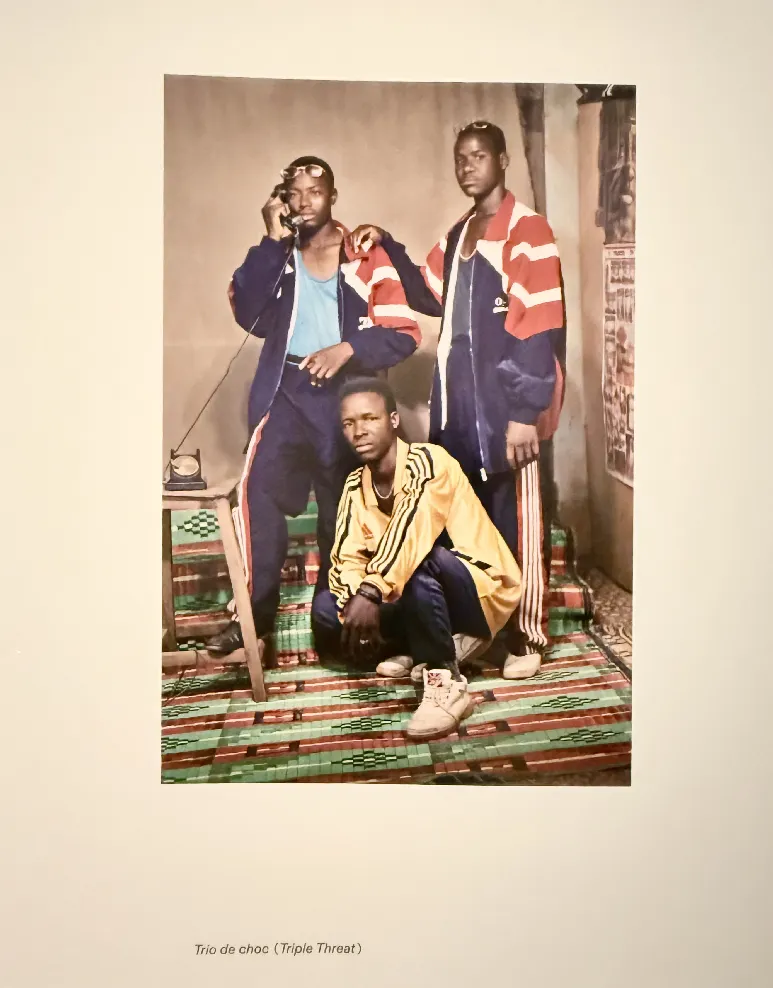
Sanlé Sory’s first comprehensive monograph also documents Burkina Faso’s vibrant post-independence era, specifically capturing the cultural explosion of Bobo-Dioulasso during the 1960s and 1970s. Operating out of his Volta Photo studio, Sory functioned as both a civic archivist and a cultural catalyst, documenting the rapid intersection of traditional West African identity with the influx of global pop culture, music, and fashion. His work sits firmly alongside peers like Malick Sidibé and Seydou Keïta but distinguishes itself through a unique regional specificity and an undeniable collaborative energy between the photographer and his youthful, optimistic clientele as they navigated a newly liberated national identity.
Aesthetically, the publication highlights Sory’s mastery of the improvised studio environment and his dynamic use of props, painted backdrops, and natural daylight. The black-and-white compositions rely on a direct, unpretentious framing where the subjects—adorned in bell-bottoms, graphic tees, and traditional textiles, command the spatial dynamics of the image. Sory frequently embraced the raw, utilitarian aspects of his trade, allowing the physical edges of his backdrops and the dirt floors of his courtyard to remain visible, which grounds the theatricality of the portraits in a stark, tactile reality. This deliberate inclusion of the studio's physical boundaries creates a compelling structural interplay between the aspirational fantasy of the sitters and their immediate physical environment.