
Boards
ISBN:


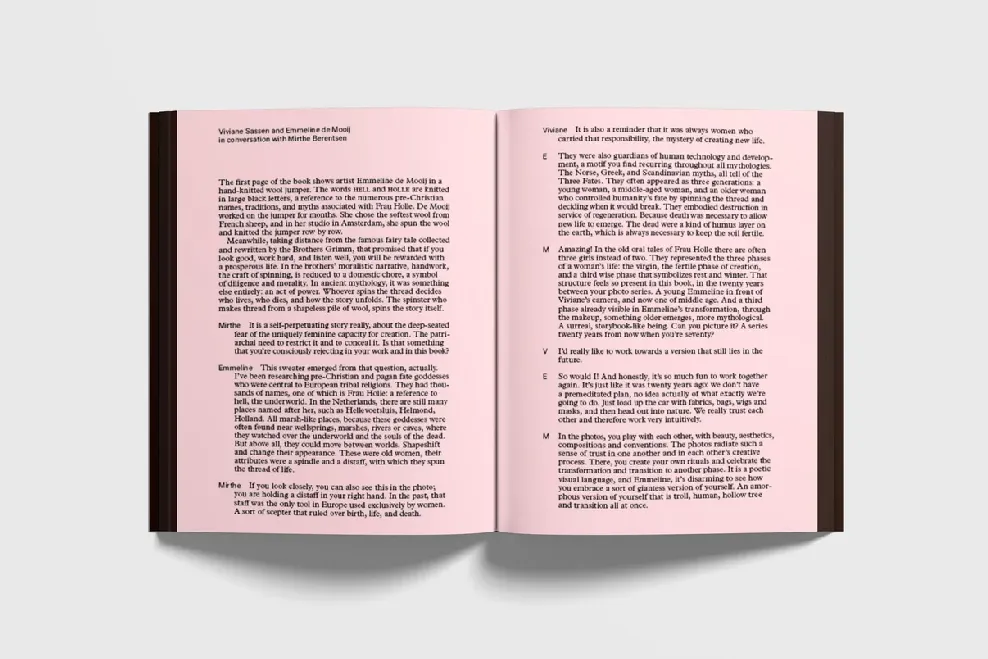
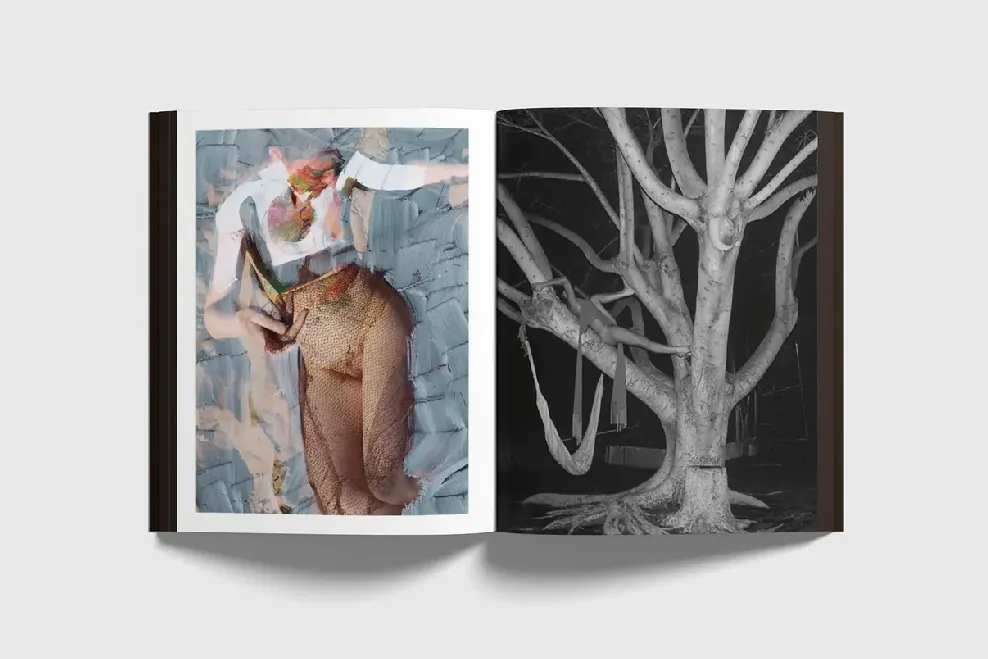
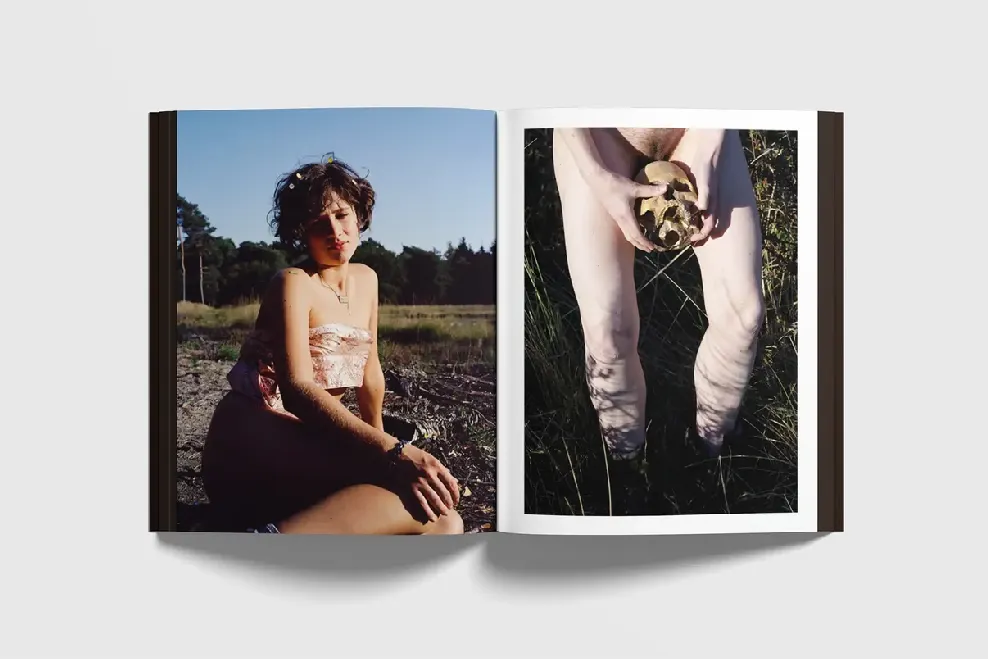
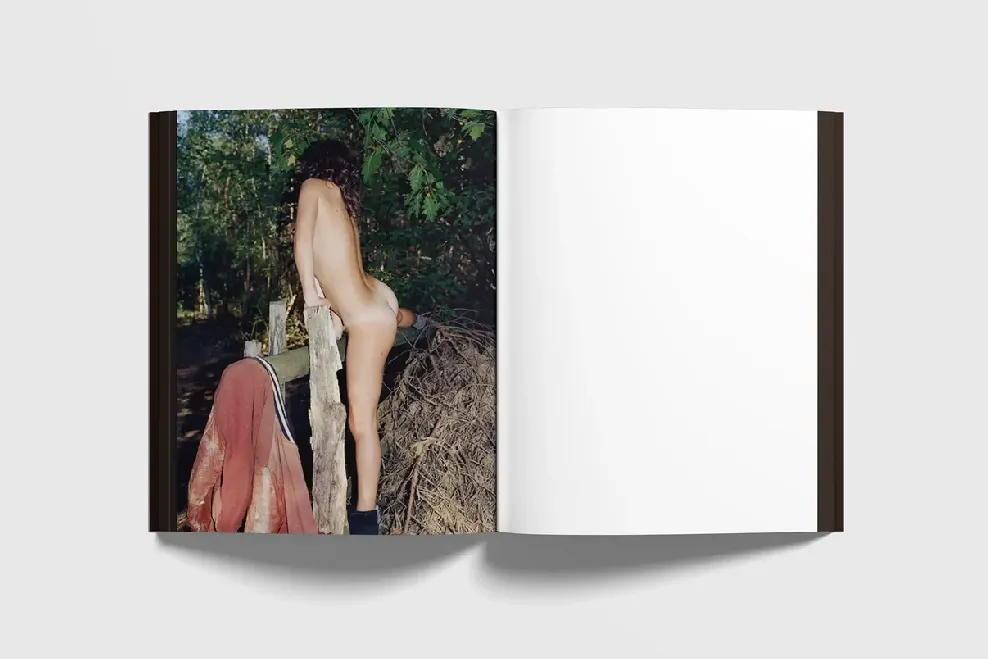
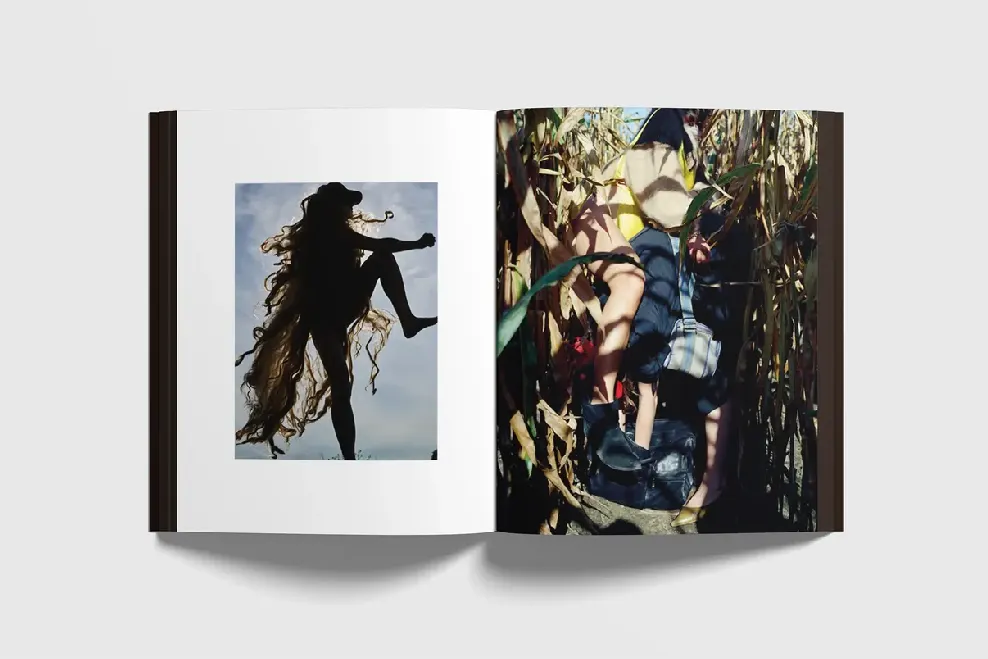
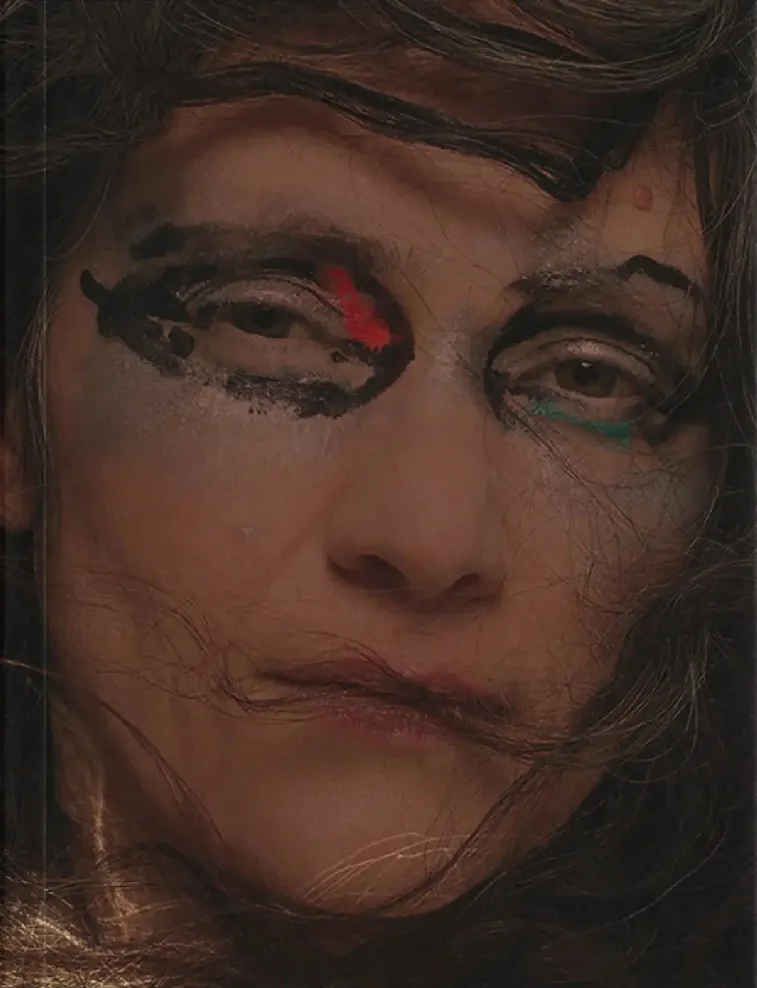
Viviane Sassen and Emmeline de Mooij’s collaborative publication Frau Holle serves as a meditation on female transformation, aging, and the reclamation of visibility. Taking its title from a central European pagan folkloric figure, the book subverts traditional fashion and portraiture narratives to explore the messy realities of the physical body, motherhood, and desire. Reconnecting decades after their initial photographic collaborations, the artists challenge conventional ideas of palatable beauty by embracing what they describe as the "monstrous". This conceptual framework refutes the erasure of older women, presenting instead a surreal, unapologetic celebration of womanhood and creative power grounded in the natural landscape.
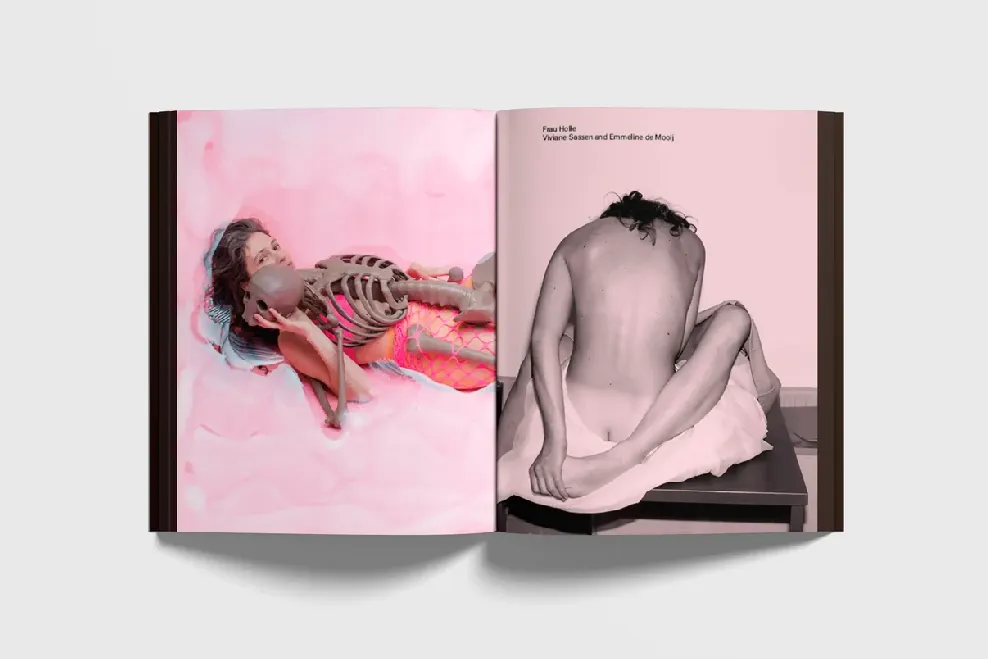
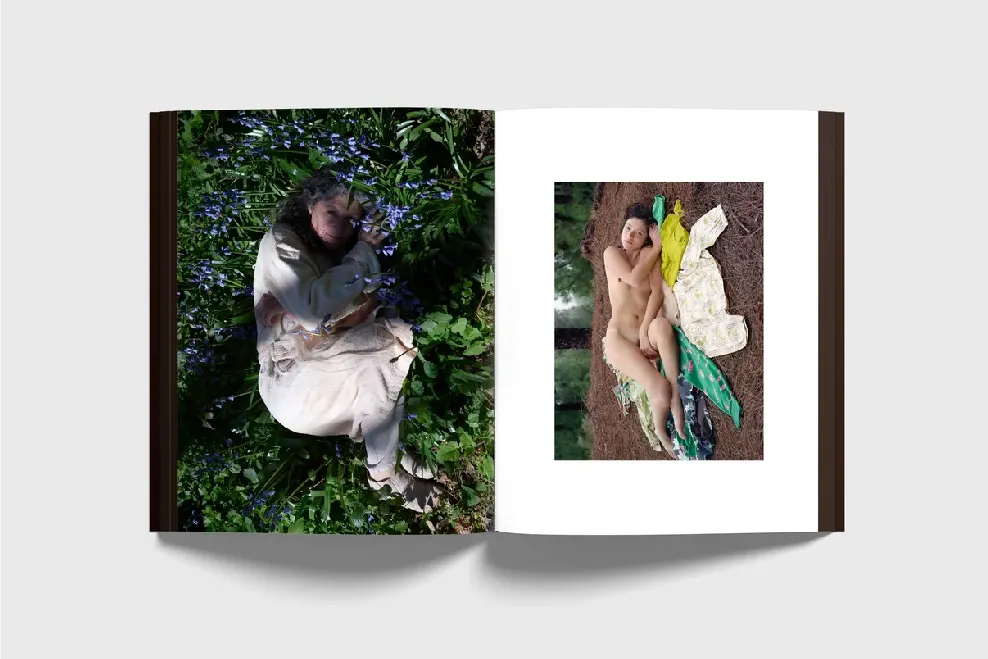
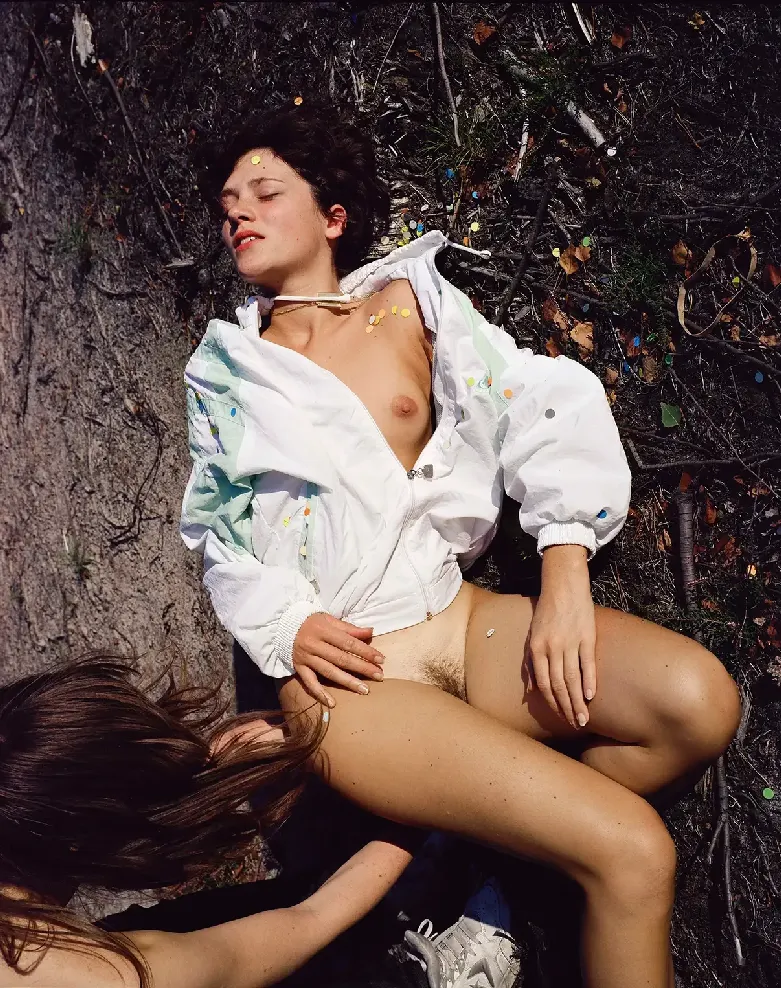
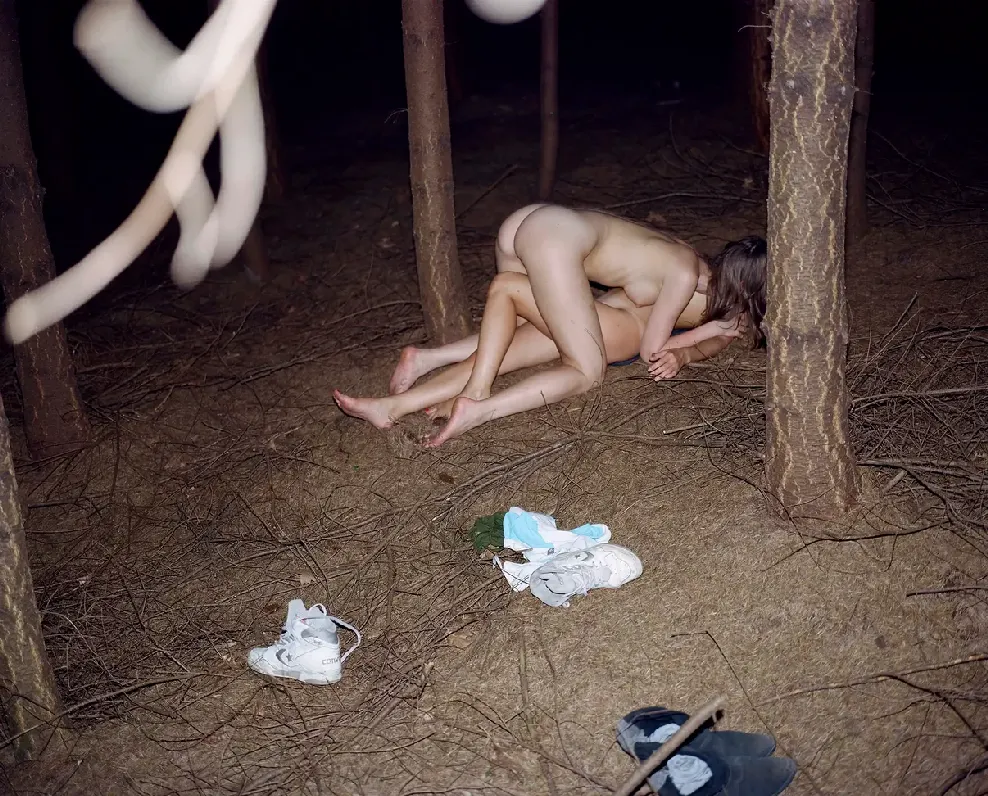
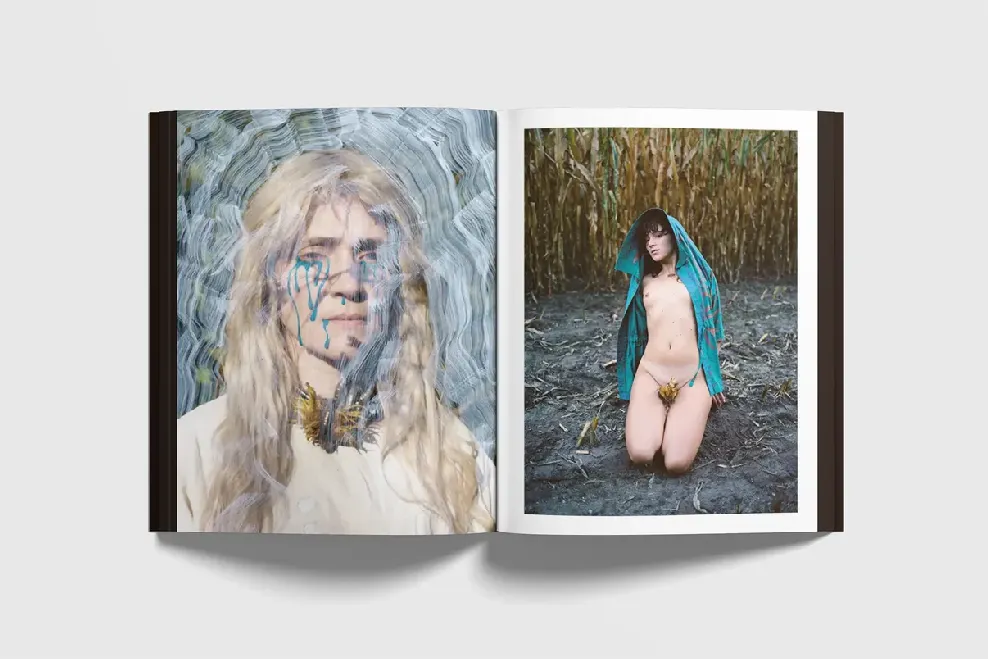
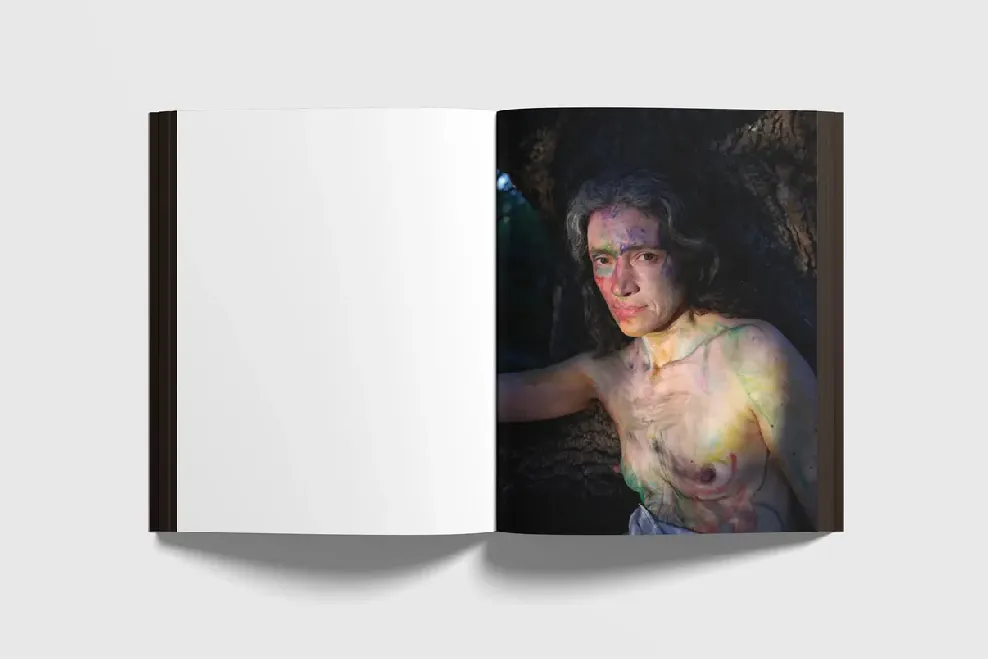
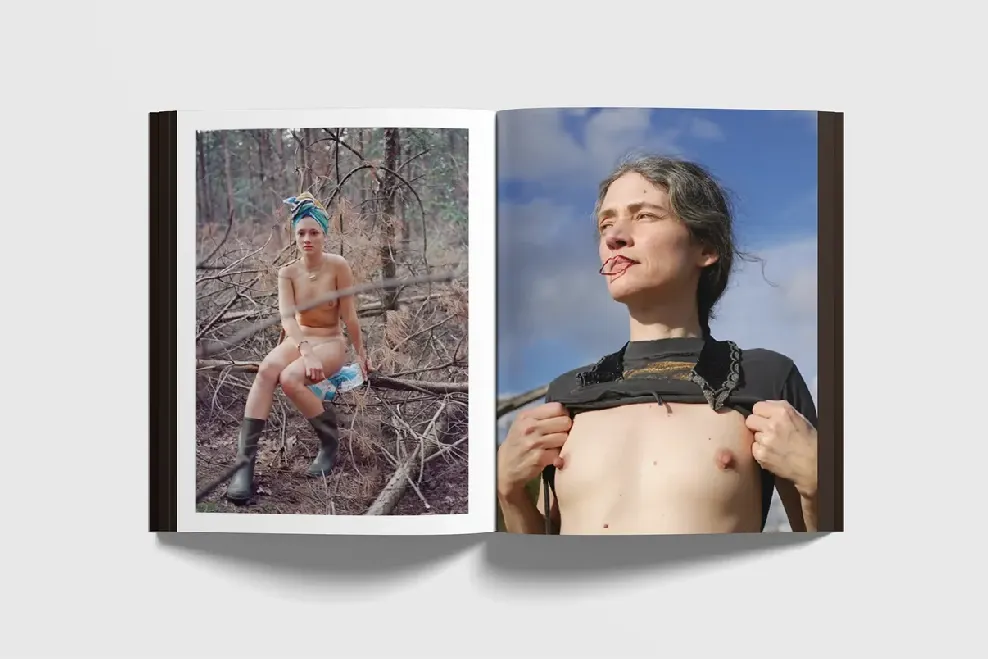
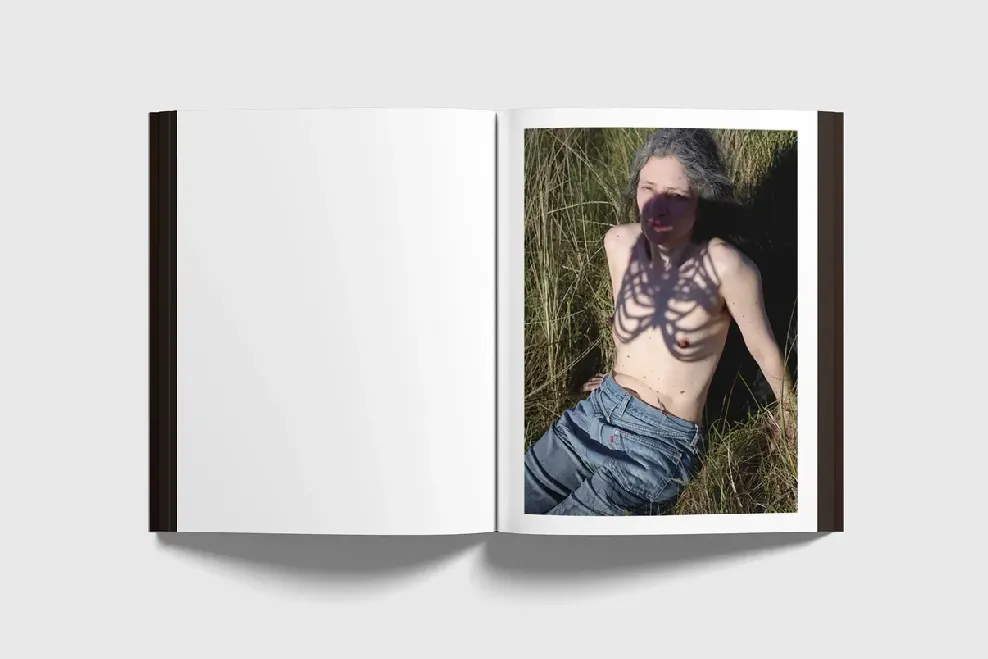
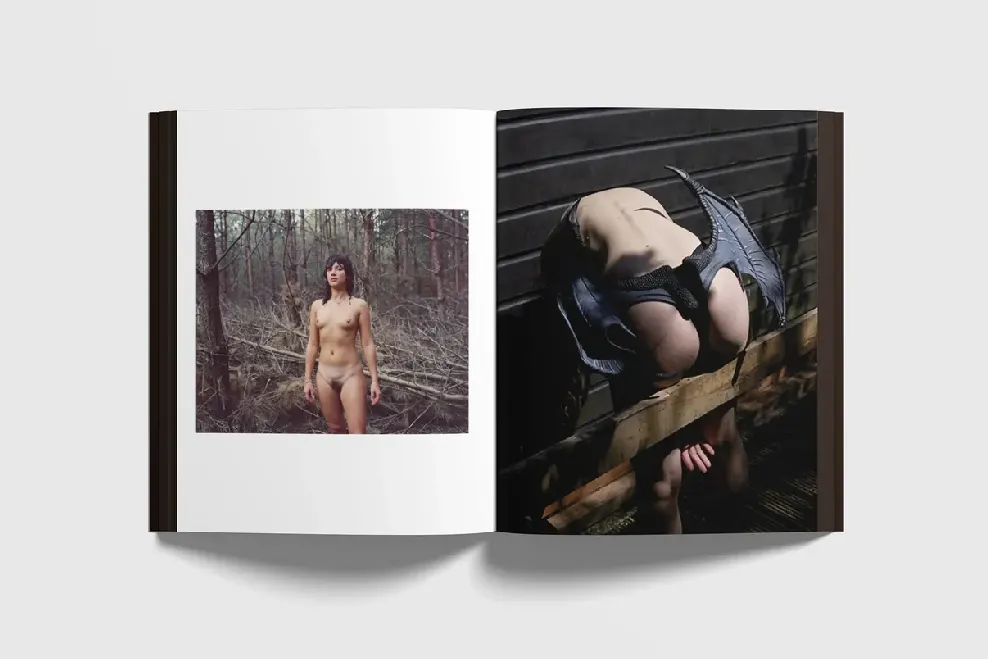
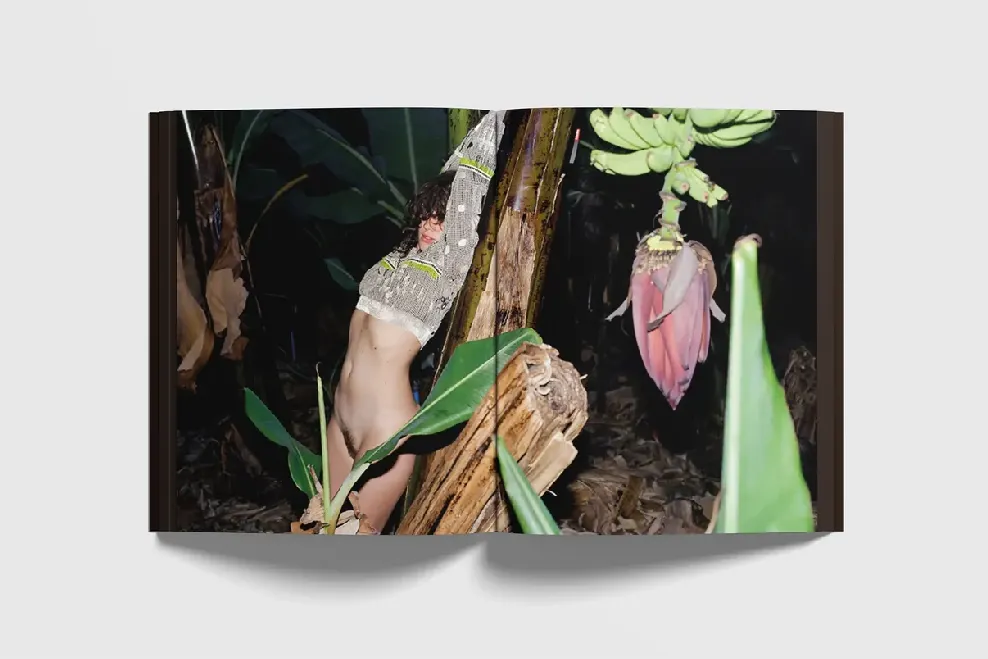
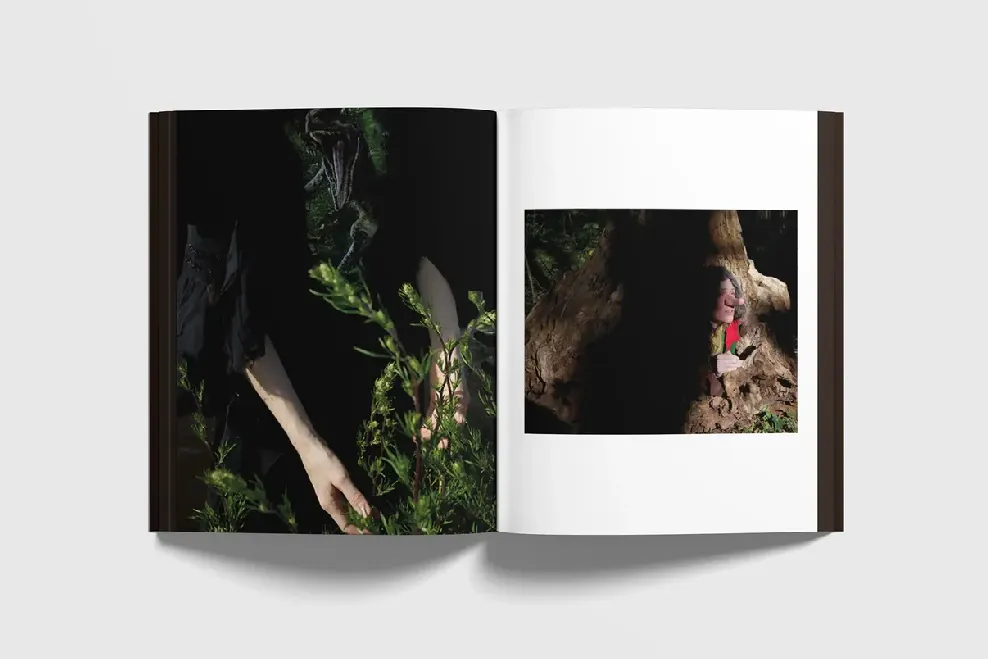
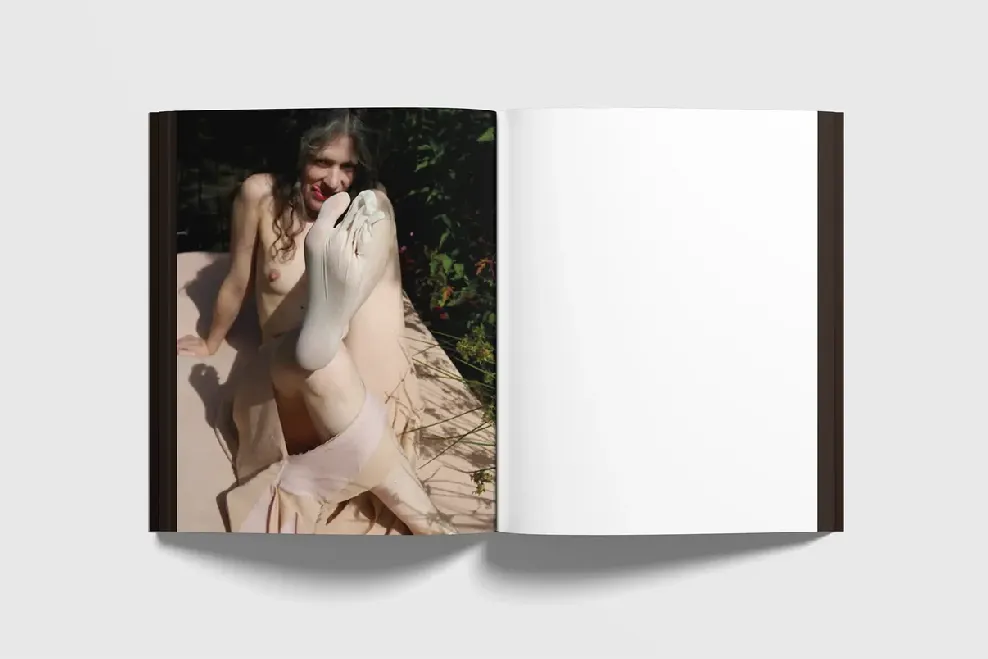
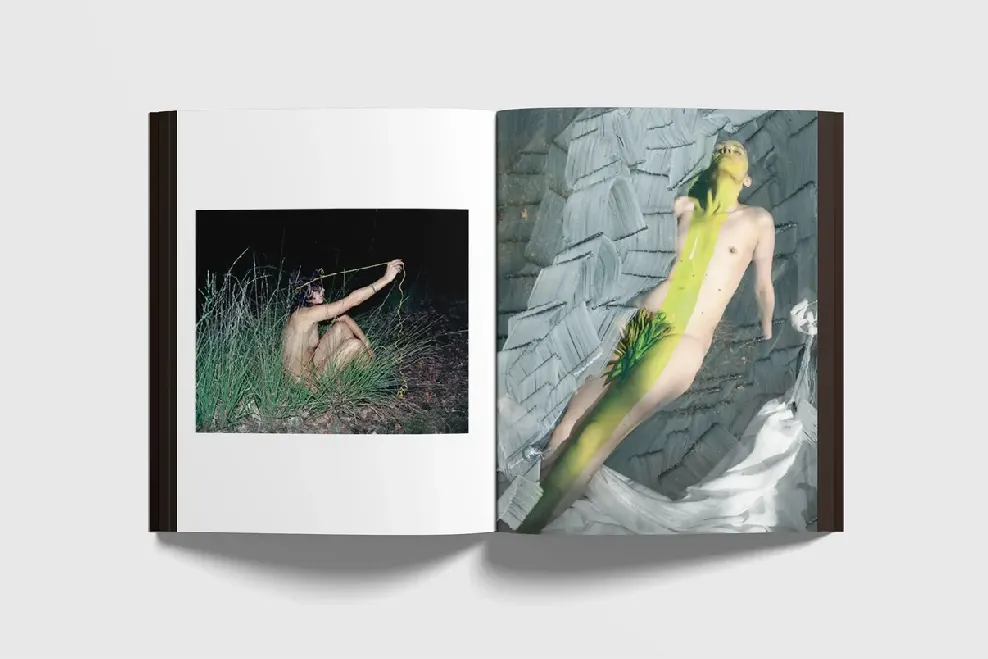
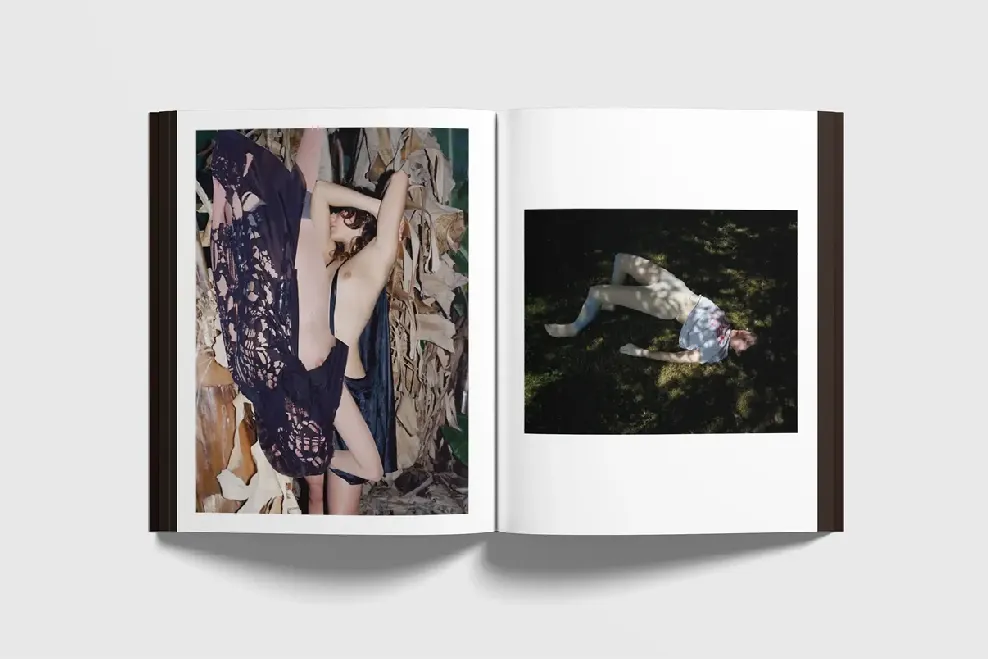
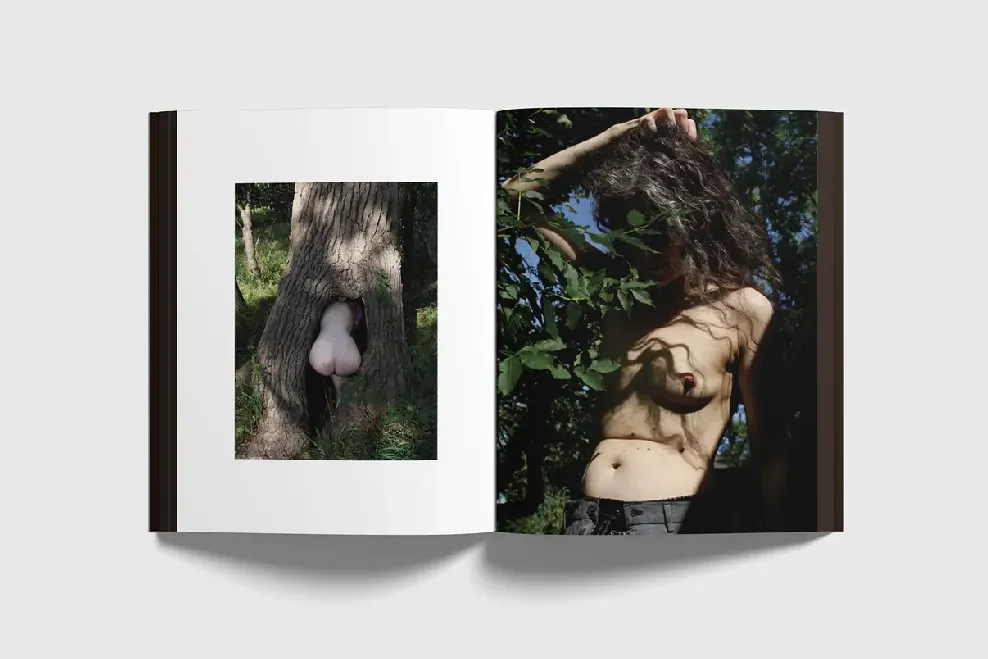
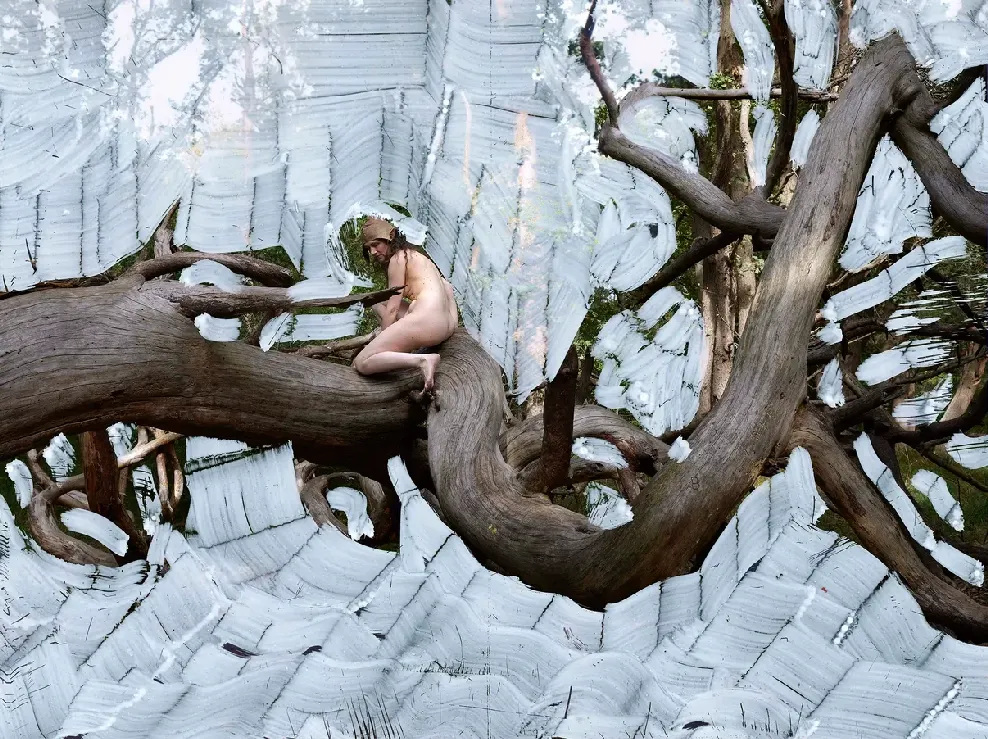
Aesthetically, the book relies on Sassen’s signature disruption of the physical form combined with de Mooij's sculptural interventions. By integrating textiles, performative gestures, and abstract props into natural environments, the photographs blur the line between documentary observation and staged theater. The compositions frequently utilize deep, graphic shadows and obscured faces to strip away individual identity, transforming the subjects into abstract, formal shapes. This approach forces the viewer to engage with the body as a structural element rather than a traditional portrait, translating the ephemeral act of collaborative play into a highly structured visual puzzle.
Viviane Sassen and Emmeline de Mooij’s collaborative publication Frau Holle serves as a meditation on female transformation, aging, and the reclamation of visibility. Taking its title from a central European pagan folkloric figure, the book subverts traditional fashion and portraiture narratives to explore the messy realities of the physical body, motherhood, and desire. Reconnecting decades after their initial photographic collaborations, the artists challenge conventional ideas of palatable beauty by embracing what they describe as the "monstrous". This conceptual framework refutes the erasure of older women, presenting instead a surreal, unapologetic celebration of womanhood and creative power grounded in the natural landscape.
Aesthetically, the book relies on Sassen’s signature disruption of the physical form combined with de Mooij's sculptural interventions. By integrating textiles, performative gestures, and abstract props into natural environments, the photographs blur the line between documentary observation and staged theater. The compositions frequently utilize deep, graphic shadows and obscured faces to strip away individual identity, transforming the subjects into abstract, formal shapes. This approach forces the viewer to engage with the body as a structural element rather than a traditional portrait, translating the ephemeral act of collaborative play into a highly structured visual puzzle.
Viviane Sassen and Emmeline de Mooij’s collaborative publication Frau Holle serves as a meditation on female transformation, aging, and the reclamation of visibility. Taking its title from a central European pagan folkloric figure, the book subverts traditional fashion and portraiture narratives to explore the messy realities of the physical body, motherhood, and desire. Reconnecting decades after their initial photographic collaborations, the artists challenge conventional ideas of palatable beauty by embracing what they describe as the "monstrous". This conceptual framework refutes the erasure of older women, presenting instead a surreal, unapologetic celebration of womanhood and creative power grounded in the natural landscape.
Aesthetically, the book relies on Sassen’s signature disruption of the physical form combined with de Mooij's sculptural interventions. By integrating textiles, performative gestures, and abstract props into natural environments, the photographs blur the line between documentary observation and staged theater. The compositions frequently utilize deep, graphic shadows and obscured faces to strip away individual identity, transforming the subjects into abstract, formal shapes. This approach forces the viewer to engage with the body as a structural element rather than a traditional portrait, translating the ephemeral act of collaborative play into a highly structured visual puzzle.

Viviane Sassen and Emmeline de Mooij’s collaborative publication Frau Holle serves as a meditation on female transformation, aging, and the reclamation of visibility. Taking its title from a central European pagan folkloric figure, the book subverts traditional fashion and portraiture narratives to explore the messy realities of the physical body, motherhood, and desire. Reconnecting decades after their initial photographic collaborations, the artists challenge conventional ideas of palatable beauty by embracing what they describe as the "monstrous". This conceptual framework refutes the erasure of older women, presenting instead a surreal, unapologetic celebration of womanhood and creative power grounded in the natural landscape.
Aesthetically, the book relies on Sassen’s signature disruption of the physical form combined with de Mooij's sculptural interventions. By integrating textiles, performative gestures, and abstract props into natural environments, the photographs blur the line between documentary observation and staged theater. The compositions frequently utilize deep, graphic shadows and obscured faces to strip away individual identity, transforming the subjects into abstract, formal shapes. This approach forces the viewer to engage with the body as a structural element rather than a traditional portrait, translating the ephemeral act of collaborative play into a highly structured visual puzzle.