

Copyright ©
Axel Hutte
or applicable right holders.


Which art books, prints and posters are available by and about this artist? Here is a sample of items of interest to a typical collector:


Axel Hütte, German, b. 1951
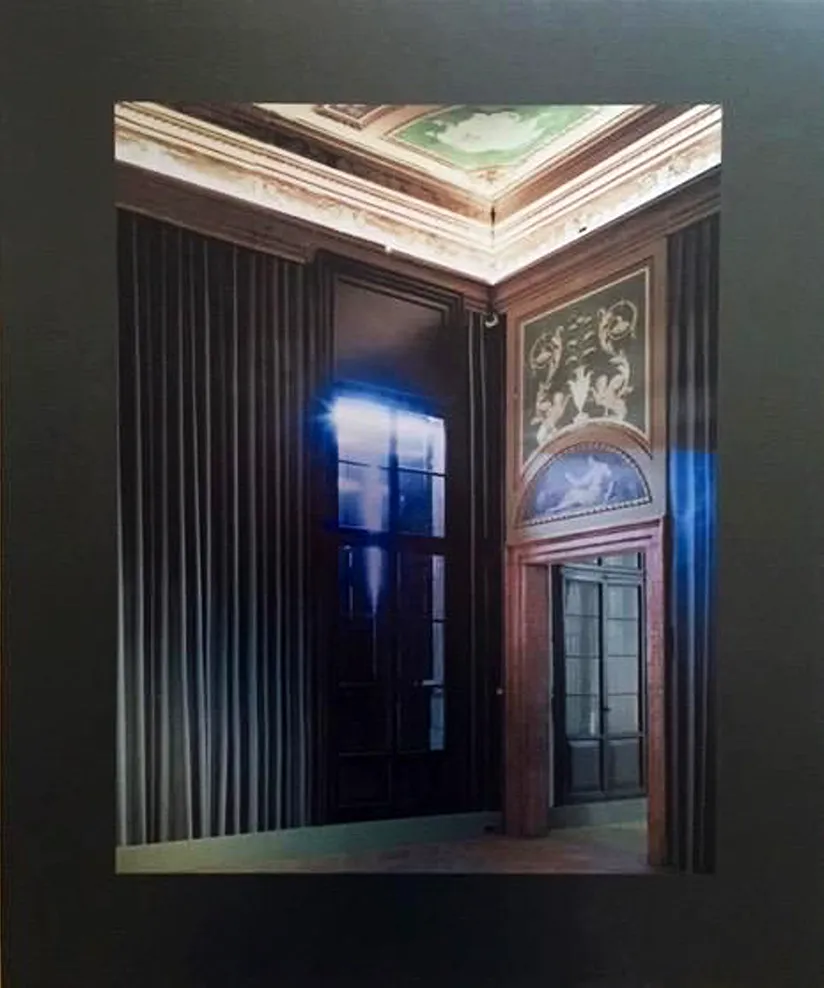
Hütte is a contemporary German fine-art photographer best known for his atmospheric, large-scale imagery of urban architecture and natural landscapes.
Born in Essen, Germany, Hütte studied photography at the Kunstakademie Düsseldorf under the legendary conceptual artists Bernd and Hilla Becher between 1973 and 1981. Alongside prominent classmates such as Andreas Gursky, Thomas Struth, Thomas Ruff, and Candida Höfer, he became a core figure of the influential Düsseldorf School of Photography.
Initially focusing on interior design and urban infrastructure, such as building facades and Berlin underground stations, Hütte eventually turned his lens toward vast, expansive landscapes around the globe. His work is defined by its rigorous, geometric composition, emotional detachment, and deliberate omission of human subjects or explicit narrative cues. By utilizing long exposures, subtle natural lighting, and reflections, he transforms mountains, jungles, and rivers into ethereal, highly structured scenes that blur the line between realism and painterly abstraction.
Throughout his career, Hütte has lived and worked between Düsseldorf and Berlin. His photographs have been exhibited in major international institutions, including the Museo Nacional Centro de Arte Reina Sofía in Madrid, the Hamburger Kunsthalle, and the Musée d'Art Moderne de Paris, and his work remains held in premier public collections worldwide.


