
Copyright ©
Bill Owens
or applicable right holders.


Which art books, prints and posters are available by and about this artist? Here is a sample of items of interest to a typical collector:

Bill Owens, American, b. 1938
Born in San Jose, California in 1938, Owens spent his early years on a farm in Citrus Heights. After attending Chico State College, he served in the Peace Corps in Jamaica from 1964 to 1966, where he first began experimenting seriously with documentary photography using a secondhand Leica. Upon returning to California, he studied visual anthropology at San Francisco State College, a discipline that profoundly shaped his observational methodology.
In 1968, Owens took a job as a staff photographer for the Livermore Independent in Northern California. This post gave him unique access to local domestic life and social rituals, leading to his celebrated trilogy documenting post-war American culture:
His work earned him a Guggenheim Fellowship in 1976 and two National Endowment for the Arts grants. His photographs are held in major permanent collections, including the Museum of Modern Art (MoMA) in New York, the San Francisco Museum of Modern Art (SFMOMA), and the Los Angeles County Museum of Art (LACMA).
Despite critical success, earning a living solely through art photography proved difficult in the late 1970s. In 1983, Owens pivoted to an entirely new venture by founding Buffalo Bill’s Brewery in Hayward, Californiaone of the earliest craft brewpubs established in the United States following Prohibition. He subsequently founded the American Distilling Institute and published trade periodicals on craft brewing and distilling.
Owens later returned to photography and photobook publishing with titles like Leisure (2004) and retrospective collections, cementing his legacy as both a visual chronicler of American society and a pioneer in the American craft beverage movement.

see book page for more details
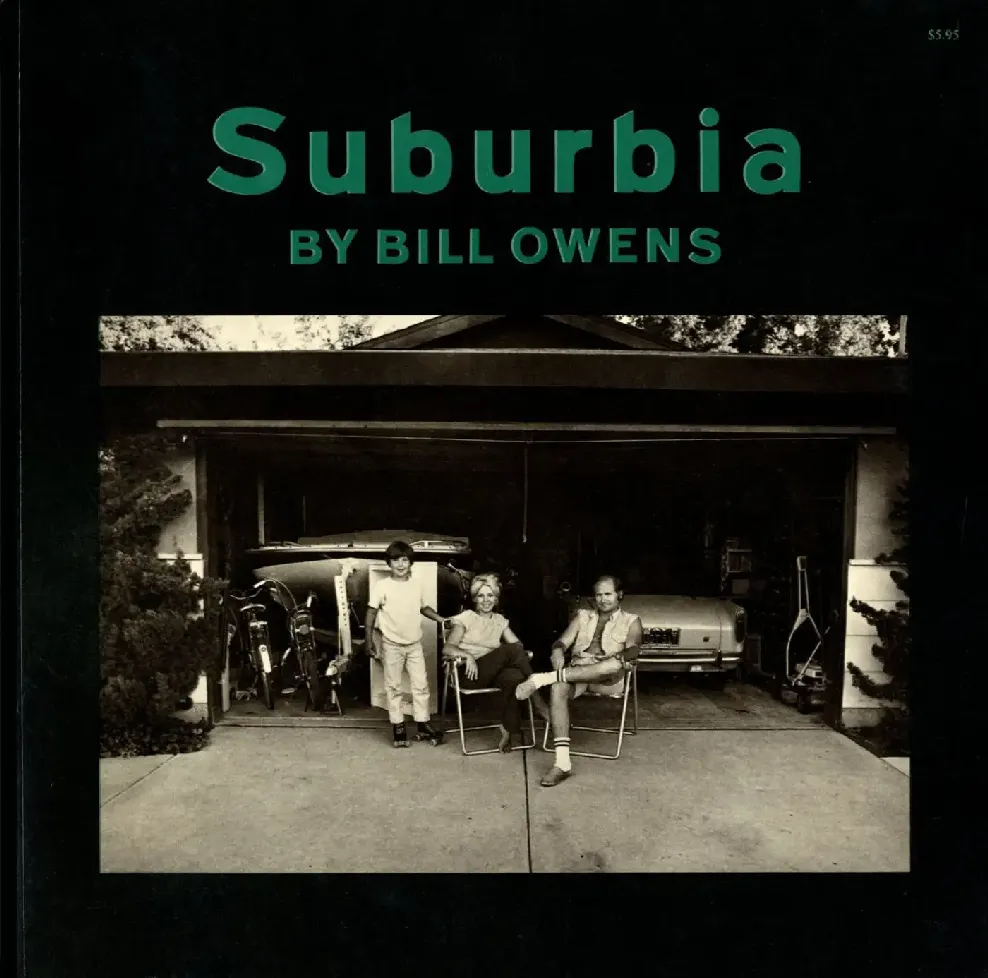
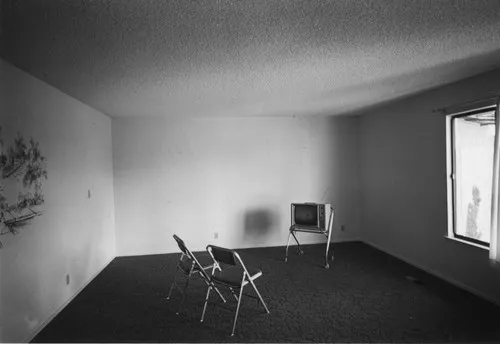
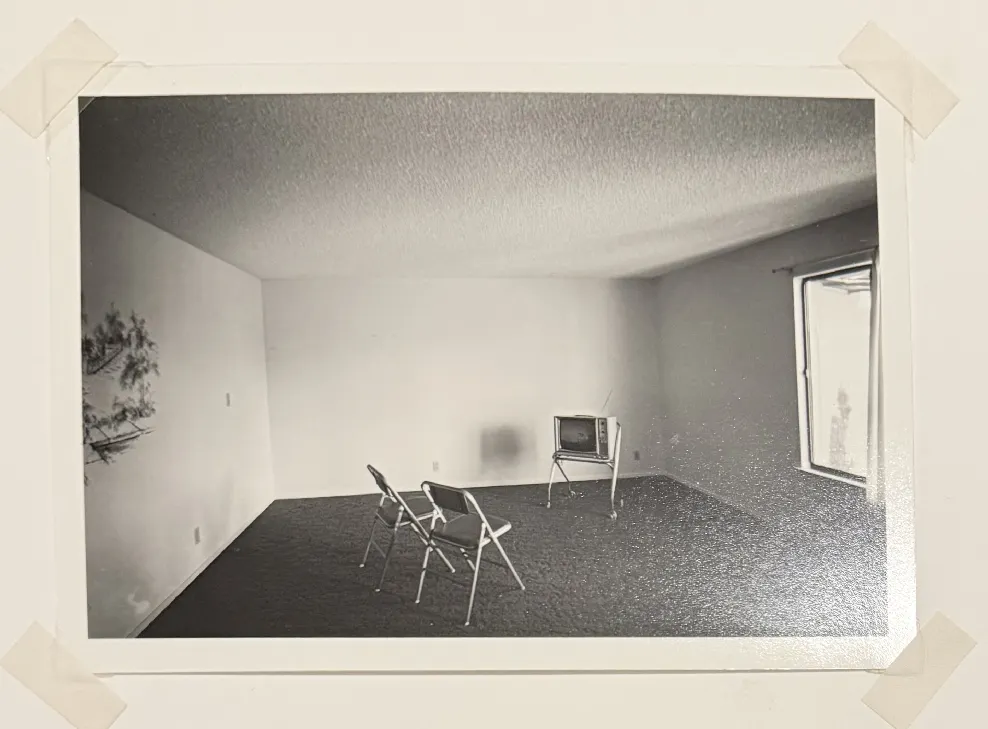
Bill Owens' Suburbia (1973) is a foundational monograph in American visual anthropology and documentary photography. Shot while Owens was working as a photojournalist for the Livermore Independent in Northern California, the project documents the post-WWII migration from urban centers to planned suburban housing developments during the late 1960s and early 1970s.
Rather than taking an outsider's stance, Owens approached his subjects as a neighbor and community insider. Following a structured "shooting script" inspired by visual anthropology, he systematically documented daily domestic routines, community gatherings, and residential interiors across 52 weeks.
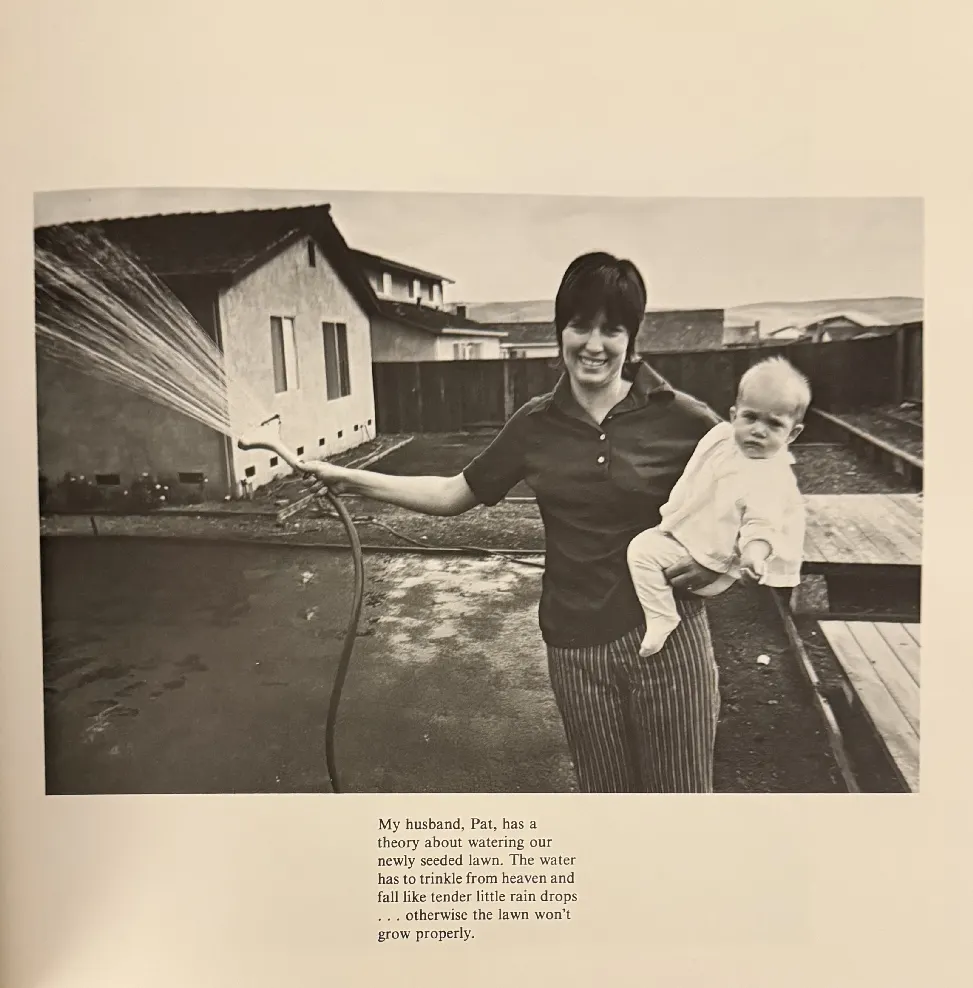
The book's defining structure pairs black-and-white, wide-angle photographs with direct quotes from the subjects. Rather than providing critical commentary, Owens allowed homeowners to describe their own aspirations, values, and routines in their own words.
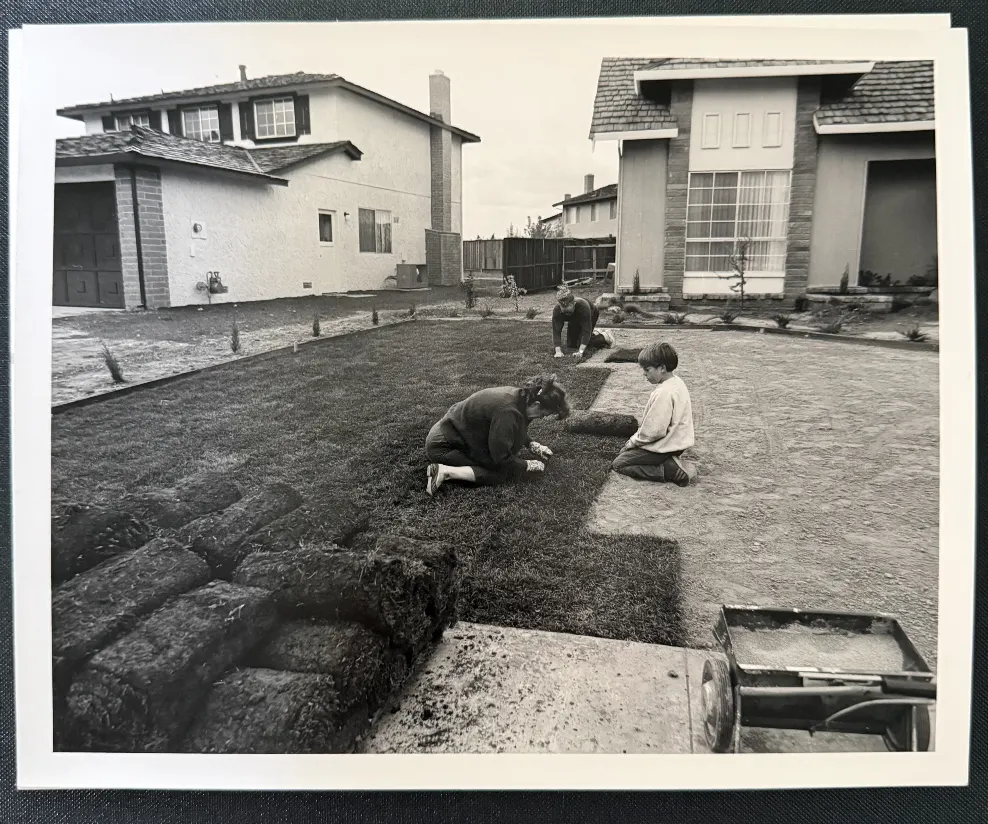
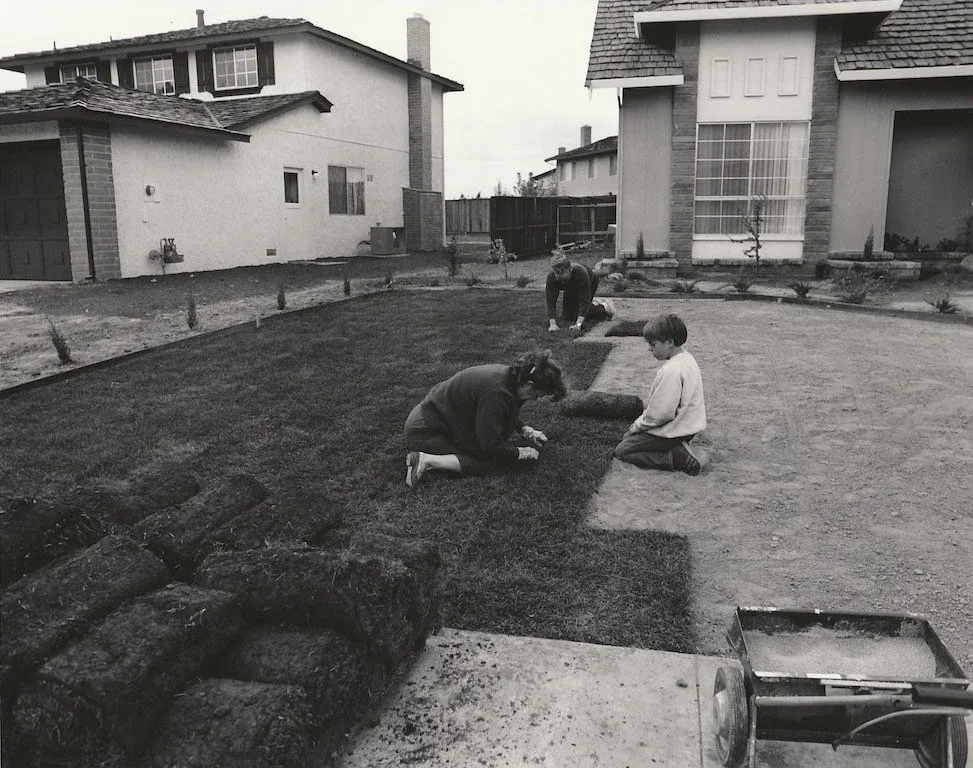
The book captures middle-class mobility, highlighting the pride of homeownership, newly laid lawns, Tupperware parties, backyard barbecues, and the acquisition of consumer goods.
While contemporary critics often viewed suburban life as conforming, consumerist, or sterile, Owens' approach is empathetic and non-judgmental. He presents the suburbs as a space where working-class and middle-class families built meaningful, improved lives.
The text captions subtly surface underlying anxieties of the era, touching on isolation, gender roles, civil rights, consumerism, and the distant presence of the Vietnam War.
Suburbia established a new paradigm for documentary photography, influencing the New Topographics movement and shaping how art historians evaluate the built environment and social landscape of late 20th-century America. It remains a definitive photographic portrait of post-war American culture.