
Softcover
ISBN:
0879320427


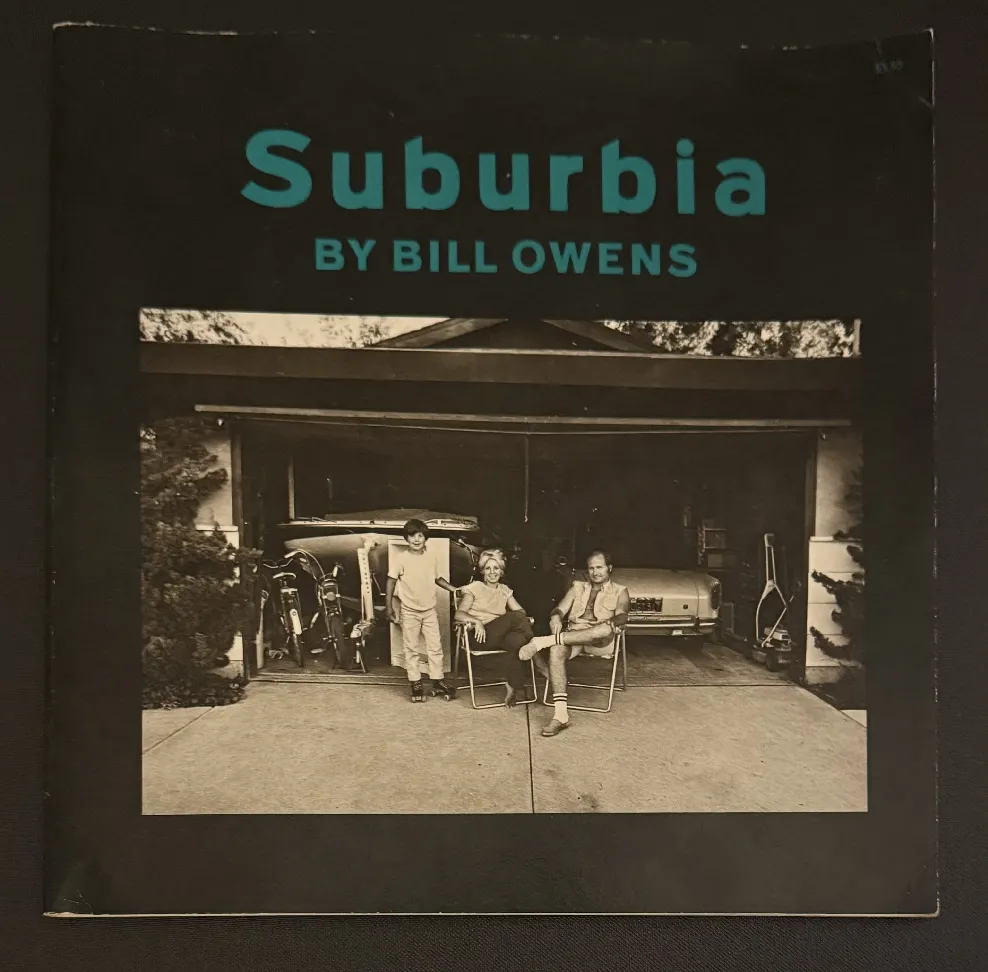
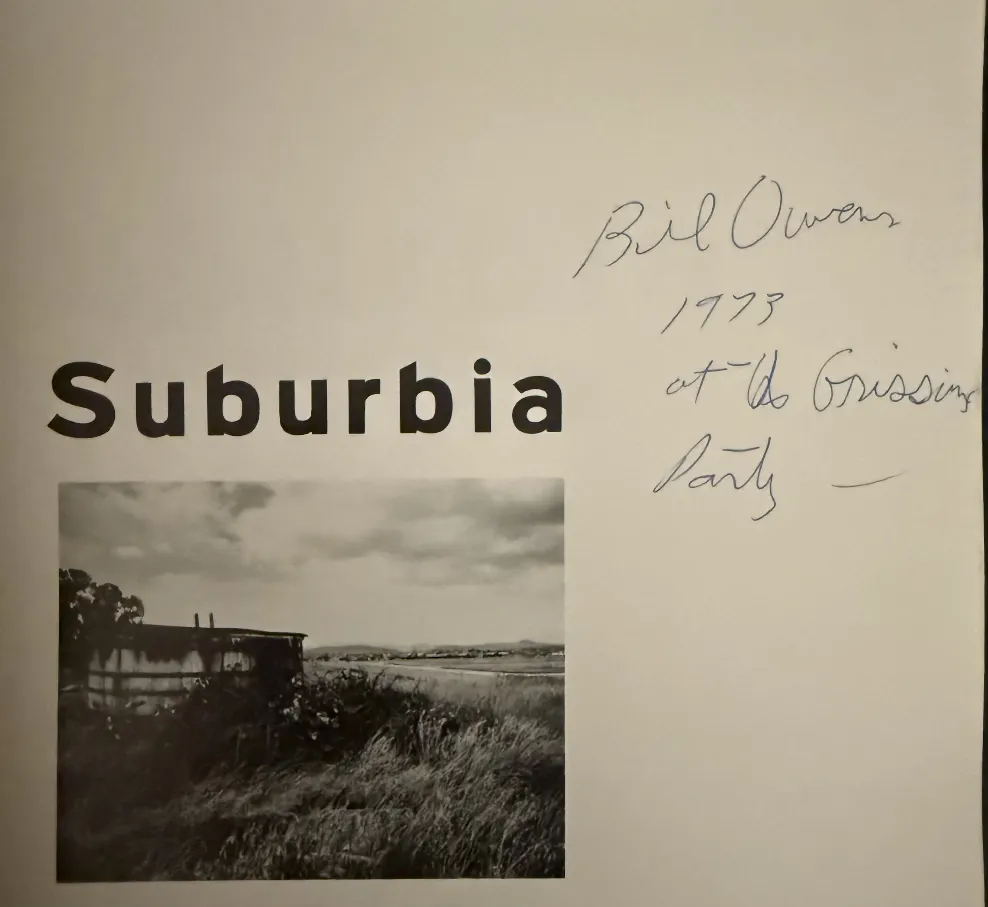

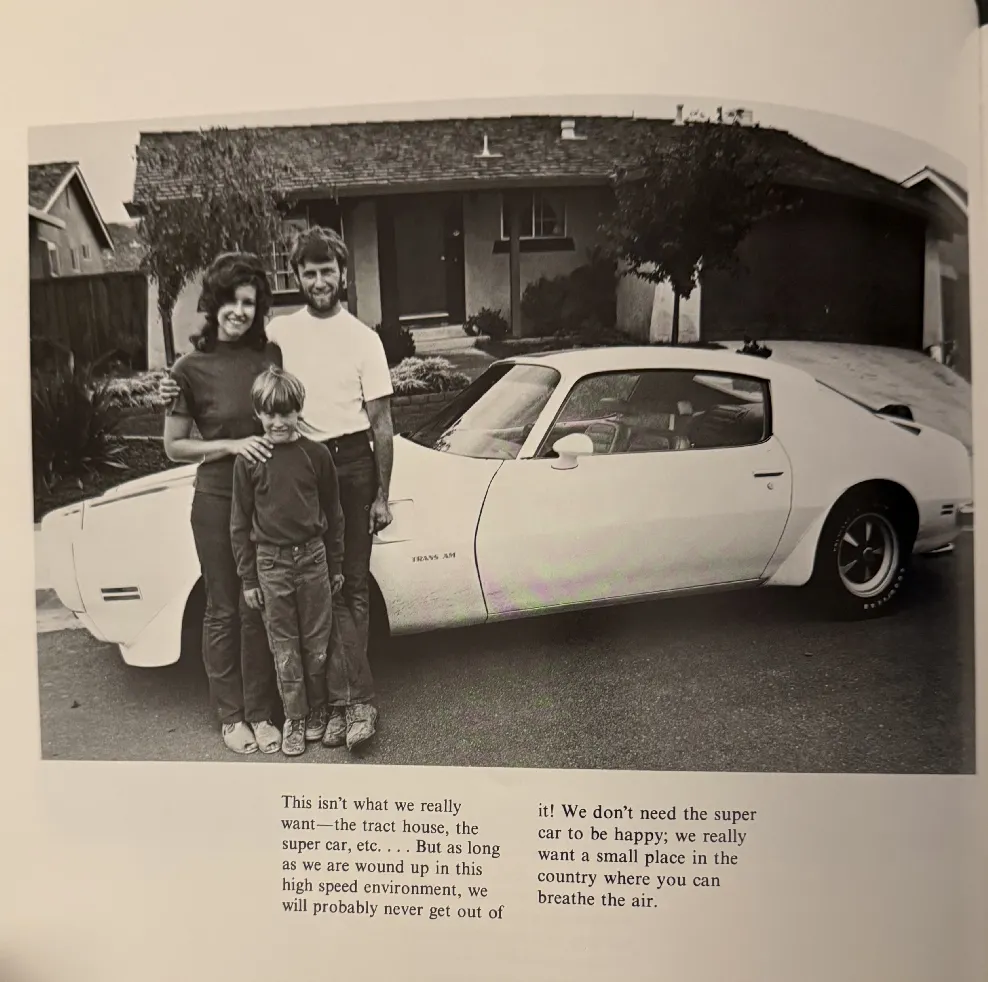
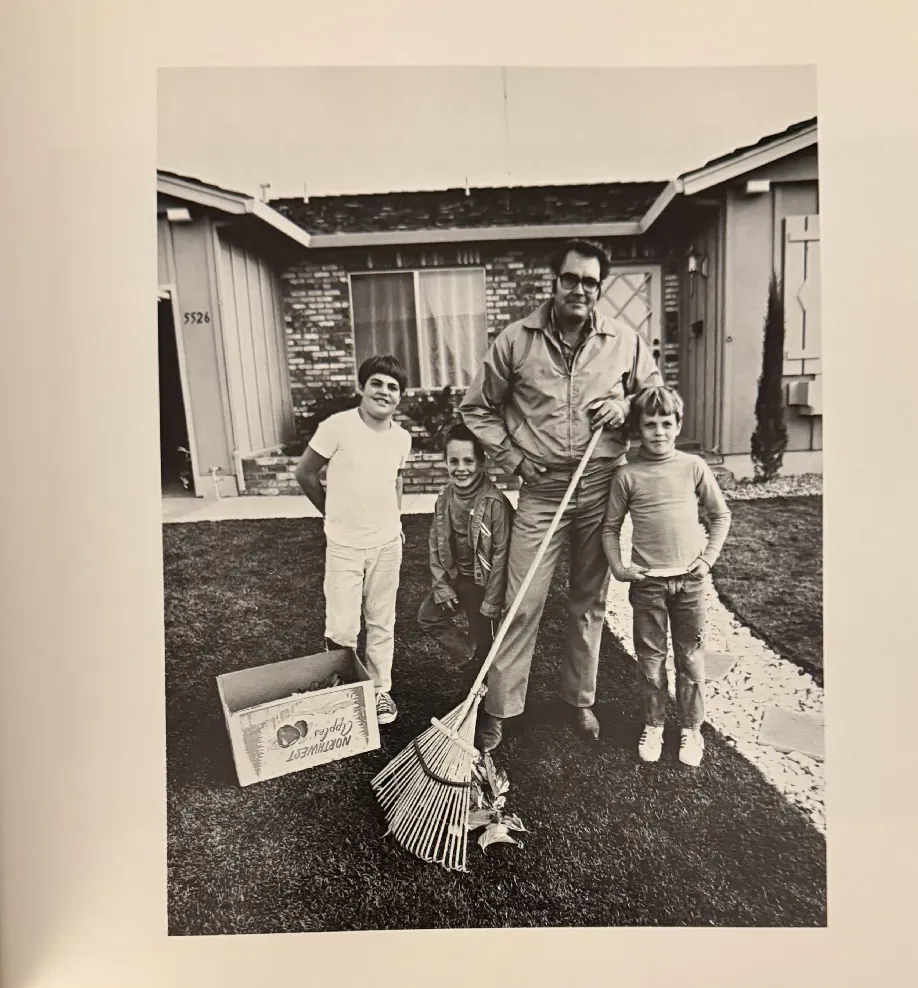
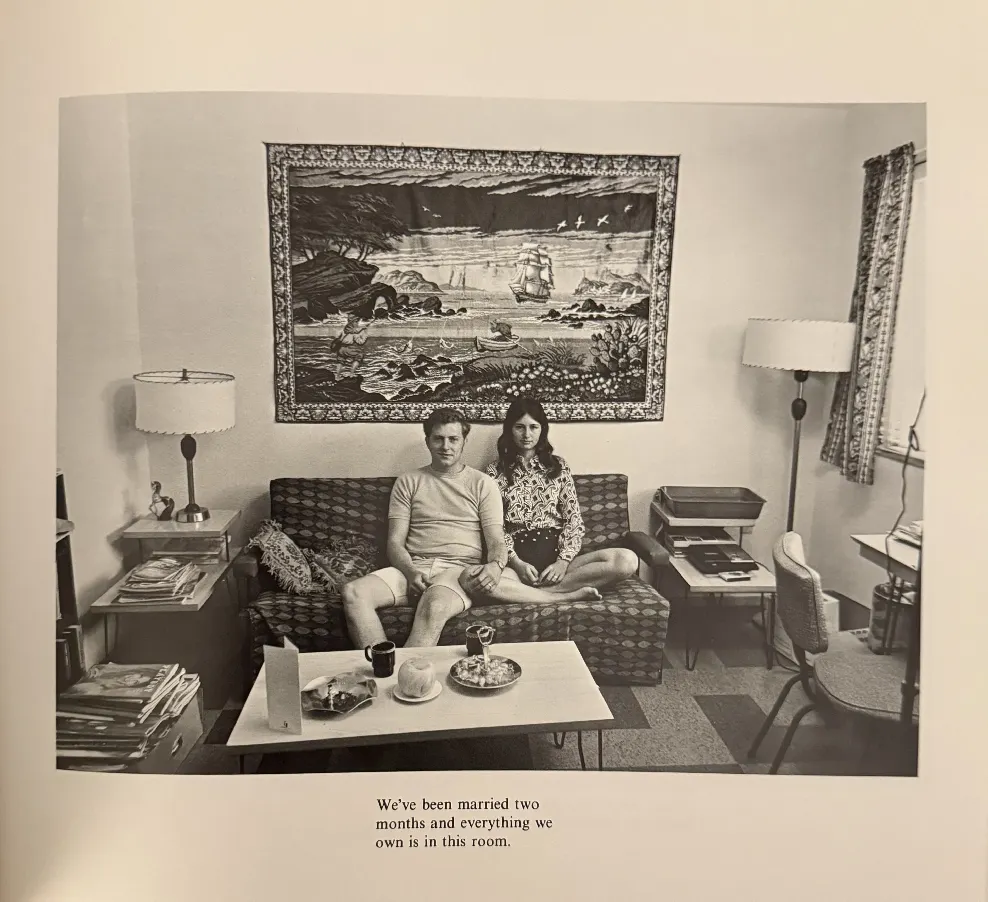
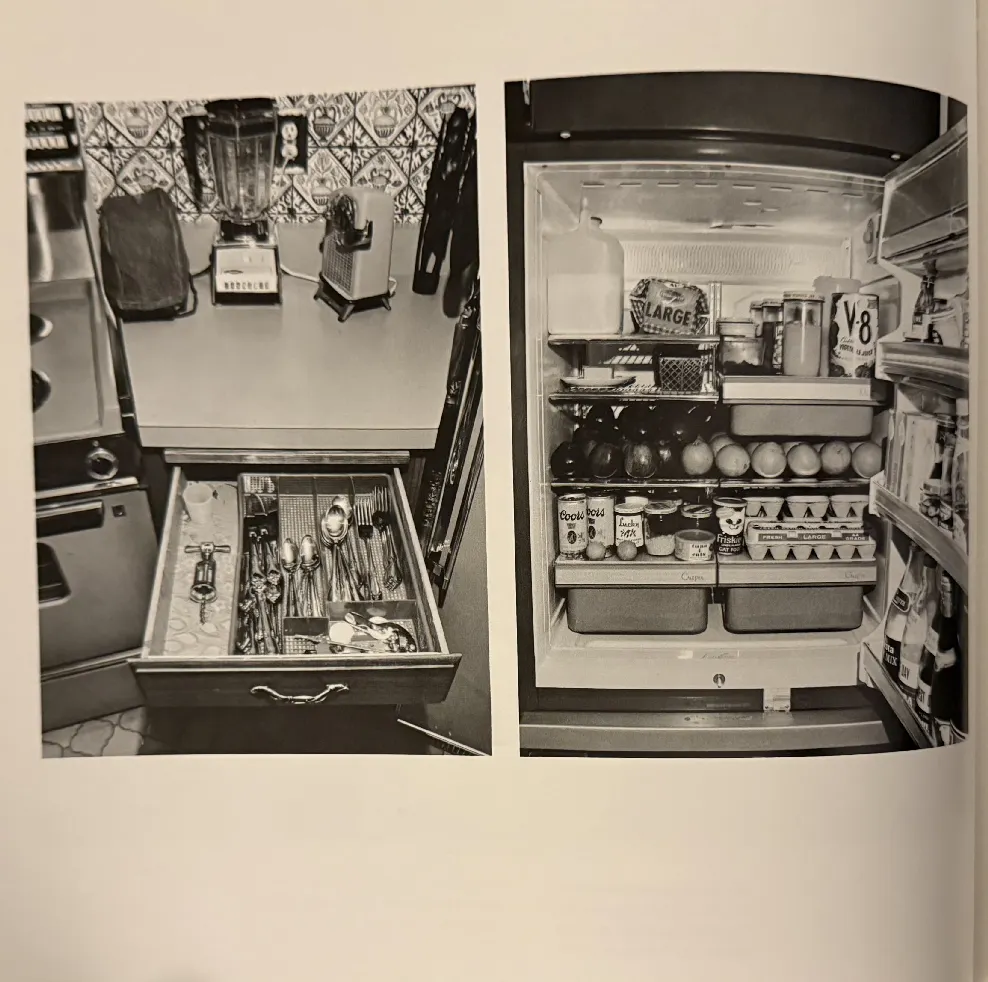


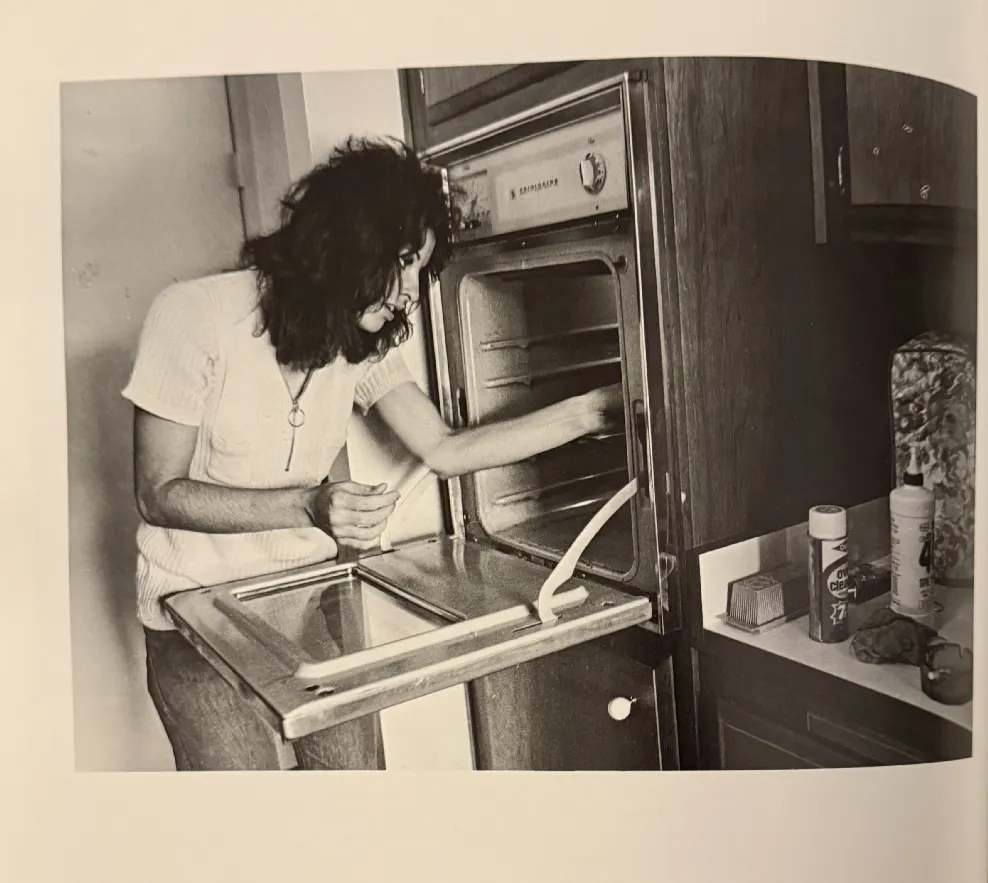

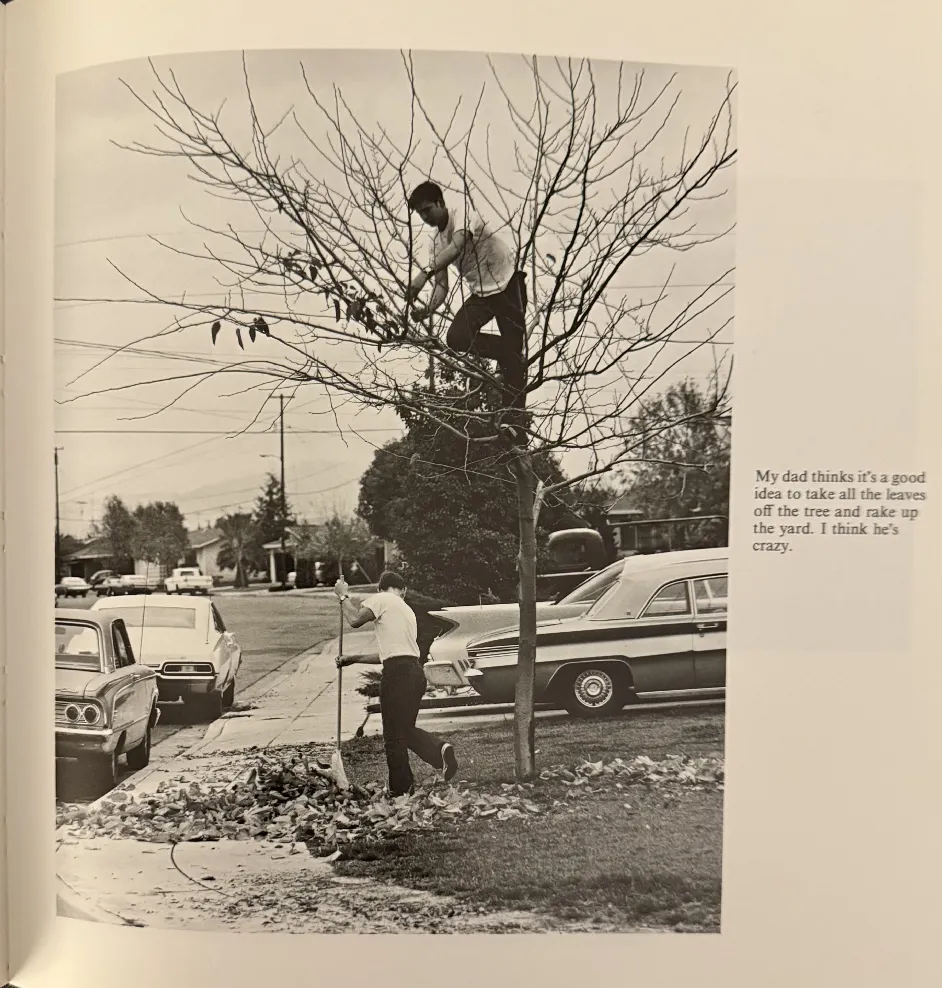
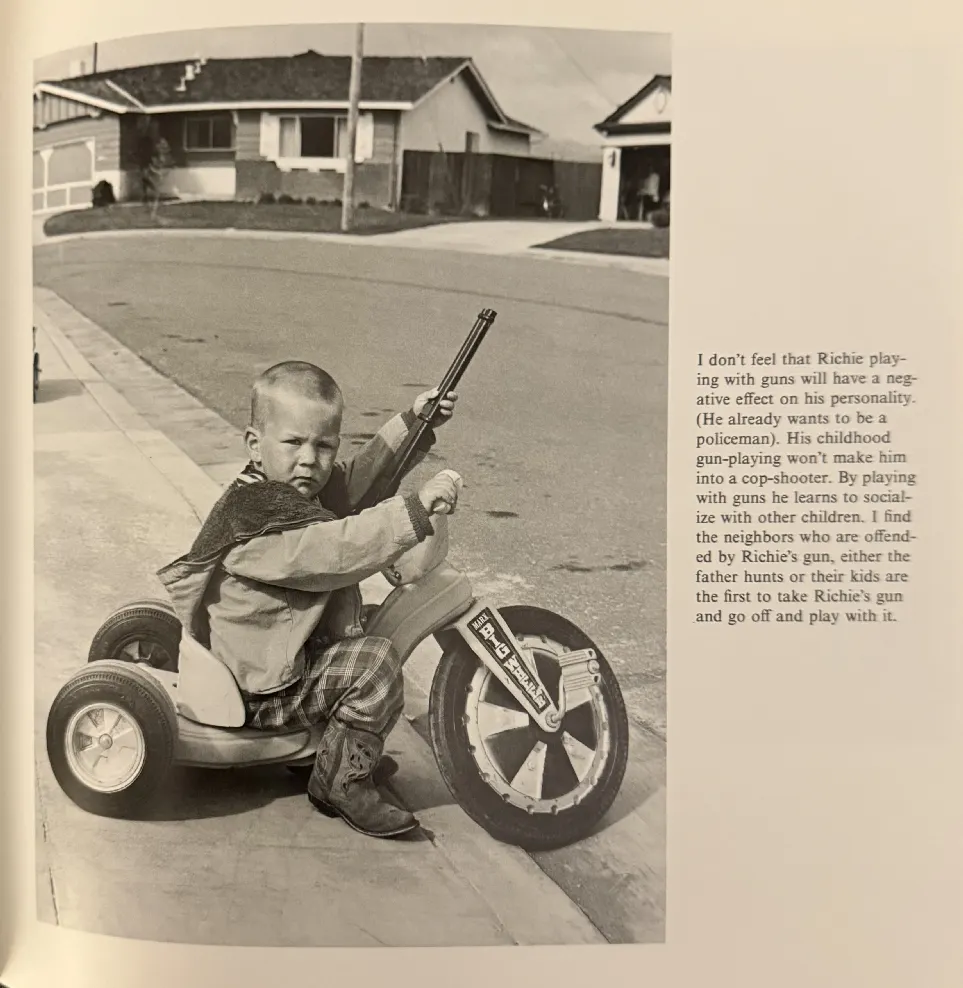
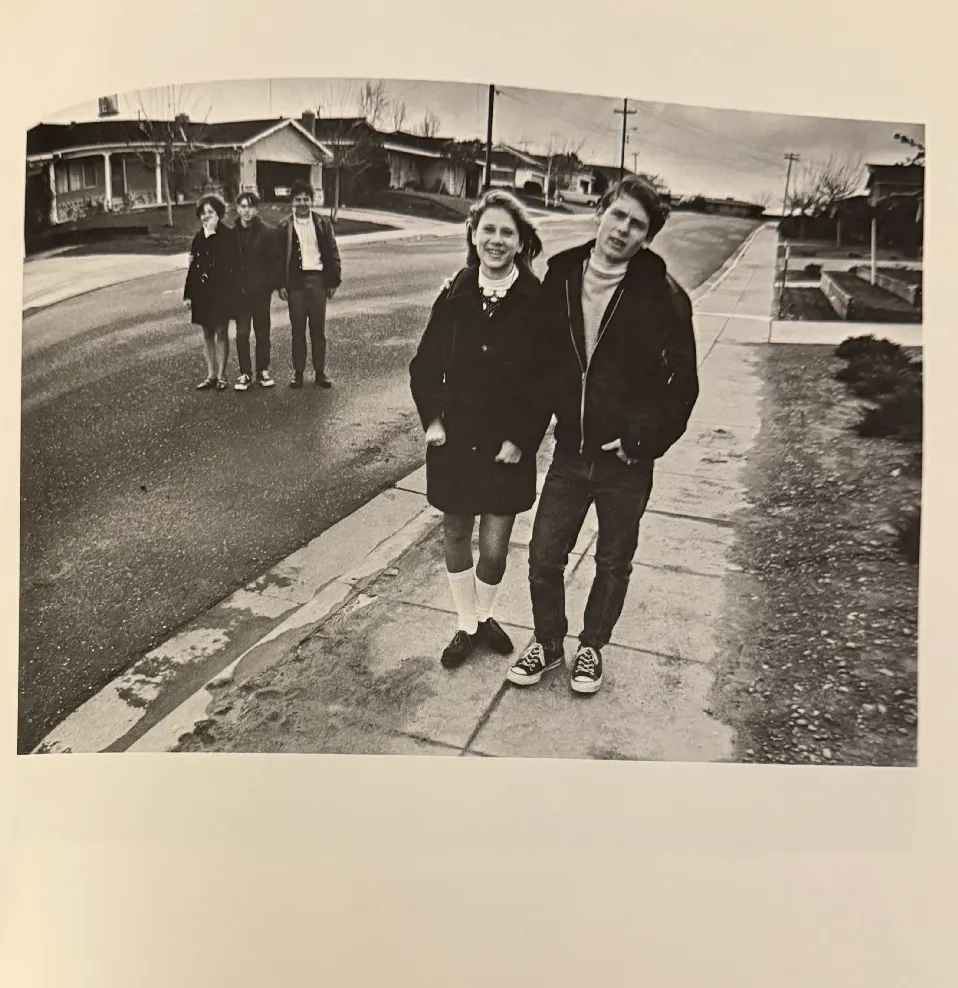

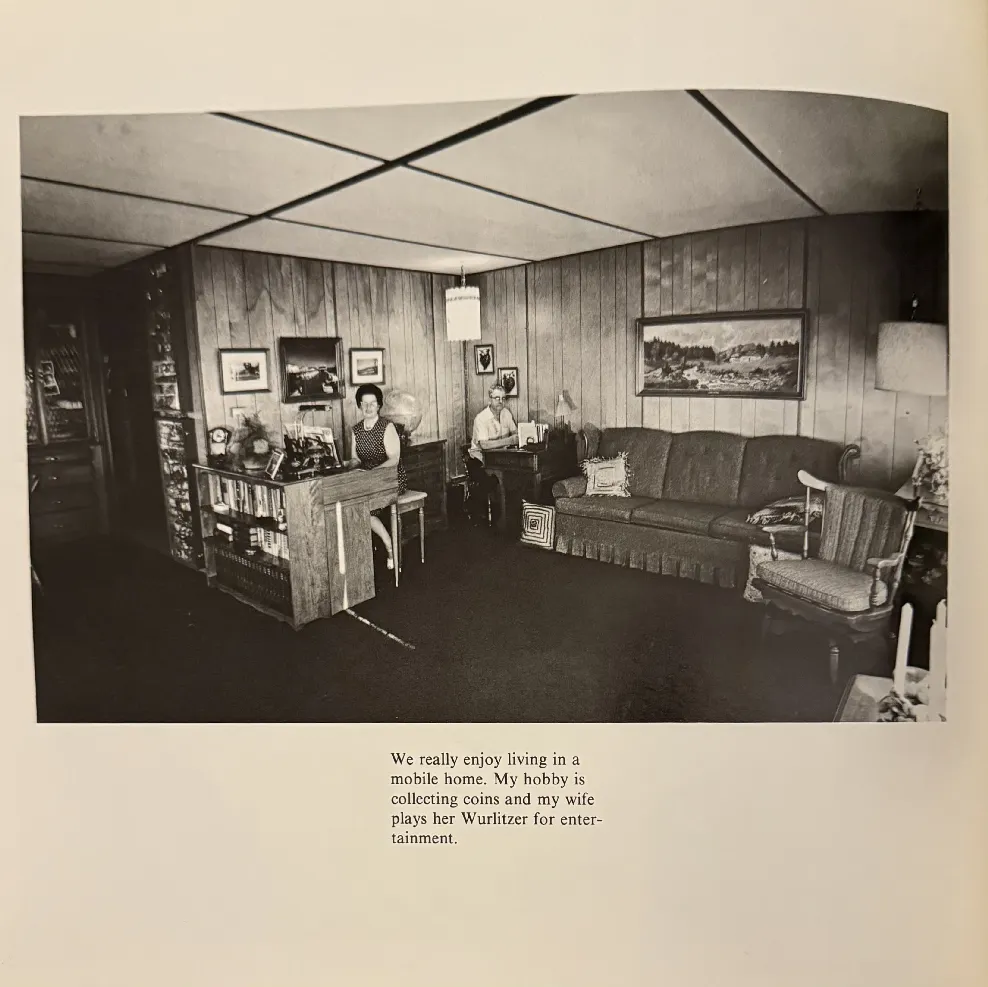
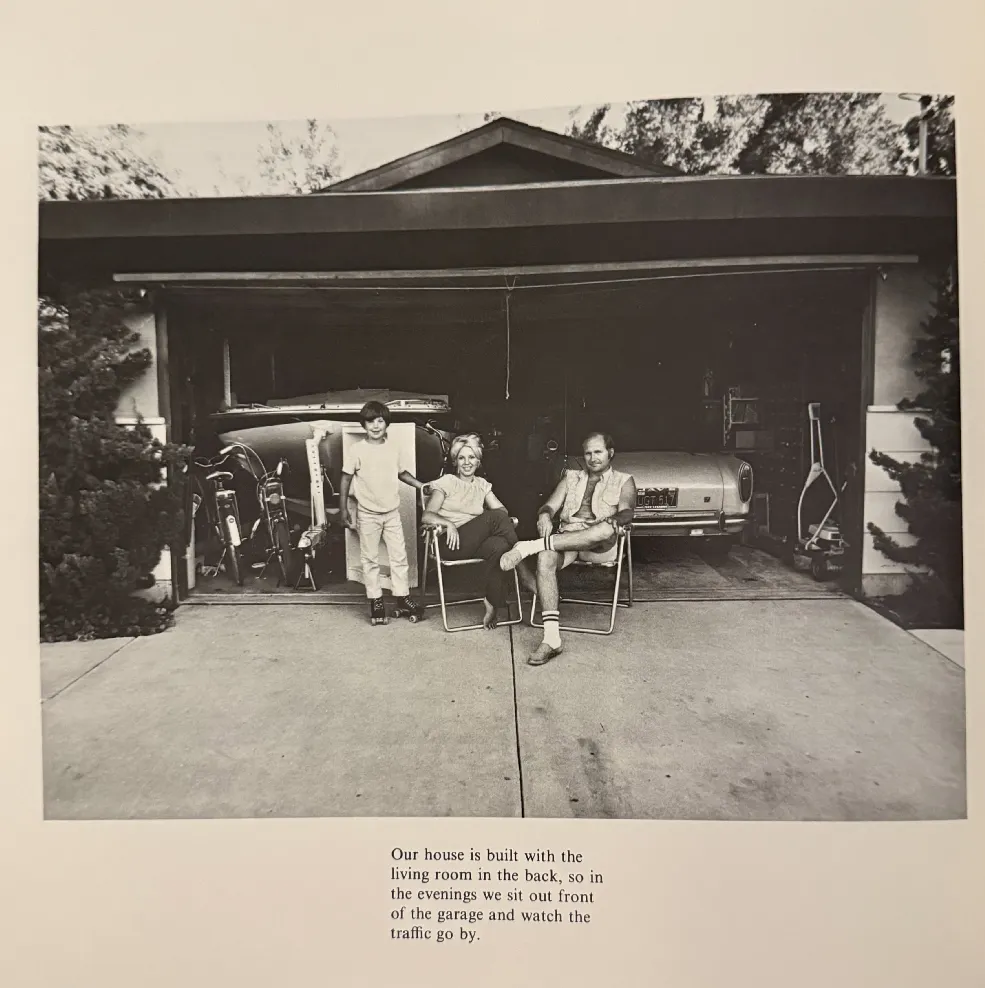
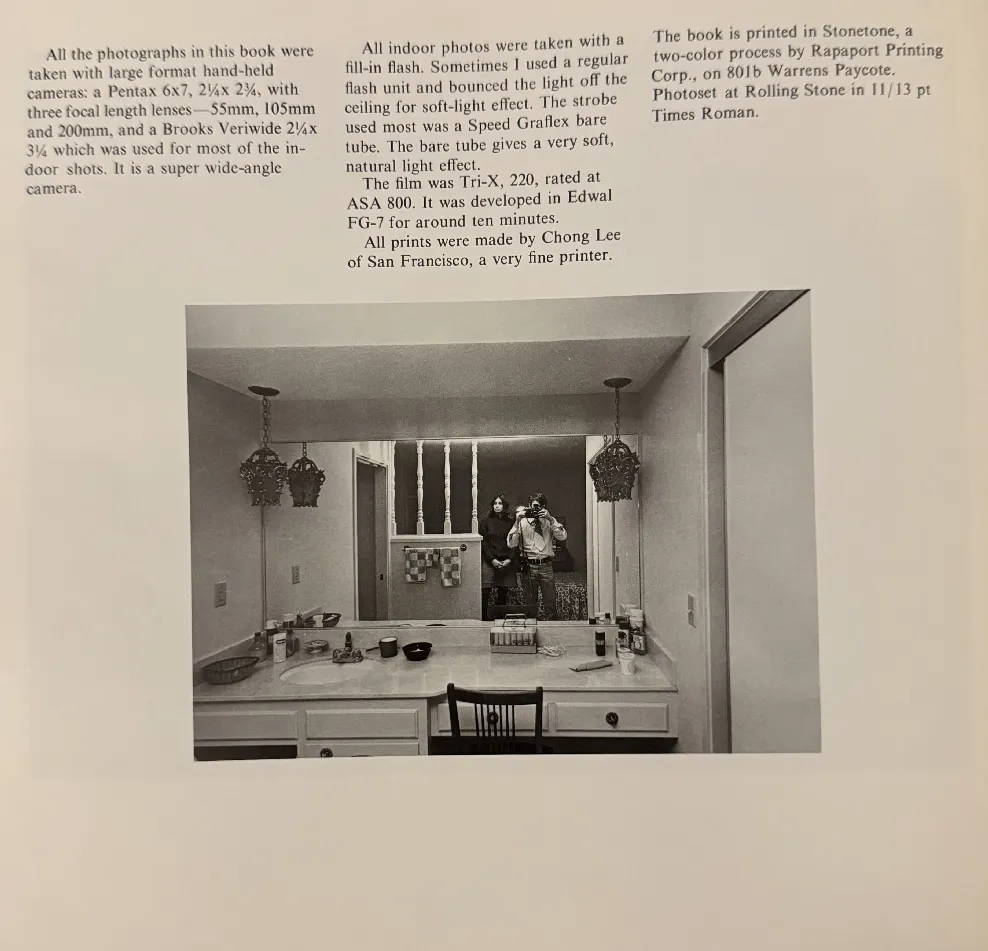

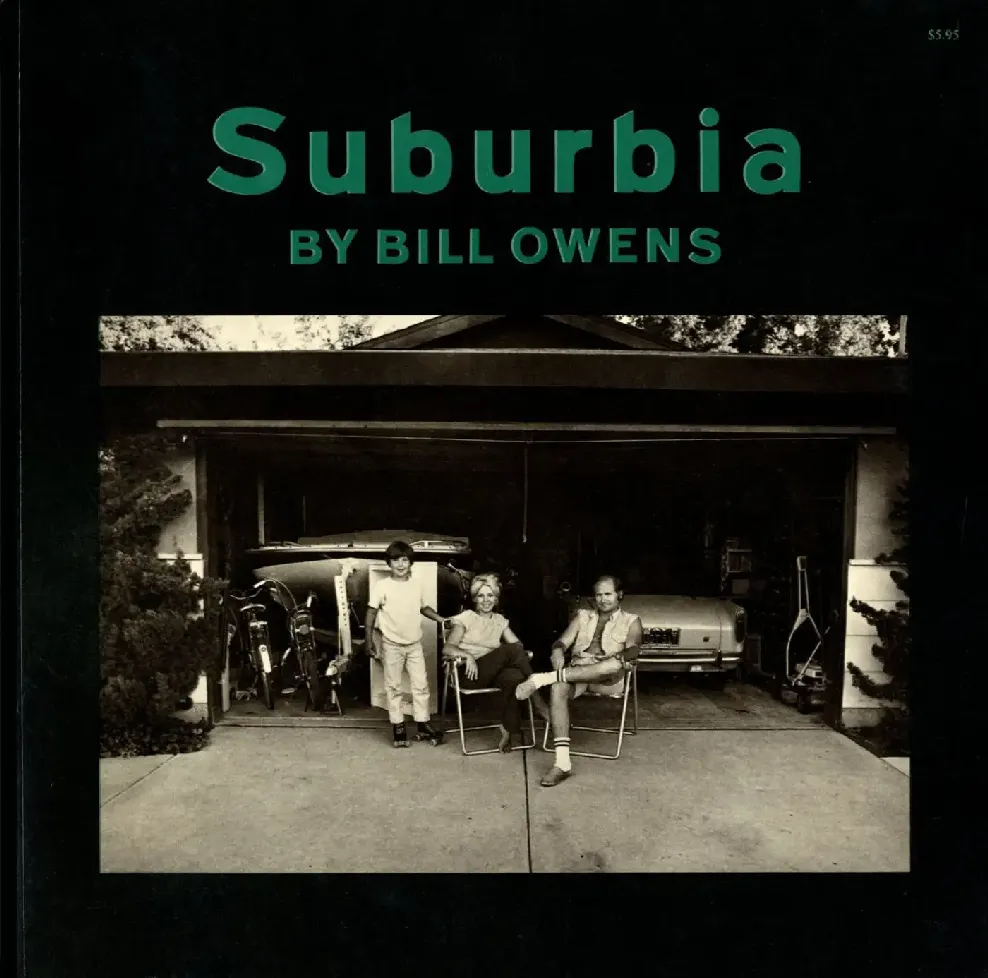
Bill Owens' Suburbia (1973) is a foundational monograph in American visual anthropology and documentary photography. Shot while Owens was working as a photojournalist for the Livermore Independent in Northern California, the project documents the post-WWII migration from urban centers to planned suburban housing developments during the late 1960s and early 1970s.
Rather than taking an outsider's stance, Owens approached his subjects as a neighbor and community insider. Following a structured "shooting script" inspired by visual anthropology, he systematically documented daily domestic routines, community gatherings, and residential interiors across 52 weeks.
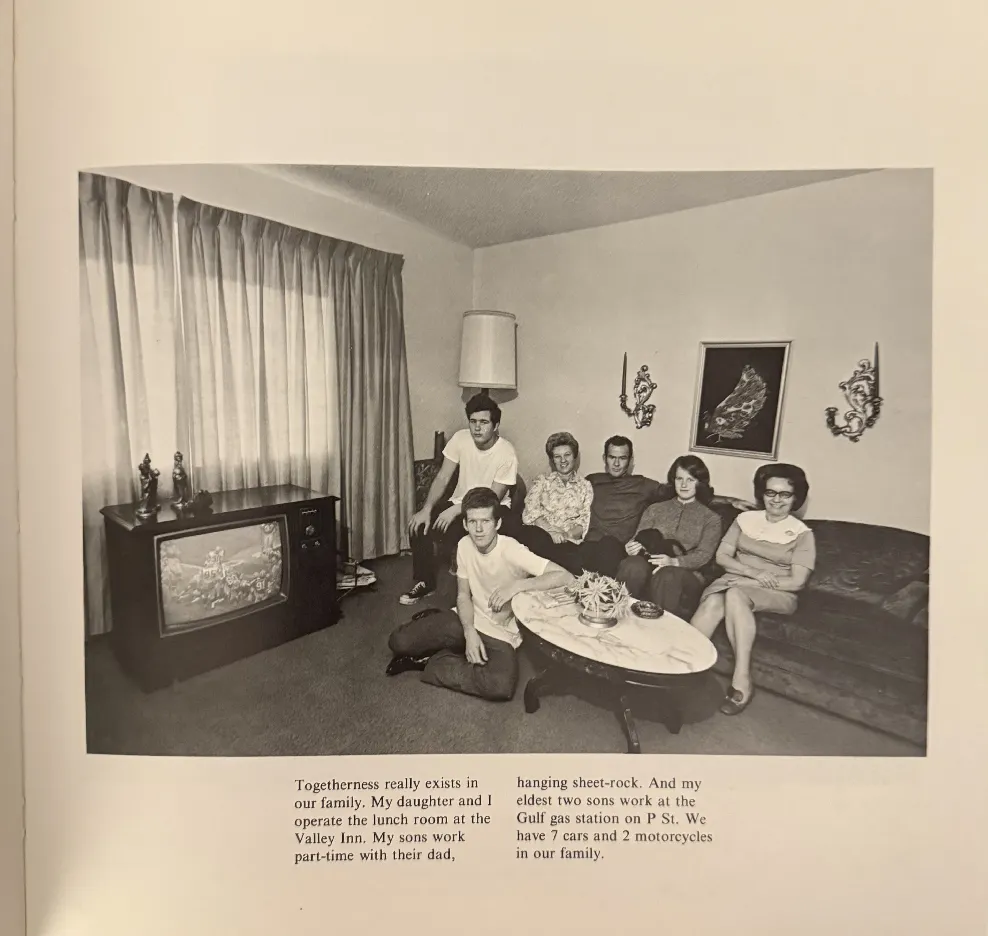
The book's defining structure pairs black-and-white, wide-angle photographs with direct quotes from the subjects. Rather than providing critical commentary, Owens allowed homeowners to describe their own aspirations, values, and routines in their own words.
The book captures middle-class mobility, highlighting the pride of homeownership, newly laid lawns, Tupperware parties, backyard barbecues, and the acquisition of consumer goods.
While contemporary critics often viewed suburban life as conforming, consumerist, or sterile, Owens' approach is empathetic and non-judgmental. He presents the suburbs as a space where working-class and middle-class families built meaningful, improved lives.
The text captions subtly surface underlying anxieties of the era, touching on isolation, gender roles, civil rights, consumerism, and the distant presence of the Vietnam War.
Suburbia established a new paradigm for documentary photography, influencing the New Topographics movement and shaping how art historians evaluate the built environment and social landscape of late 20th-century America. It remains a definitive photographic portrait of post-war American culture.
Bill Owens' Suburbia (1973) is a foundational monograph in American visual anthropology and documentary photography. Shot while Owens was working as a photojournalist for the Livermore Independent in Northern California, the project documents the post-WWII migration from urban centers to planned suburban housing developments during the late 1960s and early 1970s.
Rather than taking an outsider's stance, Owens approached his subjects as a neighbor and community insider. Following a structured "shooting script" inspired by visual anthropology, he systematically documented daily domestic routines, community gatherings, and residential interiors across 52 weeks.
The book's defining structure pairs black-and-white, wide-angle photographs with direct quotes from the subjects. Rather than providing critical commentary, Owens allowed homeowners to describe their own aspirations, values, and routines in their own words.
The book captures middle-class mobility, highlighting the pride of homeownership, newly laid lawns, Tupperware parties, backyard barbecues, and the acquisition of consumer goods.
While contemporary critics often viewed suburban life as conforming, consumerist, or sterile, Owens' approach is empathetic and non-judgmental. He presents the suburbs as a space where working-class and middle-class families built meaningful, improved lives.
The text captions subtly surface underlying anxieties of the era, touching on isolation, gender roles, civil rights, consumerism, and the distant presence of the Vietnam War.
Suburbia established a new paradigm for documentary photography, influencing the New Topographics movement and shaping how art historians evaluate the built environment and social landscape of late 20th-century America. It remains a definitive photographic portrait of post-war American culture.
Bill Owens' Suburbia (1973) is a foundational monograph in American visual anthropology and documentary photography. Shot while Owens was working as a photojournalist for the Livermore Independent in Northern California, the project documents the post-WWII migration from urban centers to planned suburban housing developments during the late 1960s and early 1970s.
Rather than taking an outsider's stance, Owens approached his subjects as a neighbor and community insider. Following a structured "shooting script" inspired by visual anthropology, he systematically documented daily domestic routines, community gatherings, and residential interiors across 52 weeks.
The book's defining structure pairs black-and-white, wide-angle photographs with direct quotes from the subjects. Rather than providing critical commentary, Owens allowed homeowners to describe their own aspirations, values, and routines in their own words.
The book captures middle-class mobility, highlighting the pride of homeownership, newly laid lawns, Tupperware parties, backyard barbecues, and the acquisition of consumer goods.
While contemporary critics often viewed suburban life as conforming, consumerist, or sterile, Owens' approach is empathetic and non-judgmental. He presents the suburbs as a space where working-class and middle-class families built meaningful, improved lives.
The text captions subtly surface underlying anxieties of the era, touching on isolation, gender roles, civil rights, consumerism, and the distant presence of the Vietnam War.
Suburbia established a new paradigm for documentary photography, influencing the New Topographics movement and shaping how art historians evaluate the built environment and social landscape of late 20th-century America. It remains a definitive photographic portrait of post-war American culture.

Bill Owens' Suburbia (1973) is a foundational monograph in American visual anthropology and documentary photography. Shot while Owens was working as a photojournalist for the Livermore Independent in Northern California, the project documents the post-WWII migration from urban centers to planned suburban housing developments during the late 1960s and early 1970s.
Rather than taking an outsider's stance, Owens approached his subjects as a neighbor and community insider. Following a structured "shooting script" inspired by visual anthropology, he systematically documented daily domestic routines, community gatherings, and residential interiors across 52 weeks.
The book's defining structure pairs black-and-white, wide-angle photographs with direct quotes from the subjects. Rather than providing critical commentary, Owens allowed homeowners to describe their own aspirations, values, and routines in their own words.
The book captures middle-class mobility, highlighting the pride of homeownership, newly laid lawns, Tupperware parties, backyard barbecues, and the acquisition of consumer goods.
While contemporary critics often viewed suburban life as conforming, consumerist, or sterile, Owens' approach is empathetic and non-judgmental. He presents the suburbs as a space where working-class and middle-class families built meaningful, improved lives.
The text captions subtly surface underlying anxieties of the era, touching on isolation, gender roles, civil rights, consumerism, and the distant presence of the Vietnam War.
Suburbia established a new paradigm for documentary photography, influencing the New Topographics movement and shaping how art historians evaluate the built environment and social landscape of late 20th-century America. It remains a definitive photographic portrait of post-war American culture.