


Which art books, prints and posters are available by and about this artist? Here is a sample of items of interest to a typical collector:




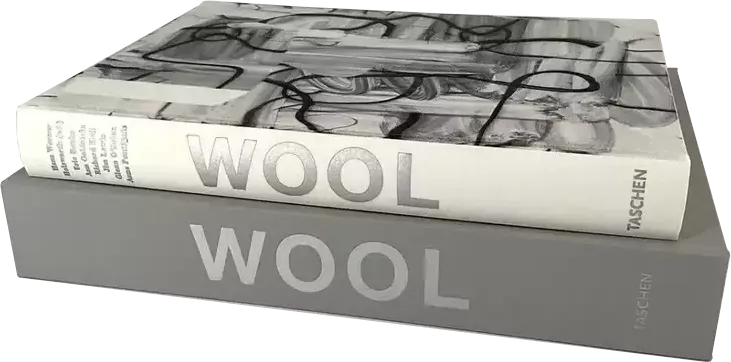
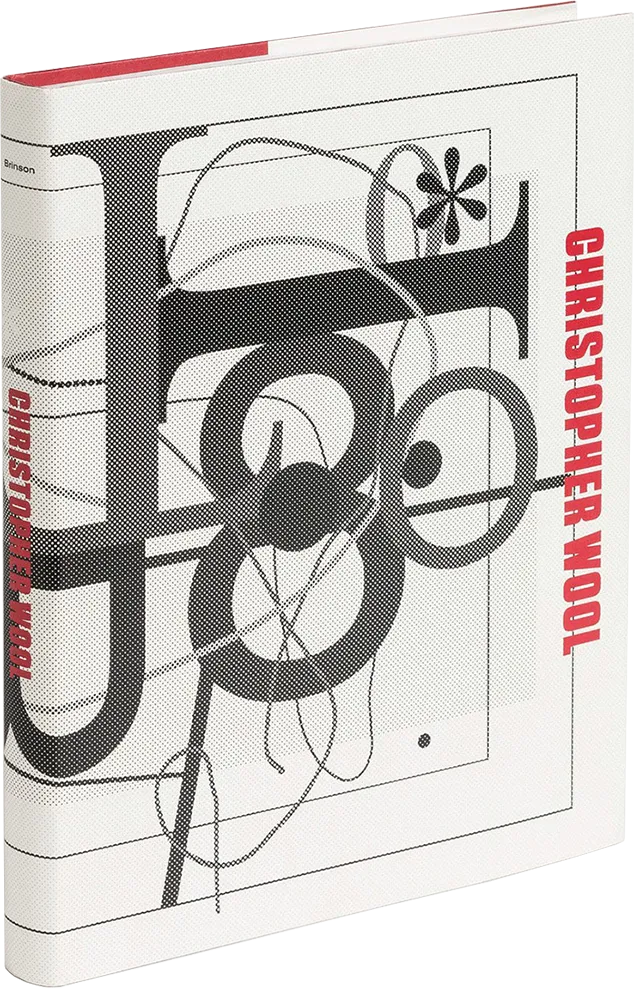
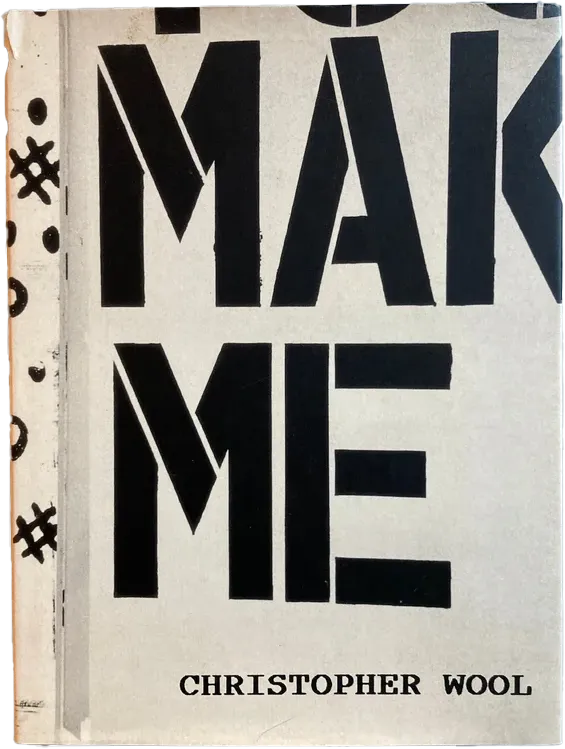
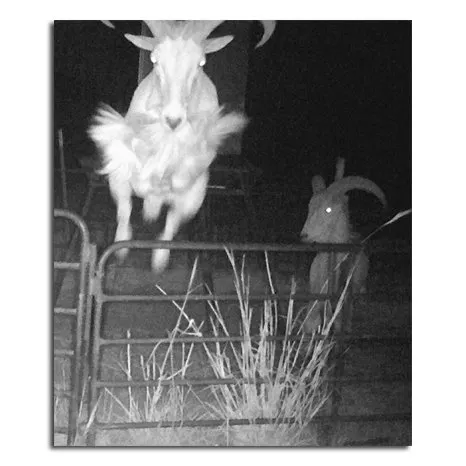







%2520Gisela%2520Capitain%252C%25201992.webp)
%25202009%2520Ed%2520of%252050%2520TZK%2520.webp)
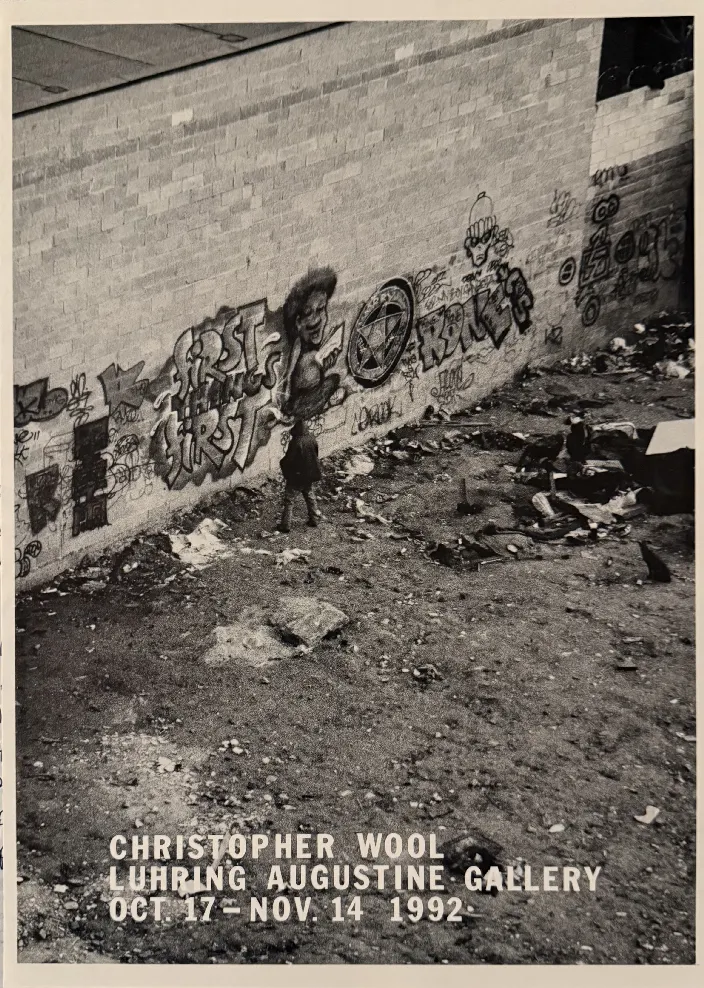
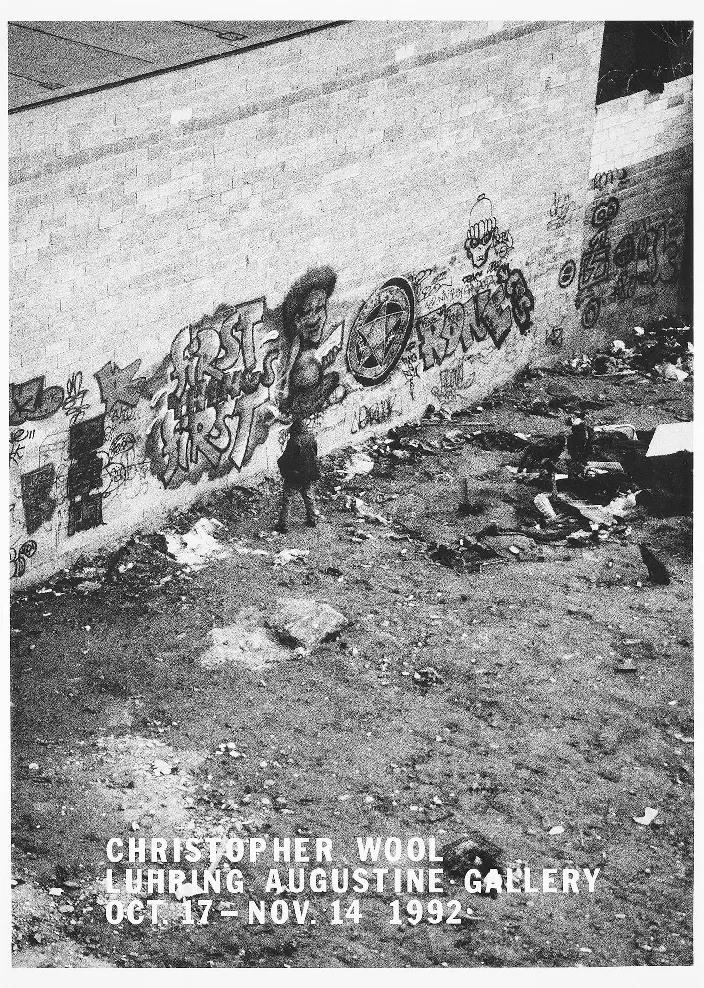
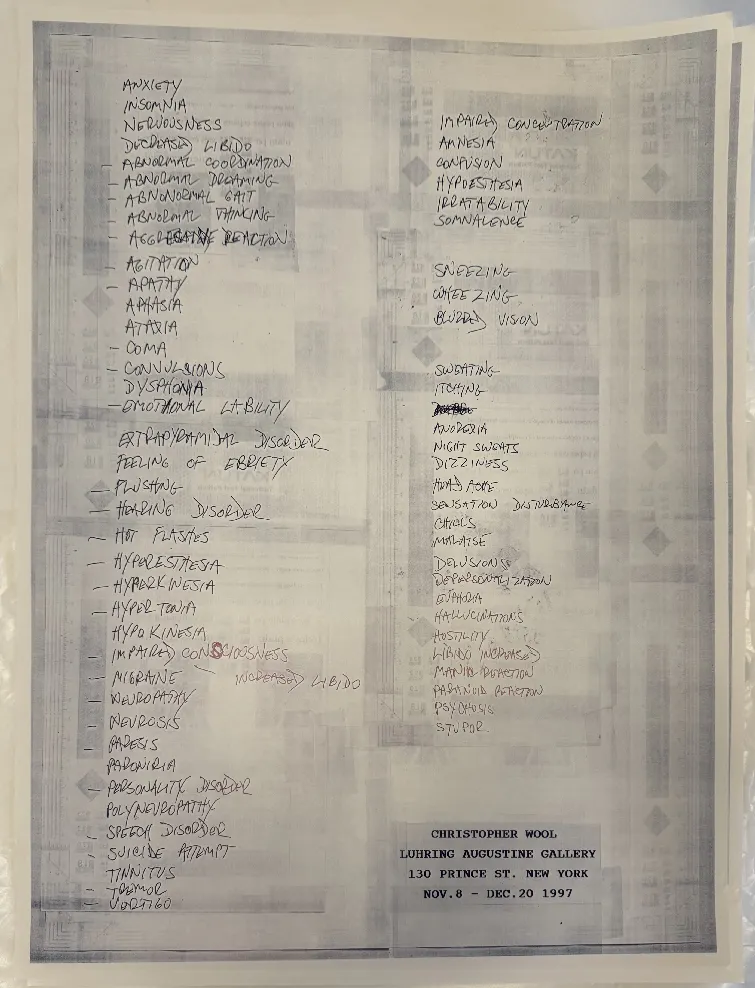
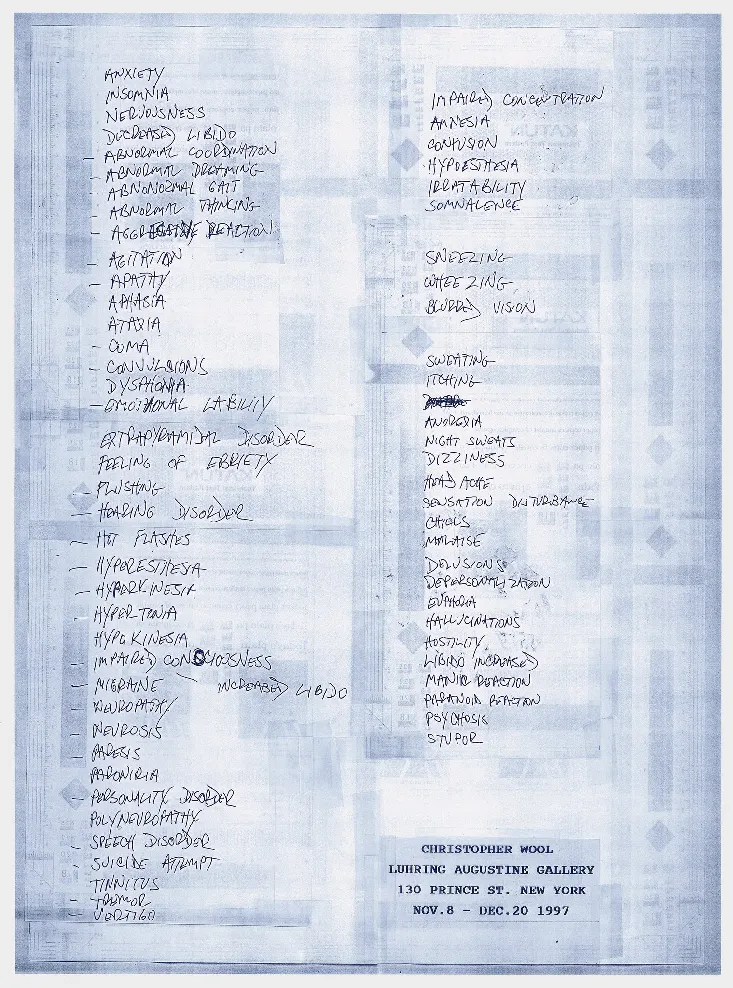
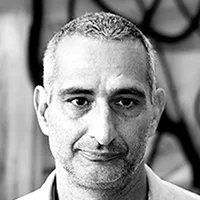
Christopher Wool, American, b. 1955 in Chicago, Il
Wool emerged as an artist in the 1980s New York downtown scene, fundamentally redefining the boundaries between painting, photography, and printmaking. Best known for his large-scale, stenciled word paintings and abstract canvases produced with commercial paint rollers and silkscreens, Wool's practice is deeply rooted in the mechanics of image production, degradation, and repetition.
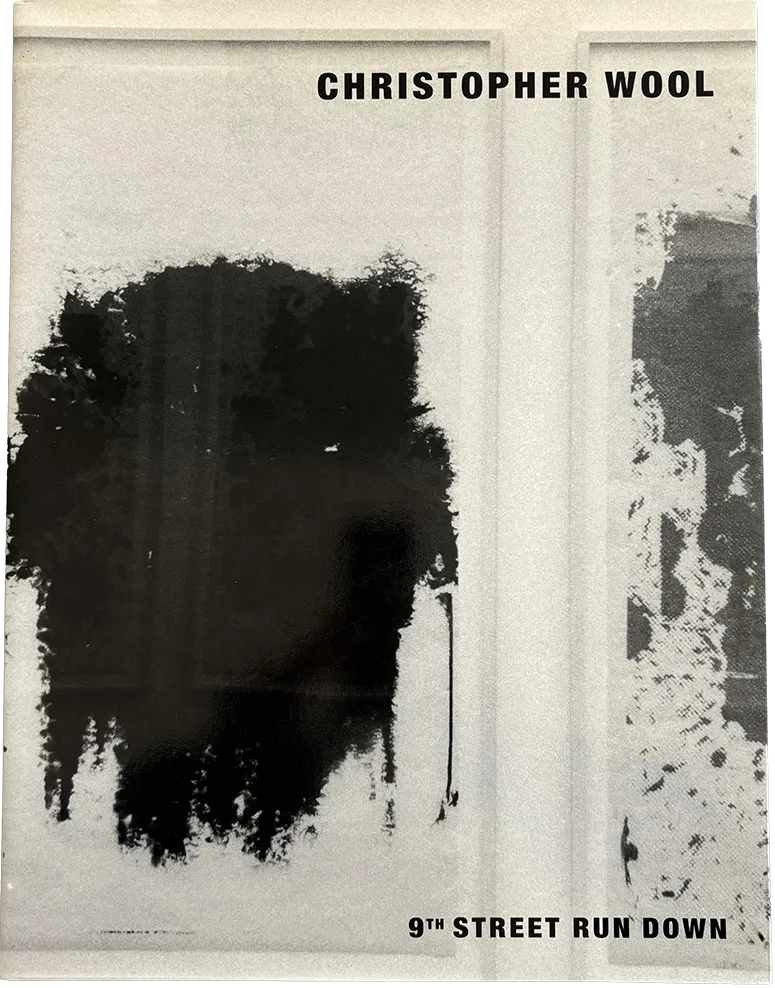
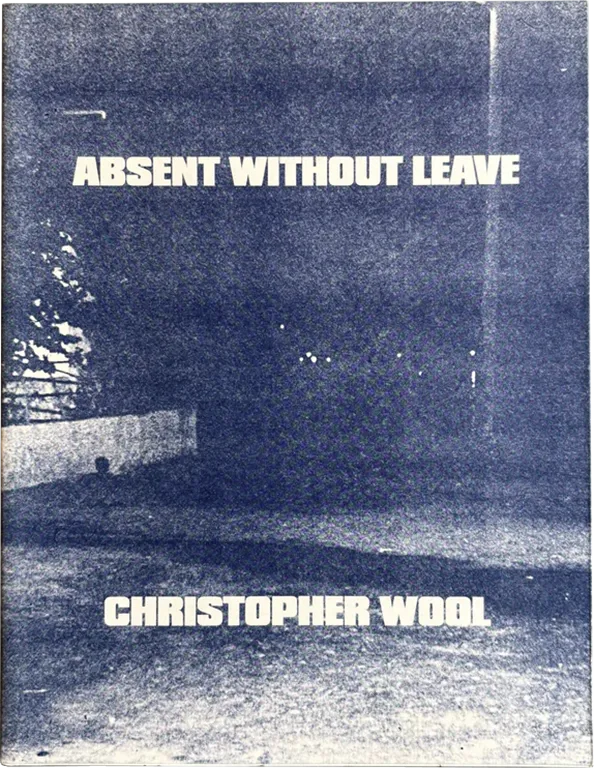
While widely celebrated as a painter, Wool’s engagement with the camera and the printing press is central to his output. Throughout his career, he has utilized photography not to capture pristine moments, but as a tool for mechanical reproduction and self-appropriation. In seminal publications like Absent without Leave (1993) and Cats in Bag, Bags in River (1991), he subverts traditional photographic refinement by relying on raw Xeroxes, high-contrast black-and-white offsets, and generic paper stocks. Later works, such as Incident on 9th Street (1996) and 9th Street Run Down (2001), document his shift into literal self-appropriation. He systematically photographs his own finished paintings, transposes them into silkscreens, and either prints them over fresh canvases or compiles them into artists' books, creating disorienting hybrids of his own recycled gestures.
Often defined as a post-conceptualist Wool’s work is essential to the Bushwick sur Seine archive because it perfectly embodies a strict formalist approach to photography and printed matter. By stripping away narrative and relying heavily on industrial printing techniques, his photobooks investigate the physical lifecycle of the printed image. His relentless focus on mechanical reproducibility, appropriation, and the tactile qualities of ink on paper aligns seamlessly with the collection’s dedication to the photobook as an autonomous, formalized art object rather than a mere vehicle for conceptual representation.

