


Which art books, prints and posters are available by and about this artist? Here is a sample of items of interest to a typical collector:












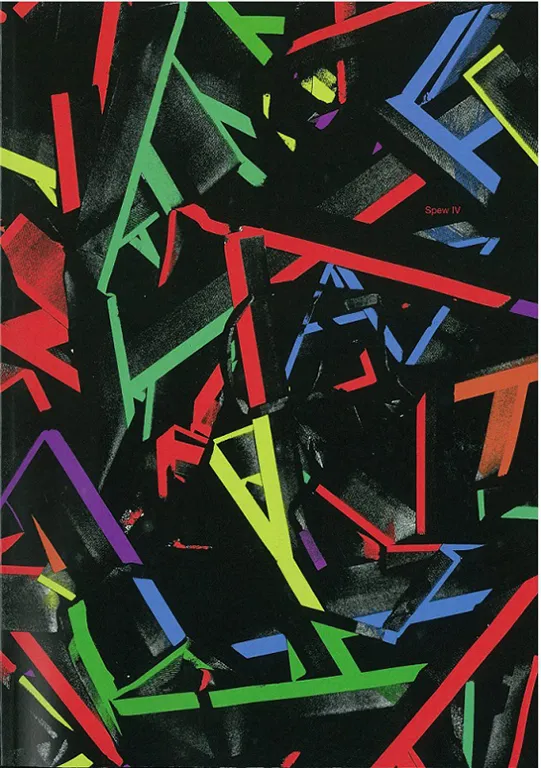

%20Ed10%20copy.webp)
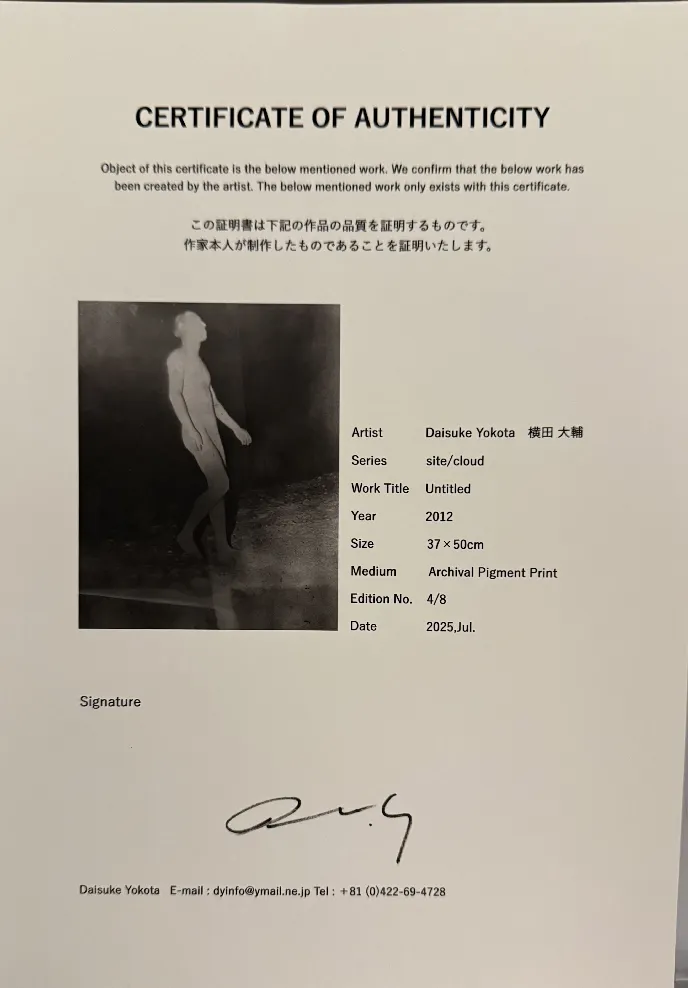
%20copy.webp)


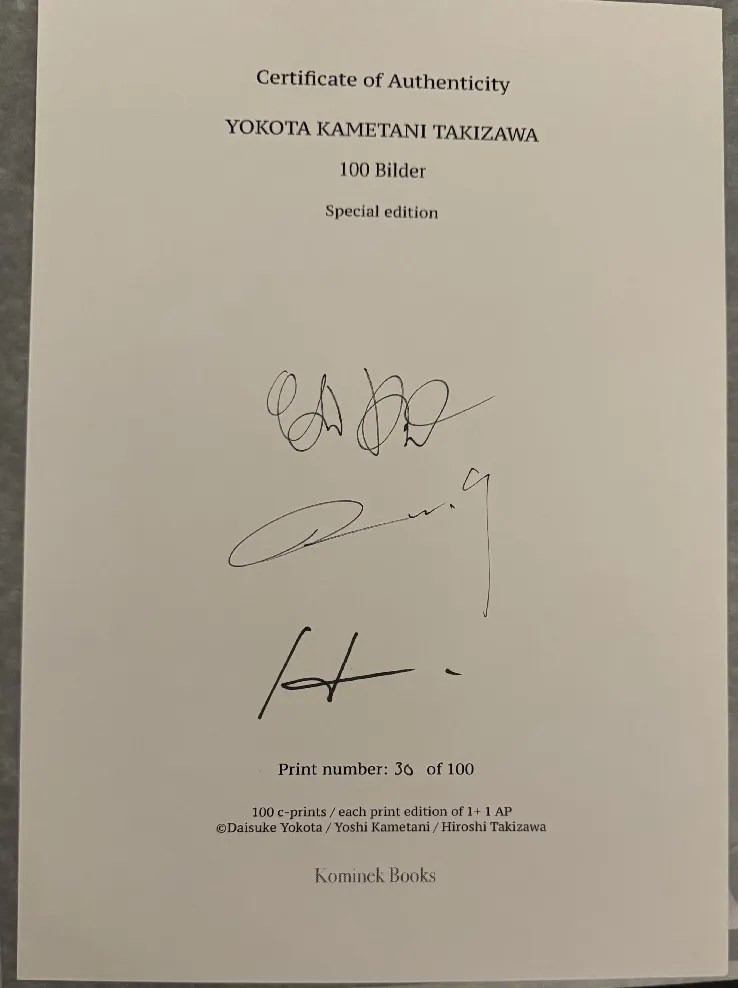
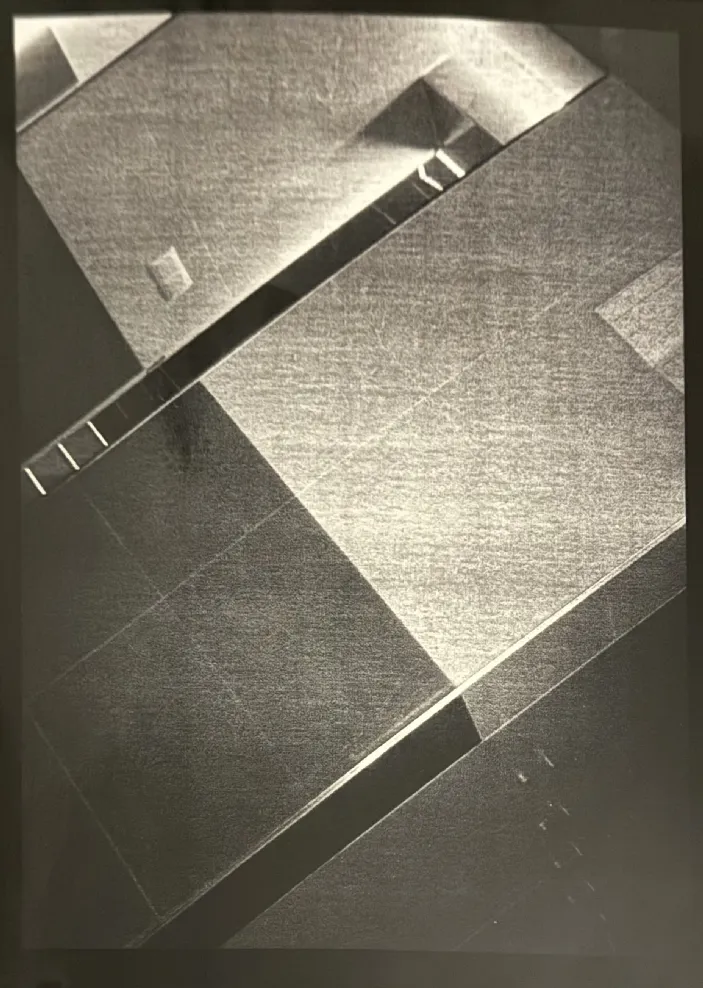


%252C%2520Oodee%25202015%2520Poster%2527s%2520Recto.webp)


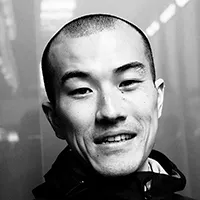
Daisuke Yokota, Japanese, b. 1983
Yokota is a Tokyo-based contemporary photographer celebrated for pushing the boundaries of the medium through rigorous darkroom experimentation, physical manipulation, and iterative processing. He graduated from the Nippon Photography Institute in 2003 and emerged onto the international art scene by challenging traditional notions of the photographic index, treating film and paper not merely as recording tools, but as tactile, unstable materials subject to decay, memory, and time.
By bridging the lineage of avant-garde Japanese photography with contemporary printmaking and independent publishing, he stands as a defining pillar of the Bushwick Sur Seine collection.
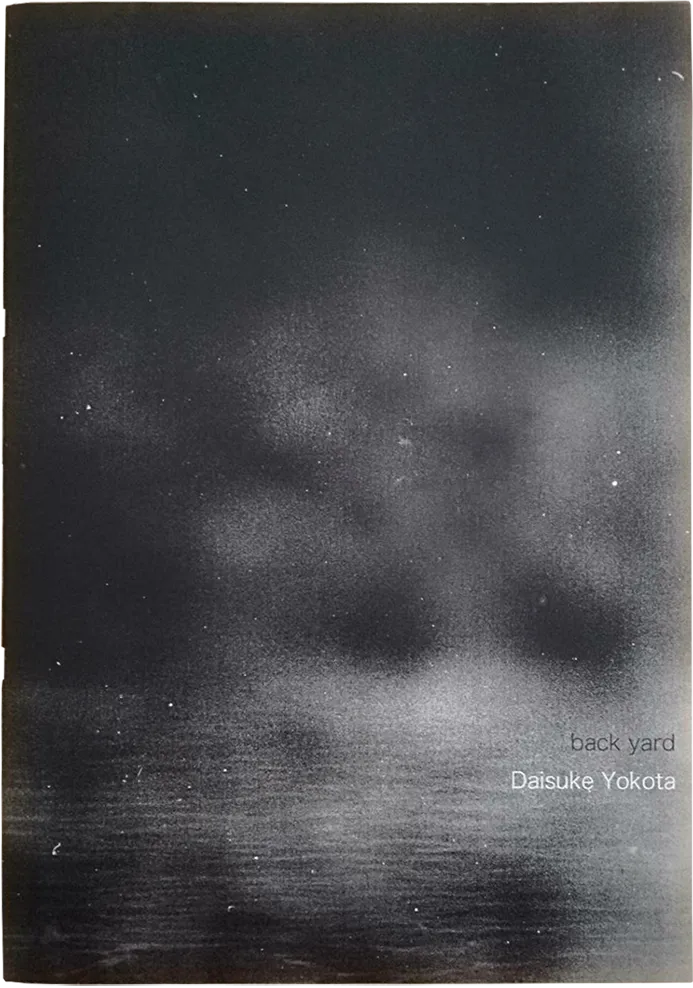
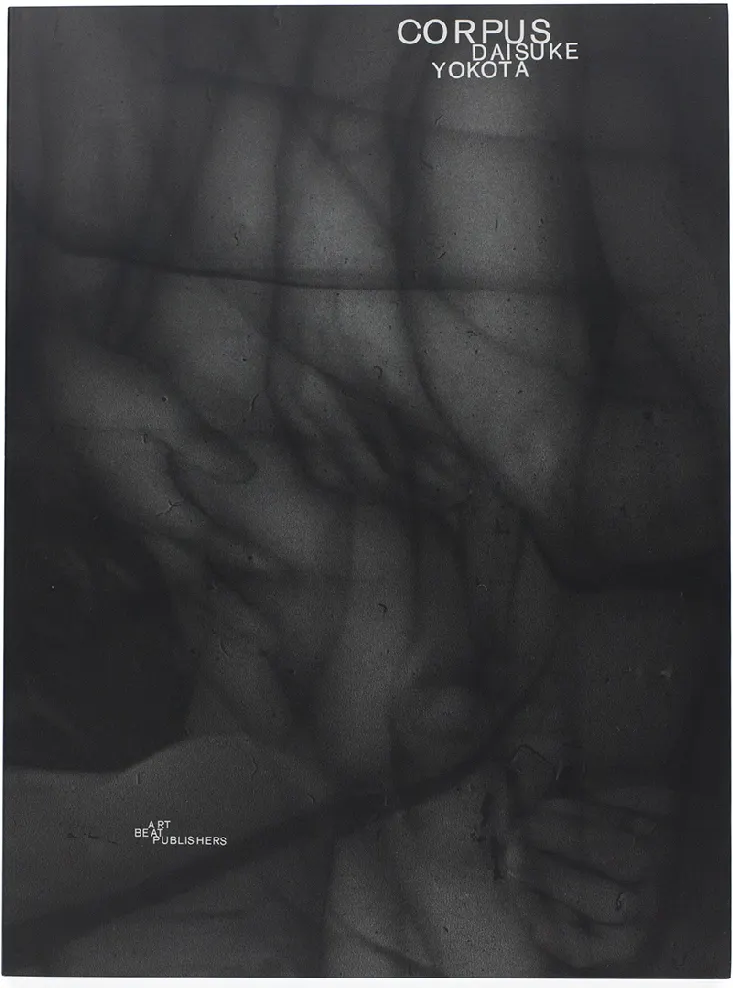
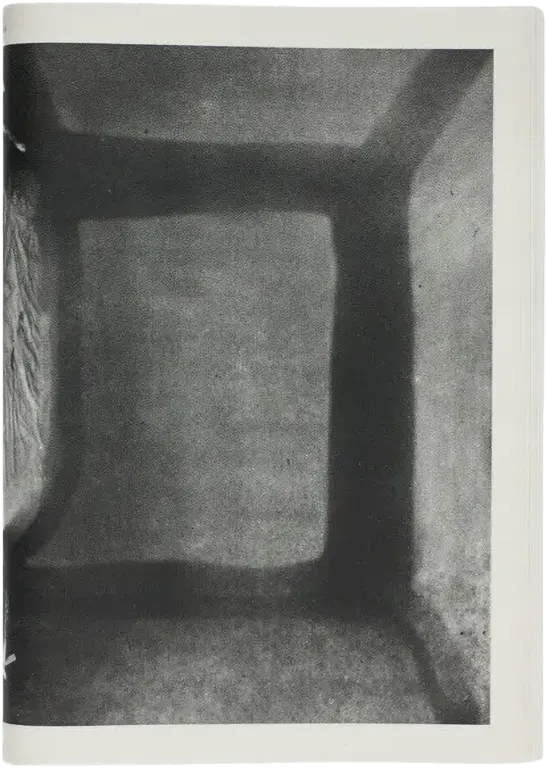
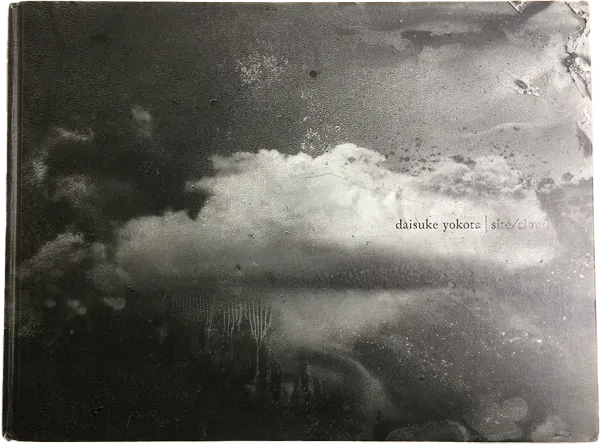
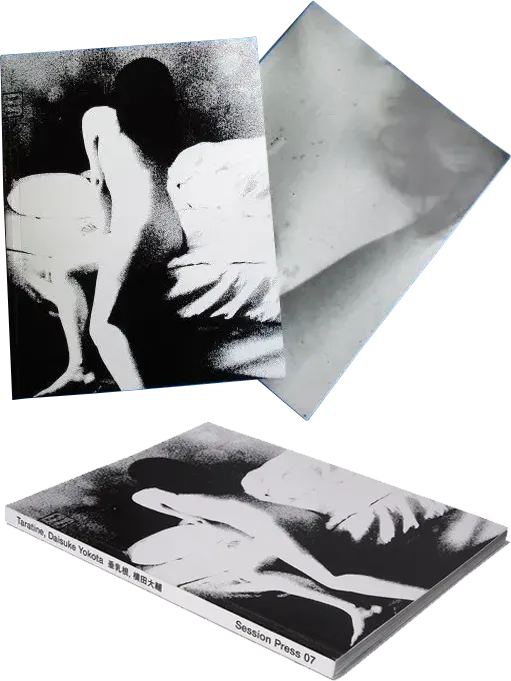
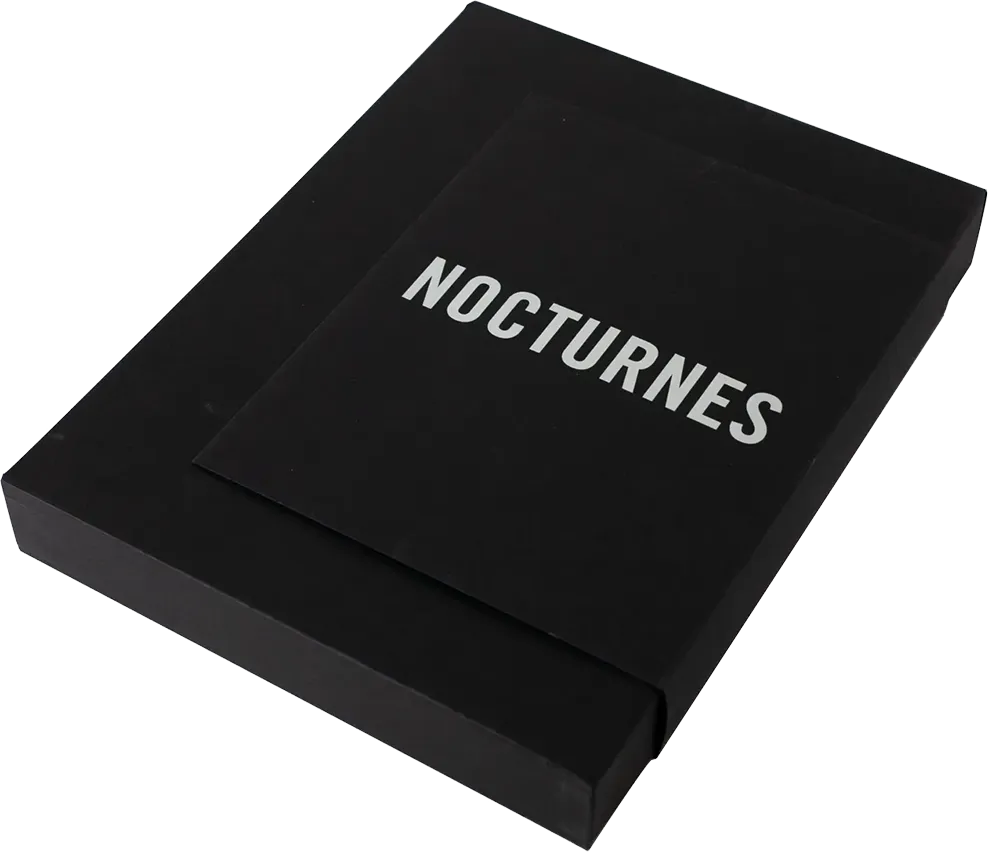
When Yokota first began making images, he was heavily stimulated by the post-war Japanese photography tradition, specifically the gritty, high-contrast, and avant-garde ethos of the Provoke generation, including Daido Moriyama, Takuma Nakahira, and Nobuyoshi Araki. His early breakout self-published zines and monographs, such as Back Yard (2011), Site (2012), Corpus (2014), and the series Nocturnes, were rooted in black-and-white photography.
Rather than stopping at the initial capture, Yokota utilized an intensive, repetitive post-production process to construct these early works:
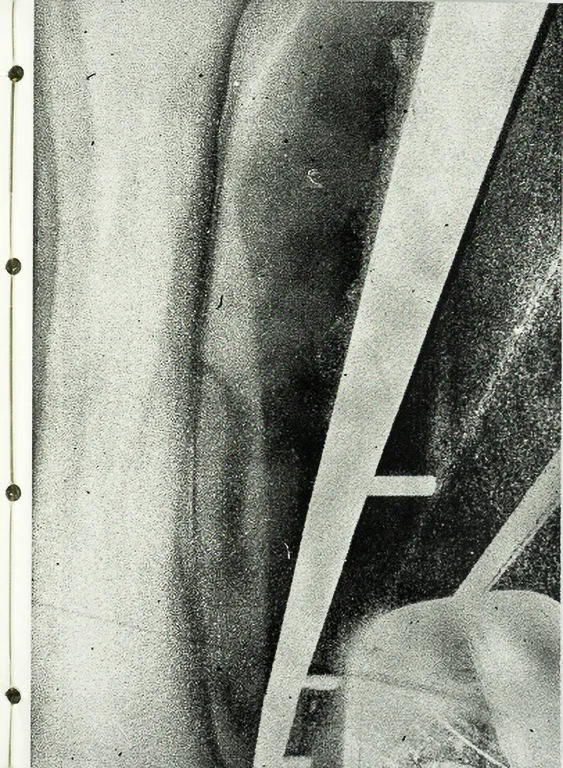
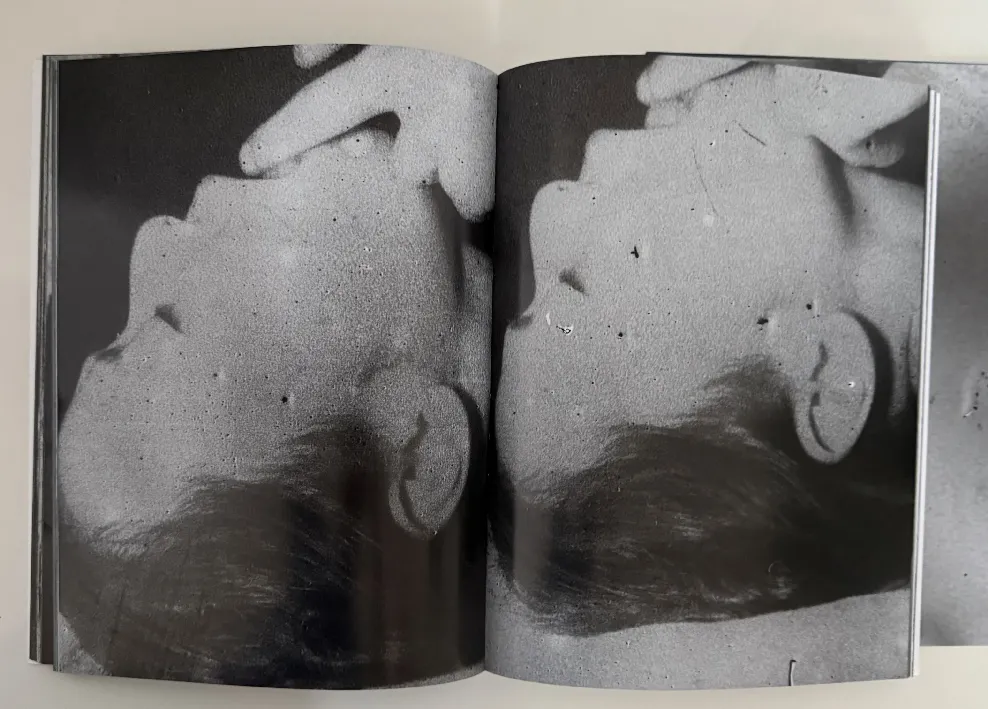
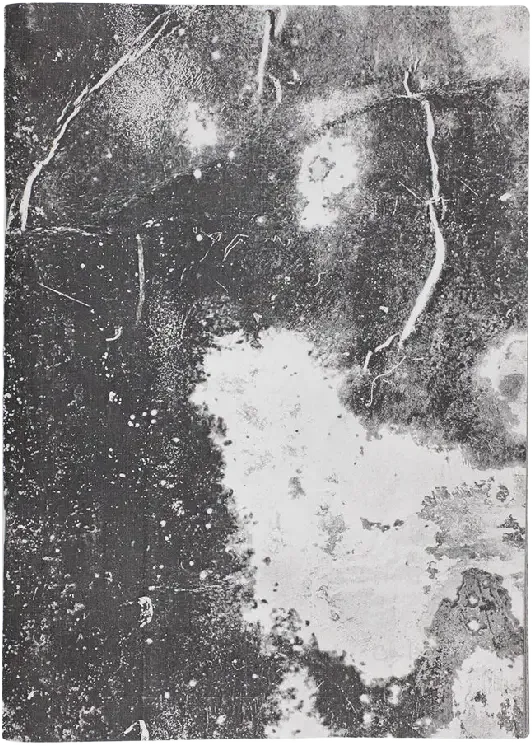
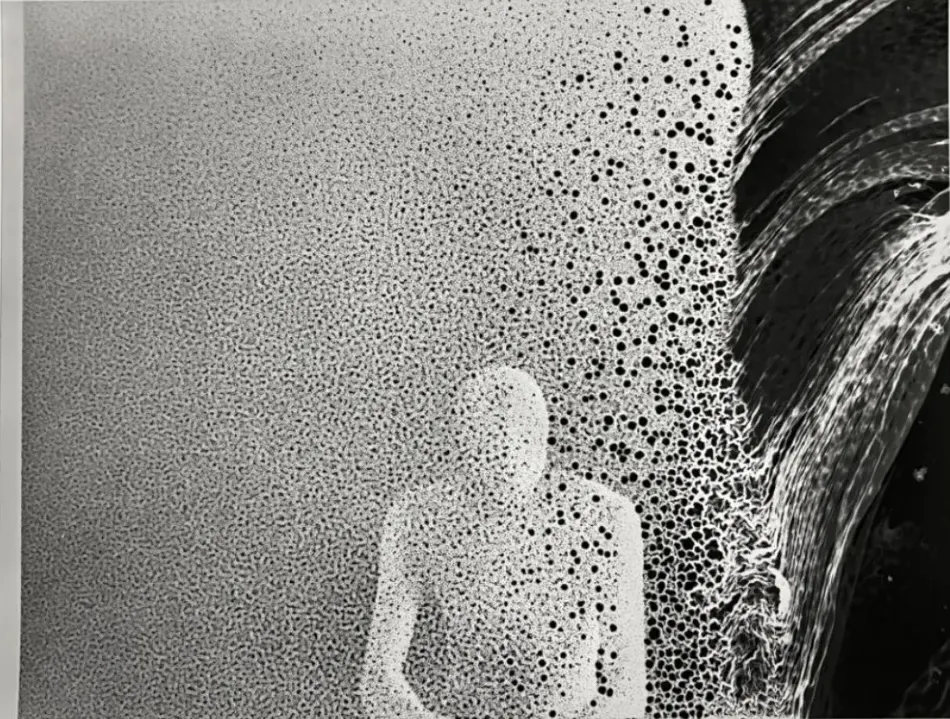
He would shoot initial black-and-white negatives, make physical prints, and then photograph those prints over and over again, allowing degradation, grain, and visual noise to compound with each generational copy. To fracture the stable representation of reality, he manipulated developing times, intentionally overheated chemicals, applied acids, and introduced physical scratches or burns to the negatives and prints. He scanned these degraded physical layers into digital formats, merging traditional darkroom interventions with digital layering (such as Photoshop) to mimic the audio effects of delay, reverb, and feedback loops.
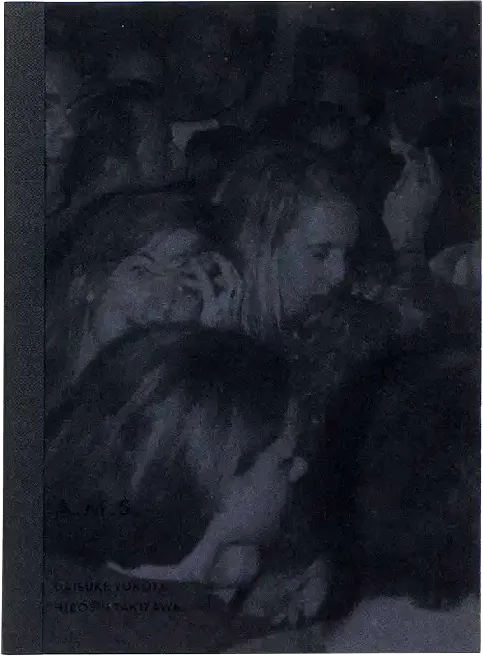
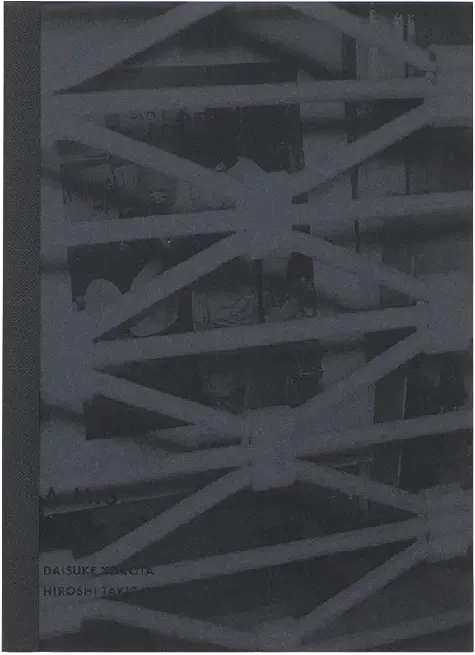
This early black-and-white methodology yielded dreamlike, hallucinatory spaces, featuring obscured bodies, stark architecture, and heavy shadows, that felt simultaneously futuristic and deeply tied to the historical grit of Japanese street photography.
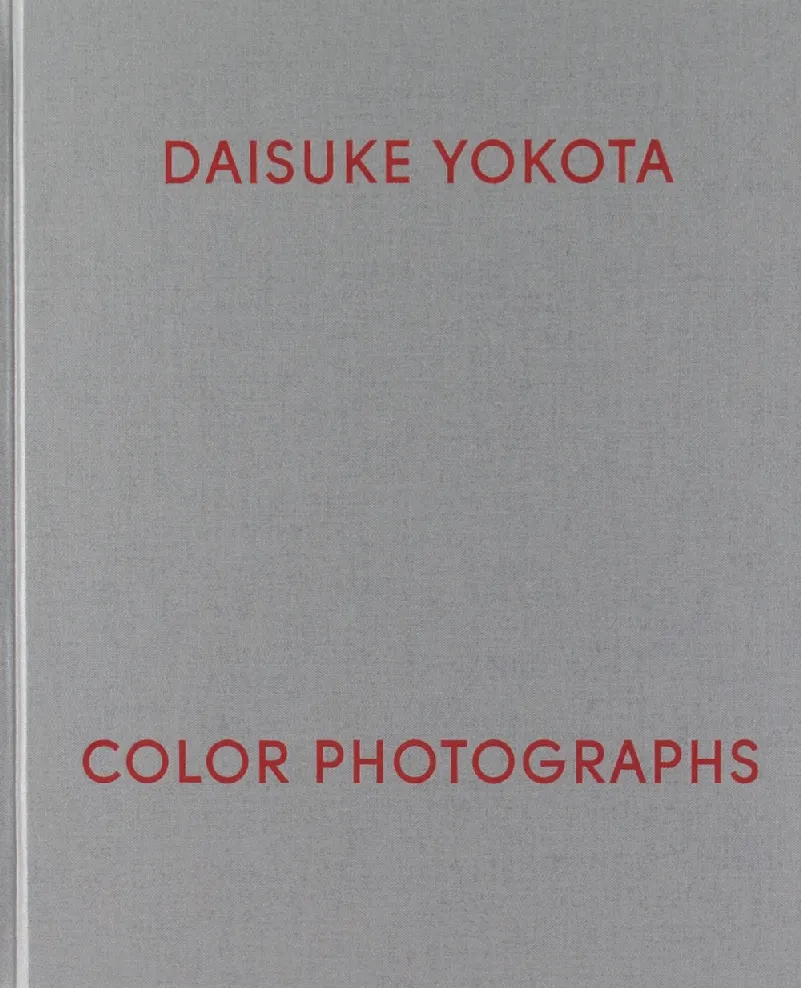
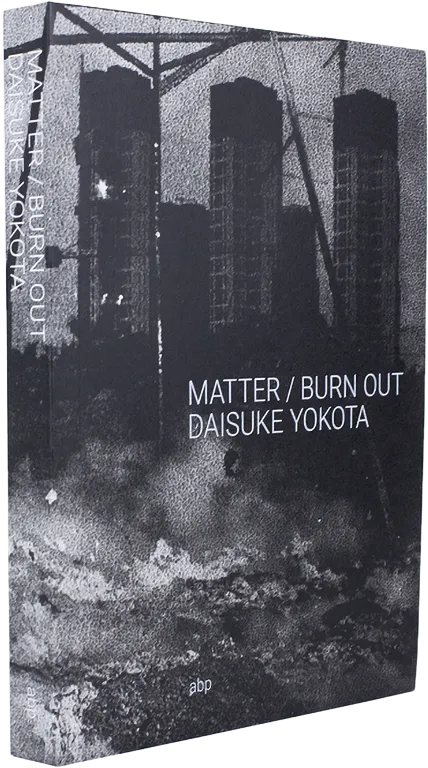
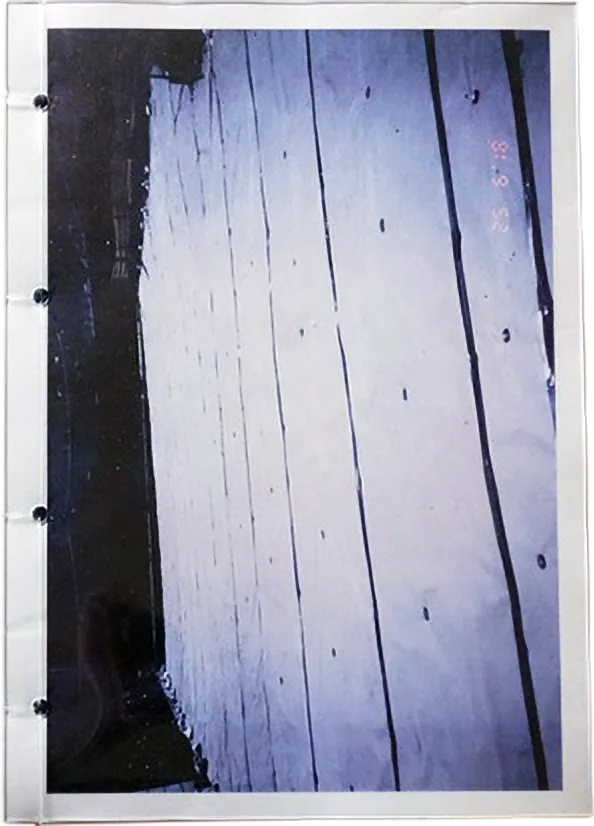
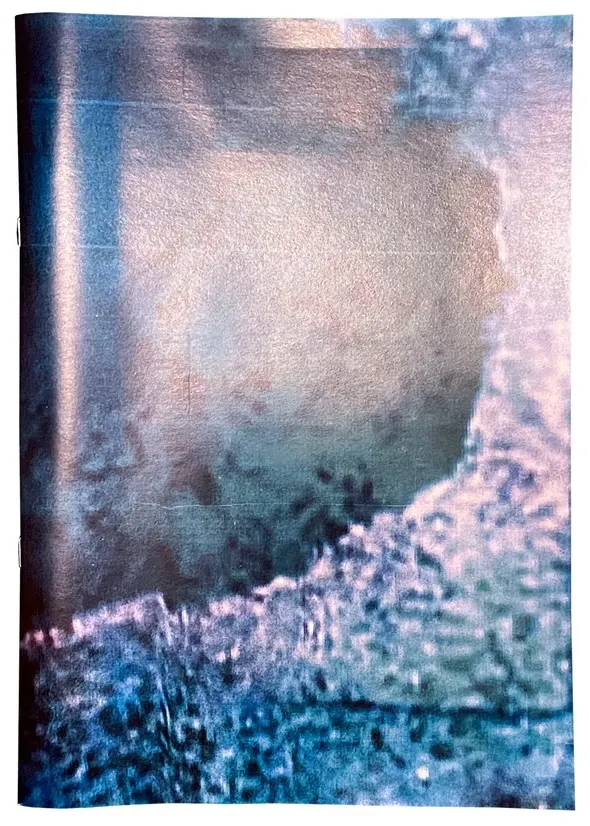
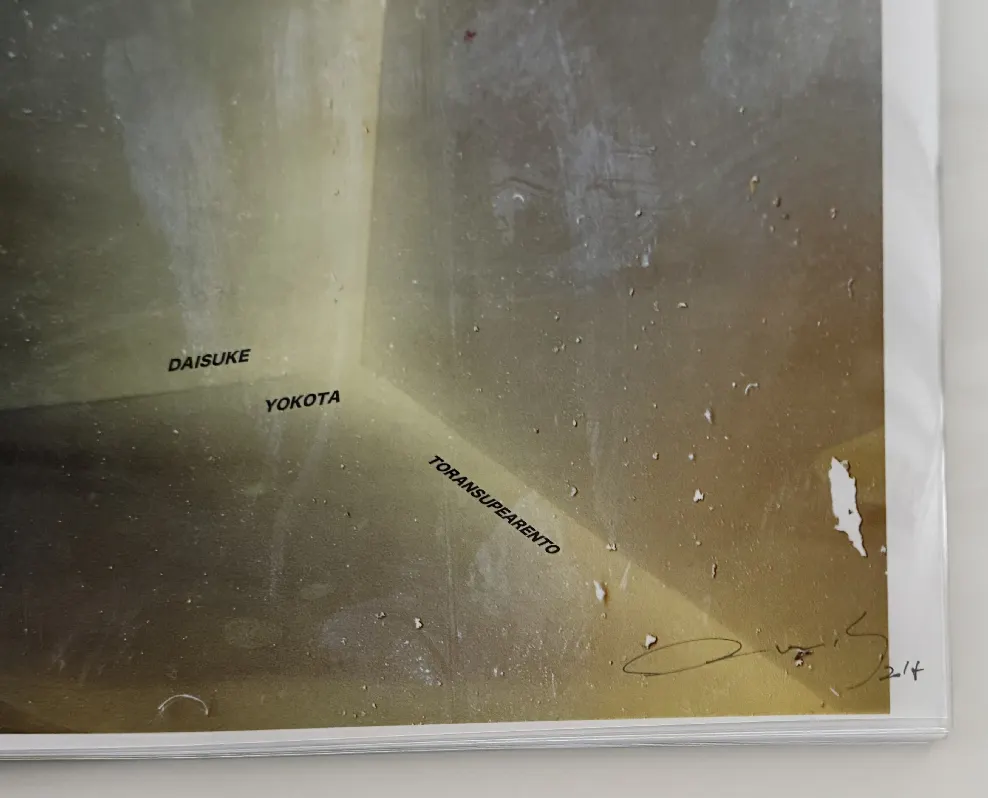
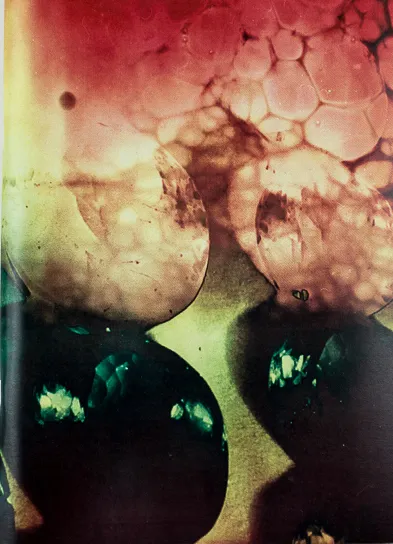
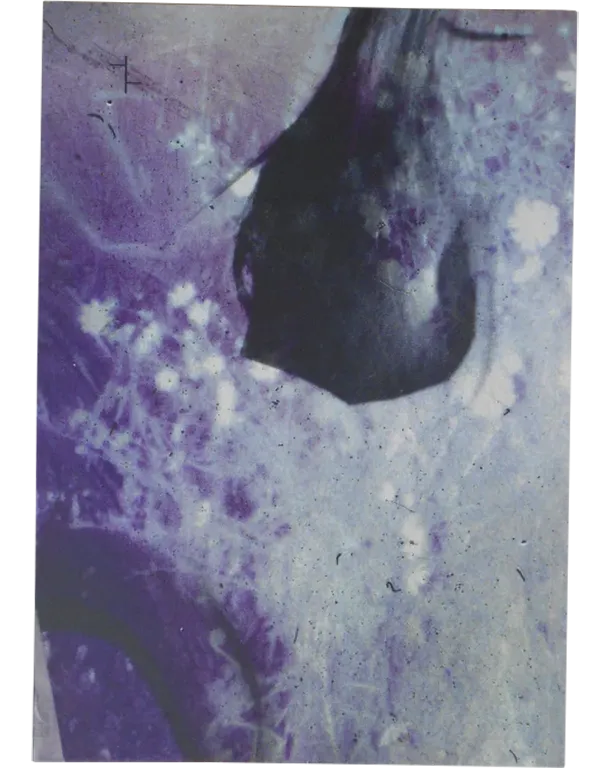
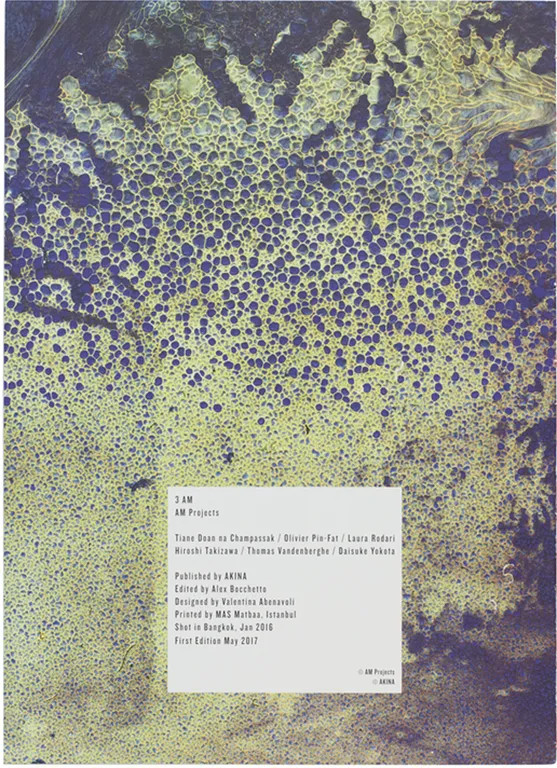
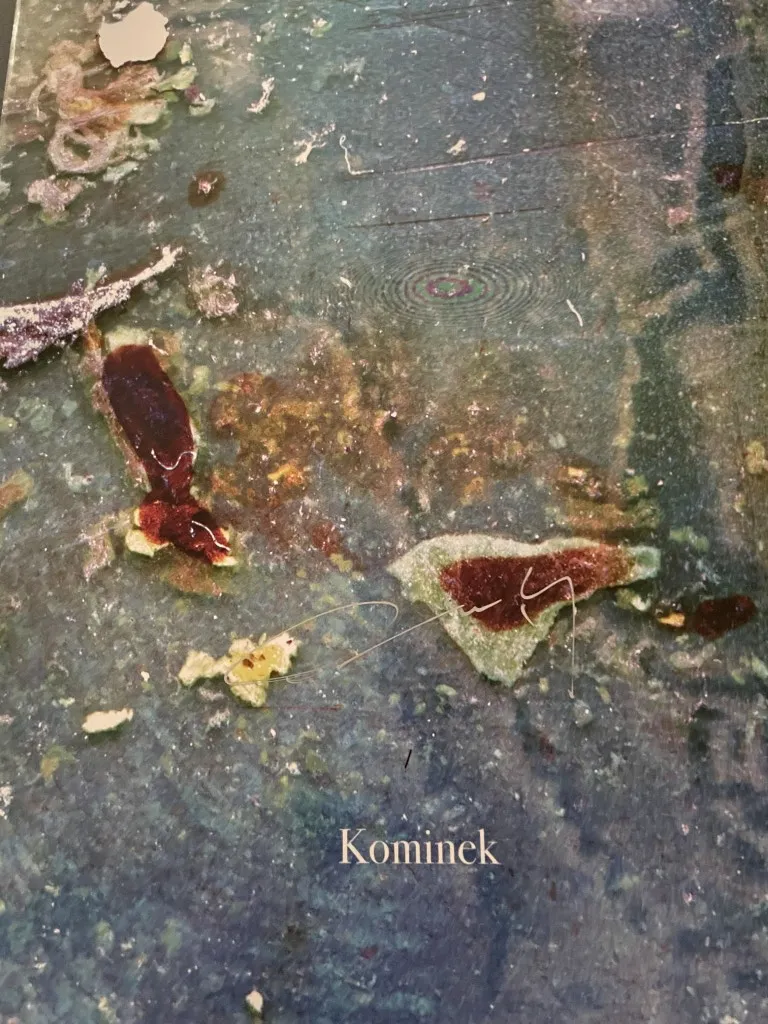
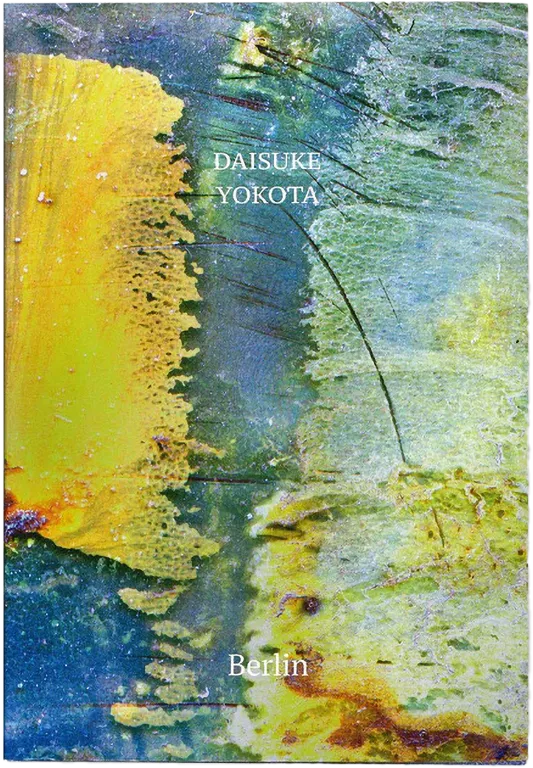
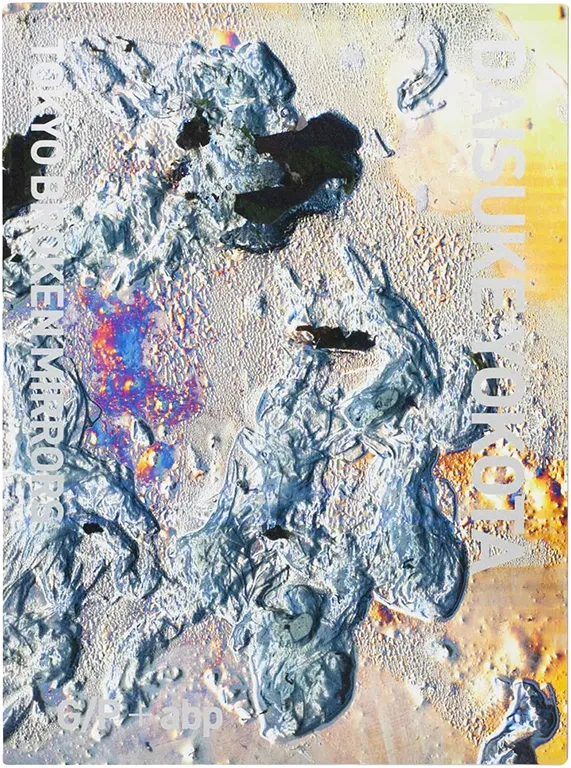
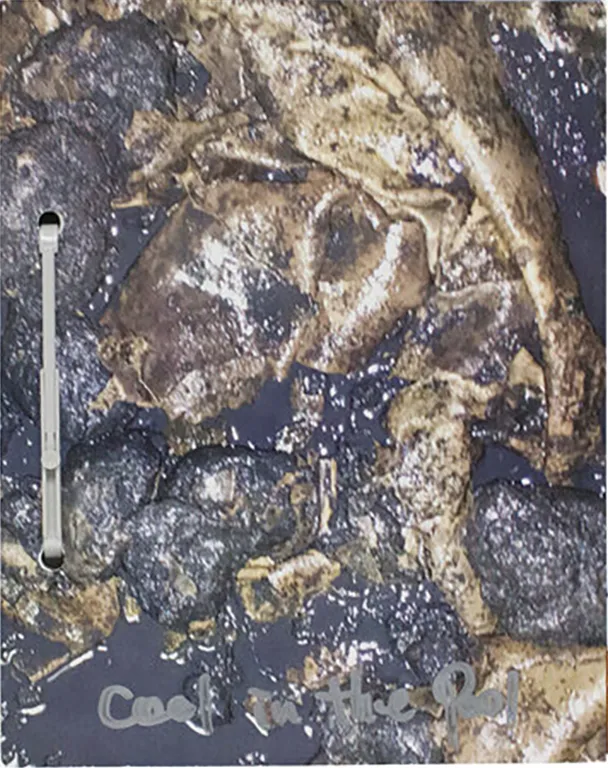
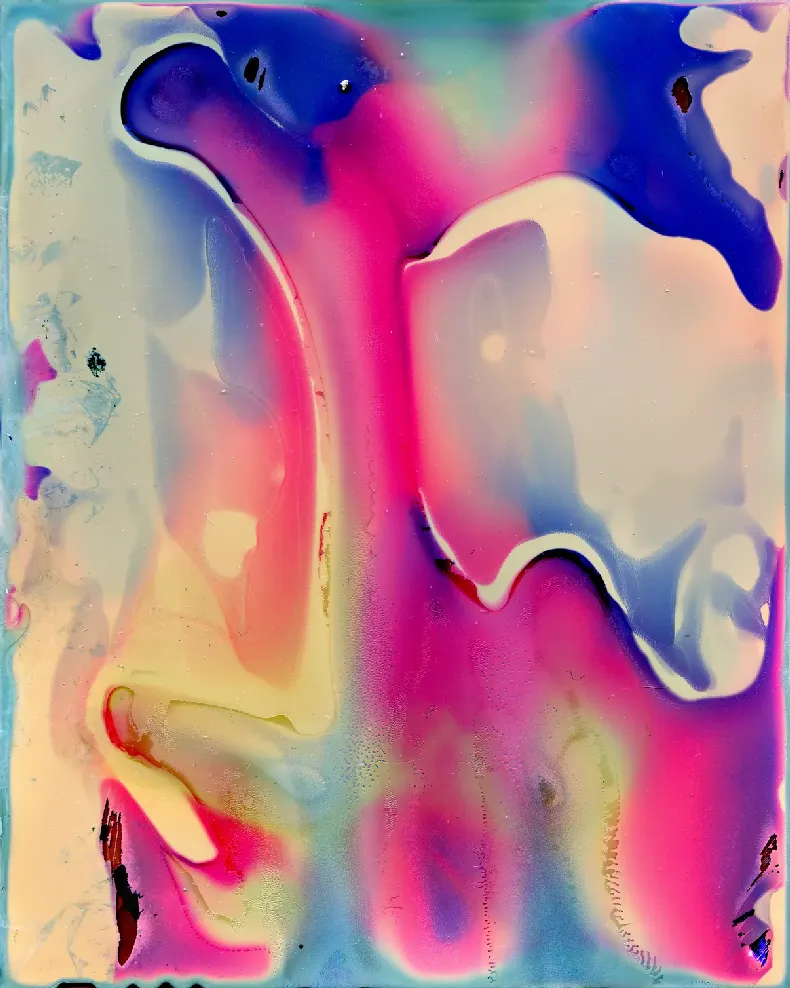
Over time, Yokota systematically dissolved the boundary between figuration and pure abstraction. In subsequent bodies of work like Color Photographs (2015), Matter (2016), and Scum (2018), he abandoned the camera entirely in favor of "cameraless" processes. He began pouring hot water and corrosive chemicals directly onto expired sheets of color film and unexposed photo-sensitive paper, capturing the random, fluid fracturing of chemical emulsions.
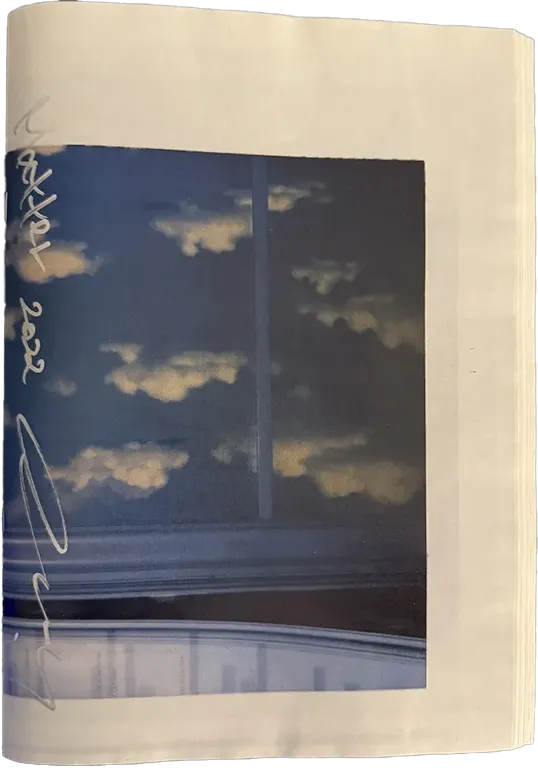
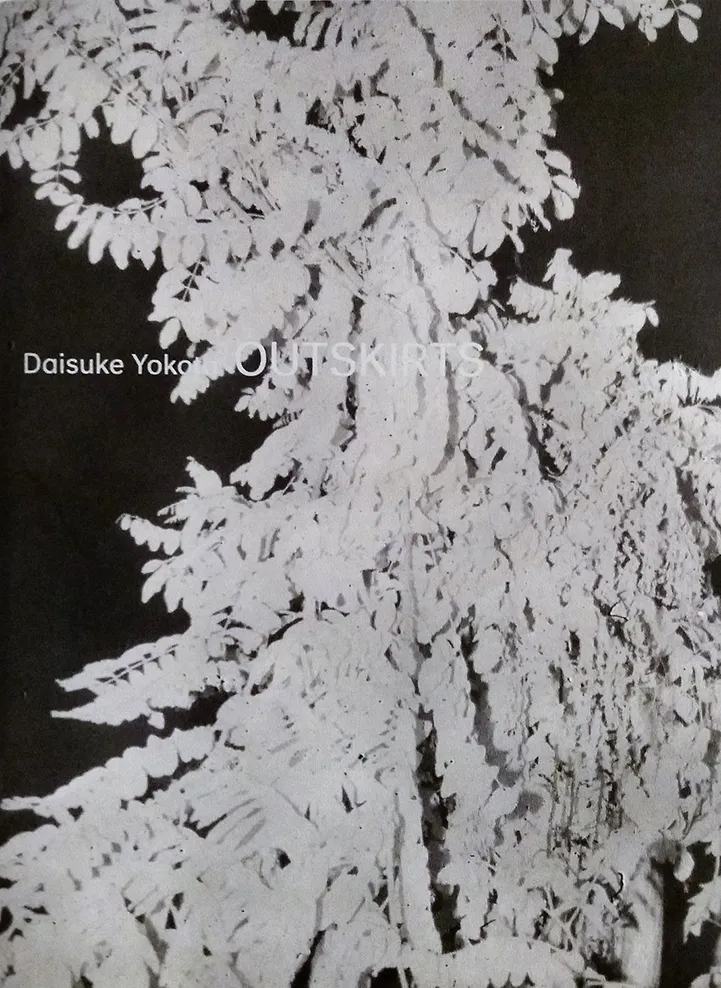
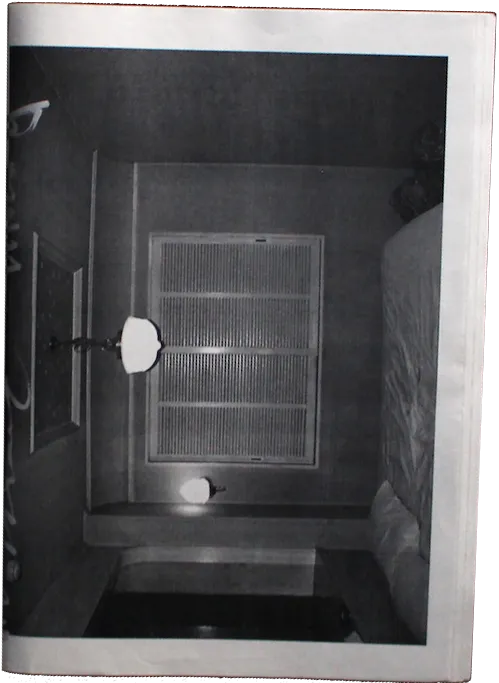
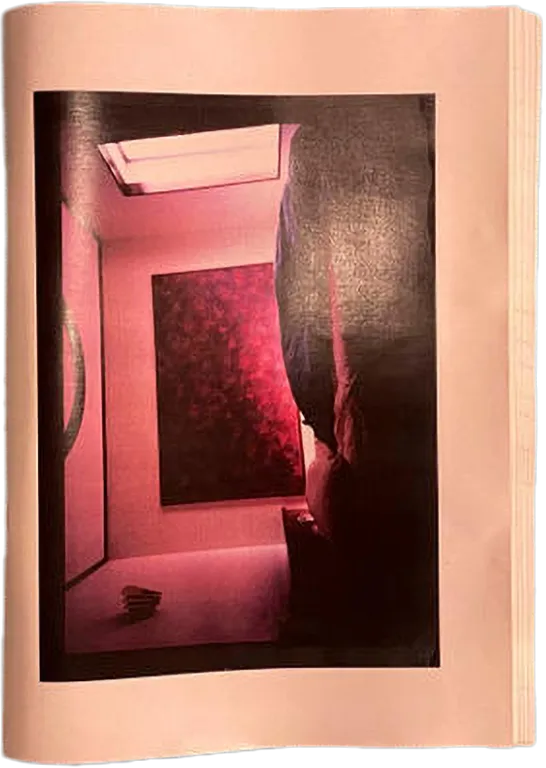
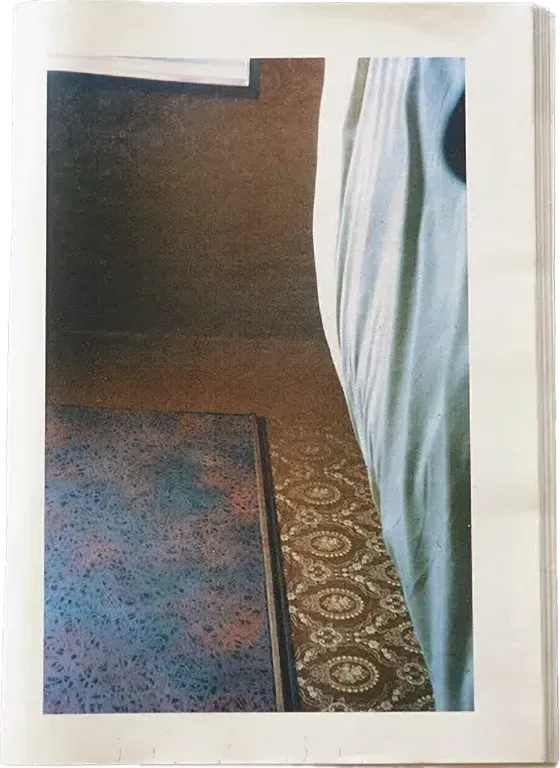
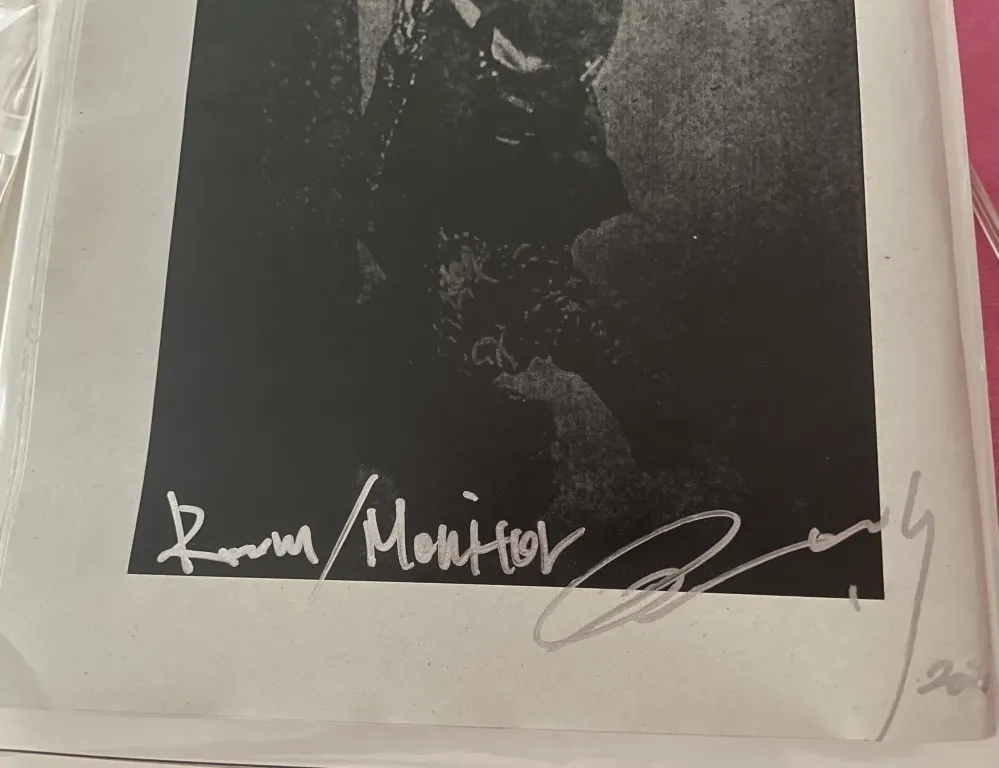
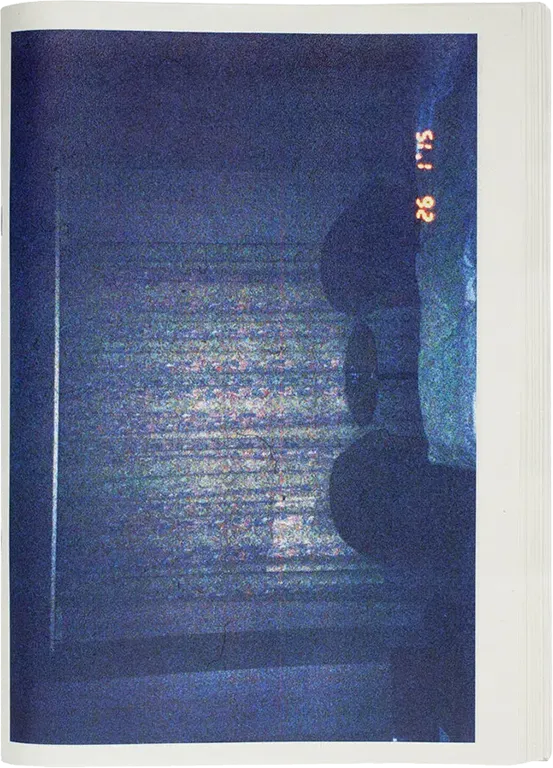
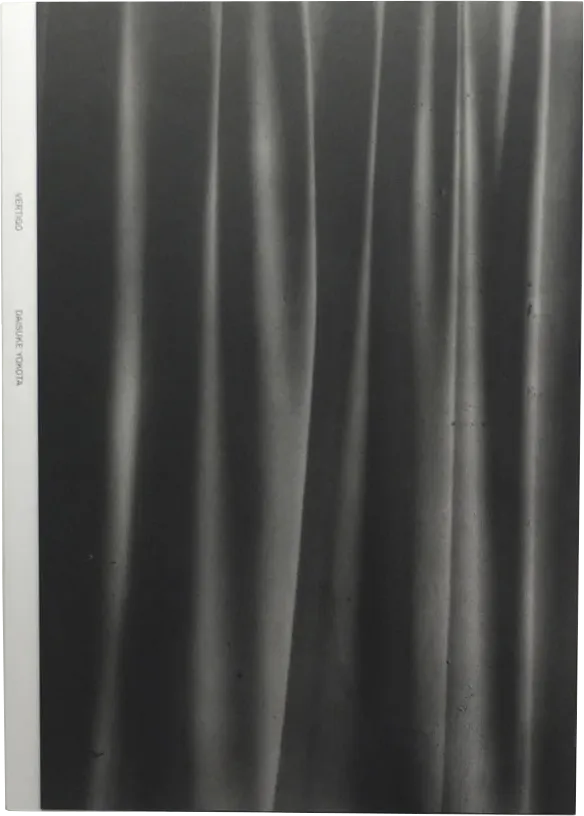
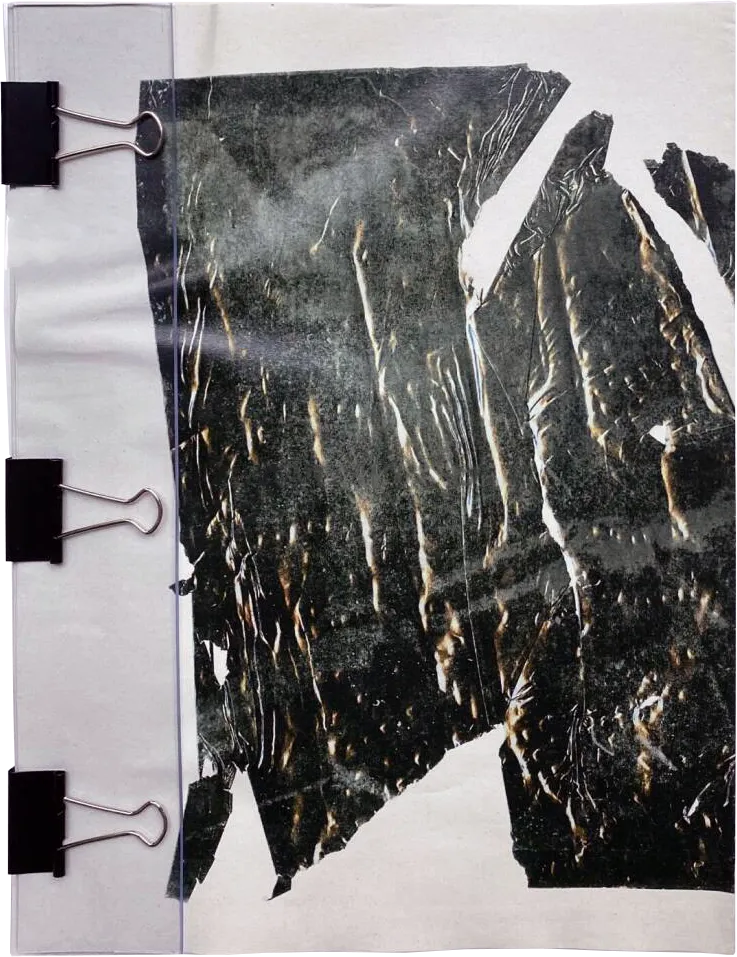
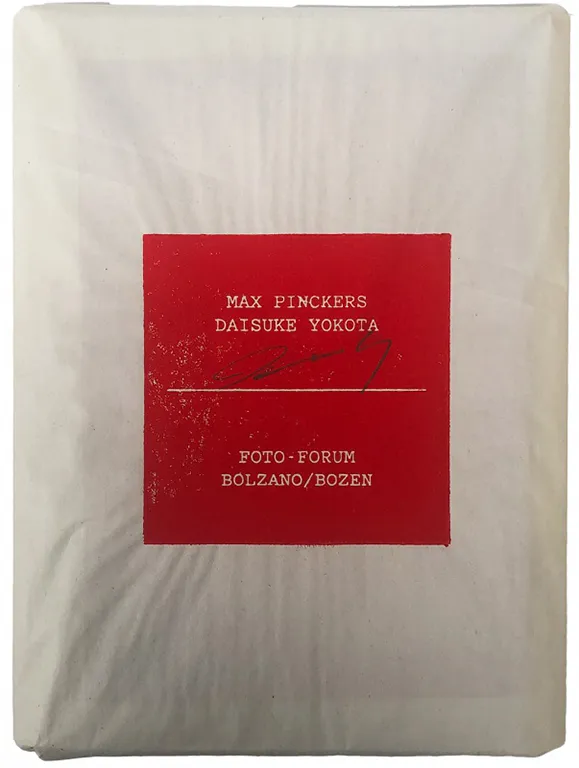
True to his historical lineage, Yokota views the photobook as his primary exhibition space rather than a secondary catalog. He has produced nearly sixty self-published zines, limited-edition box sets, and bound monographs. By shifting paper stocks, incorporating translucent vellums, and utilizing varied printing mechanics (from photocopies to risographs), he ensures that each publication offers a distinct physical encounter with the imagery.
Yokota's radical approach has earned him major international recognition, including the prestigious Foam Paul Huf Award in 2016 and the inaugural John Kobal Residency Award at Photo London in 2015. His prints, zines, and large-scale installations are housed in prominent public institutions worldwide, including the San Francisco Museum of Modern Art, the Museum of Fine Arts, Boston, the Bibliothèque nationale de France, and the Musée d'Art Moderne de Paris.


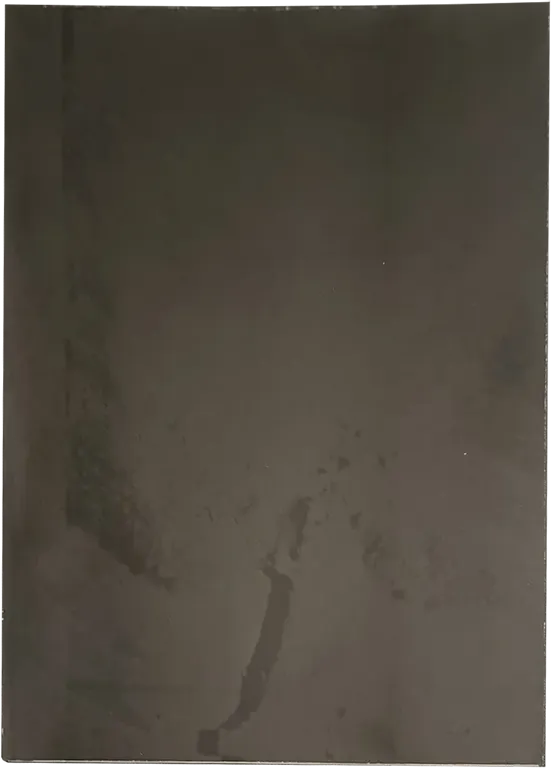
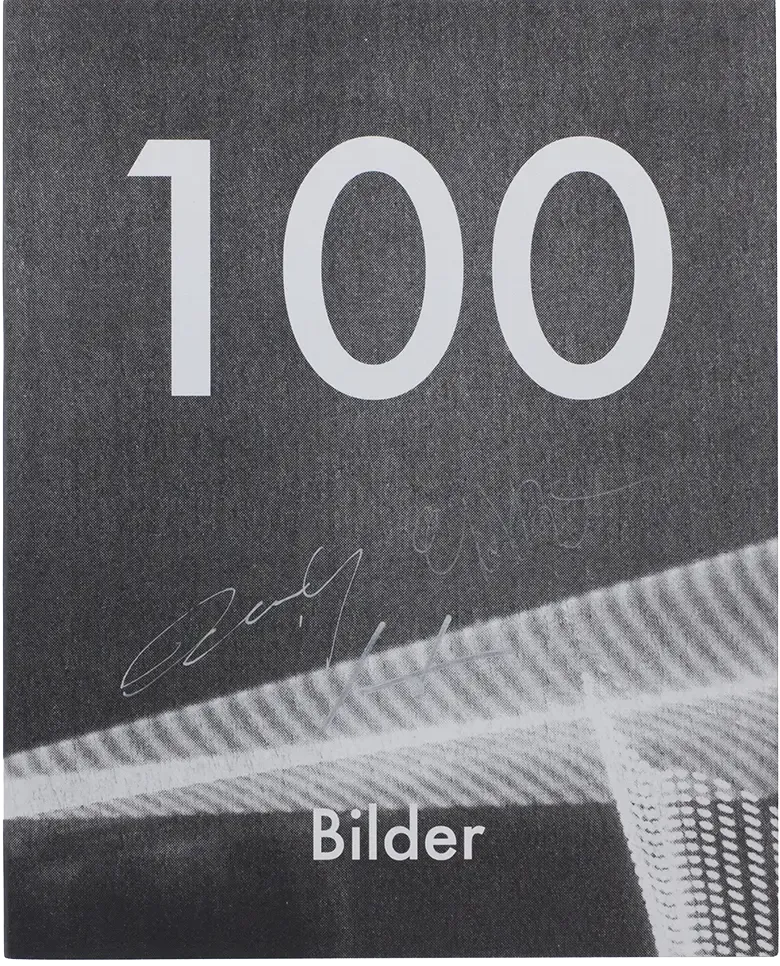
This is the very first book published by Yokota. Book has no colophon.