

Danny Lyon

Danny Lyon
To artist biography

Danny Lyon

Which art books, prints and posters are available by and about this artist? Here is a sample of items of interest to a typical collector:
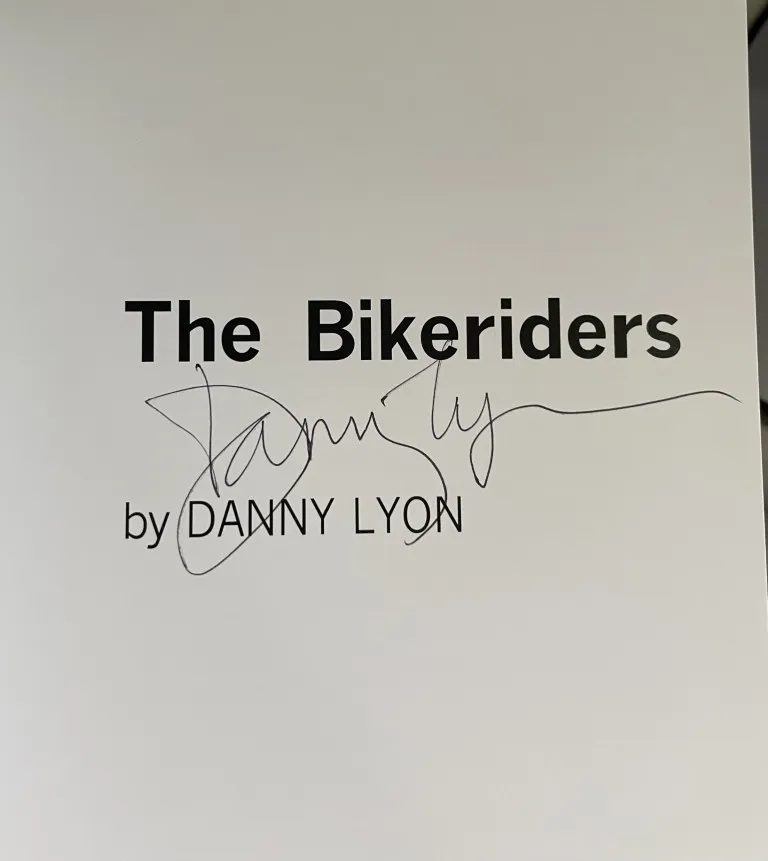
This is the facsimile reproduction of the 1968 first edition.

Book images
2020
with:
Edition:
3rd (1969)
Edition size:
Signed
Out of Print
Other edition(s):
Hardcover with dust jacket
ISBN:
9781597114943
Condition: Near Fine

Unlike the 2005 revised edition, this 2020 reprint is a facsimile reprint of the original 1969 book.

Book images
1971
with:
Edition:
1st Edition, 1st printing
Edition size:
Out of Print
Other edition(s):
Hardcover with DJ. Pages 177 to 180 are missing (systemic defect with all first printing copies)
ISBN:
0030850681
Condition: Fair in Good DJ
1971
Out of Print
Signed
Edition:
1st Edition, 1st printing
Prior edition(s):
Hardcover with DJ. Pages 177 to 180 are missing (systemic defect with all first printing copies)
Condition: Fair in Good DJ

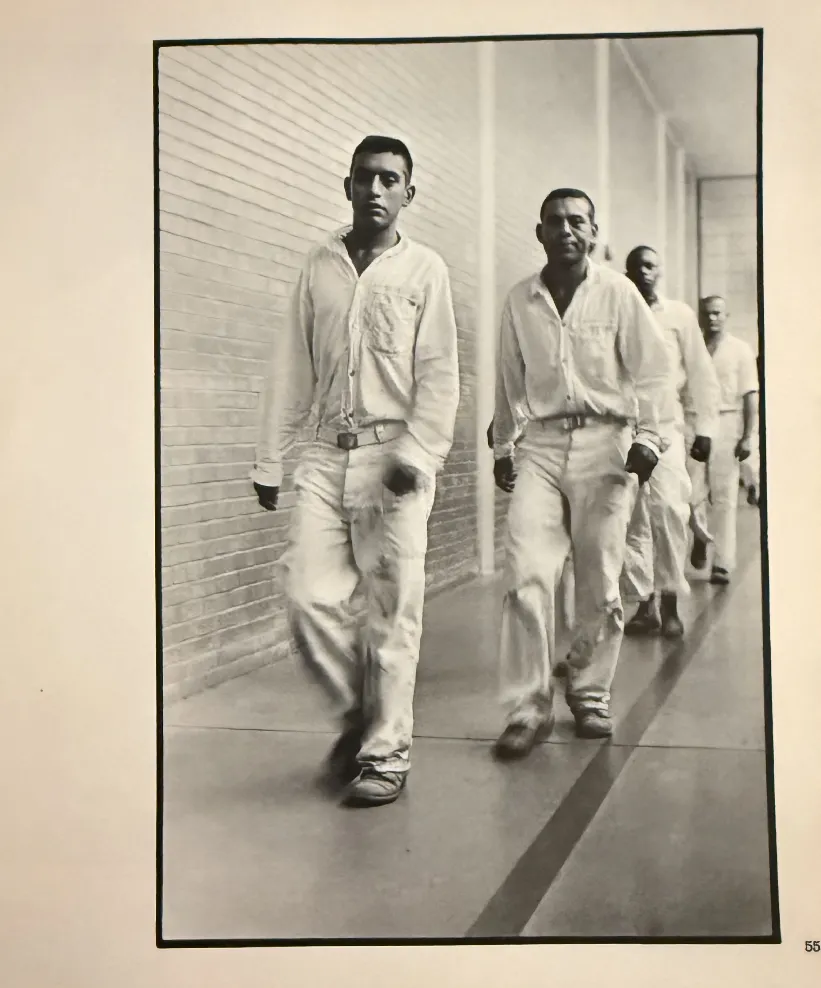
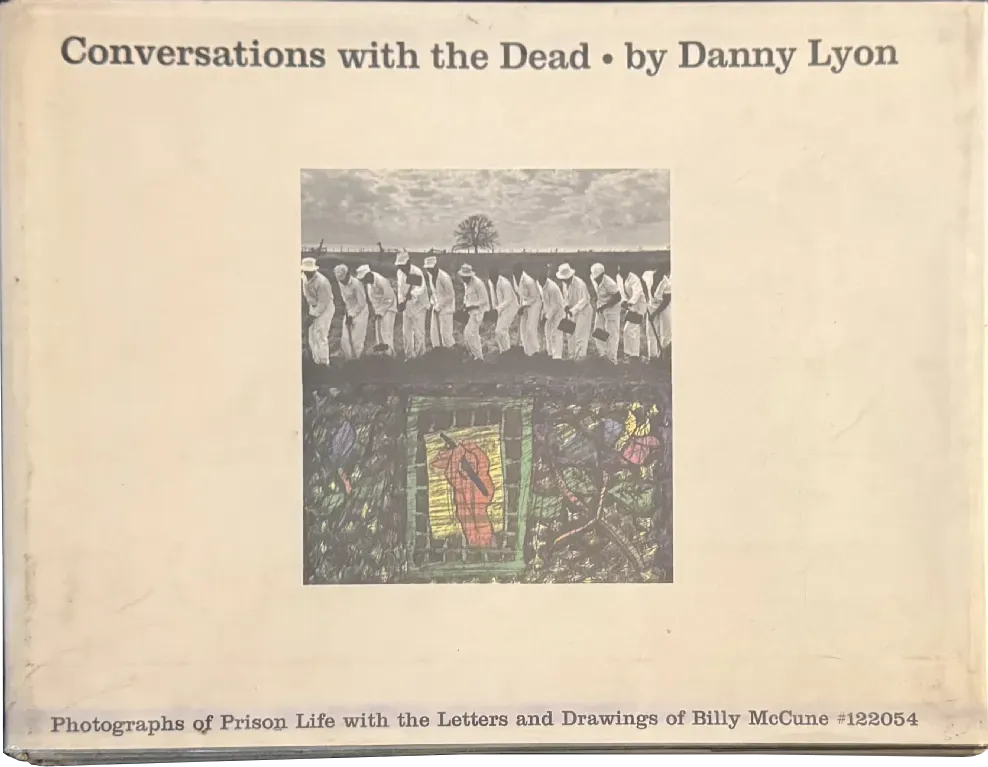
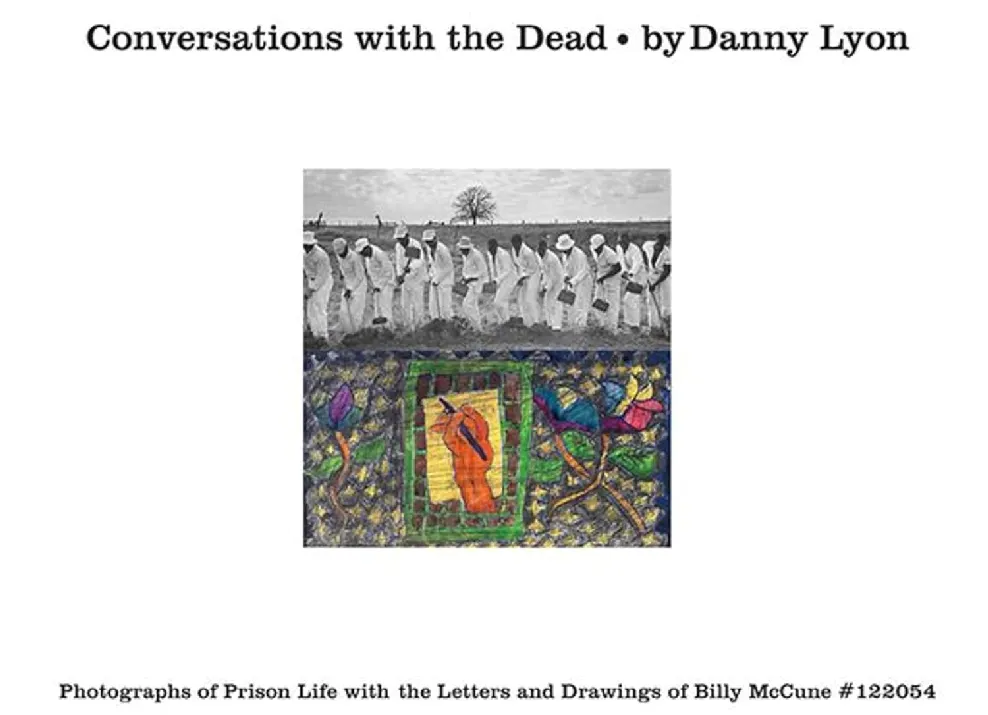
In 1967, Danny Lyon turned his camera toward life in American prisons. Conversations with the Dead reflects fourteen months he spent looking and listening inside six Texas penitentiaries. Free to enter the prisons at any time of day or night, Lyon moved among the prisoners as they functioned in groups, and as they existed in isolation. He photographed men in their cells, in the fields, working, eating, daydreaming - passing so much time. Befriending them, he records the personal testimonies of their lives and the official documents which condemn them to living death. In the course of his unprecedented journey through the Texas prisons, Lyon met Billy McCune. A forty-two, McCune had already served eighteen years of a life sentence. He is a monument to the human spirit : a survivor of wretchedness unbounded ; a victor over despair so great that he castrated himself. Billy McCune's paintings and writings reveal a compassionate consciousness which confounds the "justice" which brands him "criminal."

"I've tried with whatever power I had to make this picture of imprisonment as distressing as it is in reality. The few times I doubted the wisdom of my attitude, I had only to visit someone in his cell to straighten out my mind. I had been warned at the outset not to let the men con me. I am told that I have not seen what these men have done on the outside. That is true. I saw only what was before my eyes. And the material collected here doesn't approach for a moment the feeling you get standing for two minutes in the corridor of Ellis."

Book images
2005
with:
Edition:
2nd
Edition size:
Signed
Out of Print
Other edition(s):
1969
Hardcover with dust jacket
ISBN:
9781597114943
Condition: Near Fine

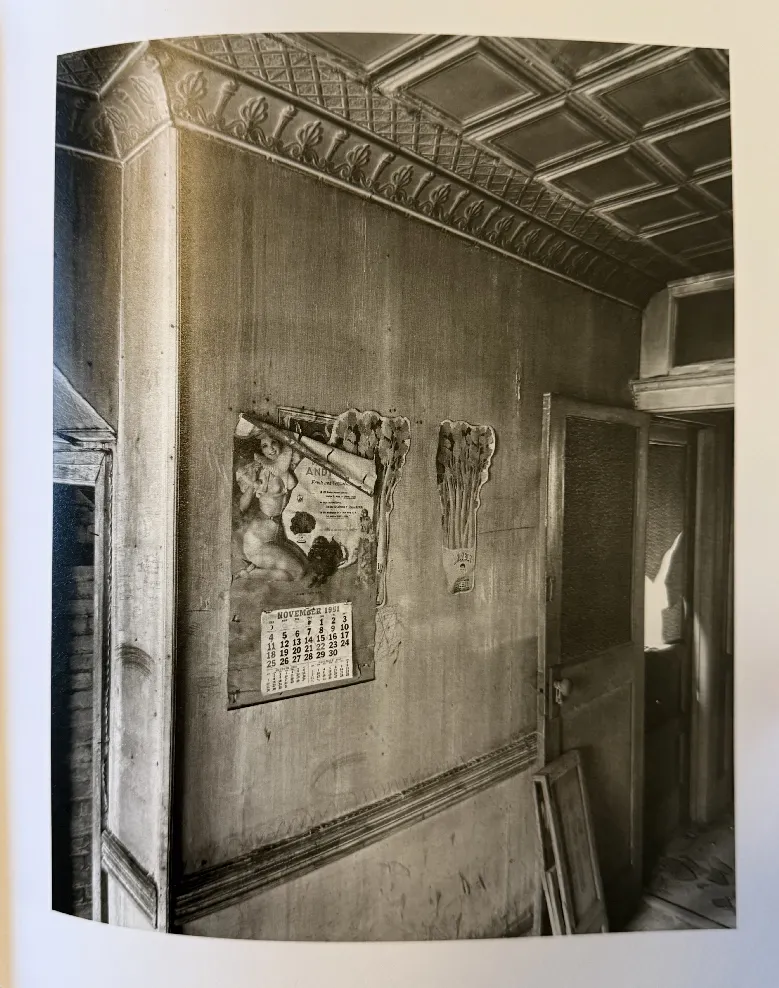
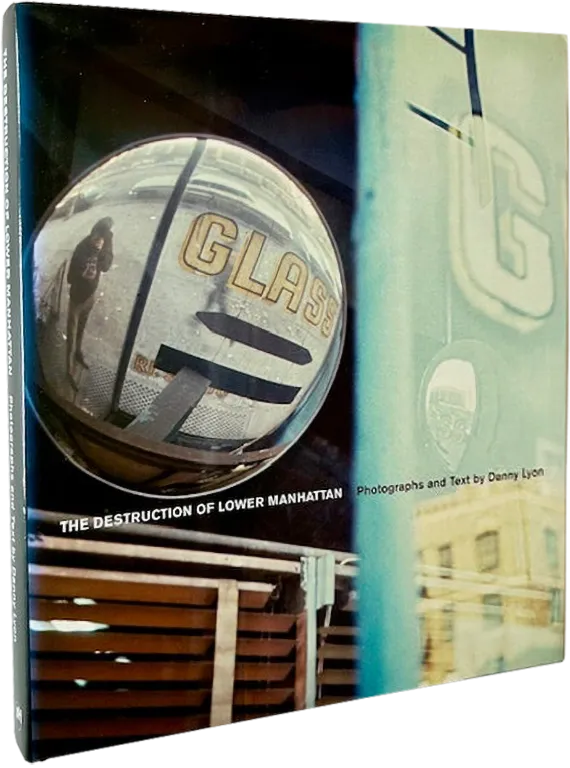
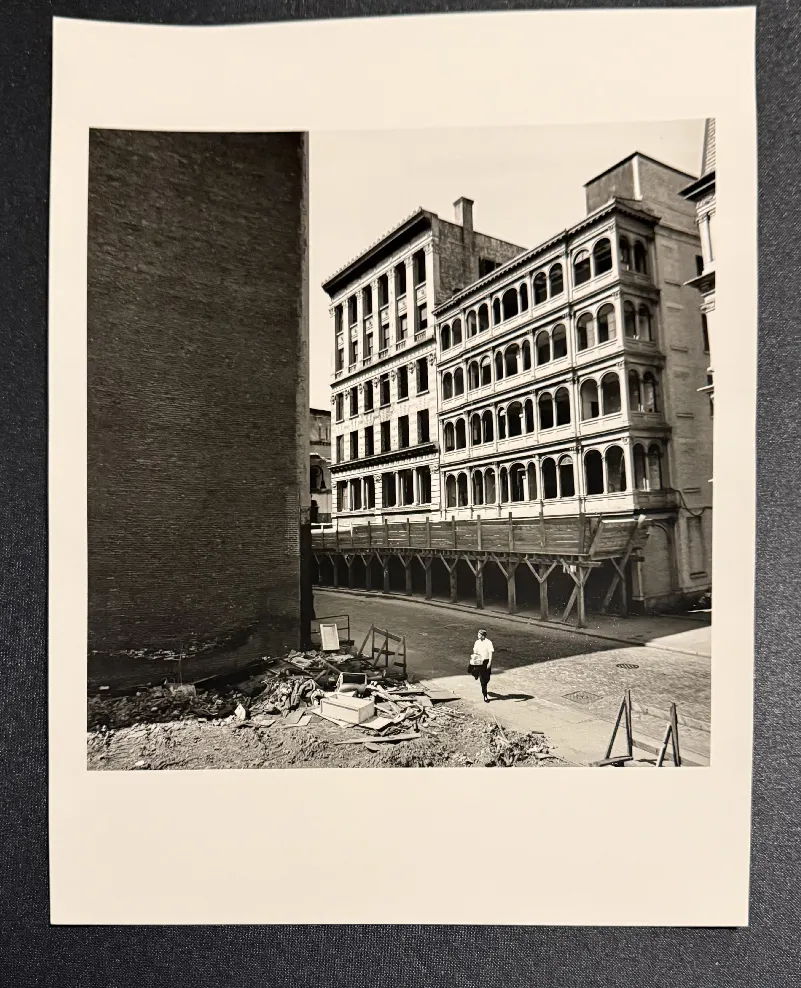
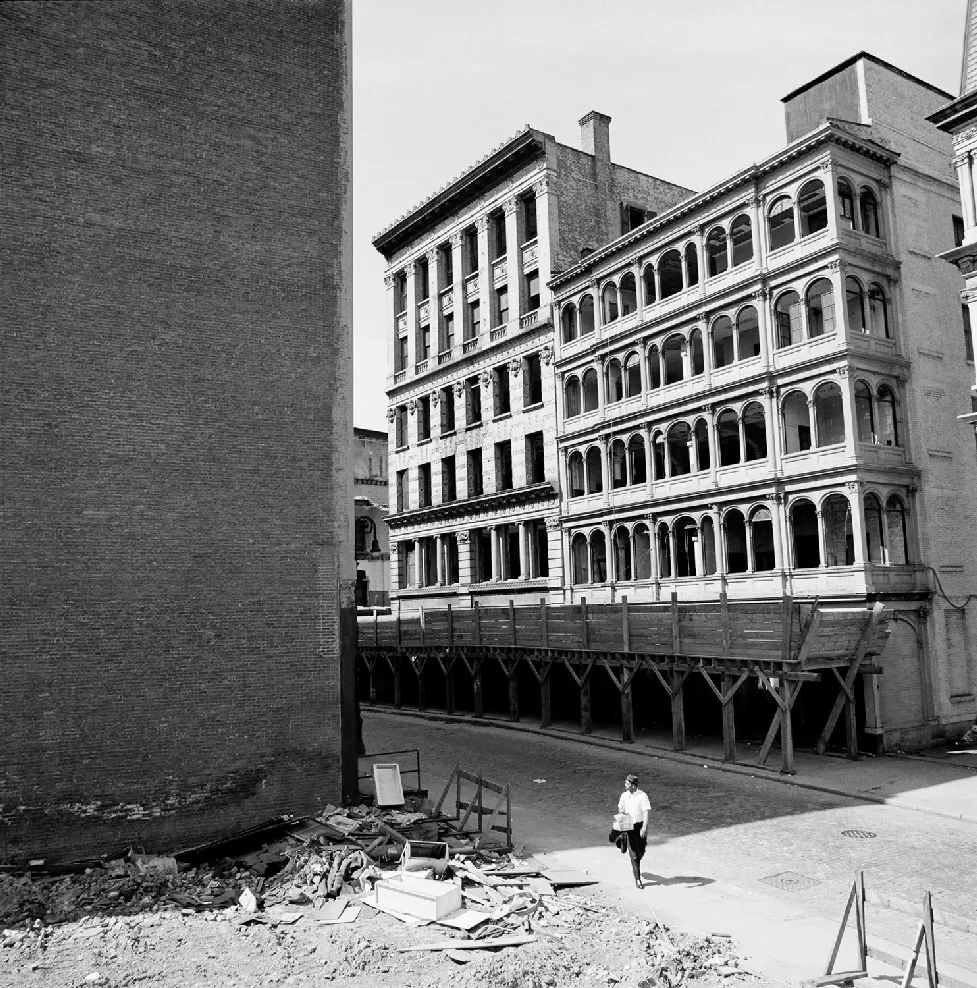
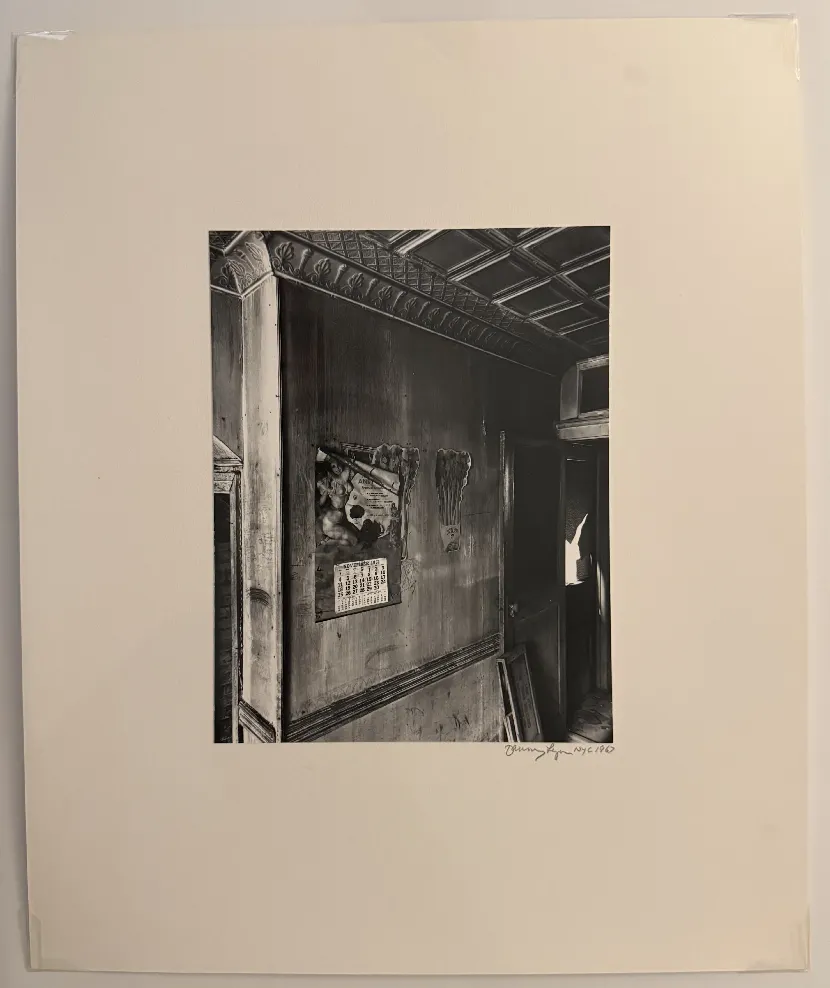
Danny Lyon’s "The Destruction of Lower Manhattan" , initially published in 1969, serves as a visual eulogy, documenting the demolition of 60 acres of historic, nineteenth-century buildings below Canal Street in New York. Through black-and-white photography, the book captures both the abandoned interiors and the destruction process, highlighting the human and architectural cost of urban renewal projects that predated the World Trade Center.
This is the first revised edition of this iconic book.

In 1967, Danny Lyon turned his camera toward life in American prisons. Conversations with the Dead reflects fourteen months he spent looking and listening inside six Texas penitentiaries. Free to enter the prisons at any time of day or night, Lyon moved among the prisoners as they functioned in groups, and as they existed in isolation. He photographed men in their cells, in the fields, working, eating, daydreaming - passing so much time. Befriending them, he records the personal testimonies of their lives and the official documents which condemn them to living death. In the course of his unprecedented journey through the Texas prisons, Lyon met Billy McCune. A forty-two, McCune had already served eighteen years of a life sentence. He is a monument to the human spirit : a survivor of wretchedness unbounded ; a victor over despair so great that he castrated himself. Billy McCune's paintings and writings reveal a compassionate consciousness which confounds the "justice" which brands him "criminal."

"I've tried with whatever power I had to make this picture of imprisonment as distressing as it is in reality. The few times I doubted the wisdom of my attitude, I had only to visit someone in his cell to straighten out my mind. I had been warned at the outset not to let the men con me. I am told that I have not seen what these men have done on the outside. That is true. I saw only what was before my eyes. And the material collected here doesn't approach for a moment the feeling you get standing for two minutes in the corridor of Ellis."

This is the 2015 Phaidon reprint of the 1971 book.

Book images
2022
with:
Edition:
1st
Edition size:
Signed
Out of Print
Other edition(s):
Softcover
ISBN:
9798987401422
Condition: Fine
2010
Out of Print
Signed
Edition:
2nd
Prior edition(s):
1992
Hardcover
Condition: Fine

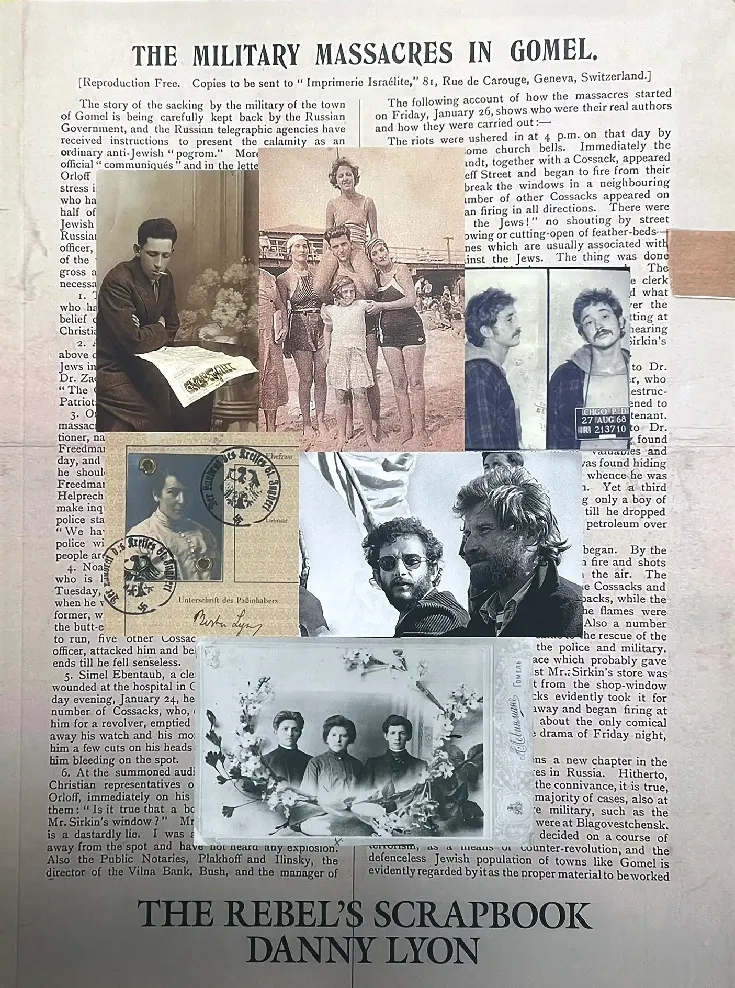
A visual history of rebellion and resistance from the Narodnaya Volya (People’s Will) under Czarist Russia, Jewish immigration from the Pale to America, the Civil Rights Movement, and the 1960’s anti-war movement, all culminating in inspiring thoughts on surviving the present tyranny.The Rebel’s Scrapbook traces a single, interwoven lineage of dissent across more than a century, built out of the Lyon family archive, political ephemera, and Lyon’s photographs. Part memoir, part historical collage, it assembles memory and history into a visual record of revolt and the human impulse to resist tyranny — inherited and carried forward image after image, generation by generation.

Edition:
Open for 7 days
Signed on the print's recto under the image. Not numbered.
Year of work:
1963
Image size:
176 x 121 mm
Print size:
200 x 254 mm
Printed in
2024
Framed size:
Provenance:
Aperture
Archival pigment print
Condition:
Pristine

Open edition for a week from April 19 to 26, 2024

Literature and Collections:

Another impression of this photograph is included in the collection of the MOMA, NY, Object # 412.1992.4.

edition:
Open for 7 days
Sold Out
Signed on the print's recto under the image. Not numbered.
Image size:
176 x 121 mm
Year of work:
1963
Edition:
Uneditioned
Signed and dated on mount below the photograph
Year of work:
1967
Image size:
23.5 x 18 cm
Print size:
43.4 x 35.3 cm mounted
Printed in
Framed size:
Provenance:
Artist, printed later
Gelatin silver print
Condition:
Condition: Very good

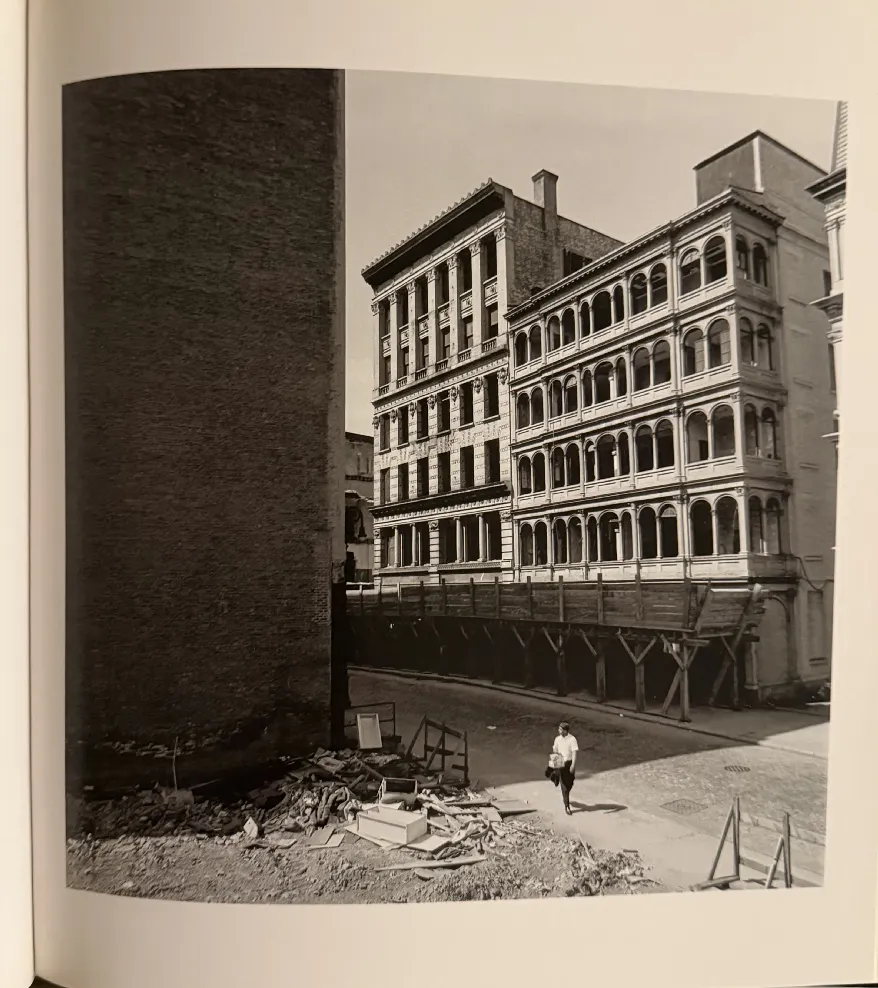
This photograph belongs to Lyon’s seminal series documenting the demolition of Lower Manhattan, a project that featured a haunting sub-series of abandoned interiors. While the work draws clear inspiration from the formal rigor of Eugène Atget and Walker Evans, these doomed spaces also serve as a poignant precursor to the 'anarchitecture' of Gordon Matta-Clark produced in the following decade.

Literature and Collections:

The Desctruction of Lower Manhattan, Plate 52, 2nd edition, 2005, and Plate 49 for the 3rd 2020 facsimile edition.

Another impression of this print is included in the collection of the MFA, Houston, object # 2015.249.69.

Edition:
Open for 7 days
Sold Out
Signed on a sticker affixed on the print's verso.
Year of work:
Image size:
Print size:
15.2 x 15.2 cm
Printed in
Framed size:
Provenance:
Magnum Square Prints
Condition:
Pristine

Open edition limited in time From March 23rd to 29th 2026.

Literature and Collections:
edition:
Open for 7 days
Sold Out
Signed on a sticker affixed on the print's verso.
Image size:
Year of work:
No items found.
No items found.

Danny Lyon, American, b. 1942

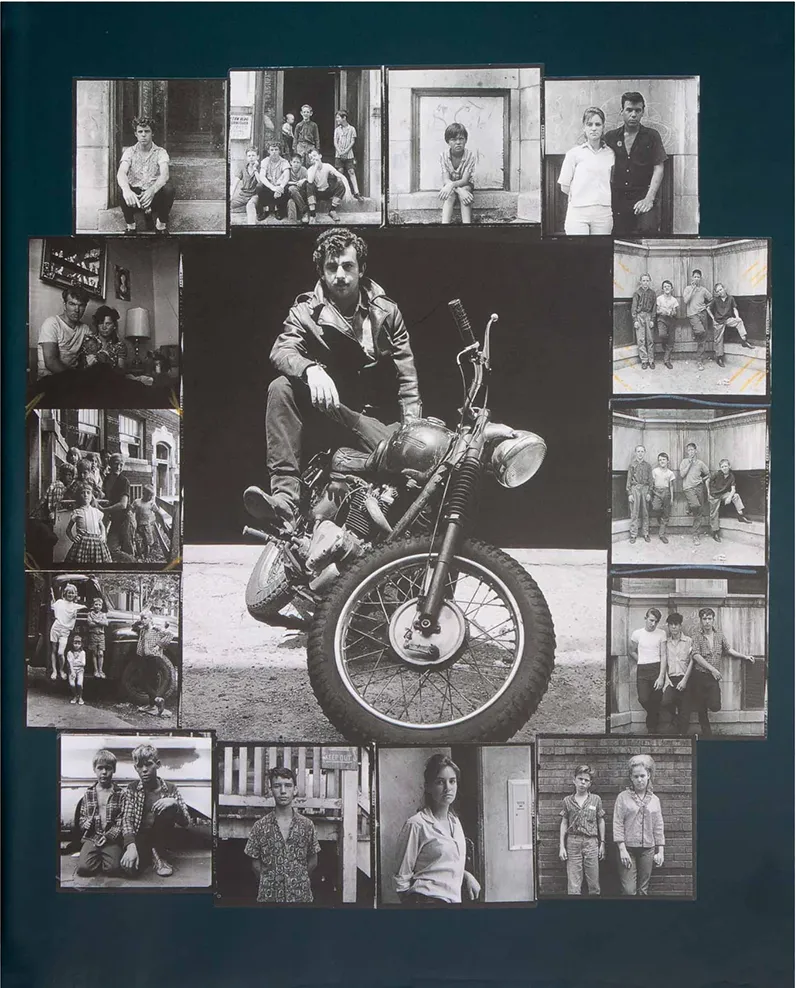
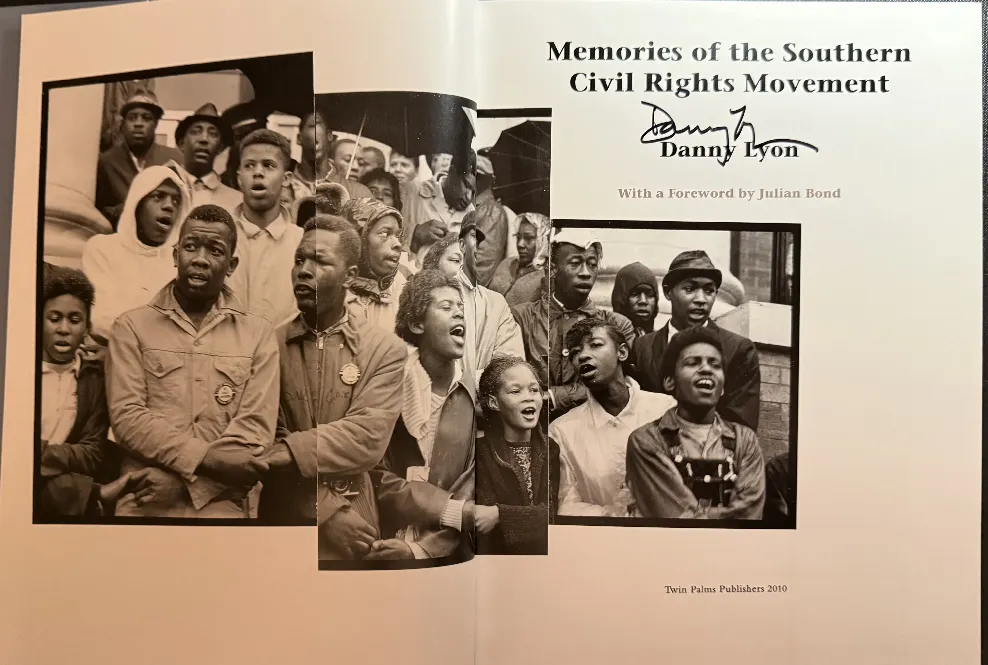
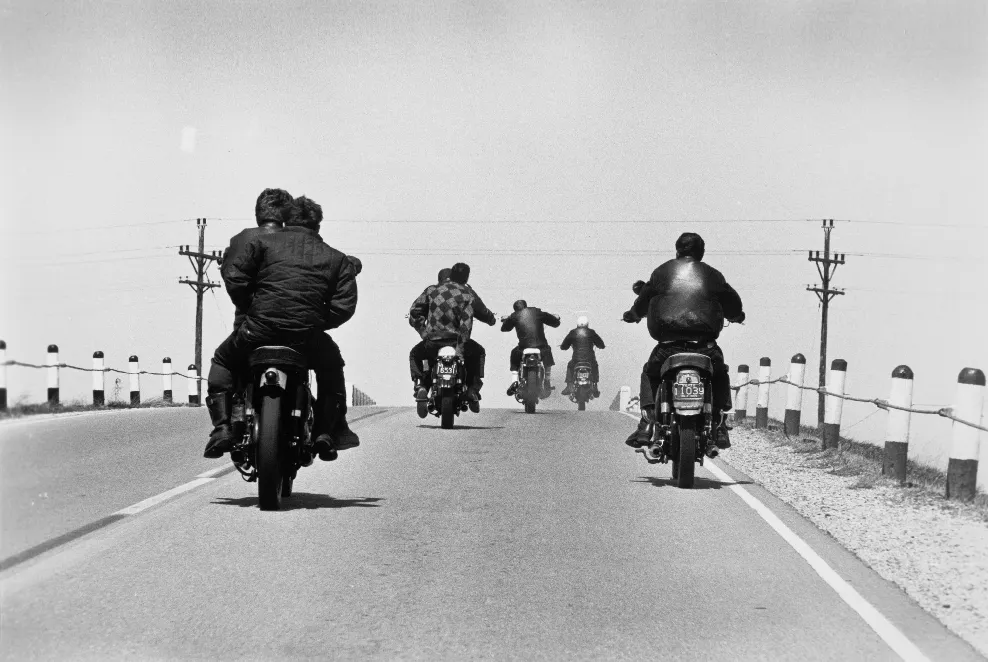
Lyon considers himself a photojournalist, and his work, a brand of advocacy journalism; Lyon devotes his career to documenting the demonstrations of social activism in which he has immersed himself. A self-taught photographer, Lyon was first introduced to the medium as a staff photographer for the Student Nonviolent Coordinating Committee, photographing civil rights demonstrations against segregation in the American South. His other subjects have included the Chicago Outlaw Motorcycle Club (of which he was part for two years), the Texas prison system and the redevelopment of Lower Manhattan. His work was perhaps most strongly influenced by the 1941 publication Let Us Now Praise Famous Men, featuring text by James Agee and photographs by Walker Evans.