


Which art books, prints and posters are available by and about this artist? Here is a sample of items of interest to a typical collector:
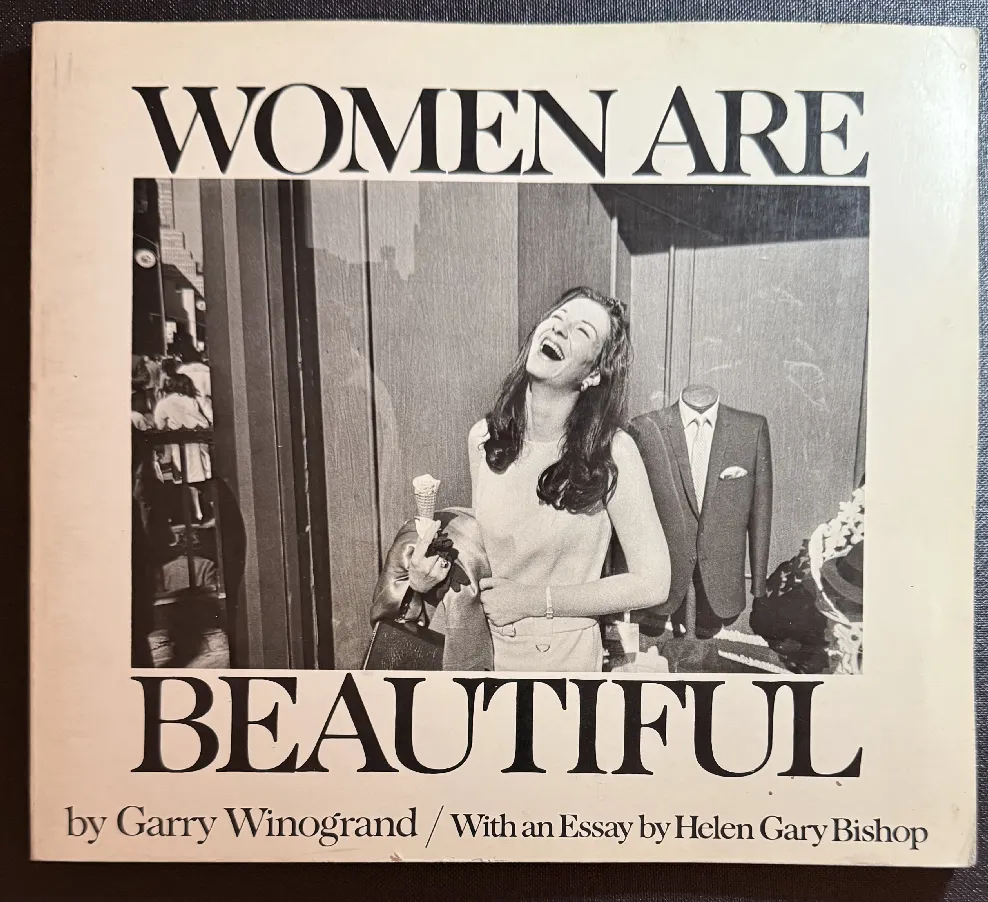
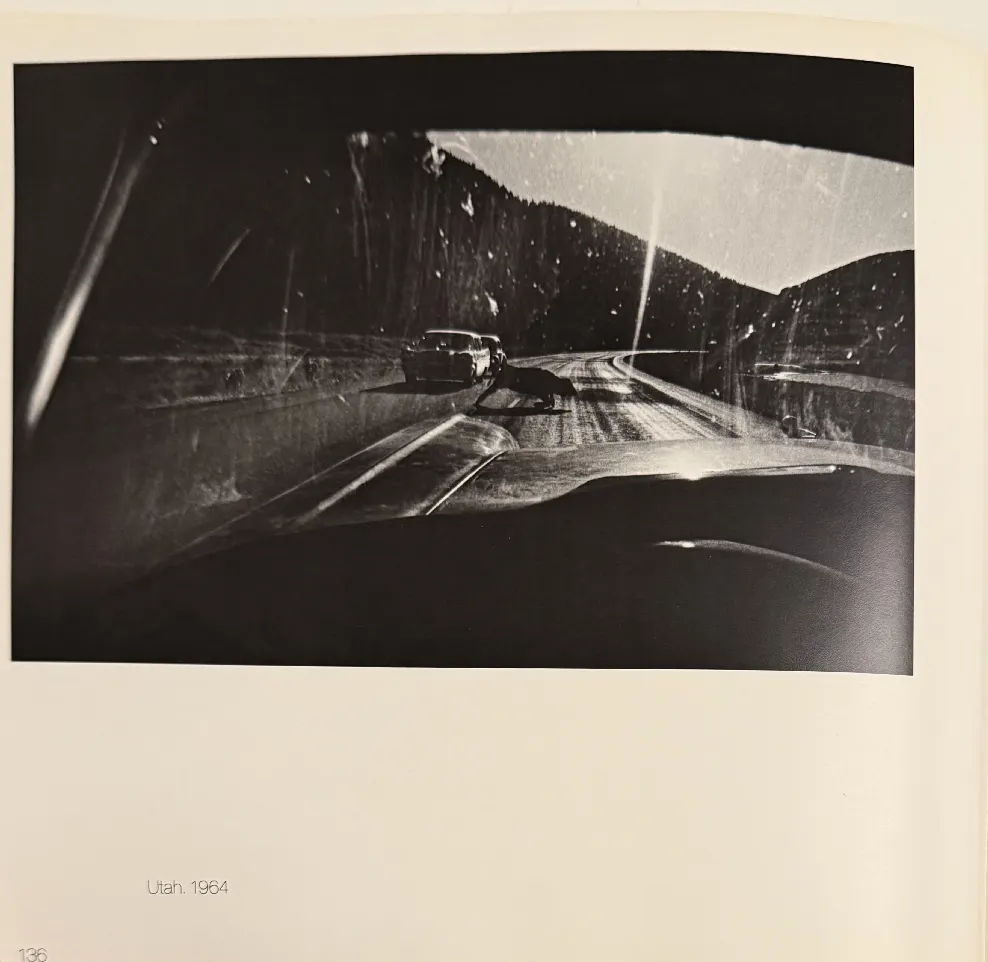
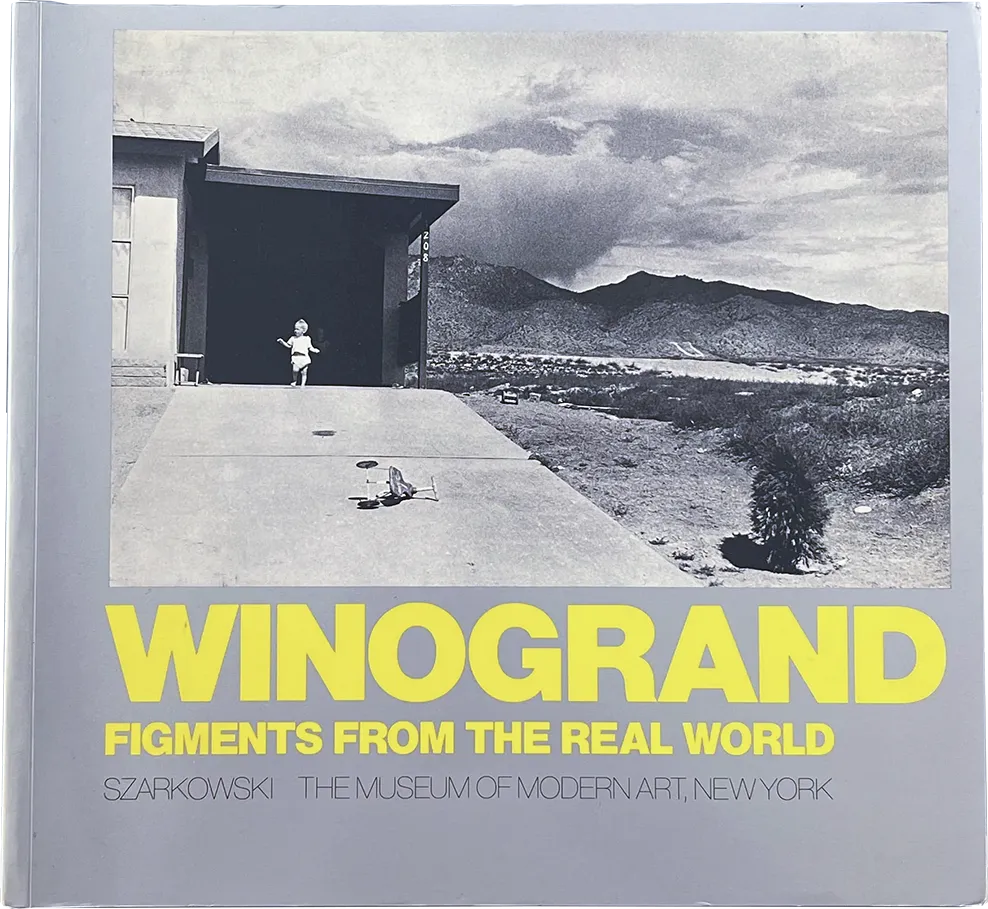

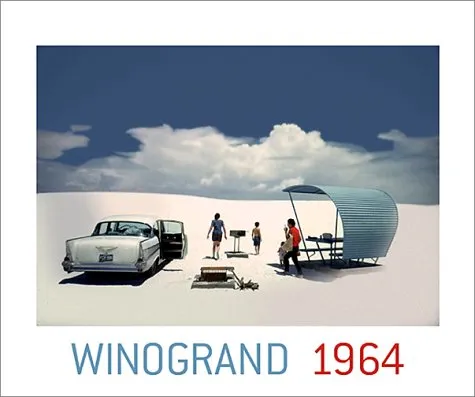

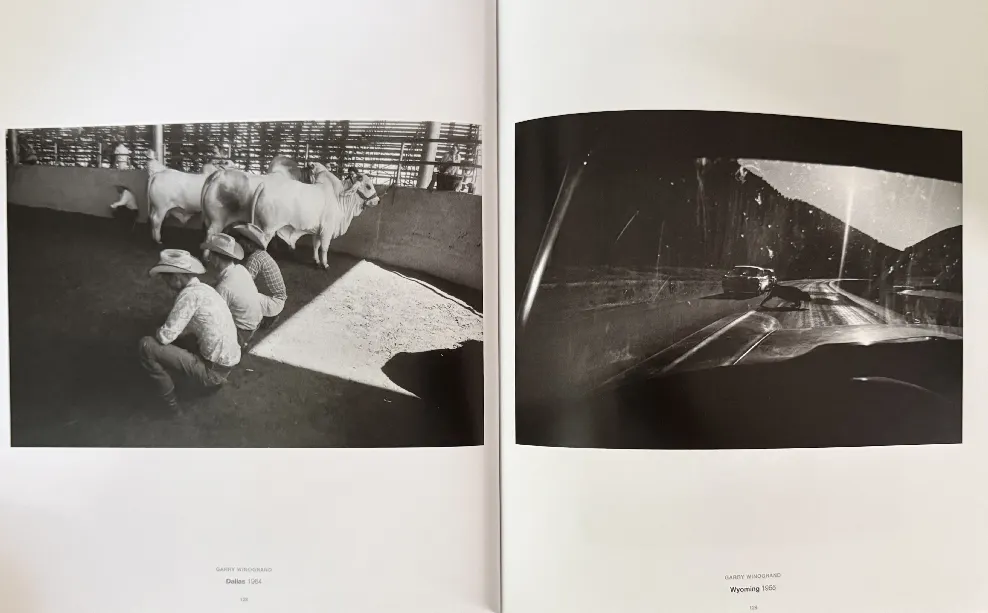
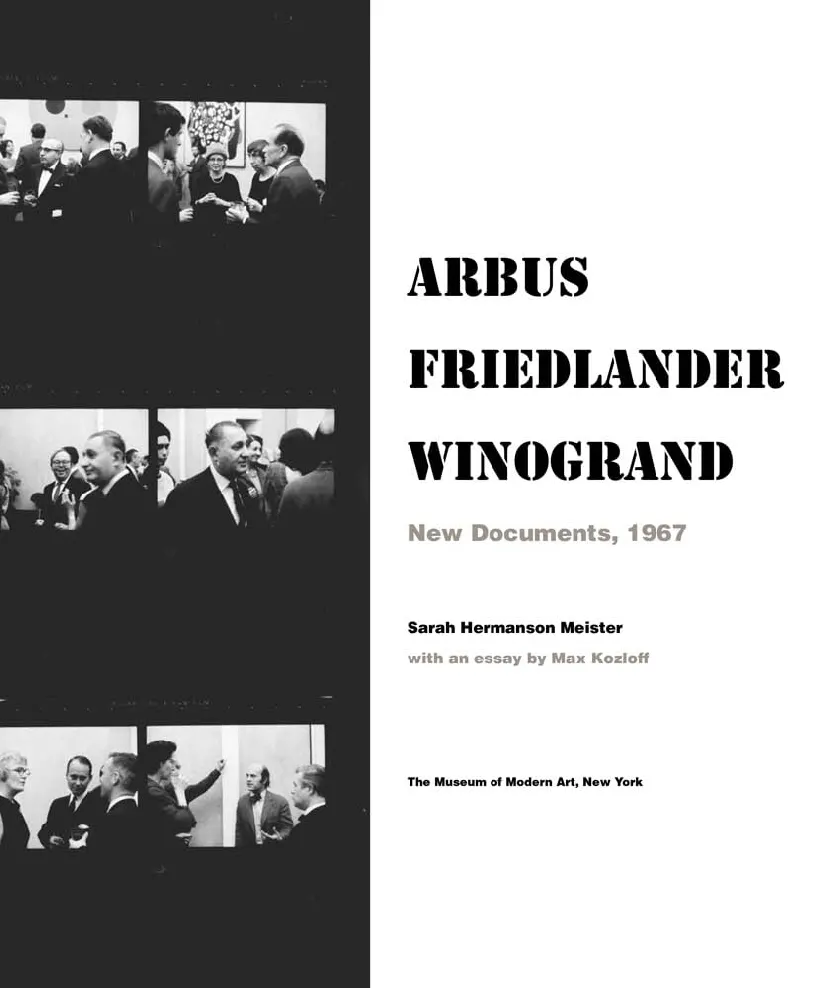
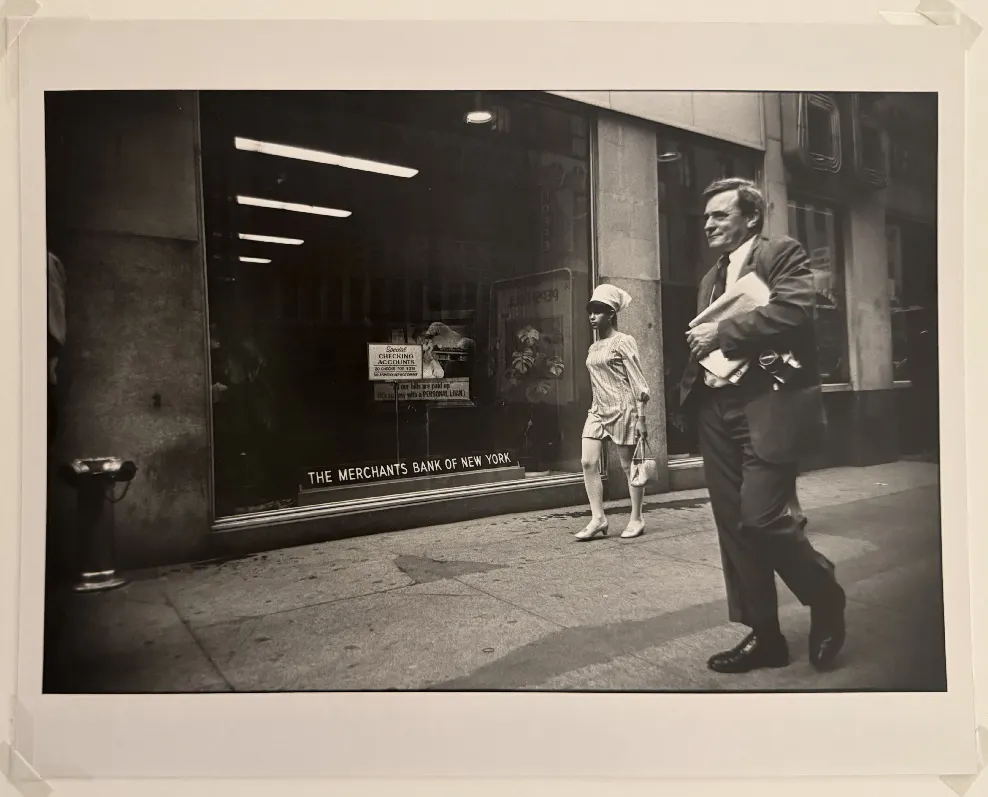
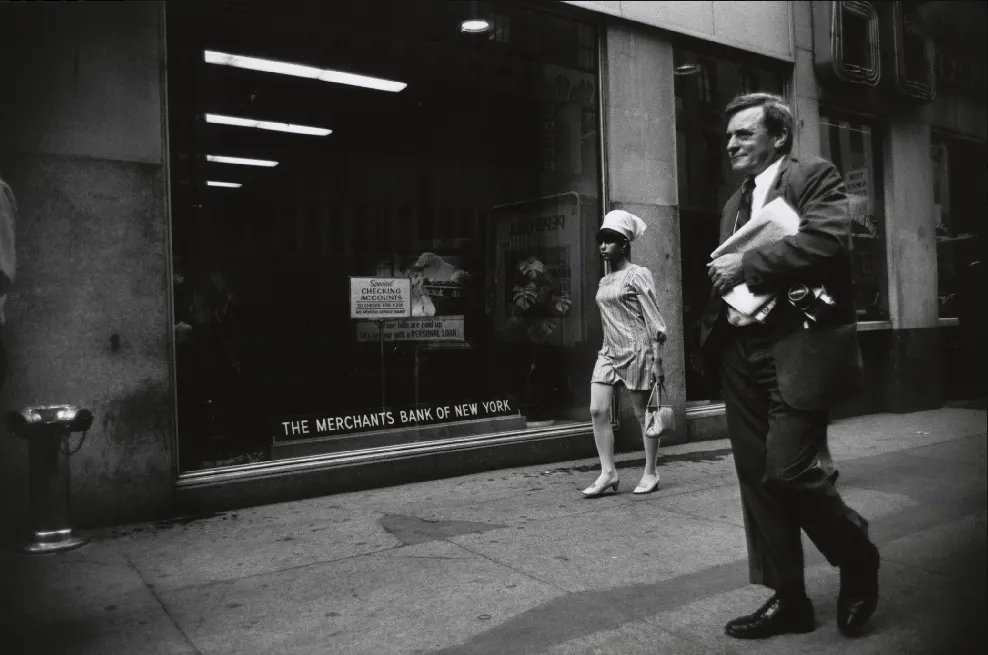
%20Resized.webp)
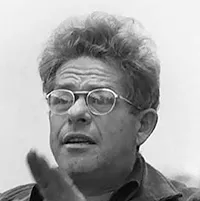
Garry Winogrand, American (1928–1984)
Winogrand was a seminal figure in American photography, often described as the "central photographer of his generation." While frequently labeled a "street photographer," Winogrand famously rejected the term, preferring to describe himself simply as a "still photographer" who was interested in seeing how the world looked when transformed into a two-dimensional image.
Born in the Bronx, Winogrand’s journey into photography began during his service in the U.S. Air Force (1945–1947). Upon his return, he studied painting at Columbia University and photography at the New School for Social Research under the legendary art director Alexey Brodovitch.
In the 1950s and 60s, he supported himself as a freelance photojournalist for major publications like Life, Look, and Sports Illustrated. This era of commercial work sharpened his ability to anticipate human movement and capture unguarded moments, though he would later pivot toward a more personal, less narrative-driven aesthetic.
Winogrand’s mature style, often called the snapshot aesthetic, was characterized by its manic energy and tilted horizons. He used a Leica M4 with a wide-angle lens, allowing him to work in tight quarters and include a dizzying amount of visual information in a single frame.
His philosophy was famously anti-intellectual. He often stated:
"I photograph to find out what something will look like photographed."
He believed that a photograph was not a story or a window into a person’s soul, but a physical fact, a "description" of light and form. This radical focus on the formal qualities of a picture rather than its subject matter made him a hero to modernists and a polarizing figure to those who sought social reform through the lens.
Winogrand’s career was defined by his inclusion in the 1967 "New Documents" exhibition at MoMA, curated by John Szarkowski. Alongside Diane Arbus and Lee Friedlander, he was recognized for moving documentary photography toward a more personal, "unheroic" style.
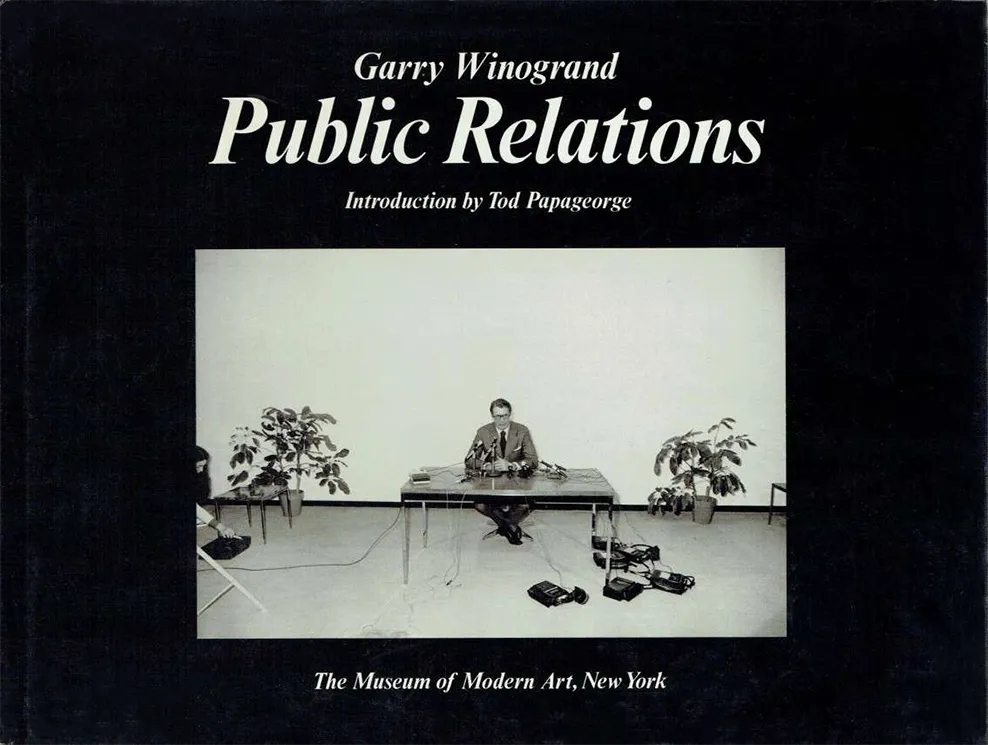
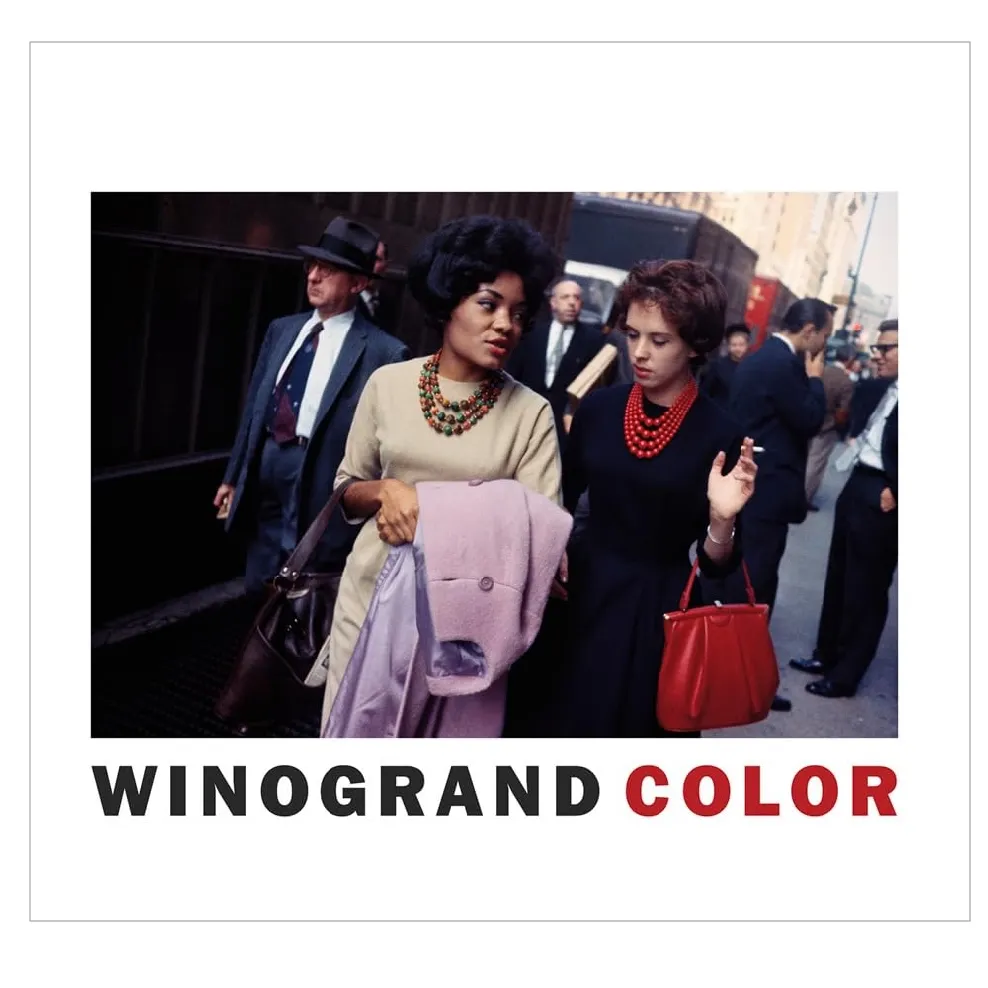
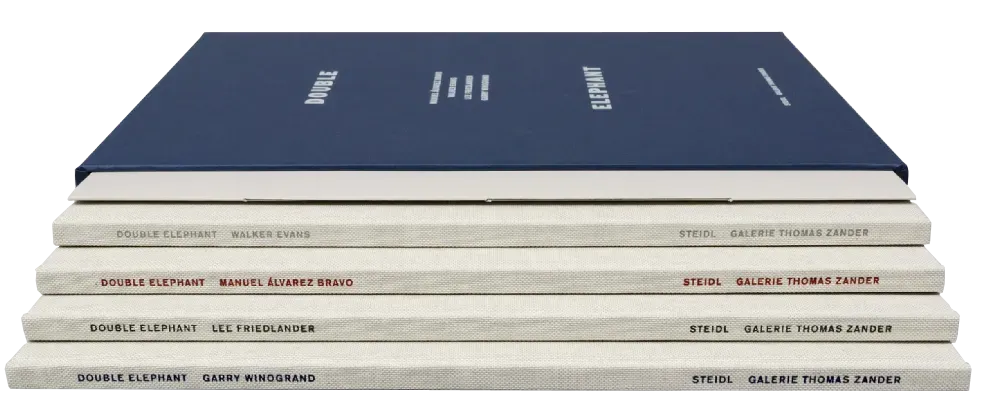
His major published monographs include:
Winogrand was a compulsively prolific shooter. By the time of his sudden death in 1984, he left behind a staggering archive: approximately 2,500 rolls of undeveloped film and over 6,000 rolls that had been processed but never proofed. He seemed increasingly interested in the act of shooting rather than the final product, leaving the task of "editing" his life’s work to future curators.
Today, his archive is held at the Center for Creative Photography in Tucson, Arizona, and he remains the primary influence for anyone who picks up a camera to explore the beautiful, chaotic theatre of the street.


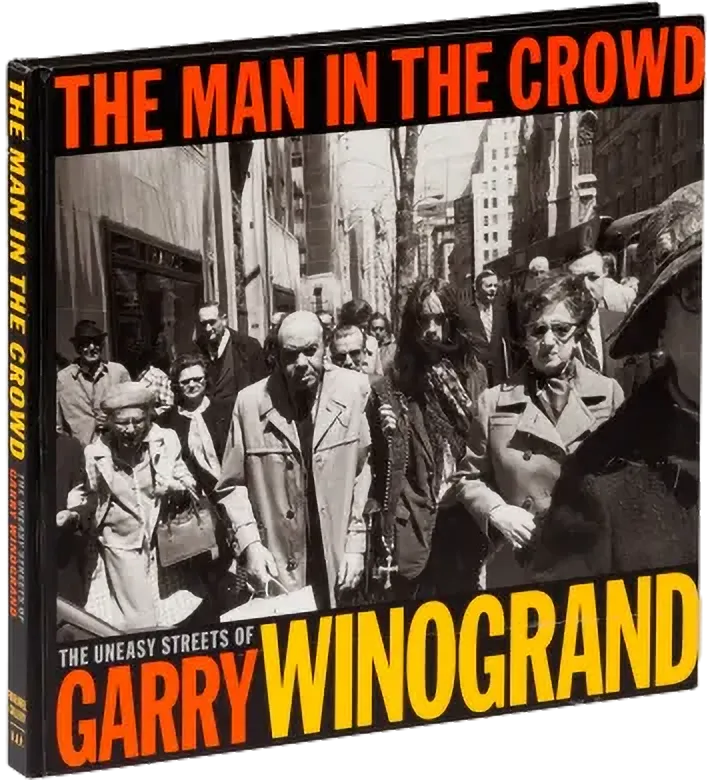
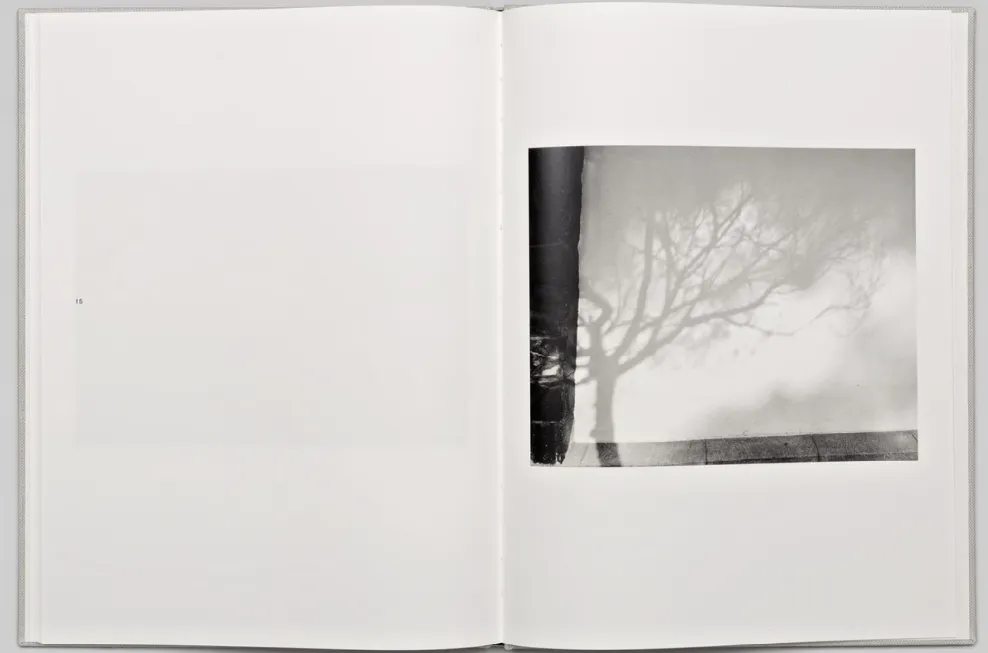
Published in 1999 by the Fraenkel Gallery, this monographis a definitive look at the photographer's foundational work. t stands as the first publication completely dedicated to the street photography that forms the very core of Winogrand's vision .
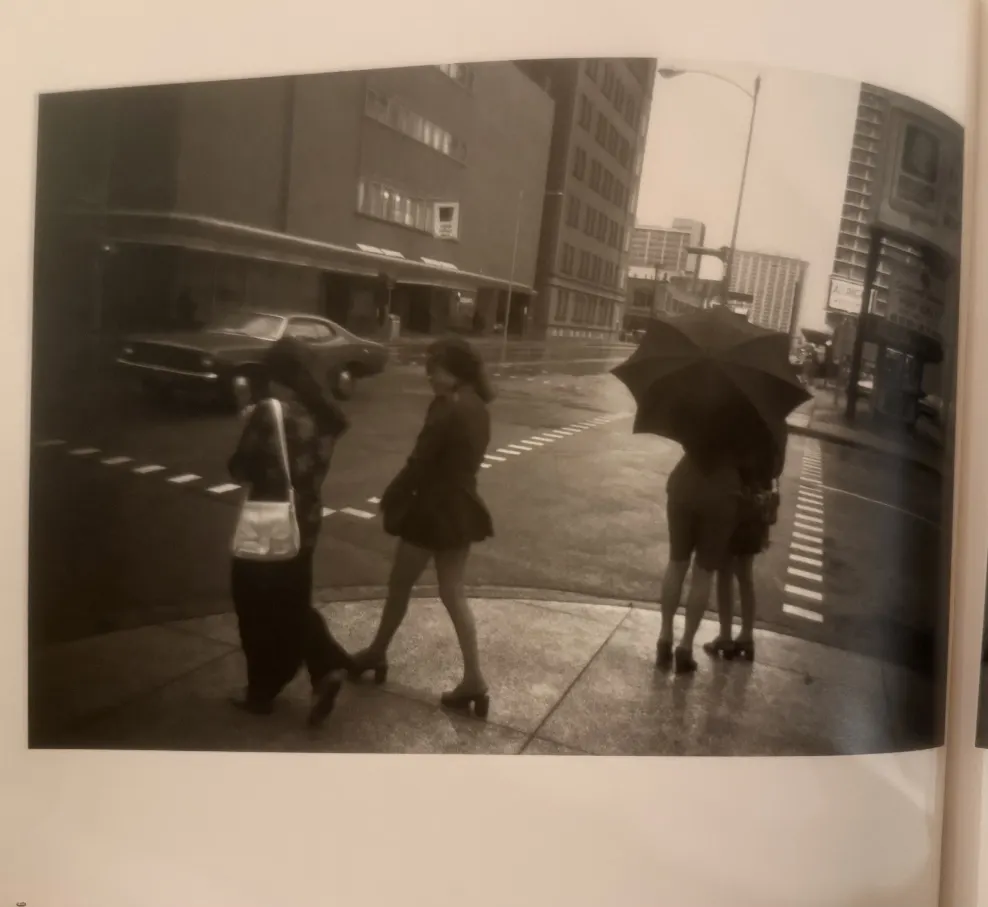
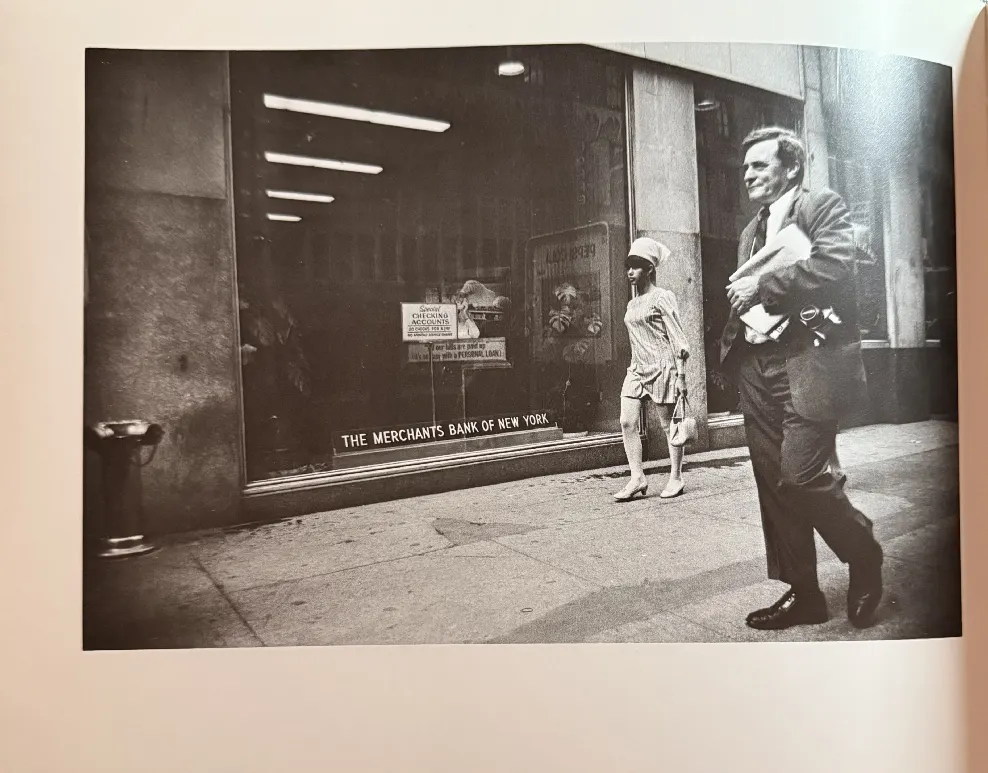
he collection contains 107 duotone plates, notably featuring numerous photographs that had never been printed or published prior to this book's release. The majority of the images serve as a time capsule, capturing the intense, kinetic energy of New York City in the late 1960s and early 1970s.
The book highlights Winogrand's obsession with human behavior, alienation, and the underlying tension of public spaces. A major recurring motif in these particular selections is the complex "joint attention" of the crowd, the intricate web of gazes and reactions passing between passing strangers.
The curated images perfectly encapsulate his distinctive, reactionary style, utilizing wide-angle lenses, tilted horizons, and densely crammed frames that look chaotic at first glance but possess a masterful, subliminal geometric order.