

Which art books, prints and posters are available by and about this artist? Here is a sample of items of interest to a typical collector:

Gasho Yamamura (also known as Masaaki Yamamura), Japanese, (1939–1987)
Yamamura was a renowned and enigmatic figure in post-war Japanese photography. Born in Osaka and raised in Tokyo, Yamamura studied at Nihon University and initially pursued a career as a documentary photographer and photojournalist. One of his notable early projects captured the everyday lives of children living in "Washington Heights" (1959–1962), a U.S. military housing complex in central Tokyo that would later become Yoyogi Park. These early works demonstrated a sharp socio-political awareness and an eye for the cultural intersections of post-war, allied-occupied Japan.
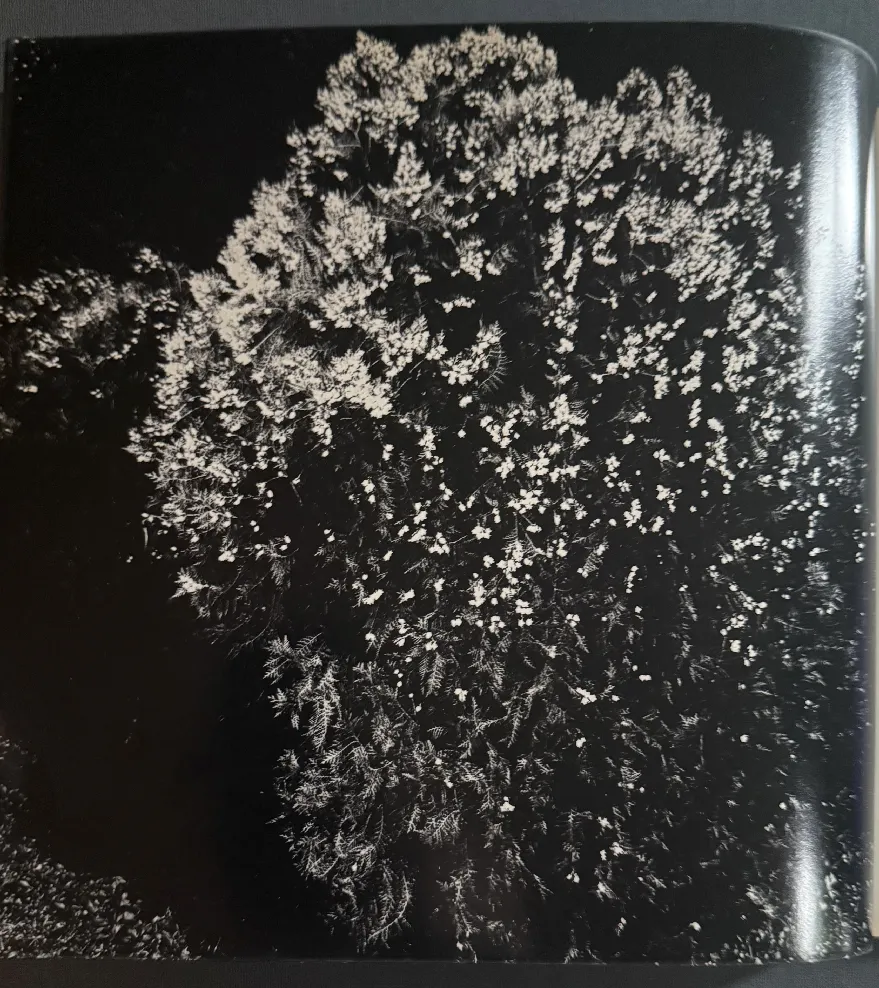
Despite his documentary roots, Yamamura is best remembered for his radical departure into dark, psychological botanical photography. In the 1970s, he broke away from the polite, lyrical aesthetics of traditional Japanese nature photography to produce his magnum opus, To Plants (1976). By utilizing a high-powered daytime strobe flash, he isolated flora against pitch-black voids, stripping the plants of their natural context and giving them a menacing, autonomous vitality. This uncompromising, high-contrast vision earned him the inaugural Ina Nobuo Award in 1976, cementing his reputation as an avant-garde master.
Tragically, Yamamura’s brilliant but brief career was cut short when he took his own life in 1987 at the age of 47. Today, he remains a highly respected and legendary figure among photobook collectors and historians. His rare, self-published volumes and vintage prints serve as vital testaments to a photographer who relentlessly pushed the conceptual and technical boundaries of the medium.


see book page for more details
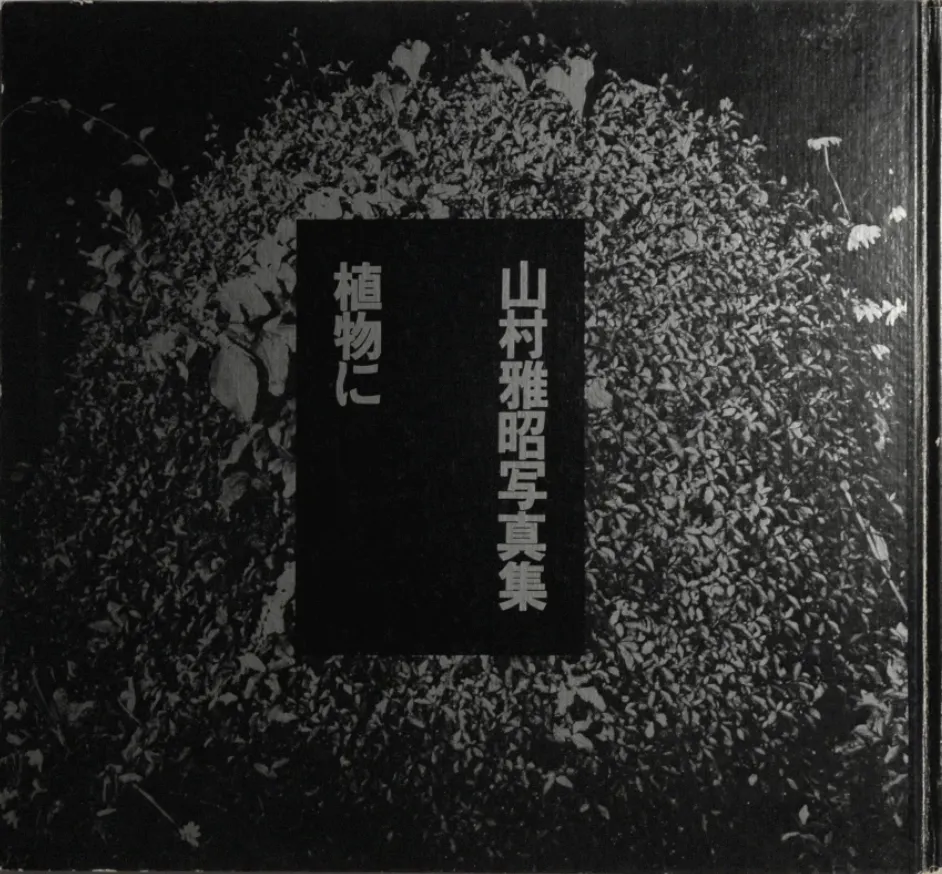
To Plants (1976) is a rare self-published Japanese photobook that radically subverts traditional botanical photography.
Yamamura photographed his subjects during the daytime using a powerful strobe flash. This method artificially plunged the backgrounds into complete darkness, violently isolating the plants against stark, black voids. Stripped of their natural context, the flora takes on a raw, grotesque, and almost alien vitality. Rather than appearing as delicate objects of beauty, the plants seem to possess their own autonomous, aggressive wills, captured in high-contrast monochrome.
The book utilized a newly developed and highly specialized printing technique known as "Fineness Printing" (ファイネス印刷) to achieve extraordinarily deep, rich blacks, which amplifies the dramatic contrast and imposing presence of the subjects.
While Yamamura shared the Provoke photographers' affinity for aggressive, high-contrast monochrome, he completely rejected their kinetic blur and urban focus. Instead of frantic movement, Yamamura applied surgical, static precision. He approached his subjects with a clinical, almost monumental isolation that anchors the eye rather than disorienting it.
Other contemporary photographers like Hosoe and Fukase channeled internal angst through highly staged human performances (Kamaitachi) or deeply melancholic, allegorical animal subjects (Ravens). Yamamura, however, projected this existential weight onto inanimate flora. He managed to extract an aggressive, monstrous vitality from stationary plants, creating a psychological tension that feels entirely autonomous without ever relying on a human protagonist or narrative allegory.
Yamamura's isolation of his subject matter resulted in a photobook that remains a unique masterwork of subversion.
The photobook was self-published in a strictly limited edition of only 600 copies. Yamamura was a highly respected yet tragic figure in the Japanese post-war photography scene who sadly took his own life in 1987 at the age of 47. Today, To Plants stands as his undisputed masterpiece. In spite of its small initial run, it was never reprinted.