


Which art books, prints and posters are available by and about this artist? Here is a sample of items of interest to a typical collector:

Hitoshi Fugo, Japanese b. 1947 (Kanagawa Prefecture)
Fugo is widely recognized for his abstract and contemplative approach to both the mundane and the monumental. After studying photography at Nihon University, he honed his craft as an assistant to the legendary Eikoh Hosoe, a background that likely influenced his deep sensitivity to light, shadow, and texture. Fugo first gained significant international attention with his 1997 series Flying Frying Pan, in which he used the camera to "reinvent" a common kitchen utensil, transforming it into a series of surreal, almost celestial forms through tight framing and dramatic lighting.
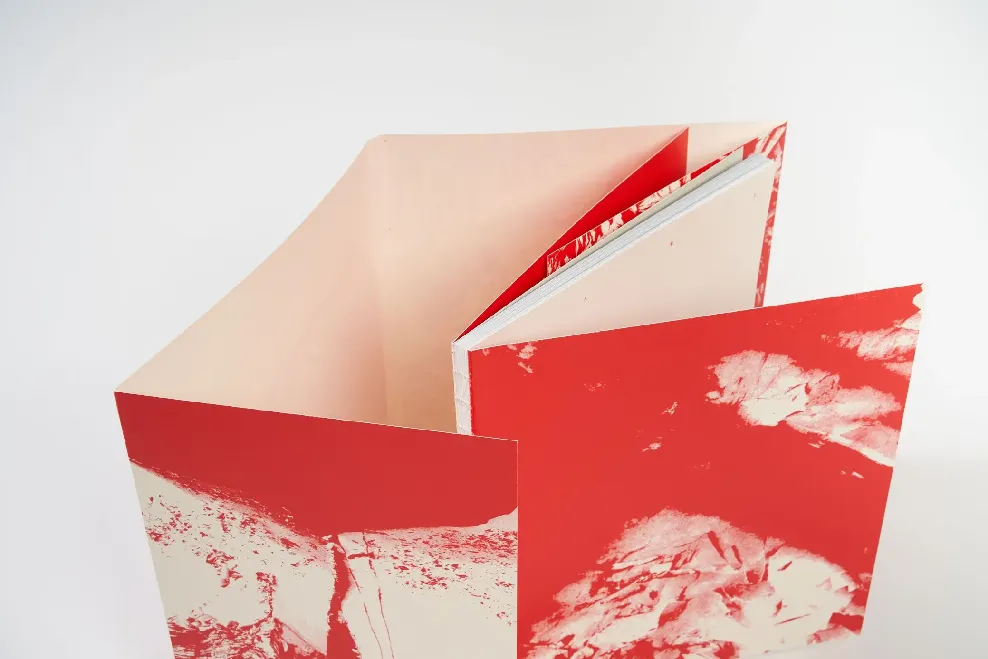
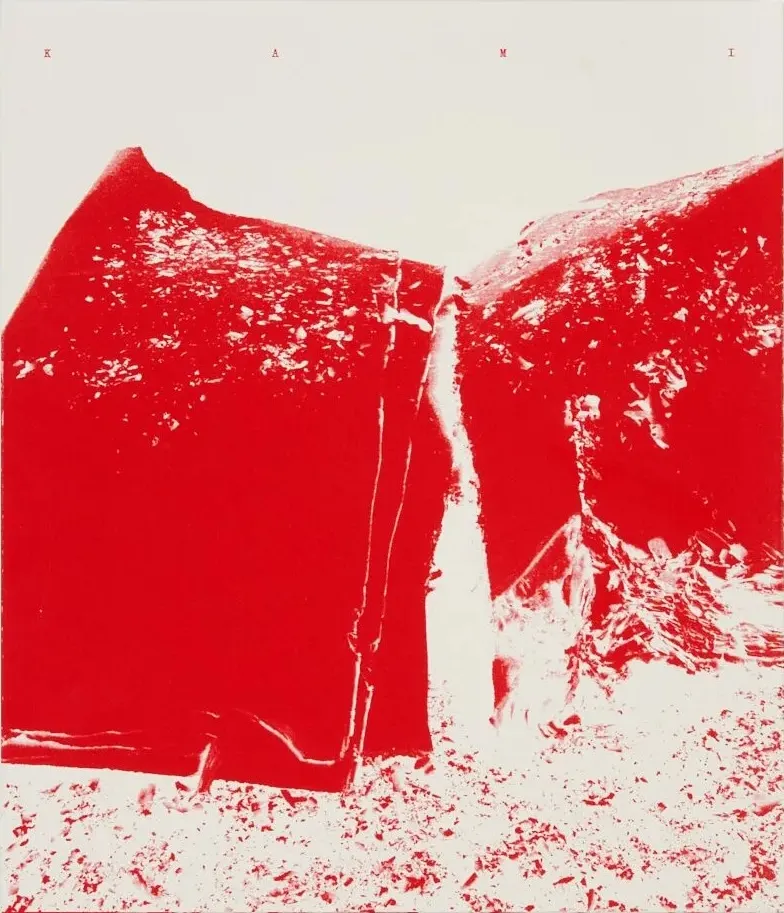
In his more recent work, Fugo has turned his focus toward themes of impermanence and the resilience of matter. His 2025 photobook KAMI, published by L’Artiere, serves as a poetic meditation on destruction and silent transformation. The project bridges two distinct periods: the immediate aftermath of the 1995 Great Hanshin-Awaji Earthquake in Kobe and a more personal study of a charred roll of paper salvaged from a burned factory. The title itself plays on the dual meaning of the Japanese word "kami," which can mean both "paper" and "god," reflecting a spiritual connection to the materials he documents.
Fugo’s style is characterized by a refusal to document devastation in a purely journalistic way; instead, he seeks out an "abstract grace" in what remains. By focusing on fragments and objects stripped bare by nature or fire, he creates imagery that suggests things returning to the soil rather than simply being destroyed. Today, his work is held in permanent collections such as the Tokyo Photographic Art Museum, and he continues to be a vital figure for those interested in the intersection of fine art and documentary photography.
