


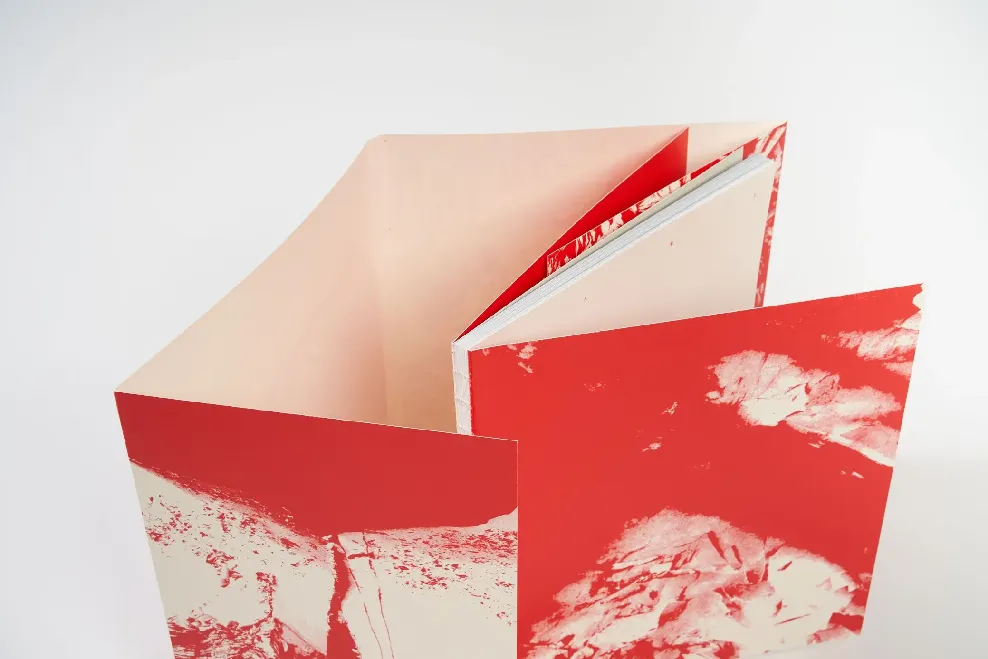
KAMI is a deeply personal and meditative project by Hitoshi Fugo. Conceived across nearly three decades, the work explores the tension between destruction and transformation, between what is lost and what remains.
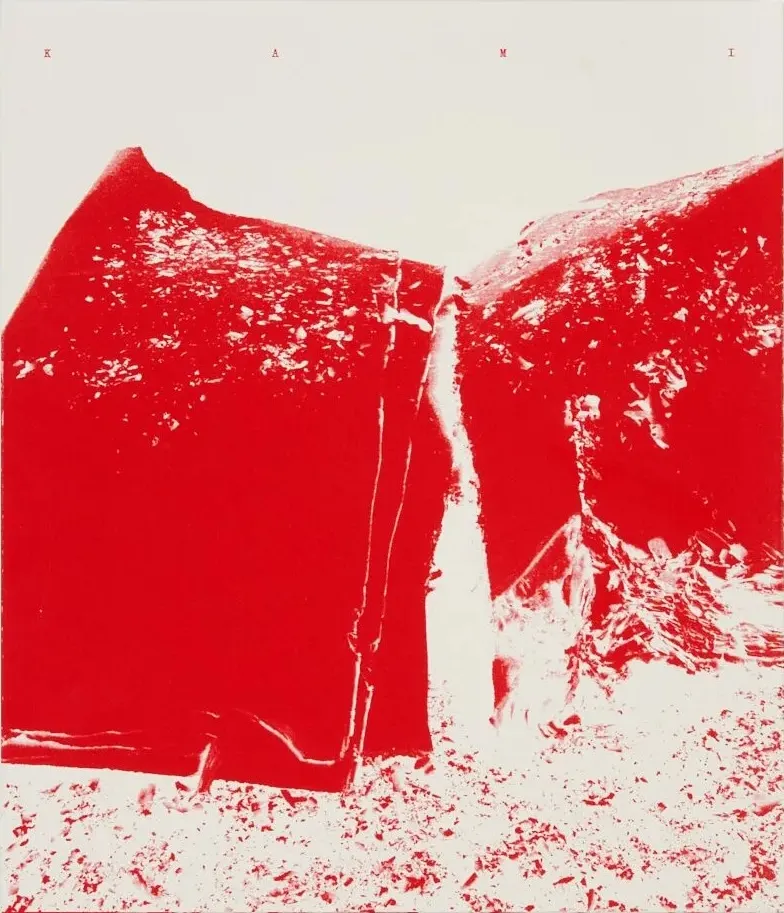
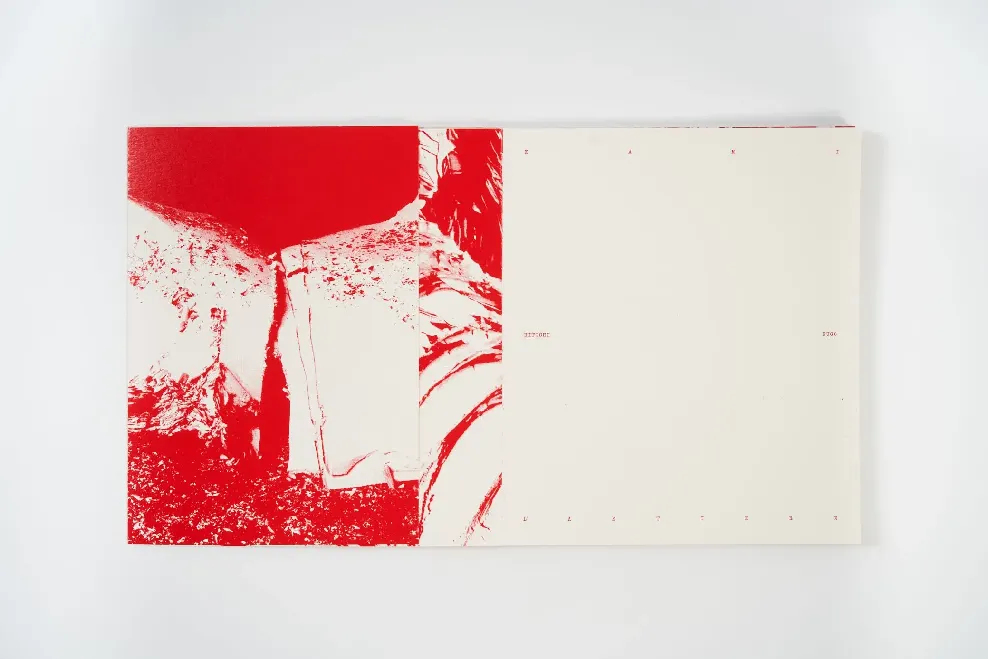
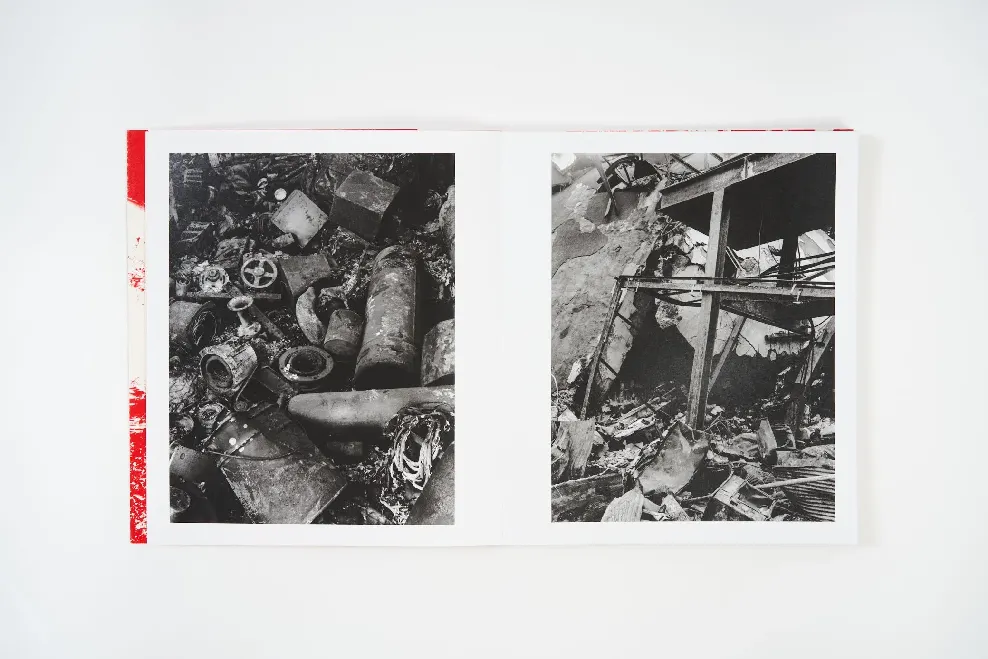
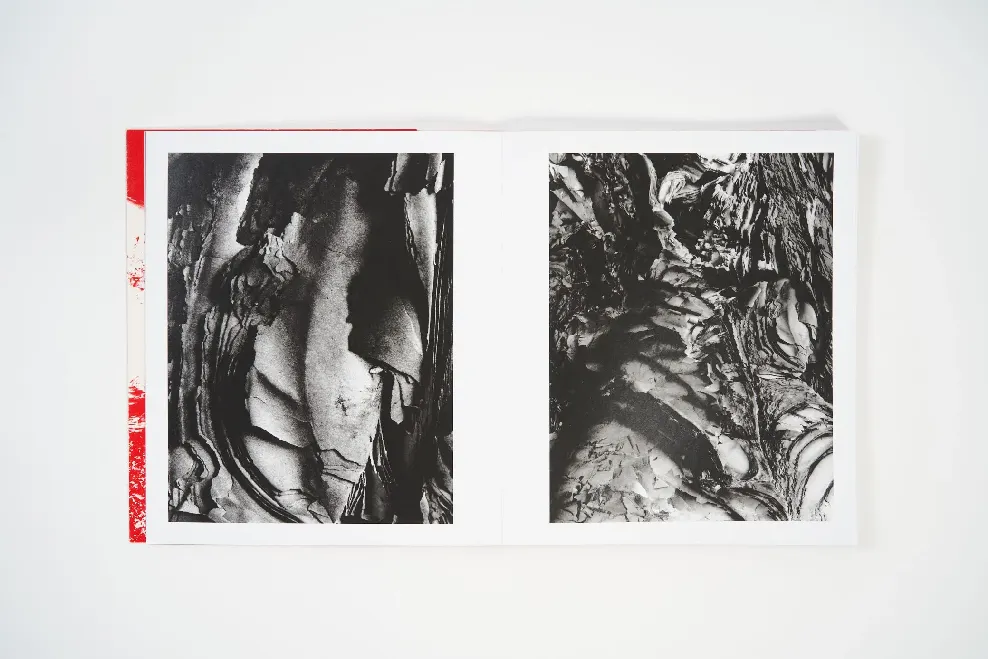
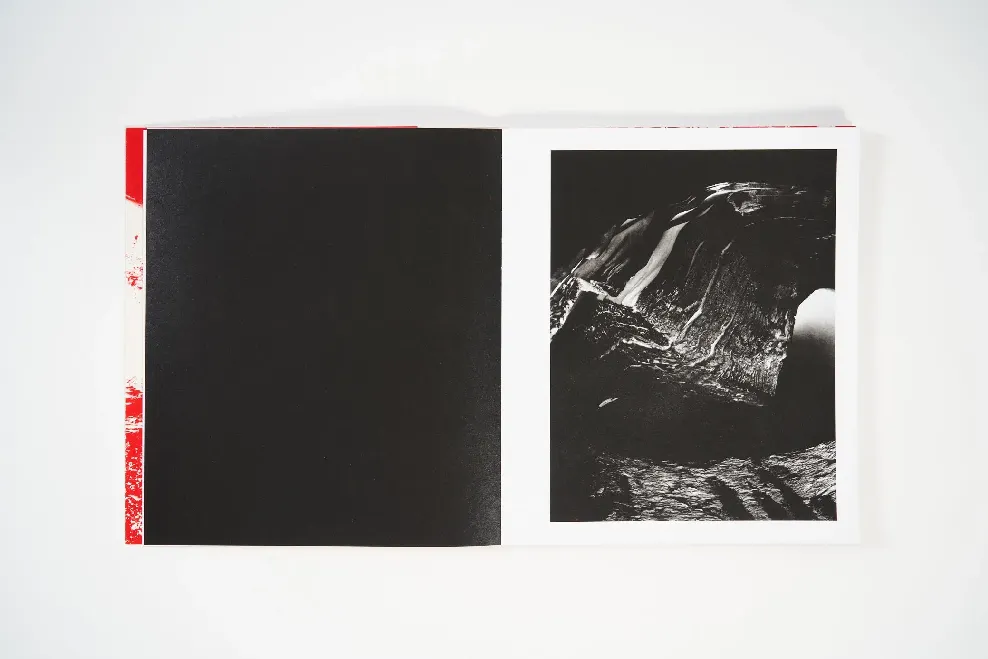
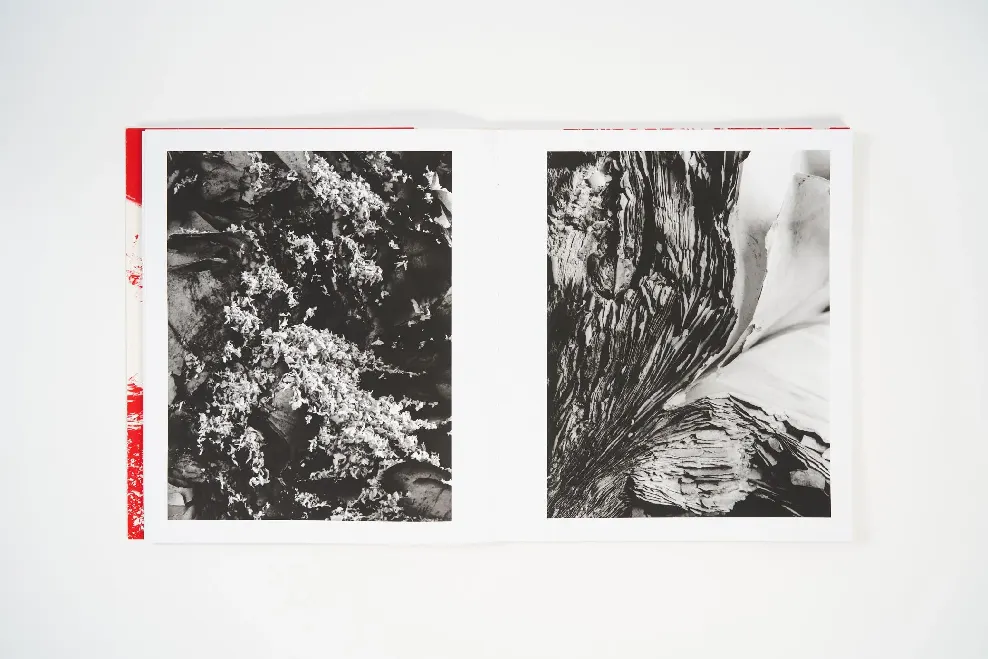
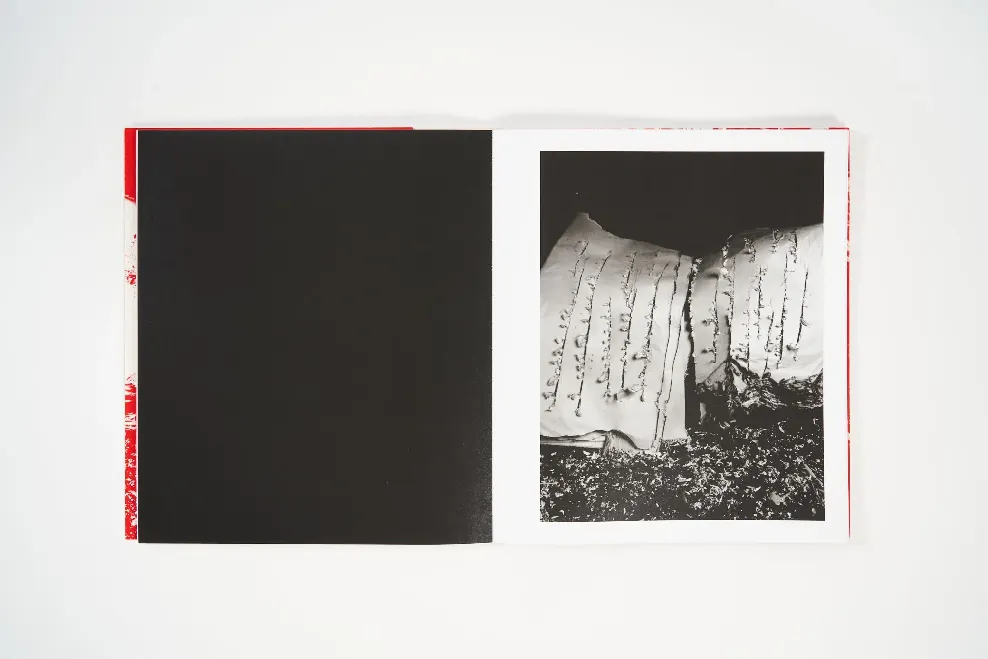
The series juxtaposes two distinct bodies of images: photographs taken in the aftermath of the 1995 Great Hanshin Earthquake in Kobe, and close studies of a partially burned industrial paper roll that Fugo found outside a fire-ravaged printing factory in Tokyo. In both, he searches for unexpected beauty in the ruins, forms that have been stripped of their function, worn by time or trauma, yet still resonate with presence.
The Japanese word "kami"means both "god"and "paper"and this ambiguity forms the philosophical core of the work. In the face of natural disaster and human-made destruction, KAMI reflects on the fragility of matter, the absence of divinity, and the possibility of poetic reconstruction through photographic seeing.
Fugo's images neither document nor narrate in a conventional sense. Instead, they gesture toward something more elusive: the spiritual residue of things broken, burned, or left behind. KAMI invites us to contemplate what remains once the essential has been undone.

KAMI is a deeply personal and meditative project by Hitoshi Fugo. Conceived across nearly three decades, the work explores the tension between destruction and transformation, between what is lost and what remains.
The series juxtaposes two distinct bodies of images: photographs taken in the aftermath of the 1995 Great Hanshin Earthquake in Kobe, and close studies of a partially burned industrial paper roll that Fugo found outside a fire-ravaged printing factory in Tokyo. In both, he searches for unexpected beauty in the ruins, forms that have been stripped of their function, worn by time or trauma, yet still resonate with presence.
The Japanese word "kami"means both "god"and "paper"and this ambiguity forms the philosophical core of the work. In the face of natural disaster and human-made destruction, KAMI reflects on the fragility of matter, the absence of divinity, and the possibility of poetic reconstruction through photographic seeing.
Fugo's images neither document nor narrate in a conventional sense. Instead, they gesture toward something more elusive: the spiritual residue of things broken, burned, or left behind. KAMI invites us to contemplate what remains once the essential has been undone.