
Copyright ©
Emil-Otto Hoppé
or applicable right holders.


Which art books, prints and posters are available by and about this artist? Here is a sample of items of interest to a typical collector:
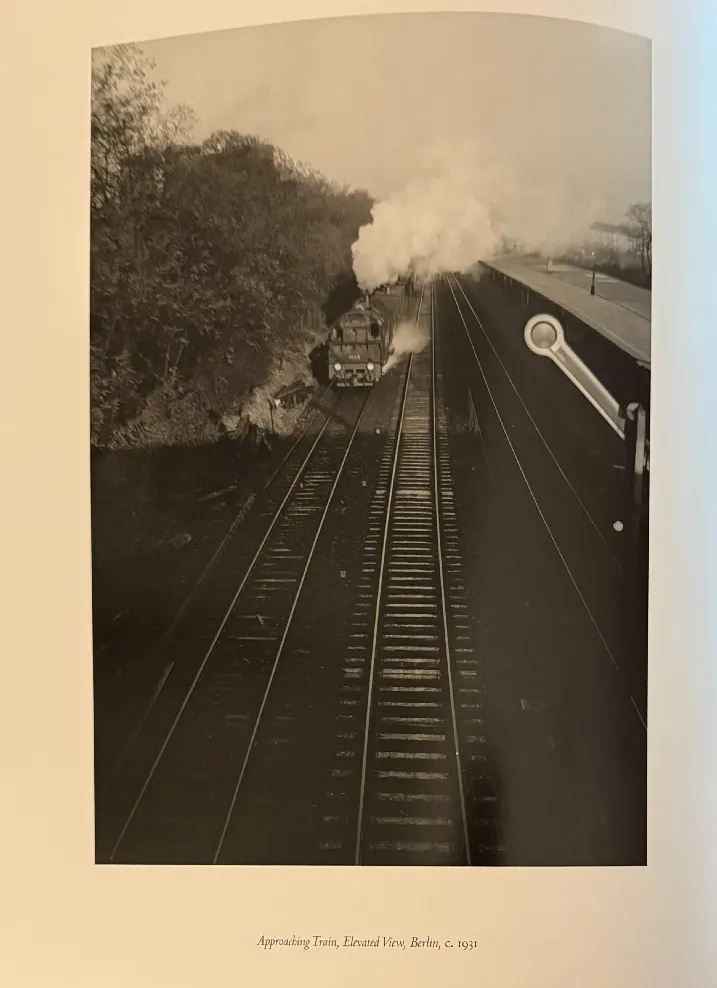

Emil Otto Hoppé, German-born, British (1878–1972)
Hoppé was a portrait, travel, and topographic photographer whose career spanned from 1907 to 1945. Originally destined for a banking career, he abandoned finance to become one of the most prominent and influential photographic artists of the Edwardian era and beyond.
Born into a wealthy family in Munich, Hoppé received an education in Paris and Vienna before moving to London in 1900 to work in finance for Deutsche Bank. A camera gifted by a friend sparked a lifelong passion for photography, prompting him to join the Royal Photographic Society and eventually open his own portrait studio in 1907. He rapidly established himself as a leader in pictorial portraiture and became a naturalized British citizen in 1911.
Hoppé achieved extraordinary fame as a portraitist, photographing a staggering array of leading 20th-century figures. His subjects included Albert Einstein, George Bernard Shaw, Virginia Woolf, T.S. Eliot, and members of the British Royal Family. His iconic 1911 series capturing dancers of the Ballets Russes cemented his reputation for dynamic, character-driven portraits. Photo-historian Bill Jay notably declared that Hoppé was "the most famous photographer in the world in the 1920s," enjoying a level of celebrity among the general public that rivaled his own sitters.
Starting around 1919, Hoppé expanded his focus, traveling extensively to document landscapes, industrial sites, and cultures worldwide. His global survey spanned the Americas, Australia, India, and across Europe. He was the first to conduct a comprehensive photographic survey of the United States and produced a sweeping modernist record of the Indian subcontinent in 1929. In London, he utilized a concealed camera hidden in a paper bag to candidly capture street types, maids, and vendors. He published his work in over two dozen books, including The Book of Fair Women (1922) and London Types (1926).
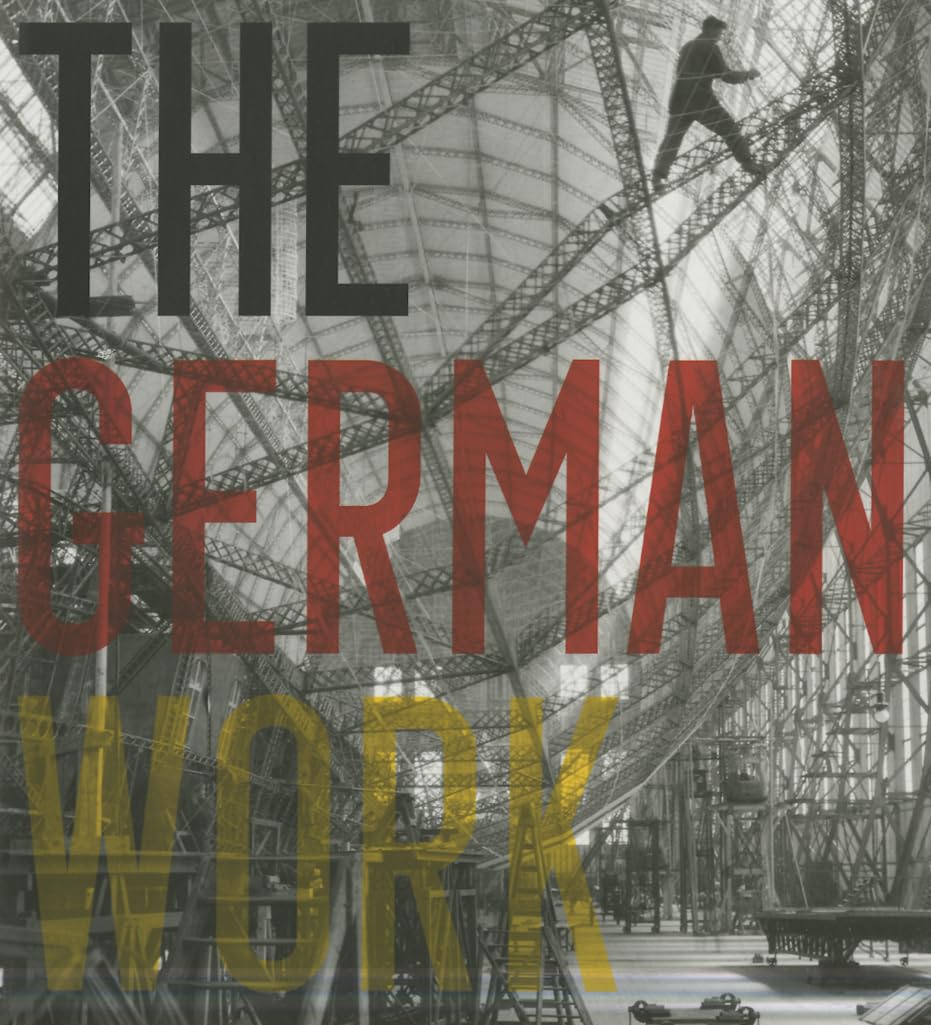
In 1930, Hoppé published Deutsche Arbeit (German Work), a seminal photobook that marked a distinct shift from his celebrated portraiture. Turning his lens toward the industrial landscape of the Weimar Republic, he documented factories, machinery, and the labor force with a sharp, objective eye. By employing early modernist techniques of typology and seriality, Hoppé captured the monumental scale of modern industry. Today, the volume is highly respected as a vital precursor to later objective photography movements and remains one of his most critically significant contributions to the photobook medium.
In 1954, Hoppé sold his archive of five decades of work to a commercial picture library, the Mansell Collection. Because the library filed his images by subject rather than by his name, his profound legacy was accidentally obscured from photographic history for decades. It wasn't until 1994 that a curator retrieved his body of work and reunited it with his family archive. Today, E.O. Hoppé is rightfully celebrated as a pioneer of modern photography, with his work showcased in major museum exhibitions globally.

see book page for more details
Between 1925 and 1938, German-born, London-based photographer E.O. Hoppé (1878-1972) traveled the length and breadth of Germany, recording its people and places at one of the most tumultuous times in the country's history.
Hoppé photographed movie stars and captains of industry, workers and peasants, and captured the birth of the Autobahn and UFA film studios in their heyday. He saw the rise of fascism, the creation of vast new suburbs and the displacement of people from their traditional ways of life. With unprecedented access to the country's world-famous factories and industrial installations, he witnessed Germany as few others could-barreling headlong into the unknown.Moving, insightful and deeply revealing, the full significance of Hoppé's German work has been unknown until now.
This book combines photographs published in Hoppé's legendary 1930 photobook, Deutsche Arbeit, with many previously unpublished pictures. This publication uncovers Hoppé as a pioneer, experimenting with typology, seriality and sequence, and a pivotal figure in the history of 20th-century photography. Hoppé used his experience in Germany to develop a modern style of photography, showing not just how things looked, but how it felt to be there.